Affordable Homes
Historic Character and Everyday Comfort in This White Hall Home
Historic Character and Everyday Comfort in This White Hall Home


Historic Character and Everyday Comfort in This White Hall Home
Original woodwork, classic trim, and inviting gathering spaces give this one-and-a-half-story home in White Hall a distinctive personality. The property combines traditional interior details with practical features, including main-level laundry, updated bathrooms, and a flexible office or bonus room. Covered front porches, a back porch, a detached garage, and a spacious lot extend its appeal beyond the interior.
For buyers who appreciate the character of an older home, these features offer an appealing starting point. The rooms provide space for everyday routines while preserving details that help the house feel warm and established. Bedrooms on both levels create options for arranging personal space, and the separate living and dining rooms give different activities their own place.
The result is a home with several useful qualities to explore, from its original finishes to its outdoor spaces. Its appeal comes from the relationship between those features and the opportunity to make them part of a comfortable daily routine.
Original Woodwork and Classic Interior Details
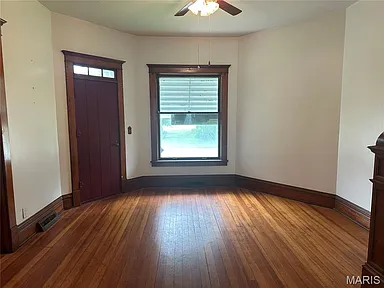
The original woodwork is among the home’s most notable features. These details contribute warmth and help establish a consistent sense of character throughout the interior. Classic trim adds definition to the rooms, giving doorways, edges, and transitions a finished appearance.
For someone drawn to traditional houses, original materials can be a meaningful part of the experience. Their color, texture, and proportions influence how a room feels, even before furniture or decoration is added. Preserving them can also provide a clear direction for future decorating choices.
A buyer could use simple furnishings to let the woodwork remain a focal point. Alternatively, a combination of traditional and contemporary pieces might create a more personal look. Either approach can work when the scale and colors of the room are considered carefully.
During a showing, it is worth examining the condition of the existing finishes. Understanding which areas need routine care and which may require repair will help a future owner plan appropriate maintenance.
A Spacious Living Room with a Fireplace
The spacious living room provides a central place to gather, unwind, and spend time at home. Its fireplace adds a recognizable focal point, helping organize the room visually and offering a natural starting point for furniture placement.
A seating arrangement could encourage conversation while leaving comfortable paths between entrances. Depending on the room’s dimensions, there may also be space for a reading chair, side tables, or a cabinet for everyday storage. Measuring the room will help buyers determine how their furniture would fit.
The fireplace’s appearance is part of the living room’s character, but its operating condition is not described. Anyone planning to use it should arrange an appropriate inspection and confirm its type, maintenance needs, and readiness for use.
Beyond that feature, the room’s generous size gives a future owner flexibility. It could accommodate quiet evenings, visits from friends, or shared activities without needing every part of the space to serve the same purpose.
Decorating Around the Home’s Existing Character
A living room with original trim and a fireplace already has several elements that attract attention. Thoughtful decorating can bring those features together without making the room feel crowded.
Wall colors can be selected to complement the woodwork, while curtains and rugs can introduce softer textures. Lamps may help create comfortable lighting for reading and conversation. Furniture placement should also account for windows, doors, and access through the room.
A gradual approach can be useful. Starting with the largest pieces allows the owner to assess how the room functions before adding smaller items. Over time, artwork, books, and personal objects can give the space an individual identity while allowing its original details to remain visible.
A Formal Dining Room for Meals and Gatherings
The formal dining room offers a dedicated setting for meals and special occasions. Having a separate dining space can make it easier to leave the table ready for use while keeping cooking and relaxation areas organized around their own purposes.
Daily meals may be simple, but a defined dining room can still contribute to a comfortable routine. It provides a place to sit down, share food, and spend time together. When guests visit, the room can become a welcoming setting for a longer meal or celebration.
The best furniture arrangement will depend on the room’s measurements and access points. A table should leave enough clearance for chairs to move and for people to pass comfortably. If space permits, a sideboard could provide useful storage for dishes, linens, or serving pieces.
The home’s classic trim and woodwork also offer a natural connection between the dining room and surrounding spaces. Coordinated colors and lighting can strengthen that relationship without requiring identical furniture in every room.
A Functional Kitchen for Everyday Use
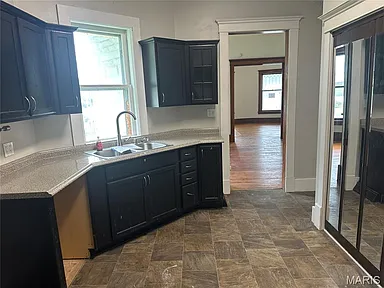
The kitchen provides functional space for meal preparation and household routines. While the supplied description does not specify cabinetry, appliances, or finishes, it establishes the kitchen as a practical part of the home.
During a visit, buyers can consider how the existing arrangement would support their habits. Useful questions include where groceries would be stored, how much preparation space is available, and whether frequently used items would be easy to reach.
The relationship between the kitchen and dining room is also worth exploring. Convenient movement between these areas can help with serving meals and clearing the table. Buyers should assess the actual layout before deciding whether any changes would be useful.
Personal touches may be as straightforward as organizing storage or adjusting lighting. Larger updates should follow a review of the kitchen’s condition and a clear understanding of what the household needs.
The Convenience of Main-Level Laundry
A laundry area on the main level adds an everyday convenience. It allows washing and drying tasks to take place on the main floor, which may make it easier to combine laundry with other household activities.
Its usefulness will depend on the available space, appliance arrangement, and storage. During a showing, buyers can check whether there is room for laundry supplies and whether folding or sorting would be practical nearby.
The presence of the laundry area does not establish whether appliances are included in the sale. That detail, along with the condition of connections and ventilation, should be confirmed.
A well-organized laundry space can make a noticeable difference without being large. Shelving, baskets, and a clear work area may help keep daily tasks manageable, depending on the existing layout.
An Office or Bonus Room with Flexible Uses
The office or bonus room gives the home a useful degree of flexibility. A dedicated room outside the main living and sleeping areas can accommodate activities that benefit from their own space.
For someone who works from home, it may provide an area for a desk and work materials. Another owner might prefer to use it for crafts, reading, or other hobbies. Its suitability for each purpose will depend on dimensions, lighting, outlets, and its position within the house.
Keeping this room focused on one or two main uses can help it remain practical. A desk with organized storage might work well for office tasks, while comfortable seating could suit a quieter retreat.
The room also offers a chance to adapt as routines change. A space used for work today could serve another permitted purpose later, allowing the home to respond to different needs over time.
Bedrooms Located on Both Levels
Bedrooms on both levels give buyers options for arranging sleeping accommodations. Some may prefer a main-level bedroom for their own routine, while others may appreciate having bedrooms upstairs.
The exact bedroom count and room measurements are not provided. A showing will help establish how the rooms relate to one another and which arrangements are realistic.
Comfort involves more than fitting a bed into a room. Storage, access to bathrooms, window placement, and clear walking space all affect how well a bedroom works. Buyers should also consider the staircase and how often they would expect to move between floors.
The one-and-a-half-story design contributes to the home’s overall character. Touring both levels can help buyers understand the upstairs layout, ceiling heights, and usable floor space before planning furniture placement.
Updated Bathrooms with a Fresher Feel
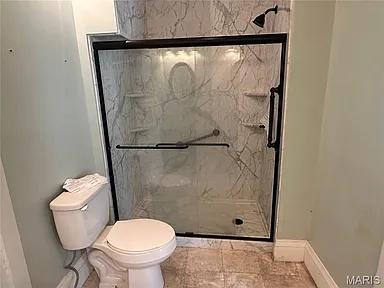
Updated bathrooms bring a fresher element to the interior and complement the home’s older details. They offer a point of contrast in materials and appearance while continuing to serve an essential daily purpose.
The description does not identify the scope or timing of the updates. Buyers should review the bathrooms directly to understand which fixtures, surfaces, or components have changed.
Storage and ease of use deserve attention alongside appearance. Available counter space, lighting, ventilation, and the position of fixtures can all influence daily comfort. Checking those details helps establish whether the rooms suit the household’s needs.
Any available information about completed work can also be useful. Understanding the updates allows a buyer to make more informed maintenance plans and distinguish visible improvements from components that may still need attention.
Covered Front Porches for Outdoor Enjoyment
The covered front porches add to the home’s welcoming appearance and provide outdoor spaces connected to its traditional character. They offer places to pause, sit, and enjoy time outside when conditions are comfortable.
Depending on their size, a porch might accommodate a pair of chairs, a small table, or a few planters. Keeping the route to the entrance clear will help the space function well for both everyday use and visitors.
Porch furnishings can be selected to suit the amount of exposure to weather. Simple, durable pieces may be easier to maintain and rearrange as preferences change.
Buyers should also examine the condition of porch flooring, steps, railings, and overhead coverings. These details influence how the spaces can be used and what maintenance may be needed. The porches’ charm is most useful when paired with sound, comfortable access.
A Back Porch Connected to Daily Routines
The back porch provides another place to enjoy fresh air and spend time outside. Having outdoor space at different points around the house allows an owner to choose where to sit based on sunlight, weather, or the activity at hand.
A small seating arrangement could make the porch useful for a quiet break. If its dimensions and access suit the purpose, it might also support casual outdoor dining.
The connection between the back porch and the lot is worth considering during a visit. Buyers can assess how easily they would move between the house, yard, and detached garage.
Lighting and clear access may help make this area more convenient. Any plans for alterations should follow a review of its existing condition and applicable local requirements.
A Detached Garage and Spacious Lot
The detached garage adds a practical feature separate from the house. Depending on its dimensions and condition, it may be useful for vehicle parking, household storage, or other appropriate activities.
Buyers should confirm its capacity rather than assume a particular vehicle will fit. Door width, interior clearance, access, and the condition of the structure all matter. Anyone hoping to use it for a workshop should also check the available electrical service and whether the intended use is suitable.
The spacious lot offers further possibilities for outdoor enjoyment. An owner might prefer open lawn, manageable garden beds, or a combination of planted and open areas. The most effective arrangement will depend on sunlight, drainage, boundaries, and maintenance preferences.
Starting with a simple plan can make the yard easier to enjoy. Over time, the owner can decide which additions would be useful and which existing features deserve to remain.
Bringing Personal Style to a Characterful Home
This White Hall property offers several features that can guide a future owner’s choices. Original woodwork and classic trim establish its interior character, while the living room fireplace and formal dining room create defined gathering spaces. Main-level laundry, updated bathrooms, and a bonus room add practical benefits.
Before planning cosmetic changes, buyers should establish the home’s overall condition through a careful review and appropriate inspections. That understanding can help separate necessary maintenance from optional improvements.
Personalization can then proceed at a comfortable pace. Furniture, lighting, paint, and storage choices may be enough to make the rooms feel familiar while preserving their existing identity. Outdoors, the porches and lot provide additional places to develop gradually.
For a buyer who values traditional details alongside useful everyday spaces, this one-and-a-half-story home presents an inviting opportunity to explore what comfortable living in White Hall could look like.



Watch Via Zillow