Affordable Homes
Shawnee Cave on 9.72 Acres in Valley Springs, Arkansas
Shawnee Cave on 9.72 Acres in Valley Springs, Arkansas

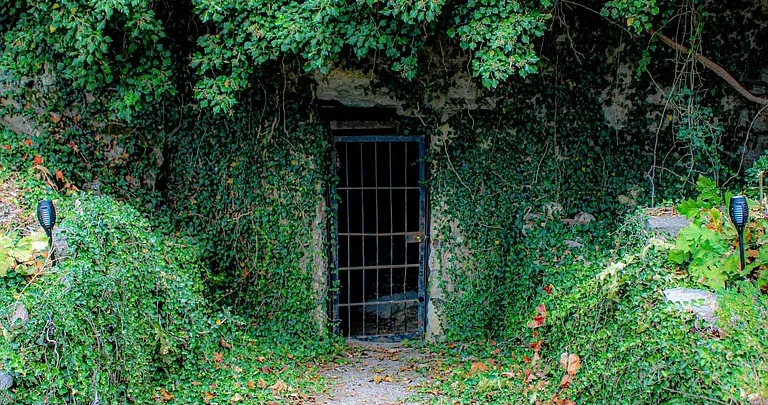
Shawnee Cave on 9.72 Acres in Valley Springs, Arkansas, Offered at $499,000
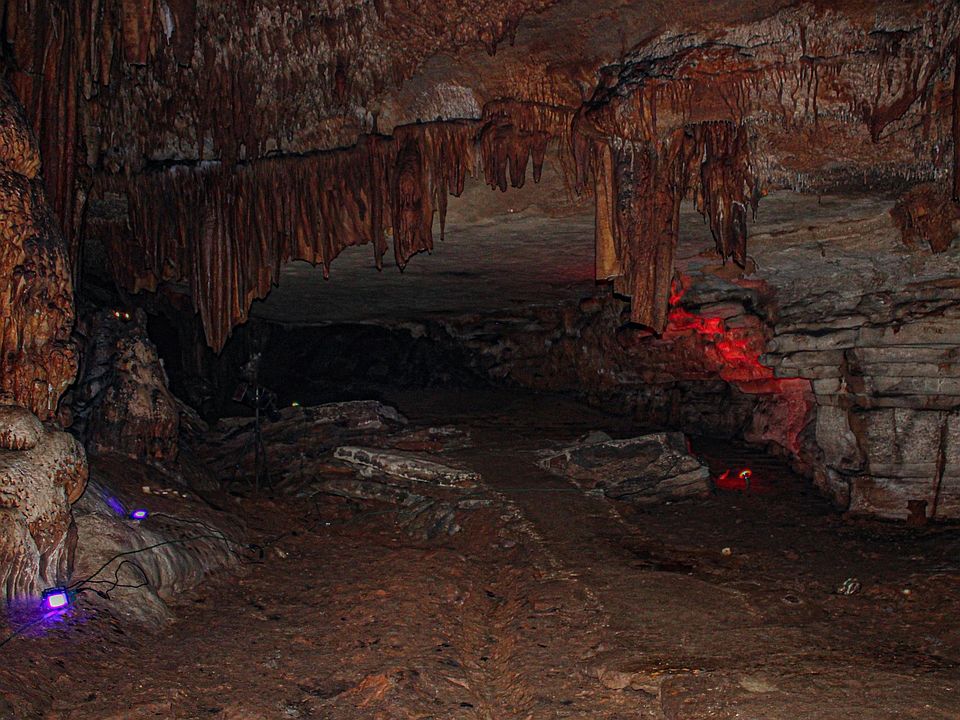
An expansive natural cave, a nineteenth-century log cabin, and a wooded rural setting make this Valley Springs property an unusual offering. Located at 1770 Mc #5026, Valley Springs, Arkansas 72682, the property is advertised at $499,000 and includes approximately 9.72 acres. Its central feature is Shawnee Cave, which the listing describes as containing more than 14,000 square feet, with ceilings reaching approximately 40 feet in the main room.
The cave reportedly operated commercially in the past. Today, the property is described as having power, fiber internet, and a locking steel door at the cave entrance. An 1800s log cabin adds another point of interest, having previously served as a museum for Native American artifacts reportedly found in the cave.
With its elevated position overlooking the Buffalo River Valley, this property offers a combination of natural scale, historical associations, and rural surroundings. Its suitability for any future use will depend on a careful review of the cave, structures, services, and applicable requirements.
A Property Defined by Its Natural Cave
Shawnee Cave gives the property an identity that extends beyond its acreage. While many rural parcels are evaluated primarily for their open land, timber, or buildings, this offering centers on an underground environment with substantial reported dimensions.
According to the listing, the cave contains more than 14,000 square feet. That figure describes the cave rather than conventional residential living space. Buyers should confirm how the area was measured and which portions are included.
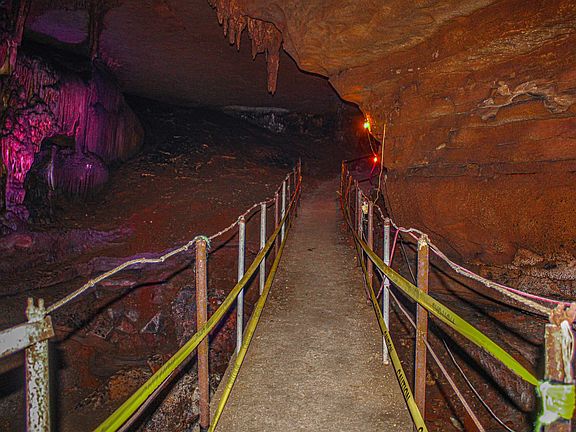
The main room’s reported 40-foot ceilings suggest a chamber with considerable vertical scale. An in-person visit, conducted with appropriate guidance, would help prospective buyers understand its proportions and layout.
The listing calls Shawnee Cave one of the largest caves in the area, but it does not provide a comparative survey. Its stated dimensions remain the more useful starting point for assessing what makes the property distinctive.
The Main Chamber and Its Reported Scale
The main chamber appears to be one of the cave’s defining features. A large underground room can offer a striking experience, particularly where ceiling height allows the space to feel open despite its subterranean setting.
Photographs and written measurements can provide an introduction, but they cannot fully explain the terrain underfoot, the route through the cave, or changes in ceiling height. Buyers should investigate those details before imagining how the space might be used.
The listing does not describe the cave’s complete passage system, walking surfaces, lighting arrangement, or internal improvements. It also does not establish that all reported square footage is easily accessible.
Understanding the relationship between the entrance, main room, and any additional passages will be essential. A documented cave survey, if available, could help a buyer assess the layout alongside observations made during a guided inspection.
An Elevated Position Above the Buffalo River Valley
The cave is described as sitting at an elevation above 1,200 feet, with a south-facing position overlooking the Buffalo River Valley. This setting adds an outdoor dimension to a property whose most unusual feature lies underground.
An elevated rural location can create a strong sense of place. Here, the wooded acreage and valley outlook contribute to the property’s overall character and may appeal to someone who values both landscape and geology.
The reference to the Buffalo River Valley describes the outlook. It does not establish river frontage, direct river access, or a particular travel distance to public recreation areas.
Prospective buyers should visit the property to assess the actual views, their seasonal variation, and the points from which they can be enjoyed. Existing vegetation, terrain, and the placement of structures will influence that experience.
Approximately 9.72 Acres of Wooded Rural Land
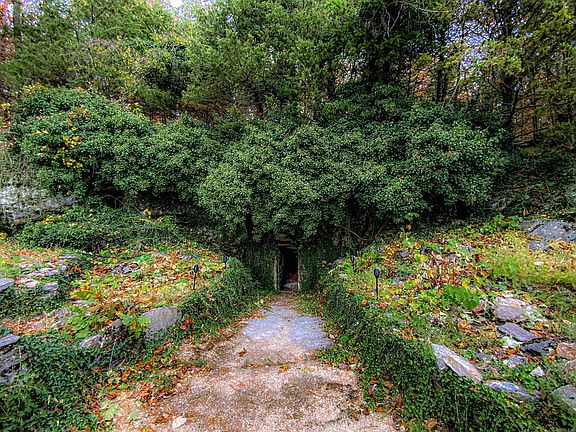
The property includes a reported 9.72 acres. The detailed listing describes the land as sloped, wooded, rural, outside city limits, and not within a subdivision.
These characteristics provide useful context for understanding the parcel. Sloping ground may offer interesting changes in perspective, while wooded areas contribute to the setting around the cave and cabin.
However, acreage alone does not show how much land is suitable for a particular activity. The location of steep areas, existing access routes, structures, and the cave entrance will influence practical use.
A survey and a thorough property walk can help establish the boundaries and the relationship between different features. Buyers considering new paths, parking areas, or buildings should first determine where those ideas could realistically fit within the terrain.
Working with the Existing Landscape
A thoughtful approach to this property would begin with understanding its current condition. Observing drainage, vegetation, slopes, and existing clearings can help identify which areas are best suited to routine access and which may be preferable to leave undisturbed.
The cave also makes surface planning particularly important. Before undertaking excavation, grading, or construction, a buyer should seek qualified advice about the relationship between proposed work and the underground environment.
Simple improvements may be sufficient for an owner whose primary goal is private enjoyment. Other plans could require more extensive investigation.
The most effective decisions will come from matching the intended use to the land’s actual characteristics rather than assuming that every part of the acreage offers the same possibilities.
A History of Commercial Cave Operation
The listing states that Shawnee Cave once operated as a commercial cave. That history is a significant part of the property’s story and may interest buyers curious about its previous public use.
Past commercial operation, however, does not establish that the cave is currently approved or prepared to receive visitors. The supplied information does not include operating dates, attendance records, financial statements, or details about former permits.
Anyone interested in reopening it should request available documentation about the earlier business. Historic photographs, maps, maintenance records, and descriptions of visitor routes could help explain how the property functioned.
A future operation would need to be evaluated on present conditions and current requirements. Prior use offers useful background, but the feasibility of a new venture must be established independently.
Power, Fiber Internet, and a Secured Entrance
The description identifies power and fiber internet among the property’s features. These services distinguish the offering from rural land where basic connections may still need to be arranged.
Their precise status should be confirmed. Buyers should establish where electrical service is available, what equipment it serves, and whether any cave lighting or other installations are included.
Fiber internet is also worth investigating directly. The listing does not specify the provider, service plan, connection location, or whether the account is currently active.
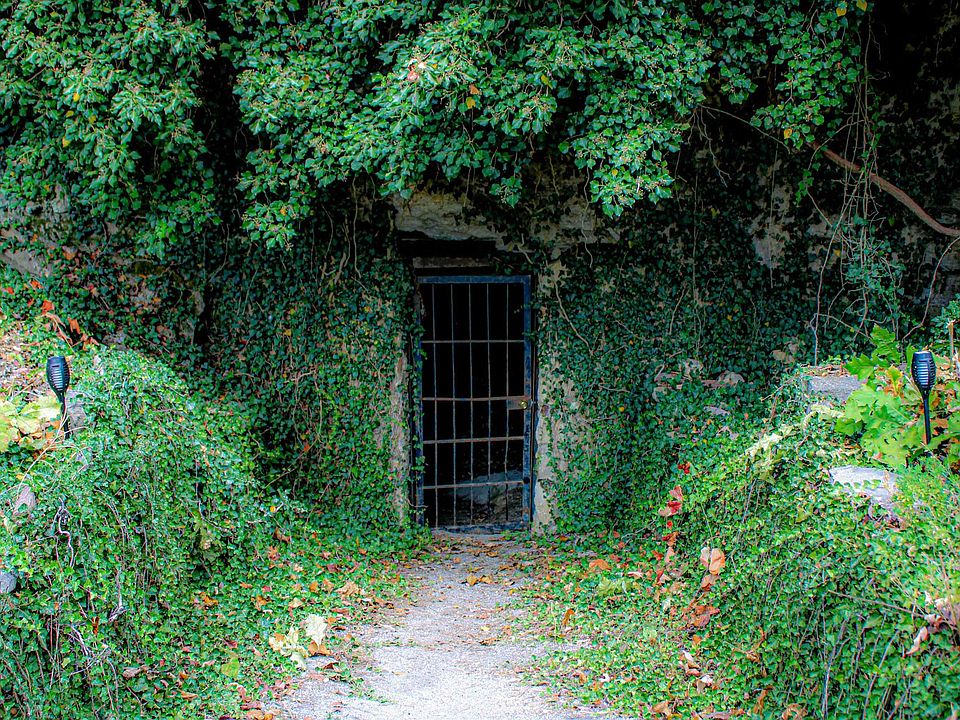
A locking steel door is reported at the cave entrance. That provides a defined point of entry, although buyers should inspect its condition and understand how access is managed.
Together, these features may support ownership convenience. Their usefulness will depend on the condition, capacity, and location of the existing installations.
The Nineteenth-Century Log Cabin
An 1800s log cabin adds a separate historical feature to the acreage. According to the description, it was once used as a museum displaying Native American artifacts found in the cave.
The cabin creates a connection between the property’s geological setting and its reported human history. For a buyer interested in older structures, it may be an important part of the appeal.
Its present condition and permitted use are not established by the listing. The cabin should not be assumed to provide habitable accommodation simply because it is included with the property.
An inspection can help clarify the condition of the logs, roof, foundation, openings, and any interior systems. Buyers should also ask whether records exist concerning repairs, alterations, or the building’s museum use.
Understanding the Museum and Artifact History
The reported museum history deserves careful documentation. Available photographs, inventories, or written accounts may help explain what was displayed and how the cabin was used.
The listing does not state that any artifacts are included in the sale. Buyers should request a clear inventory of included personal property and distinguish those items from the land and buildings.
Any future research, interpretation, or display should be based on verified information. Consultation with qualified specialists and relevant tribal representatives may help establish an accurate and respectful understanding of the site’s history.
For an owner interested in preservation, the first priority could be documenting what is already known rather than making assumptions about the cave’s past occupants or uses.
Additional Structures and Water Service
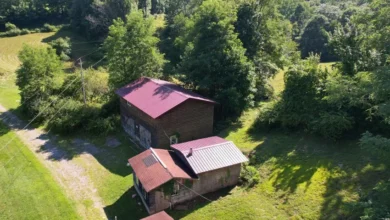
The detailed property facts identify a barn or barns as additional structures. The narrative focuses on the cave and cabin, so buyers should confirm the number, location, and condition of any other buildings included.
Outbuildings may offer practical space, but their suitability depends on their construction and maintenance. A site visit can establish whether they meet the buyer’s intended needs.
Water service is listed as a well. Its location, operational condition, water quality, and capacity should be investigated through appropriate records and testing.
The supplied information does not identify a wastewater system or describe restroom facilities. That is a material question for anyone considering regular occupancy, employees, or public visitors.
Understanding these basic services will help buyers assess the property beyond its most visually distinctive features.
Access and the Paved Road Surface
Easy access is highlighted in the description, and the detailed facts list the road surface as paved. These are useful features to explore when evaluating a rural parcel.
Buyers should still confirm the legal access arrangements, entrance location, and condition of any route between the public road and the property’s main features.
The paved-road designation does not establish the surface or dimensions of every internal driveway. Nor does it confirm that parking and turning areas would suit a particular vehicle or proposed activity.
For private ownership, access needs may be relatively straightforward. A public-facing use could introduce different requirements involving vehicle movement, parking, emergency access, and pedestrian routes.
Reviewing those questions early will help determine whether the existing arrangement supports the buyer’s plans.
Understanding the “Unrestricted” Description
The property is marketed as unrestricted and is listed outside city limits and outside a subdivision. That wording may appeal to buyers seeking flexibility, but its exact meaning should be confirmed.
An unrestricted description does not, by itself, establish approval for every potential use. Recorded documents, applicable regulations, utility limitations, and site conditions can still affect what is possible.
The listing classifies the property as agriculture. Buyers should investigate how that classification relates to any intended private, commercial, recreational, or residential use.
Written confirmation from the relevant offices can help resolve these questions before significant commitments are made. This is particularly important for plans involving public access, construction, overnight accommodation, or changes to the cave.
Price, Taxes, and Purchase Terms
The advertised asking price is $499,000. The listing identifies conventional financing and cash as possible purchase terms, although the availability of a particular loan will depend on the lender and the buyer’s circumstances.
Because the offering includes a natural cave and unconventional structures, buyers considering financing should discuss the property’s characteristics with a lender early in the process.
Annual property taxes are reported as $78. That figure should be verified against current records, including any information about how the property is assessed.
Taxes alone do not establish the cost of ownership. Insurance, utilities, inspections, maintenance, and any intended improvements should also be considered.
No operating income or financial history is supplied. The property should therefore be evaluated on verified information rather than assumptions about revenue from its former commercial use.
A Distinctive Arkansas Property to Explore Carefully
Shawnee Cave brings together features rarely found in a single offering: a cave with more than 14,000 reported square feet, a main chamber with approximately 40-foot ceilings, an elevated valley setting, and a nineteenth-century log cabin with a reported museum history.
The surrounding 9.72 acres, stated utility connections, secured entrance, and paved-road access add practical points to investigate. Each helps form a fuller picture of the property, while leaving important questions for records review and on-site inspection.
For a buyer drawn to geology, rural land, or historical preservation, this Valley Springs offering provides substantial material to explore. Its future will depend on a clear understanding of the cave, the land, and the uses the property can support.


Listed on Zillow.