Affordable Homes
Tittabawassee Riverfront Acreage With Mature Trees, Privacy, and Recreational Potential
Private Riverfront Land with Future Potential

Tittabawassee Riverfront Acreage With Mature Trees, Privacy, and Recreational Potential
A property beside the water offers a different way to experience the outdoors. This acreage along the Tittabawassee River is described as a peaceful setting with mature trees, open space, wildlife, and room to explore future possibilities.
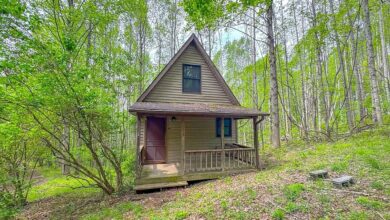
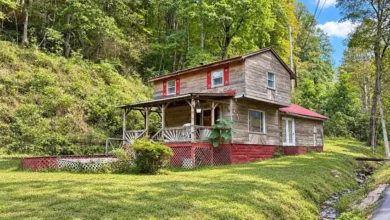
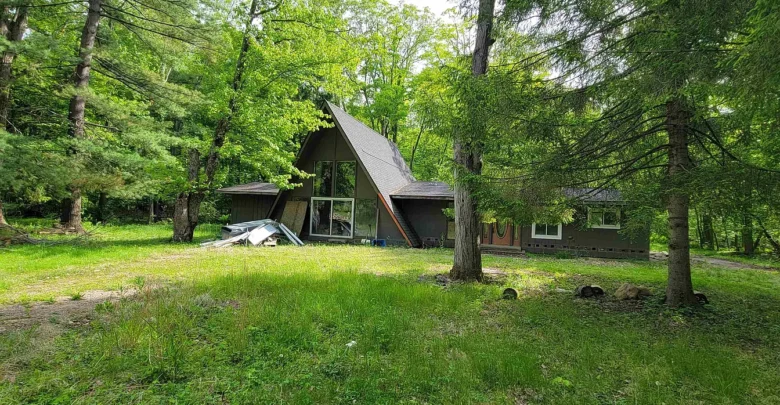
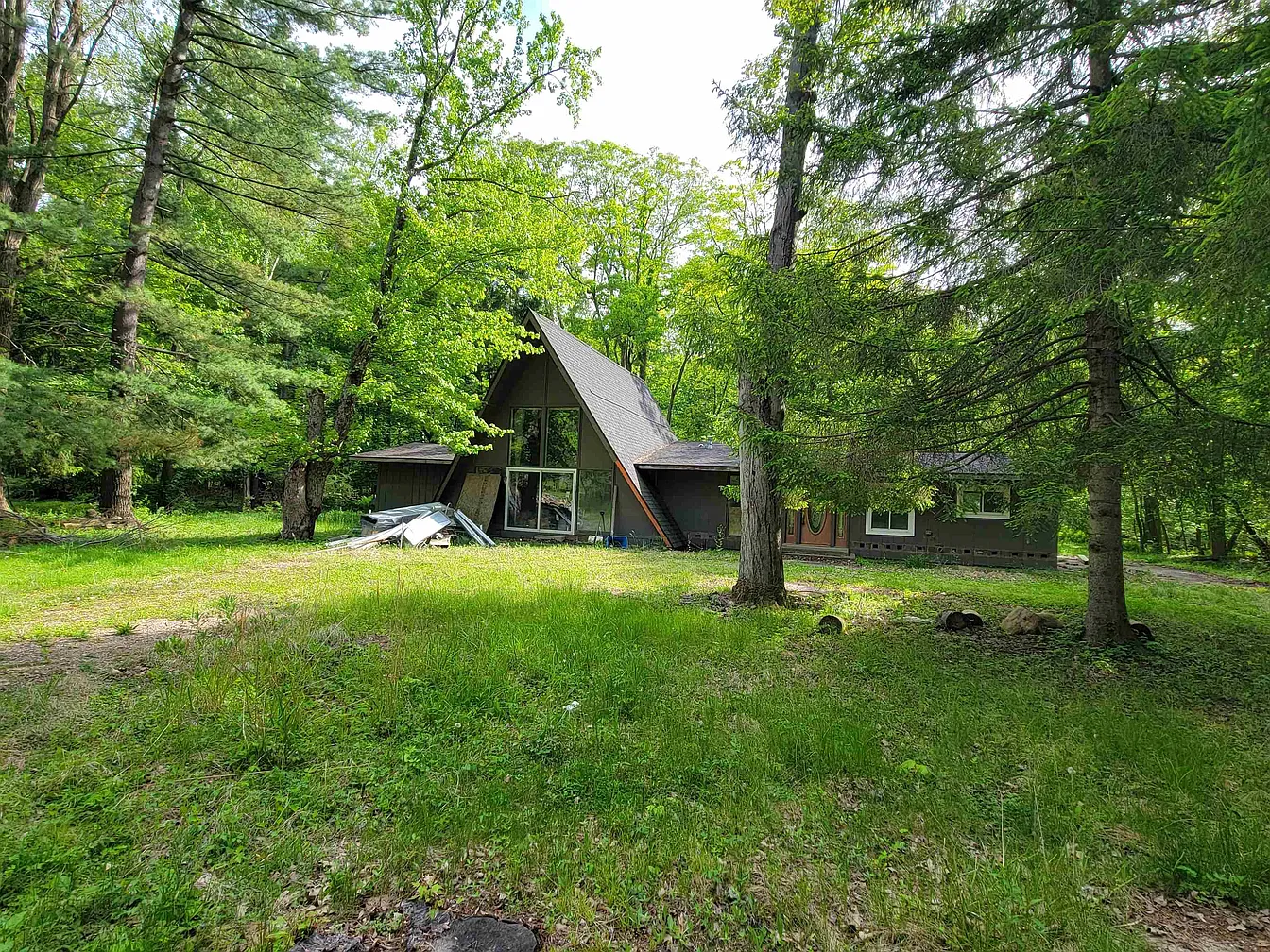
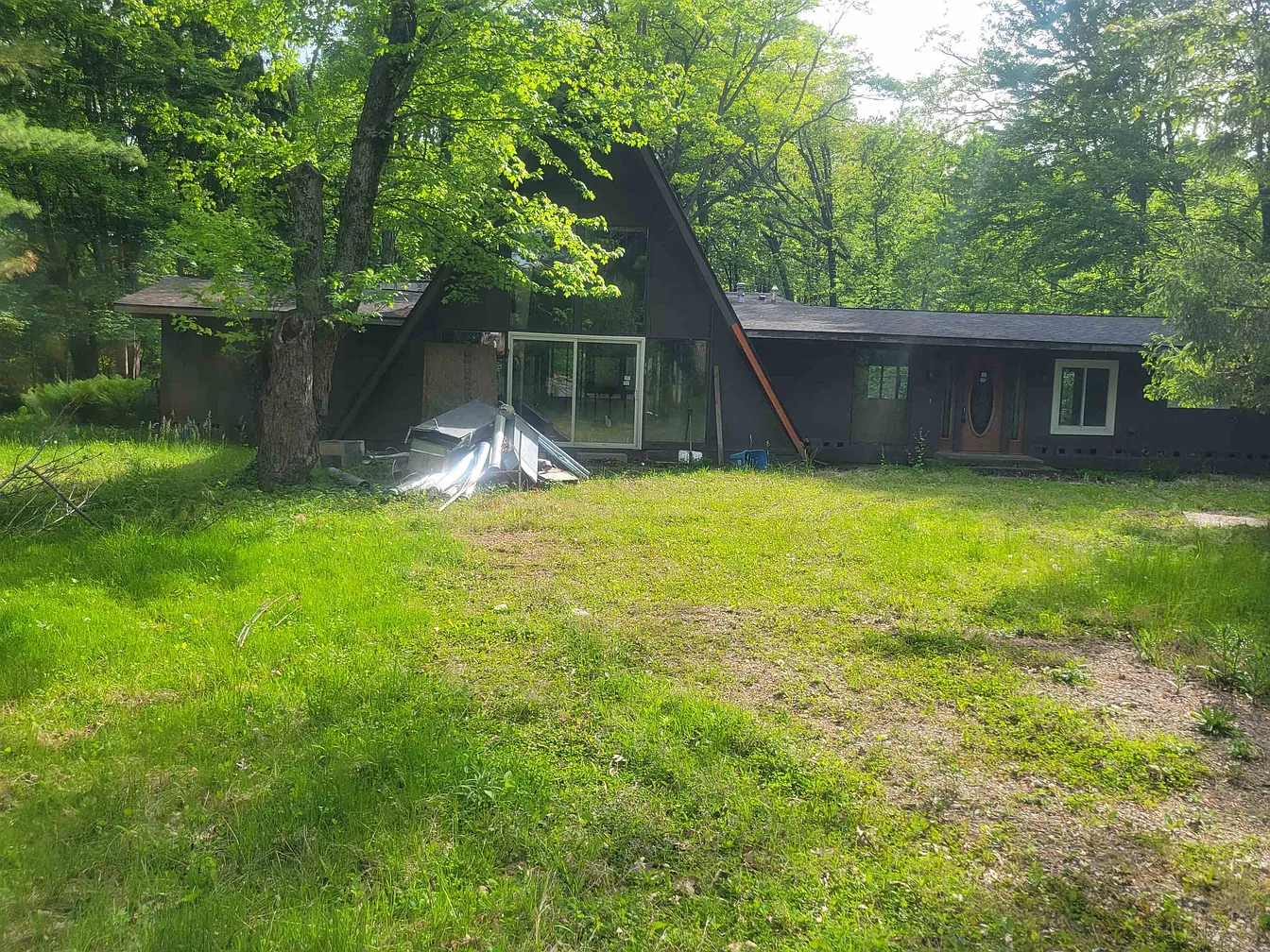
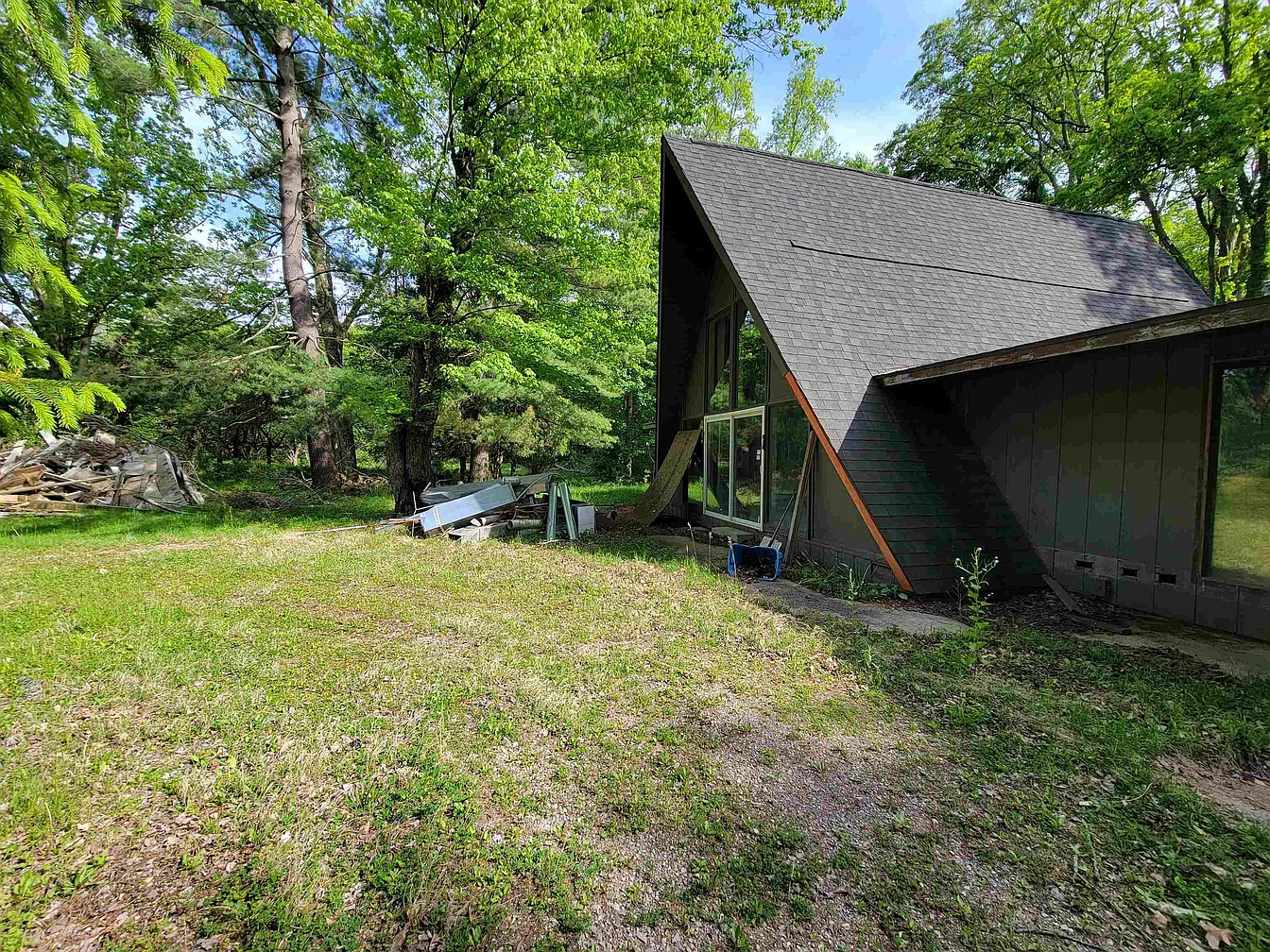
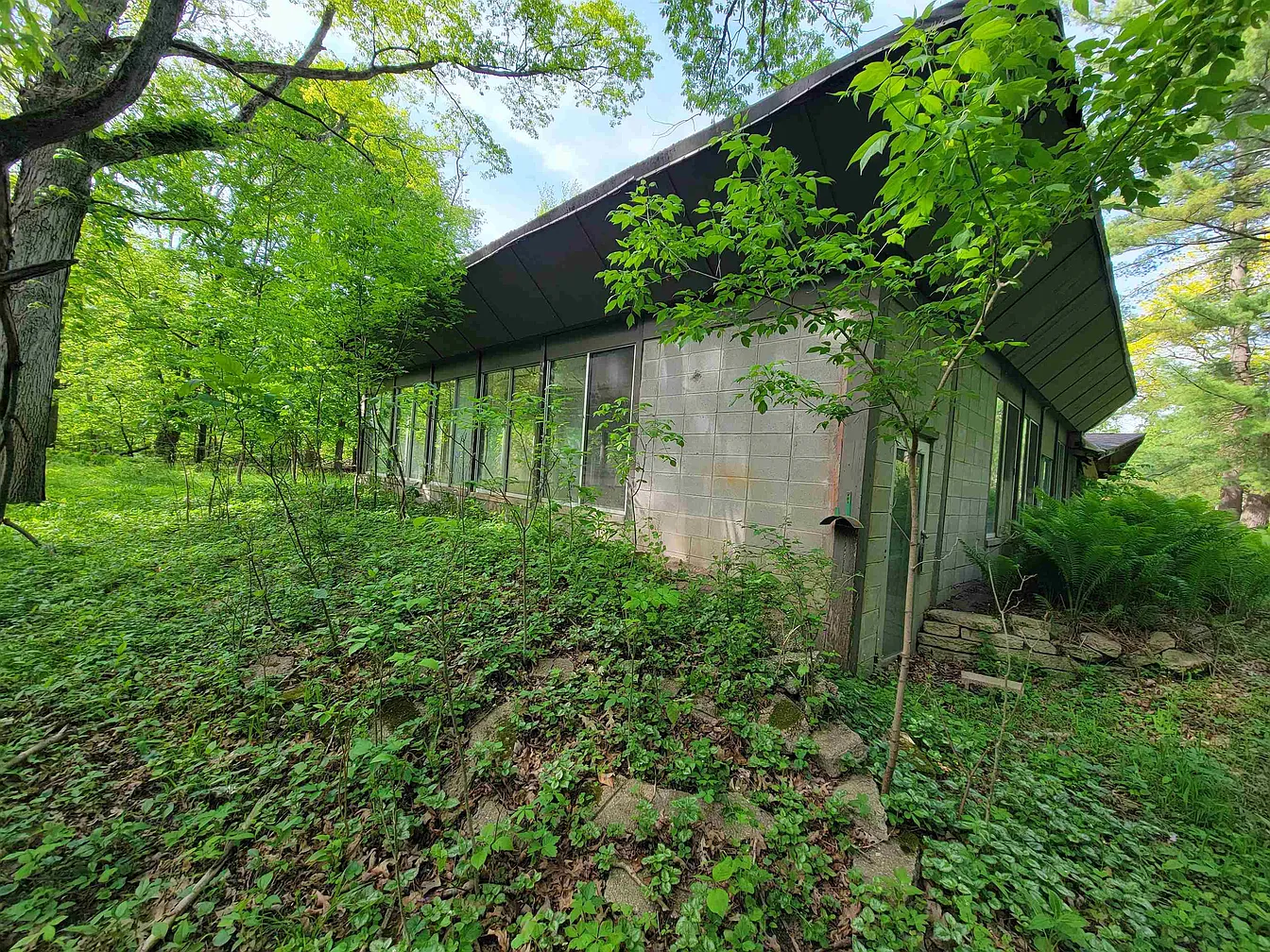
The main attraction is the land and its relationship to the river. The existing structure is described as not livable, so prospective buyers should evaluate the offering as a land opportunity with a building that requires further assessment.
For someone seeking a weekend escape or a place to spend time in nature, the combination of river frontage and private acreage may be appealing. Fishing, kayaking, walking, and wildlife observation are among the activities suggested in the supplied description, although access and suitability for each should be confirmed.
One important limitation shapes the property’s potential: much of the land is described as being within a floodplain. Any plans for construction, camping, utilities, or other improvements need to account for that setting. The opportunity is to understand the site thoroughly and develop a practical plan around its verified features.
A Property Defined by Its Riverfront Setting
The Tittabawassee River provides the property’s central landscape feature.
For a prospective owner, that setting may offer a place to pause beside the water, observe the surroundings, or enjoy outdoor activities. The river gives the land an identity that extends beyond its acreage.
The supplied description does not state the length of frontage, the condition of the bank, or the location of access points. Those details are important when evaluating how the water can actually be reached and enjoyed.
A viewing should establish whether the approach to the river is gradual, steep, wooded, or seasonally difficult. It should also clarify where the property boundaries meet the water.
River frontage can be an attractive feature, but its practical usefulness depends on the physical conditions. Understanding those conditions helps connect the description’s appeal to the experience of owning the land.
Mature Trees and Open Outdoor Space
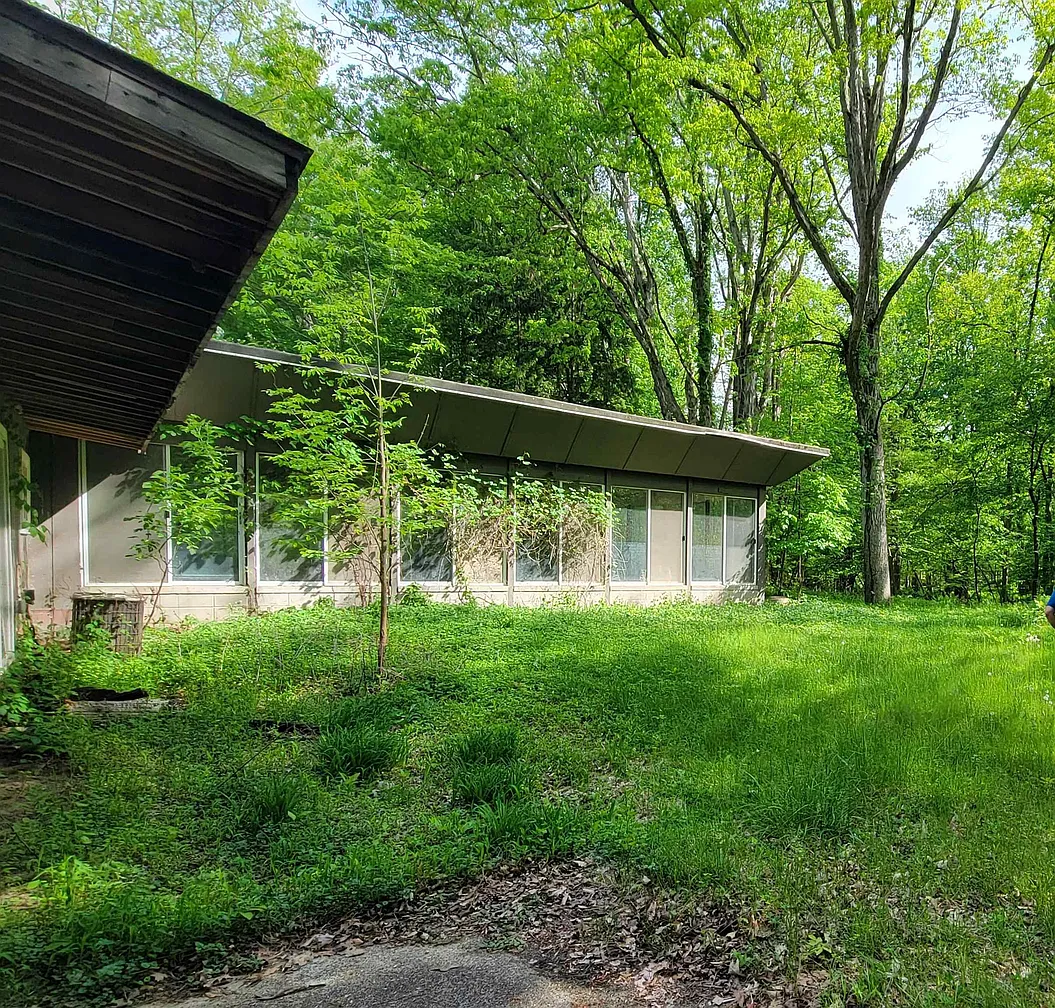
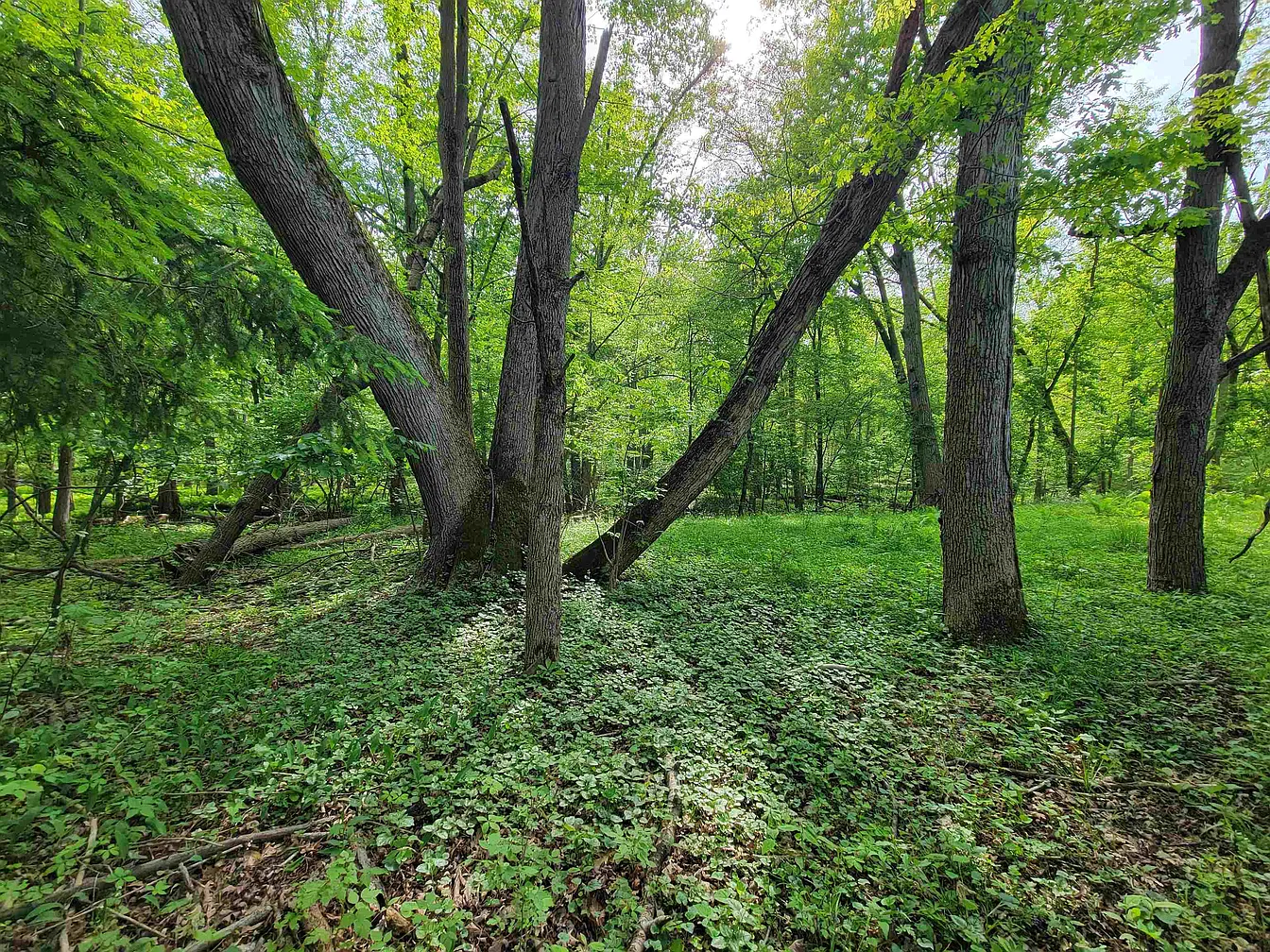
The landscape is described as a mixture of mature trees and open areas.
That combination can create variety within the property. Trees may provide shade and a more enclosed outdoor setting, while open spaces can offer a different outlook and room to consider appropriate recreational uses.
The description does not identify tree species, the amount of open acreage, or the condition of the vegetation. Buyers should walk the accessible portions of the land to understand how those areas are arranged.
Existing trees can influence where paths, seating areas, or other improvements might fit. Their condition and proximity to the road, structure, and utilities should also be considered.
The most useful landscape plan begins with what is already present. Learning the site before making changes can help an owner preserve the features that contribute most to its natural character.
Privacy and a Quiet Atmosphere
The property is presented as a private, peaceful retreat away from everyday noise and activity.
For someone who values outdoor space, that atmosphere may be a major reason to investigate the offering. The ability to spend time among trees and near the water can make even a simple visit feel different from an ordinary day in town.
Privacy should still be assessed in person. Nearby properties, road traffic, sightlines, and activity along the river may influence how secluded the land feels.
The supplied description does not establish distances from neighboring buildings or public access areas. Visiting at different times, where practical, can provide a more complete impression.
A quiet setting is most valuable when it matches the buyer’s expectations. Observing the surroundings directly will help determine whether the property provides the level of separation being sought.
Several Acres With Room to Explore
The description refers to several acres, but it does not provide an exact measurement.
That leaves an important detail to verify before evaluating price, planning improvements, or comparing the property with other acreage listings.
A buyer should obtain the recorded parcel information and any available survey. The shape of the land, its boundaries, and its relationship to the road and river will matter alongside the total area.
Acreage does not necessarily translate into an equal amount of usable space. Floodplain conditions, vegetation, slopes, and wet ground may affect different sections.
Understanding those distinctions will help identify which areas are suitable for quiet recreation and which require more careful consideration. The goal is to evaluate the property as it exists rather than assume that every part offers the same possibilities.
Potential for a Weekend Retreat
A weekend getaway is one of the uses suggested in the supplied text.
For a buyer who wants time outdoors, the appeal may be relatively simple: a place to visit, walk, observe nature, and enjoy the river setting. That purpose does not necessarily require an elaborate development plan.
However, the existing structure is not described as habitable. Overnight use should therefore not be planned around occupying it without establishing its condition and suitability.
Camping or other temporary accommodation also requires confirmation of the applicable rules and site conditions. Access, sanitation, water, and weather exposure are practical parts of that assessment.
Once those questions are answered, a buyer can determine whether the land supports the kind of occasional retreat they have in mind and what preparation would be necessary.
Fishing and Kayaking Possibilities
The description highlights fishing and kayaking as activities that may appeal to a future owner.
Those possibilities should be evaluated through the actual river access. A convenient launch area, a stable bank, and a practical route from the road can make a significant difference.
The supplied information does not confirm a dock, launch, maintained access path, or specific fishing conditions. Buyers should avoid assuming that those features are already available.
Water conditions can also affect how the river is used. Prospective owners should assess the setting and obtain the information relevant to their intended activities.
For someone who enjoys recreation on or near the water, the property may be worth examining closely. The strongest evaluation will connect that interest to verified access rather than rely solely on the riverfront label.
Walking and Wildlife Observation
The land is described as having natural wildlife and a setting suitable for quiet walks and nature watching.
These activities may offer a way to enjoy the property without extensive changes. Mature trees, open areas, and the river can create several places to observe the landscape.
The description does not identify established trails or particular wildlife species. A buyer should inspect the terrain and determine where walking is comfortable and practical.
Simple paths might be an idea to explore where appropriate, but their placement should account for wet areas, vegetation, and boundaries. Existing access routes should be understood before additional clearing is considered.
For an owner interested in a modest outdoor retreat, learning how the landscape changes through the year may become part of the property’s enjoyment and ongoing care.
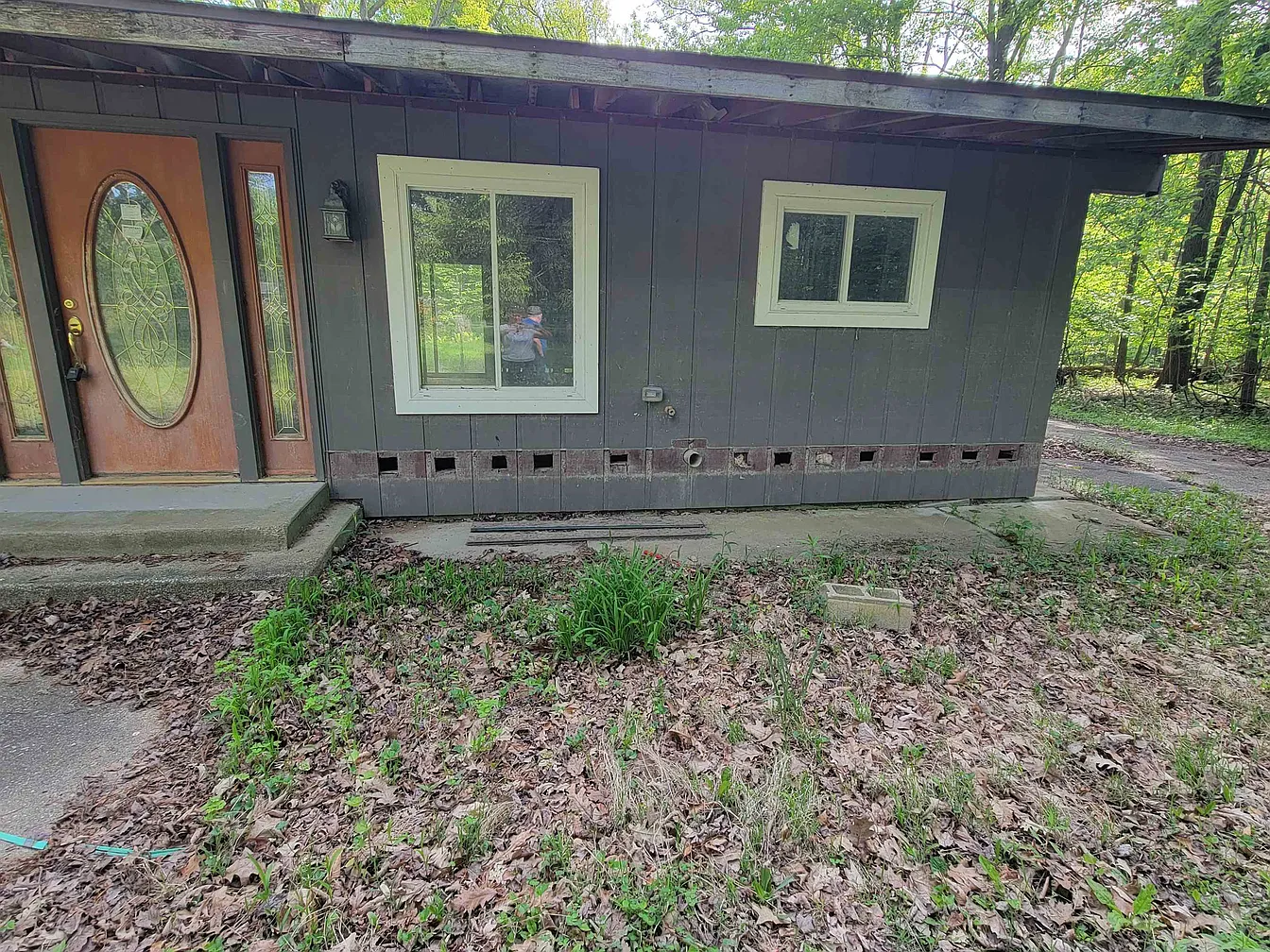
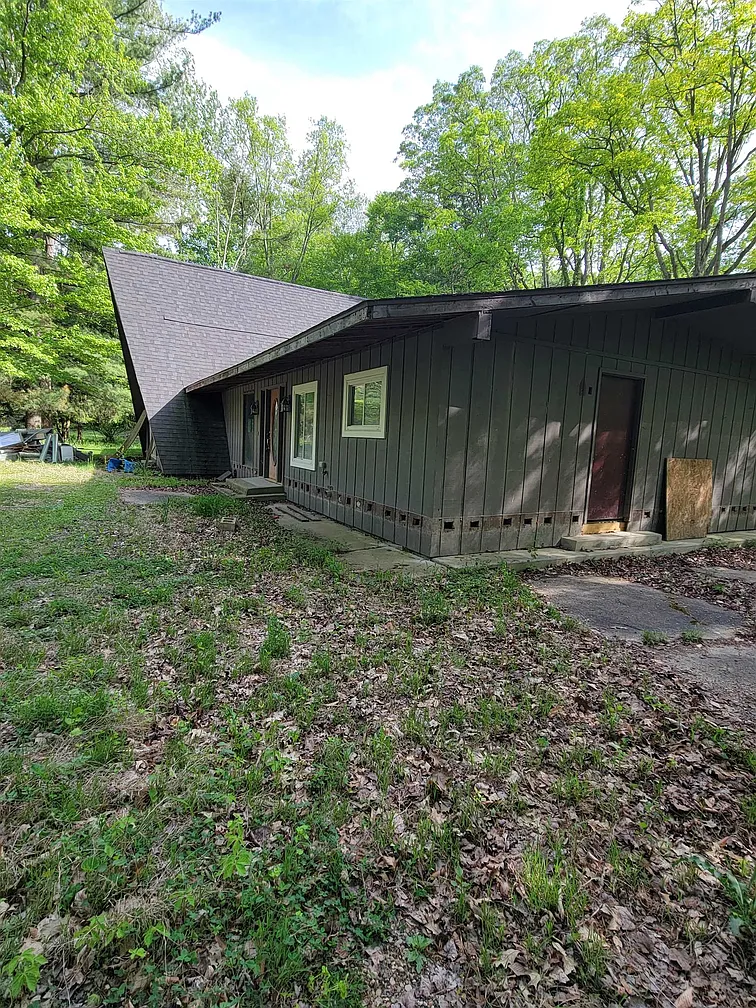
The Existing Structure Is Not Livable
The supplied description is clear that the existing structure is not considered livable.
That statement should remain central to the purchase evaluation. The property should not be presented as a move-in-ready residence or as providing immediate accommodation.
The text does not explain why the structure is unlivable or identify its size, age, or specific defects. Buyers should establish whether it can be inspected and obtain an assessment before making plans around it.
Possible decisions could involve repair, a different permitted use, or removal, but none is confirmed by the description. Each would have its own practical requirements and costs.
The building’s presence is therefore something to investigate rather than a ready-made benefit. Its condition may influence access, project planning, and the overall expense of preparing the property for future use.
Floodplain Conditions Shape the Opportunity
Much of the property is described as lying within a floodplain.
That feature affects how the land should be evaluated. Buyers should identify the areas involved and understand how the house, road access, and existing utilities relate to them.
The supplied description does not provide flood maps, elevation information, or a history of conditions at the property. Those details would help establish the site’s limitations more precisely.
Plans for buildings or other improvements should be discussed with the relevant local authorities before being treated as feasible. The same careful approach applies to proposed changes around the river.
A floodplain setting does not supply enough information by itself to determine every possible use. It does make site-specific research an essential part of developing a realistic plan.
The Area Near the Road Needs Separate Evaluation
The description suggests that land closer to the road may offer more flexibility for future use.
That possibility is worth investigating, but it is not confirmation of a suitable building site. Buyers should establish its elevation, drainage, size, and relationship to the floodplain.
Road access also needs clarification. The condition of the entrance, any relevant access documentation, and the ability to bring vehicles or equipment onto the land can affect a project.
A potential site near the road may be attractive if it offers convenient access, but utilities and other requirements still need to be examined.
Treating that area as a specific question will produce a more useful answer than assuming that its location makes construction possible.
Existing Well, Septic, and Possible Utilities
The supplied text mentions road access, a well, septic, and possible utility connections as existing features to investigate.
These may provide a starting point, but their operating condition and suitability are not established. Buyers should confirm what equipment is present and obtain relevant records where available.
A well should not be assumed to provide usable water without assessment. Likewise, the presence of a septic system does not establish that it is functioning or suitable for a future project.
Possible utility connections need clarification about service availability, location, and the work required to use them.
These details can materially influence the practicality of a retreat or building plan. Verifying them early helps distinguish usable infrastructure from items that may need repair, replacement, or further investigation.
Planning Improvements Around the Landscape
The property is described as a place where a buyer with vision could create something suited to their needs.
A useful first step is to identify a clear purpose. Someone seeking occasional recreation may need a different plan from someone investigating a future homesite.
Improvements should respond to the land’s actual characteristics. Access, floodplain conditions, vegetation, utilities, and the unlivable structure all influence what is practical.
A measured approach may begin with inspection and maintenance before larger changes are considered. Establishing boundaries and understanding drainage can support better decisions about paths or outdoor areas.
The property’s natural setting is already its principal attraction. A thoughtful plan would preserve that appeal while addressing the practical requirements of the intended use.
Evaluating Long-Term Ownership
The description presents the property as having potential for long-term ownership, but it does not establish future appreciation or investment returns.
A buyer should assess the land based on verified features, the acquisition cost, and the expenses associated with the intended use. The supplied text does not include an asking price or annual ownership costs.
Potential expenses may involve maintenance, access improvements, utility assessments, and work associated with the existing structure. The relevant amounts will depend on the findings.
For personal use, the property’s value may lie in the time spent there and how well it supports the buyer’s outdoor interests.
For any investment purpose, a separate evaluation would be needed. The riverfront setting creates interest, while a realistic ownership plan depends on details beyond the scenic description.
A Riverfront Land Opportunity With Important Questions to Resolve
This Tittabawassee River property brings together private acreage, mature trees, open space, and a setting beside the water.
Its appeal is strongest for someone willing to understand the land before committing to a particular use. Exact acreage, boundaries, river access, utilities, and floodplain conditions all need confirmation.
The unlivable structure also requires a clear assessment so that it can be included accurately in the project plan.
With those details established, a prospective owner can decide whether the property suits a weekend retreat, permitted recreational use, or another approved purpose. The opportunity begins with its natural setting and becomes more concrete through careful, property-specific planning.
Fromm Zillow.