Affordable Homes
WOW! Rare Offer! 133 Acres with Cabin, Pond, Stream & Hunting. Grab it for $159,900
WOW! Rare Offer! 133 Acres with Cabin, Pond, Stream & Hunting. Grab it for $159,900

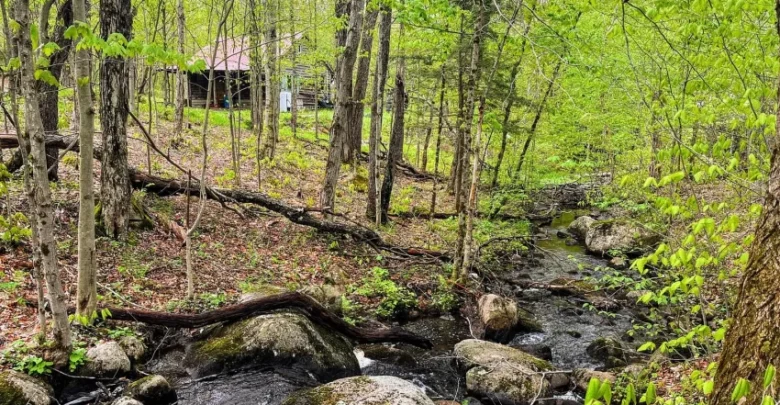
133.6 Acres of Adirondack Woodland With a Rustic Hunting Camp Listed for $159,900
A large tract of wooded land can offer something that a conventional home rarely provides: enough space to spend a day outdoors without leaving your own property. This 133.6-acre offering on Laplante Road in Star Lake, New York, combines that sense of scale with a traditional hunting cabin, a woodland stream, a small beaver pond, and an established network of trails.
Listed at $159,900, the property is presented as remote recreational land with a camp positioned near the center of the acreage. The setting is entirely wooded, with hardwood forest, rock outcrops, and water features contributing to its character. According to the listing, it also directly borders state land.
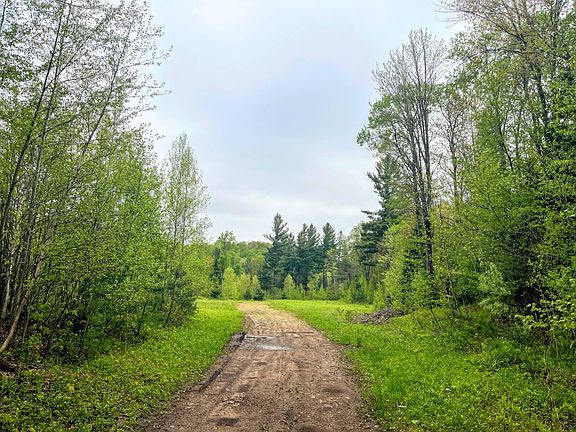
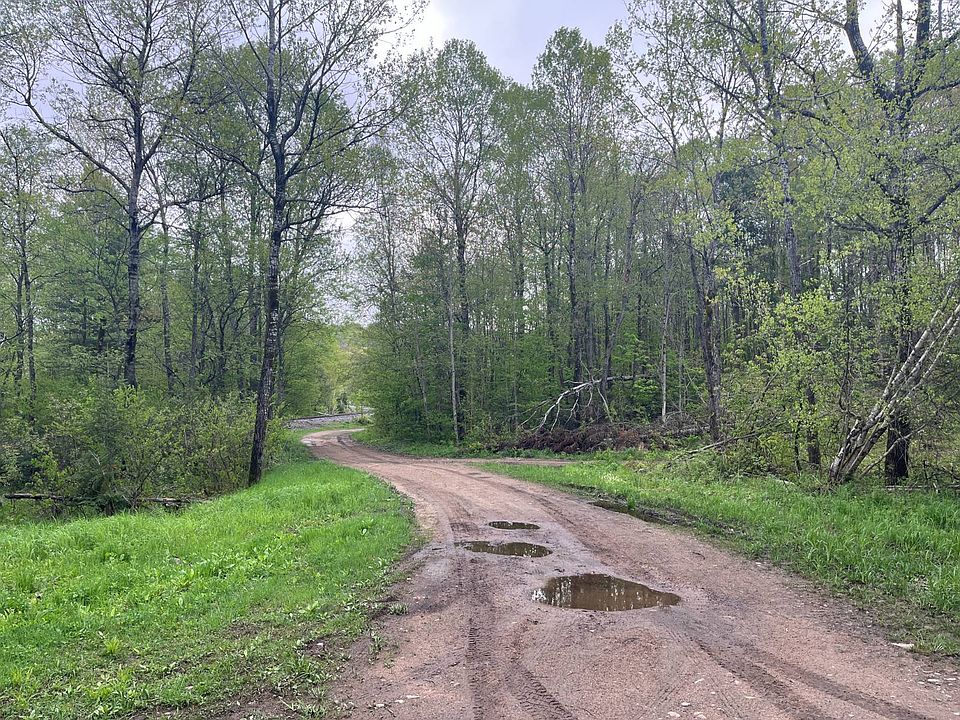
Access comes by a private gravel road described as suitable for cars and trucks during spring, summer, and fall. Once inside the property, more than 4,000 feet of private gravel road and numerous trails provide routes through the forest.
For buyers seeking a rustic Adirondack retreat, the appeal lies in the combination of substantial acreage and an existing place to gather, prepare meals, and sleep. The cabin is described as a traditional hunting camp, and the property is classified as unimproved land rather than a conventional residential home.
A Large Wooded Property With Room to Explore
The detailed listing reports 133.6 acres, while the marketing description rounds that figure to 133 acres. Either way, the size is a defining part of the offering.
A property of this scale allows an owner to experience different portions of the landscape over time. One outing might follow the stream, another might lead toward the pond, and another could focus on the rock outcrops or quieter sections of hardwood forest.
The acreage also creates distance between the camp and the edges of the property. With the cabin reportedly near the center of the lot, the immediate setting is shaped by the woods rather than a roadside location.
Actual boundaries, terrain, and usable routes should be reviewed with a property map and an on-site visit. The acreage figure establishes size, but understanding how the land is arranged will help a buyer judge how well it fits their plans.
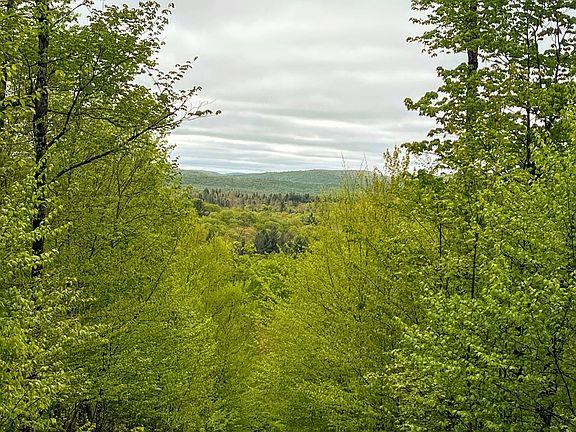
An Entirely Wooded Adirondack Setting
The listing describes the property as entirely wooded, with hardwood forest forming an important part of its landscape. This gives the acreage a consistent woodland identity while leaving room for variation in canopy, ground cover, and terrain.
A forested property changes throughout the year. Leaves, light, weather, and visibility all affect how the same trail or clearing feels during different visits. That seasonal variety can make returning to the camp part of its appeal.
The trees also provide a natural setting for wildlife observation and quiet outdoor use. Rather than maintaining a large open lawn, an owner would spend much of their time moving through wooded surroundings.
The supplied information does not include a timber inventory, forest management plan, or detailed species breakdown. Buyers interested in those subjects should request additional information. The advertised woodland character is clear, but any conclusions about timber value or management possibilities would require a closer assessment.
A Traditional Hunting Cabin Near the Center of the Land
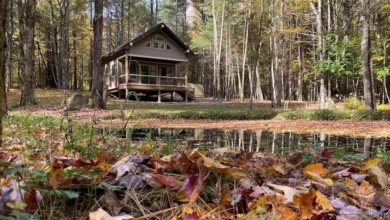
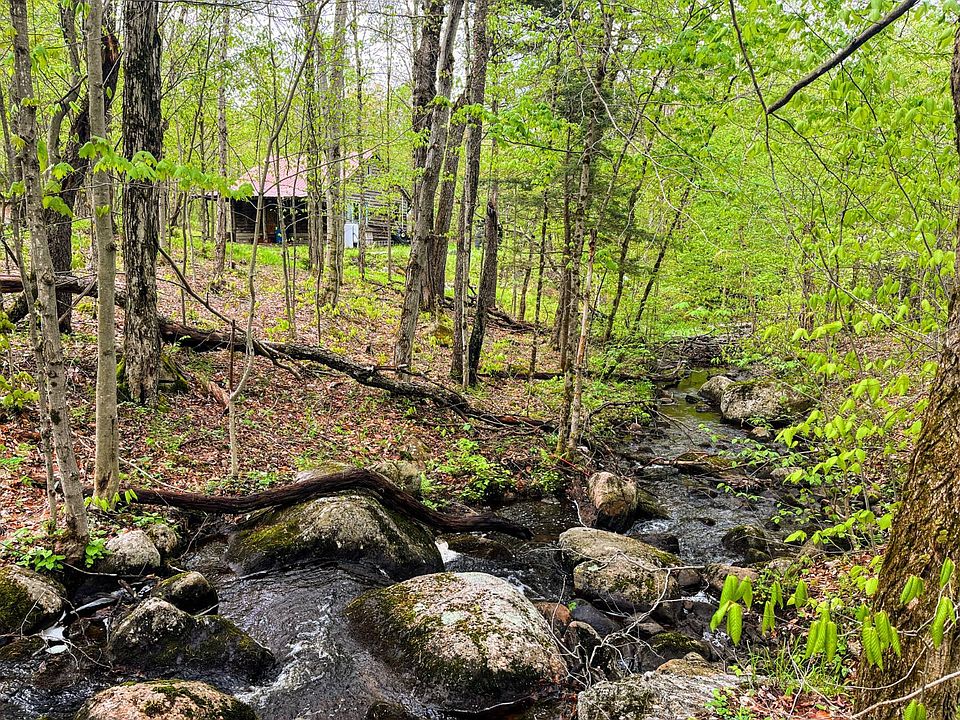
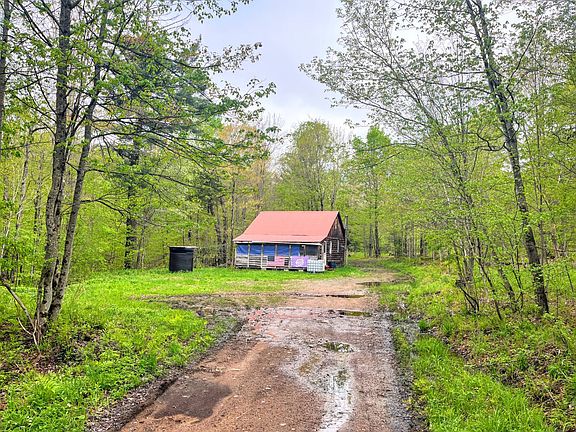
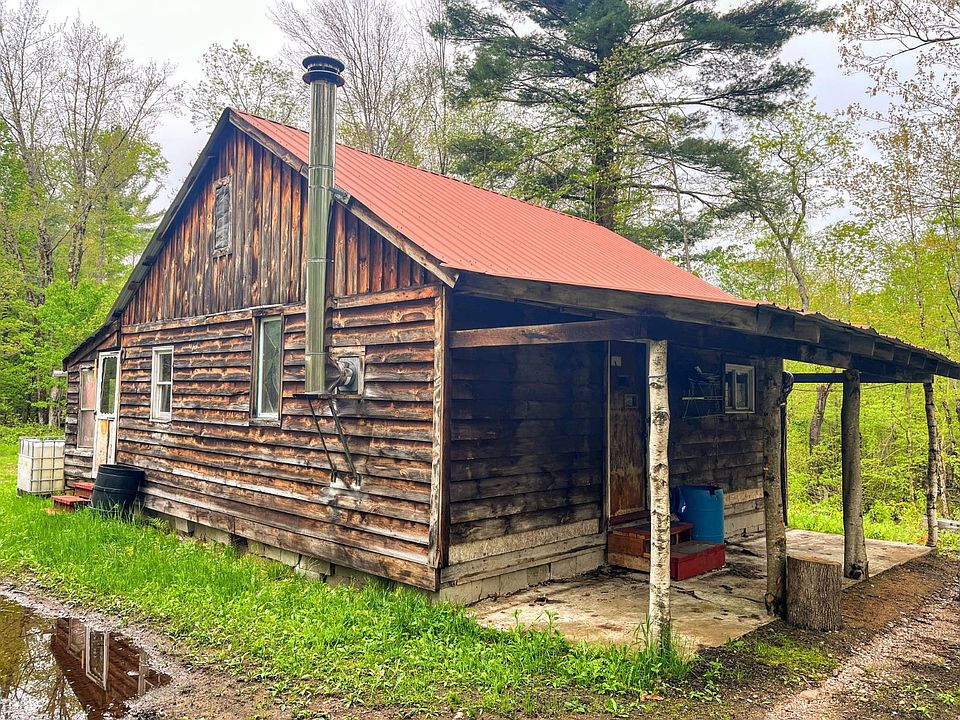
The cabin is described as sitting remotely near the center of the property, beside a brook that can be heard from the camp. Its position gives the building a close relationship to the surrounding landscape.
For recreational use, that placement may be especially appealing. Returning to camp after a walk or a day outdoors would mean returning to a sheltered gathering place within the forest itself.
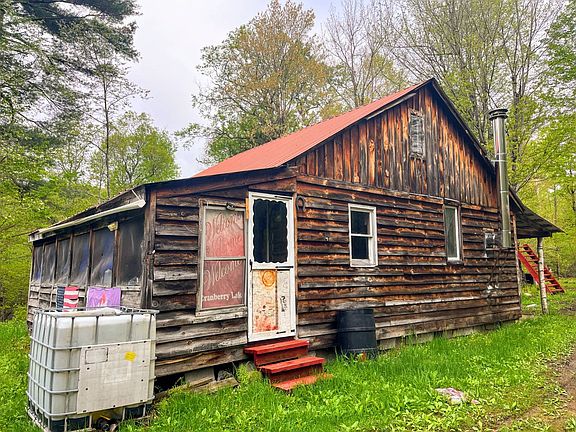
The listing presents the structure as a traditional Adirondack hunting camp with basic accommodations. It does not provide a construction date, interior square footage, or detailed condition report.
The structured fields report zero bedrooms, zero bathrooms, and zero building area. Those entries should not be interpreted as proof that no cabin exists, because the description expressly identifies one. Instead, they show that the supplied listing does not establish the camp as a measured, conventional residence.
A buyer should confirm the structure’s dimensions, recorded status, condition, and permitted use.
An Open Interior for Simple Camp Living
Inside, the hunting camp reportedly has an open floor plan with a kitchen area, a large wood stove, and a couple of bunks. The arrangement suggests a shared space organized around practical recreational use.
An open room can support several parts of a camp visit. Food preparation, conversation, equipment organization, and resting all take place within the same general interior. That simplicity may suit buyers who expect to spend much of their time outside.
The bunks provide described sleeping accommodations, but the listing does not specify their size or the camp’s total sleeping capacity. It also does not identify separate bedrooms.
Prospective buyers should examine how furniture and equipment fit within the room. Storage, ventilation, usable floor space, and the relationship between the stove and sleeping areas will help determine whether the cabin works for the intended number of visitors.
The best fit may be someone who values a straightforward camp layout and is comfortable with shared accommodations.
A Kitchen Area That Supports Longer Visits
Having a kitchen area gives the camp a practical advantage over land with no gathering structure. It provides a place where meals could become part of the routine rather than something handled entirely outside.
However, the supplied description does not identify appliances, water connections, cooking fuel, refrigeration, or a sink. A “kitchen area” can mean different things in a rustic camp, so the actual setup needs clarification.
A viewing should establish what equipment is present and what remains with the sale. Buyers should also ask how previous users stored food, brought in drinking water, and managed cleanup.
Those details affect the length and comfort of a stay. A weekend visit may require relatively little equipment, while a longer trip places greater demands on food storage and supplies.
Understanding the kitchen as it currently exists will help a buyer plan improvements without assuming amenities that are not documented.
A Large Wood Stove at the Heart of the Cabin
The listing specifically mentions a large wood stove. In a traditional hunting camp, this can be an important feature for cooler visits and a natural focal point within the room.
Its usefulness depends on more than size. Condition, installation, chimney maintenance, clearances, and the availability of dry firewood all influence how it can be used.
No information is provided about the stove’s age or service history. Nor does the listing establish insulation levels or the camp’s suitability for extended winter occupancy.
A prospective owner should ask how the building has been heated in practice and whether the stove and chimney have been inspected or maintained recently. Firewood storage is another useful detail to review.
The presence of a wood stove adds to the cabin’s rustic character, but it should not be treated as confirmation that every part of the property is ready for cold-weather stays.
A Screened Front Porch Beside the Woods
The screened-in front porch is one of the camp’s most inviting described features. It creates a space between the interior and the forest, allowing visitors to remain close to the outdoor setting while having a more sheltered place to sit.
A porch could become the natural place for morning coffee, conversation after a walk, or a quiet pause before heading back onto the trails. With the brook reportedly close enough to hear, the setting offers a sensory connection to the water as well as the trees.
The listing does not provide porch dimensions or a condition assessment. Screens, flooring, supports, and the connection to the cabin should all be examined.
Even without elaborate amenities, a well-functioning porch can add meaningful usable space to a compact camp. Its value comes from how comfortably it supports the simple activities that bring people to a woodland retreat.
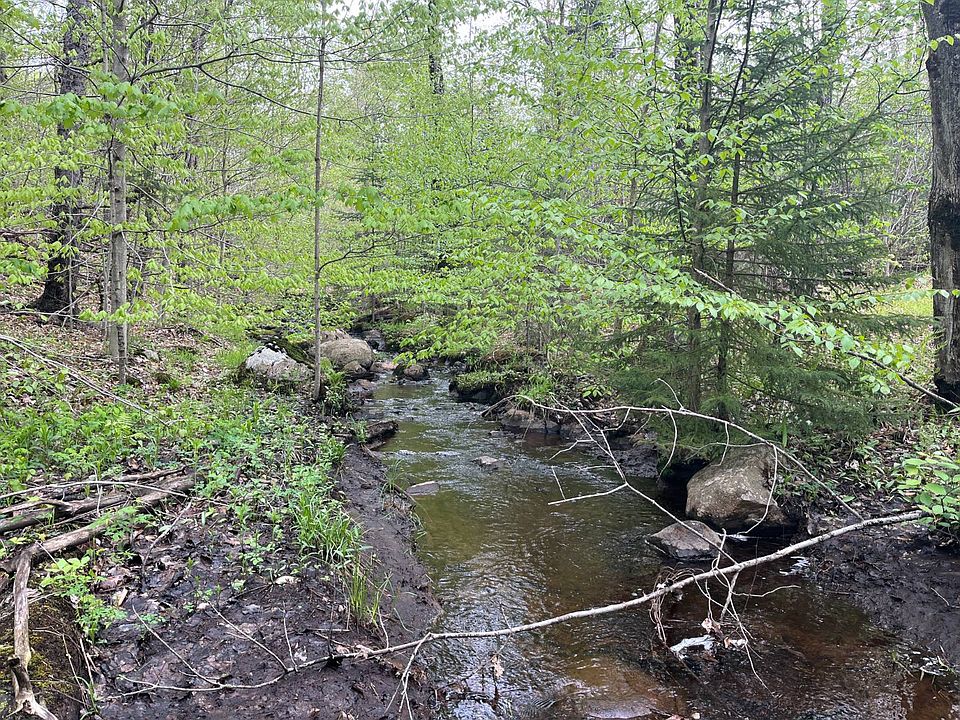
A Woodland Stream That Adds Character
The stream is a recurring feature in the property description. It appears both as part of the broader landscape and as a brook passing near the cabin.
That proximity gives the camp a distinctive setting. Moving water can become part of the background of a visit, whether someone is sitting on the porch or walking nearby.
For the acreage as a whole, the stream also creates a natural feature around which exploration can be organized. Following its course may reveal changes in vegetation, terrain, and the surrounding woods.
The listing does not state the stream’s dimensions, seasonal flow, or water quality. It should not be assumed to provide drinking water, fishing opportunities, or a crossing suitable for vehicles.
A buyer should examine its relationship to the cabin, roads, and trails. Understanding drainage and seasonal conditions will help explain both its appeal and any maintenance needs around it.
A Small Beaver Pond Within the Property
A small beaver pond adds another point of interest to the wooded acreage. Along with the stream and rock outcrops, it gives the property more variety than acreage described only by trees.
A pond can provide a place to pause during a walk, observe the landscape, or watch for wildlife. Its edges may have a different character from the surrounding forest, making it a memorable destination within the trail network.
The description does not establish the pond’s size, depth, permanence, or suitability for recreation. Buyers should avoid assuming that it can support swimming, boating, or fishing.
Because the pond is described as a beaver pond, a visit should also explore how water levels relate to nearby routes and terrain. The relevant question is how the feature functions on this particular property.
Its appeal is primarily as part of a varied woodland setting, with the details best understood through direct observation.
Rock Outcrops and Varied Places to Discover
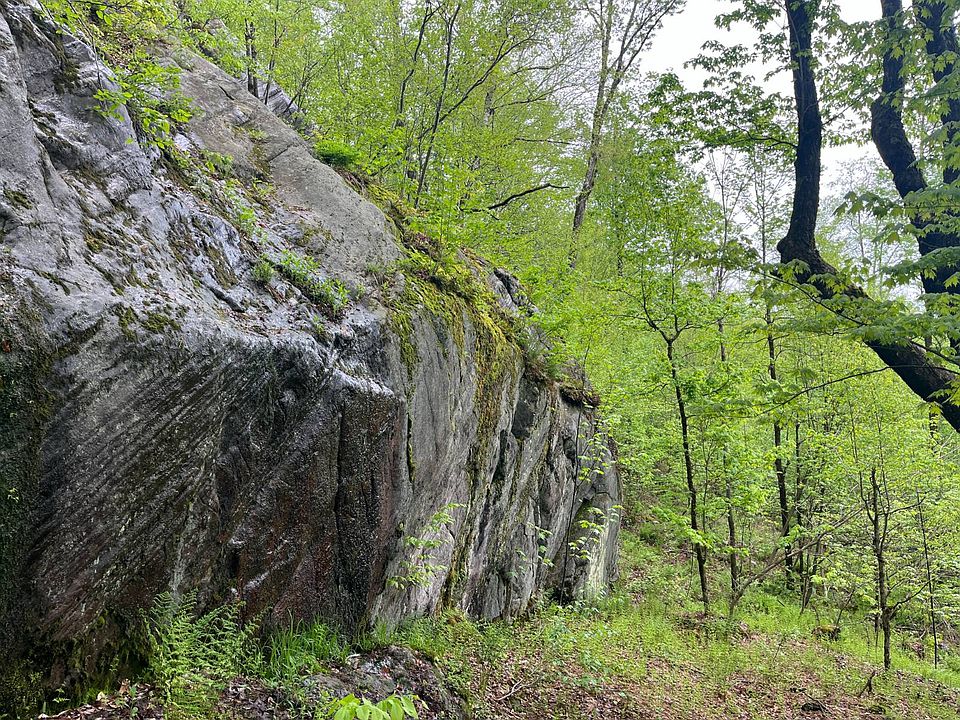
Interesting rock outcrops are specifically mentioned in the listing. These features can give a large forested tract recognizable landmarks and a stronger sense of place.
For an owner who enjoys walking, photography, or simply exploring, distinctive terrain helps make each section of land feel different. A route through ordinary woodland may open onto exposed rock before returning to trees or approaching water.
The supplied information does not describe the height, extent, or accessibility of the outcrops. They should therefore be understood as advertised landscape features rather than developed overlooks or established climbing areas.
During a showing, a buyer could ask to see how the trails connect with these locations. This would help reveal whether the land offers the kind of walking and exploration experience they want.
The combination of forest, water, and rock is a substantial part of this property’s recreational identity.
More Than 4,000 Feet of Private Gravel Road
The property reportedly includes over 4,000 feet of private gravel road. On a tract this large, an established internal route can make reaching the camp and moving supplies through the woods more practical.
The description states that access by car or truck is easy in spring, summer, and fall. That is useful information, although conditions should be evaluated for the vehicle and season a buyer expects to use.
A private road also raises practical questions about maintenance. Buyers should determine who maintains each section, whether other parties use any portion, and what access rights are documented.
Drainage, surface condition, turning space, and any crossings deserve attention during a visit. The listing does not provide those details.
Winter access is not established by the description. Someone planning year-round visits should separately confirm how the road is used during snow, ice, or periods when the surface may be soft.
An Extensive Trail Network Through the Forest
Beyond the gravel road, the property is advertised as having an extensive network of trails. These routes could make the acreage easier to explore and help visitors find their way between different features.
Existing trails can be a meaningful advantage because a buyer can begin learning the land through established paths. They may connect sections that would otherwise require moving through dense vegetation.
The listing does not provide a trail map, measurements, or details about intended uses. Some routes may be suitable for walking while others may support different activities, depending on their width, condition, and any applicable restrictions.
A buyer should ask which trails are entirely within the property and whether any lead beyond its boundaries. Seeing representative sections will also clarify the amount of upkeep required.
The network adds recreational potential, but its usefulness will depend on the activities an owner has in mind.
A Boundary With State Land
The listing says the property directly borders state land and refers to Aldrich Pond Wild Forest. It also mentions a 67-acre landlocked state parcel.
That wording should be clarified with a map identifying the exact adjoining parcel. The description alone does not fully explain the relationship between the named forest and the smaller acreage figure.
For a recreational buyer, a state-land boundary may be appealing because it strengthens the sense of a broader woodland setting. However, adjoining public land does not automatically establish access routes or permission for every activity.
Boundaries, lawful entry points, and applicable rules should be confirmed for any intended use beyond the purchased acreage.
A clear map would help a buyer understand what they would own, what lies next to it, and how the camp, road, and trails relate to that boundary.
Wildlife and the Hunting-Camp Tradition
The marketing description identifies deer, bear, moose, turkey, and small game as wildlife associated with the property. That presentation fits the land’s wooded character and its established identity as a hunting camp.
Wildlife observation may appeal even to buyers who do not hunt. Tracks, movement through the trees, and occasional sightings can make repeat visits feel different from one another.
The listing’s wildlife description does not guarantee sightings, population levels, or hunting results. Buyers should evaluate the habitat and confirm the rules that apply to their intended activities.
The camp is also described as part of a hunting tradition passed from generation to generation. That speaks to its character and previous use, although no detailed ownership history is supplied.
For the next owner, the opportunity is to continue using the property in a way that suits the land and their own outdoor interests.
Star Lake as a Nearby Supply Stop
According to the listing, Star Lake is approximately ten minutes away and serves as the closest town for basic supplies and items needed to maintain the cabin.
That proximity is a useful complement to the remote setting. A camp can feel removed from ordinary routines while still having a nearby place to replenish provisions.
The estimated travel time should be understood in relation to the private road and its condition. Buyers should confirm the route and the services they expect to use rather than relying only on a general description.
Nearby opportunities for ATV and snowmobile riding are also mentioned. The listing places them down the road, but it does not establish direct trail connections or riding permissions across this parcel.
Someone interested in those activities should verify the relevant routes and how they can lawfully reach them from the camp.
Understanding the Price and Property Details
The asking price of $159,900 covers a substantial acreage offering with an existing rustic camp and established routes through the woods. The listed annual tax amount is $1,785, and no homeowners association is reported.
Those figures provide a starting point, but they do not describe the complete cost of ownership. Road work, cabin maintenance, equipment, and any planned improvements will depend on condition and intended use.
Utilities require particular clarification. The supplied listing does not establish an electric connection, water system, septic system, or bathroom facilities. Zero bathrooms are reported in the structured fields.
Before proceeding, a buyer should obtain the available property documents, confirm access, review the camp’s status, and inspect the land and structures. Questions about future construction or improvements should be directed to the appropriate local authority.
The property’s strongest appeal is already evident: 133.6 wooded acres, a traditional camp beside a brook, a small pond, trails, and a remote Adirondack setting with Star Lake nearby.

Listed on Zillow.