Affordable Homes
Secluded Tennessee Paradise with Scenic Waterfalls, Creek & Private Pond
Secluded Tennessee Paradise with Scenic Waterfalls, Creek & Private Pond

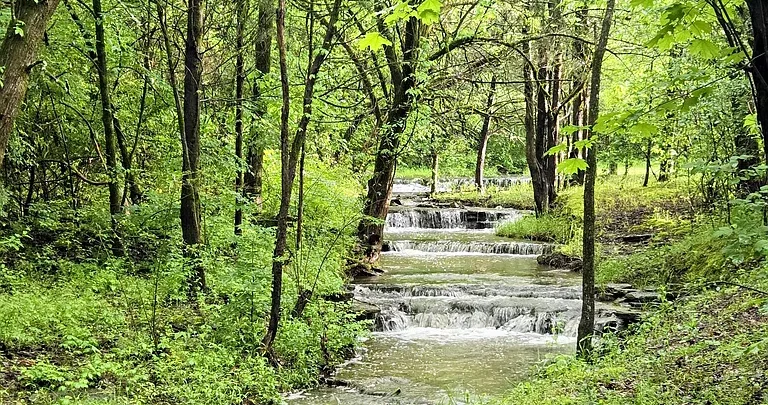
Private Rockvale, Tennessee, Property Offers a Spring-Fed Pond, Waterfalls, Woodland Trails, and an Approved Homesite
In Rockvale, Tennessee, this rural property brings together several features that make a natural setting especially appealing: a spring-fed pond, scenic streams, waterfalls, extensive woodland, and trails suitable for hiking and horseback riding. An approved homesite adds another dimension, offering prospective buyers an opportunity to explore building a residence within this landscape.
The property’s appeal begins with its surroundings. Water, trees, and established trails create different ways to experience the land, whether through an active afternoon outdoors or a quiet moment beside the pond. For someone seeking privacy and a stronger connection to nature, these features provide a compelling starting point.
The supplied description also notes convenient access to nearby amenities. That combination of rural atmosphere and everyday practicality may interest buyers who want a country lifestyle while maintaining access to services. Understanding how those qualities fit individual needs begins with exploring the property itself.
A Rural Setting Defined by Nature
The landscape is central to this property’s identity. Rather than describing land solely as a potential construction site, the supplied information presents a place with existing natural features that can shape how future owners spend their time.
Wooded areas provide a backdrop for walking and wildlife observation, while the pond and moving water introduce distinct destinations within the grounds. The trails connect outdoor activities with opportunities to explore.
For a prospective buyer, the important question is how these features relate to one another. Their locations, accessibility, and seasonal conditions will influence the experience of owning the property.
A visit can help establish whether the landscape suits the buyer’s preferred balance of recreation, privacy, and residential use. It also provides an opportunity to appreciate details that a short description cannot fully convey.
A Spring-Fed Pond Creates a Natural Focal Point
The spring-fed pond is one of the property’s most distinctive features. Described as tranquil and picturesque, it offers a focal point within the surrounding landscape.
A pond can give an owner a reason to pause during a walk or create a setting for quiet observation. Its relationship to nearby trees, trails, and the approved homesite could influence future plans for enjoying the property.
The supplied description does not provide the pond’s dimensions, depth, water quality, or maintenance history. It also does not establish whether it is suitable for fishing, swimming, or other specific activities.
Those details should be investigated according to the buyer’s intended use. Its known appeal is as an existing water feature that contributes to the property’s atmosphere, with any additional uses requiring a clearer understanding of its condition and characteristics.
Scenic Streams Bring Movement to the Landscape
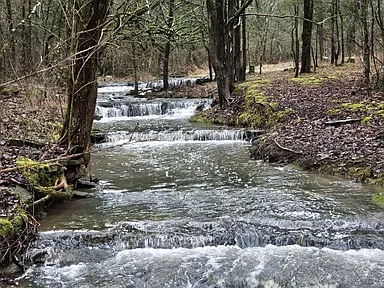
The property also includes scenic streams, adding another way to experience its natural setting. Moving water can introduce sound, visual interest, and changing conditions throughout the year.
A streamside section of a trail might offer a different atmosphere from a route through higher woodland. These variations can make exploring the same property feel different from one area to the next.
However, the source material does not describe the streams’ routes, flow patterns, or seasonal behavior. Buyers should avoid assuming that every section maintains the same appearance throughout the year.
Understanding where the streams run is also important for practical planning. Their relationship to access routes, trails, and potential improvements should be reviewed before deciding how different parts of the property might be used.
Waterfalls Add a Distinctive Outdoor Experience
The described waterfalls give the property another memorable natural feature. Along with the pond and streams, they suggest a landscape with multiple points of interest rather than a single scenic view.
For an owner who enjoys walking, photography, or simply spending time outdoors, a waterfall can become a destination within an ordinary day. Its appearance may also change with water levels, weather, and the surrounding vegetation.
The supplied information does not identify the waterfalls’ height, number, or ease of access. Prospective buyers should explore these details directly and ask about conditions during different seasons.
Safe access matters as much as appearance. Wet surfaces, uneven ground, and nearby changes in elevation should be understood before establishing regular routes or inviting visitors to explore these areas.
Expansive Woodland Provides Privacy and Variety
The property’s expansive wooded areas contribute significantly to its appeal. Trees can create visual separation, provide changing scenery, and give outdoor spaces a sense of enclosure.
Woodland also introduces variety into the experience of the land. A walk might move between more open stretches, shaded paths, and areas overlooking water, depending on the actual arrangement of the property.
No acreage figure or timber inventory is included in the supplied description. The extent, species, age, and condition of the woodland therefore remain subjects for further investigation.
For prospective owners, understanding the wooded areas can help establish both enjoyment and maintenance expectations. Tree health, access, boundary locations, and the condition of existing paths are all useful parts of evaluating how the landscape will function over time.
Established Trails Make the Property Easier to Explore
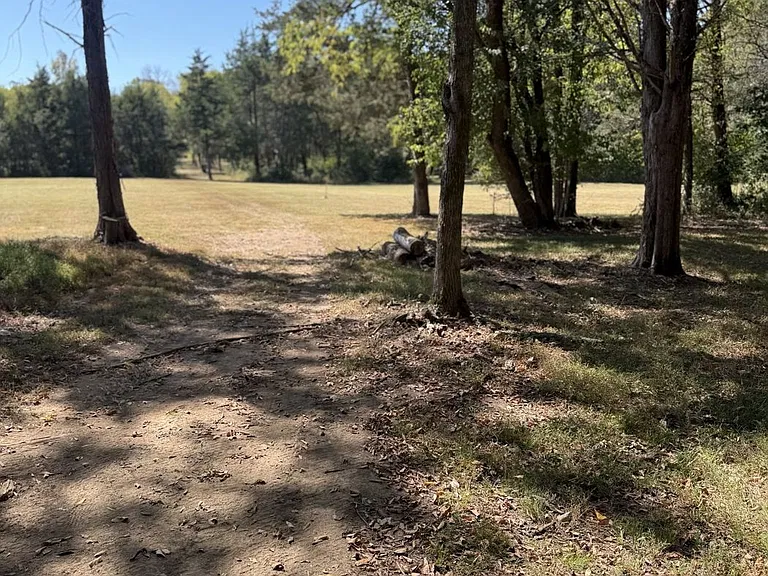
The listing description highlights well-maintained trails that wind through the property. This is an important feature because access can determine how often land is actually enjoyed.
An established trail provides a route through the landscape and may make different natural features easier to reach. It can turn a broad area of woodland into a network of places that owners gradually come to know.
The source does not specify total trail length, width, surface, or difficulty. Buyers should walk the routes to understand their condition and suitability for intended activities.
It is also worth establishing whether every trail lies within the property boundaries and whether any access agreements apply. A clear understanding of the routes allows future owners to plan their use with confidence.
Hiking Opportunities Close to Home
For someone who enjoys walking, the trails offer the possibility of making outdoor activity part of a daily routine. A short walk could provide a break during the day, while a longer route might become a regular weekend activity.
The combination of woodland and water features can give those walks different purposes. One outing might focus on exercise, another on photography, and another on simply spending time away from indoor tasks.
The actual hiking experience will depend on terrain, drainage, seasonal conditions, and route length. Buyers should assess these factors according to their comfort and mobility.
Having trails on the property can reduce the planning involved in getting outside. Their value lies in how naturally they fit into the owner’s habits and how consistently they can be maintained.
Horseback Riding Adds Another Recreational Possibility
The supplied description identifies the trails as suitable for horseback riding, which may appeal to equestrian buyers seeking land to explore.
Riding through woodland offers a different way to experience a property, but its suitability should be assessed against the needs of both horse and rider. Trail width, footing, gradients, overhead clearance, and any water crossings all deserve attention.
The description does not mention fencing, barns, paddocks, shelters, or other horse-keeping infrastructure. It therefore establishes riding potential rather than a fully equipped equestrian property.
Buyers who intend to keep horses on site should investigate what additional facilities would be needed and whether their plans are appropriate for the land. Existing recreational trails are a useful starting point, but residential horse management involves a broader set of requirements.
Wildlife Observation and Time Outdoors
The woodland is described as a sanctuary for wildlife, adding to the property’s natural appeal. For an owner interested in observing animals, birds, or seasonal changes, the combination of trees and water may provide rewarding opportunities.
The supplied material does not identify particular species or confirm how frequently wildlife is seen. Those details are best explored through direct observation and questions about the property.
Enjoyment does not depend on a specific wildlife sighting. Changes in vegetation, sounds along a trail, and activity near the pond can make familiar surroundings interesting over time.
A future owner may choose to preserve much of the existing landscape while learning how different areas function. That gradual familiarity can become one of the most satisfying aspects of owning recreational land.
Hunting Potential Requires Property-Specific Review
The description includes hunting among the property’s potential recreational uses. Buyers interested in that activity should evaluate the land according to their particular needs and experience.
The source does not provide acreage, boundary configuration, neighboring land uses, or a history of hunting on the property. Without those details, it would be premature to characterize the quality or practicality of the opportunity.
Before planning any activity, buyers should establish property lines, applicable requirements, and relevant access arrangements. They should also understand how recreational plans would relate to a future residence and other uses of the land.
For some owners, hunting may be a priority. For others, the same wooded setting may be most valuable for walking and observation. Clarifying those goals early will help determine whether the property is a suitable match.
An Approved Homesite Offers a Starting Point for Building
One of the most consequential details is the reported approved homesite. For buyers hoping to build, this suggests that a location has already been identified for residential development.
The exact meaning and scope of that approval should be confirmed through the relevant documentation. Buyers need to understand what was approved, which conditions apply, and whether further steps are necessary for their proposed home.
A homesite should also be considered in relation to the features that make the property appealing. Access, topography, views, privacy, and the distance to trails or water may all affect the eventual design.
The opportunity is to plan a residence that responds to the land. That process begins with understanding the approved location before selecting a floor plan or assuming that a particular building design will fit.
Planning a Home Around the Landscape
A future home could become the base from which the rest of the property is enjoyed. Its placement and layout would influence how often owners use outdoor areas and how connected the interior feels to its surroundings.
Depending on site conditions, design priorities might include comfortable outdoor seating, practical storage for recreational equipment, or windows oriented toward desirable views. These are possibilities to explore rather than confirmed features.
The supplied description does not identify available utilities, driveway specifications, or other development infrastructure. Those matters would need to be investigated as part of construction planning.
A coordinated review of access, services, site preparation, and building requirements can help turn an appealing concept into a realistic project. The landscape provides inspiration, while the site’s actual conditions determine the practical approach.
Rural Privacy with Access to Everyday Amenities
The property is described as combining seclusion with convenient access to nearby amenities. For many buyers, this balance is an important part of choosing a rural location.
Privacy may support quieter routines and more time outside, while access to services helps make the setting workable for everyday life. The usefulness of that combination depends on individual destinations and schedules.
No exact travel times, distances, or named amenities are included in the source information. Buyers should therefore assess routes to their own priorities, such as work, shopping, healthcare, or other regular commitments.
Visiting at different times can also help establish how access feels in practice. A property’s setting is most valuable when it supports both the lifestyle a buyer imagines and the routines they already have.
A Rockvale Property with Several Ways to Enjoy the Land
This rural property in Rockvale, Tennessee, offers a compelling combination of natural features and recreational possibilities. A spring-fed pond, streams, waterfalls, extensive woodland, and maintained trails create several reasons to spend time outdoors.
The reported approved homesite adds the possibility of making the landscape part of everyday residential life. Hiking, horseback riding, wildlife observation, and other appropriate activities could shape how future owners use the property.
Its suitability ultimately depends on the details: the land’s extent, access, approvals, seasonal conditions, and the buyer’s intended plans. For someone seeking privacy and a nature-centered setting, it offers an inviting opportunity to explore what country living could look like on this particular piece of Tennessee land.
This description is based on the supplied property information. Buyers should independently verify acreage, boundaries, access, water features, homesite approval, utilities, and permitted uses.
Watch Via Zillow