Affordable Homes
Timeless Tudor Elegance in Upper Essex Heights
Timeless Tudor Elegance in Upper Essex Heights

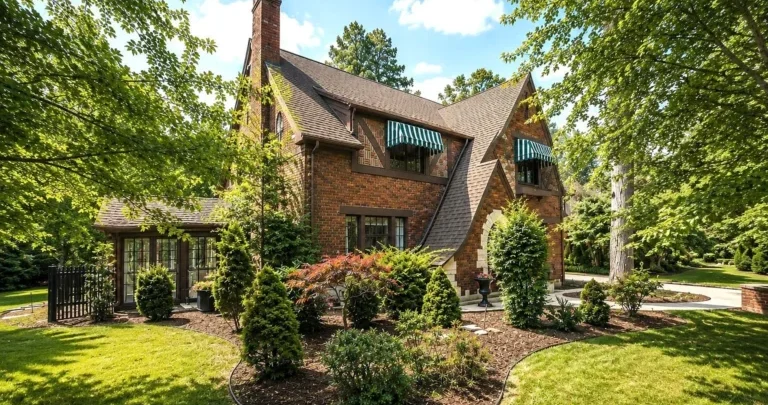
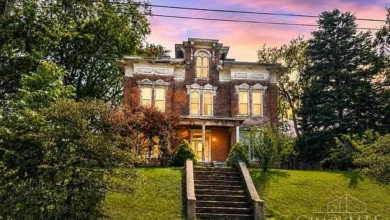
Timeless Elegance: A Magnificent Historic Brick Tudor Home in Jackson’s Desirable Essex Heights Neighborhood
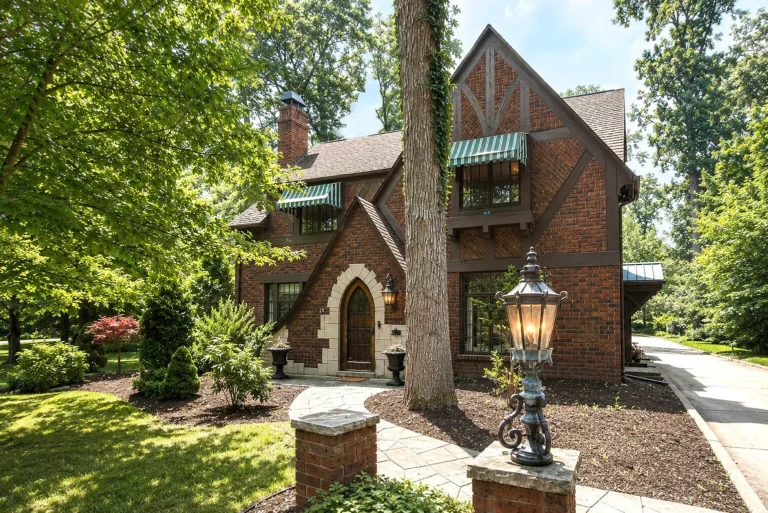
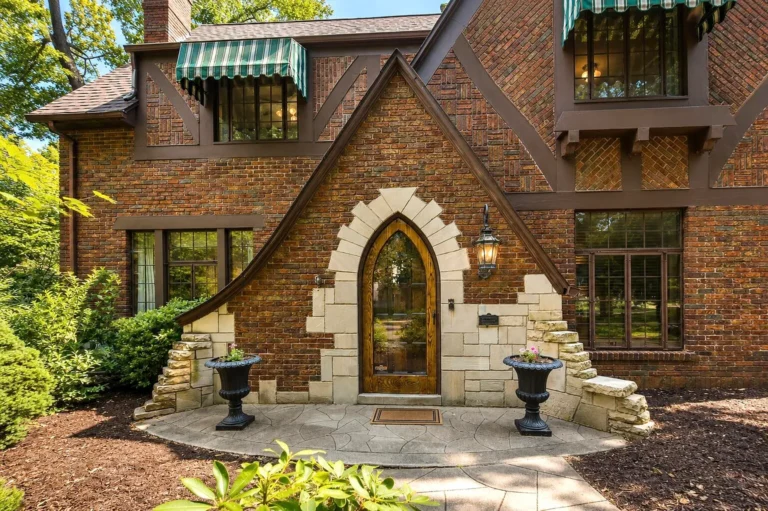
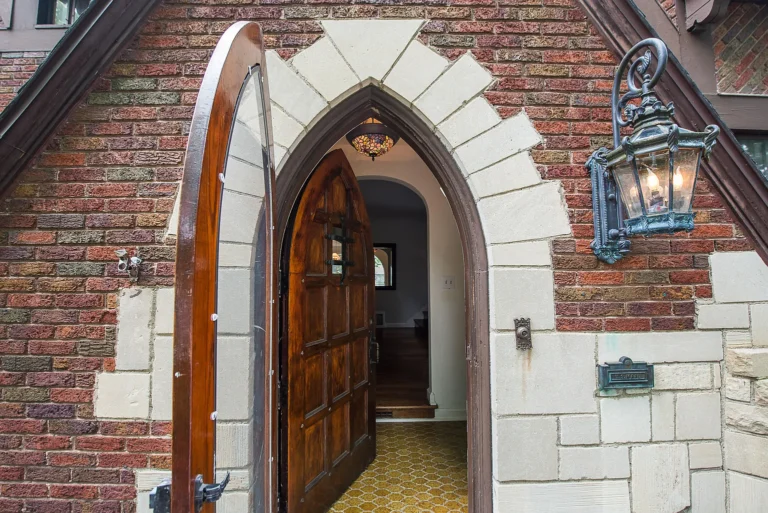
Discover an extraordinary blend of historic architecture, sophisticated interiors, and timeless residential charm in this distinguished all-brick Tudor residence located in Jackson’s desirable Essex Heights neighborhood. Offering beautifully preserved architectural details and thoughtfully arranged living spaces, this remarkable property presents an appealing opportunity for buyers who appreciate homes with individuality, craftsmanship, and enduring character.
From its impressive brick exterior to its magnificent walnut-paneled library, every part of the residence reflects an architectural style that continues to captivate generations of homeowners. Original decorative tilework, ornate hardware, beautiful wood finishes, dramatic windows, and traditional fireplaces contribute to an atmosphere that feels both elegant and welcoming.
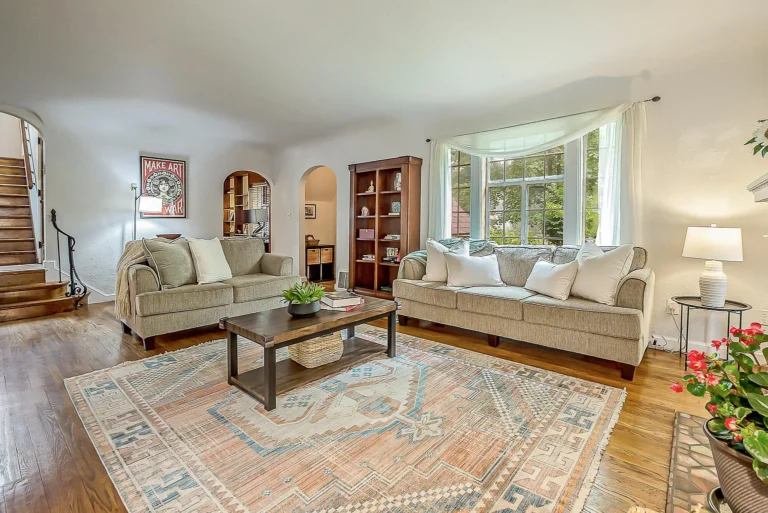
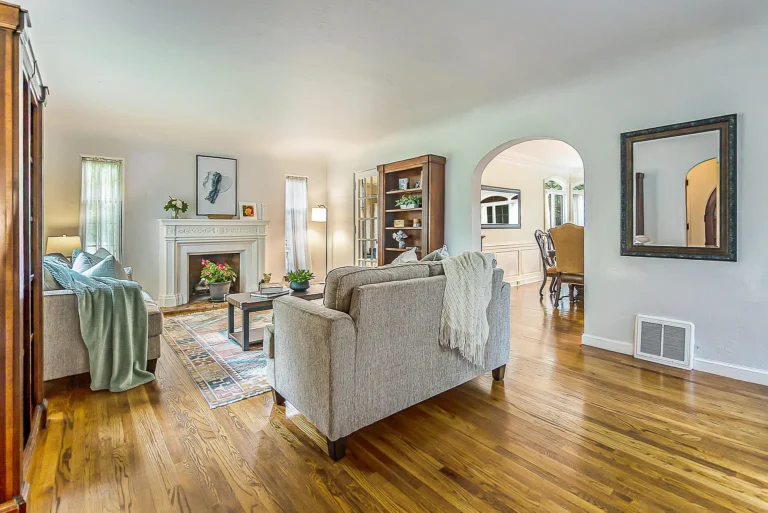
The residence offers a wonderful balance between formal entertaining spaces and comfortable areas designed for everyday living. A spacious kitchen, inviting family room, light-filled conservatory, private primary suite, finished attic, and versatile lower level provide numerous possibilities for future homeowners.
Outside, mature trees, a charming brick courtyard, a handcrafted outdoor fireplace, and a detached garage complete the property’s distinctive appeal.
For buyers searching for something beyond contemporary residential construction, this historic Tudor home represents a fascinating alternative filled with architectural personality.
A Distinguished Tudor Residence With Exceptional Architectural Character
Tudor-style homes occupy a special place in residential architecture. Their distinctive designs, traditional materials, carefully crafted details, and historic European influences create an appearance that remains recognizable and admired.
This all-brick residence captures many of the qualities that make historic Tudor properties so appealing.
Unlike many modern homes that emphasize simplicity and standardized construction, historic residences frequently incorporate decorative details that reflect the craftsmanship of their original builders.
The beautifully preserved woodwork, decorative tile surfaces, and ornate hardware found throughout this property contribute to its unique identity.
These features create a sense of authenticity that can be difficult and expensive to reproduce in newly constructed homes.
The brick exterior also provides a substantial architectural presence, complementing the mature landscaping and established residential surroundings.
For homeowners interested in historic architecture, traditional interior design, or distinctive luxury real estate, this property offers an opportunity to enjoy a residence with a strong individual character.
Located in Jackson’s Desirable Essex Heights Neighborhood
Location remains one of the most important considerations when purchasing residential real estate.
A property’s surroundings can influence everyday convenience, lifestyle preferences, long-term desirability, and potential resale value.
This Tudor residence is situated within Jackson’s Essex Heights neighborhood, providing an established residential setting that complements the home’s historic architecture.
Established neighborhoods often appeal to buyers who appreciate mature landscaping, distinctive residences, and a greater variety of architectural styles than those typically found in newer developments.
The mature trees surrounding this property contribute to a welcoming environment and enhance the relationship between the home and its outdoor spaces.
Prospective homeowners should investigate local amenities, transportation options, schools, healthcare facilities, shopping opportunities, and property tax information according to their individual requirements.
For buyers who value architectural charm and an established neighborhood atmosphere, the location adds another appealing dimension to this distinctive residence.
Beautifully Preserved Original Interior Details
One of the most impressive aspects of this historic home is the preservation of its original architectural features.
Decorative tilework, ornate hardware, and beautifully maintained wood details create visual interest throughout the residence.
These elements offer more than simple decoration. They provide a connection to traditional residential craftsmanship and help distinguish the property from more recently constructed homes.
Original door hardware, decorative surfaces, and carefully finished woodwork can contribute significantly to a historic property’s atmosphere.
For homeowners who appreciate interior design, these existing features provide an excellent foundation for creating a personalized living environment.
Traditional furniture, antique decorative pieces, contemporary artwork, and carefully selected lighting could all complement the architectural character.
Rather than requiring extensive cosmetic changes to establish a distinctive appearance, this residence already possesses many of the features that homeowners often seek when renovating historic properties.
Preserving these elements while introducing appropriate modern conveniences could help maintain the home’s authenticity and everyday functionality.
A Magnificent Walnut-Paneled Library
Among the most memorable spaces in the residence is its magnificent walnut-paneled library.
Rich wood surfaces create a sophisticated atmosphere, while custom built-in bookshelves provide both decorative appeal and practical storage.
The library offers a wonderful setting for reading, working, studying, or enjoying quiet moments away from the busier areas of the home.
Walnut paneling is particularly admired for its warm appearance, distinctive grain patterns, and traditional elegance.
In combination with the custom shelving, it creates a room that feels substantial, refined, and welcoming.
For buyers who work remotely, this library could potentially serve as an impressive home office.
The existing shelving provides opportunities to organize professional materials, books, personal collections, and decorative accessories without sacrificing valuable floor space.
The room could also become a private study, a music listening area, or a comfortable retreat for enjoying a favorite hobby.
Thoughtful furniture arrangements and appropriate task lighting could enhance its functionality while preserving its historic character.
A Sophisticated Home Office With Timeless Appeal
As remote and hybrid working arrangements continue to influence housing preferences, dedicated office space has become an important consideration for many homebuyers.
A traditional library can provide a more distinctive working environment than a standard spare bedroom.
The walnut-paneled interior offers an elegant background for professional activities, while the built-in shelves support organization and everyday productivity.
Prospective buyers planning to work from home should also confirm internet availability, electrical capacity, and suitable lighting.
With the appropriate setup, this room could combine modern professional convenience with traditional architectural sophistication.
A Light-Filled Conservatory With Beautiful Outdoor Views
The home’s conservatory introduces another distinctive architectural feature.
Designed to welcome natural light, this space offers a peaceful environment from which to enjoy views of the property’s private outdoor retreat.
Conservatories have long been associated with traditional residential architecture, providing homeowners with a comfortable connection to the surrounding landscape.
The abundance of natural light creates opportunities for displaying indoor plants, arranging comfortable seating, or establishing a quiet area for relaxation.
This space could become an inviting morning coffee retreat, a reading room, or a peaceful setting for enjoying seasonal changes in the garden.
Its connection to the adjoining sunroom adds flexibility to the home’s overall layout.
Together, these spaces create a pleasant transition between the traditional interior rooms and the outdoor environment.
Depending on the existing heating, cooling, and insulation arrangements, buyers may also consider how these rooms can be used comfortably throughout the year.
An Inviting Sunroom for Relaxation and Everyday Enjoyment
The adjoining sunroom further enhances the property’s comfortable atmosphere.
Unlike more formal living spaces, a sunroom can provide a relaxed environment suitable for everyday activities.
Homeowners could arrange comfortable chairs, small tables, indoor plants, and decorative accessories to create a personalized retreat.
The room may appeal to individuals who enjoy reading, gardening, creative hobbies, or simply spending time in naturally illuminated surroundings.
Its proximity to the conservatory creates additional possibilities for arranging the two spaces according to different household needs.
One room might become a quiet reading area, while the other could provide a comfortable gathering space for family members and guests.
The outdoor views also contribute to a sense of connection with nature, allowing homeowners to appreciate the mature landscaping from inside the residence.
An Elegant Formal Dining Room for Memorable Gatherings
The impressive formal dining room is another highlight of this historic Tudor residence.
Dramatic windows contribute to the architectural character of the space, creating an elegant atmosphere suitable for entertaining.
A dedicated dining room offers homeowners the opportunity to host holiday celebrations, family dinners, special occasions, and memorable gatherings.
Unlike open-plan dining areas that blend directly into surrounding rooms, a formal dining room can create a more defined setting for entertaining.
The property’s historic details provide a beautiful foundation for traditional or transitional interior design.
A carefully selected dining table, elegant lighting fixture, decorative accessories, and complementary furniture could further enhance the room’s appearance.
For buyers who enjoy hosting guests, this space offers a wonderful opportunity to create meaningful experiences in an architecturally distinctive setting.
The dramatic windows also allow the room’s appearance to change throughout the day as natural light enters the interior.
A Spacious Kitchen With Abundant Cabinetry
The kitchen combines practical functionality with the overall elegance of the residence.
Abundant cabinetry provides storage opportunities for cookware, dishes, pantry items, appliances, and everyday household supplies.
A well-organized kitchen is an important component of comfortable homeownership, regardless of a property’s architectural style or age.
The generous storage capacity may particularly appeal to homeowners who enjoy cooking, preparing meals for guests, or maintaining an organized household.
The kitchen flows naturally into the welcoming family room, supporting a convenient arrangement for everyday living.
Future owners may choose to preserve the existing kitchen design or explore appropriate updates according to their preferences and budget.
Possible improvements could include energy-efficient appliances, updated lighting, organizational accessories, or countertop enhancements.
However, any modernization should be carefully considered to ensure that new materials and finishes complement the residence’s historic character.
Balancing Modern Kitchen Functionality With Historic Design
Renovating a kitchen in a historic residence requires thoughtful planning.
While contemporary appliances and modern storage solutions can improve functionality, maintaining architectural consistency can help preserve the property’s distinctive appearance.
Traditional cabinetry styles, natural materials, and carefully selected hardware may complement original woodwork and historic interior details.
Buyers considering a kitchen renovation should evaluate the condition of existing electrical systems, plumbing, ventilation, and cabinetry before establishing a project budget.
Working with experienced renovation professionals may help homeowners identify improvements that balance practicality, appearance, and long-term maintenance requirements.
A Welcoming Family Room With a Classic Brick Fireplace
Connected to the kitchen, the family room provides an inviting setting for everyday relaxation.
At its center is a classic brick fireplace that contributes warmth, visual interest, and traditional character to the interior.
Fireplaces frequently serve as natural focal points in residential design, influencing furniture arrangements and creating a comfortable gathering environment.
The brick construction complements the architectural style of the home and provides a connection to its substantial exterior.
Homeowners could arrange sofas, armchairs, decorative rugs, and traditional furnishings around the fireplace to create a welcoming atmosphere.
The family room may be particularly appealing during colder seasons, when comfortable indoor gathering spaces become an important part of everyday living.
Before using an existing fireplace, prospective homeowners should arrange an appropriate inspection of the fireplace, chimney, and related ventilation components.
A professionally maintained fireplace can contribute to both the visual appeal and practical enjoyment of a historic residence.
A Primary Suite Designed as a Private Sanctuary
The primary suite offers a comfortable retreat within the home.
Its combination of a dedicated sitting area, fireplace, en-suite bathroom, and charming balcony creates a distinctive residential experience.
Rather than serving exclusively as a sleeping area, the suite provides additional space for relaxation and personal enjoyment.
The sitting area could accommodate comfortable chairs, reading lamps, decorative tables, or other furnishings selected according to the homeowner’s preferences.
The fireplace adds another layer of traditional charm, while the balcony offers a connection to the outdoor surroundings.
For buyers who appreciate spacious and thoughtfully arranged private living areas, the suite is an especially appealing feature.
Its combination of practical amenities and elegant details reflects the overall character of the residence.
A Comfortable Sitting Area Within the Primary Suite
A separate sitting area can significantly enhance the functionality of a primary bedroom.
It provides a place to relax without needing to occupy the main living spaces of the home.
Homeowners may use the area for morning coffee, evening reading, quiet conversations, or personal hobbies.
Carefully selected furnishings could create a comfortable atmosphere while complementing the historic interior.
The flexibility of this additional space makes the primary suite more than a conventional bedroom.
It becomes a private retreat that supports different aspects of everyday life.
An En-Suite Bathroom Offering Privacy and Convenience
The inclusion of an en-suite bathroom adds everyday convenience to the primary suite.
Private bathroom access is a desirable feature for many homebuyers, particularly in residences designed to accommodate families or visiting guests.
Depending on the existing finishes and fixtures, future homeowners could consider improvements that enhance functionality while respecting the property’s historic character.
Potential updates might involve lighting, water-efficient fixtures, storage arrangements, or carefully selected decorative materials.
A professional assessment of plumbing and ventilation systems can help establish whether maintenance or modernization is necessary.
By combining appropriate modern conveniences with traditional architectural elements, homeowners may be able to create a bathroom that feels comfortable, practical, and visually consistent with the residence.
A Charming Private Balcony
The balcony connected to the primary suite adds another memorable feature.
Private outdoor access can provide an appealing opportunity to enjoy fresh air and views of the surrounding property without leaving the bedroom area.
The balcony could become a comfortable setting for enjoying morning coffee, reading, or appreciating the mature landscaping.
Depending on its dimensions and condition, suitable outdoor furnishings and decorative plants could enhance its appearance.
As with any historic exterior feature, prospective homeowners should evaluate the structural condition, drainage, railings, and maintenance requirements.
When properly maintained, a balcony can provide an enjoyable extension of the indoor living space.
A Beautifully Finished Attic With Flexible Living Space
The finished attic provides considerable flexibility for future homeowners.
Additional rooms located away from the primary living areas can support a wide range of household activities.
The attic could potentially be arranged as a recreational area, creative studio, home office, guest retreat, or hobby room.
For families with changing space requirements, this versatility can be particularly valuable.
A dedicated recreation area may allow entertainment equipment, games, or creative activities to remain separate from formal living spaces.
Individuals who work remotely may appreciate the possibility of establishing an additional office.
Artists, writers, musicians, and hobby enthusiasts could also explore different ways to personalize the space.
Before using the finished attic as sleeping accommodation, buyers should confirm that it meets applicable requirements concerning emergency exits, ceiling heights, ventilation, heating, and residential occupancy.
Its existing finished condition nevertheless provides an appealing foundation for exploring additional uses.
A Versatile Lower Level for Entertainment and Recreation
The lower level adds another dimension to the property’s functionality.
With entertainment space, a bar area, workshop, laundry room, and generous storage, it provides opportunities to accommodate activities that might otherwise occupy the home’s main living areas.
The entertainment space could potentially become a media room, family recreation area, game room, or casual gathering environment.
A dedicated lower-level recreational space may be particularly appealing to homeowners who enjoy entertaining guests while maintaining more formal rooms elsewhere in the residence.
Comfortable furnishings, appropriate lighting, and suitable entertainment equipment could create a personalized environment for enjoying time with family and friends.
The existing bar area further complements the lower level’s recreational possibilities.
Prospective buyers should assess the condition of the lower level, including moisture management, ventilation, electrical systems, and any existing mechanical equipment.
A Dedicated Workshop for Creative Projects
The workshop offers practical space for homeowners who enjoy hands-on activities.
Whether used for furniture restoration, household maintenance, crafting, or other suitable hobbies, a dedicated workshop can help keep equipment and materials organized.
Historic homeowners may particularly appreciate having space available for maintaining decorative elements, furniture, and other household possessions.
Shelving, work surfaces, and appropriate storage systems could help maximize the room’s functionality.
Before undertaking projects involving power tools or materials that require special ventilation, homeowners should ensure that the space is appropriately equipped.
The workshop adds a useful practical element to a property otherwise distinguished by its formal architecture and sophisticated interior rooms.
Laundry Facilities and Generous Storage Space
A dedicated laundry room contributes to the everyday convenience of the residence.
Organized laundry facilities can help simplify household responsibilities while keeping cleaning equipment, linens, and related supplies separate from primary living areas.
The additional storage spaces throughout the lower level are another practical advantage.
Historic homes can benefit considerably from thoughtfully organized storage, particularly when homeowners wish to preserve the appearance of formal rooms.
Seasonal decorations, recreational equipment, tools, personal belongings, and household supplies may all require dedicated storage arrangements.
Future owners could explore shelving systems, cabinets, and organizational accessories to make effective use of the available space.
Proper moisture management should remain a priority when storing valuable items in lower-level areas.
Mature Trees and a Private Outdoor Retreat
The property’s outdoor setting beautifully complements its historic architecture.
Mature trees contribute visual appeal, provide a sense of enclosure, and create an established landscape that can take decades to develop.
For buyers who appreciate outdoor living, the grounds offer an opportunity to enjoy nature without leaving the residential property.
The existing landscaping could serve as a foundation for additional gardening projects, outdoor seating arrangements, or decorative improvements.
Unlike properties situated on newly developed lots, established residences frequently benefit from existing vegetation that contributes to their overall atmosphere.
Homeowners should consider professional tree assessments when necessary, particularly where large trees are located near buildings, driveways, or utility infrastructure.
Thoughtful landscape maintenance can help preserve both the beauty and functionality of the outdoor environment.
A Beautiful Brick Courtyard With Traditional Charm
The brick courtyard is one of the property’s most attractive exterior features.
Its traditional materials complement the all-brick residence and provide a defined outdoor space suitable for relaxation and entertaining.
A courtyard can create a more intimate atmosphere than an expansive open backyard.
Homeowners could arrange outdoor dining furniture, comfortable seating, decorative containers, and garden accessories to personalize the space.
It may become an inviting setting for morning coffee, afternoon reading, family meals, or outdoor gatherings.
The existing brickwork also contributes to the property’s historic identity.
Periodic inspection and maintenance of masonry surfaces, drainage, and surrounding landscaping may help preserve the courtyard’s condition over time.
A Handcrafted Outdoor Fireplace
The handcrafted outdoor fireplace adds a distinctive focal point to the property’s exterior.
Outdoor fireplaces can enhance the atmosphere of a garden or courtyard while creating an inviting setting for spending time outside.
Its traditional appearance complements the historic architectural character of the residence.
The surrounding courtyard could potentially be arranged to create a comfortable outdoor living area for enjoying evenings with family and guests.
Before operating the fireplace, buyers should confirm its condition and applicable local fire safety requirements.
Appropriate maintenance and responsible use can help homeowners enjoy this distinctive feature while protecting the surrounding property.
A Detached Garage Adds Everyday Practicality
The detached garage provides another useful feature within the property.
Depending on its dimensions and condition, the garage may accommodate vehicles, gardening equipment, tools, or additional household belongings.
Detached garages can also offer greater separation between vehicle storage and the home’s primary living areas.
For buyers interested in maintaining a historic residence, having dedicated space for maintenance equipment and seasonal supplies can be particularly beneficial.
Prospective homeowners should evaluate the garage’s roof, electrical infrastructure, doors, structural condition, and accessibility.
Any plans to convert the garage into a different type of usable space would need to be evaluated against applicable zoning and building requirements.
Understanding the Long-Term Value of Historic Real Estate
Historic homes occupy a distinctive segment of the residential real estate market.
Properties featuring original architectural details, traditional craftsmanship, established landscaping, and distinctive interior spaces may appeal to buyers searching for something beyond standardized modern construction.
However, purchasing historic real estate requires a careful evaluation of both its architectural appeal and long-term ownership costs.
Property condition, location, maintenance history, local market demand, and renovation requirements can all influence its value.
Original features may contribute to buyer interest, particularly when they have been appropriately preserved.
Nevertheless, historic architecture does not guarantee future appreciation or investment returns.
Prospective buyers should compare relevant property sales, obtain a professional appraisal when appropriate, and carefully evaluate anticipated ownership expenses.
An informed purchasing decision should balance emotional appeal with practical financial considerations.
Mortgage Financing for a Historic Tudor Home
Buyers considering this property may wish to explore available mortgage financing options.
Mortgage eligibility typically depends on the borrower’s financial circumstances, credit history, income, existing debts, down payment, and the property’s appraised value.
Historic properties may require particular attention to their structural condition and existing mechanical systems.
A lender may request additional documentation or inspections if important concerns are identified during the appraisal process.
Prospective homeowners should compare mortgage offers from different lenders and consider the total cost of financing rather than focusing exclusively on monthly payments.
Interest rates, closing costs, loan terms, property taxes, and homeowners insurance premiums can all influence overall affordability.
Obtaining mortgage preapproval may help buyers establish a realistic budget before making an offer.
If significant renovations are anticipated, buyers may also wish to discuss suitable renovation financing options with qualified lenders.
Homeowners Insurance for Historic Brick Properties
Insurance is an important consideration when purchasing any residence, particularly one featuring historic construction and original architectural materials.
Decorative tilework, custom walnut paneling, traditional masonry, ornate hardware, and other distinctive features may require specialized craftsmanship if damaged.
The cost of restoring these materials could differ considerably from the cost of replacing standard modern finishes.
Prospective buyers should discuss the property’s characteristics with insurance providers and evaluate available coverage options.
Replacement cost coverage, personal property protection, liability coverage, deductibles, and policy exclusions deserve careful consideration.
Insurance providers may also request information concerning the condition and age of electrical systems, plumbing, heating equipment, roofing, and fireplaces.
Comparing insurance quotes before completing a purchase can help buyers develop a more accurate understanding of long-term ownership costs.
Energy Efficiency and Modern Home Improvements
Historic residences can offer exceptional architectural charm, but their energy performance should be evaluated individually.
Heating and cooling expenses depend on factors such as insulation, window condition, air leakage, mechanical equipment, household size, and local weather conditions.
An energy assessment may help identify practical improvements that could enhance comfort and reduce unnecessary energy consumption.
Potential improvements might include appropriate insulation upgrades, weatherstripping, efficient lighting, modern heating controls, or updated appliances.
Original windows and decorative architectural features should be carefully evaluated before replacement.
In some cases, restoration or compatible storm windows may provide improvements while preserving historic character.
The most suitable approach will depend on the property’s existing condition, homeowner preferences, renovation budget, and any applicable preservation requirements.
Energy savings should not be assumed without evaluating the home’s actual performance.
Important Home Inspection Considerations
A professional home inspection is especially valuable when purchasing a historic residence.
While original craftsmanship and attractive interiors may create a strong first impression, understanding the condition of the underlying building systems is essential.
Areas that deserve particular attention include:
-
Brick masonry, mortar joints, foundations, and structural components.
-
Roofing, gutters, drainage systems, and exterior woodwork.
-
Electrical wiring, service capacity, and plumbing infrastructure.
-
Heating, cooling, insulation, and ventilation systems.
-
Interior and exterior fireplaces and chimneys.
-
Attic conditions, lower-level moisture management, and balcony safety.
-
Potential lead-based paint or other age-related environmental concerns.
A qualified inspector with experience in older properties may help identify maintenance priorities and potential renovation expenses.
Specialized assessments may also be appropriate depending on the findings.
Obtaining this information before purchasing can help buyers establish a more realistic ownership budget.
Preserving Historic Character Through Thoughtful Renovation
One of the most rewarding aspects of owning a historic residence is the opportunity to preserve its architectural identity while introducing modern conveniences.
Original woodwork, decorative hardware, traditional tile surfaces, and built-in features can serve as the foundation for a beautiful renovation strategy.
Rather than replacing historic materials unnecessarily, homeowners may benefit from exploring restoration options.
Experienced restoration professionals can help evaluate whether original surfaces, doors, cabinetry, and decorative details can be repaired or refinished.
Contemporary additions can also be incorporated thoughtfully.
Modern lighting, efficient appliances, improved mechanical systems, and carefully selected furnishings may enhance functionality without diminishing the property’s character.
Before undertaking exterior changes or major structural renovations, homeowners should confirm whether any local historic preservation restrictions apply.
A well-planned renovation can help maintain the qualities that make the residence distinctive while improving everyday comfort.
Interior Design Opportunities Throughout the Residence
This Tudor home provides a wonderful foundation for a variety of interior design approaches.
Traditional furnishings may complement the walnut library, formal dining room, brick fireplaces, and original architectural details.
Transitional interior design could introduce a balance between historic materials and contemporary furniture.
Neutral fabrics, carefully selected artwork, natural textures, and appropriate lighting may help create a comfortable and visually cohesive environment.
The conservatory and sunroom offer opportunities to incorporate indoor plants and relaxed furnishings, while the formal rooms may accommodate more sophisticated decorative arrangements.
The finished attic and lower level provide additional flexibility for creating spaces with different purposes and atmospheres.
The property’s existing character allows homeowners to personalize their interiors without needing to create architectural interest from scratch.
Could This Property Be a Luxury Real Estate Investment?
For buyers interested in luxury real estate, this Tudor residence offers several characteristics that may distinguish it within the local housing market.
Its historic architecture, custom library, multiple fireplaces, conservatory, primary suite, courtyard, and established landscaping create a distinctive collection of features.
However, a successful real estate investment depends on more than appearance.
The purchase price, financing costs, property taxes, insurance premiums, maintenance expenses, renovation requirements, and eventual resale conditions must all be considered.
Buyers interested in potential rental opportunities should investigate local regulations, market demand, operating expenses, and appropriate insurance coverage.
An architecturally distinctive residence may attract a particular segment of buyers or renters, but demand should be evaluated using relevant market evidence.
No specific investment return can be guaranteed based solely on the property’s historic character.
Who Might Appreciate This Historic Tudor Residence?
This remarkable property could appeal to buyers with a wide range of lifestyle preferences.
Architecture enthusiasts may appreciate its original craftsmanship and traditional design.
Individuals who enjoy entertaining could be drawn to the formal dining room, family room, lower-level entertainment space, and outdoor courtyard.
Remote professionals may find the walnut-paneled library or finished attic particularly appealing.
Families seeking flexible living areas may appreciate the variety of interior spaces.
Garden enthusiasts could enjoy developing the mature outdoor environment, while hobbyists may benefit from the dedicated workshop.
The home’s combination of elegant formal rooms and practical everyday spaces creates opportunities to accommodate many different interests.
Frequently Asked Questions About Historic Tudor Homes
Are brick Tudor homes expensive to maintain?
Maintenance costs vary depending on the property’s condition, construction materials, mechanical systems, and previous renovations. Older brick residences may require attention to mortar joints, roofing, windows, drainage, and other building components.
Can historic homes qualify for conventional mortgage financing?
Many historic homes can qualify for conventional mortgage financing, provided the borrower and property satisfy the lender’s requirements. Additional inspections or repairs may be necessary depending on the property’s condition.
Is homeowners insurance more expensive for historic properties?
Insurance premiums depend on multiple factors, including location, replacement costs, construction materials, and the condition of building systems. Historic architectural features may require specialized coverage or restoration considerations.
Can a historic Tudor home be modernized?
Yes. Many historic residences can accommodate modern appliances, improved lighting, updated mechanical systems, and energy-efficiency improvements. Applicable preservation restrictions and structural requirements should be considered.
Are historic properties a good long-term investment?
Historic properties may offer distinctive market appeal, but investment performance depends on purchase price, location, maintenance expenses, market demand, and broader economic conditions.
Does a historic home automatically have preservation restrictions?
No. A home’s age or architectural style does not automatically establish legal preservation restrictions. Buyers should verify whether the property has an official historic designation or is subject to local preservation regulations.
Final Thoughts: An Exceptional Residence Filled With Timeless Character
This distinguished all-brick Tudor residence in Jackson’s Essex Heights neighborhood offers a remarkable combination of historic elegance, traditional craftsmanship, practical functionality, and inviting outdoor spaces.
Its magnificent walnut-paneled library, beautifully preserved original details, light-filled conservatory, adjoining sunroom, elegant formal dining room, and welcoming family room create an interior filled with architectural personality.
The primary suite provides a comfortable private retreat, while the finished attic and versatile lower level offer numerous possibilities for recreation, professional activities, hobbies, and household organization.
Outside, the mature trees, brick courtyard, handcrafted fireplace, and detached garage further enhance the property’s appeal.
For buyers who appreciate residences with individuality and enduring architectural character, this home presents an opportunity to explore a style of living that combines the elegance of the past with the possibilities of the future.
With thoughtful maintenance, informed financial planning, and appropriate preservation of its distinctive features, this Tudor residence could provide a wonderful setting for creating new memories while honoring its architectural heritage.
Some houses are admired for their size. Others are remembered for their location. But truly distinctive historic homes stand out because of the craftsmanship, atmosphere, and personality they bring to everyday living.
This remarkable Tudor residence offers all three.
Would you preserve the original historic interiors of this magnificent home, or would you introduce a more contemporary luxury design?
Listed On Zillow