Affordable Homes
Secluded Riverfront Wilderness Retreat in Merrill, Wisconsin
Secluded Riverfront Wilderness Retreat in Merrill, Wisconsin

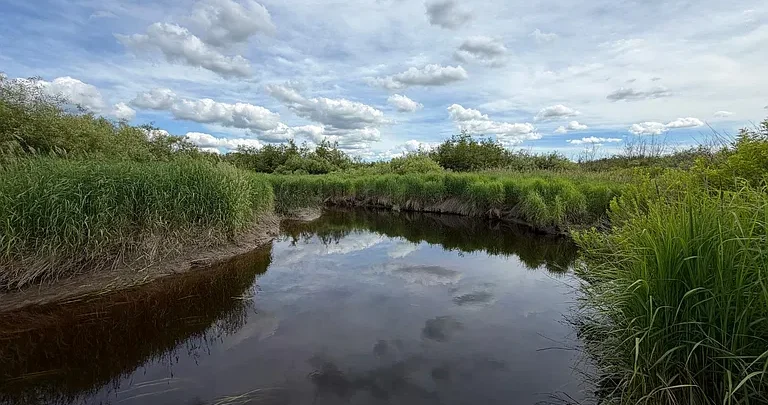
Secluded Wilderness with River Frontage in Merrill, Wisconsin
A quiet stretch of forest, a winding river, and a sense of separation from everyday activity define this wilderness property in Merrill, Wisconsin. The land offers a natural setting shaped by wooded areas, dense vegetation, wetlands, and the South Branch of the Copper River. For buyers drawn to undeveloped landscapes, these features create an opportunity to explore a property whose appeal centers on its existing environment.
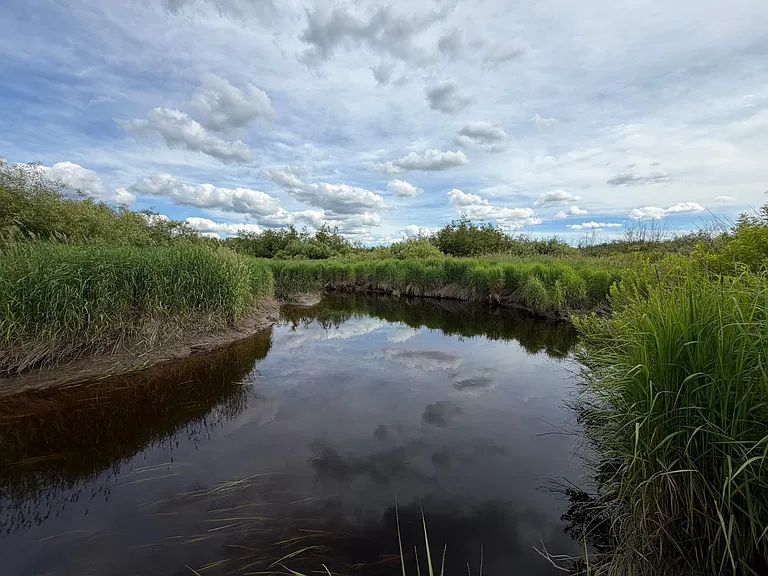
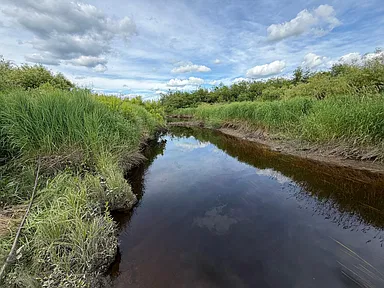
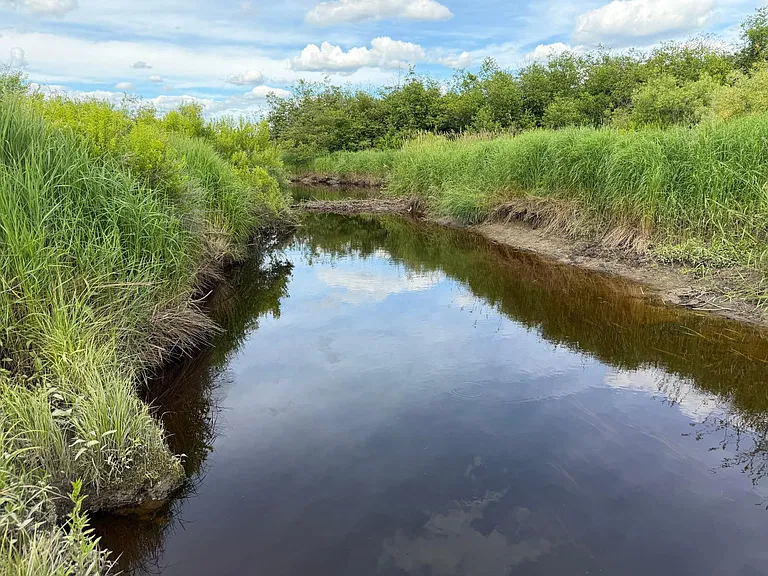
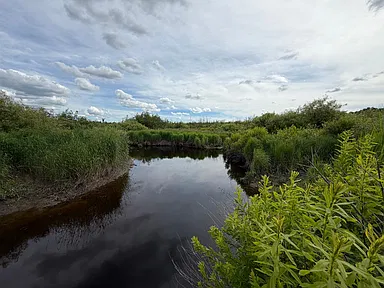
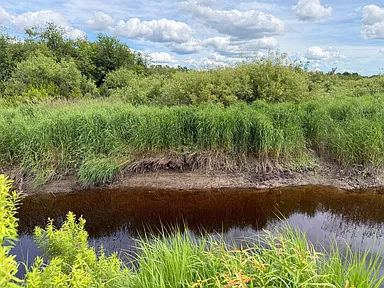
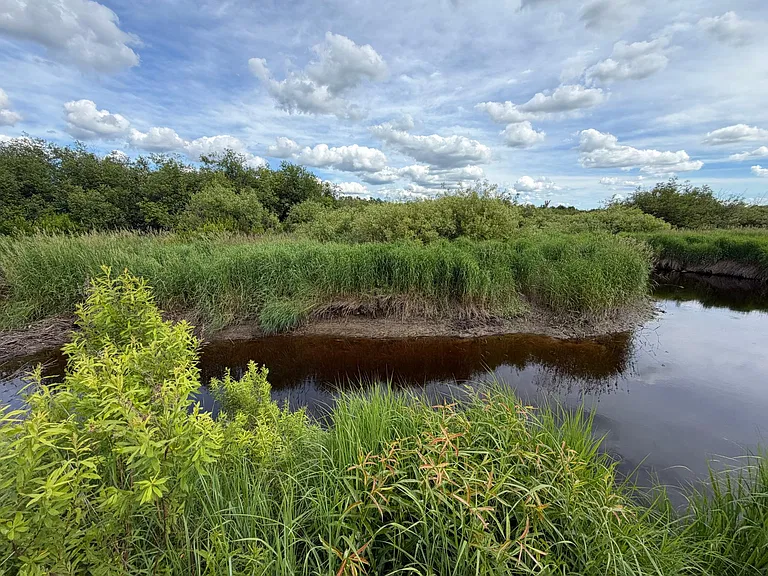
The South Branch of the Copper River winds through the land, bringing a distinctive water feature to the surrounding wilderness. Deer, black bears, and forest birds are described as part of the local wildlife presence. Together, the river corridor and varied vegetation give the property a character that differs from a cleared rural parcel.
Access requires additional planning, making this a property that deserves careful investigation. Its remote setting may appeal to a dedicated buyer seeking privacy, outdoor recreation, or an opportunity to preserve natural habitat.
A Landscape Shaped by Forest and Water
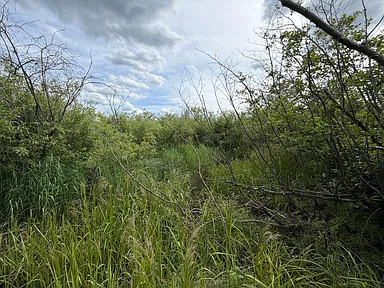
The property’s character comes from the relationship between its wooded surroundings and natural waterways. Forest growth provides cover, while wetland areas introduce changes in vegetation and ground conditions. The river adds another layer of variety as it passes through the land.
For someone who enjoys observing nature, these transitions can be among the most interesting parts of a property. Moving from a wooded area toward a waterway may reveal differences in plant growth, light, and wildlife activity. Even a relatively small section of land can offer a changing experience across the seasons.
Here, the supplied description emphasizes a vast expanse of wilderness, although an exact acreage figure is not provided. Buyers should confirm the parcel’s size and boundaries before evaluating how it could support their plans.
Understanding the layout will help establish how the forest, river, and wetlands relate to one another. That picture is essential when considering both recreation and long-term care.
The South Branch of the Copper River
The South Branch of the Copper River is a defining feature of this Wisconsin property. Its course through the land creates a waterfront environment and gives the parcel a natural focal point.
A river can influence how an owner experiences a property. It may provide a place to pause during a walk, observe changing water levels, or watch wildlife moving through nearby vegetation. The surrounding banks can also offer a different atmosphere from the deeper wooded areas.
However, the presence of a river does not establish that every stretch is easy to reach or suitable for a particular activity. Bank conditions, water depth, vegetation, and seasonal changes will affect how the area can be enjoyed.
The description does not confirm fishing conditions, navigability, or convenient entry points. Buyers interested in those uses should investigate them directly. Confirming the extent of river frontage and its relationship to the surveyed boundaries will also help clarify what is included.
Appreciating the River Without Extensive Changes
A buyer may find that the river’s greatest appeal lies in its natural condition. Watching the water, photographing the landscape, or spending quiet time nearby can offer a rewarding experience without requiring a developed recreation area.
Any plans for trails, crossings, clearing, or structures near the river should begin with an assessment of the site and applicable requirements. Ground conditions may make some ideas less practical than they initially appear.
An approach centered on observation can help a new owner understand the setting before making decisions. Seeing the river during different weather and seasonal conditions may reveal where water collects, which banks remain firm, and which areas are best left undisturbed.
Privacy and a Remote Setting
Seclusion is a central part of this property’s appeal. Its remote location offers a sense of distance from busy surroundings and may attract buyers who value quiet time outdoors.
That privacy can shape the experience of ownership. A visit may be focused on walking, observing wildlife, or simply spending time in a landscape where natural features take priority. For some buyers, that is the main reason to consider wilderness land.
The same remoteness also requires preparation. Travel to the parcel, movement across it, communication, and the transportation of equipment all deserve attention.
Privacy should therefore be evaluated alongside practicality. A buyer needs to understand how often they intend to visit, what each trip would involve, and whether the access arrangements fit those expectations. The property may be especially appealing to someone comfortable with a less convenient outdoor setting.
Access Is a Key Part of the Evaluation
The description makes clear that reaching the land requires additional planning. This is one of the most important details for a prospective buyer to resolve before moving forward.
Legal access and physical access are separate questions. A parcel may appear close to a road without having a documented right to cross the land between them. Likewise, a recorded access route may be difficult to travel because of vegetation, water, or ground conditions.
A review of deeds, recorded easements, surveys, and available maps can help establish the legal position. An on-site assessment is needed to understand what traveling the route would actually involve.
Buyers should avoid assuming that neighboring land can be crossed or that an existing path provides a permanent access right. Clear documentation will help determine whether the property suits the intended use and what further work, if any, may be possible.
Understanding Conditions Along the Access Route
Once the legal route is established, its physical condition deserves a closer look. Wet ground, uneven terrain, dense growth, and waterways can affect the ability to reach different parts of a wilderness parcel.
Seasonal variation matters as well. A route that appears manageable during a dry period may present different conditions after rainfall or snowmelt. Visiting at more than one time of year, where feasible, can provide a fuller understanding.
Equipment needs should follow that assessment. The listing does not establish that the land is accessible by a standard vehicle, that there is a maintained entrance, or that improvements can be made.
For a dedicated buyer, resolving these questions is part of determining whether the property offers a workable outdoor retreat.
Wildlife and Natural Habitat
Deer, black bears, and a variety of forest birds are described as part of the property’s wildlife setting. Their presence contributes to the appeal for buyers interested in watching animals and learning more about a woodland environment.
Dense vegetation and wooded cover provide different places for animals to move and shelter. The river and wetland areas add further variety to the landscape. Wildlife activity will vary, however, and no particular sighting can be guaranteed during a visit.
Observing the property over time may reveal patterns that are difficult to notice on a single tour. Tracks, bird calls, disturbed vegetation, and other signs can help an owner develop a better understanding of the land.
A patient approach is especially suited to this kind of setting. Spending time quietly in a few locations can sometimes provide more insight than attempting to cover the entire parcel in one outing.
Outdoor Recreation in a Natural Setting
The property offers a setting for recreational exploration, with its appeal rooted in the landscape rather than described amenities. Buyers who enjoy undeveloped land may appreciate the opportunity to experience it at a slower pace.
Walking suitable portions of the parcel, observing wildlife, and photographing the forest are possible interests to explore. Each activity depends on safe access, ground conditions, and the owner’s ability to navigate the terrain.
The supplied information does not identify established trails, campsites, utility connections, or recreational facilities. Prospective buyers should assess the property as described and confirm any additional features directly.
This approach helps keep expectations realistic. Someone seeking a maintained recreation site may have different needs from a buyer who enjoys planning visits to remote land. Understanding that distinction will make it easier to judge whether the property is a good personal fit.
Photography and Quiet Observation
A forested property with a winding river offers several subjects for nature photography. Water, vegetation, changing light, and seasonal color can create different scenes throughout the year.
Photography also encourages close attention to the land. Returning to the same location may reveal changes in water levels, new plant growth, or shifts in the way sunlight reaches the forest floor.
Wildlife photography requires additional patience and appropriate distance. The presence of animals should be treated as an opportunity to observe their natural behavior without approaching or disturbing them.
For an owner interested in documenting the property, a collection of photographs can serve another useful purpose. Images taken from consistent locations may help track changes in vegetation, erosion, or access conditions over time.
Hunting Interests and Property Suitability
The remote setting and described wildlife presence may attract buyers interested in hunting. Forest cover, wetlands, and a river corridor give the land features that warrant closer assessment by someone with that interest.
Actual suitability depends on more than the presence of deer or bears. Parcel dimensions, neighboring uses, safe shooting considerations, access, and the ability to move across the ground all matter.
The description does not establish hunting rights, permitted methods, or any specific hunting opportunity. Buyers should verify ownership rights and current requirements with the appropriate authorities before making plans.
It is also worth considering the practical side of a hunting visit. Transporting equipment and retrieving harvested game can be more demanding where access is limited. A careful review will help a prospective owner understand whether the property matches their experience and expectations.
Wetlands and Their Role in the Property
Wetlands are an important part of the landscape described here. They contribute to the property’s natural character and should be considered a defining feature when evaluating possible uses.
For a conservation-minded buyer, these areas may be part of what makes the parcel appealing. They introduce a different environment within the broader forested setting and can offer opportunities for observation and study.
From a practical standpoint, wetland conditions can limit movement and influence where any future activity might be appropriate. A map alone may not fully explain the conditions encountered on the ground.
Before planning clearing, drainage, fill, roads, or other changes, buyers should obtain reliable information about wetland boundaries and applicable requirements. Understanding those limits early can prevent unsuitable plans and help identify uses that work with the existing landscape.
An Opportunity for Thoughtful Conservation
A future owner may choose to focus on preserving the property’s natural qualities. The forest, wetlands, and river provide a setting where ownership could center on careful stewardship and limited disturbance.
The first step would be to understand what is already present. Identifying vegetation, observing wildlife, and reviewing the condition of the riverbanks can help build a practical picture of the land.
Conservation does not necessarily require an ambitious project. It may begin with keeping sensitive areas undisturbed, managing visits carefully, and seeking qualified guidance before making changes.
Specific habitat work should follow site assessment rather than assumptions. A professional familiar with woodland and wetland properties may help an owner identify appropriate priorities. The most suitable approach will depend on the parcel’s actual conditions and the owner’s goals.
Planning for Long-Term Ownership
Wilderness land benefits from a clear ownership plan, even when few improvements are intended. Buyers should consider how they will reach the property, identify boundaries, monitor conditions, and handle routine responsibilities.
Financial planning should use verified information about property taxes, insurance, access obligations, and any agreements affecting the parcel. The supplied description does not provide those details or establish the costs of ownership.
Development plans require particular care. There is no confirmation of a buildable site, utility availability, approved wastewater arrangements, or permission for a cabin or other structure. Those possibilities should be investigated separately if they are important to the purchase.
For a buyer primarily interested in recreation or conservation, the existing landscape may already provide the desired experience. Confirming the essential facts will help determine whether that experience is practical to maintain.
Exploring a Distinctive Wisconsin Wilderness Property
This Merrill property brings together river frontage, forested surroundings, wetlands, wildlife, and exceptional seclusion. The South Branch of the Copper River gives the land a distinctive identity, while the dense vegetation and remote setting reinforce its wilderness character.
Its appeal is strongest for a buyer who values undeveloped landscapes and is prepared to investigate the access arrangements carefully. Time spent reviewing records and walking suitable portions of the parcel can help establish how it might be enjoyed.
Whether the goal is quiet observation, recreational exploration, or thoughtful conservation, the property offers an opportunity to build a lasting connection with a natural setting. Its possibilities begin with understanding the land as it exists and deciding how its features align with the experience a future owner hopes to create.
Watch Via Zillow