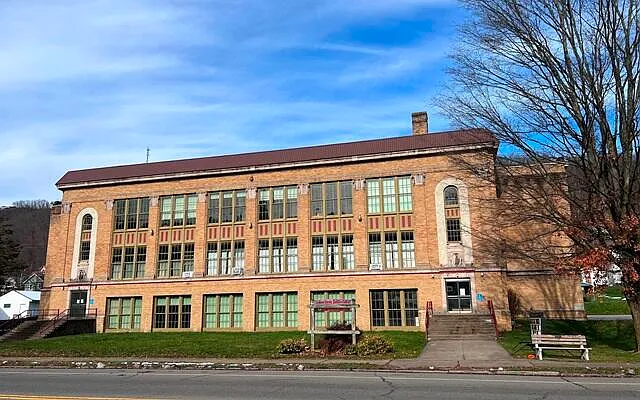
Historic Landmark Property in Emporium, Pennsylvania With Exceptional Redevelopment Potential
Historic properties have a special quality that modern buildings often cannot easily reproduce. They carry a sense of identity, architectural character, and connection to the community around them. For buyers, investors, organizations, and creative visionaries, these properties can provide an opportunity to preserve an important piece of local history while giving it a completely new purpose.
Located in the heart of Emporium, Pennsylvania, this extraordinary historic landmark presents an especially interesting opportunity. The expansive brick building offers substantial interior space, distinctive architectural details, and a layout that can support a wide range of future possibilities.
Rather than being defined by a single use, the property offers the flexibility needed for adaptive reuse. Numerous rooms, a spacious auditorium, a large gymnasium, multiple restrooms, high ceilings, and generous grounds create a combination of features that can be difficult to find in a single property.
At the same time, its in-town location adds practical value. Being situated in the heart of the community provides convenient access to nearby amenities and services while keeping the property connected to the surrounding neighborhood.
For anyone interested in architecture, preservation, redevelopment, community spaces, or creative projects, this property offers a chance to reimagine a significant piece of Emporium’s built history.
A Distinctive Historic Building
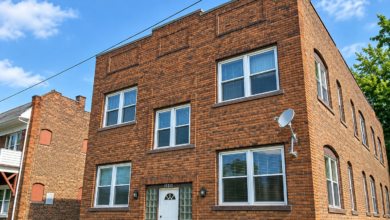
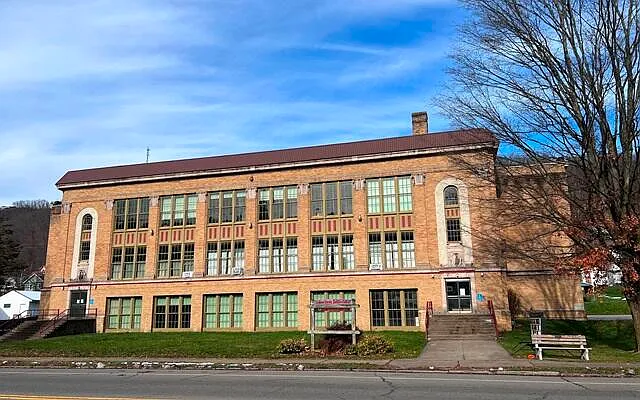
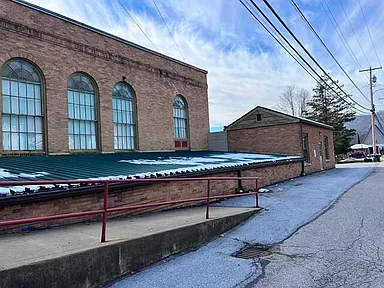
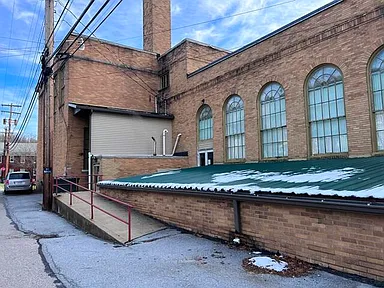
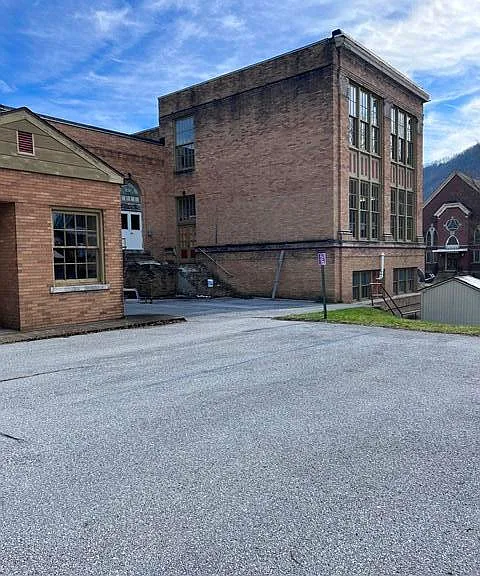
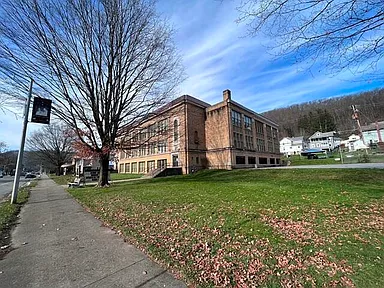
The first impression of the property comes from its expansive brick exterior.
Brick architecture has a timeless quality that can give a building a strong visual presence. In this case, the material contributes to the property’s historic character and helps distinguish it from more conventional modern structures.
The building feels substantial from the outset. Its size creates an immediate sense of possibility, while the historic details provide an architectural identity that would be difficult to recreate from scratch.
For a future owner, this means the property can potentially be approached as both a building and a piece of local heritage.
Preserving its recognizable character while adapting the interior to a new purpose could create a particularly meaningful redevelopment project.
Located in the Heart of Emporium
Location is an important part of this property’s appeal.
The building is situated in the heart of Emporium, Pennsylvania, placing it within an established town environment rather than in an isolated setting.
An in-town location can make a major difference when considering how a large property might be used in the future.
Nearby amenities and services provide convenience for visitors, occupants, organizations, and potential users of the building.
The location also means the property remains connected to the community it has historically served.
For adaptive reuse projects, that connection can be especially valuable. A new use can potentially allow the building to continue playing a role within the town rather than becoming disconnected from everyday community life.
Expansive Interior Space
Inside, the property offers an impressive amount of space.
Numerous rooms create flexibility and allow future owners to consider different layouts and functions.
A large building with multiple rooms can support a variety of activities. Depending on future plans and any applicable regulations, individual rooms could potentially be adapted for offices, meeting areas, classrooms, studios, storage, community activities, or other purposes.
The important feature is the flexibility.
Instead of having one large open area and little else, the building provides multiple spaces that can be considered independently or used together.
That can be an important advantage for organizations or buyers who need different areas for different activities.
The Possibilities of Adaptive Reuse
Adaptive reuse is one of the most interesting concepts associated with historic properties.
Rather than replacing an older structure, adaptive reuse focuses on finding a new purpose for an existing building.
This approach can allow architectural character to remain visible while the property is adapted to contemporary needs.
For this Emporium property, the possibilities are particularly broad because of the combination of rooms and larger gathering spaces.
The building could potentially serve a community-oriented purpose, an institutional function, a creative project, an event-related use, or another suitable purpose depending on local requirements and future planning.
The final concept would depend on the buyer’s vision.
However, the existing structure provides a strong starting point for developing that vision.
A Spacious Auditorium
One of the property’s most notable interior features is the spacious auditorium.
An auditorium immediately adds another dimension to the building because it creates a dedicated space for gatherings and presentations.
Its scale and architectural character can make it suitable for a range of potential activities.
Depending on the eventual use of the property and applicable regulations, the auditorium could potentially support community gatherings, performances, meetings, educational activities, presentations, cultural events, or other organized functions.
Even when not used for large events, an auditorium can serve as a defining architectural feature.
It gives the property a sense of scale and importance that goes beyond a conventional multi-room building.
A Large Gymnasium
The property also includes a large gymnasium.
This is another major feature that expands the building’s potential.
A gymnasium provides a substantial open area that can be used for recreation, physical activities, gatherings, and events.
For organizations searching for a flexible indoor space, a gymnasium can be particularly valuable.
The large open floor area can potentially accommodate different activities depending on the future use of the building.
It may also complement the auditorium and other rooms, allowing multiple parts of the property to serve different purposes at the same time.
This combination of spaces makes the building especially interesting for anyone considering a multi-purpose facility.
Multiple Restrooms Throughout the Building
Practical features can be just as important as architectural ones.
The property includes restrooms conveniently located throughout the building.
Having multiple restroom areas distributed across a large structure can improve the functionality of the property, particularly when different sections are being used simultaneously.
For events, meetings, recreational activities, or community gatherings, convenient access to restrooms can be an important consideration.
This existing feature also adds to the building’s flexibility by supporting its larger interior layout.
High Ceilings and Historic Details
The high ceilings are another architectural element that contributes to the building’s character.
High ceilings can create a greater sense of openness and scale. They can also enhance the visual impact of large rooms such as the auditorium and gymnasium.
Combined with original architectural details, the ceilings help preserve the historic atmosphere of the property.
These elements are important because they give the building a sense of authenticity.
A modern renovation could introduce updated functionality while still allowing these original characteristics to remain part of the overall experience.
For buyers who appreciate historic architecture, retaining these details could be an important part of any future redevelopment plan.
A Strong Foundation for Creative Transformation
Some properties are attractive because everything has already been completed.
Others are attractive because they offer the opportunity to create something new.
This building belongs firmly in the second category.
Its existing structure, spacious interior, historic details, and multiple functional areas create a foundation for creative transformation.
A future owner could approach the property with a clear concept and gradually determine how each part of the building should be used.
The auditorium could have one purpose.
The gymnasium could serve another.
Smaller rooms could provide supporting functions.
Meanwhile, the historic architectural elements could remain visible throughout the property.
This creates the possibility of developing a property where old and new ideas work together.
A Property for Community-Oriented Ideas
Because of its size and layout, the building could be particularly interesting for community-oriented concepts.
Historic buildings often have an established relationship with the people who live nearby.
Giving such a property a new life can provide an opportunity to maintain that connection.
Potential future uses could include spaces for gatherings, educational programs, recreational activities, cultural events, meetings, or other community-focused functions, subject to zoning, permits, building requirements, and the owner’s plans.
The building’s existing auditorium and gymnasium make it especially adaptable for activities that require larger indoor spaces.
At the same time, the numerous smaller rooms can provide areas for supporting activities.
An Interesting Opportunity for Preservation
Historic preservation is about more than maintaining an old exterior.
It can also involve recognizing the architectural qualities that make a building important and finding ways to keep those qualities relevant.
This property offers an opportunity to think about preservation from a practical perspective.
Instead of leaving a historic building unchanged, a future owner could potentially combine preservation with modernization.
The result could be a property that respects its past while serving a new generation of users.
For anyone interested in historic architecture, that balance may be one of the most compelling aspects of the opportunity.
The Value of a Brick Exterior
The brick construction contributes significantly to the property’s visual identity.
Brick has remained popular across generations because of its durability, appearance, and architectural versatility.
On a historic building, brick can also provide a strong connection to the era in which the structure was created.
The exterior therefore becomes more than a simple facade.
It helps communicate the building’s history and gives the property a distinctive appearance within the town.
Future improvements could potentially be planned around this existing character rather than attempting to hide it.
Generous Grounds and Parking
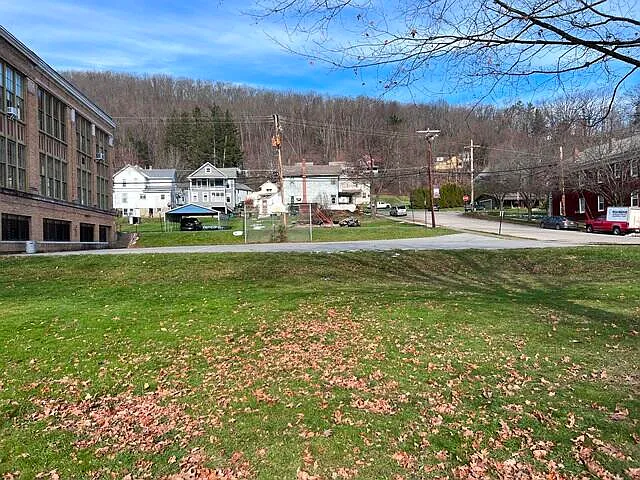
The property also benefits from generous grounds.
Outdoor space can provide additional flexibility for a large building, while the dedicated parking area adds practical convenience.
Parking is especially important for properties that may accommodate gatherings, events, organizations, or multiple occupants.
Having a dedicated area for vehicles can make access easier for visitors and users.
The grounds can also contribute to the overall presentation of the property.
Landscaping, outdoor maintenance, and thoughtful improvements could potentially enhance the relationship between the historic building and its surrounding environment.
Convenient In-Town Access
Another important advantage is the property’s access to nearby amenities and services.
An in-town location means that visitors and occupants can remain connected to the broader community.
This can be useful for a variety of potential uses.
A building that serves the public, hosts gatherings, provides organizational space, or supports community activities can benefit from being located where people already live, work, shop, and access local services.
The location therefore complements the building’s internal flexibility.
A Rare Combination of Features
It is unusual to find a property that combines so many different characteristics in one place.
Here, buyers have access to an expansive brick structure, numerous rooms, a spacious auditorium, a large gymnasium, multiple restrooms, high ceilings, original architectural details, generous grounds, and dedicated parking.
Each feature adds something different.
The auditorium provides gathering space.
The gymnasium offers a large open area.
The smaller rooms provide flexibility.
The high ceilings contribute to the architectural atmosphere.
The brick exterior creates a strong historic identity.
The parking area adds convenience.
Together, these elements create a property with considerable potential for transformation.
Thinking Beyond a Traditional Property
This is not the type of property that needs to be evaluated only as a conventional building.
Its scale and design invite a broader approach.
Instead of asking only how many rooms it has or how the existing spaces are arranged, future owners can consider what kind of experience the entire property could provide.
Could it become a center for community activities?
Could it support an organization?
Could it host events?
Could the auditorium become a cultural space?
Could the gymnasium serve recreational purposes?
Could the smaller rooms support offices, classrooms, studios, or meeting areas?
These questions demonstrate the range of possibilities created by the existing layout.
The Appeal of a Blank Canvas
A large historic property can function as a blank canvas for an ambitious buyer.
The building already has its architectural foundation, but its future identity can still be shaped.
That makes it particularly interesting for people who want to undertake a meaningful transformation rather than simply purchase a finished property.
Creative buyers can think about how modern needs could be introduced while maintaining the details that make the building special.
The process could involve careful planning, professional assessments, restoration work, modernization, and thoughtful interior design.
Every decision could contribute to the property’s next chapter.
A Potential Investment Opportunity
For investors and developers, properties with substantial space and adaptive reuse potential can be worth examining carefully.
The value of such a project depends on many factors, including the condition of the building, local regulations, renovation requirements, operating costs, market demand, and the intended use.
Therefore, any investment decision should be supported by appropriate professional research and due diligence.
Still, the property’s combination of location, size, historic character, and flexible interior spaces makes it an interesting candidate for consideration.
A well-planned transformation could potentially give the building a new purpose while preserving elements of its original identity.
Creating a New Chapter for Local History
One of the most appealing ideas behind a property like this is the opportunity to create a new chapter.
Historic buildings are physical reminders of the communities that came before us.
When they are thoughtfully reused, they can continue to contribute to the community rather than simply becoming memories of the past.
This Emporium property provides that possibility.
Its future does not have to be a copy of its past.
Instead, the building can potentially evolve while retaining the architectural details that make it recognizable.
That balance between preservation and change can create a meaningful redevelopment story.
Space for Events and Gatherings
The auditorium and gymnasium give the property particular potential for gathering-oriented uses.
Large indoor spaces can support events that would not be practical in a standard commercial or residential building.
Depending on the future use and required approvals, possibilities could include meetings, presentations, community events, recreational activities, cultural programs, educational gatherings, or private functions.
The multiple rooms and restrooms can provide additional support for these larger activities.
As a result, the property could potentially operate as a multi-purpose facility rather than being limited to one narrow function.
An Architectural Opportunity
From an architectural perspective, the property offers an opportunity to work with scale, volume, and historic detail.
High ceilings can create dramatic interior spaces.
Original architectural elements can provide visual interest.
The brick exterior establishes a recognizable identity.
Large rooms offer opportunities for creative design.
At the same time, smaller rooms can provide balance and functionality.
A successful renovation could therefore focus not only on updating the property but also on highlighting what already makes it distinctive.
Planning a Thoughtful Renovation
Any future transformation should begin with careful evaluation.
Historic buildings can have unique maintenance and renovation considerations.
Before undertaking major work, prospective owners should consider professional inspections, structural evaluations, electrical and plumbing assessments, accessibility requirements, fire and safety regulations, zoning restrictions, and other applicable local requirements.
A detailed renovation plan can help identify priorities and establish realistic expectations.
The goal should be to understand the building first and then determine how its existing qualities can support the desired future use.
A Property With Multiple Future Directions
One of the strongest qualities of this landmark is that it does not appear limited to one obvious future.
The numerous rooms, auditorium, gymnasium, restrooms, grounds, and parking area create a broad framework.
That framework can support different concepts.
A future owner may have a very specific idea already in mind.
Another buyer may see the property as an opportunity to develop a concept over time.
Either way, the building provides enough variety to encourage creative thinking.
Why Historic Character Matters
Modern renovations can create beautiful spaces, but historic character cannot always be reproduced authentically.
Original architectural details carry a sense of time and place.
They can make a building feel connected to its surroundings and give visitors an experience that differs from entering a newly constructed facility.
For this reason, the property’s original details and brick construction may be among its most valuable visual characteristics.
Preserving those elements could help maintain the identity that makes the building special.
A Significant Piece of Emporium’s Built Environment
Situated in the heart of Emporium, this property represents more than a collection of rooms.
It is a substantial piece of the local built environment.
Its size and architectural presence make it a noticeable part of the community, while its historic character adds another layer of significance.
For a buyer interested in creating something meaningful, that context can be important.
The opportunity is not simply to renovate a building.
It is to help determine what role that building could play in the community in the future.
Final Thoughts
This extraordinary historic property in Emporium, Pennsylvania, offers a rare combination of architectural character, expansive interior space, and adaptive reuse potential.
The brick construction creates a distinctive exterior presence, while the high ceilings and original architectural details add depth and personality inside.
Furthermore, the numerous rooms provide flexibility for future planning.
The spacious auditorium creates an impressive area for gatherings, while the large gymnasium adds another substantial space for recreation, activities, or events.
Multiple restrooms throughout the building provide practical convenience, and the generous grounds and dedicated parking area add further functionality.
Most importantly, the property gives a future owner the opportunity to decide what comes next.
It could potentially become a community-oriented facility, an event space, an organizational headquarters, a recreational destination, a creative project, or another carefully planned use that fits the building and local requirements.
The possibilities will ultimately depend on the property’s condition, applicable regulations, professional assessments, and the vision of its next owner.
Nevertheless, the combination of location, size, architectural character, and flexible interior space makes this a distinctive opportunity.
For someone looking to preserve history while creating something new, the property offers an inspiring starting point.
Rather than simply representing what the building once was, it can become the foundation for what it could be next.
With thoughtful planning and a clear vision, this remarkable Emporium landmark has the potential to enter an entirely new chapter while retaining the historic qualities that make it memorable.
Watch Via Zillow