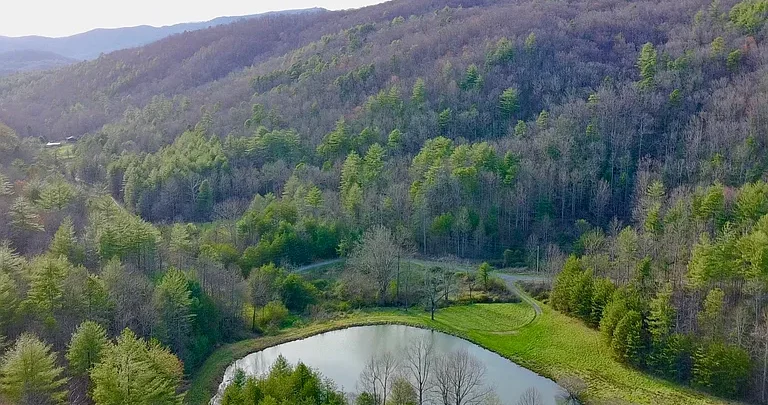
Beautiful Mountain Retreat With a Stocked-Looking Pond and Stunning Appalachian Views in Del Rio, Tennessee
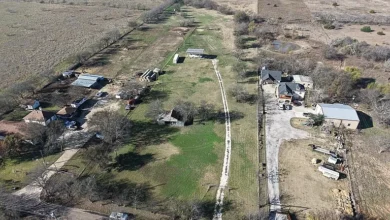
Discover the peaceful beauty of the Tennessee mountains with this picturesque wooded property located in Del Rio, Tennessee. Surrounded by lush greenery, breathtaking mountain scenery, and the natural beauty of the Appalachian landscape, this rural property offers an inviting opportunity for individuals dreaming of a quieter lifestyle away from crowded cities.
Featuring a tranquil pond described as being filled with fish, beautiful woodland, and stunning mountain views, the property provides a remarkable natural setting for exploring the possibility of a private cabin, custom mountain home, or peaceful vacation retreat.
Its location near Cherokee National Forest adds another dimension to its appeal, offering access to a region known for beautiful forests, flowing rivers, hiking opportunities, and outdoor adventures.
Whether you are searching for Tennessee mountain land, considering a rural real estate investment, or dreaming of building a secluded country residence, this Del Rio property presents several exciting possibilities.
For buyers who appreciate privacy, natural scenery, and the freedom to explore their own development plans, this mountain retreat could represent the beginning of a rewarding new lifestyle.
A Beautiful Opportunity to Own Property in the Tennessee Mountains
Owning property in the mountains is a dream shared by many individuals who want to escape the demands of modern urban life.
Instead of being surrounded by busy roads, commercial developments, and densely populated neighborhoods, mountain property owners may enjoy peaceful surroundings, fresh air, and a closer connection with nature.
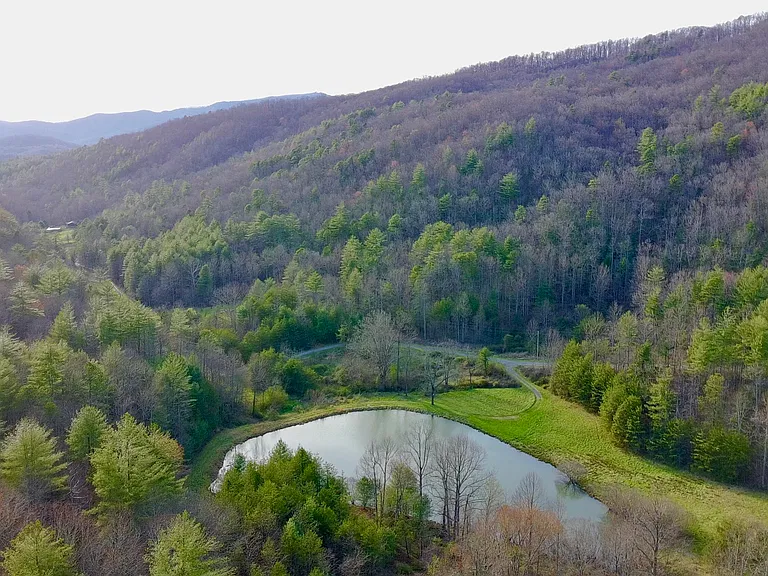
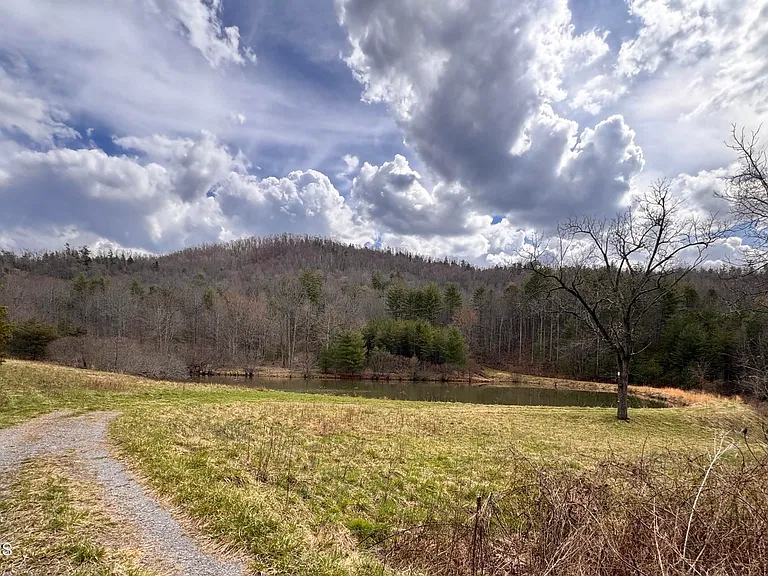
This picturesque property in Del Rio offers a beautiful combination of wooded landscapes, mountain views, and a peaceful pond.
The surrounding Appalachian scenery creates an attractive environment for individuals interested in outdoor recreation, relaxation, and rural living.
Unlike purchasing a traditional home in a suburban neighborhood, acquiring rural mountain property may allow prospective owners to explore different possibilities for future development.
Some buyers may envision a rustic log cabin overlooking the surrounding mountains, while others might prefer a contemporary mountain residence featuring large windows, spacious outdoor decks, and energy-efficient construction.
The natural characteristics of this property provide an appealing foundation for exploring these ideas.
However, buyers should independently investigate construction feasibility, property boundaries, zoning requirements, utility availability, and legal access before making a purchasing decision.
Stunning Appalachian Mountain Views
One of the most attractive features of this Del Rio property is its beautiful mountain scenery.
The Appalachian Mountains provide a distinctive natural backdrop that may appeal to individuals looking for a peaceful residential environment surrounded by nature.
Mountain views can transform ordinary daily activities into memorable experiences.
Imagine waking up in a cozy cabin, enjoying a cup of coffee on a covered porch, and watching the morning sunlight illuminate the surrounding landscape.
The changing seasons may create different perspectives throughout the year, from vibrant spring greenery and colorful autumn foliage to peaceful winter scenery.
A future residence could potentially be positioned to take advantage of the property’s natural views while preserving the surrounding woodland.
Large windows, elevated outdoor decks, and carefully designed living spaces might allow homeowners to enjoy the scenery throughout the day.
Nevertheless, prospective buyers should evaluate the exact building locations, terrain, tree coverage, and any restrictions that could influence construction.
A professional land assessment can help identify suitable areas for development while maintaining the natural beauty that makes mountain properties so appealing.
A Peaceful Pond Filled With Fish
The property’s tranquil pond represents one of its most distinctive natural attractions.
According to the supplied description, the pond contains abundant fish, adding another appealing feature to the surrounding mountain landscape.
For individuals who enjoy spending time near the water, a private pond can provide opportunities for relaxation, nature observation, photography, and potentially fishing.
Imagine spending a quiet afternoon beside the pond, enjoying the surrounding forest scenery and listening to the peaceful sounds of nature.
A future cabin or country residence positioned appropriately near the water could potentially create an attractive outdoor living environment.
The pond could also serve as a central feature of future landscaping plans.
Outdoor seating areas, natural walking paths, and thoughtfully designed gardens might complement the existing scenery without significantly altering the property’s natural character.
However, buyers should independently investigate the pond’s depth, fish species, water quality, seasonal water levels, drainage characteristics, and maintenance requirements.
The description does not establish whether the pond has been professionally stocked or whether it is suitable for swimming, boating, irrigation, or other specific activities.
Understanding these details before purchasing can help prospective owners evaluate both the recreational benefits and responsibilities associated with pond ownership.
Surrounded by Beautiful Wooded Landscapes
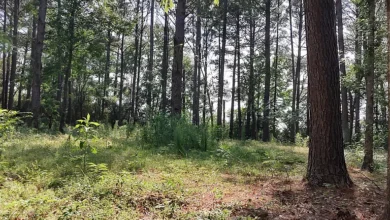
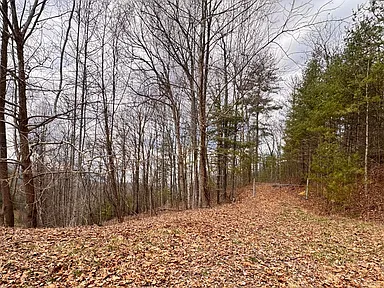
The wooded character of this Tennessee property adds to its peaceful atmosphere and natural appeal.
Established trees can contribute to privacy, provide natural shade, and create an attractive setting for future residential development.
For many buyers, purchasing wooded acreage offers an opportunity to preserve the beauty of the surrounding environment while creating a comfortable personal retreat.
Instead of clearing an entire property, future owners may wish to retain significant portions of the woodland and carefully select areas for construction.
Preserving trees can help maintain the property’s natural appearance while potentially supporting wildlife habitat and reducing unnecessary environmental disturbances.
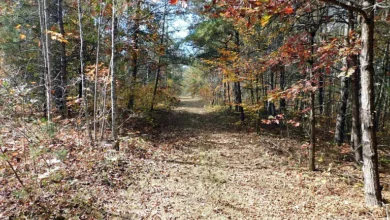
Wooded surroundings may also provide opportunities for creating private walking trails, shaded outdoor seating areas, and natural landscape features.
During warmer months, mature trees may provide comfortable outdoor spaces, while the changing colors of autumn can enhance the property’s visual appeal.
Before beginning construction or removing trees, buyers should consult qualified professionals regarding soil stability, drainage, tree health, and site preparation requirements.
Responsible woodland management can help protect the property’s natural character and support its long-term enjoyment.
Near Cherokee National Forest and Outdoor Adventures
The property’s location near Cherokee National Forest is another feature highlighted in the description.
For outdoor enthusiasts, proximity to a national forest can be an important consideration when evaluating mountain real estate.
The surrounding region offers a natural environment associated with hiking, scenic drives, wildlife observation, fishing, photography, and other recreational experiences.
Owning rural property near public forest lands may allow individuals to enjoy their own private retreat while exploring additional recreational destinations throughout the region.
Mountain trails, rivers, streams, and beautiful forest landscapes can provide opportunities for memorable outdoor adventures.
The location may appeal to families who enjoy nature-based vacations, individuals seeking an active outdoor lifestyle, and buyers interested in establishing a seasonal mountain getaway.
However, prospective owners should independently confirm the property’s distance from public recreation areas, available access routes, and the exact relationship between private and public land boundaries.
The description does not confirm that the property directly borders Cherokee National Forest or includes special access rights.
Buyers should also review applicable recreational regulations before participating in activities on surrounding public lands.
An Attractive Setting for Building a Private Mountain Cabin
For many individuals, owning a private cabin in the Tennessee mountains represents the ideal escape from everyday responsibilities.
This wooded property, with its beautiful views and tranquil pond, offers an interesting setting for exploring cabin construction.
Potential architectural styles could include a traditional log cabin, rustic timber-frame cottage, modern mountain retreat, or energy-efficient countryside home.
A carefully designed cabin could feature large windows overlooking the surrounding scenery, a spacious covered porch, and comfortable outdoor living areas.
Natural materials such as wood and stone might complement the wooded landscape and help the building blend into its surroundings.
A smaller cabin may appeal to individuals seeking a manageable vacation property, while a larger custom residence could potentially accommodate permanent country living.
The property’s natural terrain may also influence architectural design and building placement.
Before purchasing land for construction, prospective owners should obtain a professional assessment of the proposed building site.
Mountain construction can involve additional considerations related to foundation design, excavation, drainage, road access, and utility installation.
Careful planning can help ensure that a future cabin is both comfortable and financially manageable.
Custom Mountain Home Construction Opportunities
Purchasing rural property provides prospective homeowners with an opportunity to design a residence around their personal preferences.
Unlike buying an existing house, custom construction may allow owners to select their preferred floor plan, architectural style, interior finishes, and energy-efficient features.
A mountain home in Del Rio could potentially incorporate spacious living areas, large windows, comfortable bedrooms, covered decks, and outdoor spaces overlooking the natural surroundings.
The property’s beautiful scenery may encourage architectural designs that emphasize natural light and connections between indoor and outdoor living areas.
Buyers may also consider features such as fireplaces, modern kitchens, home offices, guest accommodations, and energy-efficient heating and cooling systems.
However, the feasibility of these improvements will depend on several practical considerations.
Building a mountain residence requires careful evaluation of soil conditions, terrain, access, construction regulations, and available infrastructure.
Professional architects, engineers, and residential builders can help determine appropriate building designs and estimate construction costs.
Obtaining detailed estimates before purchasing the property may help buyers establish realistic expectations for their future development project.
Escape Busy City Life and Enjoy Mountain Living
The peaceful atmosphere of rural Tennessee may appeal to individuals looking for an alternative to crowded residential environments.
Mountain living can provide opportunities to spend more time outdoors, appreciate natural scenery, and establish a quieter daily routine.
Instead of beginning each morning surrounded by traffic and noise, future residents could potentially enjoy forest views, peaceful outdoor spaces, and the changing beauty of the Appalachian landscape.
The tranquil pond may add another dimension to this lifestyle by creating a beautiful setting for quiet afternoons and outdoor relaxation.
For retirees, remote workers, families, and individuals seeking greater privacy, a rural mountain retreat may offer attractive lifestyle benefits.
Nevertheless, mountain living also requires practical preparation.
Buyers should evaluate access to healthcare, grocery stores, emergency services, internet providers, and other essential amenities.
Road conditions, seasonal weather, and property maintenance requirements should also be considered.
Understanding both the advantages and responsibilities of rural ownership can help prospective buyers determine whether mountain living aligns with their long-term goals.
Tennessee Mountain Real Estate Investment Opportunities
Purchasing mountain property is one real estate strategy that some individuals consider when diversifying their assets.
Rural properties with mountain views, wooded landscapes, and water features may appeal to buyers searching for recreational land, vacation properties, or future residential development opportunities.
The combination of beautiful scenery and proximity to outdoor attractions could contribute to this property’s appeal among certain segments of the real estate market.
Some investors purchase land with the intention of holding it for future development, while others may explore building a private residence or legally permitted vacation accommodation.
However, mountain real estate investments involve financial risks.
Future appreciation will depend on regional demand, economic conditions, infrastructure availability, development rights, property accessibility, and comparable real estate sales.
Land ownership does not guarantee investment returns or rental income.
Because the supplied property description does not include the asking price or exact acreage, its current market value and price per acre cannot be calculated.
Prospective investors should conduct independent market research, review comparable property sales, and obtain a professional valuation before making a financial commitment.
Land Financing and Mortgage Options for Tennessee Mountain Property
Financing rural mountain real estate may involve different requirements than obtaining a conventional mortgage for a completed residential property.
If the property consists primarily of vacant land, prospective buyers may need to investigate specialized land financing options.
Land loans are designed for certain property purchases where an existing residential structure may not be available as collateral.
Financial institutions typically evaluate factors such as the borrower’s income, credit history, debt obligations, available down payment, and intended property use.
The property’s appraised value, road access, zoning classification, and utility availability may also influence financing eligibility.
Some buyers may investigate local banks, credit unions, or lenders experienced in rural real estate financing.
Individuals planning to build a residence may also wish to explore construction loans or construction-to-permanent mortgage financing.
These arrangements may allow qualified borrowers to coordinate certain land acquisition and home construction expenses.
Before selecting a financing option, prospective purchasers should compare interest rates, repayment periods, lender fees, down payment requirements, and closing costs.
Actual loan availability will depend on the property and the financial qualifications of the buyer.
Construction Loans and Financing a Custom Mountain Home
Building a mountain residence can require a substantial financial investment beyond the initial purchase price of the property.
Construction loans may provide an option for eligible buyers who need financing during the building process.
Unlike a traditional home mortgage, construction financing may release funds in stages as approved portions of the project are completed.
Lenders may require detailed architectural plans, construction budgets, contractor agreements, property appraisals, and evidence of appropriate permits.
A construction-to-permanent loan may allow certain borrowers to transition from construction financing into a long-term residential mortgage after the home is completed.
However, eligibility requirements and financing structures differ among lenders.
Buyers should investigate available loan programs before committing to a construction project.
It is also important to maintain a financial reserve for unexpected expenses, particularly when building in mountainous or heavily wooded areas.
Site preparation, excavation, utility connections, and foundation construction can introduce additional costs that may not be immediately apparent during the initial planning stages.
Understanding Mountain Home Construction Costs
The total cost of developing a rural mountain property can depend on several factors beyond the size of the proposed residence.
Unlike construction on a fully serviced suburban building lot, mountain development may require additional infrastructure and engineering work.
Prospective buyers should prepare a comprehensive construction budget that accounts for potential expenses such as:
-
Land surveys and professional site assessments.
-
Architectural design and structural engineering.
-
Building permits and inspections.
-
Tree removal and land clearing.
-
Excavation and foundation construction.
-
Driveway installation and road improvements.
-
Drainage and erosion control systems.
-
Electrical utility connections.
-
Private well installation or public water connections.
-
Septic system installation.
-
Building materials and contractor labor.
-
Construction insurance.
-
Landscaping and pond maintenance.
-
Financial reserves for unexpected expenses.
The actual development cost will depend on the property’s physical characteristics, local contractor pricing, material costs, and selected architectural design.
Obtaining multiple professional estimates can help buyers compare construction options and develop a realistic financial strategy.
Property Insurance for Mountain Homes and Wooded Land
Insurance is an important consideration for individuals purchasing rural Tennessee real estate.
Mountain properties may present different insurance requirements than homes located in traditional suburban neighborhoods.
Wooded surroundings, challenging road access, severe weather exposure, and nearby water features can influence insurance eligibility and premiums.
Buyers purchasing vacant acreage may wish to investigate landowner liability insurance or specialized vacant land coverage.
During construction, builder’s risk insurance may provide protection against certain covered losses involving building materials and unfinished structures.
Once a mountain residence is completed, homeowners insurance or seasonal property insurance may become appropriate.
The presence of a pond may also create additional liability considerations, particularly if the property will be used by guests or family members.
Insurance providers may evaluate the distance from emergency services, construction materials, access conditions, heating equipment, and surrounding vegetation.
Prospective owners should obtain multiple insurance quotes and review coverage exclusions before completing the purchase.
A qualified insurance professional familiar with mountain properties can help determine suitable coverage for the intended use.
Flood Insurance and Environmental Risk Considerations
Although the property’s pond contributes to its natural beauty, prospective buyers should carefully investigate water-related risks.
Mountain terrain can influence drainage patterns, especially during periods of heavy rainfall.
Depending on the property’s elevation and surrounding landscape, certain areas may experience runoff, erosion, or seasonal water accumulation.
Buyers should investigate whether any portion of the parcel is located within a designated floodplain.
The pond’s drainage system, water levels, and surrounding soil conditions may also deserve professional evaluation.
Standard homeowners insurance does not generally cover every type of flood-related damage, making it important to understand available coverage options.
Depending on the property’s actual risk classification and lender requirements, separate flood insurance may be worth considering.
The supplied description does not establish the property’s flood zone, drainage conditions, or environmental risk classification.
Independent assessments can help prospective owners select appropriate building locations and develop strategies for protecting future improvements.
Private Well Installation and Water Supply Planning
Access to reliable drinking water is essential when developing a rural mountain residence.
The available property description does not confirm whether a private well or public water connection is currently available.
If public water service is unavailable, buyers may need to investigate private well installation.
Well drilling costs can vary depending on geological conditions, groundwater depth, equipment requirements, and local contractor pricing.
A complete residential water system may also require pumping equipment, pressure tanks, filtration systems, electrical connections, and water quality testing.
Although the property includes a pond, this should not be interpreted as confirmation of a safe or approved household water source.
Surface water may require extensive treatment and regulatory approval before it can be considered for domestic use.
Prospective owners should consult qualified well contractors and appropriate local authorities before finalizing construction plans.
Understanding water supply requirements early in the purchasing process can help buyers avoid unexpected infrastructure expenses.
Septic System Installation and Rural Utility Requirements
Properties located outside established residential utility networks may require private wastewater treatment systems.
The supplied description does not confirm whether an approved septic system or public sewer service is available.
If a septic system is needed, professional soil testing and site evaluations may be necessary to determine installation feasibility.
Mountain terrain, groundwater conditions, soil composition, and proximity to the pond can influence wastewater system design.
Buyers should also investigate electrical service availability, internet connectivity, mobile phone reception, and waste collection options.
Extending electrical infrastructure to a remote building site may involve additional installation expenses.
A future home may require utility poles, underground service lines, meters, or other improvements depending on the location.
Before purchasing the property, prospective owners should obtain preliminary estimates from appropriate utility providers and qualified contractors.
These investigations can help establish a more accurate understanding of the total cost of developing a comfortable mountain residence.
Could This Tennessee Property Become an Off-Grid Mountain Retreat?
Off-grid living appeals to individuals who want to explore greater independence and reduce their reliance on traditional residential utility networks.
The peaceful wooded setting of this Del Rio property may provide an attractive environment for considering an off-grid cabin or sustainable mountain retreat.
Potential systems could include solar panels, battery storage, efficient heating equipment, a private water supply, and approved wastewater infrastructure.
However, successful off-grid development requires careful planning.
The surrounding trees and mountain terrain may affect sunlight exposure, which is important when evaluating solar energy systems.
Water availability and sanitation requirements must also be addressed before a property can support safe residential occupancy.
Off-grid living does not eliminate applicable building codes, environmental regulations, or legal construction requirements.
Buyers should investigate equipment installation costs, maintenance expenses, backup power needs, and seasonal operating conditions.
A professionally designed system could potentially provide a comfortable rural living environment while maintaining the natural character of the surrounding property.
Solar Energy and Energy-Efficient Mountain Home Design
Building a custom residence offers an opportunity to incorporate energy-efficient technologies during the initial construction process.
Rather than purchasing an older home and investing in costly renovations, buyers may be able to select modern building materials and efficient systems from the beginning.
Potential features could include high-performance insulation, energy-efficient windows, heat pumps, smart thermostats, and carefully designed ventilation systems.
Solar energy may also be worth investigating if the property provides adequate sunlight exposure.
Battery storage systems could potentially support energy independence or provide backup electricity during certain outages.
However, solar performance depends on factors such as terrain, shading, system design, equipment quality, and household energy consumption.
Prospective homeowners should compare installation costs, maintenance requirements, financing options, and projected energy savings before selecting a system.
Working with experienced renewable energy professionals and mountain home builders may help buyers identify practical solutions for long-term residential comfort.
A Potential Vacation Rental Property in the Tennessee Mountains
Some real estate buyers may be interested in exploring the possibility of developing a mountain vacation rental.
A rustic cabin surrounded by woodland, beautiful mountain views, and a peaceful pond could potentially appeal to travelers seeking outdoor recreation and countryside relaxation.
Depending on local regulations and construction feasibility, a future residence might be designed with guest accommodation in mind.
Features such as covered porches, scenic windows, comfortable bedrooms, outdoor seating areas, and modern amenities could contribute to an enjoyable visitor experience.
However, operating a short-term rental involves responsibilities beyond constructing a cabin.
Owners may need to investigate business licensing, zoning requirements, lodging taxes, insurance coverage, property management, cleaning services, maintenance expenses, and guest safety obligations.
Rental income will depend on market demand, occupancy rates, seasonal travel patterns, competition, operating expenses, and the quality of the accommodation.
The property’s eligibility for short-term rental use has not been established.
Prospective investors should independently confirm applicable requirements and prepare a realistic financial analysis before pursuing this strategy.
A Beautiful Setting for a Retirement Retreat
For individuals approaching retirement, purchasing rural property may represent an opportunity to create a peaceful environment for the next stage of life.
The wooded surroundings, mountain scenery, and tranquil pond offer characteristics that may appeal to buyers seeking a quieter lifestyle.
A thoughtfully designed retirement home could potentially include single-level living, accessible entrances, comfortable outdoor spaces, and energy-efficient features.
Large windows overlooking the surrounding mountains might provide opportunities to enjoy the scenery throughout the day.
The peaceful landscape could also support hobbies such as gardening, nature photography, reading, and outdoor relaxation.
Nevertheless, retirement planning should include practical considerations.
Access to healthcare facilities, emergency services, grocery stores, transportation, and reliable communications is particularly important.
Mountain road conditions and long-term property maintenance requirements should also be carefully evaluated.
A successful retirement retreat should balance scenic beauty with accessibility, comfort, financial sustainability, and everyday convenience.
Pond Landscaping and Beautiful Outdoor Living Spaces
The property’s tranquil pond provides an interesting foundation for future landscape design.
Rather than extensively altering the natural environment, prospective owners could explore improvements that complement the existing woodland and water features.
A carefully positioned outdoor seating area could potentially provide beautiful pond views.
Natural walking paths, native vegetation, shaded gardens, and outdoor relaxation spaces might enhance enjoyment of the property while preserving its peaceful character.
A future mountain cabin could potentially incorporate a deck or covered porch overlooking the water, depending on suitable building locations and applicable requirements.
However, landscaping near ponds requires attention to drainage, erosion, water quality, and shoreline stability.
Removing too much vegetation or altering natural water flow could create maintenance problems.
Buyers should consult qualified landscape professionals when planning significant improvements near the pond.
Responsible landscape design can help maintain the property’s natural beauty while creating practical outdoor spaces for everyday enjoyment.
Wildlife Observation and Outdoor Recreation
Wooded mountain properties offer opportunities to appreciate the natural environment throughout the year.
The combination of forested surroundings and a pond may provide habitat for various birds and other wildlife.
Nature enthusiasts could potentially enjoy wildlife observation, birdwatching, photography, and peaceful walks through the property.
Nearby recreational areas may offer additional opportunities to explore rivers, hiking trails, and beautiful Appalachian landscapes.
For individuals who enjoy outdoor adventures, owning a mountain retreat may provide a comfortable starting point for exploring the surrounding region.
Depending on applicable regulations, property owners may also investigate opportunities for creating private walking trails and designated recreational spaces.
However, specific wildlife species, hunting rights, and permitted recreational activities have not been independently confirmed.
Responsible property management can help protect wildlife habitat while allowing owners to enjoy the surrounding natural beauty.
Purchasing Mountain Land Now and Building Later
Some prospective homeowners prefer to purchase rural property before they are ready to begin construction.
This strategy may provide additional time to save money, research architectural designs, compare financing options, and establish a detailed development budget.
Holding land for future construction could also allow owners to become familiar with seasonal conditions, drainage patterns, and the surrounding environment.
The peaceful scenery of this Del Rio property may appeal to buyers interested in this approach.
However, land ownership involves ongoing financial responsibilities even when construction has not started.
Potential expenses include property taxes, insurance, financing payments, vegetation management, road maintenance, and pond management.
Buyers should also investigate whether any deed restrictions or financing agreements require construction within a specified period.
Future building costs and regulations may change, making periodic financial and development assessments important.
Purchasing mountain land can be a rewarding experience, but it should form part of a realistic long-term ownership strategy.
Real Estate Closing Costs and Title Insurance
The purchase price of a property is only one component of the total cost of completing a real estate transaction.
Buyers may also be responsible for closing expenses such as title searches, title insurance, attorney fees, land surveys, recording charges, appraisals, and lender-related fees.
For mountain properties, reviewing legal documentation is particularly important.
Recorded easements, access agreements, deed restrictions, and property boundaries may influence how the land can be used.
A title search can help identify certain ownership-related issues before the transaction is completed.
Title insurance may provide protection against covered title defects, subject to the terms and exclusions of the policy.
Prospective purchasers should request an itemized estimate of expected closing costs and review the purchase agreement with appropriate professionals.
Understanding these expenses can help buyers prepare a realistic acquisition budget and avoid unexpected financial obligations.
Important Considerations Before Purchasing Mountain Property
Before making an offer on this beautiful Tennessee property, buyers should investigate its exact acreage, asking price, recorded boundaries, legal road access, zoning classification, and annual property taxes.
The feasibility of residential construction should also be independently evaluated.
Professional assessments may help determine suitable building locations, soil stability, drainage conditions, utility availability, and wastewater installation requirements.
The pond’s condition, fish population, water levels, and long-term maintenance needs deserve particular attention.
Prospective owners should also obtain preliminary construction estimates, financing information, and insurance quotes.
An in-person property inspection can provide valuable insight into accessibility, terrain, woodland coverage, and the surrounding mountain scenery.
Completing appropriate due diligence before closing can help buyers make a more informed decision and determine whether the property aligns with their financial circumstances and lifestyle goals.
Frequently Asked Questions About This Del Rio, Tennessee Property
Where is the property located?
The property is located in Del Rio, Tennessee, within the Appalachian mountain region, according to the supplied description.
Does the property have mountain views?
Yes. Beautiful mountain views are among the natural characteristics highlighted in the property description.
Is there a pond on the property?
Yes. The property features a tranquil pond surrounded by greenery.
Are there fish in the pond?
According to the description, the pond contains abundant fish. The species, stocking history, and current fish population have not been independently verified.
Is the property near Cherokee National Forest?
Yes. The supplied description identifies proximity to Cherokee National Forest as one of the property’s attractive features.
Can a mountain cabin be built on the property?
The property is presented as a potential setting for a private cabin or mountain home. Buyers must independently verify construction feasibility, zoning requirements, permits, and utility availability.
Is this property suitable for off-grid living?
Off-grid development may be worth investigating, depending on available water resources, solar exposure, sanitation requirements, and applicable regulations.
Can the property be used as a vacation rental?
Short-term rental development may be a possibility, but local regulations, construction eligibility, and business requirements must be independently confirmed.
Is electricity available on the property?
Electrical utility availability has not been established in the supplied description.
Does the property have a private well?
The available information does not confirm an existing private well or public water connection.
Can buyers obtain financing?
Prospective buyers may investigate rural land loans, construction loans, and other financing options. Actual eligibility will depend on lender requirements and the property’s characteristics.
Is the property a good real estate investment?
The mountain scenery, wooded surroundings, and pond may appeal to certain buyers. However, investment performance depends on the purchase price, market demand, development rights, and ownership expenses.
How much does the property cost?
The asking price was not included in the supplied property description.
How many acres are included?
The exact acreage has not been provided.
Final Thoughts: A Peaceful Tennessee Mountain Sanctuary With Beautiful Natural Features
This picturesque property in Del Rio, Tennessee, offers an appealing combination of wooded landscapes, stunning Appalachian mountain views, and a tranquil pond described as containing abundant fish.
Its peaceful surroundings create an attractive environment for individuals searching for privacy, outdoor recreation, and an escape from the busy pace of city life.
The property’s proximity to Cherokee National Forest and nearby recreational attractions adds to its potential appeal for nature lovers and outdoor enthusiasts.
Whether your dream involves building a custom mountain home, creating a rustic vacation cabin, exploring off-grid living, establishing a retirement retreat, or purchasing rural land for long-term ownership, this Tennessee property presents several possibilities worth investigating.
As with any rural real estate purchase, careful financial and legal planning is essential.
Prospective buyers should independently verify property details, financing eligibility, construction requirements, insurance options, road access, utilities, and environmental conditions.
For individuals who appreciate the beauty of the Appalachian Mountains and dream of owning a peaceful retreat surrounded by nature, this Del Rio property could represent the beginning of an exciting new chapter.
Listed on Zillow