Affordable Homes
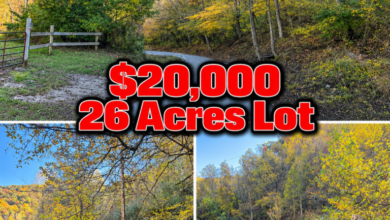
Peaceful Wooded Retreat in Monticello, Arkansas
Peaceful Wooded Retreat in Monticello, Arkansas

Beautiful Wooded Property With a Peaceful Pond in Monticello, Arkansas – A Dream Country Retreat Surrounded by Nature
Imagine waking up to the gentle sounds of nature, surrounded by mature trees, peaceful countryside, and the calming beauty of a private rural landscape. Located in the charming area of Monticello, Arkansas, this picturesque wooded property offers an inviting opportunity for individuals looking to escape the demands of city life and embrace a more peaceful country lifestyle.
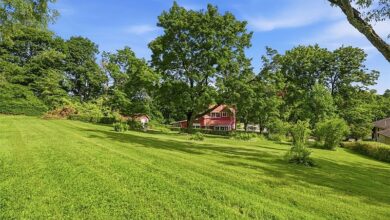
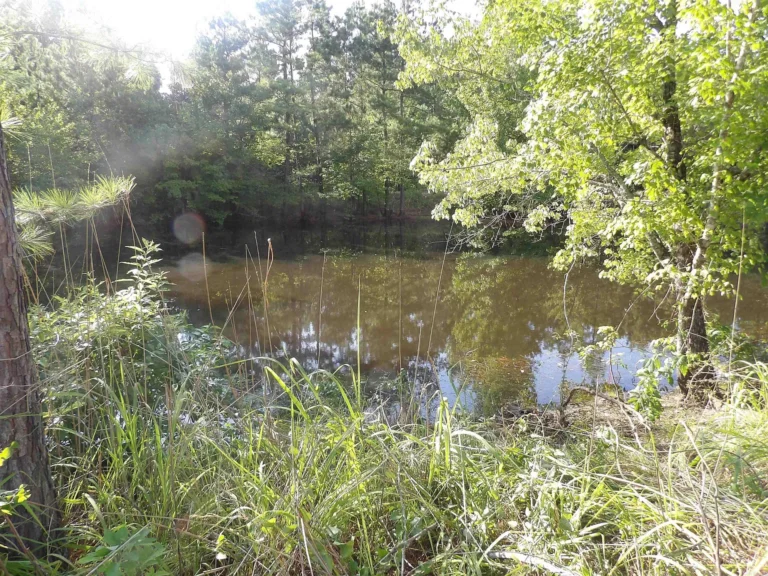
Featuring lush trees, gently sloping terrain, and a serene pond, the property provides a beautiful natural setting with exciting possibilities for future ownership and development.
Whether you are searching for the perfect location to build a custom country home, establish a weekend retreat, explore homesteading, or invest in rural real estate, this Arkansas property offers several attractive characteristics.
Its combination of natural beauty, privacy, and convenient access to nearby town amenities makes it particularly appealing to buyers who appreciate rural living without being completely disconnected from everyday necessities.
For individuals who have always dreamed of owning a peaceful piece of American countryside, this wooded property in Monticello could provide the foundation for an exciting new chapter.
A Beautiful Opportunity to Own Rural Land in Monticello, Arkansas
Purchasing rural property represents more than simply acquiring real estate. For many people, it is an opportunity to create a lifestyle centered around privacy, independence, relaxation, and a stronger connection with nature.
This picturesque Arkansas property offers an attractive alternative to conventional residential neighborhoods, where homes are often located close together and outdoor space may be limited.
The peaceful countryside creates an inviting environment for individuals who want to enjoy a slower pace of life while maintaining access to essential services.
The property’s natural landscape provides opportunities to explore different ideas for future development, depending on zoning regulations, infrastructure availability, and site conditions.
Potential buyers may envision a comfortable country residence, a rustic woodland cabin, a family vacation retreat, or a long-term land investment.
Unlike purchasing an existing house with predetermined architectural features, acquiring undeveloped or partially developed rural property may allow owners to explore designs that reflect their individual preferences.
However, prospective buyers should carefully investigate the property’s legal status, development requirements, and overall ownership costs before making a purchasing decision.
Mature Trees and a Picturesque Woodland Setting
One of the most appealing features of this Monticello property is its beautiful wooded landscape.
The lush tree coverage creates a peaceful natural atmosphere that may appeal to buyers seeking privacy and scenic surroundings.
Mature trees can contribute to a property’s character by providing natural shade, seasonal beauty, and a sense of separation from neighboring areas.
During spring and summer, the surrounding landscape may offer vibrant greenery and comfortable shaded areas. Autumn can introduce colorful foliage, while winter provides an entirely different perspective of the countryside.
For nature enthusiasts, owning woodland acreage can offer opportunities to enjoy outdoor activities without leaving the property.
A thoughtfully designed country residence could potentially incorporate the surrounding trees into its overall landscape, preserving the natural environment while creating comfortable outdoor living spaces.
Prospective owners may also wish to explore opportunities for private walking paths, garden areas, outdoor seating, and other improvements that complement the existing scenery.
Before removing trees or beginning construction, buyers should evaluate the condition of the woodland and determine how development might affect drainage, wildlife habitat, and long-term property maintenance.
A Serene Pond Adds Beauty to the Property
The presence of a peaceful pond is another distinctive feature of this Arkansas property.
Natural water features can contribute significantly to the visual appeal of rural real estate, creating a relaxing atmosphere and an attractive focal point within the landscape.
Imagine enjoying your morning coffee while overlooking the water, watching the changing reflections throughout the day, or spending a quiet evening surrounded by the sounds of nature.
The pond may provide opportunities for photography, wildlife observation, outdoor relaxation, and landscape design.
A future home positioned appropriately near the pond could potentially offer attractive water views from windows, porches, or outdoor living areas.
However, prospective buyers should independently investigate the pond’s condition, depth, seasonal water levels, drainage characteristics, and maintenance requirements.
The supplied property description does not establish whether the pond is suitable for fishing, swimming, irrigation, or other recreational activities.
Buyers should also investigate whether any environmental restrictions, drainage easements, floodplain conditions, or construction setbacks apply to the surrounding area.
With proper management, a pond can become an enjoyable part of a rural property while contributing to its distinctive natural character.
An Ideal Setting to Explore Custom Home Construction
For individuals who have always dreamed of building a home surrounded by nature, this Monticello property provides an interesting setting for exploring custom residential construction.
The gently sloping terrain and mature woodland could potentially complement several different architectural styles.
A traditional farmhouse, modern country cottage, rustic cabin, timber-frame residence, or contemporary woodland home could each offer a unique way to enjoy the surrounding landscape.
Custom home construction gives prospective owners greater control over important design decisions, including floor plans, bedroom layouts, energy efficiency, outdoor living spaces, and interior finishes.
Large windows could potentially provide beautiful views of the surrounding woodland, while a covered porch might create a comfortable place to enjoy the peaceful countryside.
Depending on the property’s topography, builders may also investigate opportunities for elevated decks, walkout basements, or other architectural features.
However, the suitability of the land for construction must be independently established.
Soil conditions, zoning requirements, property access, utility availability, drainage patterns, and building regulations can all influence development possibilities.
Consulting an experienced local builder and obtaining a professional site assessment are important steps before committing to a custom construction project.
Enjoy the Benefits of Peaceful Country Living
Country living offers a different experience from life in densely populated urban and suburban communities.
For many individuals, the opportunity to enjoy quiet mornings, natural scenery, open space, and a more relaxed daily routine is one of the primary reasons for purchasing rural real estate.
This Arkansas property offers a setting that may allow future owners to appreciate the beauty of the outdoors while creating a comfortable personal retreat.
Rather than being surrounded by traffic and commercial activity, residents could potentially enjoy peaceful evenings, fresh air, and the changing scenery of the countryside.
Outdoor living spaces might become an important part of everyday life, providing opportunities for gardening, reading, dining outdoors, or simply relaxing.
The wooded surroundings may also appeal to individuals who work remotely and prefer a quieter environment.
However, prospective residents should verify internet availability, mobile phone reception, emergency service access, and transportation requirements.
A successful transition to country living requires balancing lifestyle preferences with practical considerations.
Convenient Access to Monticello and Everyday Amenities
One of the advantages highlighted in the property description is its convenient access to amenities in the nearby town of Monticello.
Many people considering rural property ownership want privacy without being located an excessive distance from essential services.
Access to shopping, grocery stores, healthcare facilities, restaurants, schools, and other community resources can be particularly important for individuals planning to establish a permanent residence.
The property’s location may provide an appealing balance between countryside tranquility and everyday convenience.
Families considering relocation may appreciate the opportunity to enjoy a natural residential environment while remaining connected to the surrounding community.
Retirees may also find this type of setting attractive if nearby services meet their healthcare, transportation, and daily living requirements.
Prospective buyers should independently evaluate travel distances, road conditions, school assignments, and the availability of services relevant to their personal needs.
Understanding the relationship between rural privacy and practical accessibility can help buyers determine whether the property is suitable for long-term ownership.
Rural Real Estate Investment Opportunities in Arkansas
Purchasing rural land is a real estate investment strategy that some buyers consider when diversifying their assets.
Unlike traditional residential properties, undeveloped acreage may allow owners to hold land for future use without immediately managing an existing residential building.
This approach may appeal to individuals interested in purchasing property today and exploring development opportunities later.
The combination of woodland, a pond, gently sloping terrain, and access to nearby amenities may contribute to the property’s attractiveness among certain types of buyers.
However, the future value of rural real estate depends on numerous factors, including local market demand, economic conditions, accessibility, permitted land uses, infrastructure availability, and comparable property sales.
Land ownership does not guarantee appreciation or investment income.
Buyers should also consider liquidity, as rural properties may require more time to sell than conventional homes in densely populated markets.
Conducting independent market research and obtaining a professional property valuation can help prospective investors evaluate whether the asking price represents a reasonable financial opportunity.
Because the supplied description does not include the property’s asking price or exact acreage, its investment value and price per acre cannot yet be calculated.
Land Financing and Mortgage Options for Rural Property
Financing is an important consideration for buyers interested in purchasing countryside real estate.
Depending on whether the property includes an existing residence or consists primarily of vacant land, lenders may offer different types of financing arrangements.
Traditional residential mortgages are generally designed for properties containing eligible residential buildings.
Vacant land purchases may instead require specialized land loans, rural property financing, agricultural financing where eligible, or other lending products.
Financial institutions may evaluate several factors when reviewing a land loan application, including the borrower’s income, credit history, existing debt obligations, available down payment, and intended property use.
Lenders may also assess the property’s accessibility, appraised value, development potential, and utility availability.
Buyers planning to construct a home may wish to investigate construction-to-permanent mortgage financing.
This type of financing may allow eligible borrowers to organize certain land acquisition and construction expenses within a coordinated loan arrangement.
Prospective purchasers should compare interest rates, repayment terms, lender fees, down payment requirements, and closing costs before choosing a financing option.
Working with a lender experienced in Arkansas rural real estate may help buyers better understand their available financing opportunities.
Understanding Down Payments and Land Purchase Expenses
When purchasing rural property, buyers should prepare a realistic budget that accounts for more than the advertised purchase price.
Land financing may require a different down payment than a conventional home mortgage, particularly when the property does not contain an existing residence.
The amount required will depend on the lender, the property’s characteristics, and the borrower’s financial qualifications.
In addition to the down payment, buyers may need to budget for property appraisals, land surveys, title insurance, attorney fees, recording expenses, loan origination charges, and other closing costs.
If development is planned, additional funds may be required for architectural services, building permits, engineering assessments, and infrastructure installation.
Obtaining preliminary financing approval and an itemized estimate of transaction expenses can help prospective buyers understand their overall financial commitment.
Maintaining an emergency reserve may also provide valuable financial flexibility during the early stages of rural property ownership.
Custom Home Construction Costs and Development Planning
Although purchasing land can be an exciting first step toward building a dream home, construction requires careful planning and financial preparation.
The total cost of developing a rural property may include expenses that buyers do not encounter when purchasing an existing residence.
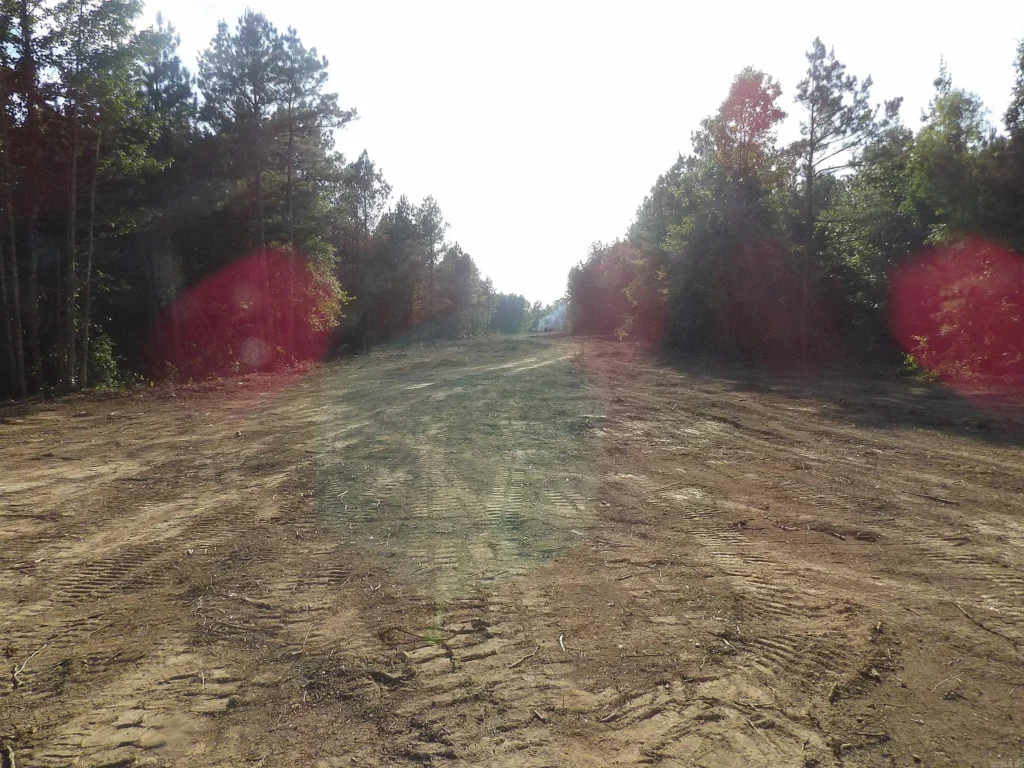
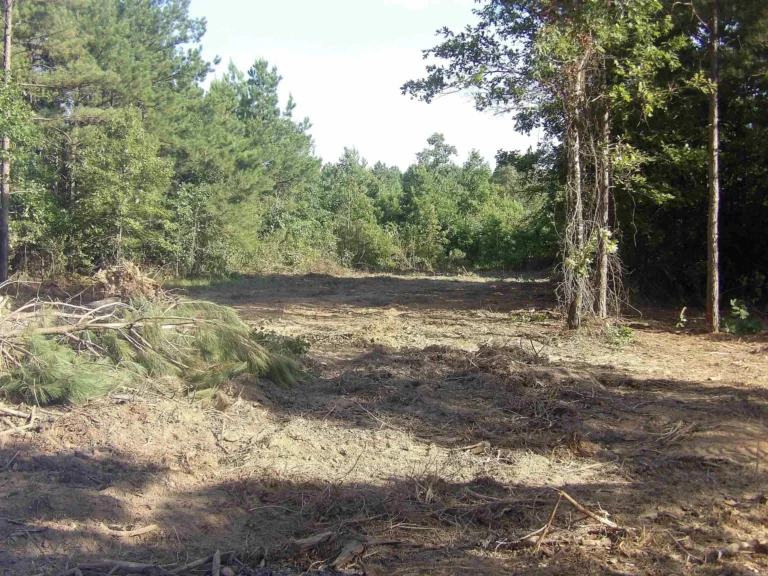
Site preparation is often one of the first considerations. Depending on the selected building location, contractors may need to remove trees, grade the terrain, improve drainage, and prepare the foundation.
Additional development expenses could include:
-
Professional land surveys and site assessments.
-
Architectural design and engineering services.
-
Building permits and construction inspections.
-
Excavation and foundation installation.
-
Driveway construction and access improvements.
-
Electricity connections and utility extensions.
-
Private well installation or public water connections.
-
Septic system installation or sewer connections.
-
Building materials and contractor labor.
-
Construction insurance and financing expenses.
-
Landscaping and erosion management.
-
Contingency funds for unexpected costs.
The final construction budget will depend on the proposed residence, local contractor pricing, material costs, and the physical characteristics of the property.
Obtaining multiple estimates from experienced builders can help buyers compare options and identify a realistic development strategy.
Property Insurance for Wooded Land and Homes With Ponds
Insurance is an essential component of responsible real estate ownership.
Rural properties may require different insurance considerations than homes located within conventional residential subdivisions.
Wooded land can present potential risks associated with falling trees, severe weather, unauthorized access, accidents, and property maintenance.
The presence of a pond may introduce additional liability and safety considerations.
Buyers purchasing vacant acreage may wish to investigate landowner liability insurance or specialized vacant land coverage.
If a home is constructed, a homeowners insurance policy or other appropriate property coverage may become necessary.
During construction, builder’s risk insurance may provide protection against certain covered losses involving materials and unfinished structures.
Insurance premiums can vary depending on the property’s location, accessibility, construction materials, surrounding vegetation, distance from emergency services, and other risk factors.
Prospective owners should obtain multiple property insurance quotes and carefully review policy terms, exclusions, and coverage limits.
The pond also makes it important to investigate flood risks and whether additional insurance coverage may be appropriate.
Water Supply, Electricity, and Rural Infrastructure
Access to dependable utilities is one of the most important considerations when evaluating rural property for residential development.
The supplied description does not establish whether the Monticello property currently includes electricity, public water, a private well, sewer service, or an approved septic system.
Before purchasing the property with plans to build, prospective owners should investigate these essential services.
If public water is unavailable, installing a private well may be necessary.
A private well system could require drilling, pumping equipment, water storage, filtration, electrical connections, and drinking water quality testing.
Similarly, properties without public sewer service may require an approved septic system.
Wastewater installation costs and feasibility can depend on soil conditions, available space, terrain, groundwater levels, and applicable regulations.
Electricity installation may involve extending nearby utility lines, installing meters, or completing other infrastructure improvements.
Buyers should contact relevant utility providers and qualified contractors to obtain preliminary estimates.
Understanding infrastructure requirements before closing can help prevent unexpected expenses and ensure that future construction plans remain financially practical.
Could This Arkansas Property Become an Off-Grid Retreat?
Interest in off-grid living has encouraged many individuals to explore rural properties that offer privacy and opportunities for greater independence.
The peaceful woodland setting of this Monticello property may appeal to buyers interested in developing a modest retreat with alternative energy systems.
Potential off-grid improvements could include solar panels, battery storage, efficient heating and cooling equipment, a private water supply, and legally compliant wastewater systems.
However, mature tree coverage may affect solar exposure, while soil and groundwater conditions can influence water and sanitation options.
A professional site assessment can help determine whether alternative energy systems are suitable for the property.
Off-grid living also requires careful financial planning because equipment installation, maintenance, and eventual replacement can involve substantial costs.
Prospective owners should understand that living independently of conventional utility networks does not eliminate applicable building codes, sanitation requirements, environmental regulations, or safety responsibilities.
With realistic planning and appropriate approvals, a rural retreat may offer opportunities to explore a simpler lifestyle while maintaining essential modern comforts.
Energy-Efficient Home Design and Solar Power Opportunities
Building a new country residence provides an opportunity to incorporate energy-efficient features from the beginning.
Instead of purchasing an older house and investing in extensive upgrades, buyers may be able to select modern construction materials and efficient systems during the design process.
Potential energy-saving features include high-quality insulation, efficient windows, heat pumps, smart thermostats, and carefully designed ventilation systems.
Solar energy could also be considered if the property offers appropriate sunlight exposure.
The surrounding trees may provide natural shade during warmer months, potentially contributing to indoor comfort when the home is designed appropriately.
However, energy savings will depend on architectural design, construction quality, local climate, utility prices, and household energy consumption.
Consulting experienced builders and renewable energy professionals can help prospective homeowners evaluate available technologies and their long-term financial benefits.
A thoughtfully designed country home could combine modern convenience with the beauty of a natural woodland setting.
Landscaping Possibilities Around the Pond
The gently sloping terrain and peaceful pond create an interesting foundation for future landscape design.
Rather than replacing the natural surroundings with extensive artificial landscaping, prospective owners could consider preserving the property’s existing character.
Outdoor seating areas, natural walking paths, native plants, carefully positioned gardens, and shaded relaxation spaces might complement the woodland environment.
A future residence could potentially feature a covered porch or deck overlooking the pond, provided that the selected building location complies with applicable requirements.
The surrounding trees may also offer opportunities to create attractive private outdoor spaces.
However, landscaping near a pond requires careful attention to drainage, erosion, water quality, and vegetation management.
Improper grading or excessive tree removal could affect the stability of the surrounding land and increase maintenance requirements.
Working with qualified landscape professionals may help owners develop attractive outdoor spaces while preserving the property’s environmental characteristics.
An Inviting Location for a Family Vacation Retreat
Not every rural property buyer intends to construct a permanent residence immediately.
Some individuals prefer to establish a private destination for weekend visits, holidays, and extended periods of relaxation.
This Monticello property could provide a beautiful setting for exploring the possibility of a family vacation retreat.
A small country cottage surrounded by woodland might offer a comfortable place to disconnect from everyday responsibilities and spend quality time together.
The peaceful pond could become a central feature of the outdoor environment, providing scenic views and opportunities for quiet relaxation.
Families may also enjoy exploring the surrounding countryside, observing wildlife, and participating in appropriate outdoor activities.
Before developing a vacation retreat, buyers should verify access, construction requirements, drinking water availability, sanitation, and emergency preparedness.
Any overnight accommodation should meet applicable safety and legal requirements.
For families who appreciate nature and peaceful surroundings, a thoughtfully developed rural retreat may offer lasting personal enjoyment.
Homesteading and Small-Scale Country Living Possibilities
For individuals interested in a more independent lifestyle, rural property ownership can provide opportunities to explore small-scale homesteading.
Depending on the property’s exact acreage, soil quality, zoning classification, and natural conditions, prospective owners may consider developing vegetable gardens, fruit trees, outdoor workshops, or other permitted improvements.
The pond may also encourage buyers to investigate potential water management opportunities, although its suitability for irrigation has not been established.
Wooded surroundings can provide privacy and natural beauty, but they may also limit sunlight exposure in certain areas.
Preparing land for gardening or agricultural use could require selective clearing, soil improvements, drainage management, and access to a dependable water supply.
Buyers interested in raising animals or constructing agricultural buildings should independently confirm whether such activities are permitted.
Homesteading can offer meaningful lifestyle benefits, but it requires time, practical knowledge, financial investment, and ongoing property maintenance.
A gradual approach may allow owners to better understand the land before undertaking significant improvements.
Wildlife Observation and Outdoor Recreation
One of the greatest attractions of owning rural property is the opportunity to spend more time outdoors.
The wooded landscape and pond may create natural habitats that attract birds and other wildlife.
For nature enthusiasts, the opportunity to observe seasonal changes and explore peaceful surroundings can be an important benefit of country property ownership.
Depending on site conditions and applicable regulations, prospective owners may enjoy activities such as hiking, nature photography, birdwatching, outdoor reading, and gardening.
Creating private walking paths could potentially provide convenient access to different areas of the property while preserving its natural appearance.
However, buyers should verify permitted recreational activities and maintain awareness of local wildlife, environmental conditions, and property boundaries.
The specific wildlife species present on the property have not been independently identified.
Responsible land stewardship can help preserve the natural environment while allowing future owners to enjoy the beauty of the Arkansas countryside.
Long-Term Ownership and Property Appreciation Potential
Some individuals purchase rural real estate with the intention of holding the property for many years.
This strategy may provide opportunities to enjoy the land personally while considering future development or resale.
Properties with attractive natural features, privacy, and access to nearby services may appeal to certain segments of the real estate market.
However, long-term appreciation depends on factors that cannot be predicted with certainty.
Changes in regional demand, economic conditions, interest rates, infrastructure development, and local regulations may influence future property values.
Owners should also consider ongoing expenses such as property taxes, insurance, land maintenance, pond management, and loan payments.
Purchasing land without an immediate development plan can still involve significant financial responsibilities.
Before making an investment decision, buyers should review comparable property sales, obtain professional valuations where appropriate, and evaluate their long-term financial objectives.
Real Estate Closing Costs and Title Insurance
Completing a rural real estate purchase involves more than negotiating the purchase price.
Buyers may also be responsible for various transaction expenses, including title searches, title insurance, attorney fees, property surveys, recording charges, and lender-related costs.
Title insurance may provide protection against certain covered ownership-related issues, subject to the terms of the policy.
A title search can help identify recorded liens, easements, deed restrictions, and other matters that could affect the property’s use.
For rural properties, verifying legal access and exact property boundaries is particularly important.
The presence of a pond may also make it worthwhile to investigate drainage easements, water-related rights, and any restrictions associated with the surrounding land.
Prospective purchasers should request a detailed estimate of closing costs and review the purchase agreement with appropriate professionals before completing the transaction.
Environmental and Flood Risk Considerations
While the peaceful pond adds to the property’s natural appeal, water features deserve careful consideration during real estate due diligence.
Buyers should investigate whether any portion of the property is located within a designated floodplain or affected by seasonal drainage conditions.
The gently sloping terrain may influence how rainwater moves across the land, particularly during periods of heavy rainfall.
Professional assessments can help identify suitable building locations and potential drainage challenges.
Prospective owners should also evaluate whether wetlands, protected habitats, or other environmental restrictions could affect development.
Preserving natural vegetation around water features may help protect water quality and reduce erosion.
The exact environmental conditions and flood risk classification of this property are not provided in the available description.
Independent verification is therefore important before selecting a building site or planning significant landscape improvements.
Important Considerations Before Purchasing This Arkansas Property
Before purchasing rural land in Monticello, prospective buyers should carefully investigate several practical, legal, and financial details.
Confirming the exact acreage, purchase price, parcel boundaries, legal road access, and zoning classification should be among the first priorities.
Buyers should also determine whether residential construction is permitted and whether essential utilities are available.
The pond’s condition, ownership boundaries, drainage characteristics, and maintenance requirements deserve particular attention.
Obtaining preliminary construction estimates, insurance quotes, and financing information can help establish a realistic ownership budget.
Prospective owners should verify annual property taxes, recorded deed restrictions, easements, and any homeowners association obligations.
An in-person inspection may provide valuable insight into terrain, accessibility, tree coverage, and the surrounding neighborhood.
Completing these investigations before closing can help buyers make an informed purchasing decision.
Frequently Asked Questions About This Monticello, Arkansas Property
Where is the property located?
The property is located in the rural area of Monticello, Arkansas, according to the supplied description.
Does the property include a pond?
Yes. A peaceful pond is identified as one of the property’s attractive natural features.
Is the land wooded?
Yes. The property is described as featuring lush trees and beautiful natural surroundings.
Is the property suitable for building a custom home?
The property is presented as a potential location for a future dream home. However, construction feasibility, zoning, utilities, and building requirements must be independently verified.
Can the property be used for off-grid living?
Off-grid development may be worth exploring, depending on site conditions, applicable regulations, and the availability of suitable water, sanitation, and energy systems.
Is electricity available?
Electrical service availability is not established in the supplied description.
Does the property have a private well?
The available information does not confirm an existing private well or public water connection.
Can the property be financed?
Buyers may investigate rural land loans, construction financing, or other available lending options. Actual eligibility depends on lender requirements and property characteristics.
Is the pond suitable for fishing?
The supplied description does not establish the pond’s depth, fish population, water quality, or suitability for fishing.
Is the property a good real estate investment?
Its natural surroundings may appeal to certain buyers, but investment performance depends on the purchase price, market conditions, development rights, and ownership expenses. Future returns are not guaranteed.
Is the property close to town amenities?
According to the description, the property provides convenient access to amenities in nearby Monticello.
What is the asking price?
The asking price was not included in the supplied property information.
How many acres are included?
The exact acreage has not been provided.
Final Thoughts: A Beautiful Arkansas Property Offering Privacy and Natural Beauty
This picturesque wooded property in Monticello, Arkansas, offers an attractive combination of peaceful surroundings, lush trees, gently sloping terrain, and a serene pond.
Its rural atmosphere may appeal to individuals searching for an escape from busy city streets while maintaining convenient access to everyday amenities.
Whether your dream involves constructing a custom country home, developing a cozy vacation cottage, exploring sustainable living, or purchasing land for long-term ownership, this Arkansas property presents several possibilities worth investigating.
The natural pond adds distinctive character to the landscape, while the surrounding woodland provides a beautiful backdrop for future development.
As with any rural real estate purchase, prospective buyers should carefully investigate financing options, property insurance, construction costs, utility availability, legal access, and environmental conditions.
For individuals who appreciate the tranquility of country living and the opportunity to create a personalized retreat surrounded by nature, this Monticello property could represent the beginning of a rewarding new lifestyle.
Listed on Zillow