Affordable Homes
Peaceful Wooded Retreat in Madison Heights, Virginia
Peaceful Wooded Retreat in Madison Heights, Virginia

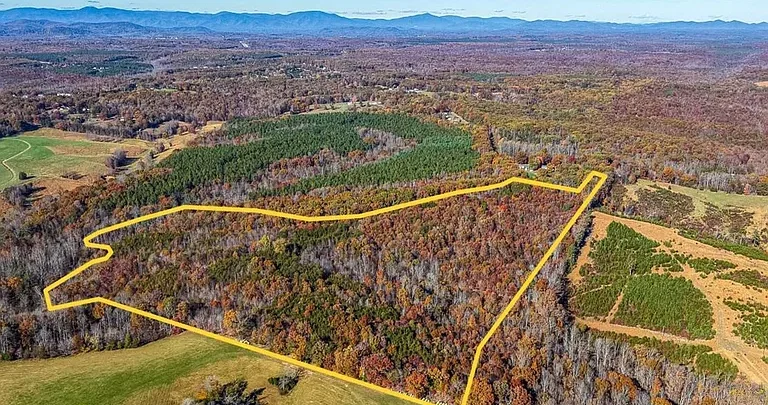
Wooded Land With a Stream Near Madison Heights, Virginia
A wooded property can offer something different from a finished home. Its appeal begins with the landscape itself: mature trees, changing views, and the opportunity to explore how the land might fit into a quieter way of life.
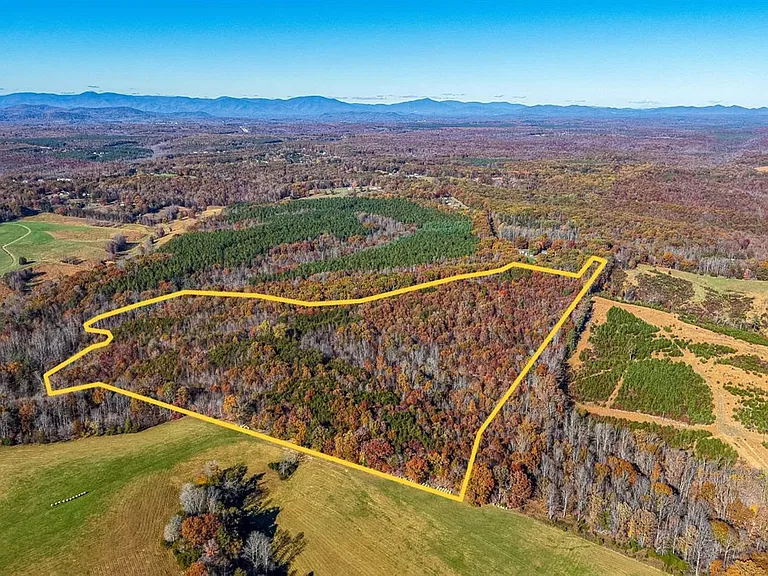
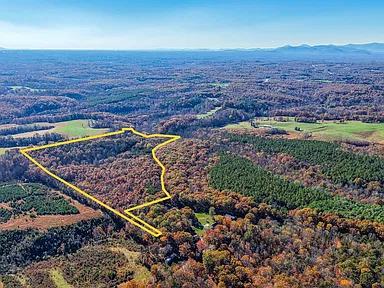
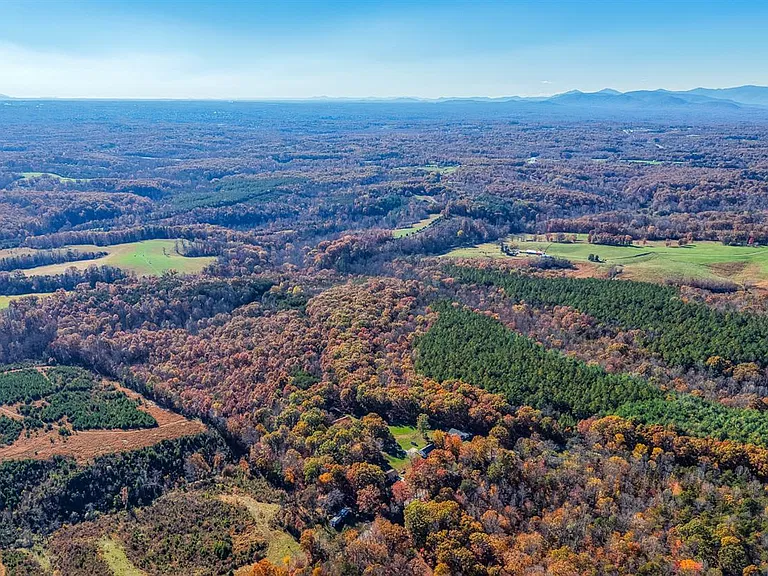
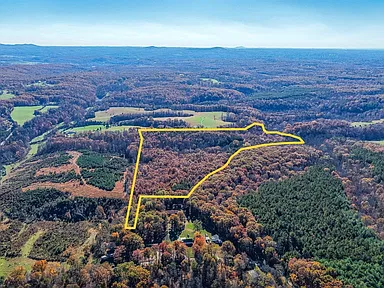
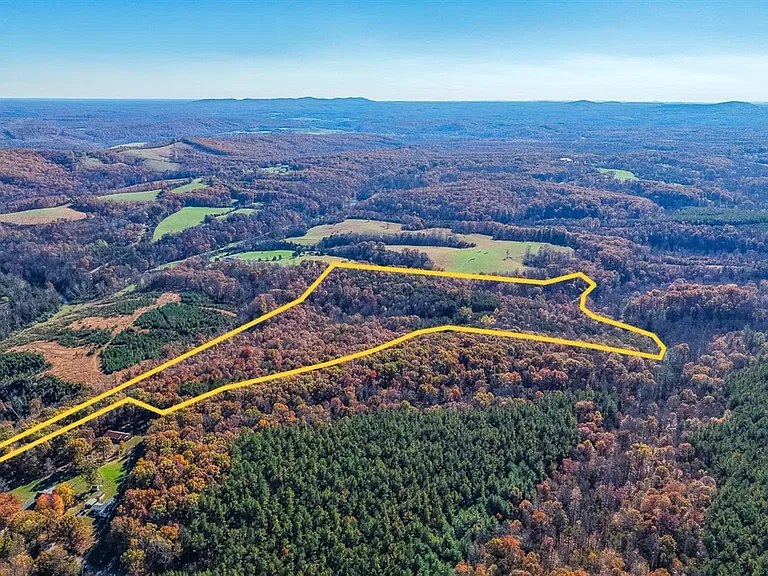
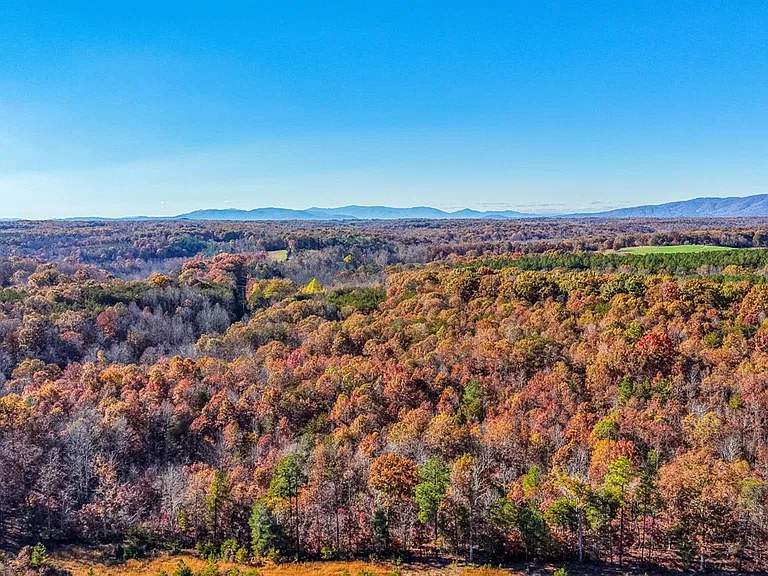
This property in the countryside of Madison Heights, Virginia, combines a wooded setting with rolling terrain and a stream. The surrounding landscape provides a natural atmosphere, while road access connects the property with nearby towns and everyday amenities.
Its location near Lynchburg adds another point of interest for buyers who want rural surroundings without overlooking practical convenience.
The supplied description presents the land as a possibility for a private getaway, recreational retreat, or future country homestead. Those ideas provide a starting point, but the most useful next step is to understand the parcel itself.
For someone drawn to trees, outdoor space, and a landscape that invites exploration, this property offers several reasons to look more closely.
A Countryside Setting Near Madison Heights
The property’s rural atmosphere is central to its character.
Rather than beginning with interior finishes or room dimensions, a visit would focus on the surroundings and the experience of moving through the land. The trees, terrain, and stream each contribute something different.
For a buyer who wants somewhere to spend time outside, that combination may be more meaningful than a single dramatic feature.
A countryside setting can also support a change in routine. Visits might involve walking, observing the landscape, or simply spending an unhurried afternoon away from familiar indoor activities.
The exact experience of seclusion should be assessed directly. Seeing the access route and neighboring surroundings will help a buyer understand how the property feels beyond its written description.
Mature Trees Create an Established Natural Landscape
The supplied information highlights mature trees throughout the wooded setting.
Their presence gives the property an established appearance. A buyer is considering land with an existing natural character rather than a cleared site where every landscape feature would need to be introduced.
For some owners, preserving that character may become the main goal. Others may want to investigate a limited area for a future residence while retaining much of the woodland around it.
Either approach benefits from learning the property before making changes.
The description does not identify tree species, provide a forestry assessment, or establish commercial timber value.
The confirmed attraction is the wooded environment itself and the opportunity to understand its different sections over time.
Rolling Hills Add Variety to the Land
The terrain is described as gently rolling.
That gives the landscape a different character from a completely level parcel. As the ground rises and falls, the perspective may change, allowing different areas to feel distinct even within the same property.
For someone who enjoys exploring outdoors, that variation can make walking the land interesting. It may also influence which sections attract attention when considering a future project.
However, a general description does not reveal every slope or establish how easily each area can be reached.
A visit should include the portions most relevant to the buyer’s plans. Observing the terrain directly will help connect the property’s visual appeal with a practical understanding of how it can be used.
A Stream Brings Another Point of Interest
The stream adds a distinctive natural feature to the wooded landscape.
Moving water can become a place to pause during a walk or a feature that draws attention when exploring the property. It introduces another texture and sound within the setting.
For a buyer interested in photography, quiet observation, or simply having varied outdoor space, the stream may be particularly appealing.
The supplied description does not state its dimensions, route, depth, or whether it flows throughout the year.
It also does not establish fishing conditions or suitability for other activities.
Those details should be investigated rather than assumed. Understanding how the stream relates to the parcel will help a buyer appreciate it accurately and plan around the actual conditions.
Privacy That Should Be Experienced in Person
Privacy is one of the qualities emphasized in the property description.
For many buyers, that means having space where they can relax without feeling surrounded by activity. A wooded setting may contribute to that experience, particularly when the trees shape the views between different areas.
Still, privacy is not identical across every section of a parcel.
The relationship with neighboring properties, the position of the road, and the terrain all deserve attention during a viewing.
A buyer may discover that one area feels especially tucked away while another offers easier access.
Understanding those differences can help establish where particular activities would fit. It also prevents a broad promise of seclusion from replacing a more useful, site-specific assessment.
A Place for Quiet Visits
Not every rural property needs a major construction plan to become enjoyable.
Someone may first be interested in having a place to visit, walk, and spend time outdoors. The wooded setting and stream provide reasons to explore without requiring every afternoon to involve a project.
A simple visit can also help a buyer learn more about the land.
Which route feels most comfortable? Where does the terrain open up? Which area encourages a longer pause?
Those observations may eventually guide decisions about seating, paths, or other improvements that suit the property.
Starting with experience rather than immediate transformation allows the land’s existing character to remain part of the plan.
Outdoor Recreation Begins With Understanding the Parcel
The description suggests recreational potential.
That broad idea can mean different things to different people. One buyer may picture gentle walks and nature observation, while another may have a more involved outdoor activity in mind.
The useful approach is to define the intended use clearly.
Then examine whether the terrain, access, and property circumstances support it.
The supplied information does not identify established trails, campsites, or facilities. It also does not confirm permission for every recreational activity.
A buyer should therefore investigate specific plans rather than treating “recreational retreat” as a guarantee.
The landscape may offer an appealing setting, but the most satisfying use will be one that fits the parcel and the owner’s expectations.
Potential for a Future Country Home
The rolling ground is presented as offering attractive possibilities for a future home.
For a buyer with that goal, the natural surroundings may provide considerable inspiration. A residence could potentially be planned around the woodland atmosphere and the parts of the landscape the owner values most.
However, the supplied description does not confirm an approved building site.
It also does not provide information about utilities, wastewater arrangements, or completed site evaluations.
Before selecting a house design, a buyer should establish what the land can support.
That allows the project to develop from reliable information rather than assumptions. The setting may begin the dream, but a clear understanding of the site will shape the practical next steps.
Finding the Right Position Within the Landscape
Choosing a possible home location involves more than identifying the most attractive view.
The position needs to be considered alongside access, terrain, available services, and the relationship with the rest of the property.
A buyer may initially prefer a higher area, then discover that another section better matches their needs.
It can help to walk several possible locations and compare them.
Consider what would remain visible from the house, how the entrance route might work, and which natural features you would want to preserve.
These are planning questions, not evidence that any particular area is ready to build on.
The goal is to understand the options before committing to one version of the property’s future.
Country Homestead Ideas at an Appropriate Scale
The supplied description mentions a future homestead as one possible direction.
That idea may appeal to someone who wants a closer connection with outdoor work and a more deliberate use of their home environment.
However, a homestead can mean many different things. A modest garden and practical storage space differ considerably from plans involving livestock or larger agricultural activities.
The listing material does not provide the acreage, amount of open ground, soil information, or existing facilities needed to assess those proposals.
A sensible starting point is to describe the intended lifestyle in concrete terms.
From there, a buyer can investigate whether the property supports it and which elements would require additional work or information.
Road Access and the Practical Journey
The property is described as having convenient road access.
That connection is important for any parcel, especially when a buyer hopes to visit regularly or develop a future residence.
The supplied information does not specify the road surface, driveway condition, or detailed access arrangements.
Those questions should be addressed before making assumptions about the journey onto and through the land.
During a viewing, consider the full route rather than only the point where the property meets the road.
Think about the vehicles, supplies, and frequency of visits involved in the intended use.
A clear understanding of access can help determine whether the property fits comfortably into the buyer’s plans.
Near Lynchburg and Everyday Amenities
The location near Lynchburg provides a broader context for evaluating the land.
A rural setting may be appealing, but ownership also involves journeys beyond the property. Shopping, work, appointments, and visiting others can all influence whether a location feels convenient.
The supplied description does not give an exact address or verified travel times.
Buyers should therefore assess the location against their own routines rather than rely on a general statement of proximity.
It may be useful to explore the surrounding area during the same visit as the land.
That approach helps connect the atmosphere of the property with the practical experience of spending time there regularly.
Information to Gather Before Making Plans
Several important details are not included in the supplied description.
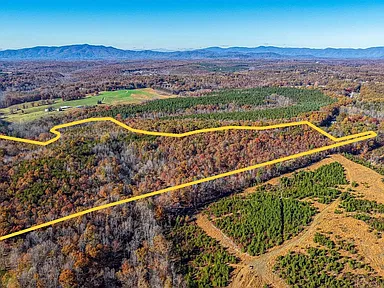
These include the exact acreage, asking price, parcel boundaries, and utility arrangements.
The presence of a stream should not be treated as confirmation of a household water supply. Likewise, road access does not establish that electricity or other services are connected.
A buyer should request available surveys, maps, and property records, along with clarification about any existing infrastructure.
The aim is not to remove the excitement of discovering land.
It is to give that excitement a firmer basis.
Clear information helps a buyer distinguish between features already present, possibilities worth investigating, and plans that may not suit the site.
Letting the Property Reveal Its Priorities
A wooded parcel does not need to be understood completely during the first visit.
Repeated observation can reveal details that are easy to overlook initially. The relationship between the trees, slopes, stream, and access may become clearer as a buyer spends more time on the land.
That process can also influence priorities.
An early idea for extensive changes may give way to a simpler plan that preserves more of the surroundings. Another buyer may identify a specific project worth investigating further.
The important part is allowing the property’s actual characteristics to guide decisions.
A successful rural retreat should reflect both the owner’s interests and the landscape that made the place appealing.
A Woodland Setting With Room for a Thoughtful Next Chapter
This property near Madison Heights, Virginia, brings together mature trees, rolling terrain, a stream, and access to the wider Lynchburg area.
Its appeal comes from that combination rather than from a finished residence or a confirmed development plan.
For someone seeking a private getaway, a recreational setting, or land to investigate for a future home, it offers an inviting starting point.
The next step is to establish the exact parcel information, walk the property, and clarify the practical details relevant to the intended use.
With that understanding, a buyer can decide how to enjoy the setting while respecting the natural character that gives it its distinctive appeal.
From Zillow