Affordable Homes
Memphis Home with Great Renovation Potential
Memphis Home with Great Renovation Potential


Memphis Home With Renovation Potential: Space to Plan Your Next Project
Some buyers want a home where every decision has already been made. Others prefer the opportunity to choose their own finishes, improve an existing layout, and shape a property around their needs.
This Memphis home is presented as a project for the second group.
The supplied description emphasizes a practical floor plan, an established residential setting, and room for renovation. It suggests a property where the next owner would take an active role in deciding what happens next.
That can be an appealing prospect for someone who enjoys improving a home. However, the opportunity needs to be understood through the building’s actual condition, the work required, and the resources available to complete it.
The description does not provide an address, asking price, room count, or measured interior area. Those details should be obtained before making comparisons or developing a detailed plan.
A Starting Point for a Thoughtful Renovation
A renovation property offers a different buying experience from a finished home.
Instead of deciding only whether you like the existing rooms, you also need to consider what needs attention and how the house could function afterward.
That process can be rewarding when the project matches the buyer’s interests and abilities. It allows choices to reflect a particular household rather than the preferences of a previous owner.
The supplied description presents this Memphis home as having room for improvement and personalization.
That establishes the general character of the offering. It does not establish the scale, cost, or complexity of the work.
A useful next step is to turn broad possibilities into specific questions about the actual building.
Understanding the Existing Floor Plan
The floor plan is described as practical and straightforward.
That may provide a useful foundation for planning, but it should be assessed directly rather than accepted as a guarantee that every proposed change will be simple.
Walk through the rooms and consider how they connect. Notice the positions of entrances, windows, storage areas, and the spaces used most often.
Then imagine an ordinary day.
Where would you enter with shopping? How would furniture fit? Which rooms would receive regular use, and which might need a different purpose?
These questions help identify whether the layout already supports the intended lifestyle.
A renovation does not always need to begin by changing the arrangement of rooms. Sometimes the existing plan works better than an early impression suggests.
Separate Necessary Repairs From Personal Preferences
One of the most useful distinctions in a renovation project is the difference between work the property needs and changes the owner would enjoy.
Both can matter, but they serve different purposes.
A preferred paint color is not the same decision as addressing a documented building problem. New decorative fixtures may be appealing while another part of the home requires more immediate attention.
The supplied material does not include an inspection report or a repair list.
Before choosing finishes, establish the property’s current condition with appropriate professional help.
That information can give the project a clearer order. It also helps avoid spending time planning decorative changes before understanding the work that may influence them.
Explore the Interior Before Choosing a Style
The description suggests that flooring, fixtures, and other interior details could form part of the renovation.
Those possibilities may appeal to buyers who want to introduce a consistent style throughout the home.
However, the most useful design choices begin with the spaces themselves.
Consider the room proportions, available light, and the features worth retaining. A finish that looks attractive in a sample may create a different effect across an entire room.
It can also help to avoid deciding everything immediately.
Understanding how the home will be used gives decorative choices a purpose. The result can feel more coherent than a collection of individually appealing purchases.
The aim is a comfortable home that works well, not simply a dramatic change in appearance.
Kitchen Planning Around Daily Habits
The supplied description does not identify the kitchen’s size, appliances, cabinetry, or current condition.
That means its possibilities should be explored through a viewing rather than imagined from a general renovation theme.
Think about the meals normally prepared and the amount of storage needed. Look at the relationship between working areas and any nearby dining space.
A buyer who cooks regularly may prioritize different changes from someone who mainly needs a simple, efficient arrangement.
The same principle applies to updates.
Replacing every visible surface may not be the first priority if another part of the kitchen needs attention. A clear assessment can help determine which changes would add practical convenience and which are mainly matters of taste.
Giving Living Spaces a Clear Purpose
A renovation can improve a home by making its existing rooms more useful.
That may involve furniture placement and lighting as well as physical work.
Before deciding to remove or combine spaces, ask what each room could contribute. A separate room may offer quiet, privacy, or a useful place for an activity that would otherwise compete with the main living area.
An open arrangement may suit another household better.
The right choice depends on the actual building and the people who will use it.
The description does not confirm that particular walls can be moved or that an open-concept conversion is appropriate. Any such idea needs to be investigated rather than presented as an easy upgrade.
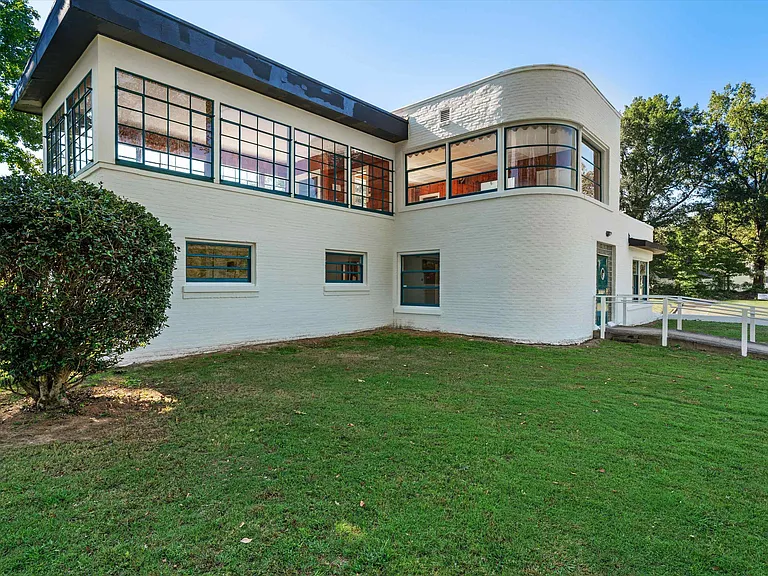
Exterior Appearance and Curb Appeal
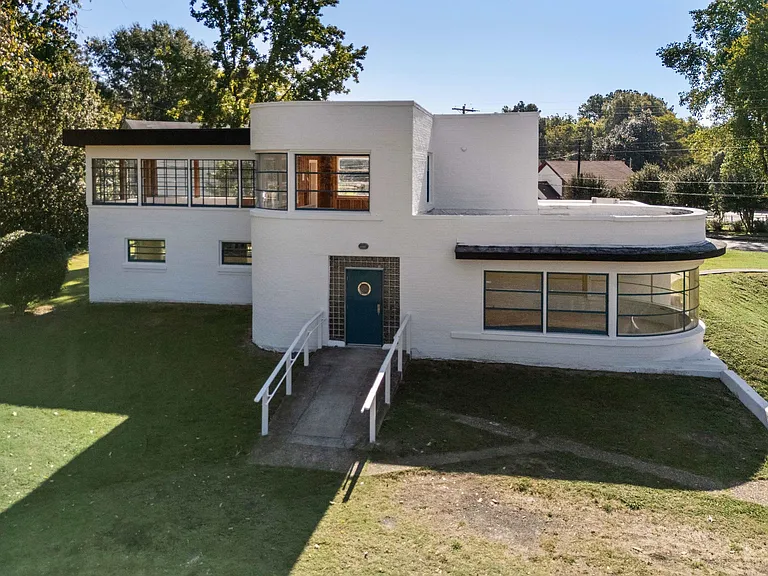
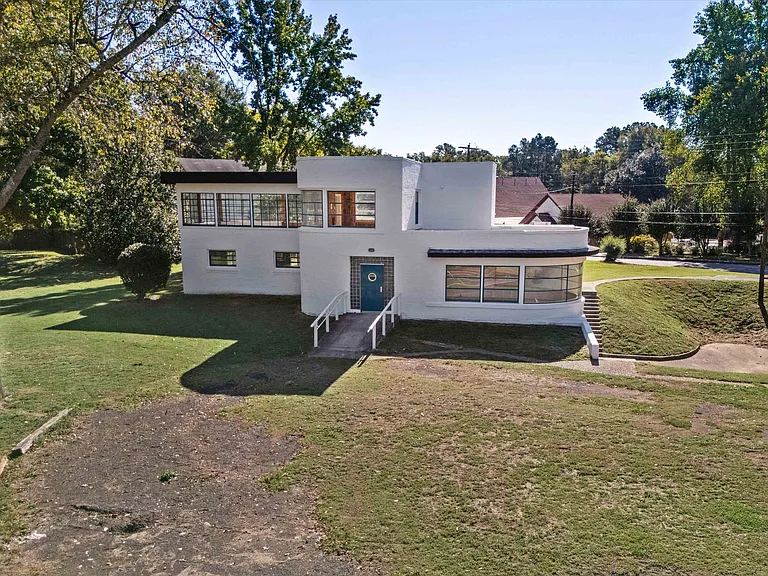
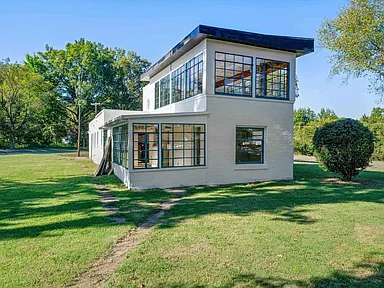
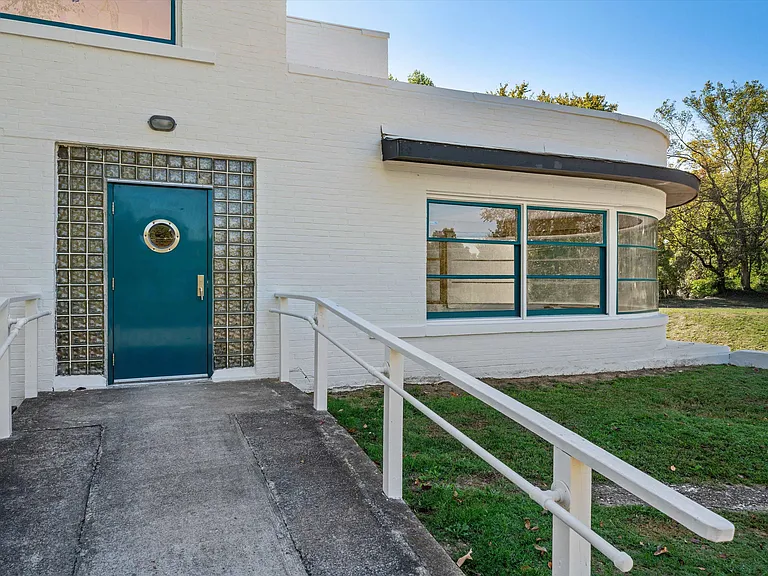
The original description highlights the potential to improve the home’s outward appearance.
That can be an enjoyable part of a project because exterior changes influence the first impression of the property.
Possible choices may include suitable paint, landscaping, lighting, or attention to the entrance, depending on the home’s materials and condition.
However, appearance should follow understanding.
The supplied information does not establish the condition of the roof, siding, windows, foundation, or other exterior elements. It would therefore be premature to call the house structurally sound or describe it as having “solid bones.”
A careful assessment allows cosmetic ideas to develop around the building’s actual needs.
Outdoor Space Deserves Its Own Review
The description does not give the lot size or explain the arrangement of the outdoor areas.
Those details will matter to a buyer who wants gardening space, outdoor seating, parking, or room for another activity.
During a visit, walk the accessible grounds and consider how they relate to the house.
Look at entrances and routes between different areas. Think about which parts would be used regularly and what level of upkeep would feel manageable.
A small, useful outdoor space may suit one household better than a larger area requiring more care.
The goal is to understand what the property offers rather than assume that a renovation opportunity includes every desired exterior feature.
An Established Residential Setting
The supplied text places the home in an established Memphis neighborhood.
It also describes access to highways, local services, and everyday amenities.
Without an exact address, those claims cannot be translated into specific routes or travel times here. A buyer should evaluate the location against personal needs.
Consider the journeys likely to become part of an ordinary week. Work, shopping, appointments, and visiting family may each influence whether the setting feels convenient.
It is useful to explore the surrounding area as well as the house.
A property can be appealing in isolation while fitting one person’s routine much better than another’s. Understanding that relationship is part of choosing the right project.
Who Might Appreciate This Type of Property?
A renovation home may interest several kinds of buyers.
Someone planning a primary residence may value the chance to make personal choices. An experienced renovator may be interested in evaluating the scope of the work. Another buyer may be exploring a possible rental project.
Those interests do not mean the property is equally suitable for everyone.
A first-time buyer, for example, may need a different level of support from someone who has completed several renovations.
The useful question is whether the individual has a realistic plan for this particular house.
Experience, available time, professional assistance, and financial resources all influence that assessment. Enthusiasm is valuable, but it works best alongside clear information.
Considering a Possible Rental Use
The original description mentions rental potential.
That should remain a possibility to investigate rather than a promised outcome.
The supplied information does not establish rental approval, expected income, occupancy, operating costs, or demand for this specific property.
Before making rental use central to a purchase decision, obtain the missing facts and assess the actual building.
A home that might work well for an owner could require a different evaluation when intended for tenants.
The appropriate layout, condition, and ongoing management arrangements all need attention.
Without that information, descriptions such as “strong-performing rental” go further than the material supports. A clear account can discuss the idea without predicting the result.
Planning the Work in Manageable Stages
Once the property has been assessed, a staged plan can help organize decisions.
Start by identifying the work that needs attention before the intended use can begin. Then consider improvements that support daily comfort. Decorative preferences can be planned in relation to those priorities.
The sequence will depend on the actual condition of the home.
Some projects may allow certain changes to happen later. Others may involve connected work that needs to be considered together.
A clear scope can also make conversations with contractors more productive.
Instead of requesting a general transformation, the buyer can discuss specific tasks, expected outcomes, and the information still needed before proceeding.
A Viewing Should Answer More Than “Do I Like It?”
Photographs and promotional language can create an initial interest.
A viewing should move the decision beyond that first response.
Bring questions about the home’s condition, services, previous work, and the details missing from the description. Ask for available records rather than assuming that an improvement has been completed or that a system is functioning.
It can help to take notes by room.
Afterward, compare what you observed with the project you hoped to undertake.
Does the house support that plan? Which assumptions changed during the visit? What further assessment would help?
Those answers can make the opportunity easier to evaluate without relying on broad promises about potential.
A Memphis Project Worth Understanding on Its Own Terms
This Memphis home is presented as a property for buyers interested in renovation and personalization.
Its described strengths include a practical layout, an established residential setting, and the chance to improve the interior and exterior.
The next step is to establish the address, price, dimensions, condition, and other essential listing details.
A renovation property does not need guaranteed appreciation or a predicted rental income to be interesting. It needs a clear account of what is offered and a buyer whose plans fit the work involved.
For someone who enjoys that process, the appeal lies in making informed choices and developing a home that serves a defined purpose.
View the supplied property article. Confirm the current listing and agent contact information before arranging a visit.






From Zillow