Affordable Homes
Historic Vicksburg Home With Parquet Floors, Stained Glass, and Timeless Architectural Character
Historic Vicksburg Home With Parquet Floors, Stained Glass, and Timeless Architectural Character

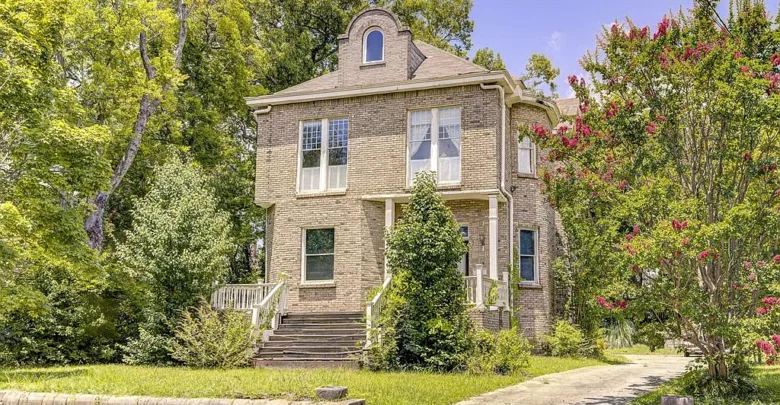
Historic Vicksburg Home With Parquet Floors, Stained Glass, and Timeless Architectural Character
A Vicksburg Residence With a Story to Continue
For buyers drawn to older architecture, a home’s appeal often begins with the details: the pattern of a wooden floor, the shape of a staircase, or the way light passes through a decorative window. This historic residence in Vicksburg brings those elements together in a setting filled with character.
The property features parquet floors, high ceilings, wooden pocket doors, distinctive fireplaces, and a grand staircase. A stained-glass window adds another memorable feature, while a formal dining room provides space for shared meals and entertaining. An updated kitchen introduces practical convenience, helping connect the home’s traditional appearance with the routines of daily life.
Spacious rooms extend across multiple levels, and a generous attic adds useful storage and possibilities to investigate. Together, these features create a home that invites close attention. Its appeal lies in both the individual details and the atmosphere they create throughout the interior.
An Interior Defined by High Ceilings and Generous Proportions
High ceilings are among the residence’s most noticeable architectural features. They give the main rooms a sense of openness and provide a striking backdrop for furniture, artwork, and decorative lighting.
For a future owner, these proportions offer several ways to approach the interior. Tall bookcases, substantial curtains, or a carefully chosen light fixture could complement the height of a room. A simpler arrangement could allow the architecture itself to remain the main attraction.
The generous proportions also influence how the home feels during everyday use. A room can accommodate several activities while retaining a sense of separation between them. A seating group, a reading chair, and a small writing desk might each find a place, depending on the actual dimensions.
Seeing these spaces in person would help buyers understand their scale and imagine arrangements that suit their own belongings and routines.
Parquet Floors That Give the Rooms Their Identity
The parquet floors are a defining part of this Vicksburg home’s interior. Their geometric arrangement brings texture and visual interest to the rooms, creating a decorative feature beneath everyday furniture and movement.
Wood flooring can influence an entire decorating scheme. Here, the parquet offers a starting point for choosing wall colors, rugs, upholstery, and other finishes. Buyers could emphasize its traditional character with antique furniture or introduce contemporary pieces for a more varied interior.
Thoughtful furniture placement would allow portions of the pattern to remain visible. Rugs could define seating areas while still leaving room to appreciate the flooring around them.
The floors also deserve careful attention during a viewing. Understanding their present condition, previous repairs, and maintenance needs would help a new owner decide how best to care for them. Preserving distinctive materials can be an important part of maintaining the atmosphere that first attracted a buyer to the house.
Wooden Pocket Doors With Practical Appeal
The wooden pocket doors contribute both craftsmanship and flexibility. By sliding into the walls, they allow adjoining rooms to connect or become more separate without the clearance required by a swinging door.
For entertaining, opening the doors could encourage movement between rooms and help guests feel connected across the main living spaces. At other times, closing them could create a quieter setting for reading, conversation, or an individual activity.
This flexibility is useful for buyers who appreciate rooms with distinct purposes but also want options for larger gatherings. The doors allow the interior to respond to different occasions while preserving its traditional layout.
Their appearance is part of their appeal, too. The woodwork adds depth and texture to the spaces around it. During a showing, buyers can examine the doors, check their operation, and appreciate how they relate to the surrounding trim and room openings.
A Grand Staircase at the Heart of the Home
The grand staircase gives the residence a strong architectural focal point. It connects the levels while contributing to the experience of moving through the house.
A staircase of this kind can influence the surrounding interior without requiring much additional decoration. Its form, railing, and visible woodwork may provide enough interest to anchor the space. A few carefully chosen furnishings or pictures could complete the area while allowing the staircase to remain prominent.
It also offers a setting for the ordinary moments that make a house personal: greeting visitors, heading upstairs after an evening together, or decorating for a holiday.
For buyers who value traditional architecture, the staircase is an opportunity to examine the home’s craftsmanship up close. Its condition and construction are practical matters to assess, while its visual presence helps explain why the property feels distinctive.
Fireplaces That Create Natural Gathering Places
Distinctive fireplaces add another layer of character throughout the residence. Their mantels and surrounds create natural focal points, helping organize rooms and giving furniture arrangements a clear center.
A sitting area might face a fireplace, with chairs positioned for conversation. In another room, a mantel could become a setting for artwork, photographs, or a small collection of meaningful objects. Even when a fireplace is used only as a decorative feature, it can shape the room around it.
These details also offer opportunities for seasonal changes. A simple arrangement of greenery, candles, or collected objects can give a room a different feeling without altering its architecture.
Buyers should distinguish the fireplaces’ decorative appeal from their operational condition. Any intended use would require an appropriate assessment of the fireboxes, chimneys, and related components. That evaluation can help owners understand how each fireplace may safely fit into life in the home.
A Stained-Glass Window With Memorable Visual Character
The stained-glass window introduces color and decorative artistry into the interior. Among the property’s architectural features, it offers a particularly recognizable point of interest.
Its effect depends on the light, the surrounding finishes, and the place from which it is viewed. The colors and pattern can give an otherwise simple area a strong identity, drawing attention without the need for additional artwork.
A future owner might use the window as inspiration for nearby paint colors or furnishings. Alternatively, a restrained palette could allow the glass to stand out on its own.
The window is also a feature worth examining carefully. Its condition, supporting frame, and any previous repairs would be useful to understand. Caring for such a distinctive element can help preserve the home’s appearance and maintain one of the details that makes a visit memorable.
A Formal Dining Room for Meals and Conversation
The formal dining room provides a dedicated place for gathering around a table. For buyers who enjoy hosting, this room may be one of the home’s most appealing spaces.
It invites a range of occasions, from a relaxed weekend breakfast to a holiday dinner. A dining table, comfortable chairs, and suitable lighting could create a setting that feels welcoming throughout the year.
The room also offers the chance to enjoy the home’s architecture at a slower pace. During a meal, guests have time to notice the floors, ceiling height, and surrounding details that might receive only a passing glance elsewhere.
A formal dining room does not need to be reserved for special events. Used regularly, it can become a central part of household life: a place for conversation, shared projects, or an evening meal away from other distractions.
An Updated Kitchen for Everyday Living
The updated kitchen adds a practical element to the residence. While the architectural details establish much of the home’s character, the kitchen supports the daily routines that make long-term ownership comfortable.
A usable cooking space matters whether the next owner plans frequent entertaining or prefers simple meals at home. It provides a place to prepare food, organize supplies, and manage the work that accompanies a busy household.
The relationship between the kitchen and dining room will be especially relevant for buyers who host guests. During a showing, they can consider how meals would move between the spaces and whether the arrangement suits their preferred way of entertaining.
The description identifies the kitchen as updated without specifying appliances or finishes. Buyers can evaluate those details in person, including storage, work surfaces, lighting, and the condition of the equipment included with the property.
Spacious Rooms Across Multiple Levels
The residence’s spacious rooms and multiple levels offer flexibility for different household needs. Buyers can consider how to balance gathering spaces, private rooms, and areas devoted to work or personal interests.
A room might accommodate a home office, a reading area, or a creative workspace, depending on its layout and suitability. Those who welcome visitors may prefer to prioritize guest accommodation. Others may want a quieter room for music, study, or a collection.
The value of these possibilities comes from matching the house to a real routine. Furniture dimensions, circulation, available outlets, and access between levels will all influence the final arrangement.
Walking through the property can help buyers move beyond general impressions. It allows them to consider where they would spend time each day and how the home’s different spaces might support one another.
A Generous Attic With Useful Additional Space
The attic adds another practical feature to the property. Storage can make a significant difference in a home with carefully arranged living spaces, providing somewhere to organize seasonal decorations, luggage, and other belongings.
Before using the attic for storage, a new owner would want to understand its access, condition, and suitability for the items they intend to keep there. Temperature, moisture, and floor capacity can affect how such a space is used.
The attic may also prompt ideas for future improvements. Any proposed conversion would need to begin with an assessment of structure, headroom, ventilation, access, and applicable requirements.
Its most immediate appeal is the additional space it provides beyond the main rooms. Buyers can evaluate that benefit on its own while treating any larger project as a separate possibility to investigate.
Decorating Around the Home’s Existing Character
A house with prominent architectural details offers a useful foundation for interior design. The parquet floors, pocket doors, staircase, fireplaces, and stained glass already provide texture, pattern, and visual interest.
A future owner could build around those elements gradually. Comfortable seating, well-placed lighting, and a limited selection of artwork may be enough to make a room feel complete. There is no need to furnish every space immediately.
Traditional furniture could complement the architecture, while contemporary pieces could introduce variety. The strongest choices will depend on the owner’s taste and on how each room will be used.
Taking time to live with the house can also guide decisions. Observing the light, walking routes, and most-used spaces may reveal where a different chair, lamp, or storage piece would make the greatest improvement.
A Thoughtful Approach to Historic Home Ownership
For someone who appreciates older homes, ownership offers the chance to care for distinctive spaces while making them useful for the present. That process can be rewarding when approached with clear priorities.
A good starting point is understanding the property’s condition. The roof, structure, plumbing, electrical systems, and other essential components deserve attention alongside the decorative features. A thorough evaluation can help a buyer develop a realistic maintenance and improvement plan.
Preservation decisions can then focus on the elements that give the house its identity. Repairing existing materials where practical may help retain the texture and continuity of the interior.
The supplied description does not establish a construction date, architectural style, or formal historic designation. Buyers interested in those subjects can investigate property records and local historical resources to learn more about the residence’s background.
Discover the Next Chapter of This Vicksburg Home
This Vicksburg residence brings together a collection of features that will appeal to buyers who enjoy architecture with visible character. High ceilings and spacious rooms establish its proportions, while parquet floors, wooden pocket doors, and a grand staircase give the interior depth.
The fireplaces and stained-glass window add memorable focal points. A formal dining room supports gatherings, the updated kitchen serves everyday needs, and the attic offers additional space to assess.
For the right buyer, the attraction will be personal: a favorite room, an admired detail, or a clear idea of how life could unfold within the house. A visit provides the opportunity to experience those qualities directly and evaluate the practical responsibilities that accompany them.
Anyone searching for a Vicksburg home with traditional craftsmanship and room for thoughtful personalization may find this residence well worth exploring.


Watch Zillow