Affordable HomesHistoric Homes
Charming Stone-Faced Ranch Home with Great Potential
Charming Stone-Faced Ranch Home with Great Potential

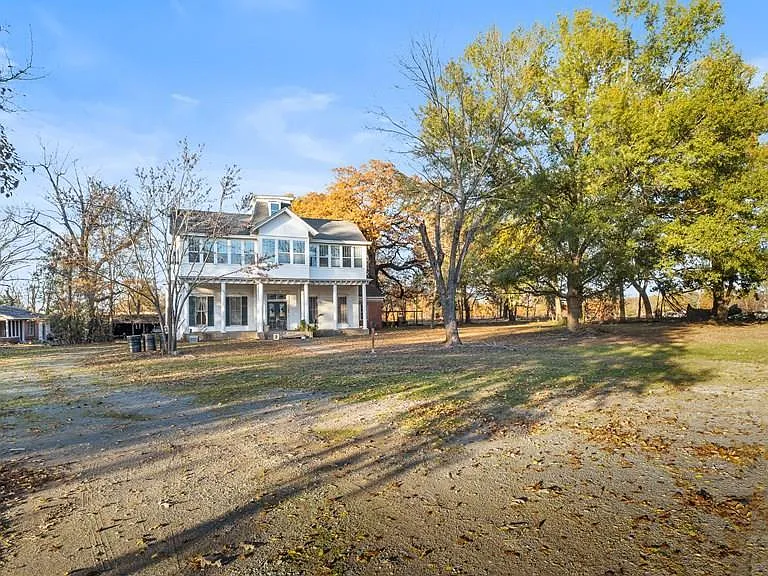
Stone-Faced Ranch-Style Home With New Roof Offers Exciting Renovation Potential
Finding a property with character, practical features, and room for improvement can be an exciting opportunity for homeowners, investors, and renovation enthusiasts. This sharp stone-faced ranch-style home combines classic architectural details with a spacious single-level design, creating a property that could become something truly special with the right vision and careful planning.
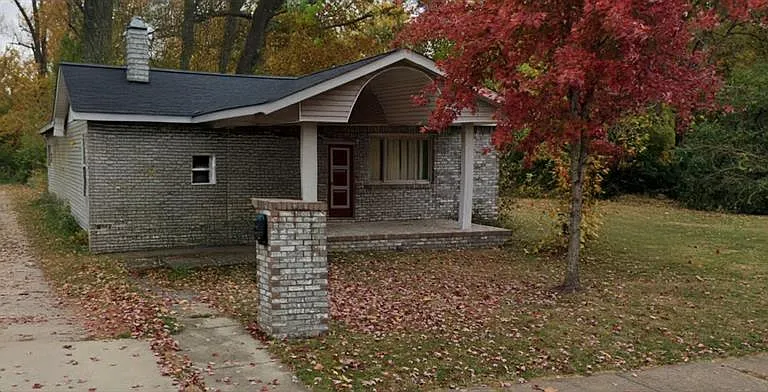
The home immediately stands out because of its attractive exterior, distinctive arched design, and combination of stone and brick details. These features give the property a timeless appearance that may appeal to buyers who appreciate traditional architecture and want something different from a standard modern home.
Another important feature is the new roof, which provides a meaningful improvement and gives future owners a strong starting point for additional renovation work. While the property is being offered in as-is condition, its existing structure and exterior character create numerous possibilities for buyers who are prepared to evaluate the home carefully and develop a realistic improvement plan.
Whether the goal is to create a comfortable primary residence, a future investment property, or a personalized renovation project, this ranch-style home offers plenty of room for imagination.
A Distinctive Stone and Brick Exterior
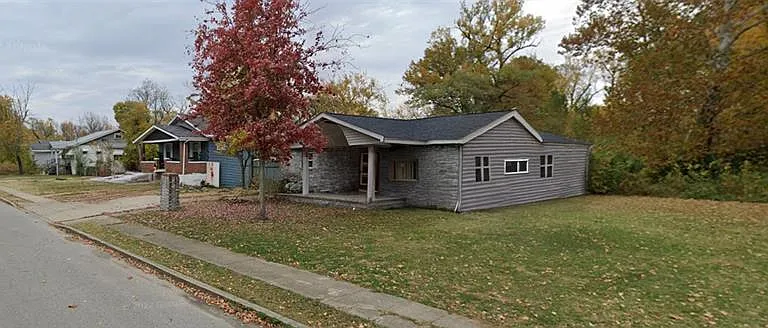
One of the first things that catches the eye is the home’s stone-faced exterior. Stone can add a sense of permanence and character to a property, and when combined with brick accents, it can create a particularly appealing traditional aesthetic.
The arched exterior details add another layer of visual interest. Instead of relying on a completely conventional rectangular facade, the home incorporates curved architectural elements that help give it a recognizable identity.
For a buyer considering a renovation, preserving these original exterior features could be an important part of the property’s future design. Rather than completely changing the appearance of the home, future improvements could focus on enhancing what is already there.
Landscaping, updated exterior lighting, improved entry features, carefully selected doors, and refreshed surrounding walkways could potentially complement the existing architecture while maintaining the home’s traditional character.
New Roof Provides a Valuable Starting Point
A new roof is one of the property’s notable upgrades. For many homeowners, the roof is an important component of a renovation project because it protects the structure from the elements and can represent a substantial maintenance consideration.
Having a new roof already in place gives a future owner an important starting point when planning other improvements. Instead of immediately having to address roof replacement, attention can potentially be directed toward interior finishes, systems, landscaping, exterior improvements, and other areas of the property.
Of course, buyers should still confirm the roof’s age, installation details, warranties, permits, and condition through their own inspection and due diligence. Documentation can be particularly valuable when evaluating a property being sold in as-is condition.
A professional inspection can also help buyers understand the overall condition of the home and identify areas that may require attention before renovation work begins.
Spacious Single-Level Ranch Layout
The ranch-style design is another feature that may attract a wide range of buyers. Single-level homes can offer a practical layout for homeowners who prefer having the main living spaces on one floor.
A spacious single-level floor plan can also provide flexibility during a renovation. Depending on the existing configuration and local building requirements, rooms may be updated, opened, or repurposed to better suit modern living preferences.
For example, a future renovation could potentially focus on creating a more connected kitchen and dining area, improving the flow between living spaces, or establishing dedicated areas for work, hobbies, entertainment, or storage.
The exact possibilities will depend on the home’s existing structure, dimensions, load-bearing walls, utilities, and applicable building regulations. Buyers should therefore work with qualified professionals before making structural decisions.
A Property With Renovation Potential
For buyers who enjoy transforming older or dated properties, this home presents an opportunity to develop a personalized vision.
Renovation projects can range from relatively simple cosmetic improvements to more comprehensive updates. A buyer may decide to focus on flooring, paint, lighting, cabinetry, fixtures, bathrooms, landscaping, and other aesthetic details. Alternatively, the property could become part of a larger renovation plan involving multiple areas of the home.
The advantage of a project property is that the future owner may have more freedom to establish a design that reflects personal preferences.
Instead of purchasing a fully renovated home with someone else’s finishes and style, a buyer can potentially create a space that feels more personalized.
At the same time, renovation properties require realistic planning. The purchase price is only one part of the overall financial equation. Buyers should consider inspection costs, permits, labor, materials, insurance, utilities, financing, landscaping, and unexpected repairs when creating a renovation budget.
Potential for Investors and Experienced Renovators
This property may also be interesting to experienced investors and renovation specialists who understand how to evaluate improvement opportunities.
Investment properties require careful analysis rather than relying solely on visual appeal. A prospective investor may want to research comparable properties, local market conditions, potential renovation costs, rental demand, resale values, property taxes, insurance expenses, and other relevant factors.
An investor considering a renovation should also establish a realistic contingency budget. Older properties can sometimes reveal additional issues after work begins, particularly when walls, floors, ceilings, or mechanical systems are opened.
For this reason, professional inspections and contractor estimates can be important steps before making a final decision.
The property’s existing exterior character and new roof may provide useful foundations, but the overall investment potential should be evaluated based on the complete financial picture.
Opportunities to Improve the Outdoor Space
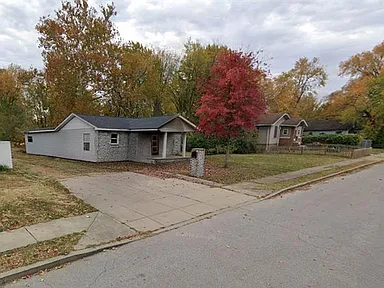
The surrounding lot offers another area where a future owner can potentially add value and functionality.
Outdoor improvements can significantly change the way a home feels without necessarily requiring major structural work. Depending on the property’s layout and local regulations, landscaping could include new planting areas, lawn improvements, pathways, outdoor seating, garden features, privacy elements, or other enhancements.
A thoughtful landscaping plan could also complement the home’s stone and brick exterior. Natural textures and carefully selected plants may work particularly well with traditional architecture.
For homeowners who enjoy outdoor living, the property could potentially be developed into a comfortable space for relaxing, entertaining, gardening, or enjoying time with family and friends.
Before making changes, buyers should verify property boundaries, drainage conditions, easements, zoning requirements, and any applicable local restrictions.
Public Water and Sewer Connections
The availability of public water and sewer connections adds practical convenience to the property.
Access to public utilities can simplify certain aspects of property ownership and may be particularly relevant when comparing a home with properties that rely on private wells or septic systems.
Nevertheless, prospective buyers should independently confirm the status of all utility connections, including whether they are currently active, whether there are outstanding balances or connection requirements, and what local fees may apply.
Utility information can also be important when planning renovations. Changes to kitchens, bathrooms, laundry areas, or other spaces may involve plumbing modifications, so understanding the existing infrastructure can help buyers and contractors develop more accurate plans.
Why Due Diligence Matters With an As-Is Property
Because the home is offered in as-is condition, due diligence becomes especially important.
An as-is sale generally means that buyers should carefully investigate the property and understand its condition before completing the purchase. This does not eliminate the need for professional evaluation; instead, it makes the buyer’s research and inspection process particularly important.
A comprehensive property inspection can help identify visible and potentially hidden issues. Depending on the home’s age and condition, buyers may also consider specialized inspections or evaluations related to electrical systems, plumbing, HVAC equipment, structural components, moisture, drainage, pests, or other relevant concerns.
Buyers should also review available property records and confirm information concerning taxes, zoning, permits, utility connections, property boundaries, and any known restrictions.
The exact due-diligence process can vary depending on location and transaction circumstances, so prospective buyers should consult appropriate local professionals.
Creating a Renovation Vision
One of the most exciting aspects of a property like this is the ability to imagine what it could become.
A successful renovation does not necessarily require removing every original feature. In fact, retaining distinctive elements can sometimes give a remodeled home more personality than a completely modernized design.
The stone facade, brick details, arched elements, and ranch-style proportions could potentially serve as the foundation for a design that combines traditional character with contemporary comfort.
Inside, a buyer might consider a neutral color palette, updated lighting, modern flooring, improved storage, refreshed bathrooms, and an updated kitchen. The goal could be to create a comfortable modern interior while allowing the exterior architecture to remain part of the property’s identity.
Modernizing the Interior
Interior modernization can dramatically change how a home feels.
Depending on the existing condition, improvements might include refinishing or replacing flooring, repainting walls, updating lighting fixtures, replacing outdated cabinetry, refreshing bathrooms, and improving storage.
The kitchen could become one of the central areas of a renovation. A well-planned kitchen can improve both everyday functionality and the overall appearance of a home.
Bathroom improvements can also provide meaningful updates. Modern fixtures, improved lighting, attractive finishes, and better storage can make these spaces more practical and comfortable.
However, every renovation should begin with an understanding of the existing infrastructure. Cosmetic improvements are generally easier to plan once major structural and mechanical considerations have been evaluated.
Preserving Character While Adding Modern Comfort
A major advantage of a character-rich property is the opportunity to combine old and new.
Rather than treating traditional details as obstacles, a thoughtful renovation can incorporate them into a contemporary living environment.
The stone exterior can remain a defining visual feature. Arched elements can be emphasized rather than hidden. Brick details can be cleaned and maintained. Interior spaces can then receive modern finishes and practical upgrades.
This approach can create a home that feels updated without losing the qualities that make it distinctive.
For buyers who appreciate architectural character, maintaining these details may be an important part of the property’s long-term appeal.
A Flexible Opportunity for Different Types of Buyers
This property may appeal to several different types of buyers.
A homeowner looking for a long-term project could gradually improve the house over time. An experienced renovator could approach the property with a more comprehensive plan. An investor could evaluate its potential using local comparable properties and renovation economics.
Someone interested in a personalized home may also appreciate the ability to influence the final design rather than purchasing a finished property.
The best approach will depend on the buyer’s budget, experience, goals, timeline, and tolerance for renovation work.
Important Factors to Consider Before Purchasing
Before moving forward, prospective buyers should consider several practical questions.
What is the overall condition of the foundation and structure? Are the electrical and plumbing systems suitable for continued use? What is the condition and age of the HVAC system? Are there signs of water intrusion or moisture? Does the property require permits for planned improvements? What renovation budget would be realistic?
These questions can help transform an attractive renovation idea into a practical project plan.
Buyers should also consider the property’s location, surrounding neighborhood, access to services, nearby schools where relevant, transportation options, local property taxes, insurance costs, and comparable real estate values.
A beautiful renovation cannot compensate for an unsuitable location or unrealistic project economics, so the complete property picture should always be considered.
Planning a Renovation Budget
Creating a detailed renovation budget is one of the most important steps for anyone considering this type of property.
The budget should account for both planned improvements and unexpected expenses. Construction projects can sometimes uncover conditions that were not visible during an initial walkthrough.
A reasonable contingency allowance can help provide protection against unforeseen costs.
Buyers may also want to obtain multiple contractor estimates before beginning major work. Comparing estimates can provide a better understanding of labor and material costs while helping identify areas where the renovation plan may need to be adjusted.
Financing should also be considered carefully. Depending on the buyer’s circumstances, different financing options may have different requirements, costs, and limitations.
Long-Term Potential
The appeal of a renovation property often comes from its long-term possibilities.
A home with strong architectural character, a new roof, public utilities, and a flexible ranch-style layout can provide a foundation for future improvements. The surrounding outdoor area adds another dimension, allowing a buyer to consider both interior and exterior upgrades.
The final result will depend on the condition of the property, the renovation strategy, the available budget, and the quality of the work performed.
For buyers who approach the opportunity with realistic expectations and thorough research, the property can become a personalized residence with its own distinctive identity.
Final Thoughts
This stone-faced ranch-style home presents an interesting opportunity for buyers who value character and are comfortable taking on a renovation project.
Its arched exterior, stone and brick details, new roof, spacious single-level layout, public water and sewer connections, and surrounding outdoor space provide several notable features to consider.
The property is not presented as a move-in-ready home, and its as-is condition means that prospective buyers should perform appropriate inspections and due diligence before making a purchase decision. However, for someone with the right vision, planning approach, and renovation strategy, the home offers an opportunity to create something highly personalized.
The combination of traditional exterior character and renovation potential makes this property particularly interesting for homeowners, investors, and experienced renovators looking for a project with room for creativity.
Ultimately, the value of an opportunity like this depends on more than the appearance of the property. Buyers should carefully evaluate the structure, systems, utilities, local market, renovation costs, financing requirements, and long-term objectives.
With careful planning, professional guidance, and a clear renovation strategy, this ranch-style property could be transformed into a comfortable and distinctive home while preserving many of the architectural details that give it its original personality.
For prospective buyers, the next step should be a thorough property evaluation, followed by realistic estimates for any necessary repairs and desired improvements. From there, a detailed renovation plan can help determine whether the property fits the buyer’s goals and budget.
As with any real estate purchase, buyers should verify all property information independently and consult qualified professionals regarding inspections, construction, legal requirements, financing, utilities, and local regulations before proceeding.
Watch Via Zillow