Affordable Homes
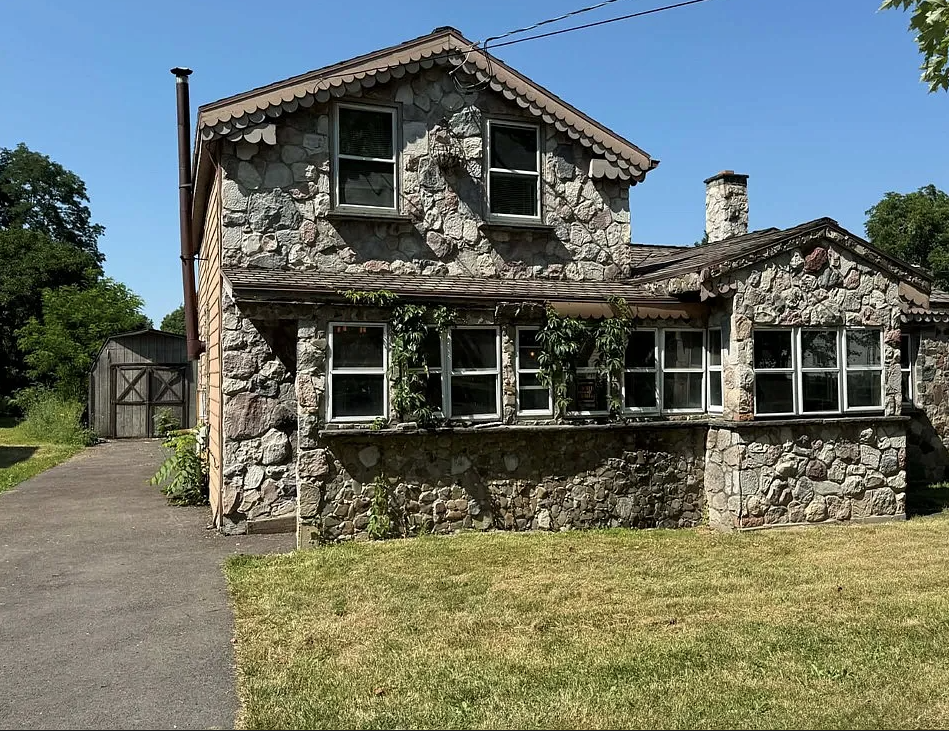
Charming Historic Cape Cod with Character in Palmyra
Charming Historic Cape Cod with Character in Palmyra

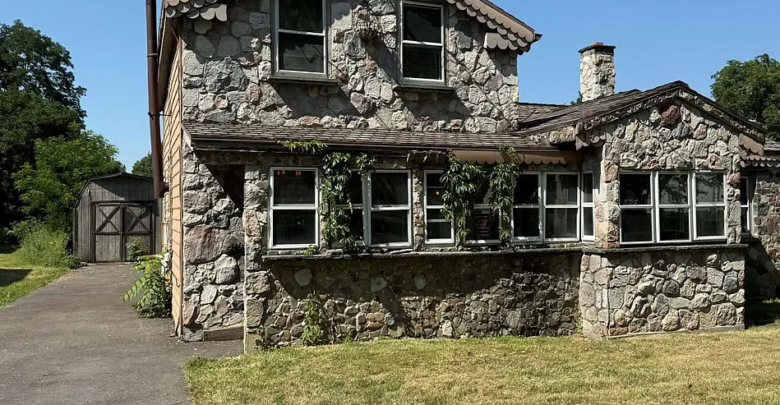
Historic Palmyra Home Offers Classic Character and Renovation Potential
A charming historic home in Palmyra offers buyers an opportunity to own a property filled with character, warmth, and traditional architectural appeal. With original details, natural wood elements, hardwood flooring, a cozy fireplace, and a practical layout, this Cape Cod-style residence provides an inviting foundation for someone interested in restoring and personalizing an older home.
Rather than offering the polished appearance of a newly constructed property, this residence has the type of personality that comes from age and craftsmanship. Its historic character provides an opportunity for a new owner to preserve the features that make the house distinctive while making thoughtful improvements to bring the property in line with modern living.
The combination of a main-floor bedroom, comfortable living areas, hardwood floors, kitchen and dining spaces, and a screened porch makes the home practical as well as visually appealing. For buyers who appreciate older houses and are willing to take on upgrades, this Palmyra property could provide an interesting starting point for a renovation project.
A Historic Home With Classic Cape Cod Character
One of the most appealing aspects of this property is its traditional Cape Cod character.
Cape Cod homes are often appreciated for their simple proportions, comfortable layouts, and timeless appearance. Rather than depending on elaborate modern finishes, these homes frequently emphasize practical living spaces and architectural details that create a sense of warmth.
This Palmyra residence appears to capture many of those qualities.
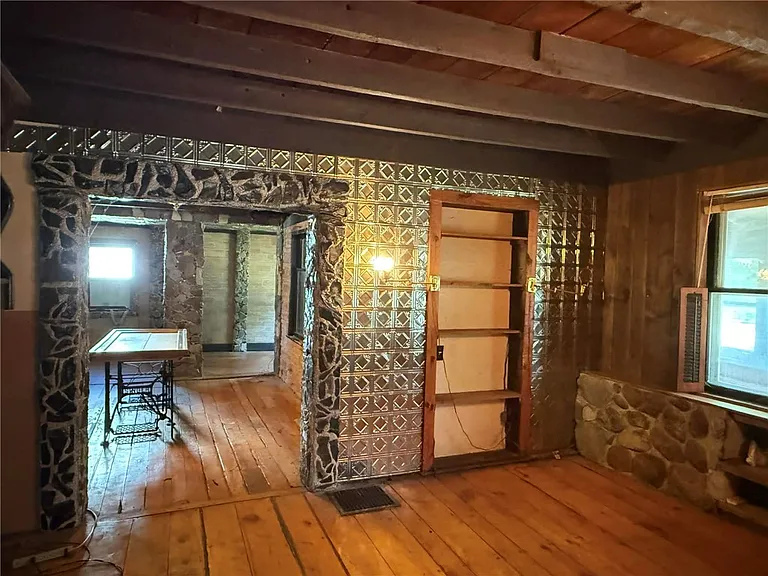
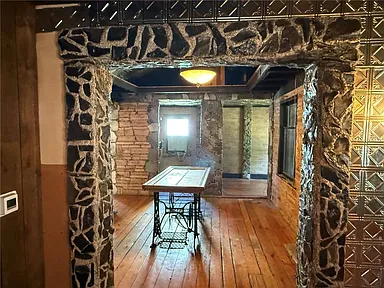
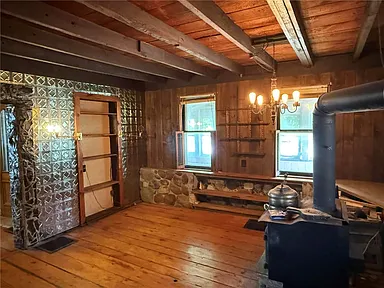
The use of natural wood and hardwood flooring gives the interior a classic appearance, while the fireplace adds another traditional element. Together, these features can create the kind of atmosphere that is increasingly difficult to reproduce in newer construction.
For buyers searching specifically for a historic home, character can be one of the most important considerations. Flooring, woodwork, room proportions, fireplaces, doors, windows, and other original elements can give an older property an identity that differs significantly from a newly built house.
Original Details Add Personality
Historic homes often tell a story through their architectural details.
In this property, original elements and natural wood features help establish a warm interior atmosphere. Instead of removing every older feature during a renovation, a thoughtful homeowner could choose to preserve the details that contribute to the home’s identity.
A successful renovation does not necessarily require turning a historic house into a completely modern property.
In many cases, the most attractive result comes from combining original character with carefully selected updates.
For example, existing hardwood floors could potentially be refinished rather than replaced. Original wood details could be cleaned and restored. Older doors and trim might be repaired where practical, while kitchens and bathrooms could receive modern improvements.
This approach can create a balance between historic charm and contemporary convenience.
Cozy Fireplace Creates a Natural Focal Point
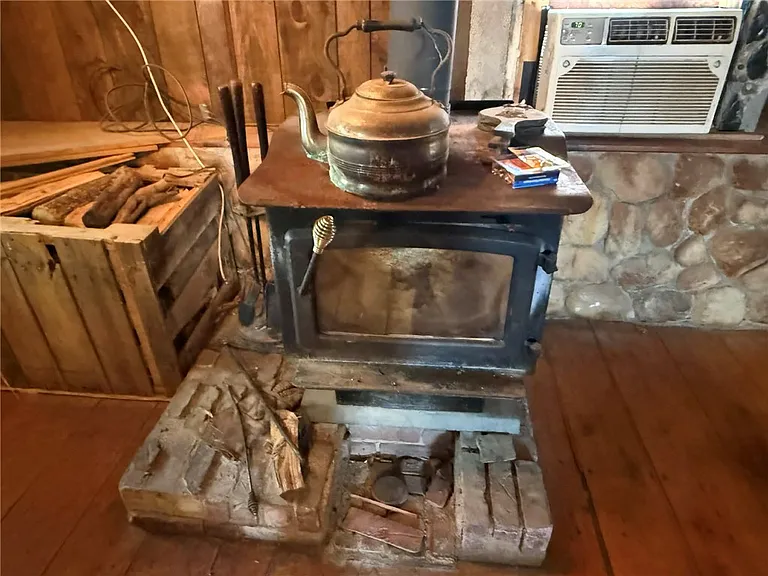
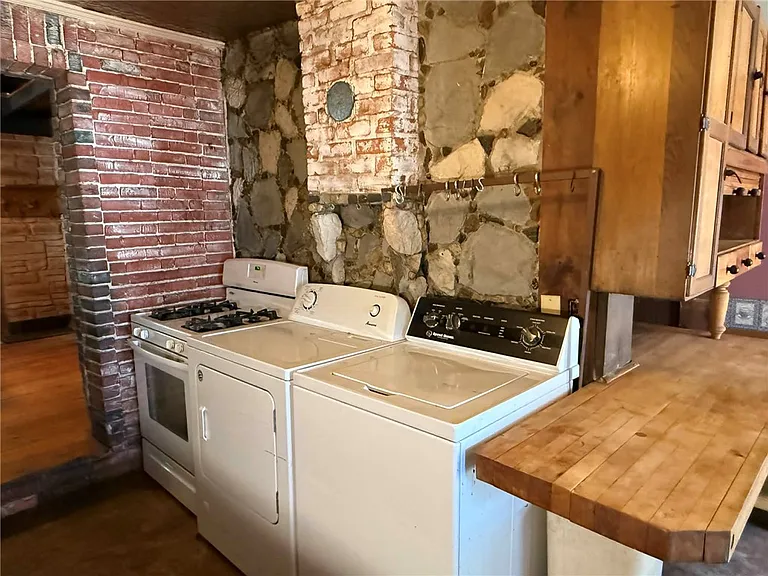
The fireplace is another feature that gives this Palmyra home a traditional feel.
A fireplace can serve as much more than a heating feature. In an older home, it can become a visual centerpiece around which furniture and living areas are arranged.
The listing description emphasizes the cozy atmosphere created by the fireplace in the main living area.
Imagine the living room with comfortable seating, warm lighting, restored hardwood floors, and the fireplace serving as the central architectural feature. With the right improvements, this area could become one of the home’s most memorable spaces.
Before using any fireplace in a historic property, however, buyers should have the chimney, flue, masonry, and related components professionally inspected.
Safety and functionality should always come before aesthetics.
Hardwood Flooring Throughout the Home
Hardwood flooring is another feature that can contribute substantially to the property’s character.
Older hardwood floors often have visual qualities that are difficult to replicate with modern manufactured flooring. Even when they show signs of age, they may be candidates for refinishing depending on their thickness, condition, previous repairs, and construction.
For a renovation-minded buyer, existing hardwood floors can represent an opportunity.
Instead of immediately covering them with new materials, it may be worthwhile to determine whether the floors can be restored.
A professional flooring contractor can evaluate:
- Surface wear
- Deep scratches
- Water damage
- Previous refinishing
- Loose boards
- Gaps between boards
- Subfloor movement
- Staining
- Areas requiring repair
If the flooring is structurally sound, refinishing could help preserve an important part of the home’s historic appearance.
Main-Floor Bedroom Adds Flexibility
A main-floor bedroom is an especially practical feature.
For younger households, it could function as a guest bedroom, office, nursery, or flexible living space. For buyers planning to remain in the property for many years, a main-level bedroom can also provide additional convenience as lifestyle needs change.
Having a bedroom on the main floor can make the property more adaptable than a traditional layout where all bedrooms are located upstairs.
This flexibility can be particularly valuable in an older Cape Cod home, where upper-level rooms may have different ceiling heights or configurations.
A future owner could therefore consider several possible uses for the main-floor bedroom depending on household requirements.
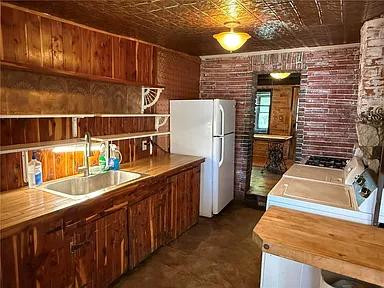
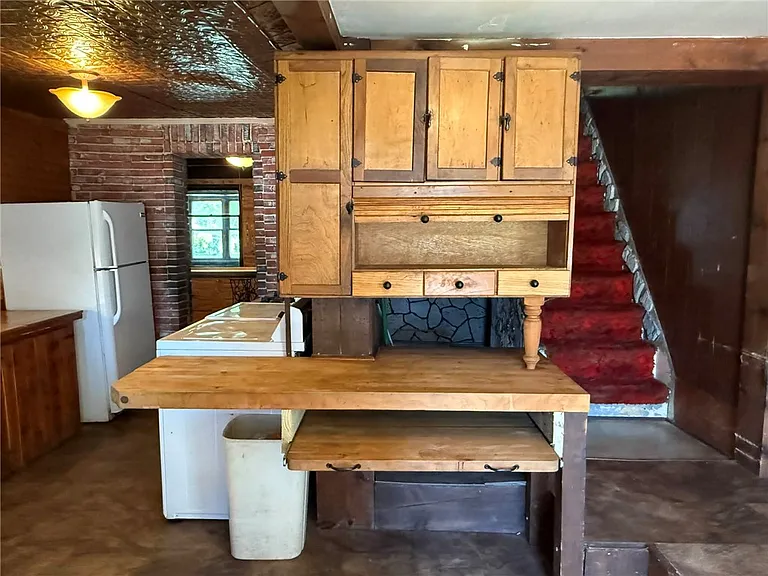
Kitchen and Dining Areas Offer Renovation Potential
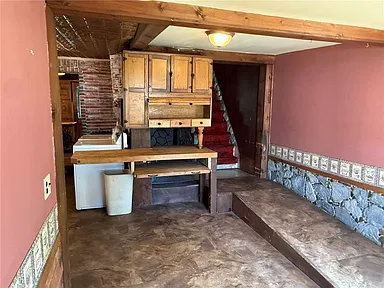
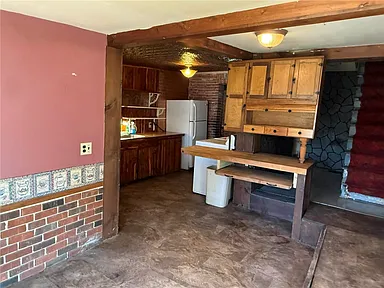
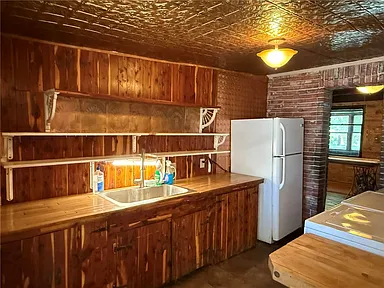
The kitchen and dining areas provide another opportunity for personalization.
Rather than treating the existing kitchen as a finished product, buyers may see it as a starting point for a future renovation.
Older kitchens can often be transformed through a combination of relatively simple improvements and larger upgrades.
Potential projects could include:
- Cabinet refinishing or replacement
- New countertops
- Updated lighting
- Modern appliances
- Improved storage
- New backsplash
- Fresh paint
- Updated flooring where necessary
- Improved electrical outlets
- Plumbing upgrades
- A redesigned dining area
The best renovation strategy will depend on the property’s existing condition and the owner’s budget.
For a historic home, maintaining some visual connection between the kitchen and the rest of the house can also be worthwhile. A completely ultra-modern kitchen may look out of place if the surrounding rooms retain traditional architectural details.
A transitional design can provide a better balance.
Screened Porch Provides Outdoor Living Space
The screened porch adds another appealing feature to the property.
A screened porch can extend the usable living environment beyond the interior of the home while providing protection from insects and a comfortable place to enjoy the outdoors.
It could become a relaxing morning coffee area, an evening sitting space, or an informal gathering area for friends and family.
With the right furniture and lighting, the porch could become one of the property’s most enjoyable spaces.
A future owner might consider adding comfortable outdoor seating, a small dining table, plants, weather-resistant decorations, and soft lighting.
Before investing in cosmetic improvements, however, the porch should be inspected for structural condition, water intrusion, wood deterioration, screening damage, and drainage problems.
Renovation Potential Without Losing Historic Charm
One of the biggest opportunities with this home is the possibility of combining restoration with modernization.
Historic properties can be especially rewarding when renovations are approached carefully.
The objective does not have to be making the house look brand new.
Instead, the goal could be to make the home more comfortable and functional while preserving the elements that give it personality.
For example, a renovation plan could prioritize:
Phase One: Safety and Structure
The first priority should be essential repairs.
This may include evaluating the roof, foundation, electrical system, plumbing, heating system, chimney, windows, and any evidence of moisture or structural problems.
Phase Two: Essential Modernization
Once major issues have been addressed, the owner could focus on kitchen functionality, bathroom improvements, lighting, insulation, and energy efficiency.
Phase Three: Character Restoration
The next stage could involve refinishing hardwood floors, restoring wood trim, improving doors, repairing historic details, and enhancing the fireplace area.
Phase Four: Cosmetic Improvements
Finally, paint colors, furniture, landscaping, porch furnishings, lighting, and decorative elements could complete the transformation.
This staged approach can help a homeowner prioritize spending rather than attempting to renovate everything simultaneously.
What Buyers Should Inspect Before Purchasing
The charm of an older property should always be considered alongside its physical condition.
A buyer should conduct a thorough inspection before committing to a purchase.
Important areas to examine include the roof, foundation, basement or crawl space, plumbing, electrical wiring, heating and cooling systems, windows, doors, chimney, fireplace, insulation, and drainage.
Moisture deserves particular attention.
Water intrusion can cause damage that is not immediately visible, especially around foundations, roofs, windows, porches, and exterior walls.
Buyers should also look carefully for signs of wood-destroying insects, rot, mold, or structural movement.
Historic homes may contain older construction materials and systems that require specialized attention. Depending on the age and condition of the property, professional evaluations may be appropriate for electrical, environmental, structural, or mechanical components.
Energy Efficiency Could Be an Important Upgrade
Older houses can sometimes provide opportunities to improve energy efficiency.
Potential improvements may include sealing air leaks, upgrading insulation, improving windows where appropriate, servicing heating equipment, and installing more efficient lighting and appliances.
However, energy upgrades should be approached carefully in historic construction.
Replacing original windows, for example, may not always be the best solution. In some situations, repairing and weatherizing existing windows can preserve character while improving performance.
A professional energy assessment can help determine where improvements would provide the greatest benefit.
Landscaping Can Complement the Historic Home
The exterior of a historic property is just as important as the interior.
Thoughtful landscaping can reinforce the home’s traditional architecture and improve its overall curb appeal.
A future owner might consider creating defined planting areas, maintaining mature trees where appropriate, improving walkways, adding seasonal flowers, and creating a welcoming entrance.
The landscaping does not need to be elaborate.
Simple, well-maintained plantings can often complement a Cape Cod-style property better than an overly complicated modern landscape design.
A Home for Buyers Who Appreciate Character
This property is likely to appeal most strongly to buyers who appreciate individuality.
New construction can provide modern layouts, new mechanical systems, and contemporary finishes, but historic houses offer something different.
They often contain details that give every room a sense of history.
The hardwood flooring, natural wood elements, fireplace, Cape Cod architecture, and screened porch all contribute to that distinctive atmosphere.
For the right buyer, imperfections can become part of the property’s charm rather than simply disadvantages.
The important distinction is between cosmetic imperfections and expensive structural problems.
A home that needs paint, flooring refinishing, kitchen improvements, and landscaping may offer a very different renovation experience from one requiring major foundation, roof, electrical, or plumbing work.
That is why a detailed inspection is so important.
Why Palmyra Adds to the Appeal
The home’s location in Palmyra provides another element for buyers to consider.
A historic property can become particularly attractive when its architecture and surroundings complement one another.
For buyers who enjoy established communities and older homes, Palmyra can offer an environment where traditional properties have a natural sense of place.
Before purchasing, buyers should investigate the immediate neighborhood, nearby amenities, schools if relevant, property taxes, local regulations, insurance costs, and any historic-district requirements that may apply.
These factors can influence both the cost of ownership and the types of renovations that are permitted.
A Potential Restoration Project
For someone looking for a renovation project with personality, this Palmyra property could provide an interesting opportunity.
The home’s existing architectural elements create a foundation that does not have to be completely redesigned.
Instead, the renovation could focus on revealing and enhancing what is already there.
Restored hardwood floors could become a central design feature. The fireplace could anchor the living room. Natural wood could be incorporated into the updated interior. The kitchen could receive modern functionality while maintaining a traditional aesthetic.
The screened porch could also become an important part of the home’s lifestyle appeal.
With thoughtful planning, the finished property could feel updated without losing the qualities that made the house interesting in the first place.
Questions to Ask Before Making an Offer
Potential buyers should gather as much information as possible before moving forward.
Important questions include:
- What is the current condition of the roof?
- When were the electrical and plumbing systems last updated?
- Has the heating system been replaced or serviced?
- Is the fireplace operational?
- Has the chimney been inspected?
- Are the hardwood floors original?
- Are there any known foundation or moisture issues?
- Has the home experienced previous water damage?
- What improvements have been made by previous owners?
- Are there permits for major renovations?
- Are there any historic-property restrictions?
- What are the annual property taxes?
- What are typical insurance costs?
- Are there known issues with the porch?
- What improvements are most urgently needed?
Getting answers to these questions can help buyers distinguish between a manageable renovation and a project requiring substantially more investment.
Final Thoughts
This historic Palmyra Cape Cod home offers an appealing combination of character, warmth, traditional architecture, and renovation potential.
The property features hardwood flooring, natural wood elements, a cozy fireplace, a main-floor bedroom, practical living areas, kitchen and dining spaces, and a screened porch.
Rather than being a completely modern property, the home provides an opportunity for a new owner to shape the residence while preserving its historic personality.
For buyers who enjoy restoration projects, historic architecture, and homes with distinctive character, that can be an important advantage.
At the same time, purchasing an older home requires careful due diligence. Structural condition, roofing, electrical systems, plumbing, heating, moisture, chimney condition, and other major components should be evaluated before purchase.
The most successful renovation strategy may be one that combines modern comfort with historic preservation.
Instead of removing every older feature, a thoughtful owner could restore the hardwood floors, preserve natural wood details, maintain the fireplace as a focal point, improve the kitchen and dining areas, and transform the screened porch into an inviting outdoor living space.
Ultimately, this Palmyra property represents more than simply a house. It offers the possibility of creating a personalized home while retaining the character and architectural qualities that make historic properties special.
For buyers willing to invest time, planning, and careful renovation, this Cape Cod residence could become a warm and distinctive home that combines the atmosphere of an earlier era with the comfort and functionality expected from a modern living space.
Watch Via Zillow