Unique Properties
$130,000 Farmhouse on 40 Acres – Creek, Mountain Views and No Zoning Restrictions
$130,000 Farmhouse on 40 Acres – Creek, Mountain Views and No Zoning Restrictions

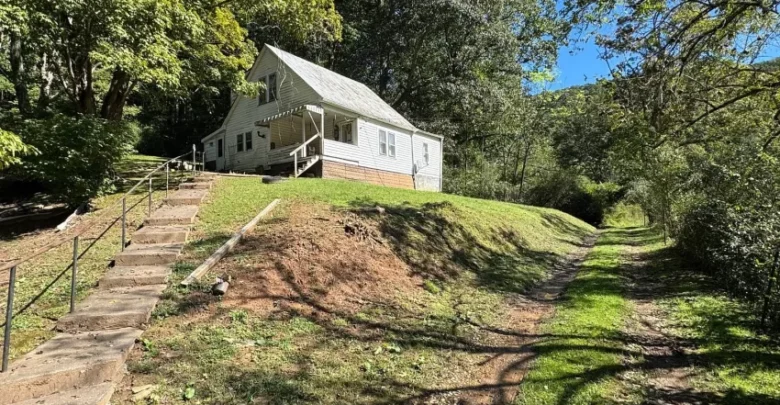
Charming 1900 Farmhouse on 40 Acres With a Creek and Mountain Views in West Virginia for $130,000
Finding an affordable farmhouse surrounded by acres of beautiful countryside is becoming an increasingly attractive opportunity for buyers interested in rural real estate, homesteading, land investment, and a more peaceful lifestyle. Located at 2208 US Highway 33 E, Glenville, West Virginia, 26351, this remarkable 40-acre property combines an older farmhouse, wooded mountain landscapes, natural water features, and numerous possibilities for future development.
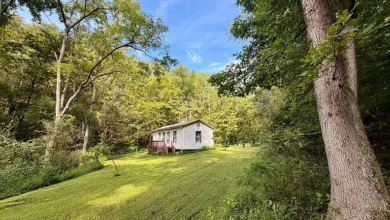
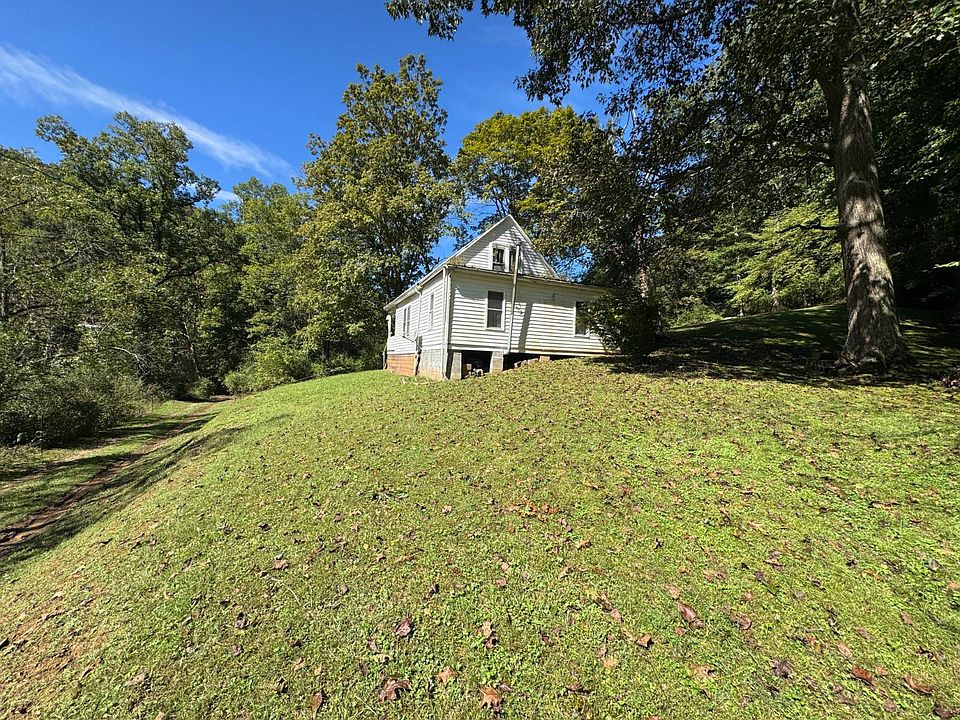
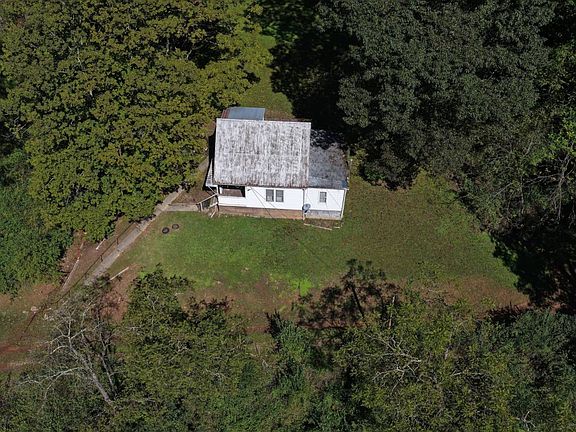
Listed for $130,000, the property features a two-story farmhouse dating back to 1900, approximately 1,080 square feet of recorded living space, mature hardwood trees, bottomland, and a creek flowing near the road.
What makes this property particularly interesting is its combination of rural privacy and convenient access to essential services. Situated approximately two miles from downtown Glenville, it offers the advantages of countryside ownership without being completely isolated from town.
With public water and sewer available, gas availability, a private water well, and a private septic system, the property presents several infrastructure options that prospective buyers can investigate as they plan future improvements.
Whether you are searching for affordable farmland, a farmhouse renovation project, a private mountain retreat, recreational acreage, or a long-term real estate investment, this West Virginia property offers an exciting foundation for a variety of possibilities.
Property Overview: 2208 US Highway 33 E, Glenville, West Virginia
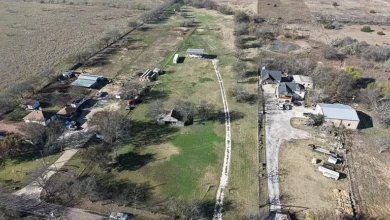
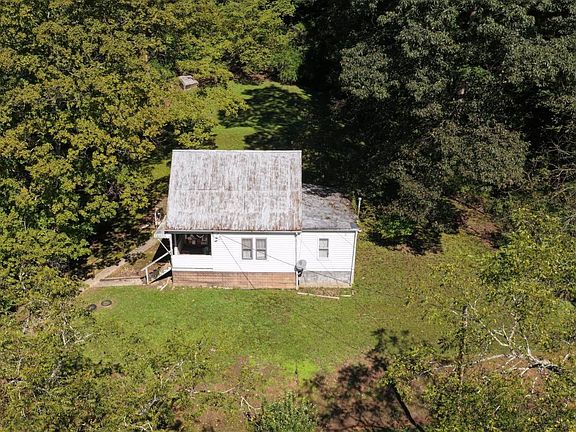
This rural property offers approximately 40 acres of varied terrain, including wooded mountainsides, gently sloping areas, bottomland, and a natural creek. The existing farmhouse adds historical character and potential for future restoration.
The property’s proximity to Glenville is another notable advantage, especially for buyers who appreciate country living but still require access to everyday conveniences.
| Property Details | Information |
|---|---|
| Asking Price | $130,000 |
| Address | 2208 US Highway 33 E, Glenville, WV 26351 |
| Property Type | Farm, Single Family Residence |
| Year Built | 1900 |
| Total Living Area | 1,080 Square Feet |
| Lot Size | 40 Acres |
| Stories | 2 |
| Bedrooms | 0 Listed |
| Bathrooms | 0 Listed |
| Architectural Style | Farmhouse |
| Water Features | Creek |
| Water Availability | Public Water and Private Well |
| Sewer Availability | Public Sewer and Private Septic |
| Gas | Available According to Listing |
| Annual Property Taxes | $500 |
| Tax Assessed Value | $82,500 |
| HOA | None Listed |
| Price Per Square Foot | $120 |
| MLS Number | 12001248 |
At the current asking price, the property represents approximately $3,250 per acre, including the existing farmhouse and other property features.
For individuals researching affordable acreage in West Virginia, the combination of an older residential structure, natural resources, and proximity to town makes this property worth investigating.
A Historic Farmhouse Dating Back to 1900
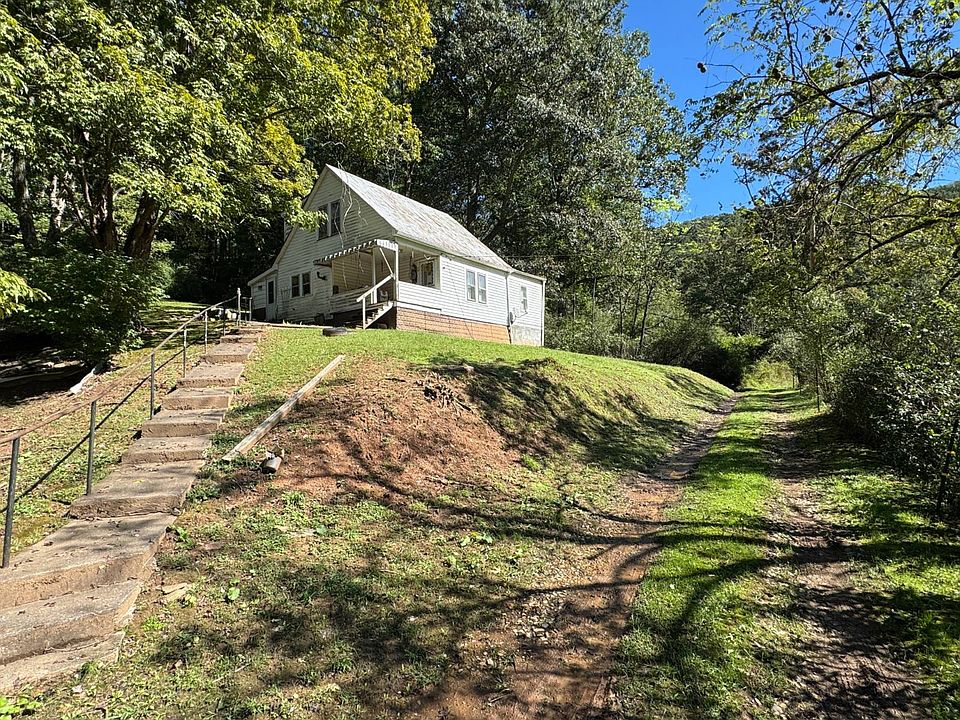
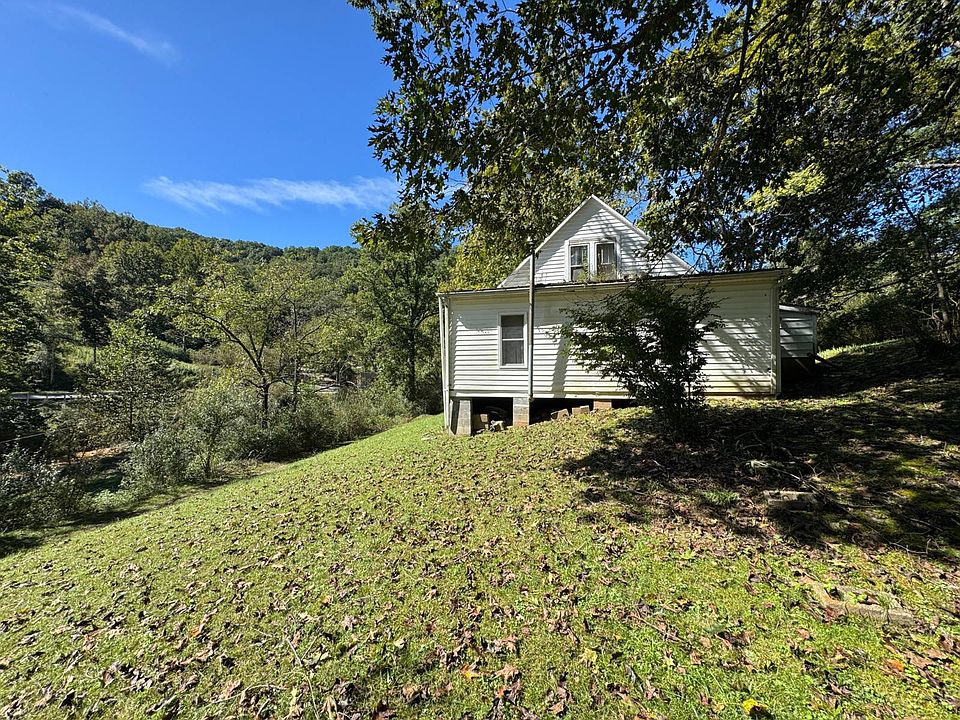
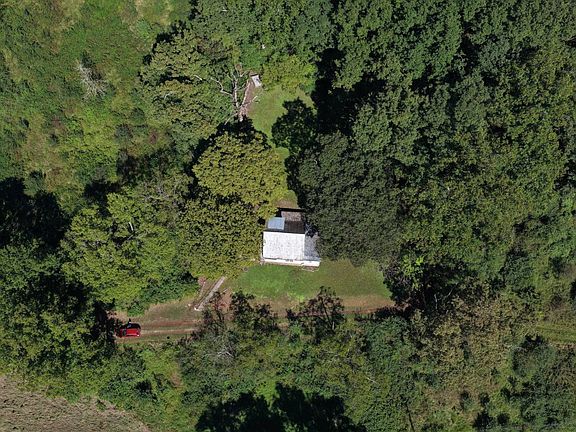
One of the most intriguing features of this Glenville property is its farmhouse, originally built in 1900.
Older American farmhouses often appeal to buyers who appreciate traditional architecture, historical character, and the opportunity to preserve a piece of the past.
This two-story farmhouse offers approximately 1,080 square feet of recorded living space. While the listing does not identify any bedrooms or bathrooms, the structure may provide a starting point for a substantial renovation project.
For buyers experienced in home improvement, construction, or historic property restoration, transforming an older farmhouse into a comfortable modern residence can be a rewarding experience.
A thoughtful renovation could potentially combine traditional architectural elements with contemporary conveniences, creating a home that reflects both its historical origins and the needs of modern rural living.
However, the actual structural condition of the farmhouse has not been established by the listing information.
Before purchasing, prospective buyers should arrange a professional inspection of the foundation, roofing, framing, electrical systems, plumbing, and other essential components.
Depending on its condition, the house may require extensive repairs, modernization, or complete reconstruction of certain areas.
Buyers should not assume that the farmhouse is currently suitable for occupancy simply because living space is recorded in the property details.
Farmhouse Renovation and Modernization Opportunities
Restoring an older farmhouse can provide opportunities to create a highly personalized living environment.
Unlike purchasing a recently completed home, renovating an existing structure allows buyers to make decisions about interior layouts, materials, energy efficiency, heating systems, and architectural details.
A comprehensive farmhouse renovation might include foundation stabilization, roof replacement, improved insulation, new flooring, updated electrical wiring, modern plumbing, kitchen improvements, bathroom installation, and exterior restoration.
Some buyers may prefer a traditional farmhouse design featuring natural wood, neutral colors, vintage-inspired fixtures, and comfortable country interiors.
Others may choose to introduce more contemporary elements, including open living spaces, energy-efficient windows, modern appliances, and advanced heating and cooling systems.
Before committing to a restoration project, obtaining estimates from qualified contractors is essential.
Older properties can contain hidden structural problems, moisture damage, outdated wiring, deteriorating plumbing, or environmental hazards that increase renovation costs.
A realistic renovation budget should account for professional inspections, permits, construction labor, building materials, and an emergency contingency fund.
In certain situations, building a new residence elsewhere on the property may be more practical or financially reasonable than attempting to restore the existing farmhouse.
The property’s extensive acreage creates the possibility of considering both options, subject to local requirements and suitable building conditions.
Explore 40 Acres of Beautiful West Virginia Countryside
The property’s 40 acres represent one of its most significant attractions.
Large rural parcels provide opportunities for recreation, privacy, agricultural projects, woodland management, and long-term land ownership that are rarely available with conventional residential properties.
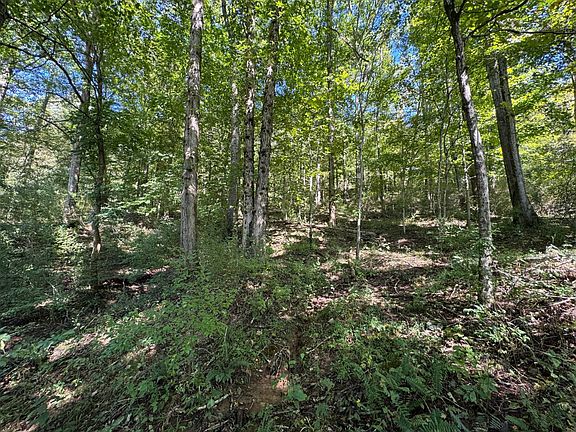
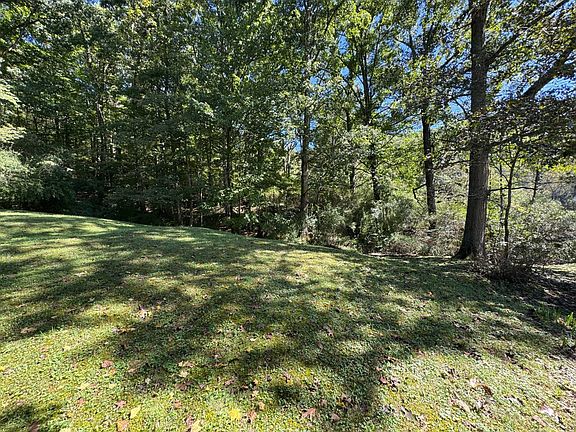
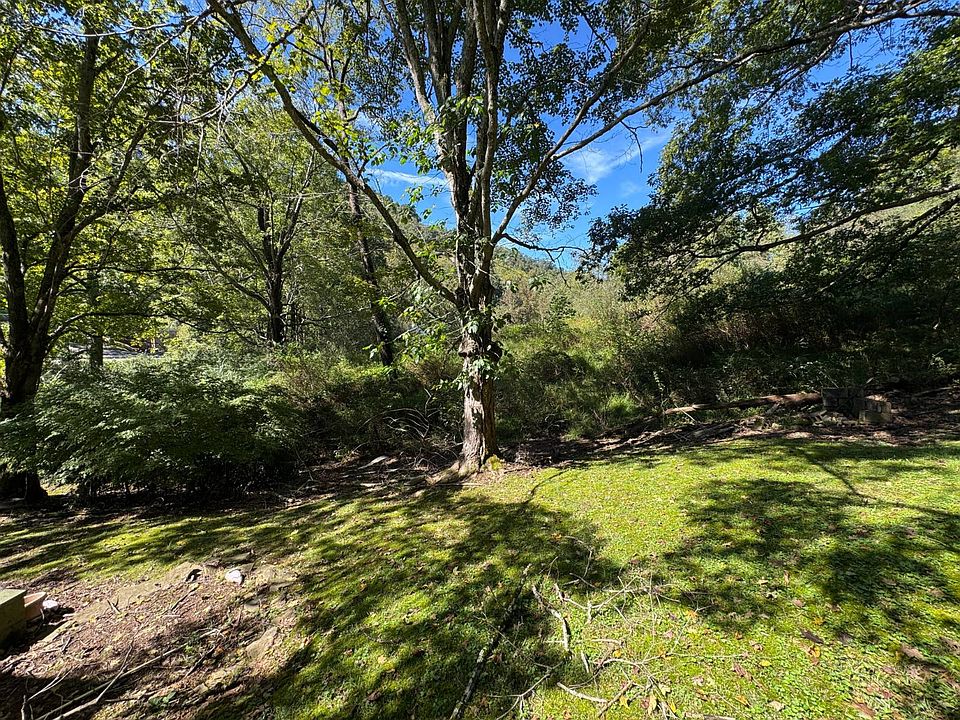
The land described in this listing includes a wooded mountainside, hardwood trees, gentler hillside areas, and bottomland.
This variety of terrain could appeal to buyers who enjoy natural scenery and appreciate the flexibility of owning different types of land within a single property.
The wooded sections may provide opportunities for walking trails, nature observation, and private outdoor recreation.
Meanwhile, the gentler terrain may offer more practical possibilities for construction, gardening, or agricultural development.
Prospective buyers should understand that not every acre of a mountain property will necessarily be suitable for building or farming.
Steep slopes, drainage patterns, soil conditions, and access limitations may affect how individual sections can be used.
A professional land survey and topographic assessment would help establish the exact boundaries and identify the most appropriate areas for future improvements.
With careful planning, this 40-acre property could accommodate a combination of residential living, recreational spaces, and responsible woodland management.
Mature Oak Trees and Hardwood Forests
According to the listing, the wooded portions of the property contain numerous oak trees and other hardwood species.
Hardwood forests are an attractive feature of many West Virginia rural properties, contributing to natural beauty, wildlife habitat, seasonal scenery, and privacy.
During the warmer months, mature trees can provide shaded outdoor spaces and a peaceful woodland atmosphere.
Autumn may bring colorful foliage, while winter reveals different perspectives of the surrounding mountain landscape.
For owners interested in sustainable land management, hardwood acreage may also offer opportunities to explore professional forestry practices.
A qualified forester could evaluate the condition, species composition, age, and potential value of the trees.
However, the presence of hardwood trees does not automatically establish commercial timber value.
Timber quality, accessibility, market demand, ownership rights, and harvesting expenses would need to be evaluated before considering any forestry-related income.
Selective woodland management may help maintain healthy forests while preserving the property’s scenic character and recreational appeal.
Buyers should also investigate whether timber rights are fully included in the real estate transaction.
A Natural Creek Flows Through the Property
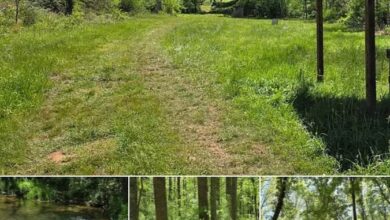
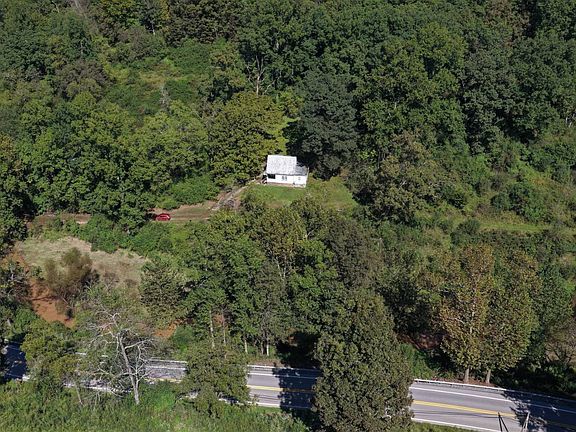
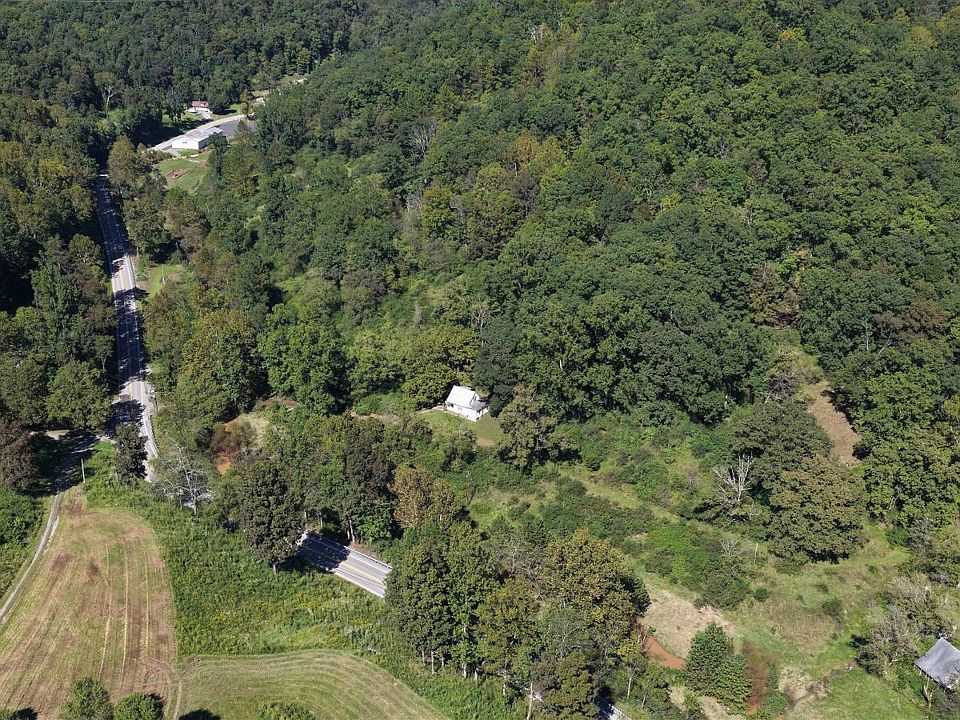
Another attractive feature is the creek that flows through the property near the road.
Natural water features can enhance the appeal of country real estate, particularly for buyers who appreciate peaceful landscapes and outdoor recreation.
A creek may create an inviting environment for nature photography, wildlife observation, and quiet afternoons spent outdoors.
The combination of flowing water, mature trees, and mountain scenery contributes to the property’s traditional Appalachian character.
The listing also states that a bridge crosses the creek, providing access to the property.
While this existing access feature could be useful, its structural condition, maintenance requirements, and ability to support different vehicles should be professionally evaluated.
Buyers should determine whether emergency vehicles, construction equipment, delivery trucks, and everyday passenger vehicles can safely cross the bridge.
The creek’s water quality, seasonal flow, and potential flooding should also be investigated.
Although natural water features can increase the enjoyment of rural land, they may introduce additional responsibilities involving erosion control, drainage, flood risk, and infrastructure maintenance.
Responsible property planning can help owners enjoy the creek while minimizing potential environmental and financial challenges.
Bottomland and Potential Building Areas
The property’s landscape includes some gentler hillside areas and bottomland that may provide opportunities for future improvements.
According to the listing, there is room for construction outside the floodplain, and some of the more level areas could potentially be cleared to create additional usable space.
This may be particularly attractive to buyers interested in constructing a new farmhouse, mountain cabin, workshop, garage, or agricultural building.
However, selecting an appropriate building site involves several important considerations.
Soil stability, drainage, slope, road access, utility connections, flood exposure, and construction costs all influence whether a particular location is suitable for development.
Building on a steep hillside may require additional engineering and foundation work, potentially increasing overall construction expenses.
Lower-lying areas may be easier to access but could experience drainage or flooding concerns.
Professional site assessments can help identify areas that balance privacy, scenic views, accessibility, and construction practicality.
Buyers should independently verify the listing’s statements about building outside the floodplain before beginning architectural planning or committing funds to construction.
Public Water and Sewer Availability
One feature that distinguishes this property from many remote rural parcels is the reported availability of public water and public sewer services.
Access to municipal utilities can be a significant consideration when evaluating future residential construction or renovation.
In many rural locations, buyers must install private wells and septic systems because public infrastructure is unavailable.
This Glenville property offers a potentially different situation, with both public and private utility options identified in the listing.
However, the public water and sewer services have not yet been connected to a dwelling.
Prospective buyers should contact the relevant utility providers to confirm service availability, connection requirements, installation fees, infrastructure capacity, and ongoing monthly expenses.
Connecting an existing farmhouse to public utilities may require excavation, plumbing improvements, permits, inspections, and other construction work.
If a new home is planned elsewhere on the property, the distance between the proposed building site and available utility connections may affect installation costs.
Verifying these details before purchasing could prevent unexpected expenses and provide a clearer understanding of the property’s development potential.
Private Water Well and Septic System
In addition to the reported availability of public utilities, the property also features a private water well and a private septic system.
These existing systems may provide additional options for future rural living, depending on their condition and compliance with applicable requirements.
A private well can potentially serve a residence independently of municipal water infrastructure.
However, older wells should be inspected to determine their depth, water production, mechanical condition, and water quality.
Professional laboratory testing is particularly important before using well water for drinking, cooking, or other household purposes.
The existing septic system should also be evaluated by a qualified professional.
Septic tanks, drain fields, and associated components can deteriorate over time or become unsuitable for modern residential requirements.
If the farmhouse is renovated or a larger home is constructed, additional septic capacity may be necessary.
Understanding the condition of these systems can help buyers compare the costs and benefits of using private infrastructure versus connecting to public utilities.
A Promising Location for Homesteading and Self-Sufficient Living
For individuals interested in homesteading, gardening, and a more independent lifestyle, owning 40 acres of West Virginia countryside can offer an appealing starting point.
The property’s combination of wooded acreage, bottomland, potential building areas, and existing utility infrastructure may support a variety of long-term projects.
A future homestead could potentially include vegetable gardens, fruit trees, greenhouses, equipment storage buildings, outdoor workshops, and small-scale agricultural areas.
Depending on land suitability and applicable regulations, owners might also consider raising poultry or other livestock.
The wooded sections could provide recreational spaces and opportunities for responsible forest management.
However, successful homesteading requires careful planning and realistic expectations.
Soil testing, sunlight exposure, drainage, fencing, water access, equipment costs, and maintenance responsibilities should all be considered.
Clearing brush or preparing previously unused land can require significant labor and investment.
A practical approach may involve developing essential residential infrastructure first, followed by gradual expansion into gardening, agriculture, and other homesteading activities.
For buyers who enjoy working outdoors and creating a property that reflects their own priorities, this Glenville acreage could offer a meaningful long-term project.
Mountain Views, Privacy and Outdoor Recreation
The listing describes mountain, private, scenic, and wooded views.
For many rural property buyers, these characteristics are just as important as the existing house itself.
Living near wooded mountain landscapes can create a quieter environment where residents have more opportunities to connect with nature and enjoy outdoor activities.
The property may appeal to individuals interested in hiking, camping, birdwatching, wildlife photography, gardening, and exploring the countryside.
With appropriate planning, future owners could potentially establish private walking trails through suitable sections of the forest.
Outdoor seating areas, gardens, and carefully located recreational spaces could further enhance the enjoyment of the property.
The combination of mountain terrain and mature woodland may provide a sense of separation from surrounding development, although actual privacy will depend on property boundaries, nearby residences, and the location of future structures.
Unlike a conventional suburban lot, extensive rural acreage allows owners to think beyond the immediate residential area and consider how the entire landscape might contribute to their lifestyle.
Abundant Wildlife in Gilmer County
Wildlife is another notable aspect of this West Virginia property.
According to the listing, deer are abundant on the land, while the surrounding region is home to additional wildlife species, including wild turkey and black bear.
For individuals who appreciate nature, the opportunity to observe wildlife can be an appealing part of rural property ownership.
Wooded landscapes, water sources, and varied terrain often provide important habitats for different species.
Birdwatchers and wildlife photographers may particularly enjoy exploring the property throughout different seasons.
However, living near wildlife also requires responsible property management.
Food storage, trash disposal, garden protection, and outdoor safety practices are especially important in areas where larger wildlife species may be present.
Owners should avoid feeding wild animals and follow appropriate guidance for minimizing unwanted wildlife encounters.
The property’s natural environment may contribute to its recreational appeal while offering opportunities to preserve and maintain valuable habitat.
Convenient Access to Downtown Glenville
Although the property offers substantial rural acreage, it is located approximately two miles from downtown Glenville, according to the listing.
This proximity to town may be a considerable advantage for buyers who want country living without giving up convenient access to everyday services.
Remote mountain properties can sometimes require lengthy drives for groceries, fuel, healthcare, supplies, and other necessities.
Being relatively close to Glenville may help reduce some of these challenges.
The listing also provides approximate driving times to several larger West Virginia communities, including one hour to Clarksburg and around one and a half hours to both Charleston and Parkersburg.
Actual travel times will depend on traffic, road conditions, weather, and the selected route.
For buyers planning to renovate the farmhouse or construct a new residence, proximity to town may also make it easier to coordinate contractors, purchase building materials, and arrange professional services.
Those considering permanent relocation should independently research nearby employment opportunities, healthcare facilities, shopping options, internet service, and other amenities important to their daily lives.
Rural Land Investment and Long-Term Property Ownership
Purchasing acreage can be an attractive option for buyers interested in diversifying their real estate holdings.
Land differs from conventional residential property because much of its potential value may come from location, natural resources, accessibility, development opportunities, and the amount of usable acreage.
At an asking price of $130,000 for approximately 40 acres, this property represents a purchase price of roughly $3,250 per acre.
However, determining whether a rural property is a good investment requires more than calculating its price per acre.
Buyers should evaluate comparable property sales, access conditions, utility availability, topography, flood risk, existing structures, and potential improvement expenses.
The property’s proximity to Glenville and reported availability of public utilities may be relevant factors when considering its long-term usability.
Land improvements such as better access roads, utility connections, drainage systems, and suitable residential construction could potentially enhance functionality and market appeal.
Nevertheless, future appreciation is not guaranteed.
Rural properties may experience fluctuations in demand, and selling large acreage can take longer than selling a conventional home in a highly active residential market.
A professional appraisal and comprehensive financial assessment can help prospective buyers determine whether the property aligns with their investment objectives.
Mortgage Options and Rural Property Financing
Financing is an important consideration when purchasing a property that combines an older farmhouse with substantial acreage.
The listing displays an estimated monthly payment of $817, but this figure should be treated as an illustrative estimate rather than a guaranteed mortgage offer.
Actual monthly payments depend on the purchase price, down payment, interest rate, loan term, credit profile, insurance, taxes, and lender requirements.
The farmhouse’s condition may also influence whether the property qualifies for conventional residential financing.
Mortgage lenders generally evaluate the safety, structural condition, habitability, and appraised value of a property before approving a loan.
Because the listing identifies zero bedrooms and zero bathrooms, prospective buyers should clarify the current condition of the residence with the listing agent and a qualified lender.
Depending on the circumstances, buyers might investigate conventional mortgages, specialized rural property loans, land financing, renovation loans, or construction financing.
Some buyers may choose to purchase the property first and complete renovations or new construction through separate financing arrangements.
Each option carries different eligibility requirements, costs, and financial obligations.
Obtaining lender prequalification and understanding the property’s financing limitations before making an offer can help prevent complications during the purchasing process.
Understanding the True Cost of Buying Rural Real Estate
The advertised purchase price is only one component of the total cost of acquiring and developing rural property.
Buyers should also account for closing costs, title insurance, legal expenses, inspections, surveys, and potential financing fees.
Properties with older structures may require additional financial reserves for unexpected repairs and infrastructure improvements.
For this Glenville property, potential expenses could include farmhouse renovation, bridge maintenance, utility connections, well repairs, septic improvements, vegetation clearing, driveway maintenance, and new construction.
The actual cost of these projects will depend on professional assessments and the buyer’s intended use of the property.
Developing a detailed budget before purchasing can help establish realistic expectations.
Rather than attempting to complete every improvement immediately, some owners may prefer a phased development strategy.
Essential safety repairs, reliable property access, water availability, and wastewater infrastructure would generally take priority over cosmetic improvements or recreational additions.
Maintaining sufficient emergency savings is also important when purchasing a rural property with uncertain infrastructure conditions.
Careful financial planning can make the difference between a manageable long-term project and an unexpectedly expensive ownership experience.
Property Insurance for Farmhouses and Large Acreage
Insurance is another important financial consideration when purchasing an older farmhouse and extensive rural land.
Standard homeowners insurance may not provide appropriate coverage if the residence is vacant, undergoing substantial renovation, or currently unsuitable for occupancy.
Depending on the intended use, prospective owners may need to investigate vacant property insurance, renovation insurance, farm insurance, land liability coverage, or specialized rural property policies.
The existing bridge and creek may introduce additional considerations related to property access, maintenance responsibilities, and flood exposure.
Standard homeowners insurance generally does not cover flood damage, making it important to investigate separate flood insurance when appropriate.
Buyers should obtain insurance quotes from qualified providers before closing.
Insurance companies may request information about the age of the house, roofing materials, electrical systems, heating equipment, occupancy status, and distance from emergency services.
Understanding insurance availability and costs early can help prospective buyers establish a more accurate annual ownership budget.
As improvements are completed, insurance coverage may need to be updated to reflect changes in the property’s condition and use.
Floodplain Considerations and Responsible Construction
Because a creek flows through the property, understanding flood exposure should be an essential part of the purchasing process.
The listing indicates that there is sufficient room for building outside the floodplain.
This could be a useful advantage for buyers considering new residential construction, but it should be independently verified through official flood maps and professional site assessments.
Floodplain boundaries can affect building permits, foundation requirements, insurance costs, and the feasibility of certain development projects.
Even areas outside officially designated flood zones can experience drainage problems or localized flooding during severe weather.
The bridge providing access to the property should also be evaluated in relation to potential high-water conditions.
A qualified engineer or other appropriate professional can help determine whether the existing crossing is suitable for long-term residential access.
Selecting an appropriate building site and incorporating effective drainage solutions may help reduce future risks and protect the owner’s investment.
Responsible construction planning is especially important when developing land near natural waterways.
Low Listed Annual Property Taxes
According to the supplied listing, the property has an annual property tax amount of $500 and a tax assessed value of $82,500.
Relatively modest property taxes may appeal to buyers who intend to hold rural acreage over an extended period.
Lower recurring expenses can make it easier to maintain land while gradually completing improvements.
However, the current tax amount is not necessarily representative of future obligations.
A change in ownership, property reassessment, new residential construction, or major improvements may affect the amount of property tax owed.
Buyers should verify current and anticipated tax obligations with the appropriate county authorities.
In addition to taxes, an annual ownership budget should include insurance, utility expenses, vegetation management, bridge and driveway maintenance, and repairs to existing structures.
Evaluating the complete financial picture is more useful than relying solely on the property’s affordable asking price.
No Homeowners Association and Reportedly No Zoning Restrictions
The listing identifies no homeowners association and describes the property as having no zoning or restrictions.
For buyers interested in customizing rural land, the absence of HOA regulations may provide greater flexibility than many planned residential communities.
Owners may have more freedom to explore residential designs, agricultural projects, workshops, gardens, and other improvements.
However, the listing’s description should not be interpreted as confirmation that every possible land use is permitted.
Building codes, deed restrictions, recorded easements, environmental regulations, wastewater requirements, floodplain rules, and state laws may still apply.
Before purchasing, prospective owners should review the property deed, title documentation, and relevant county requirements.
Consulting a qualified real estate attorney may be beneficial, particularly for buyers planning substantial construction, commercial activities, or specialized land uses.
Confirming these details early can help avoid legal complications and ensure that future plans are compatible with the property’s actual development rights.
Could This Property Become a Vacation Retreat?
The combination of wooded mountains, natural scenery, substantial acreage, and convenient access to town may appeal to buyers interested in creating a private vacation retreat.
A restored farmhouse or newly constructed cabin could potentially provide a comfortable getaway for individuals and families who appreciate outdoor experiences.
Possible recreational improvements might include walking trails, outdoor seating areas, gardens, and designated spaces for enjoying the countryside.
Some buyers may also consider exploring the potential for a future short-term rental business.
However, the listing does not establish that vacation rental operations, multiple dwellings, or commercial accommodation projects are permitted.
Such plans would require independent research into local regulations, insurance, utility capacity, construction costs, property access, and actual visitor demand.
Rental income should not be assumed when evaluating the purchase price.
A detailed business plan would need to account for operating expenses, maintenance, cleaning, marketing, taxes, financing, and occupancy fluctuations.
For many buyers, the property’s greatest potential may simply lie in creating a private retreat rather than pursuing a commercial development.
Essential Due Diligence Before Making an Offer
Purchasing 40 acres of rural land with an older farmhouse requires careful investigation.
A professional land survey can establish the exact property boundaries, acreage, access arrangements, and potential encroachments.
A title search can help identify liens, easements, deed restrictions, and other legal issues that could affect ownership.
Buyers should investigate whether mineral rights and timber rights are included in the sale.
The existing farmhouse should undergo a comprehensive structural inspection to determine whether restoration is practical.
Professional evaluations of the private well, septic system, bridge, and available utility connections are also important.
Floodplain research, soil assessments, and topographic surveys can help identify suitable construction areas.
Buyers interested in agricultural development should investigate soil fertility, drainage, sunlight exposure, and the cost of preparing the land.
Obtaining estimates from licensed contractors, utility providers, insurance companies, and other relevant professionals will provide a clearer understanding of the property’s potential expenses.
Thorough due diligence can help prospective owners make an informed decision and avoid relying on assumptions about the condition or development potential of the property.
Who Might Be Interested in This West Virginia Farmhouse?
This Glenville property may appeal to a broad range of rural real estate buyers.
Homesteading enthusiasts may appreciate the acreage, wooded surroundings, bottomland, and available utility options.
Buyers experienced in construction or historic home restoration may see potential in the farmhouse dating back to 1900.
Outdoor enthusiasts may value the creek, hardwood forests, wildlife, and mountain landscapes.
Long-term land investors may be interested in evaluating the property’s location, infrastructure, natural resources, and future development possibilities.
Individuals seeking a private country retreat could consider whether the property offers the balance of rural scenery and town accessibility they desire.
However, buyers searching for a move-in-ready residence should carefully investigate the farmhouse’s current condition.
This property appears particularly relevant to individuals who are comfortable evaluating renovation projects, managing rural acreage, and making improvements over time.
Frequently Asked Questions About This 40-Acre Property
How much does the Glenville farmhouse cost?
The property is listed for $130,000 and includes approximately 40 acres of land.
When was the farmhouse built?
According to the listing, the farmhouse was originally constructed in 1900.
How large is the house?
The listing records approximately 1,080 square feet of living space across two stories.
Does the farmhouse have bedrooms and bathrooms?
The listing records zero bedrooms and zero bathrooms. Buyers should contact the listing agent to clarify the interior layout and current habitability.
Is public water available?
Yes. Public water is reportedly available at the property, but it has not yet been connected to a dwelling.
Does the property have a septic system?
The listing identifies an existing private septic system as well as a private water well. Their operational condition should be verified.
Is there a creek on the property?
Yes. A creek flows through the property near the road, and an existing bridge provides access across it.
Can I build a new house on the land?
The listing describes potential building areas outside the floodplain. Buyers should independently verify site suitability, permits, utility requirements, and applicable regulations.
How far is the property from Glenville?
According to the listing, downtown Glenville is approximately two miles away.
What are the annual property taxes?
The supplied listing reports annual property taxes of $500.
Is there a homeowners association?
No homeowners association is listed.
Is the property suitable for homesteading?
The acreage, available utilities, wooded sections, and gentler terrain may provide opportunities for homesteading. Actual suitability will depend on soil conditions, infrastructure, land preparation, and applicable requirements.
Listing Information and Real Estate Contact
Interested buyers can contact the listing agent directly to request additional property information, confirm current availability, and arrange a private showing.
Property Address: 2208 US Highway 33 E, Glenville, WV 26351
Asking Price: $130,000
Total Acreage: 40 Acres
Farmhouse Size: 1,080 Square Feet
Year Built: 1900
Listing Agent: Isaiah Sattelmaier
Real Estate Brokerage: Central WV Real Estate, LLC
Contact Number: 681-533-5119
Listing Source: My State MLS
MLS Number: 12001248
Listing Updated: September 29, 2026
Final Thoughts: An Affordable Farmhouse With 40 Acres of Appalachian Beauty
This 40-acre property in Glenville, West Virginia, offers an appealing combination of historical character, natural landscapes, rural privacy, and potential development opportunities.
With an asking price of $130,000, the property includes a farmhouse dating back to 1900, mature hardwood forests, a natural creek, bottomland, and areas that may be suitable for future construction.
The reported availability of public water, public sewer, gas, a private well, and a private septic system adds another important dimension for prospective buyers evaluating residential development.
Its location approximately two miles from downtown Glenville may provide a practical balance between countryside living and access to everyday conveniences.
Whether the goal is restoring an old farmhouse, developing a private homestead, building a new country residence, enjoying recreational acreage, or acquiring land as part of a long-term real estate strategy, this property presents several possibilities worth exploring.
At the same time, buyers should carefully assess the farmhouse’s structural condition, bridge access, flood exposure, utility connection expenses, and applicable development requirements.
The opportunity lies not only in the existing property but also in what a future owner may be able to create through responsible planning, thoughtful improvements, and long-term commitment.
For those who dream of owning a piece of Appalachian countryside, this Glenville property could provide the foundation for a rewarding new chapter surrounded by the natural beauty of West Virginia.
Disclaimer: This article is for informational purposes only and is based on the supplied real estate listing. Property availability, asking price, taxes, financing estimates, structural conditions, and development possibilities are subject to change. Readers should independently verify all information with the listing agent and qualified professionals before making purchasing, financing, insurance, construction, or investment decisions.

From Zillow