Unique Properties
10.16 Acres of Peaceful Wooded Land in Pennsylvania for Just $49,900 – A Private Retreat Surrounded by Nature
$49,900 10.16 Acres

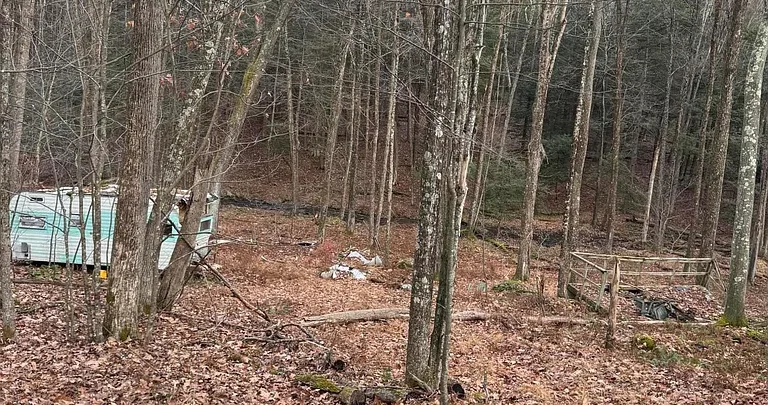
10.16 Acres of Peaceful Wooded Land in Pennsylvania for Just $49,900 – A Private Retreat Surrounded by Nature
Finding an affordable piece of land surrounded by mature trees, abundant wildlife, and beautiful natural scenery can be an exciting opportunity for anyone dreaming of a quieter lifestyle. Located at 4 Moon Lake Rd, Hunlock Creek, Pennsylvania, this approximately 10.16-acre property offers an appealing combination of privacy, recreational possibilities, and potential for future development.
Listed for just $49,900, this wooded acreage is situated in an area described by the listing as being in the heart of Pinchot State Forest. The surrounding natural environment provides an attractive setting for buyers who appreciate outdoor recreation, country living, and the peaceful atmosphere of Pennsylvania’s countryside.
Whether you are interested in building a custom cottage, establishing a private weekend retreat, purchasing recreational land, or exploring long-term real estate investment opportunities, this property offers several interesting possibilities.
With more than 10 acres of land, mature woodland, and remarkably low reported annual property taxes, this Pennsylvania listing may attract individuals looking for an affordable alternative to traditional residential real estate.
For buyers willing to investigate the property’s development requirements and infrastructure needs, this wooded parcel could become the foundation for an exciting future project.
Property Overview and Listing Details
| Property Details | Information |
|---|---|
| Asking Price | $49,900 |
| Property Address | 4 Moon Lake Rd, Hunlock Creek, PA 18621 |
| Property Type | Unimproved Land |
| Lot Size | 10.16 Acres |
| County | Luzerne County |
| Bathrooms | 0 |
| Landscape | Wooded Land |
| Lot Dimensions | 364.09 × 1,216.12 Feet |
| Zoning | Agricultural |
| Water Supply | None |
| Annual Property Taxes | $10 |
| Parcel Number | 49I600A004004 |
| MLS Number | 26-6009 |
| Listing Date | November 17, 2026 |
An Affordable Opportunity to Own More Than 10 Acres in Pennsylvania
Purchasing a substantial piece of rural land can provide opportunities that are difficult to find in densely populated residential communities.
Instead of living close to neighboring houses, busy streets, and commercial developments, landowners may enjoy additional privacy, natural surroundings, and greater flexibility when planning future improvements.
This approximately 10.16-acre property in Hunlock Creek offers a significant amount of space at an advertised purchase price below $50,000.
For prospective buyers interested in affordable land for sale in Pennsylvania, the listing presents an opportunity to explore rural property ownership without immediately purchasing an expensive residential structure.
The property’s wooded character may be particularly attractive to individuals who value natural landscapes and want to preserve the surrounding environment.
Unlike a conventional building lot in a suburban development, this acreage could potentially accommodate a variety of personal projects, depending on local regulations, environmental conditions, and development feasibility.
However, prospective owners should remember that unimproved land requires careful financial planning. The purchase price represents only one part of the total investment, especially if the buyer intends to construct a residence or install essential utilities.
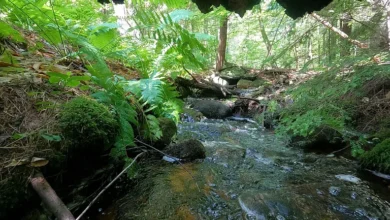
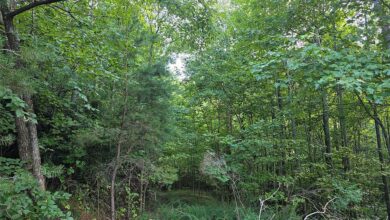
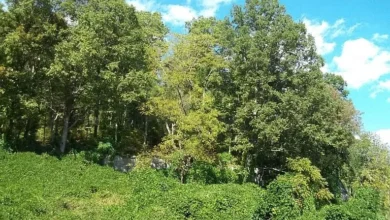
Mature Trees and a Beautiful Natural Woodland Setting
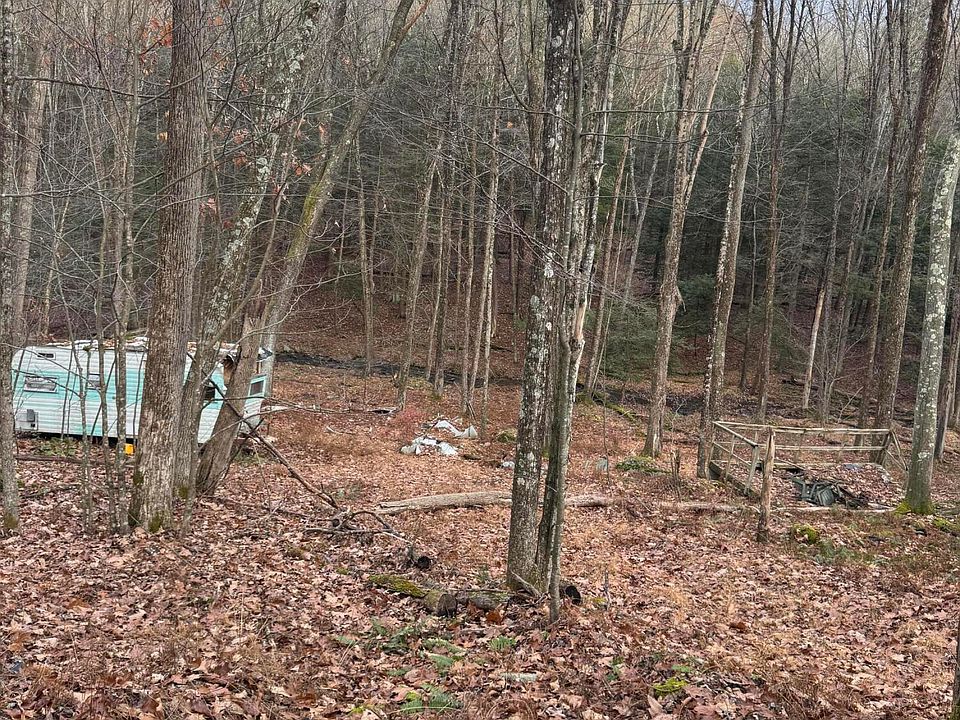
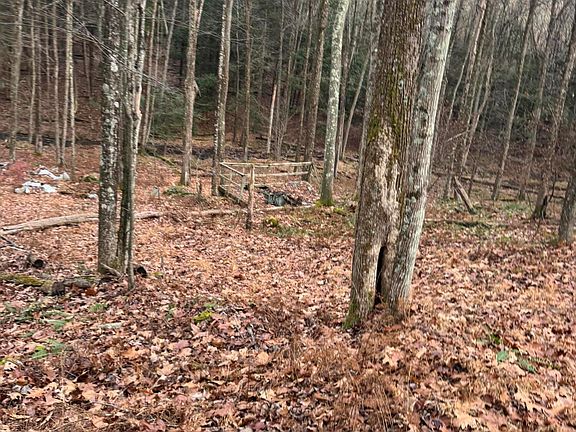
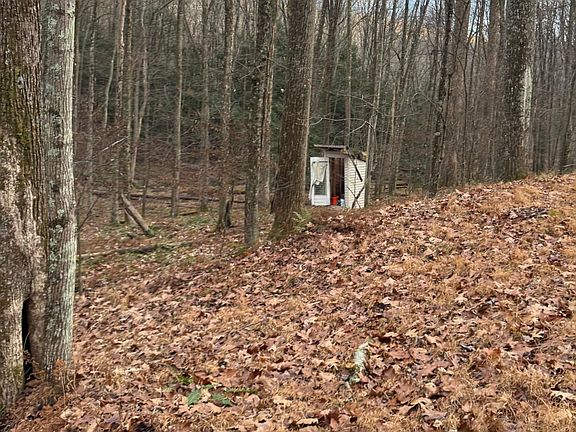
One of the most appealing characteristics of this Pennsylvania property is its mature tree coverage.
The listing emphasizes the peaceful surroundings, established woodland, and abundant local wildlife, creating an attractive environment for people who enjoy spending time outdoors.
Mature trees can contribute to a property’s natural beauty while providing shade, privacy, and seasonal scenery.
During the warmer months, the surrounding forest may offer a refreshing green landscape. Autumn can bring colorful foliage, while winter may transform the wooded acreage into a peaceful seasonal retreat.
For buyers who appreciate nature, owning a wooded property can provide opportunities to enjoy quiet mornings, observe wildlife, explore private trails, and spend time away from everyday distractions.
The property’s existing vegetation may also serve as a natural foundation for future landscaping projects.
Rather than clearing the entire parcel, prospective owners could potentially preserve significant portions of the woodland while identifying suitable locations for a cottage, driveway, or other legally permitted improvements.
A professional forestry or site assessment may help determine the condition of existing trees and identify areas that should be protected during development.
A Private Escape From Busy City Life
Modern life often involves demanding schedules, traffic congestion, crowded neighborhoods, and constant exposure to technology.
For some individuals, purchasing rural recreational land represents an opportunity to establish a personal retreat where they can enjoy a slower pace of life.
This wooded Pennsylvania acreage may appeal to buyers who want a peaceful place to spend weekends, holidays, or extended periods away from urban environments.
With more than 10 acres of private land, prospective owners could potentially create an outdoor setting that reflects their personal interests and lifestyle preferences.
Imagine spending a quiet morning surrounded by mature trees, enjoying the sounds of birds, walking through woodland paths, or relaxing outdoors without the usual distractions of city living.
Although the property does not currently include a finished home, its natural surroundings provide an interesting starting point for individuals interested in developing a private country retreat.
Buyers should independently evaluate the surrounding area, neighboring properties, accessibility, and local infrastructure to determine whether the location meets their expectations for privacy and convenience.
Located Near the Natural Beauty of Pinchot State Forest
The property’s listing highlights its location within the broader natural setting of Pinchot State Forest.
For outdoor enthusiasts, proximity to forested public lands may represent a significant lifestyle advantage.
Pennsylvania’s forest landscapes provide opportunities for appreciating nature, exploring scenic surroundings, and participating in various outdoor recreational activities where permitted.
Individuals interested in hiking, wildlife photography, birdwatching, mountain biking, and other outdoor experiences may find this type of location appealing.
Owning private acreage near public recreational areas can potentially offer a combination of personal outdoor space and access to additional regional attractions.
However, buyers should independently confirm the property’s exact relationship to state forest boundaries, public access points, surrounding land ownership, and applicable recreational regulations.
The listing’s description should not be interpreted as confirmation that the property directly borders public land or includes special access rights.
Understanding these details before purchasing can help buyers evaluate the property’s recreational advantages more accurately.
Build Your Dream Custom Cottage in Pennsylvania
The possibility of constructing a custom cottage is one of the ideas highlighted in the property listing.
For individuals who have always dreamed of owning a small home surrounded by trees, this approximately 10.16-acre parcel may provide an interesting opportunity to explore custom home development.
Potential architectural concepts could include a traditional woodland cabin, a modern countryside cottage, a rustic timber-frame retreat, or an energy-efficient contemporary residence.
Building a custom home allows prospective owners to consider their preferred floor plan, interior finishes, architectural style, and long-term lifestyle needs from the beginning.
Large windows could potentially provide views of the surrounding trees, while outdoor decks and covered porches might create attractive spaces for enjoying the natural environment.
A carefully designed cottage could preserve much of the property’s wooded character while providing comfortable accommodation.
However, construction is not guaranteed simply because the parcel contains more than 10 acres.
Agricultural zoning, soil conditions, road access, utility availability, building requirements, and wastewater regulations must all be investigated before development begins.
Working with a qualified architect, residential builder, and appropriate local authorities can help determine which construction options are feasible.
Agricultural Zoning and Potential Property Uses
According to the listing, the property is classified under agricultural zoning.
Agricultural zoning may accommodate certain rural land uses, but the specific activities permitted depend on applicable local regulations and the property’s individual circumstances.
Prospective buyers may be interested in exploring possibilities such as residential construction, small-scale gardening, recreational use, woodland management, or other compatible rural activities.
Nevertheless, agricultural zoning should not be interpreted as unrestricted permission to construct buildings, operate a business, establish a campground, or keep livestock.
Different uses may require separate approvals, permits, minimum setbacks, or compliance with environmental and infrastructure requirements.
Anyone purchasing the property with a specific development plan should contact the appropriate municipal zoning office before closing.
Obtaining written information regarding permitted uses can provide valuable protection against unexpected restrictions.
Buyers should also review recorded deed restrictions, easements, and other legal documentation that could affect the property’s future use.
A real estate attorney familiar with rural land transactions may assist with this process.
Land Investment Opportunities in Pennsylvania
Purchasing rural acreage is one real estate strategy that some individuals consider when looking to diversify their assets.
Unlike buying an existing residential building, acquiring unimproved land may allow investors to hold a property without immediately taking on extensive building maintenance responsibilities.
At $49,900 for approximately 10.16 acres, this Pennsylvania listing has an advertised purchase price of roughly $4,911 per acre.
This figure may provide a useful starting point for comparing the parcel with other wooded properties in the surrounding region.
However, evaluating a land investment requires considerably more than comparing asking prices and acreage.
Factors such as legal access, development rights, infrastructure availability, environmental conditions, timber characteristics, and comparable real estate sales may significantly influence market value.
The property’s future appreciation will depend on regional demand, economic conditions, development possibilities, and other factors that cannot be guaranteed.
Vacant land may also take longer to sell than conventional residential properties, particularly in areas with limited buyer demand.
Investors should carefully evaluate their financial objectives, anticipated holding period, and ongoing ownership expenses before purchasing.
For buyers who also value personal recreational use, the property may offer a combination of lifestyle benefits and potential long-term ownership opportunities.
Land Financing and Mortgage Loan Options
Financing the purchase of unimproved land can be different from obtaining a traditional mortgage for an existing house.
Because this property does not include a finished residential building, lenders may classify it as vacant land, recreational acreage, or agricultural property.
Land loans may have different down payment requirements, interest rates, repayment periods, and eligibility standards compared with conventional residential mortgages.
Lenders generally consider the borrower’s financial circumstances, credit history, income, existing debt obligations, and intended use of the property.
The property’s appraised value, accessibility, zoning classification, and infrastructure availability may also influence financing decisions.
Prospective buyers could investigate financing options through local banks, credit unions, agricultural lenders, and financial institutions experienced in rural land transactions.
Buyers planning to construct a residence may also wish to explore construction loans or construction-to-permanent mortgage programs.
These financing arrangements may help eligible borrowers organize land acquisition and construction expenses, depending on lender requirements.
Obtaining preliminary financing information before making an offer can help buyers determine whether the property fits their overall financial plans.
Estimated Down Payment Options for a $49,900 Land Purchase
| Down Payment | Initial Payment | Remaining Loan Amount |
|---|---|---|
| 10% | $4,990 | $44,910 |
| 15% | $7,485 | $42,415 |
| 20% | $9,980 | $39,920 |
| 25% | $12,475 | $37,425 |
| 30% | $14,970 | $34,930 |
| 40% | $19,960 | $29,940 |
| 50% | $24,950 | $24,950 |
These examples are provided for general budgeting purposes and do not represent confirmed financing offers. Actual borrowing requirements will depend on lender policies, property eligibility, creditworthiness, and prevailing interest rates.
Closing costs, insurance premiums, loan fees, and development expenses are not included in these calculations.
Remarkably Low Reported Annual Property Taxes of Just $10
One of the most unusual features of this listing is the reported annual property tax amount of only $10.
If accurate and applicable to the current parcel, this figure could make the land particularly interesting to buyers considering long-term ownership without immediate development.
However, prospective purchasers should treat this unusually low reported tax amount with caution until it has been independently verified.
The figure may reflect a particular assessment arrangement, land classification, partial tax reporting, preferential tax treatment, or other circumstances that are not explained in the listing.
Property taxes could also increase following a reassessment, ownership changes where applicable, construction, or modifications to the property’s use.
Anyone considering purchasing the land should contact the appropriate Luzerne County assessment and tax offices to confirm the complete annual tax obligation.
Buyers should also investigate whether the property participates in any agricultural or preferential assessment program that could create additional obligations following development or a change in land use.
Understanding the actual tax situation is essential before calculating long-term ownership costs or evaluating the property as an investment.
Water Supply and Private Well Installation Considerations
The property listing indicates that there is currently no water supply.
This is an important consideration for prospective buyers planning to construct a cottage, cabin, or permanent residence.
Depending on local conditions and infrastructure availability, developing a reliable water supply may involve installing a private well or investigating other legally permitted water service options.
Private well installation costs can vary depending on drilling depth, geological conditions, water availability, equipment requirements, and contractor expenses.
A complete residential water system may require a well pump, pressure tank, electrical connections, filtration equipment, and appropriate water testing.
Before purchasing the property, buyers should consult qualified local well contractors to obtain preliminary estimates and investigate regional groundwater conditions.
Testing drinking water quality is also an essential step before using a private well for household consumption.
Because no existing water service is reported, the cost of establishing a dependable supply should be included in the overall construction budget.
A relatively affordable land purchase may still require substantial infrastructure investment before residential occupancy becomes possible.
Electricity, Septic Systems, and Essential Infrastructure
Developing unimproved land often involves installing infrastructure that is already present when purchasing an existing home.
The supplied listing does not establish whether electricity, sewer service, or an approved septic system is available on this parcel.
Prospective owners should investigate the location of nearby electrical infrastructure and determine whether utility extensions would be required.
Depending on the distance from existing service lines, electrical installation costs could include utility poles, underground connections, meters, trenching, and professional labor.
Wastewater disposal is another essential consideration.
If public sewer service is unavailable, a future residence may require an approved private septic system.
Septic feasibility depends on soil conditions, drainage characteristics, groundwater levels, available installation space, and applicable health regulations.
A professional soil evaluation and any required testing should be completed before buyers assume that residential construction is practical.
Other infrastructure considerations may include internet availability, mobile phone reception, driveway construction, emergency vehicle access, and waste collection services.
Careful investigation of these requirements can help buyers avoid unexpected expenses after purchasing the land.
Custom Home Construction Costs and Budget Planning
Although the property’s asking price is below $50,000, the total cost of creating a finished residential retreat could be significantly higher.
Building a custom home involves multiple stages, beginning with site evaluation and continuing through architectural design, construction, inspections, and final infrastructure installation.
Buyers should prepare a comprehensive budget that accounts for both land acquisition and future development expenses.
Potential development costs include:
-
Architectural design and engineering services.
-
Professional land surveying.
-
Building permits and inspections.
-
Tree removal and site preparation.
-
Excavation and foundation construction.
-
Driveway installation or improvements.
-
Private well drilling and water systems.
-
Septic system installation.
-
Electrical connections and utility extensions.
-
Building materials and contractor labor.
-
Construction insurance and financing expenses.
-
Landscaping and drainage improvements.
-
Contingency funds for unexpected expenses.
The final cost will depend on the size and complexity of the proposed residence, the physical characteristics of the land, and local construction market conditions.
Obtaining detailed estimates from qualified professionals before beginning development can help ensure that the project remains financially manageable.
Property Insurance for Vacant and Recreational Land
Insurance is an important consideration for anyone purchasing rural acreage.
Even when a property does not contain a residential building, landowners may face potential liability associated with visitors, accidents, falling trees, unauthorized access, and other circumstances.
Vacant land insurance or specialized recreational property coverage may be worth investigating.
Depending on the intended use of the acreage, an insurance professional may recommend liability coverage or other forms of protection.
Once construction begins, builder’s risk insurance may become relevant for protecting building materials and unfinished structures against covered losses.
After a cottage or residence is completed, homeowners insurance or a specialized seasonal property insurance policy may be appropriate.
Insurance premiums and eligibility can depend on the property’s location, accessibility, construction materials, heating systems, surrounding vegetation, and proximity to emergency services.
Buyers should compare insurance quotes and carefully review policy exclusions before selecting coverage.
Including insurance expenses in the initial ownership budget can help provide a more realistic understanding of the property’s long-term financial requirements.
A Potential Destination for Outdoor Recreation
The combination of more than 10 acres, mature woodland, and natural surroundings makes this Pennsylvania listing potentially attractive to outdoor enthusiasts.
Owning private wooded acreage may allow individuals to enjoy recreational activities without constantly traveling to crowded public destinations.
Depending on property conditions and applicable regulations, possible activities could include hiking, birdwatching, nature photography, wildlife observation, camping, and developing private walking paths.
The surrounding forest environment may also provide opportunities to appreciate Pennsylvania’s changing seasons and natural landscapes.
For individuals who enjoy outdoor recreation, the property could potentially serve as a personal base for exploring the wider region.
Buyers interested in hunting, motorized recreational vehicles, overnight camping, or other activities should verify local regulations, deed restrictions, and property boundaries.
Responsible land management can help preserve the woodland environment while allowing owners to enjoy their recreational interests.
Abundant Wildlife and Nature Observation Opportunities
The property listing specifically highlights abundant local wildlife as one of its appealing characteristics.
Forested environments can provide habitats for a variety of animals, birds, and other wildlife.
For nature enthusiasts, the opportunity to observe wildlife in a peaceful woodland setting may be an important reason to consider purchasing rural acreage.
Photography, birdwatching, and quiet walks through natural surroundings can provide enjoyable ways to spend time outdoors.
Property owners may also wish to preserve native vegetation and minimize unnecessary disturbances to the surrounding habitat.
However, the presence of wildlife also creates practical considerations for future development.
Building placement, waste management, landscaping choices, and food storage should be planned with the natural environment in mind.
Maintaining a respectful distance from wild animals and following applicable wildlife regulations can help protect both people and the surrounding ecosystem.
The specific wildlife species and their frequency on this parcel have not been independently established.
Could This Property Become an Off-Grid Retreat?
Off-grid living appeals to individuals who want to explore greater independence, simpler lifestyles, and alternative energy solutions.
This unimproved wooded property may attract buyers interested in developing a small off-grid cabin or seasonal retreat.
Because the listing reports no existing water supply, prospective owners would need to carefully investigate how essential services could be established.
Potential off-grid systems might include solar energy, battery storage, private water infrastructure, efficient heating equipment, and legally approved wastewater solutions.
The property’s mature trees could provide natural shade, although extensive tree coverage may also reduce the sunlight available for solar energy generation.
A professional assessment can help identify whether the land offers suitable locations for renewable energy installations.
Off-grid development requires careful budgeting because equipment, installation, maintenance, and replacement expenses can be substantial.
Buyers should also understand that off-grid properties remain subject to applicable construction, environmental, sanitation, and safety requirements.
A successful off-grid project depends on realistic planning rather than simply purchasing remote or wooded land.
Solar Energy and Sustainable Cottage Construction
Purchasing undeveloped land gives prospective homeowners an opportunity to incorporate energy-efficient features into the initial design of a future residence.
Rather than upgrading an older building, buyers can consider modern insulation, efficient windows, ventilation systems, and heating equipment before construction begins.
Solar energy could potentially form part of a sustainable building strategy, depending on sunlight exposure and site conditions.
Other possibilities include energy-efficient appliances, appropriately sized heat pumps, water conservation systems, and environmentally responsible building materials.
Preserving existing trees where practical may provide shade during warmer months and contribute to the property’s natural character.
However, the benefits of specific energy systems depend on construction quality, local climate, electricity costs, maintenance requirements, and household consumption.
Prospective homeowners should compare installation costs and anticipated long-term expenses before selecting energy technologies.
Working with professionals experienced in rural construction may help buyers identify solutions that are both practical and financially appropriate.
A Potential Weekend Getaway for Families
For families interested in spending more quality time outdoors, owning a private recreational property may offer an alternative to repeatedly booking vacation accommodation.
A wooded retreat could provide a familiar destination for weekend visits, seasonal holidays, and family gatherings.
With approximately 10.16 acres, the property offers room to explore potential outdoor projects while maintaining significant natural surroundings.
Subject to appropriate approvals, families might consider creating walking trails, designated outdoor seating areas, picnic spaces, or a comfortable seasonal cottage.
The property’s natural environment could encourage activities such as photography, outdoor reading, nature observation, and relaxing away from digital distractions.
Before developing a family retreat, however, owners must address essential safety and infrastructure requirements.
Reliable drinking water, appropriate sanitation, safe access, emergency preparedness, and legally approved accommodation are important considerations.
A thoughtfully planned woodland retreat could provide lasting personal enjoyment for families who appreciate rural environments.
Agricultural Land and Small-Scale Homesteading Possibilities
Some buyers may consider this acreage as a potential starting point for a small homestead.
The agricultural zoning classification may encourage prospective owners to investigate permitted rural activities, although the exact allowable uses require independent confirmation.
Potential ideas might include vegetable gardens, fruit trees, small-scale food production, woodland management, or an outdoor workshop.
However, wooded acreage is not automatically suitable for agriculture.
Mature tree coverage, soil composition, sunlight availability, drainage, and terrain can all influence the practicality of gardening or farming.
Preparing land for cultivation may require selective clearing, soil improvements, fencing, and access to a dependable water supply.
Buyers interested in keeping animals or establishing agricultural structures should contact the appropriate local authorities to confirm applicable requirements.
Small-scale homesteading can provide personal satisfaction, but it also involves significant time, financial investment, and ongoing maintenance.
A gradual development approach may help owners better understand the land’s characteristics before undertaking larger projects.
Purchasing Land Today and Building in the Future
Not every buyer interested in rural property is ready to begin residential construction immediately.
Some individuals prefer to purchase land first and gradually prepare for a future building project.
This approach may provide time to research architectural designs, compare construction estimates, improve financial readiness, and investigate utility installation options.
At an advertised price of $49,900, this Pennsylvania property may appeal to buyers considering such a strategy.
However, holding vacant land is not entirely free of financial responsibilities.
Property taxes, insurance, vegetation management, access maintenance, financing payments, and other expenses may continue throughout the ownership period.
Buyers should investigate whether deed restrictions or financing agreements impose any construction deadlines.
Future development costs may also change because of material prices, labor expenses, infrastructure requirements, and regulatory changes.
A realistic long-term plan should account for these uncertainties rather than assuming that future construction will remain affordable.
Real Estate Closing Costs and Title Insurance
When purchasing vacant land, buyers should remember that the advertised asking price is not necessarily the total amount required to complete the transaction.
Real estate closing costs may include title searches, title insurance, attorney fees, recording expenses, surveys, transfer-related charges, lender fees, and appraisal costs.
The exact amount will depend on the purchase agreement, financing arrangement, local requirements, and selected professional service providers.
A title search can help identify recorded ownership interests, easements, liens, deed restrictions, and other matters affecting the property.
Title insurance may provide protection against certain covered ownership-related problems, subject to policy terms and exclusions.
For rural land purchases, verifying legal road access and recorded property boundaries is especially important.
Buyers should request an itemized estimate of anticipated closing costs before completing the purchase.
Doing so can help them establish a realistic acquisition budget and avoid unexpected financial obligations.
Property Boundaries, Land Surveys, and Road Access
The listing reports lot dimensions of approximately 364.09 by 1,216.12 feet.
Although these measurements provide a general indication of the property’s configuration, a professional survey is the most reliable way to establish exact boundaries and identify potential encroachments.
Buyers should also confirm whether the acreage has legally documented access from a public road.
The presence of a road address does not necessarily establish that all necessary access rights, driveway approvals, or maintenance arrangements are in place.
If access depends on private roads or easements, the relevant legal documents should be carefully reviewed.
Future construction may require sufficient space for utility installations, emergency vehicles, delivery trucks, and heavy equipment.
Evaluating access conditions before purchasing can help determine whether the property is suitable for the buyer’s intended use.
A qualified land surveyor and real estate attorney may provide valuable assistance during this process.
Environmental Considerations Before Developing Forested Land
Purchasing wooded acreage involves responsibilities that extend beyond financial planning.
Before clearing trees or constructing buildings, buyers should understand the property’s environmental conditions and any applicable protections.
Wetlands, steep slopes, drainage patterns, sensitive habitats, and other natural characteristics may influence development possibilities.
A professional environmental or site assessment can help identify areas that may require special consideration.
Buyers should investigate whether tree removal, grading, road construction, or other land disturbances require approvals.
Preserving portions of the existing forest may help maintain wildlife habitat, reduce erosion, and protect the property’s natural appearance.
Thoughtful development can allow owners to balance personal enjoyment with responsible land stewardship.
Because the property’s detailed environmental conditions are not established in the listing, buyers should avoid assuming that every portion of the acreage is suitable for construction.
Important Questions to Ask Before Purchasing This Pennsylvania Property
Before making an offer, prospective buyers should investigate several practical and financial issues.
Confirming the reported acreage, exact boundaries, agricultural zoning requirements, and legal road access should be among the first priorities.
It is equally important to investigate whether residential construction is permitted, whether the soil can support an approved septic system, and how a dependable water supply could be established.
Potential owners should obtain preliminary estimates for electricity installation, site preparation, driveway development, insurance, and construction.
The unusually low reported property tax amount should be verified directly with the appropriate tax authorities.
Buyers should also investigate flood risks, environmental restrictions, title documentation, nearby land ownership, and any recorded easements.
An in-person property inspection can provide valuable insight into terrain, tree coverage, accessibility, and the surrounding environment.
Completing these investigations before closing can help buyers determine whether the property represents an appropriate purchase for their financial situation and intended lifestyle.
Frequently Asked Questions About This Pennsylvania Land for Sale
How much does this 10-acre Pennsylvania property cost?
The advertised asking price is $49,900.
What is the exact size of the property?
The listing reports approximately 10.16 acres of unimproved land.
Is there an existing house or cabin on the property?
No existing residential structure is identified in the supplied listing.
Can I build a custom cottage on this property?
The listing highlights custom cottage construction as a potential use. However, buyers must independently verify zoning regulations, building requirements, access, utility availability, and development feasibility.
What is the property’s zoning classification?
The property is listed as agriculturally zoned.
Does the land have a water supply?
No. The listing indicates that there is currently no water supply. Buyers should investigate private well installation or other approved water service options.
Is electricity available?
The supplied listing does not confirm electrical service availability. Buyers should contact the appropriate utility provider.
Does the property have a septic system?
An existing septic system is not identified in the listing. Wastewater disposal options and soil suitability should be investigated before construction.
How much are the annual property taxes?
The listing reports annual property taxes of $10. This unusually low amount should be independently verified before purchasing.
Is the property suitable for recreational activities?
The property is marketed as wooded recreational acreage. Permitted activities will depend on local regulations, property conditions, and any applicable restrictions.
Can the property be used for off-grid living?
Off-grid development may be worth investigating, but buyers must establish legally compliant water, wastewater, energy, and residential infrastructure.
Can I obtain a loan to purchase this land?
Potential buyers may explore vacant land loans, recreational property financing, or construction-related loan programs. Actual eligibility depends on lender requirements.
Is this property a guaranteed real estate investment?
No. Future appreciation and investment returns cannot be guaranteed. Buyers should conduct independent market research and financial evaluations.
How much does the property cost per acre?
Based on the advertised asking price and reported acreage, the property costs approximately $4,911 per acre.
Are there homeowners association fees?
The supplied listing does not establish whether an HOA exists or whether any association fees apply. Buyers should verify this information with the listing agent.
Final Thoughts: An Affordable Woodland Retreat With Exciting Possibilities
This approximately 10.16-acre property at 4 Moon Lake Rd, Hunlock Creek, Pennsylvania, presents an interesting opportunity for individuals searching for affordable wooded acreage surrounded by nature.
With an advertised purchase price of $49,900, mature trees, abundant local wildlife, agricultural zoning, and a peaceful natural setting, the property may appeal to recreational buyers, future homeowners, outdoor enthusiasts, and individuals considering long-term land ownership.
Its location within the broader Pinchot State Forest area adds to its potential recreational appeal.
Whether your dream involves creating a custom woodland cottage, establishing a weekend retreat, exploring sustainable living, or purchasing rural property for future development, this Pennsylvania acreage offers possibilities worth investigating.
Nevertheless, prospective buyers should carefully evaluate the property’s infrastructure needs, particularly the absence of an existing water supply.
Development costs, zoning requirements, legal access, utility availability, environmental conditions, and the reported property tax amount should all be independently verified.
For individuals who appreciate mature woodland, peaceful natural surroundings, and the opportunity to shape their own rural property, this affordable Pennsylvania listing could represent the beginning of an exciting new chapter.
Listing Information and Contact Details
Property Address: 4 Moon Lake Rd, Hunlock Creek, PA 18621
Asking Price: $49,900
Total Acreage: 10.16 Acres
Property Type: Unimproved Land
Listed By: Michelle DeFranco
Real Estate Agency: Advanced Realty Solutions, LLC
Contact Number: 570-441-7856
MLS Number: 26-6009
Parcel Number: 49I600A004004
Listing Source: Luzerne County AOR
Listing Updated: November 23, 2026
From Zillow