Unique Properties
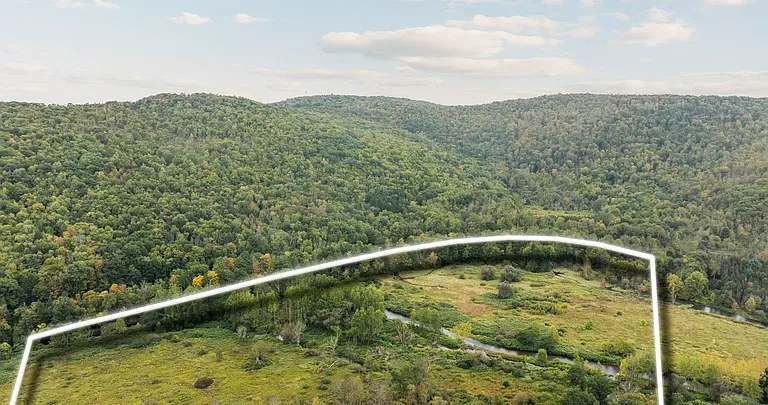
36.1 Wooded Acres in Deposit, New York: Streams, Privacy, and an Important Access Question
36.1 Wooded Acres in Deposit, New York: Streams, Privacy, and an Important Access Question

36.1 Wooded Acres in Deposit, New York: Streams, Privacy, and an Important Access Question
Asking price: $24,900 | Lot size: 36.1 acres | Location: 3312 Old Route 17, Deposit, NY 13754
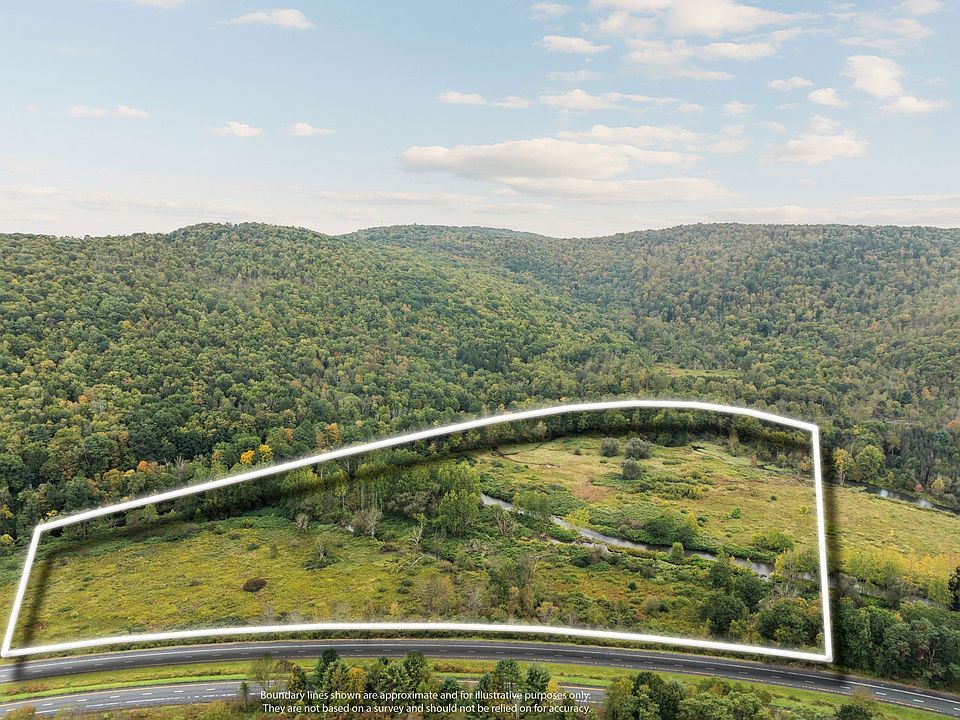
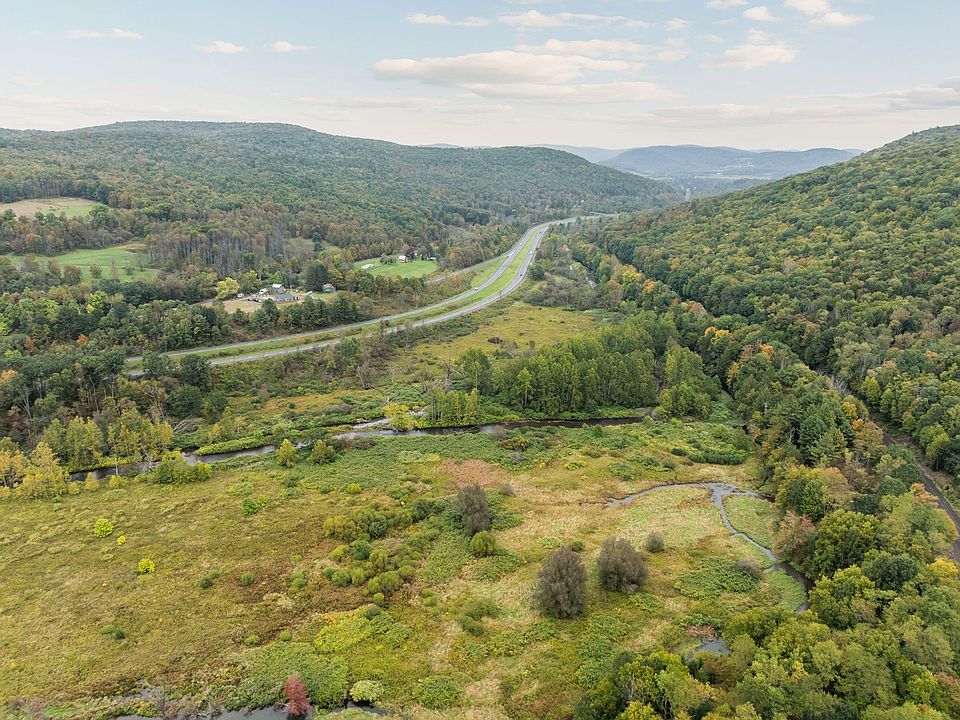
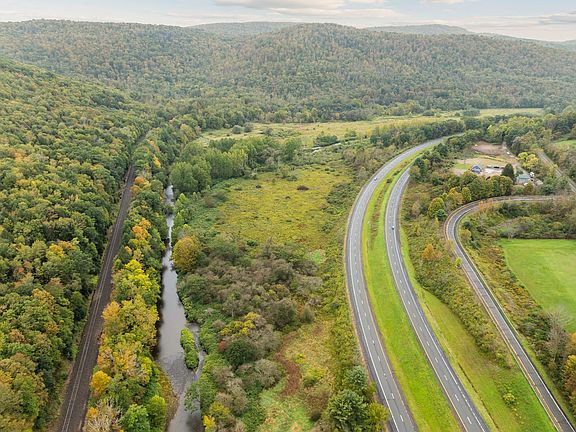
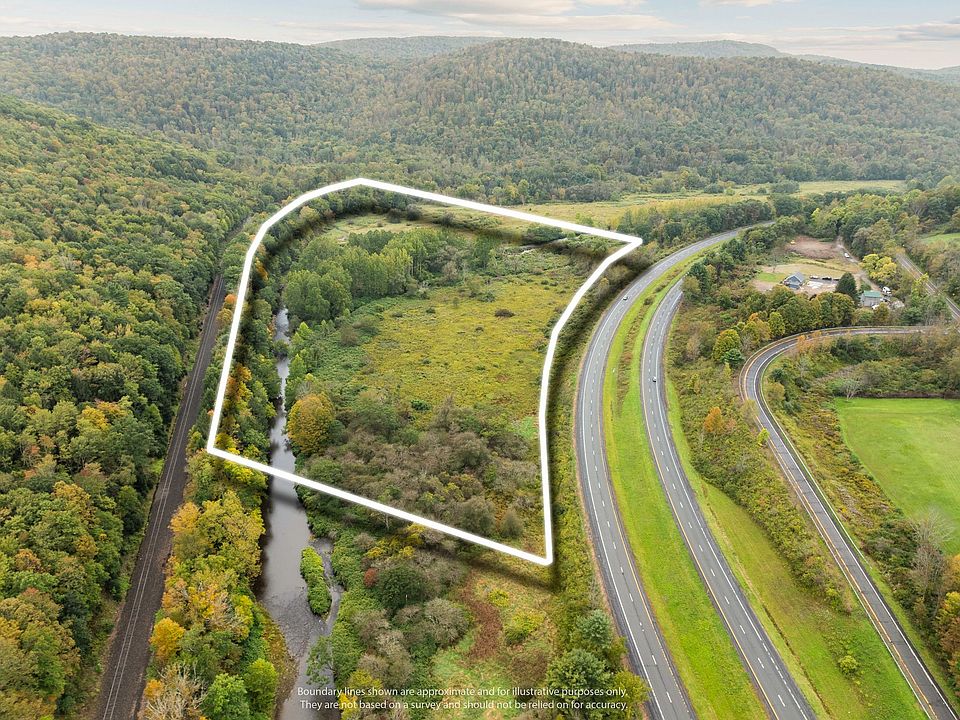
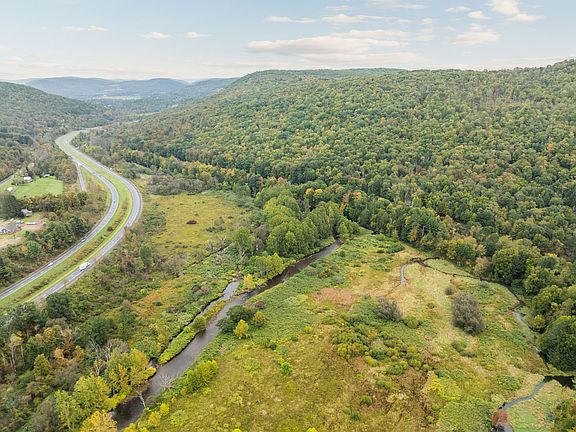
Wooded acreage, flowing streams, and a peaceful setting can make a land listing immediately appealing. At 3312 Old Route 17 in Deposit, New York, those features come together in a substantial parcel offered at a relatively modest total asking price.
However, there is one essential detail to understand from the beginning: the listing describes the property as currently landlocked. It mentions possible highway access, but that possibility has not been presented as an established, approved, or usable entrance.
That distinction is central to an honest description of this land.
The parcel offers an interesting combination of natural features and potential, but its practical use depends on answering questions about access, site conditions, and the activities a future owner wants to pursue. This feature explores both the appeal of the setting and the information needed to understand it more fully.
A Quick Look at the Property
The supplied listing identifies the property as unimproved land in the Town of Sanford, with a Deposit mailing address.
Its principal features are wooded acreage, multiple streams, and a quiet natural setting. No utilities are listed.
| Property detail | Listing information |
|---|---|
| Address | 3312 Old Route 17, Deposit, NY 13754 |
| Asking price | $24,900 |
| Lot size | 36.1 acres |
| Property type | Unimproved land |
| Setting | Wooded, with streams |
| Utilities | None listed |
| Access | Described as currently landlocked |
| MLS number | 338043 |
| Listing brokerage | Howard Hanna |
| Named listing agent | Jessica A. Akshar |
Retrieved listing pages also show the $24,900 asking price and the access disclosure. Availability and terms should be reconfirmed with the listing agent before arranging a visit or making plans.
The Appeal of 36.1 Wooded Acres
A parcel of this size invites a different perspective from a conventional residential lot.
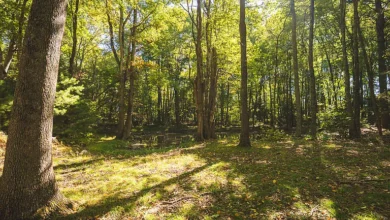
Instead of beginning with a house, garage, and established garden, the starting point is the landscape itself. Trees, water, boundaries, and the shape of the ground become the features that define the property.
The description emphasizes woodland rather than cleared fields. For someone who enjoys a more natural environment, that may be an important part of the attraction.
Wooded acreage can offer visual variety and a sense of separation from more developed surroundings. Yet acreage alone does not establish how much land is conveniently usable for a particular purpose.
The distribution of slopes, streams, and accessible areas would influence the experience of spending time there. Understanding those relationships would make the listed 36.1 acres more meaningful than the number alone.
Multiple Streams Give the Land Character
The streams are among the parcel’s most distinctive advertised features.
Water adds movement and visual interest to a woodland setting. A stream can create a memorable focal point, while several watercourses may divide the landscape into areas with different appearances and conditions.
The listing does not establish the streams’ depth, seasonal flow, classification, or suitability for any particular activity.
It would therefore be premature to describe the property as offering swimming, reliable fishing, or a year-round water supply.
The confirmed attraction is more straightforward: the listing describes multiple streams running through wooded land.
For someone interested in landscape photography or simply observing a natural environment, that combination could be appealing, provided lawful access can first be arranged.
A Southern Tier Setting
The marketing description places the property within New York’s Southern Tier and highlights its natural surroundings.
That regional identity helps establish the atmosphere of the listing without requiring claims about nearby destinations or travel times that have not been provided.
The Deposit address gives prospective buyers a starting point for exploring the area. The Town of Sanford identification also helps distinguish the mailing location from the municipality relevant to property questions.
That distinction can matter when requesting information.
A mailing address, a map pin, and a legal parcel description serve different purposes. They should work together to identify the land being discussed.
For a property with unresolved access, knowing exactly which parcel is included is especially important before considering routes to it or making assumptions based on a roadside location.
Understanding the Price Reduction
The asking price was reduced from $35,900 to $24,900 on October 21, 2026, a decrease of $11,000. Retrieved listing history supports that change.
Using the advertised acreage, the current asking price works out to approximately $690 per acre.
That calculation explains why the listing may attract attention. It does not, by itself, establish whether the property is a good fit for a particular buyer.
Acreage with confirmed access and existing services is a different proposition from land where those matters remain unresolved.
The useful question is therefore broader than the price per acre: what would ownership allow someone to do, and what additional steps would be needed before they could do it?
The price is one part of that assessment.
The Access Disclosure Comes First
The listing’s landlocked description is the most important practical limitation presented.
It means readers should not assume there is an established lawful route onto the property simply because the parcel has a street address.
Likewise, a line on a map or a visible track does not answer every question about permission, ownership, or the type of use allowed.
The seller’s description mentions potential access from the highway, but it also states that further investigation and improvements would be required.
That is a possibility to examine, rather than an existing property feature to advertise as complete.
Until supporting information establishes otherwise, the parcel should be described as having unresolved access. This keeps the natural appeal of the land separate from assumptions about reaching and using it.
Highway Access Is More Than a Driveway Concept
A proposed highway entrance requires a more specific understanding than identifying a convenient place to turn off the road.
If work would involve a New York State highway or its right-of-way, NYSDOT explains that a highway work permit is required. Its examples include driveway installations, drainage work, and related improvements.
This general guidance does not establish that access will be approved for this parcel.
The first questions would be which agency controls the relevant road and what route is actually being proposed. A property-specific review could then determine what information and approvals would be necessary.
Even an approved entrance would be only part of the practical picture if a usable route across the land still needed to be developed.
Recreation Is a Possibility to Define
The listing mentions recreation, hunting, and a private retreat as potential uses.
Those ideas help explain the intended appeal, but each deserves a clearer definition.
For one person, recreation might mean occasional nature observation. Another might imagine regular visits with equipment, while someone else could be considering a more developed outdoor base.
Those activities have different practical requirements.
Before choosing among them, a prospective buyer would need to understand how to reach the parcel lawfully and what the site can support.
A modest intended use can still depend on access. Even a simple visit should be arranged through an authorized route rather than by assuming permission to cross surrounding land.
The property’s possibilities become easier to assess when the intended activity is specific.
Hunting Potential Should Be Presented Carefully
Woodland and acreage may interest a prospective hunter, but neither establishes the presence of particular game species or guarantees a suitable hunting location.
The supplied listing does not include wildlife observations, management records, or a property-specific hunting assessment.
For that reason, “hunting potential” is more accurate than claims about exceptional game populations or proven hunting success.
Access remains relevant here as well. New York’s Department of Environmental Conservation states that a hunting license does not give its holder permission to enter another person’s private property.
A future owner would need to understand the parcel’s boundaries, the authorized approach, and the requirements applicable to their intended activity.
That preserves the recreational appeal without promising an experience the listing has not documented.
Streams May Influence Future Work
The watercourses should be considered part of the site planning process, particularly if a proposed route would cross them.
Their locations could affect how different areas of the land connect with one another.
New York DEC guidance explains that certain work disturbing protected stream beds or banks requires a Protection of Waters permit. Whether that applies depends on the watercourse and proposed activity.
The presence of streams does not automatically establish that every part of the parcel is restricted. Nor does private ownership automatically resolve every question about working near water.
A property-specific review would clarify the situation.
For this listing, the most useful approach is to recognize the streams as attractive landscape features that may also influence the feasibility and design of future improvements.
No Utilities Are Listed
The property information lists no utilities.
That is an important distinction between this parcel and a prepared residential site.
The available description does not confirm electricity, a well, wastewater facilities, or service connections. It also does not establish whether any of those could be provided economically.
For someone whose interest is limited to certain outdoor activities, that may fit the intended use.
For someone considering overnight accommodation or a future building, it would require additional information.
The phrase “off-grid” should not be used as though it automatically solves these questions. An alternative service plan would still need to suit the site, intended use, and applicable requirements.
The listing supports describing undeveloped land with no utilities identified—not a ready-to-use cabin site.
A Retreat Does Not Necessarily Mean a Residence
The idea of a private retreat can be interpreted in several ways.
It might describe somewhere to spend time outdoors, or it might suggest a cabin, camping arrangement, or permanent home.
The supplied information does not confirm permission for any particular structure or residential use.
That leaves a useful distinction: the atmosphere of a retreat is part of the property’s appeal, while a developed retreat is a project that would need its own feasibility review.
A prospective owner should identify which meaning matters to them.
If the entire purpose of purchasing depends on constructing a dwelling, that question deserves attention early. If the goal is more limited, the investigation can focus on whether that specific use is practical.
Clear intentions make the discussion more productive.
Taxes and Ongoing Ownership Costs
The supplied listing quotes annual taxes of $1,480 and an assessed value of $31,600.
Another retrieved portal displays a different annual tax figure, so

From Zillow