News
Why Are There Sticky Yellow Drips on My Bathroom Walls?
Why Are There Sticky Yellow Drips on My Bathroom Walls?

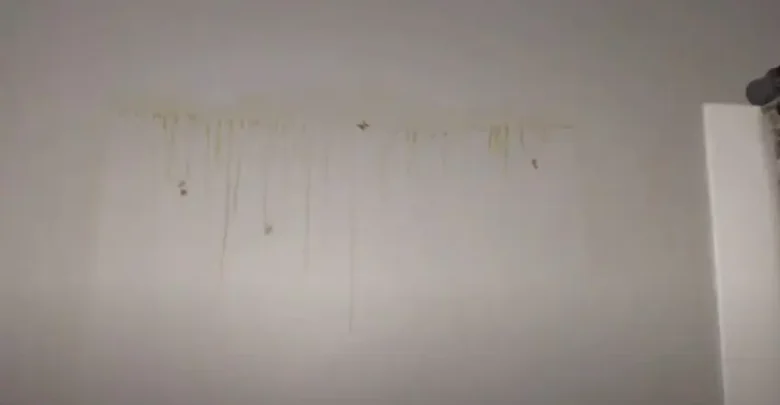
You step out of a soothing twenty-minute shower, wrap yourself in your favorite waffle-knit towel, and look over at the wall beside the vanity. Running down the paint are mysterious, amber-colored beads that look like thinned-out honey or pancake syrup. If you have ever spotted yellow stuff dripping down bathroom walls, your first instinct might be pure panic. Is it toxic mold? Did a pipe burst inside the drywall? Are the ghosts of previous owners’ bad habits seeping through the plaster?
Take a deep breath. Those sticky droplets look alarming, but they are surprisingly common in steamy bathrooms. Most of the time, the explanation comes down to basic home chemistry rather than a structural disaster. Once you know what you are looking at, getting rid of those ugly streaks—and making sure they stay gone—is a straightforward weekend fix.
The Tell-Tale Drip: What That Amber Residue Really Is
In roughly eight out of ten homes, those sticky, honey-toned runs are caused by something called surfactant leaching. Surfactants are water-soluble ingredients found in modern latex and acrylic paints. Paint manufacturers add them to stabilize the formula, help pigments blend evenly, and give your roller that smooth, buttery glide across the wall.
Under normal conditions, paint cures over a few weeks, and these additives slowly disperse into the air unnoticed. But bathrooms are not normal conditions. When warm steam coats uncured or moisture-stressed paint, water droplets condense on the cool surface. These droplets draw the water-loving surfactants out of the paint film, pull them together, and send them trickling downward. As the steam dries, the moisture evaporates, leaving behind sticky, amber-tinted stains.
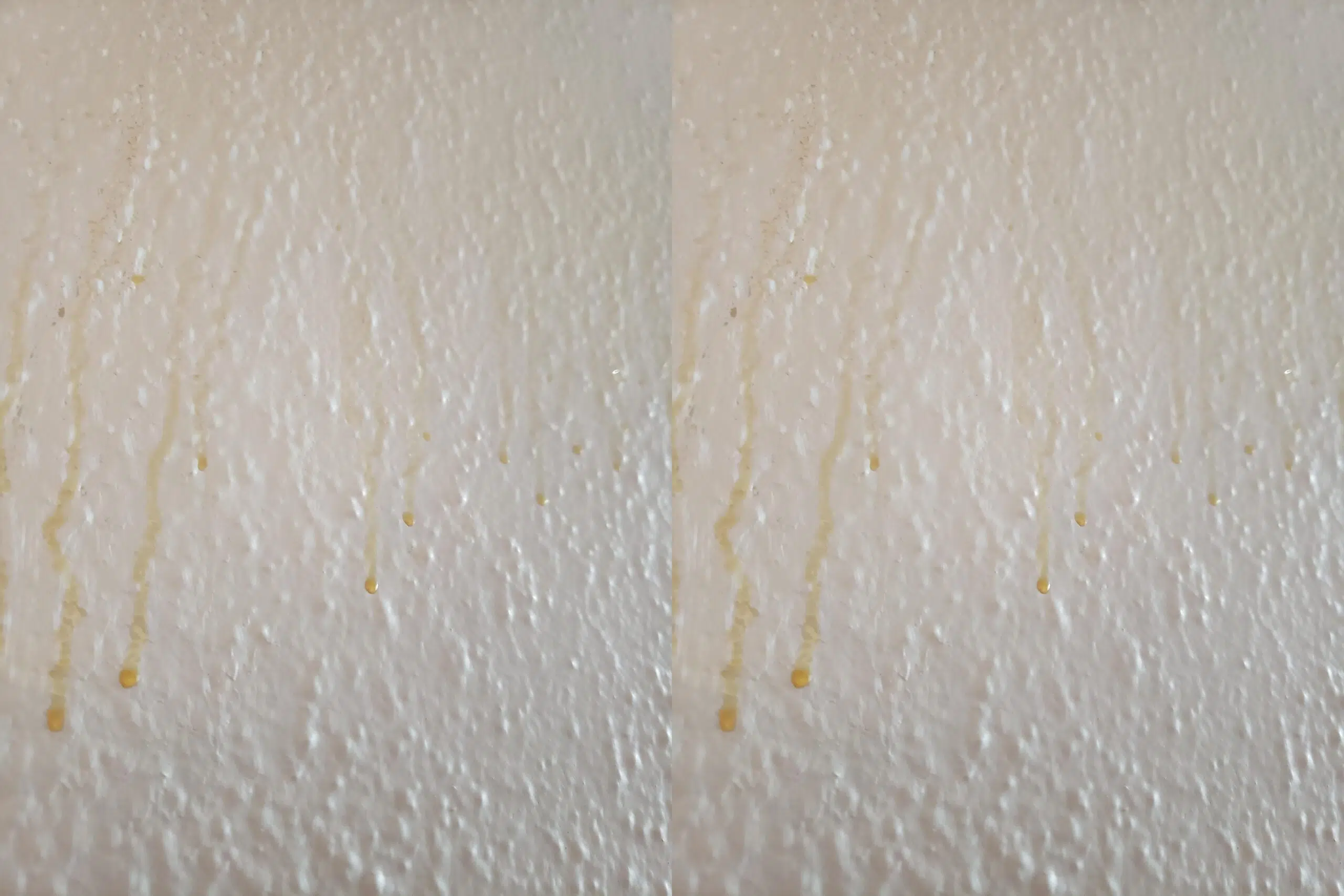
Amber, syrupy streaks dripping down painted drywall after a hot shower are the classic hallmark of surfactant leaching.
This reaction happens most frequently when fresh paint was applied in high humidity, or when someone took a hot shower before the paint fully cured. Even paint that has been dry to the touch for a year can suddenly leach if poor ventilation leaves heavy condensation sitting on the walls day after day.
The Quick Diagnostic Check: Smell, Feel, and Location
Before grabbing cleaning buckets, run through a quick sensory check to confirm what you are dealing with:
- The Texture: Touch the drip with a gloved fingertip. Surfactant leaching feels sticky, tacky, or slightly soapy when damp, and glossy or shiny when dry. Mold, by contrast, feels powdery, slimy, or fuzzy.
- The Scent: Lean in and take a gentle sniff. Surfactant residue is completely odorless or carries a faint, sweet soap smell. Tobacco residue smells stale and dirty, while mold emits a pungent, musty, damp-earth odor.
- The Pattern: Surfactants run in neat, vertical gravity paths from the ceiling downward, often pooling in tiny droplets at the bottom of the streak. Fungi grow outward in circular colonies or patchy clusters.
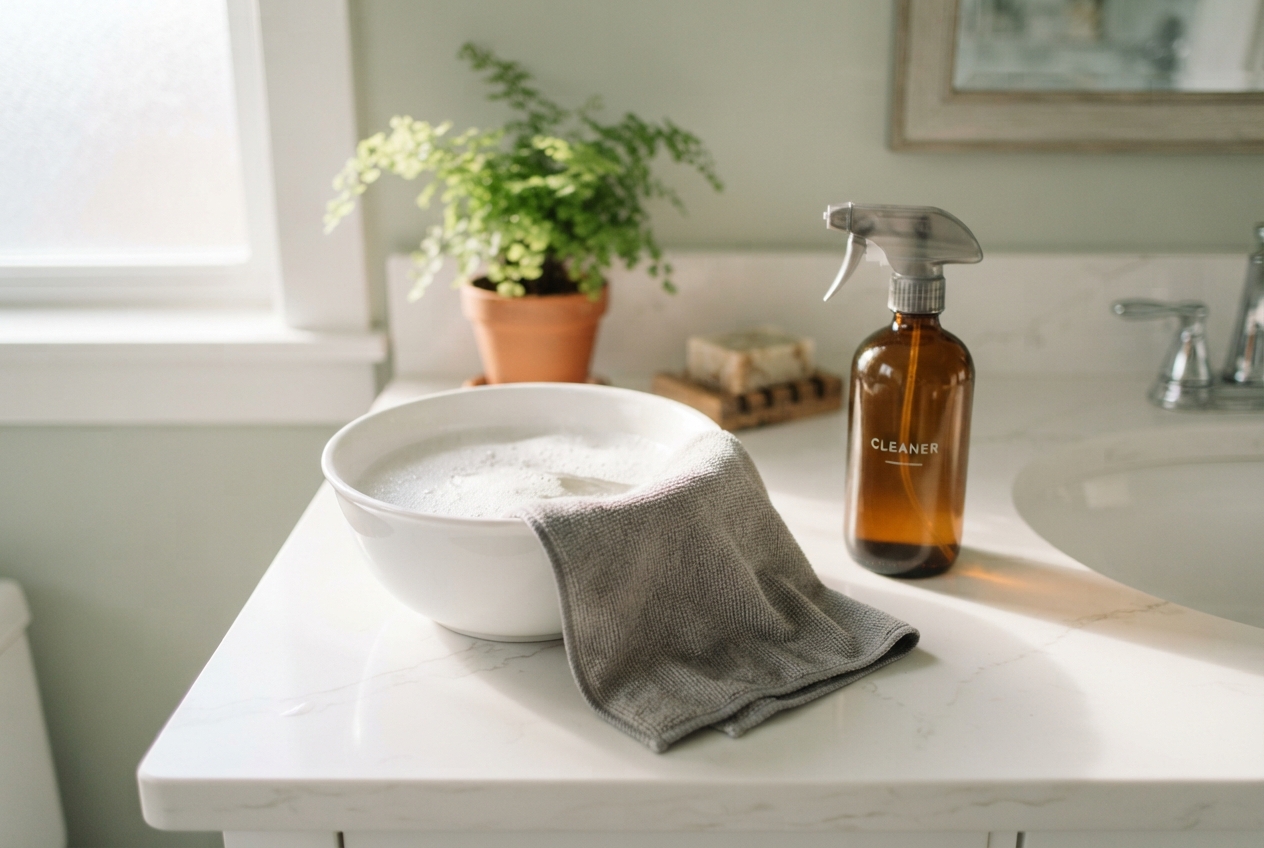
A soft microfiber cloth, warm water, and mild dish soap are all you need to lift fresh surfactant marks without stripping your wall paint.
Other Common Suspects Behind Yellow Bathroom Drips
While paint chemistry causes most of these marks, other factors can produce similar streaks down your painted surfaces. Narrowing down the culprit helps you pick the right fix so you do not waste energy scrubbing the wrong thing.
Nicotine Bleed-Through
If you live in an older house or an apartment that was once occupied by heavy smokers, tobacco tar and nicotine can remain embedded in the drywall for decades. Even if a fresh coat of paint was slapped over the walls before you moved in, moisture has a uncanny knack for reactivating those oils. Steam penetrates porous standard latex paint, dissolves the buried tar, and wicks it straight to the surface in yellow-brown streaks. You will usually catch a faint whiff of stale smoke when the room warms up.
When soap scum and hard water mineral vapor build up in damp corners, they leave a tacky, yellowish crust along edges and dishes.
Soap Mist, Steam, and Grimy Buildup
Look around your shower enclosure and bathroom mirror. Every time you lather up with body wash, use hairspray, or spritz leave-in conditioner, fine aerosols disperse into the air. When you add high heat and water vapor, these oils, body fats, and silicones cling to the drywall. Over time, gravity pulls the greasy, aerosolized film downward into faint yellow tracks that attract dust and lint.
Is It Mold? Identifying Fungal Growth vs. Harmless Residue
The biggest fear homeowners have when they spot anything strange on their walls is toxic black mold. While fungi are definitely something you want to tackle immediately, surfactant drips are completely benign chemical residues. It pays to understand the difference so you do not jump to worst-case scenarios.
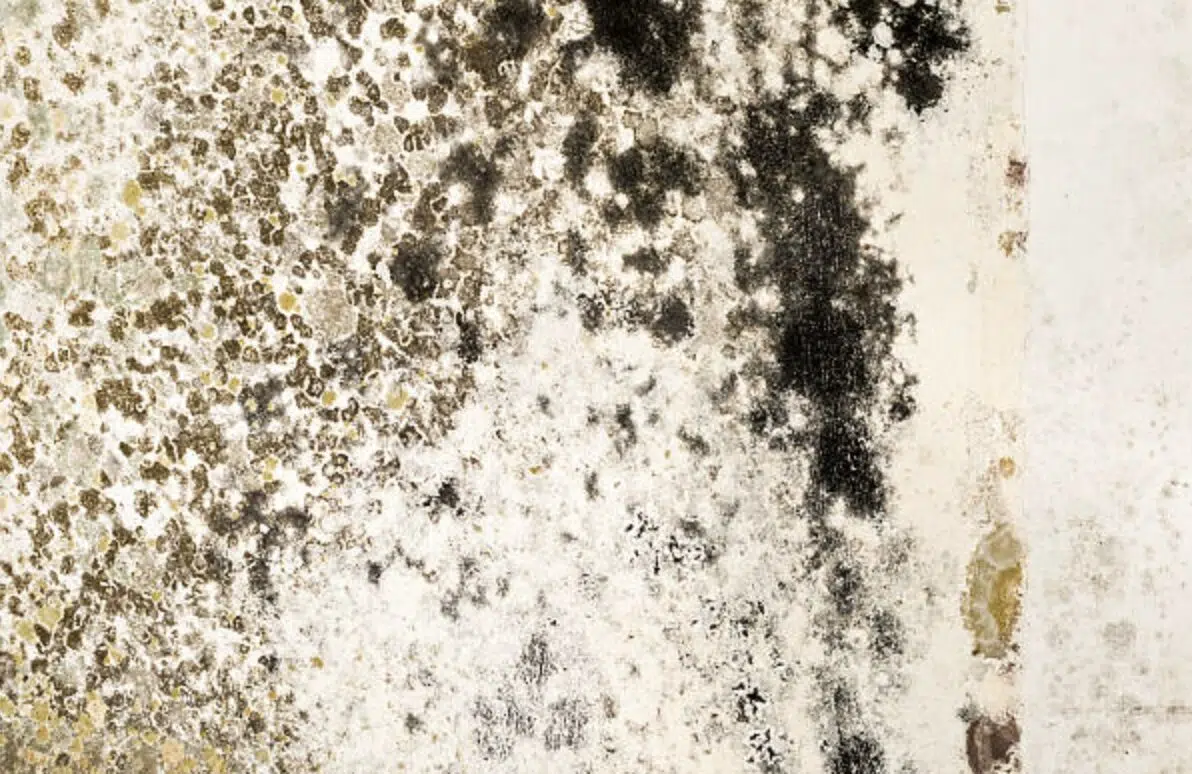
Unlike clear amber paint drips, active mold forms fuzzy, irregular clusters that range in color from dingy yellow to deep olive and black.
Certain molds—like species of Aspergillus, Serpula, or common household mildew—can initially look pale yellow or dingy white before they mature into darker greens, grays, and blacks. Fungal growth requires organic matter to feed on, like the paper backing on drywall, dust, or natural fibers. If your streaks wipe away smoothly like maple syrup and leave intact paint underneath, you are dealing with paint resins, not an active fungal colony.
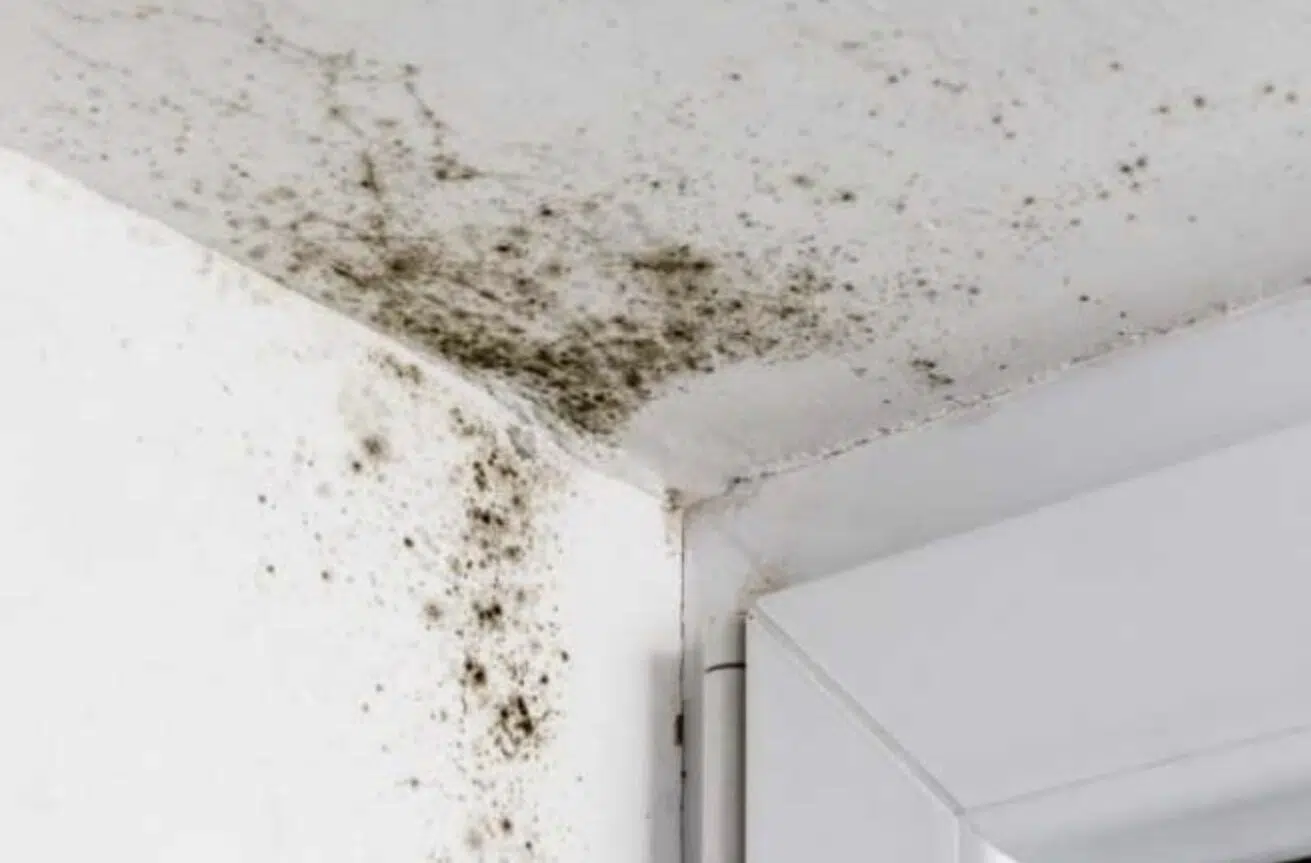
Dark mold spots clustering along cold ceiling seams and window trim indicate trapped humidity rather than simple paint residue.
However, if you notice the drywall softening, paint bubbling, or dark speckles forming along the outer edges of the yellow marks, moisture has likely penetrated the board. In that case, you have an active moisture issue that requires treating the drywall rather than just wiping the surface.
How to Safely Clean Yellow Streaks Without Ruining Your Paint
Cleaning surfactant drips requires a gentle hand. The most common mistake people make is grabbing harsh bleach cleaners or scouring pads, which strip the paint sheen, gouge the drywall, and leave dull, patchy spots that draw even more moisture.
Step 1: The Warm Water Wipe-Down
Because surfactants are water-soluble, simple warm water is your best tool. Fill a clean basin with warm tap water and submerge a soft microfiber cloth. Wring it out until it is damp, not dripping wet. Gently wipe down the streaks starting from the top and working your way down.
Avoid heavy scrubbing. Aggressive pressure will rub the paint right down to the primer, especially if the paint film is softened from recent steam. Rinse your cloth frequently in clean water so you are not redepositing the sticky resin across the wall.
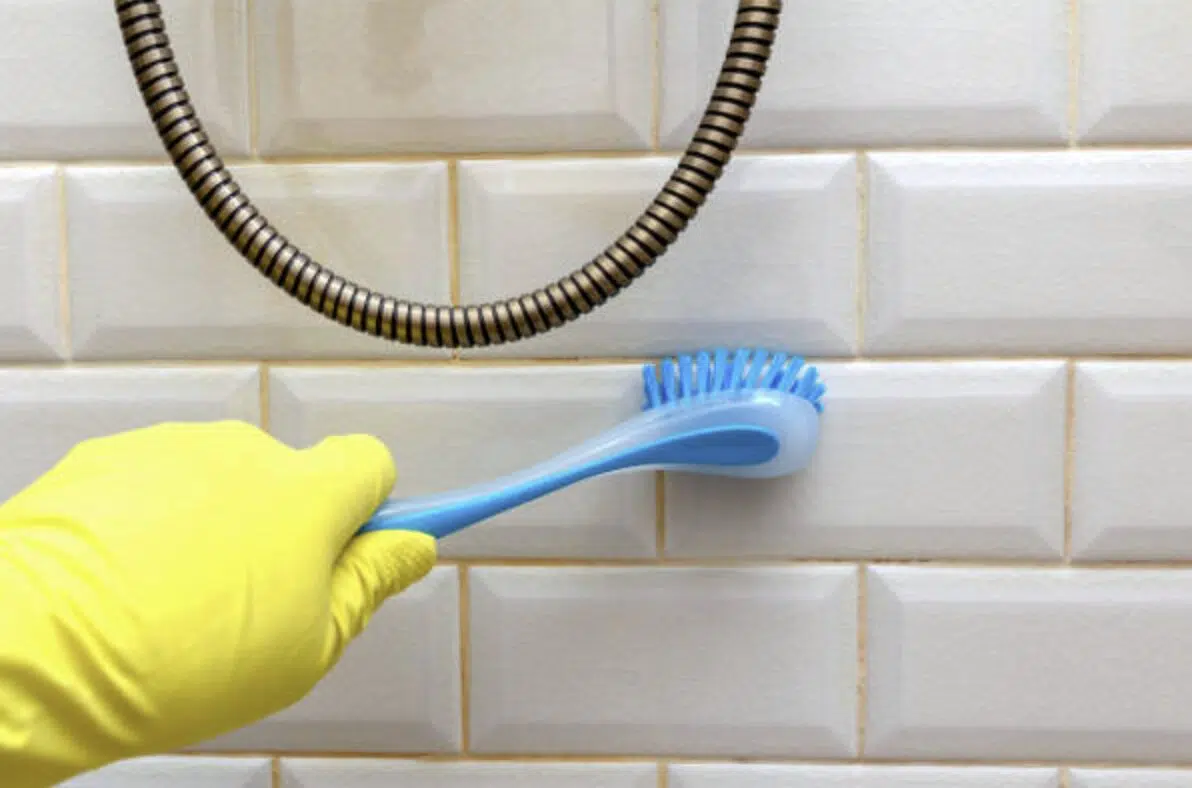
A stiff-bristled detail brush and an oxygenated cleaner lift stubborn mineral stains and yellow film from porous tile grout.
Step 2: Tackle Stubborn Buildup with Gentle Suds
If the drips have baked on under hot showers for weeks, warm water alone might not cut through the crust. Add two drops of clear, mild dish soap to a quart of warm water. The grease-cutting properties of the dish soap will dissolve stubborn surface oils without eating into the paint binder.
Wipe the area down with the soapy rag, follow immediately with a second cloth dampened with plain water to rinse away residue, and finish by patting the wall dry with a fresh towel. Never leave damp drywall to air dry on its own.
Step 3: What About Distilled White Vinegar?
If you suspect tobacco smoke or hard water deposits, standard dish soap might not do the trick. Mix equal parts warm water and 5% distilled white vinegar in a clean spray bottle. Lightly mist a clean cloth—do not spray the wall directly—and gently buff the marks.
Vinegar’s mild acidity breaks down mineral scale, cuts through sticky nicotine film, and neutralizes light surface mildew without releasing harsh chemical fumes into an enclosed bathroom space.
A Word on Chlorine Bleach: Skip the bleach bottle when cleaning painted drywall. Bleach works well on non-porous surfaces like glazed porcelain and fiberglass tubs, but on drywall, the chlorine stays on the surface while the water base soaks deep into the porous gypsum, potentially feeding the very spores you want to eliminate.
How to Stop the Drips for Good
Cleaning off the marks is satisfying, but nobody wants to spend every Saturday wiping down bathroom walls. Eliminating the streaks permanently requires controlling moisture levels and fixing surface prep issues.
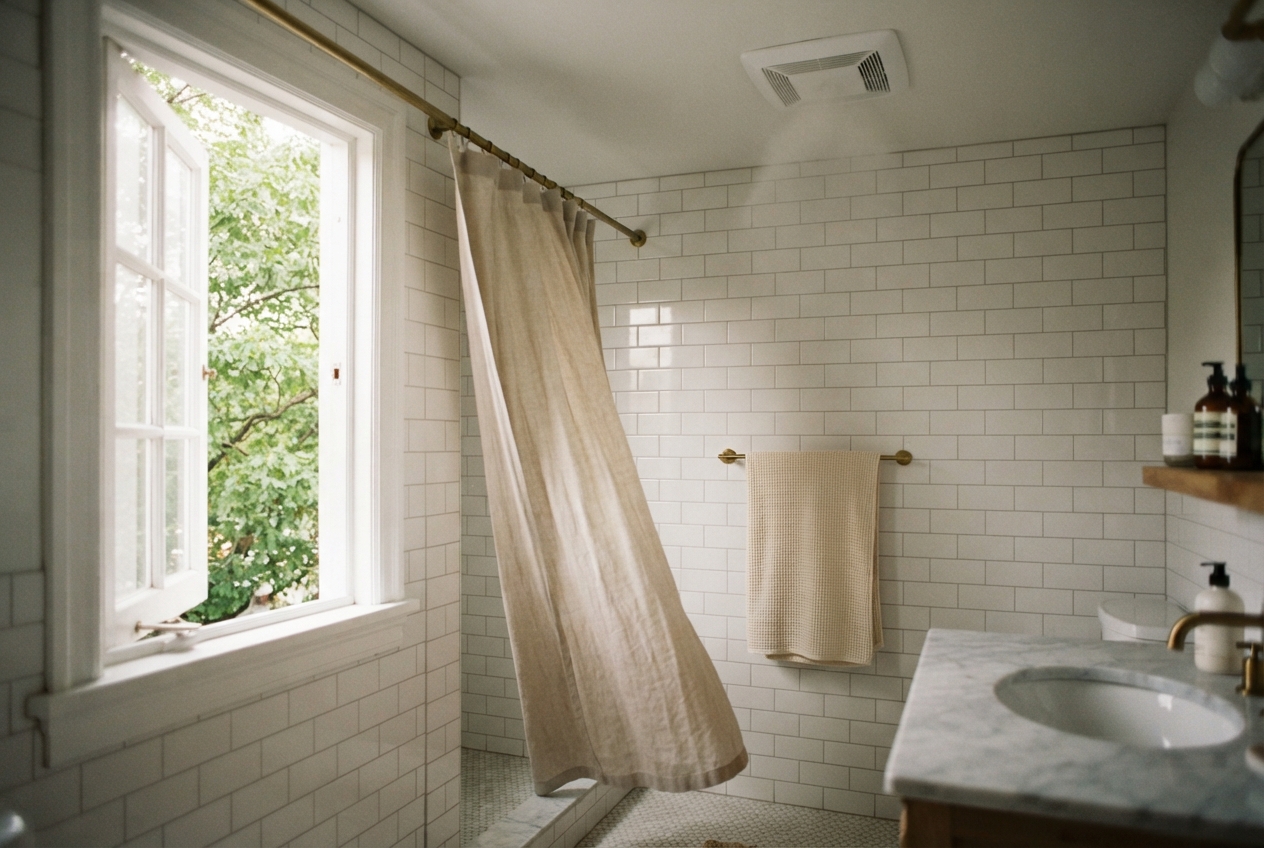
Clearing lingering steam through open windows and a clean exhaust fan prevents water droplets from pulling resins out of your walls.
Fix the Ventilation Gap
Surfactant leaching and condensation streaks cannot happen without pooling moisture. Your bathroom needs a functional way to dump humid air before it condenses against cool walls.
- Test Your Exhaust Fan: Turn on your vent fan and hold a single square of toilet paper against the intake grille. If the fan holds the paper firmly in place, the airflow is healthy. If the sheet falls, the motor is dying, the duct is clogged with lint, or the fan is undersized for your square footage.
- Run the Fan Longer: Keep the exhaust fan running throughout your entire shower and leave it on for at least twenty minutes afterward. A humidity-sensing wall switch makes this effortless by turning off automatically once the air dries.
- Crack a Window and Open the Door: Even a half-inch crack in a double-hung window creates a cross breeze that pulls heavy steam out before it settles on the paint.
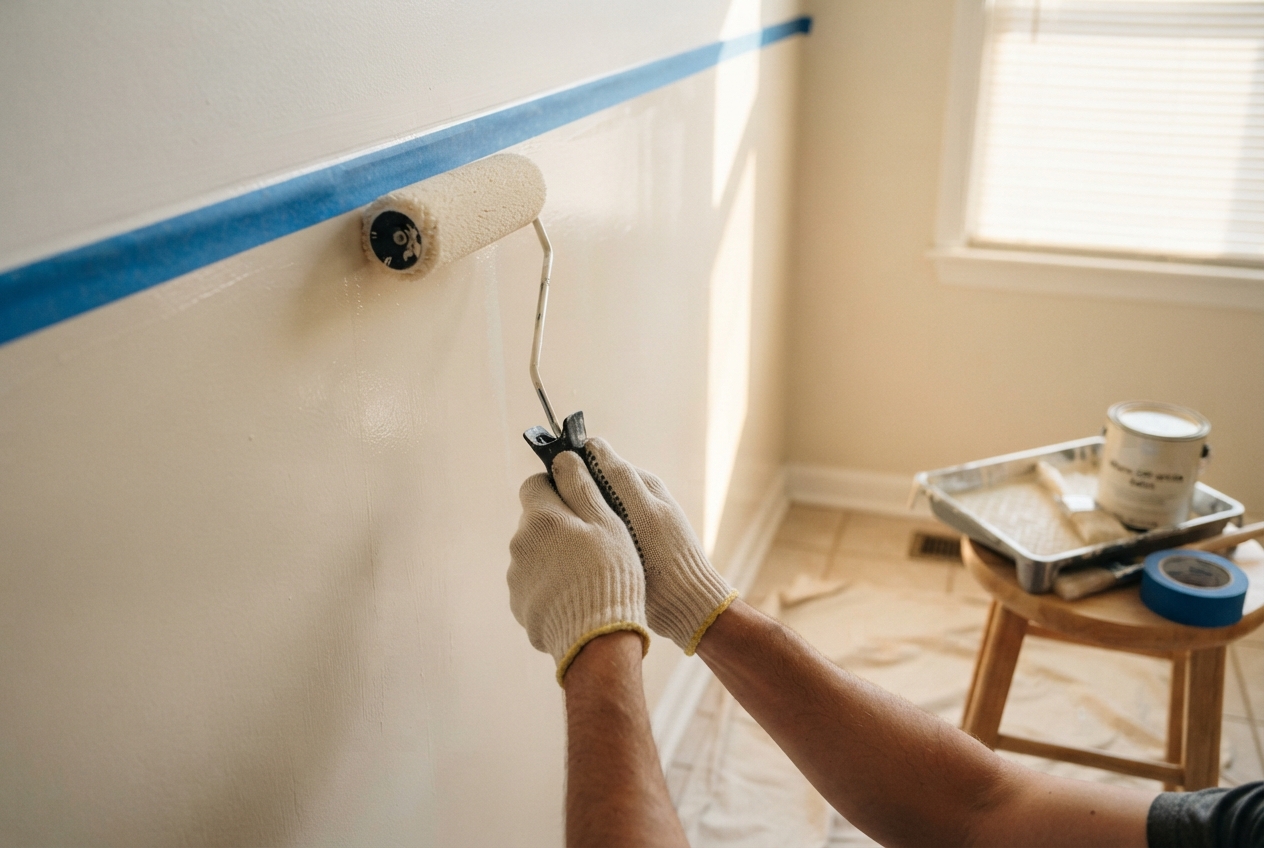
Choosing a washable satin or semi-gloss finish formulated specifically for humid rooms keeps moisture from penetrating drywall.
Repainting the Right Way
If surfactants continue to leach out month after month, the paint formula has exhausted its ability to bind properly in that environment, or older coats underneath are continuously bleeding through. The permanent remedy is a fresh, properly sealed paint job.
Wash the walls thoroughly to remove every trace of residue and let them dry out completely over a full 48 hours. Next, roll on a coat of high-adhesion, stain-blocking shellac or synthetic primer. This creates an impenetrable barrier that locks lingering surfactants and nicotine deep inside the wall where moisture cannot reach them.
Topcoat with a premium 100% acrylic latex paint formulated specifically for kitchens and baths. Always choose a satin or semi-gloss finish; flat and matte finishes are far too porous for steamy environments. Once applied, allow the paint to cure for at least two weeks before taking steamy, long showers. Use gentle sponge baths or leave the bathroom door wide open during that curing window so the paint binders lock together into a tough, moisture-resistant shield.
Finding mystery yellow stuff dripping down bathroom walls is one of those annoying home quirks that looks much worse than it actually is. With a soft cloth, a splash of warm soapy water, and twenty minutes of fan time after every shower, you can reclaim clean, smooth walls and enjoy your morning routine without checking the corners for phantom leaks.