Classic Brick Home in Quincy with Timeless Character, a Detached Garage, and Room to Make It Your Own
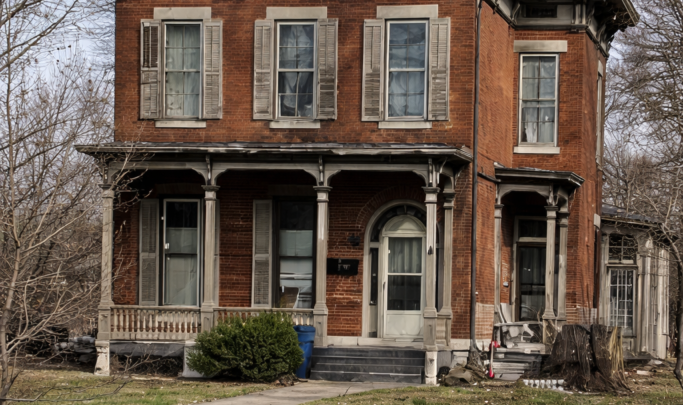
Some homes capture attention through their appearance, while others become interesting because of the possibilities they offer. This Quincy property brings both qualities together. Its classic brick exterior creates a distinctive first impression, and its traditional character gives buyers an appealing starting point for a future shaped around their own ideas.
For someone who appreciates architecture with personality, the home offers an alternative to more uniform residential styles. There is an established identity here, one that could guide a thoughtful renovation or provide inspiration for gradual improvements over time.
Inside, the layout presents opportunities to create comfortable living spaces while preserving the qualities that make the home memorable. Outside, the yard and detached garage add practical dimensions to the property. An unfinished basement provides further space to evaluate according to future needs.
Offered in its current condition, this home will appeal most to buyers prepared to look carefully at both its character and its requirements. With a clear plan and a realistic understanding of the work involved, the next owner could develop its potential into a home that feels personal and purposeful.
A Classic Brick Exterior with a Distinctive Presence
The brick exterior is central to the property’s visual appeal. It gives the home an established appearance and creates a sense of continuity with traditional residential architecture. For buyers drawn to homes with recognizable character, that exterior may be one of the most compelling reasons to take a closer look.
Brick also offers a useful starting point for exterior design decisions. Landscaping, lighting, entrance details, and carefully selected finishes can be planned around its existing color and texture. A coordinated approach could help bring greater definition to the property while respecting its original appearance.
As with any exterior material, condition matters. Buyers should arrange an appropriate inspection of the masonry, mortar joints, and related components. The appeal of a brick home is best considered alongside an understanding of its maintenance needs, allowing future improvements to address both appearance and function.
Traditional Character That Can Guide a Renovation
A home with a strong existing identity can offer direction when planning changes. Rather than beginning with an entirely blank canvas, the next owner has an architectural character to respond to.
That can make a renovation more thoughtful. Paint colors, flooring, fixtures, and furnishings can be selected to complement the home’s traditional atmosphere. Where original features are present and suitable for preservation, they may help establish a consistent approach throughout the interior.
The goal does not have to be a complete recreation of an earlier period. A successful update can accommodate contemporary routines while maintaining a sense of connection between the rooms and the exterior.
Before making decisions, buyers should identify which features contribute most to the property’s appeal and which areas need attention. Understanding that distinction can help prioritize work and prevent changes that unintentionally weaken the home’s character.
An Interior with Opportunities for Comfortable Living
The interior layout offers a starting point for buyers who want to shape a home around the way they live. Comfortable living depends on more than decorative choices; it also involves how rooms connect, where daily activities take place, and how easily the space supports ordinary routines.
A careful walkthrough can help reveal those possibilities. Buyers might consider where they would gather, dine, work, relax, and store everyday belongings. Looking at the home through those practical questions can make its potential easier to evaluate.
Some improvements may involve finishes or furnishings, while others could require professional advice or more substantial work. The appropriate approach will depend on the existing condition and the buyer’s priorities.
A measured plan can help the next owner create a more cohesive interior. Addressing necessary repairs first and coordinating later updates can make the process easier to manage while keeping the final result in view.
Room to Develop a Personal Design Direction
One of the attractions of a property with renovation potential is the opportunity to make deliberate choices. Buyers can consider how they want the home to feel and then build a design direction that works with its existing character.
A warm, traditional interior might use restrained colors, familiar materials, and simple lighting. A more contemporary approach could introduce cleaner finishes while retaining selected architectural details. Either direction can work when the choices feel connected to the home itself.
Consistency is especially useful when improvements happen in stages. Establishing a general palette and a few guiding principles early can help prevent each room from feeling like a separate project.
The most satisfying results often come from attention to everyday details: useful lighting, sensible storage, comfortable furniture placement, and finishes suited to regular use. These decisions can make the home more enjoyable without requiring every space to become elaborate.
A Detached Garage That Adds Everyday Utility
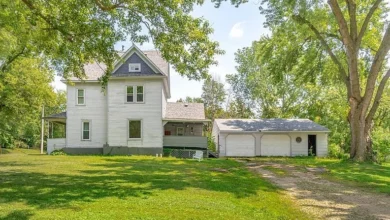
The detached garage contributes a practical feature beyond the main living area. Depending on its dimensions and condition, it may provide space for parking, storing equipment, or organizing items that would otherwise occupy rooms inside the house.
That separation can be valuable. Yard tools, seasonal belongings, and certain household supplies may be easier to manage when they have a dedicated place outside the primary living space.
For buyers with hobbies or hands-on interests, the garage may also invite ideas for a work area. Any such plans should account for the structure’s condition, available electrical service, ventilation, and applicable requirements.
A thorough review should include the roof, doors, floor, and access. Understanding how the garage functions today will help buyers judge its usefulness and decide whether repairs or improvements belong in their initial ownership plan.
An Unfinished Basement with Practical Possibilities
The unfinished basement adds another area for buyers to assess. While unfinished space can inspire ideas, its best use depends on the conditions found during inspection and the requirements associated with any proposed changes.
For some owners, organized storage or a utility area may be the most practical choice. Others may wish to investigate whether part of the space could support a workshop, exercise area, or other use.
Before planning finished rooms, buyers should evaluate moisture conditions, ceiling height, access, ventilation, and the location of mechanical systems. Proposed changes may also require permits and professional guidance.
An unfinished basement is most useful when expectations are grounded in those details. Even if finishing it is unnecessary or unsuitable, improving organization, lighting, and appropriate maintenance could make it a more functional part of the property.
Outdoor Space to Shape Around Daily Life
The outdoor area offers another opportunity for the next owner to establish a personal connection with the property. A yard can support many different priorities, from simple upkeep to gardening, seating, or a more structured landscape plan.
The right approach will depend on the available space, sunlight, drainage, and the owner’s preferences. Someone seeking a manageable outdoor area may favor straightforward planting beds and clear access routes. A gardening enthusiast may see possibilities for a more involved project.
Privacy can also be considered as part of the overall plan. Suitable planting or permitted fencing may help define particular areas, subject to property boundaries and local requirements.
Beginning with a clear understanding of the site can make improvements more effective. Addressing drainage, access, and maintenance needs before decorative additions helps create an outdoor space that remains useful over time.
A Restoration Approach That Respects Existing Character
For a buyer interested in restoration, this home offers an opportunity to think carefully about what should be retained, repaired, or replaced. That process begins with observation and documentation.
Where worthwhile original elements remain, their condition should guide the decision. Repair may preserve character, while replacement may be appropriate when a feature cannot reasonably serve its purpose. Professional advice can help distinguish between the two.
A coordinated restoration also considers how new work relates to existing materials. Choosing compatible finishes and proportions can make updates feel more natural within a traditional home.
Restoration does not have to happen all at once. A staged approach may allow the owner to understand the property better before committing to every design decision. What matters is having a clear direction and keeping necessary repairs at the center of the plan.
Understanding the Current-Condition Sale
Because the property is being sold in its current condition, buyers should approach the opportunity with clear expectations. The home’s visual appeal and future possibilities deserve attention, but so do its immediate needs.
A professional inspection can help identify concerns involving the roof, foundation, plumbing, electrical systems, heating, cooling, and other important components. Additional specialist evaluations may be appropriate depending on the findings.
Buyers should also understand the terms of the sale and what they mean for inspections, negotiations, and responsibility for repairs. Those details should be reviewed with the relevant professionals before making commitments.
A current-condition offering can suit someone who wants control over future improvements. The strongest purchasing decision, however, comes from knowing what is present today and having a workable plan for what comes next.
Planning Improvements in a Sensible Order
A property with several possibilities benefits from a clear sequence of work. Establishing priorities can help buyers direct their attention and resources where they matter most.
The first stage should focus on verified needs affecting safety, weather protection, and the reliable operation of the home. Once those matters are understood, the owner can plan improvements to comfort, layout, and appearance.
It is also helpful to consider which tasks depend on others. Decorative work may be better scheduled after related repairs or system updates, reducing the chance that finished surfaces will need to be disturbed later.
A realistic plan should include room for unexpected findings. Homes offered in their current condition may require adjustments as work progresses. Allowing flexibility in timing and scope can make the project more manageable and support better decisions along the way.
A Property to Evaluate for Long-Term Ownership
For buyers considering a long-term home, the important question is how well the property can support their needs over time. Its character may create the initial attraction, but practical compatibility will determine the ownership experience.
The layout, garage, basement, and outdoor area should be considered together. Each contributes something different, and their combined usefulness may matter more than any individual feature.
Buyers should think about the maintenance they are comfortable handling, the improvements they are prepared to undertake, and how the home fits their expected routines. A property can offer considerable potential while still requiring a particular kind of commitment.
Taking that broader view can help the next owner make choices that remain useful beyond the first renovation. The aim is to create a home that is comfortable to live in and realistic to maintain.
Considering Its Investment Potential with Care
The property may also attract buyers interested in a renovation project or long-term investment. Its distinctive appearance and additional spaces provide features to examine, but future performance cannot be determined from character alone.
A sound evaluation should consider the purchase terms, verified repair needs, anticipated ownership expenses, and relevant local market evidence. Any intended rental use should be checked against applicable rules and the property’s suitability.
Renovation estimates should reflect the actual scope of work rather than assumptions based on photographs or a brief description. Obtaining informed estimates can help clarify whether a proposed project is realistic.
For an investment-minded buyer, the opportunity lies in careful assessment and disciplined planning. The property’s appeal provides a reason to investigate further; the supporting details determine whether it fits a particular strategy.
A Quincy Location to Explore in Person
The Quincy location adds another part of the decision. Buyers should evaluate the property’s surroundings in relation to their own needs, including everyday travel, shopping, services, and other destinations that matter to them.
Visiting the area can provide context that a listing description cannot. The approach to the home, neighboring properties, street activity, and general surroundings all contribute to the experience of living there.
It is useful to make those observations alongside a detailed property viewing. Understanding both the home and its setting helps buyers assess how comfortably the two fit their expectations.
Specific location advantages should be verified directly. That allows the property’s distinctive character to be considered within a clear picture of daily life in the area.
A Characterful Home Ready for Its Next Chapter
This Quincy property combines a classic brick exterior, a traditional atmosphere, a detached garage, an unfinished basement, and outdoor space that invites thoughtful planning. Together, those features create an appealing starting point for a buyer with a clear vision.
Its future will depend on the condition confirmed through inspection and the choices made by its next owner. A careful approach could preserve the home’s identity while improving the way it functions for everyday living.
For someone who values architectural character and welcomes the opportunity to shape a property over time, this home deserves a closer look. It offers a chance to build on what is already distinctive and create a place that reflects the needs, preferences, and care of its next owner.

From Zillow