Affordable Homes
Quiet Rural Recreation on Expansive Land in Norwood, New York
Quiet Rural Recreation on Expansive Land in Norwood, New York

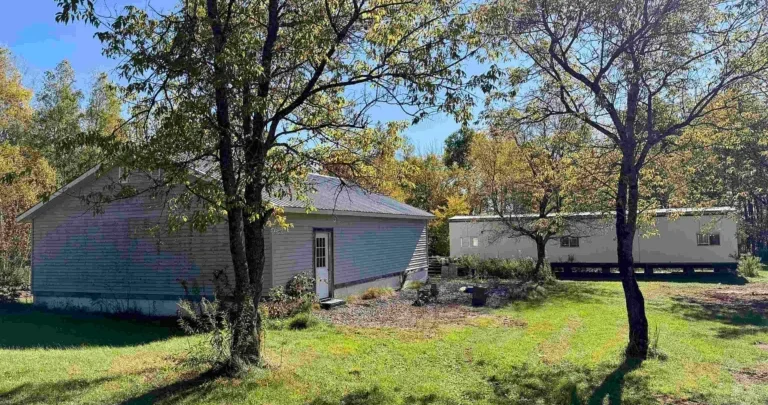
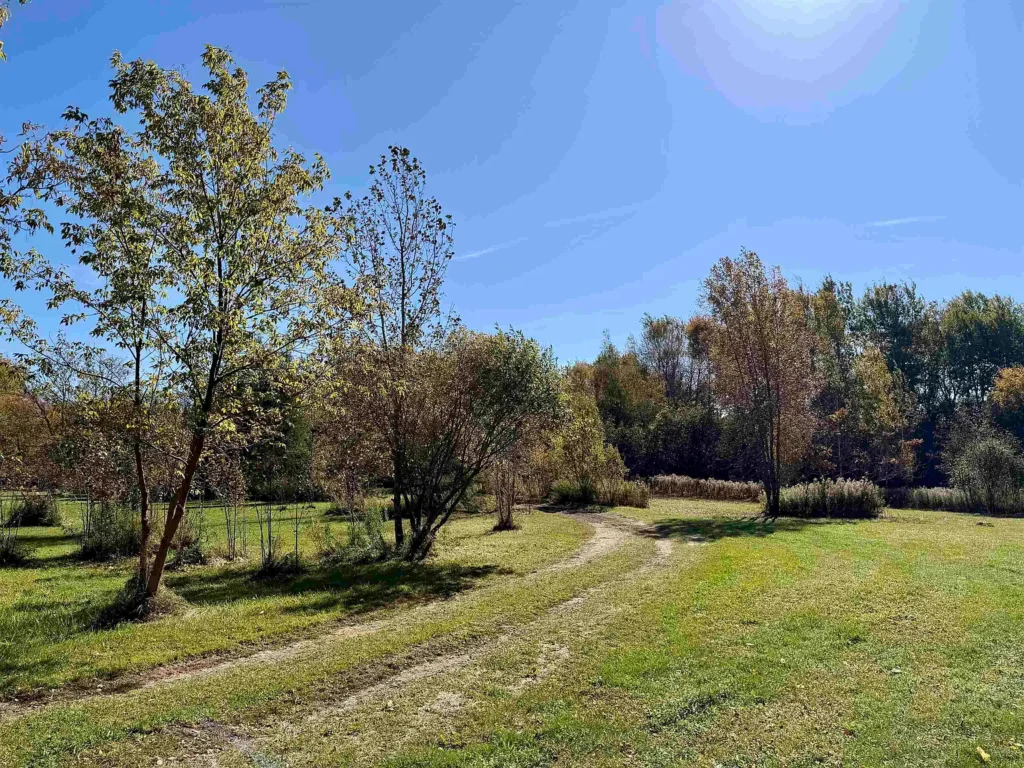
Rural Property in Norwood, New York, With a Detached Garage, Open Land, and Natural Wetlands
A countryside setting, a detached garage, and a landscape that combines open areas with natural wetlands give this Norwood, New York, property a distinctive rural character. The supplied description presents it as a place for privacy, outdoor enjoyment, and the possibility of a future residential or recreational project.
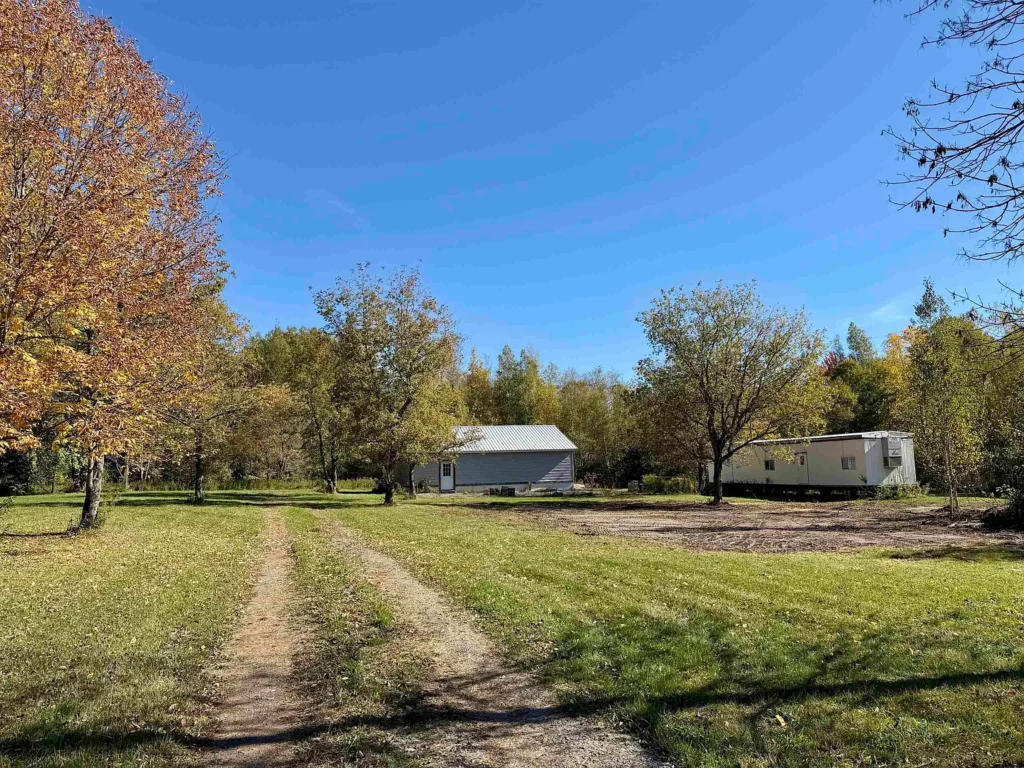
For buyers who want space beyond a conventional residential yard, the property offers several features to explore. There is land described as usable and dry, an existing garage, and room to consider outdoor activities or private trails. The mixture of terrain may appeal to someone who values natural surroundings as much as a potential building site.
The property is also presented as having possibilities for a future home, hunting retreat, or garage conversion. Those are proposed uses rather than confirmed approvals. Any plans involving construction, residential occupancy, hunting, or changes near wetlands should be evaluated against the parcel’s documented conditions and applicable requirements.
No asking price, exact address, acreage figure, or garage dimensions are provided. The information available nevertheless offers a useful starting point for understanding the property’s appeal and the questions worth exploring during a visit.
A Countryside Setting in Norwood, New York
The property is located in Norwood, New York, and is described as being surrounded by peaceful countryside and natural landscapes.
That setting may interest buyers who want a place to spend time outdoors, establish a private retreat, or investigate the possibility of country living. The appeal comes from having room to experience the land rather than focusing solely on an existing residence.
The supplied description does not identify a house on the property. Buyers should therefore assess it primarily as land with a detached garage unless additional documentation establishes other improvements.
Its precise location will also matter. Access to shops, work, services, and regular destinations can influence whether a rural property works best as a weekend destination or a potential full-time home site.
Obtaining the exact address and parcel information is the first step toward connecting the countryside description with practical everyday needs.
A Landscape With Open Areas and Wetlands
One of the property’s defining characteristics is its combination of open land and natural wetlands.
This mixture can create a varied landscape, with different areas offering different experiences. Open sections may provide clearer views across the parcel, while wetter areas contribute another layer of natural character.
The distinction also matters when evaluating future uses. Land that is attractive for observation or exploration may not be suitable for buildings, vehicle access, or other improvements.
The supplied description does not establish where the wetlands begin and end or how much of the property they occupy. Buyers should request available maps and seek an appropriate assessment if their plans depend on using land near those areas.
Understanding the landscape as a whole will help identify which sections are best suited to outdoor enjoyment, which may support an approved project, and which should remain undisturbed.
Usable Dry Land Is an Important Feature
The marketing specifically identifies usable, dry land within the property. That is a relevant detail for buyers interested in more than passive ownership of a natural parcel.
However, dry ground and an approved building site are different things. A section that appears suitable during a visit still needs to be evaluated in relation to access, soil conditions, utilities, drainage, and applicable requirements.
Buyers should ask where the advertised dry areas are located and how they connect to the garage and property entrance. Their size and arrangement may be just as important as the total amount of land.
A clear site plan can help distinguish between confirmed features and preliminary ideas. For anyone considering construction, identifying an appropriate project area early can make later discussions with designers, contractors, and local authorities more productive.
A Detached Garage Provides an Existing Improvement
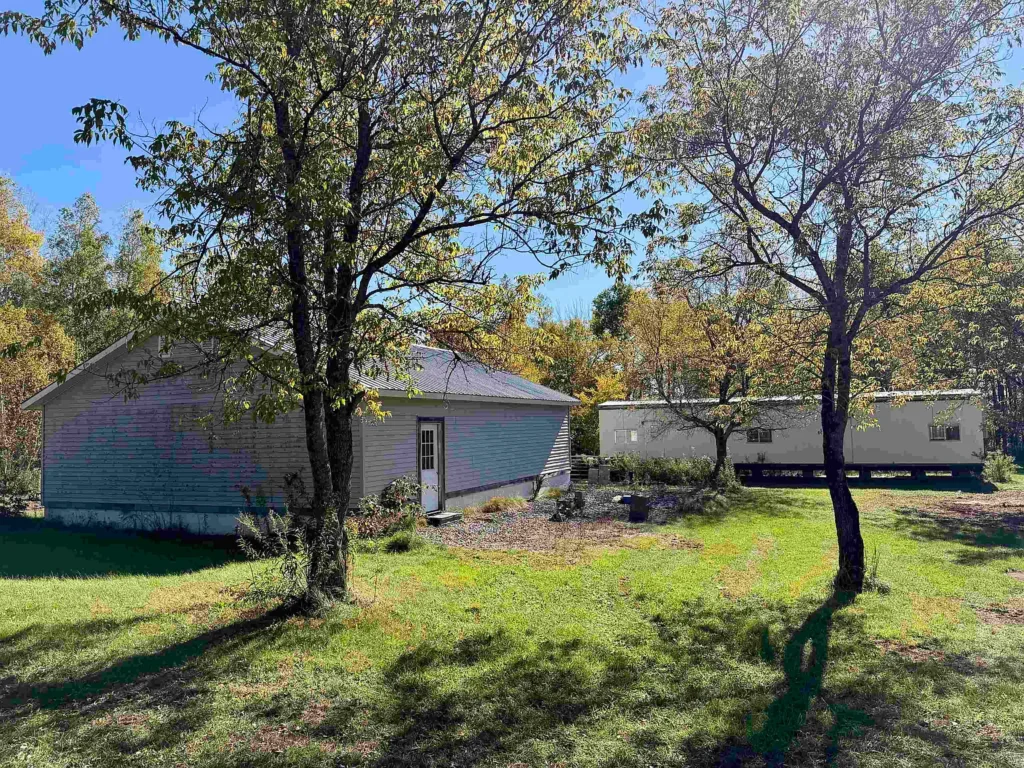
The detached garage gives this property a practical feature beyond the land itself.
An existing building may provide space for equipment, tools, outdoor supplies, or other belongings, depending on its condition and permitted use. It could also interest buyers who want a place to support hobbies or maintenance activities.
The supplied description does not include the garage’s dimensions, age, construction materials, or vehicle capacity. Those details should be confirmed before assigning it a specific role.
During a viewing, buyers should examine the roof, walls, floor, doors, and drainage around the building. They should also establish whether electricity or any other services are connected.
A garage’s usefulness depends on how well its actual characteristics match the owner’s needs. Measuring doors and interior clearances can be particularly helpful when equipment storage is part of the plan.
Storage, Hobbies, and Workshop Possibilities
The description presents the garage as suitable for storage, equipment, hobbies, or a workshop.
Each of those uses places different demands on a building. Basic storage may require a secure, weather-resistant enclosure, while a workshop may depend on lighting, ventilation, suitable electrical service, and adequate working space.
Buyers should consider what they intend to do inside the garage rather than evaluating it only as a general-purpose structure. A building that works well for garden tools may need substantial changes before accommodating another activity.
It is also worth assessing access between the road, garage, and usable portions of the land. Convenient loading, turning space, and drainage can influence daily practicality.
The garage may become a useful base for enjoying and maintaining the property, provided its condition and approved use support those plans.
Evaluating a Potential Garage Conversion
The original description raises the possibility of converting the garage, subject to the necessary approvals and permits.
That qualification is essential. The supplied information does not establish that the garage is approved for residential occupancy or that a conversion is technically feasible.
A buyer interested in this possibility would need to investigate the structure, foundation, insulation, ventilation, safe exits, and arrangements for water and wastewater. The intended use would also need to comply with applicable requirements.
The cost of bringing a building to the required standard can vary considerably, so preliminary professional advice is valuable before treating conversion as the main reason to purchase.
For now, the confirmed feature is an existing detached garage. A future conversion is an option to assess through documentation, inspection, design work, and the appropriate approval process.
Exploring the Possibility of a Future Country Home
The property is marketed as having potential for a future home.
For a buyer drawn to country living, the opportunity to investigate a new residence within a natural setting may be appealing. It could allow the layout and placement of a home to respond to views, privacy, and the character of the land.
The first task is establishing whether the intended project is feasible. Buyers should confirm permitted residential use, legal access, available services, and the suitability of a proposed building area.
The relationship between dry ground and wetlands will be particularly relevant to site planning. A home’s footprint is only one consideration; access, utility routes, wastewater arrangements, and construction activity also need space.
A property becomes a realistic home-building opportunity when those elements can be brought together within an approved and workable plan.
A Recreational Retreat With Room to Unwind
The land may also appeal to someone whose main goal is recreation rather than immediate construction.
A rural parcel can provide a destination for spending time outside, enjoying the landscape, and taking a break from a busy routine. The description emphasizes quiet relaxation and opportunities to explore.
The most suitable activities will depend on the parcel’s size, terrain, access, and rules. Buyers should avoid assuming that camping, vehicle use, or overnight stays are automatically permitted.
A recreational purchase can still benefit from a clear plan. Consider how often you would visit, what equipment you would bring, where it would be stored, and what maintenance would be required between visits.
The detached garage may support some of those needs, while the natural setting provides the main reason to return.
Opportunities for Wildlife Observation
The mixture of open areas and wetlands may interest buyers who enjoy observing nature.
Different parts of the property could offer changing scenery and opportunities to watch for wildlife, although the supplied description does not identify particular species or guarantee sightings.
For some owners, the appeal lies in moving slowly through the landscape and learning how it changes across the year. Others may prefer a simple seating spot overlooking an accessible section of the land.
Anyone interested in photography or observation should assess visibility, access, and suitable locations during a visit.
The property does not need extensive development to provide an outdoor experience. Understanding and respecting the existing landscape may be central to how a future owner chooses to enjoy it.
Private Trails Would Require Thoughtful Planning
The marketing mentions the possibility of creating private trails.
A trail could help connect different parts of the parcel and make regular exploration more convenient. However, the description does not confirm that an established trail system already exists.
Any proposed route should account for terrain, wet areas, drainage, boundaries, and applicable restrictions. In some sections, leaving the ground undisturbed may be the most appropriate choice.
Buyers should first identify where access is already practical and where additional work would be required. That assessment can help distinguish a modest walking route from a more involved project.
A carefully planned route should serve the owner’s intended activities while fitting the conditions of the land. Its feasibility will depend on the property itself rather than the general promise of acreage.
Assessing the Property as a Hunting Retreat
A hunting retreat is another possibility mentioned in the supplied description.
That use should be investigated specifically. The information provided does not confirm hunting permissions, suitable parcel dimensions, lawful discharge areas, access arrangements, or the presence of particular game.
Buyers interested in hunting should review the applicable requirements and evaluate the relationship between the parcel, neighboring properties, roads, and buildings.
It is also important to separate a recreational land use from an approved place to stay. The existence of a garage does not establish that overnight accommodation is permitted.
A buyer whose primary objective is hunting should obtain answers to those questions before relying on the property’s general rural character. Clear documentation will provide a stronger basis for the decision than assumptions about the surrounding countryside.
Privacy, Access, and Seasonal Conditions
Privacy is a central theme in the property’s presentation, but it is best understood through a firsthand visit.
The position of the garage, neighboring land uses, road visibility, and vegetation can all influence how secluded a property feels. Conditions may also change as foliage and ground cover vary.
Access deserves equal attention. Buyers should confirm the legal route into the parcel, driveway condition, and any maintenance responsibilities or easements.
Where wetlands and dry areas exist together, seasonal observations can be especially useful. A single visit may not reveal the full pattern of standing water or drainage.
Available records, site assessments, and visits under different conditions can help establish a more complete understanding of the land and its practical limitations.
Information to Request Before Making Plans
Because the supplied description does not include a price, acreage total, or exact address, buyers should request a complete listing package before developing detailed proposals.
Useful documents include parcel identification, a survey if available, tax information, zoning details, access records, and information about existing services.
The garage should be documented and inspected, particularly if its future use is an important part of the purchase. Any proposed construction or conversion should be discussed with the appropriate local authorities and qualified professionals.
These steps help turn broad possibilities into decisions based on the actual property.
For someone seeking a natural setting in Norwood, this offering brings together land, an existing garage, and several directions to explore. Contact the listing representative for current pricing, complete property details, and an opportunity to view the site.
Watch Via Zillow