Affordable Homes
This 3,306 Square Foot North Carolina Home Is Selling For Just $80,000 — But There’s No Bridge To Reach It
This 3,306 Square Foot North Carolina Home Is Selling For Just $80,000 — But There’s No Bridge To Reach It

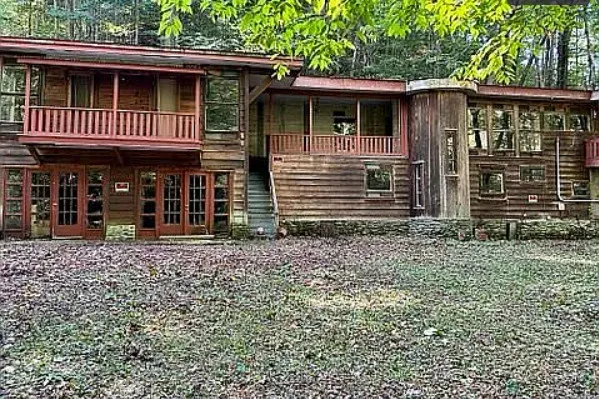
$80,000 North Carolina Mountain Home on 2 Acres With Creek Frontage, 4 Bedrooms and Incredible Renovation Potential
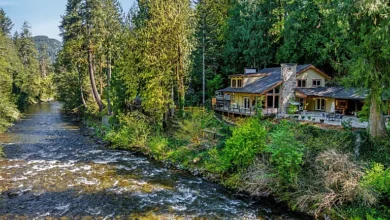
Hidden among the scenic mountains of Yancey County, North Carolina, this remarkable creekside property offers one of the more unusual opportunities for buyers searching for affordable mountain real estate. Listed for $80,000, the spacious four-bedroom residence sits on approximately two acres of land surrounded by woodland, flowing water, and the natural beauty of the Blue Ridge Mountains.
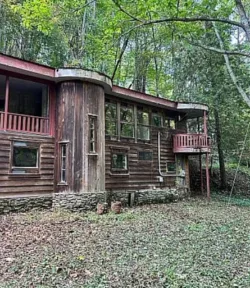
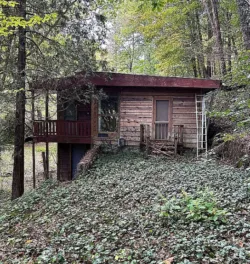
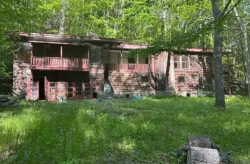
Located at 26 Cold Spring Road in Burnsville, the home was originally built in 1954 and features approximately 3,306 square feet of living space, six bathrooms, a finished basement, a traditional stone fireplace, hardwood flooring, cedar siding, covered porches, and balconies overlooking the surrounding landscape.
At first glance, the asking price appears remarkably attractive for a mountain residence of this size. However, this property comes with a significant challenge that prospective buyers must carefully evaluate.
The existing bridge across Cattail Creek is no longer available, meaning the future owner will need to establish safe and reliable access to the property. The residence also requires substantial renovation, including roof replacement, ceiling repairs, and other improvements.
For experienced real estate investors, contractors, and buyers interested in major restoration projects, this property could offer an opportunity to transform an older mountain home into a distinctive countryside retreat.
The key is understanding the complete financial commitment before making a purchase.
Property Overview: A Spacious Mountain Home for $80,000
| Property details | Information |
|---|---|
| Asking price | $80,000 |
| Previous asking price | $90,000 |
| Address | 26 Cold Spring Rd, Burnsville, NC 28714 |
| County | Yancey County |
| Land | Approximately 2 acres |
| Living area | 3,306 square feet |
| Bedrooms | 4 |
| Bathrooms | 4 full and 2 half bathrooms |
| Year built | 1954 |
| Exterior | Cedar siding |
| Fireplace | Wood-burning stone fireplace |
| Basement | Finished |
| Water supply | Private well |
| Annual property taxes | $1,234, reported for 2025 |
| Tax-assessed value | $205,600 |
| HOA | None reported |
| Listing type | For sale by owner |
| Property condition | Significant renovation required |
| Access | New creek crossing required |
The information above is based on the supplied listing description. Current pricing, availability, property condition, and financial estimates should be independently verified.
Discover the Natural Beauty of North Carolina’s Blue Ridge Mountains
The Blue Ridge Mountains have long attracted people who appreciate scenic landscapes, wooded properties, outdoor recreation, and the peaceful atmosphere of mountain living.
Burnsville, located in Yancey County, offers the small-town character associated with western North Carolina while providing access to the surrounding mountain countryside.
This property captures many of the qualities that make mountain real estate appealing. Mature woodland, flowing creek water, natural terrain, and a traditional mountain residence create a setting that feels distinctly different from conventional suburban developments.
For individuals searching for a private retreat, the approximately two-acre parcel offers opportunities to enjoy the surrounding natural environment.
Imagine spending a quiet afternoon on a covered porch, listening to the sound of flowing water and watching the surrounding trees change with the seasons.
Spring brings fresh greenery to the mountain landscape. Summer offers opportunities to enjoy the outdoors, while autumn transforms the surrounding hills into a colorful display of seasonal foliage. Winter introduces a quieter atmosphere that highlights the distinctive character of mountain living.
Although the property requires substantial improvements, its natural setting remains one of its most appealing characteristics.
A Traditional Mountain Residence Built in 1954
Originally constructed in 1954, this spacious home reflects the traditional character associated with older mountain properties.
Its cedar siding, stone fireplace, hardwood flooring, and distinctive architectural details create a foundation for a renovation that could preserve its rustic appearance while introducing modern residential conveniences.
Unlike newly constructed homes that often feature standardized designs, older mountain residences can offer unique architectural elements and individual character.
The existing structure provides approximately 3,306 square feet of living space, offering considerable room for future improvements and customization.
However, the age of the building makes a comprehensive structural inspection particularly important.
Prospective buyers should investigate the condition of the foundation, framing, roof, electrical wiring, plumbing, and mechanical systems.
The property’s renovation requirements should be evaluated by experienced contractors rather than relying exclusively on its appearance or historical value.
With appropriate restoration, the residence could potentially become a comfortable mountain home that combines traditional craftsmanship with contemporary functionality.
Four Spacious Bedrooms With Flexible Living Opportunities
The property’s four-bedroom configuration offers flexibility for different household arrangements.
Future homeowners could potentially establish comfortable sleeping areas for family members, visiting relatives, or overnight guests.
The additional bedrooms may also provide opportunities to create a dedicated home office, hobby room, reading area, or creative studio.
For individuals who work remotely, a mountain residence with sufficient interior space could offer an appealing environment for combining professional responsibilities with a quieter lifestyle.
However, internet availability, electrical infrastructure, and reliable property access should be confirmed before planning a permanent remote-working arrangement.
The property’s generous interior dimensions may allow future homeowners to develop a layout that reflects their personal preferences.
Before undertaking renovations, buyers should evaluate the existing room configuration and determine whether structural changes are necessary.
Preserving functional aspects of the original floor plan may help reduce renovation expenses while maintaining the character of the residence.
Six Bathrooms Add Exceptional Renovation Potential
According to the supplied property information, the home features four full bathrooms and two half bathrooms.
This is an interesting characteristic for a residence listed at $80,000, particularly given its traditional mountain architecture and substantial interior space.
Multiple bathrooms could provide significant convenience for a large household, visiting guests, or future recreational use.
However, the presence of six bathrooms also introduces additional renovation and maintenance considerations.
Older plumbing systems may require repairs, replacement, or modernization. Bathroom flooring, ventilation, fixtures, drainage, and water supply systems should all be professionally assessed.
Future homeowners could potentially incorporate updated bathroom designs featuring modern fixtures, energy-efficient lighting, practical storage, and materials that complement the home’s mountain character.
A carefully planned renovation could prioritize essential plumbing improvements before introducing more decorative upgrades.
Understanding the condition of the existing bathrooms will be an important part of determining the property’s overall restoration budget.
A Beautiful Wood-Burning Stone Fireplace
One of the most distinctive interior features is the traditional wood-burning stone fireplace.
Stone fireplaces have long been associated with mountain homes, providing a welcoming architectural focal point and contributing to the rustic atmosphere of the interior.
With thoughtful restoration, the fireplace could become the centerpiece of an inviting living area.
Comfortable seating, natural wood furnishings, warm lighting, and traditional decorative elements could complement its appearance.
Imagine spending a cool autumn evening enjoying the atmosphere of a restored mountain residence while overlooking the surrounding woodland.
Before operating the fireplace, however, homeowners should arrange a professional inspection of the chimney, firebox, masonry, and ventilation components.
Older fireplaces may require maintenance or repairs before they can be used safely.
Restoring an original fireplace may help preserve the property’s architectural character while enhancing its appeal as a countryside retreat.
Hardwood Flooring and Traditional Interior Character
The existing hardwood flooring provides another interesting feature for buyers interested in historic home restoration.
Original or older hardwood floors can contribute warmth, visual appeal, and traditional character to residential interiors.
Depending on their condition, existing wooden floors may be suitable for professional refinishing rather than complete replacement.
Refinishing could potentially restore their appearance while preserving materials that contribute to the home’s architectural identity.
However, buyers should carefully inspect the flooring for moisture damage, structural movement, deterioration, and problems associated with previous roof leaks.
The underlying subfloor and structural supports should also be evaluated.
If significant water intrusion has occurred, addressing the source of the moisture and repairing affected materials should take priority over cosmetic improvements.
A thoughtful restoration strategy could allow future owners to retain the home’s distinctive character while improving everyday comfort.
A Distinctive Spiral Staircase
The spiral staircase adds another memorable architectural feature to the residence.
Unlike conventional staircases, spiral designs can introduce visual interest while creating a distinctive connection between different levels of a home.
For buyers who appreciate unusual residential architecture, this feature could become an important part of the property’s renovated interior.
The staircase might complement a design approach that combines rustic mountain materials with contemporary decorative elements.
Nevertheless, its structural condition, handrails, dimensions, and safety characteristics should be professionally evaluated.
Buyers planning to use the residence as a permanent family home or future rental property should also consider applicable building and occupancy requirements.
Retaining distinctive architectural features can be rewarding, but safety and functionality should remain essential priorities throughout the renovation process.
A Functional Kitchen With Opportunities for Modernization
The kitchen currently includes a range and refrigerator, according to the supplied property description.
Although the home’s overall condition suggests that substantial improvements may be necessary, the existing kitchen provides a starting point for future renovation planning.
A restored mountain kitchen could combine traditional wooden cabinetry, natural materials, modern appliances, and practical storage solutions.
Depending on the available space, future homeowners might explore improvements such as updated countertops, energy-efficient appliances, improved lighting, and a more functional cooking area.
For buyers who enjoy preparing meals at home, a thoughtfully designed kitchen could become one of the most important features of the renovated residence.
Before establishing a kitchen renovation budget, contractors should evaluate the plumbing, electrical service, ventilation, flooring, and existing cabinetry.
Prioritizing essential infrastructure before cosmetic upgrades may help homeowners manage renovation costs more effectively.
Finished Basement With Additional Living Space
The finished basement introduces additional possibilities for future homeowners.
A spacious lower level could potentially accommodate recreation areas, entertainment equipment, household storage, creative projects, or other suitable activities.
For a property offering more than 3,300 square feet of reported living space, the basement may represent an important part of its overall functionality.
However, the creekside location makes moisture management especially important.
Prospective buyers should investigate whether the basement has experienced flooding, water infiltration, structural damage, or persistent humidity.
A professional evaluation should examine the foundation, drainage systems, ventilation, electrical installations, and condition of interior finishes.
Any evidence of previous water damage should be thoroughly investigated before planning cosmetic improvements.
The term “finished basement” describes the space as reported in the listing, but does not establish its present habitability or compliance with current residential requirements.
Covered Porches and Balconies Overlooking the Countryside
The residence features covered porches and balconies that complement its scenic mountain setting.
Outdoor living spaces can be particularly appealing in properties surrounded by woodland and flowing water.
Future homeowners could potentially create inviting outdoor seating areas for reading, relaxing, enjoying morning coffee, or appreciating the changing seasons.
Traditional wooden furniture, suitable outdoor lighting, and carefully selected decorative elements could enhance these spaces.
The covered design may also provide shelter from certain weather conditions, depending on the configuration and condition of the structures.
Because the property requires substantial restoration, all porches and balconies should receive a professional structural inspection before use.
Deck supports, railings, roofing, foundations, and connections to the main building may require repairs or replacement.
Once appropriately restored, these outdoor areas could become some of the most enjoyable features of the property.
Approximately Two Acres of Creekside Mountain Land
The surrounding land is another central part of this property’s appeal.
Approximately two acres provide opportunities to enjoy the wooded countryside and establish a personalized outdoor environment.
Depending on the property’s terrain, boundaries, flood exposure, and applicable regulations, homeowners might explore gardening, outdoor seating areas, landscaping, or other suitable recreational activities.
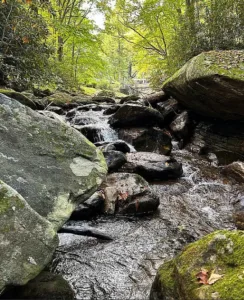
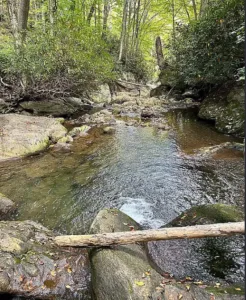
The presence of Cattail Creek adds natural beauty and contributes to the distinctive atmosphere of the property.
Creekside real estate can be particularly attractive to buyers who appreciate flowing water, natural landscapes, and a sense of separation from busier residential environments.
However, owning land beside a mountain creek also introduces responsibilities.
Seasonal water levels, erosion, drainage, flood exposure, and access requirements can influence how the property may be safely used.
An updated land survey and environmental assessment may help buyers better understand the usable portions of the acreage.
The Missing Bridge: The Most Important Challenge Facing Buyers
The property’s unusual access situation is the most significant factor prospective homeowners must consider.
According to the supplied listing, there is currently no usable bridge connecting the road to the residence across Cattail Creek.
This means that purchasing the house does not immediately provide reliable vehicular or pedestrian access.
Before the residence can become a practical year-round home, a suitable permanent crossing will likely need to be established.
The access problem also affects the renovation itself.
Contractors must be able to transport workers, building materials, roofing equipment, plumbing supplies, and other necessary resources to the property.
Emergency services, utility providers, insurance inspectors, and future residents also need appropriate access.
For this reason, restoring the creek crossing may need to become the first major stage of the entire project.
Buyers should avoid entering the property through unsafe or unapproved creek crossings.
Instead, arrangements for inspections and temporary access should be coordinated with the owner and qualified professionals.
How Much Could Building a New Private Bridge Cost?
The supplied property description places the estimated cost of a replacement bridge between $35,000 and $75,000.
However, these figures should be treated as preliminary estimates rather than guaranteed construction prices.
Building a private bridge across a mountain creek involves more than installing a structure between two banks.
Engineering requirements may depend on water flow, flood elevations, stream width, soil conditions, structural loads, erosion potential, and the accessibility needs of the residence.
The crossing may also require permits or approvals from relevant authorities.
Before purchasing, prospective homeowners should obtain an independent engineering assessment and written construction proposals.
A properly designed crossing should account for the possibility of severe weather, changing creek conditions, and long-term maintenance requirements.
It should also provide adequate access for the vehicles and services necessary to support residential use.
The final construction expense could fall outside the seller-provided estimate if site conditions or regulatory requirements introduce additional complexity.
Why Legal Access Is Just as Important as Physical Access
Even if constructing a new bridge is technically possible, buyers should first establish that the necessary legal access rights exist.
A property deed, recorded easement, survey, or right-of-way agreement may contain important information concerning the route between the public road and the residence.
Prospective buyers should work with a qualified real estate attorney and title professional to confirm these arrangements.
Physical access does not automatically establish legal access, and legal access does not necessarily guarantee that a new bridge can be constructed without additional approvals.
Resolving both issues before purchasing can help prevent significant complications later.
Significant Renovation Work Is Required
Although the residence offers generous interior space and attractive architectural features, it is not presented as a move-in-ready mountain home.
The supplied information identifies roof replacement, ceiling repairs, and general renovation as important requirements.
The visible condition of the house may not reveal every problem associated with its age, maintenance history, and exposure to moisture.
A property requiring substantial repairs should be evaluated as a complete renovation project rather than a conventional residential purchase.
Contractors may need to inspect the roof, attic, foundations, structural framing, flooring, electrical wiring, plumbing, heating equipment, windows, insulation, and exterior materials.
Areas affected by previous roof leaks should receive particular attention.
The actual scope of work may change once damaged materials are removed and concealed building components become accessible.
For that reason, renovation budgets should include a reasonable contingency for unexpected repairs.
Roof Replacement and Ceiling Restoration
The roof represents one of the most important components of any residential restoration project.
An aging or damaged roof can allow moisture to enter the building, potentially affecting ceilings, insulation, wooden framing, electrical components, and interior finishes.
The supplied description identifies the need for a new roof and repairs to damaged ceiling drywall.
Before replacing interior materials, contractors should determine the source and extent of any water intrusion.
Simply installing new drywall without addressing the underlying cause could lead to additional problems.
A roofing professional should evaluate the existing roof structure, drainage arrangements, flashing, ventilation, and surrounding trees.
The property’s difficult access may also influence the cost of delivering roofing materials and equipment.
Completing essential exterior protection before investing in decorative renovations can help protect the buyer’s long-term investment.
The Estimated Home Renovation Budget
According to the supplied description, restoring the residence to a livable and marketable condition could require an estimated investment of $175,000 to $250,000.
Combined with the asking price and estimated bridge construction expenses, this creates a substantially different financial picture from the initial $80,000 listing price.
| Project expense | Lower estimate | Upper estimate |
|---|---|---|
| Property purchase | $80,000 | $80,000 |
| Home renovation | $175,000 | $250,000 |
| Bridge construction | $35,000 | $75,000 |
| Estimated subtotal | $290,000 | $405,000 |
These figures exclude additional expenses such as closing costs, engineering fees not included in contractor estimates, financing charges, property taxes, insurance, permits, and unexpected construction problems.
They are based entirely on the supplied estimates and have not been independently validated.
The complete project budget could therefore be considerably higher than the original asking price suggests.
For investors and future homeowners, establishing a detailed renovation plan before purchasing is essential.
Could the Renovated Property Be Worth More Than $600,000?
One of the most interesting aspects of the supplied property description is the projected after-repair value of more than $600,000.
If supported by comparable property sales and a professional appraisal, such a valuation could make the project interesting to experienced real estate investors.
However, this figure should not be interpreted as a guaranteed future selling price.
An after-repair value depends on numerous factors, including renovation quality, legal access, flood exposure, market conditions, property location, usable acreage, and buyer demand.
The property’s unusual access history may continue influencing its marketability even after a new bridge has been constructed.
For illustration, assuming a completed market value of exactly $600,000, the difference between that value and the estimated purchase, renovation, and bridge subtotal would range from $195,000 to $310,000.
That difference is not net profit. Additional ownership, financing, construction, and selling expenses would need to be deducted.
Actual project costs and future property values could also differ significantly from the preliminary estimates.
A qualified local appraiser should evaluate relevant comparable sales before buyers rely on any projected valuation.
Understanding the Property’s Price History
The supplied information indicates that the residence has experienced considerable changes in its asking price over recent years.
| Date | Reported price or event |
|---|---|
| March 2020 | Sold for $60,000 |
| April 2024 | Listed for $270,000 |
| 2025–2026 | Multiple reported price reductions |
| Previous asking price | $90,000 |
| Latest supplied asking price | $80,000 |
From the Zillow
The reduction from $90,000 to $80,000 represents a decrease of approximately 11.1%.
However, a substantial price reduction does not automatically establish that a property is undervalued.
The access problem, renovation requirements, financing limitations, and potential flood exposure may all influence the price buyers are willing to pay.
Historical listing prices should also be distinguished from completed sales.
The former $270,000 asking price does not necessarily establish that the property was worth that amount in its previous condition.
Mortgage Financing Challenges for Distressed Mountain Properties
Purchasing a house requiring extensive repairs can involve considerably different financing considerations from buying a move-in-ready residence.
Traditional mortgage lenders generally evaluate both the borrower’s financial circumstances and the condition, accessibility, and marketability of the property.
A home without reliable access may present significant difficulties during the appraisal and underwriting process.
Substantial roofing, structural, or safety concerns may also affect financing eligibility.
Buyers interested in this Burnsville property should discuss its unusual circumstances with lenders before making an offer.
The availability of financing will depend on the specific loan program, property condition, proposed renovation plan, legal access arrangements, and lender requirements.
FHA 203(k) Renovation Financing
FHA 203(k) financing is designed to combine eligible home purchases and rehabilitation expenses into a single mortgage arrangement.
For qualifying properties, this type of financing may provide an alternative to purchasing a residence and arranging separate funding for improvements.
However, the missing bridge introduces complications that must be evaluated directly with an experienced renovation lender.
Buyers should not assume that bridge construction is an eligible expense or that the property qualifies for this program.
Conventional Renovation Loans
Certain conventional renovation mortgage products may allow eligible borrowers to finance a property purchase alongside approved improvements.
These arrangements may be worth discussing with lenders experienced in substantial residential rehabilitation projects.
An approved renovation plan, contractor estimates, appraisal, and compliance with lender requirements would generally be important parts of the process.
USDA and VA Home Financing
Rural housing financing and mortgage programs for eligible veterans may offer advantages in appropriate circumstances.
However, these programs have specific borrower and property requirements.
The unresolved access issue and significant renovation needs could prevent this property from qualifying in its current condition.
Prospective buyers should obtain property-specific guidance rather than assuming eligibility based on the rural location or purchase price.
Cash Purchases and Private Renovation Financing
Experienced property investors sometimes consider cash purchases or private renovation financing when traditional mortgage arrangements are unavailable.
Private loans may offer greater flexibility in certain circumstances but can also involve higher borrowing costs, shorter repayment periods, and substantial financial risk.
Buyers should carefully evaluate interest charges, fees, repayment deadlines, collateral requirements, and potential refinancing difficulties.
Refinancing after renovation is not guaranteed.
Homeowners Insurance for Creekside Real Estate
Insurance represents another essential consideration when purchasing a mountain property beside a creek.
A residence requiring substantial repairs may be more difficult to insure under a standard homeowners policy.
Insurance providers may request information about structural condition, electrical systems, roofing, property accessibility, renovation plans, and occupancy status.
The absence of a usable bridge could also influence an insurer’s assessment of emergency access and overall property risk.
During the renovation period, buyers may need to investigate specialized insurance arrangements appropriate for vacant or under-renovation properties.
Coverage should be discussed before closing rather than after the purchase has been completed.
An insurance professional can help explain potential policy exclusions, coverage limits, deductibles, and the treatment of detached structures or private access infrastructure.
Why Flood Insurance Deserves Special Attention
The creekside setting adds natural beauty to this property, but it also creates important flood-related considerations.
Standard homeowners insurance generally excludes flood damage, meaning separate flood coverage may be necessary to protect against certain water-related losses.
Prospective buyers should investigate the property’s current flood zone classification, previous flooding history, elevation, drainage conditions, and proximity to Cattail Creek.
Even properties located outside designated high-risk flood zones can experience flooding.
The missing bridge should encourage buyers to investigate the broader history of creek conditions and severe weather impacts.
However, the exact cause of the bridge’s disappearance has not been independently established.
A professional flood risk assessment and insurance quote can help buyers understand potential expenses before making a financial commitment.
Private Well Water and Wastewater Considerations
The property is reported to have private well water service.
Private wells can provide a practical water supply for rural homeowners, but their condition and water quality should be independently evaluated.
A professional inspection and appropriate laboratory testing can help determine whether the existing water supply is suitable for residential use.
The home’s wastewater arrangements should also be confirmed.
If the residence uses a private septic system, buyers should investigate its condition, capacity, maintenance history, and any applicable permits.
The property’s six bathrooms make adequate plumbing and wastewater infrastructure particularly important.
Flood exposure and previous periods of vacancy may introduce additional inspection considerations.
Any necessary repairs or replacement systems should be included in the overall renovation budget.
Property Taxes and Long-Term Ownership Expenses
According to the supplied property information, the residence had an annual property tax bill of approximately $1,234 for 2025, based on a reported assessed value of $205,600.
No homeowners association fees are reported.
Although these figures may appear attractive, buyers should consider how future renovations and property reassessments could influence long-term ownership expenses.
Additional costs may include homeowners insurance, flood insurance, bridge maintenance, landscaping, utilities, private well servicing, wastewater maintenance, and routine repairs.
The original description also mentions an estimated monthly payment of approximately $516.
That figure should not be treated as the actual cost of owning the renovated property. It does not include the substantial bridge and restoration expenses, and mortgage eligibility has not been established.
A comprehensive household budget should reflect the total completed project rather than the initial asking price alone.
Could This Become a Beautiful Vacation Home?
With substantial restoration and a reliable access crossing, this property could potentially become an appealing mountain vacation residence.
The wooded setting, creek frontage, spacious interior, fireplaces, porches, and balconies provide features that may appeal to individuals searching for a peaceful countryside retreat.
Future owners could create comfortable guest accommodations, welcoming gathering spaces, and inviting outdoor seating areas.
The surrounding Blue Ridge Mountain region also contributes to the broader recreational appeal of western North Carolina.
Some buyers may consider the possibility of short-term vacation rentals after completing the renovation.
However, rental income should not be assumed without investigating local regulations, market demand, insurance requirements, occupancy standards, and operating expenses.
Reliable guest access and appropriate emergency services would be especially important for this property.
Opportunities for a Rustic Luxury Mountain Renovation
Despite the extensive work required, the existing residence provides an interesting foundation for a personalized mountain home design.
A renovation could potentially combine traditional cedar siding, restored hardwood floors, natural stone, contemporary kitchen finishes, modern bathrooms, and energy-efficient mechanical systems.
Large living areas and existing outdoor spaces may provide opportunities to develop a comfortable environment that reflects the surrounding landscape.
Homeowners could explore design elements such as warm wooden furnishings, neutral colors, traditional lighting, and natural decorative materials.
The goal could be to create a refined mountain retreat without removing the architectural features that make the property distinctive.
However, luxury finishes should generally come after essential structural improvements, weather protection, safe access, and reliable utility systems.
A carefully sequenced renovation can help protect both the building and the owner’s financial resources.
Energy Efficiency Improvements for an Older Mountain Home
A house originally built in 1954 may offer opportunities to improve energy performance during renovation.
Depending on its existing condition, potential improvements could include appropriate insulation, air sealing, energy-efficient windows, modern heating equipment, improved ventilation, and updated household appliances.
Mountain properties may experience seasonal temperature fluctuations that influence heating and cooling requirements.
A professional residential energy assessment could help identify which improvements would provide meaningful benefits.
Moisture management should also be considered when updating insulation or ventilation in a creekside residence.
Actual energy savings will depend on the completed renovation, household consumption, equipment efficiency, and local weather conditions.
Incorporating energy considerations early in the restoration plan may be more practical than addressing them after the interior has been completed.
Who Might Be the Ideal Buyer for This Property?
This Burnsville residence may be particularly interesting to experienced buyers who understand the challenges associated with distressed real estate.
A professional contractor might appreciate the opportunity to manage a substantial restoration project using existing construction experience.
An experienced real estate investor may wish to evaluate the property as a potential long-term investment, provided the complete financial analysis supports the purchase.
Individuals interested in creating a permanent mountain retreat could also consider the residence if they have sufficient financial resources and realistic expectations concerning construction timelines.
However, the property may not be appropriate for buyers who require immediate occupancy, depend exclusively on conventional mortgage financing, or have limited funds available for unexpected repairs.
The difference between an attractive project and an expensive financial burden may ultimately depend on the buyer’s preparation, resources, and ability to manage complex construction requirements.
Essential Due Diligence Before Making an Offer
Anyone seriously considering this property should complete a comprehensive investigation before committing to the purchase.
The following questions deserve particular attention:
-
Does the property have legally documented access from the public road?
-
Can a new bridge or approved alternative crossing be constructed?
-
What is the independently estimated cost of engineering, permitting, and bridge construction?
-
What is the condition of the home’s foundation, structural framing, and roof?
-
Has the residence experienced previous flooding or significant water damage?
-
Are there moisture-related problems or environmental hazards requiring remediation?
-
Are the existing well water and wastewater systems operational?
-
Is the property insurable during and after renovation?
-
What financing options are actually available?
-
Are there outstanding liens, title defects, or property restrictions?
-
Do independent comparable sales support the projected after-repair value?
-
What additional expenses should be included in the renovation contingency budget?
Obtaining reliable answers to these questions could help prospective buyers determine whether the opportunity aligns with their financial objectives.
Frequently Asked Questions About This $80,000 North Carolina Mountain Home
Why is this spacious mountain home listed for only $80,000?
The property requires substantial renovation and does not currently have a usable bridge across Cattail Creek. These challenges significantly affect its accessibility, financing options, and overall marketability.
How much land is included with the property?
The supplied description identifies approximately two acres of wooded, creekside mountain land.
How large is the residence?
The property reportedly offers 3,306 square feet of living space with four bedrooms, four full bathrooms, and two half bathrooms.
Can buyers move into the house immediately?
The property is not presented as move-in-ready. Safe access and substantial residential repairs would need to be addressed, and habitability should be independently established.
How much will a replacement bridge cost?
The supplied estimate ranges from $35,000 to $75,000. Actual construction expenses may differ depending on engineering requirements, permits, creek conditions, and site accessibility.
What is the estimated cost of renovating the house?
The supplied description suggests a renovation budget between $175,000 and $250,000. Independent contractor assessments are necessary to establish a reliable estimate.
Can this property qualify for a mortgage?
Traditional mortgage financing may be difficult in its present condition. Specialized renovation financing or other funding arrangements could potentially be explored, subject to lender approval.
Is the property located in a flood zone?
The current official flood zone classification has not been provided or verified. Buyers should obtain updated flood information and professional insurance guidance before purchasing.
Could the home be worth $600,000 after renovation?
The supplied description mentions a projected after-repair value above $600,000. This is an unverified projection rather than an established appraisal or guaranteed future market value.
Is the property still available for $80,000?
The supplied listing identifies an asking price of $80,000. Interested buyers should confirm current pricing and availability directly with the property owner.
Final Thoughts: An Extraordinary Mountain Property With Extraordinary Challenges
This $80,000 mountain residence in Burnsville, North Carolina, offers a fascinating combination of scenic land, traditional architecture, generous living space, and substantial restoration potential.
With approximately two acres of creekside land, four bedrooms, six bathrooms, hardwood flooring, cedar siding, a traditional stone fireplace, covered porches, balconies, and a finished basement, the property contains many features associated with distinctive mountain homes.
However, its low asking price tells only part of the story.
The missing bridge, significant renovation requirements, financing challenges, insurance considerations, and potential environmental concerns must all be carefully evaluated.
Based on the supplied estimates, the purchase, renovation, and bridge construction alone could bring the project subtotal to between $290,000 and $405,000 before additional expenses.
For a well-prepared buyer with appropriate financial resources, professional construction support, and a realistic understanding of the risks, the property could represent an interesting opportunity to restore a substantial mountain residence.
For others, it provides an important reminder that affordable real estate requires more than an attractive listing price.
The true cost of homeownership includes everything necessary to transform a property into a safe, accessible, comfortable, and sustainable place to live.
Some buyers search for a home that is ready to enjoy immediately. Others prefer the challenge of restoring something unique and creating a residence that reflects their own vision.
This North Carolina mountain property is clearly intended for the second type of buyer.
Would you purchase this 3,306-square-foot mountain home on two acres for $80,000 if you had to rebuild the bridge and completely renovate the house?