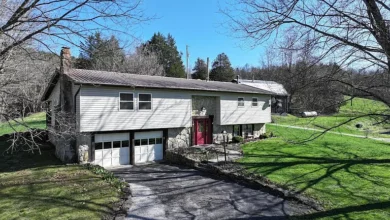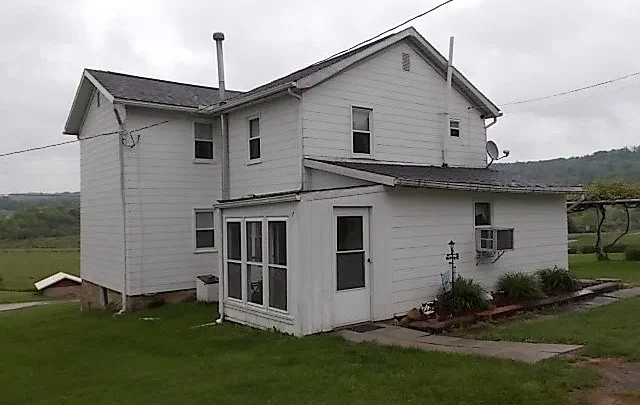
Charming Pennsylvania Farmhouse With Expansive Pastures, Beautiful Countryside Views, Barns, and Natural Gas Wells
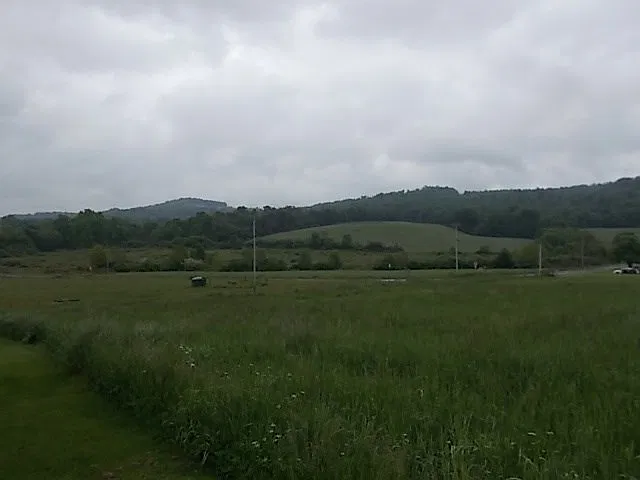
Nestled among the rolling hills and picturesque farmland of New Bethlehem, Pennsylvania, this charming farmhouse offers a remarkable opportunity to experience the timeless beauty of rural American living. Surrounded by expansive pastures, peaceful landscapes, and breathtaking countryside views, the property combines traditional farmhouse character with agricultural potential and opportunities for a more independent lifestyle.
For anyone dreaming of escaping crowded neighborhoods and reconnecting with nature, this distinctive rural homestead provides an appealing alternative to conventional residential living.
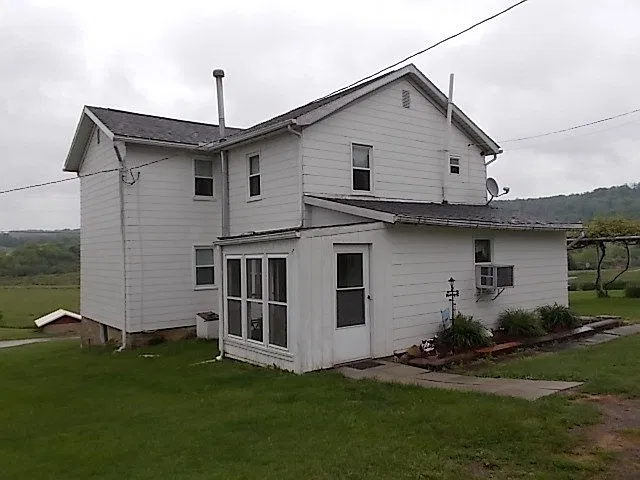
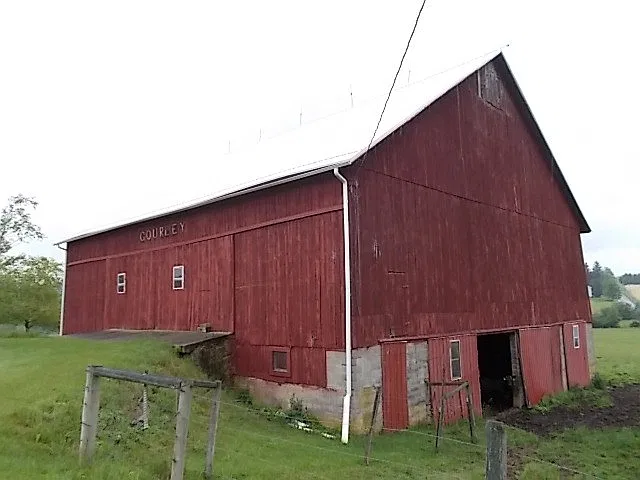
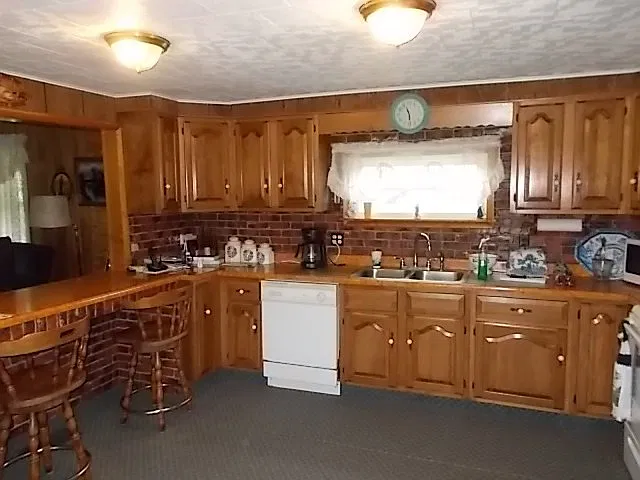
The traditional farmhouse serves as the heart of the property, offering welcoming interior spaces, a spacious kitchen, and the rustic charm associated with generations of country living. Outside, a large barn, detached garage, additional outbuildings, and open pastures create numerous possibilities for farming, gardening, livestock, recreation, and personal projects.
One particularly distinctive feature is the presence of natural gas wells on the property, adding another dimension for buyers interested in rural real estate and natural resource ownership.
Whether you are searching for a permanent countryside residence, a hobby farm, an agricultural investment, or simply a peaceful place to enjoy retirement, this New Bethlehem property deserves a closer look.
Discover the Timeless Beauty of Rural Pennsylvania
Pennsylvania has long been admired for its beautiful farmland, forested hills, historic communities, and traditional agricultural landscapes.
The countryside surrounding New Bethlehem reflects many of the characteristics that make rural Pennsylvania appealing to homebuyers seeking a quieter environment.
Open fields stretch across gently rolling terrain, while the changing seasons transform the landscape throughout the year. The scenery offers a sense of space that can be difficult to find in densely developed residential neighborhoods.
Living in a rural setting allows homeowners to develop a closer relationship with their surroundings.
Instead of beginning the morning with traffic and crowded streets, residents may enjoy views of green pastures, colorful skies, and the peaceful atmosphere of the countryside.
The natural surroundings also provide opportunities to appreciate wildlife, outdoor activities, gardening, and the simple pleasures associated with country living.
For buyers who value privacy, open spaces, and traditional residential architecture, this farmhouse offers an attractive combination of features.
A Traditional Farmhouse Filled With Rustic Character
The farmhouse stands at the center of the property, reflecting the traditional architectural character associated with rural Pennsylvania homes.
Unlike many contemporary houses built around standardized designs, traditional farmhouses often possess a distinctive personality shaped by their history, surroundings, and practical purpose.
This residence offers comfortable living spaces where everyday functionality meets rustic charm.
The inviting atmosphere creates opportunities for future homeowners to personalize the interior while preserving the farmhouse’s traditional identity.
Natural materials, carefully selected furnishings, warm colors, and vintage decorative accessories could complement the property’s character.
Buyers interested in farmhouse interior design may appreciate the opportunity to create a residence that balances historic inspiration with modern comfort.
Rather than attempting to reproduce the atmosphere of country living in a newly constructed house, this property already benefits from an authentic rural setting.
Its combination of traditional architecture and beautiful farmland makes it particularly interesting for homeowners who appreciate properties with individuality.
Comfortable Living Areas With Beautiful Natural Light
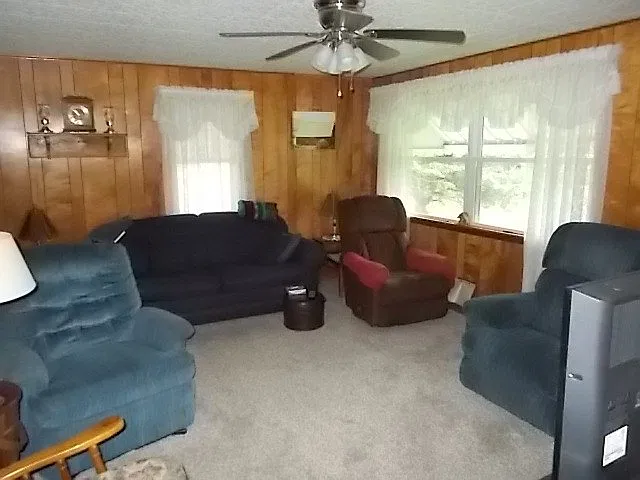
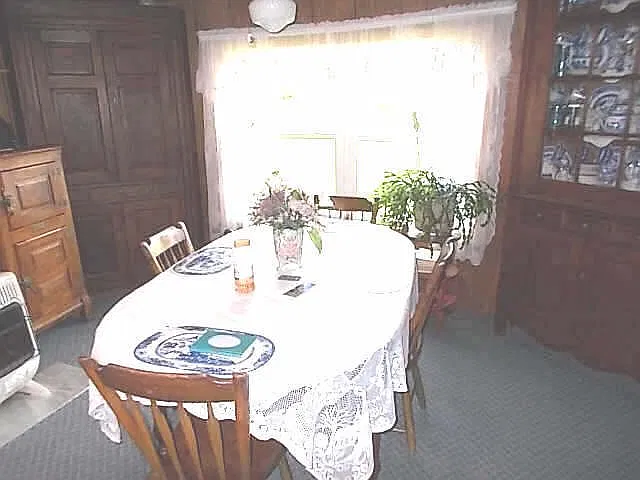
The farmhouse features welcoming living areas designed to accommodate everyday household activities.
Natural light contributes to the interior atmosphere, highlighting traditional details and creating a pleasant connection with the surrounding landscape.
The living spaces provide opportunities for family gatherings, quiet evenings, reading, entertainment, and relaxation.
Future homeowners could arrange comfortable furniture near the windows to take advantage of the peaceful countryside views.
Traditional wooden furniture, natural fabrics, decorative rugs, and thoughtfully selected lighting could enhance the home’s inviting appearance.
For buyers interested in modern farmhouse design, the residence may provide an excellent foundation for combining traditional elements with contemporary conveniences.
The goal does not necessarily need to involve extensive renovations. Sometimes, carefully selected furnishings and modest improvements can make an existing farmhouse feel comfortable and personalized.
A rural residence should ultimately support the lifestyle of its occupants, whether that involves raising a family, working remotely, enjoying retirement, or pursuing agricultural interests.
A Spacious Farmhouse Kitchen at the Heart of the Home
The kitchen represents one of the most important spaces in any traditional farmhouse.
Historically, farmhouse kitchens served as gathering places where families prepared meals, discussed daily responsibilities, and spent meaningful time together.
This property’s spacious kitchen continues that tradition by offering room for cooking, gathering, and enjoying everyday household activities.
Imagine beginning the morning with a freshly prepared breakfast before heading outside to care for the garden or tend to agricultural projects.
During the evening, the kitchen could become a welcoming place for preparing homemade meals and sharing stories with family members.
For homeowners interested in growing their own food, a functional kitchen can be particularly valuable.
Fresh vegetables, seasonal fruits, homemade preserves, and locally sourced ingredients could become part of everyday living.
Future improvements might include energy-efficient appliances, additional storage, updated countertops, or farmhouse-inspired lighting.
Before planning major renovations, buyers should evaluate the existing plumbing, electrical infrastructure, ventilation, and condition of the kitchen.
Thoughtful improvements can enhance everyday functionality while maintaining the traditional character that makes a farmhouse kitchen so appealing.
Spectacular Countryside Views Throughout the Seasons
One of the property’s most memorable characteristics is its surrounding landscape.
Beautiful views stretch across open fields, rolling hills, and peaceful farmland, creating an atmosphere that changes with every season.
The relationship between the farmhouse and its natural surroundings contributes significantly to the property’s overall appeal.
Unlike urban residential properties, where views may be limited by neighboring buildings, a rural homestead can provide opportunities to appreciate expansive landscapes directly from the home.
Spring Brings New Life to the Farmland
Spring transforms the countryside as temperatures become warmer and vegetation begins to return.
Green pastures, emerging leaves, and seasonal flowers create a beautiful backdrop for outdoor activities.
For homeowners interested in gardening or small-scale agriculture, spring may also represent the beginning of the growing season.
Preparing garden beds, maintaining fencing, organizing equipment, and planning agricultural activities can become meaningful parts of rural life.
Summer Offers Long Days and Outdoor Living
During summer, the property could provide opportunities to enjoy extended daylight hours and outdoor recreation.
Homeowners might spend afternoons gardening, maintaining the grounds, enjoying outdoor meals, or simply appreciating the landscape.
Open spaces also provide flexibility for outdoor activities, depending on the property’s terrain and existing infrastructure.
The farmhouse and agricultural buildings create a traditional countryside setting that can be particularly enjoyable during warmer months.
Autumn Creates a Colorful Rural Landscape
Autumn is often one of the most visually appealing seasons in Pennsylvania.
Changing foliage introduces rich shades of red, orange, and gold across the surrounding hills.
The cooler weather can create opportunities for seasonal gardening, harvesting produce, and preparing the property for winter.
For individuals who appreciate traditional country landscapes, autumn may become one of the most memorable times of year at the homestead.
Winter Brings a Quiet Countryside Atmosphere
Winter introduces another perspective on rural living.
Snow-covered fields and quiet surroundings can create a picturesque setting, although colder weather also brings practical responsibilities.
Homeowners should prepare for heating expenses, snow removal, driveway maintenance, and the protection of water systems and agricultural equipment.
Understanding the property’s winter accessibility and heating infrastructure is important when evaluating its suitability as a year-round residence.
A Large Barn With Agricultural and Creative Potential
The large barn is one of the property’s most significant practical features.
Traditional barns represent an important part of American agricultural history, providing shelter for livestock, storage for equipment, and space for numerous farming activities.
This barn adds character to the homestead while creating opportunities for future owners to explore different uses.
Depending on its condition, configuration, and applicable requirements, it could potentially accommodate agricultural equipment, hay storage, livestock, tools, or materials associated with property maintenance.
Individuals interested in establishing a hobby farm may appreciate having an existing agricultural building rather than needing to construct one immediately.
The barn could also appeal to homeowners who enjoy woodworking, furniture restoration, mechanical projects, or other suitable activities.
However, buyers should obtain a professional assessment of the building before planning substantial changes.
Roofing, foundations, structural framing, electrical systems, ventilation, and drainage should all be carefully evaluated.
Older agricultural buildings may require maintenance or specialized restoration to remain functional and safe.
Could the Barn Become a Workshop or Creative Studio?
For buyers who do not intend to operate a traditional farm, the barn may offer alternative possibilities.
A suitable agricultural building could potentially become a workshop, storage facility, art studio, or creative project space.
Individuals who enjoy restoring antique furniture, maintaining vehicles, or developing personal projects may find the additional space particularly appealing.
With appropriate planning, an existing barn may provide opportunities to establish a dedicated work environment separate from the main residence.
Any conversion involving commercial activities, residential occupancy, public gatherings, or significant structural modifications would need to comply with applicable local regulations.
Buyers should investigate zoning restrictions, insurance requirements, building permits, and renovation expenses before committing to a particular use.
Preserving the barn’s traditional character while introducing practical improvements could help maintain the property’s authentic rural appearance.
Detached Garage for Vehicles and Equipment
The detached garage provides another valuable feature for everyday property management.
Rural homeowners often need additional space for vehicles, gardening tools, maintenance equipment, and seasonal belongings.
A dedicated garage can help protect these items from exposure to weather while keeping the primary living areas organized.
Depending on its dimensions and condition, the garage may also provide room for a workbench or additional storage systems.
For buyers planning to maintain gardens, pastures, or livestock facilities, having accessible storage for tools and supplies can make daily responsibilities more manageable.
Prospective homeowners should inspect the garage’s roof, structural condition, doors, flooring, electrical infrastructure, and accessibility.
Understanding the building’s existing condition can help establish a realistic maintenance budget.
Additional Outbuildings Create More Opportunities
Several additional outbuildings further enhance the property’s versatility.
These structures may provide opportunities for storage, agricultural activities, gardening equipment, seasonal supplies, or personal projects.
Having multiple buildings can be particularly useful for homeowners who wish to separate different activities across the property.
One building could potentially accommodate gardening supplies, while another might be suitable for farm equipment or general storage.
The exact uses will depend on the size, condition, and characteristics of each structure.
Before purchasing, buyers should request information concerning the buildings’ maintenance history and evaluate whether any repairs are necessary.
Although existing outbuildings can provide practical advantages, they also introduce additional maintenance responsibilities.
A thorough inspection can help determine which structures are ready for use and which may require future investment.
Expansive Pastures With Farming and Gardening Potential
The open pastures surrounding the farmhouse are central to the property’s rural appeal.
For buyers interested in agriculture, having access to open land can provide opportunities that are unavailable on conventional residential lots.
Depending on soil quality, water availability, terrain, fencing, and local regulations, the land could potentially support various farming activities.
Future homeowners might explore vegetable production, fruit cultivation, small-scale livestock farming, or other agricultural interests.
Open fields also contribute to the property’s scenic beauty and create a sense of separation from more densely developed areas.
However, the suitability of the land for specific agricultural activities should be independently evaluated.
Soil testing, drainage assessments, property surveys, and professional agricultural guidance can help buyers understand the land’s capabilities.
The exact acreage has not been provided, so buyers should confirm property boundaries and usable agricultural area before developing farming plans.
A Potential Hobby Farm in the Pennsylvania Countryside
Hobby farming has become an appealing lifestyle option for individuals who want to participate in agricultural activities without necessarily operating a large commercial farm.
A hobby farm may involve gardening, raising a small number of animals, cultivating fruit trees, producing food for household use, or pursuing other land-based activities.
This property’s combination of a traditional farmhouse, expansive pastures, barn, and additional outbuildings offers a useful starting point for exploring that lifestyle.
Future owners could potentially create a manageable agricultural operation based on their interests and available resources.
However, hobby farming still requires careful planning.
Feed expenses, veterinary services, fencing, water infrastructure, equipment maintenance, and animal shelter can significantly influence the cost of maintaining a small farm.
Prospective buyers should evaluate both the financial responsibilities and the time commitment associated with their intended activities.
A successful rural lifestyle depends on balancing personal goals with practical property management.
Opportunities for Raising Horses and Other Livestock
The open pastures and agricultural buildings may appeal to buyers interested in keeping animals.
Depending on available acreage, pasture quality, shelter, water access, fencing, and local requirements, the property could potentially accommodate horses, cattle, goats, sheep, or chickens.
Horse enthusiasts may appreciate the possibility of developing suitable grazing areas and equestrian facilities.
Individuals interested in smaller livestock operations could explore opportunities to create appropriate shelters and managed outdoor spaces.
Nevertheless, livestock ownership involves ongoing responsibilities that should not be underestimated.
Animals require adequate nutrition, clean water, veterinary care, appropriate shelter, and secure fencing.
The presence of natural gas wells also makes it important to establish safe boundaries around any industrial equipment, access roads, or restricted areas.
Buyers should consult appropriate agricultural and property professionals before introducing livestock to the land.
Growing Your Own Food and Creating a Productive Garden
For individuals interested in a more self-sufficient lifestyle, the farmhouse’s rural surroundings may provide opportunities to establish a productive garden.
Homeowners could potentially cultivate vegetables, herbs, berries, fruit trees, and other suitable crops.
Growing food can become a rewarding activity that encourages outdoor exercise, seasonal planning, and a greater appreciation for the natural environment.
A well-designed garden could complement the farmhouse kitchen by providing fresh ingredients throughout parts of the year.
Potential projects might include raised garden beds, an orchard, a greenhouse, composting facilities, or dedicated storage for gardening equipment.
Before developing food production areas, buyers should assess soil conditions, water availability, drainage, and proximity to natural gas infrastructure.
Appropriate environmental testing may be particularly important when agricultural activities are planned near existing industrial operations.
With careful planning, gardening could become a meaningful part of life at this rural Pennsylvania homestead.
Natural Gas Wells: A Distinctive Feature of the Property
One of the most unusual characteristics of this farmhouse is the presence of natural gas wells on the property.
Pennsylvania has a long history of energy production, and properties containing natural gas infrastructure can introduce additional considerations for prospective landowners.
For some buyers, natural gas wells may represent an interesting aspect of rural property ownership.
However, their presence does not automatically mean that a purchaser will receive free natural gas, royalty payments, mineral ownership, or other financial benefits.
Those matters depend on the specific legal arrangements associated with the property.
Existing mineral rights, oil and gas leases, surface-use agreements, easements, and well operating conditions should be carefully examined before completing a purchase.
A qualified real estate attorney familiar with Pennsylvania mineral and energy rights may help buyers understand the relevant documents.
The actual status of the wells, including whether they are active, inactive, or abandoned, has not been provided.
This information should be independently verified.
Understanding Mineral Rights When Purchasing Rural Land
Mineral rights are an important consideration when evaluating properties with natural gas or other underground resources.
In some real estate transactions, ownership of the land’s surface may be legally separate from ownership of the minerals beneath it.
This means a buyer could purchase a farmhouse and its surrounding acreage without acquiring the associated natural gas rights.
Alternatively, certain mineral interests might be included, depending on the property’s ownership history and sale agreement.
Prospective buyers should review the property’s deed, title documentation, existing leases, and any recorded restrictions.
Important questions include whether mineral rights are included in the sale, whether existing gas leases remain in effect, and whether third parties retain access rights across the property.
Understanding these details is essential because mineral arrangements can influence future land use, agricultural planning, property value, and financial responsibilities.
Independent legal advice can help buyers avoid making assumptions based solely on the visible presence of natural gas wells.
Could Natural Gas Wells Provide Additional Income?
Some rural property owners receive royalty payments under oil and gas leasing arrangements.
However, whether this particular property generates any such income has not been established.
Royalty eligibility depends on ownership rights, lease terms, production levels, operating expenses where applicable, and other contractual factors.
Even when a property includes mineral interests, future royalty income may fluctuate or cease.
Buyers interested in this possibility should request relevant documentation, including historical payment records if available, current lease agreements, and confirmation of which rights would transfer with the purchase.
A qualified attorney and financial professional may help evaluate the potential benefits and obligations associated with these arrangements.
Natural gas income should never be treated as guaranteed when calculating mortgage affordability or estimating future investment returns.
The property’s agricultural, residential, and financial characteristics should be evaluated independently of any unverified energy-related income.
Environmental Considerations and Natural Gas Infrastructure
Properties containing natural gas wells deserve careful environmental and safety evaluation.
Prospective homeowners should understand the location of the wells relative to the farmhouse, agricultural buildings, water sources, livestock areas, and planned gardens.
Access roads, utility infrastructure, operating equipment, and existing easements may affect how certain portions of the land can be used.
Buyers should also investigate maintenance responsibilities, environmental records, and any potential obligations connected to inactive or abandoned wells.
Water quality testing may be particularly important if the residence relies on a private well.
An independent environmental assessment can help identify concerns that may not be apparent during a conventional home inspection.
Understanding these issues before purchasing allows buyers to make more informed decisions about the property’s suitability for residential living and agricultural activities.
Rural Real Estate as a Long-Term Property Investment
Farmland and rural residential properties can offer distinctive opportunities for buyers interested in diversifying their real estate holdings.
Unlike conventional residential investments, agricultural properties may combine housing, usable land, storage buildings, recreational opportunities, and potential productive activities.
This New Bethlehem farmhouse offers several features that could appeal to buyers interested in long-term rural property ownership.
Its traditional residence, expansive pastures, agricultural buildings, and natural gas infrastructure create a distinctive combination.
However, investment performance depends on numerous factors.
Purchase price, usable acreage, property condition, local market demand, financing expenses, maintenance requirements, and ownership restrictions should all be considered.
Agricultural productivity and potential energy-related benefits require independent evaluation.
Buyers should avoid assuming that a property will automatically increase in value simply because it contains farmland or natural resources.
A professional appraisal and realistic financial analysis may help establish whether the purchase aligns with long-term investment goals.
Mortgage Financing for a Farmhouse With Agricultural Land
Purchasing a farmhouse with surrounding land may involve different financing considerations from buying a conventional suburban residence.
Mortgage lenders typically evaluate the borrower’s financial circumstances, the property’s appraised value, its intended use, and the characteristics of the buildings and land.
Agricultural acreage, barns, outbuildings, mineral rights, and natural gas infrastructure may introduce additional underwriting considerations.
Depending on the property and the buyer’s objectives, financing possibilities could include conventional residential mortgages, rural housing programs, agricultural loans, or specialized land financing.
Eligibility varies according to lender requirements and the specific circumstances of the transaction.
Buyers should discuss the property’s agricultural and energy-related features with potential lenders early in the purchasing process.
Comparing interest rates, loan terms, down payment requirements, closing costs, and monthly payments can help establish a realistic homeownership budget.
Farm Loans and Agricultural Financing Opportunities
Individuals planning to operate a farming business may wish to investigate agricultural financing options.
Certain lenders specialize in rural property purchases, farm equipment financing, agricultural development, and working capital for qualifying operations.
However, purchasing a farmhouse does not automatically qualify a buyer for agricultural financing.
Lenders may evaluate business plans, farming experience, projected income, available collateral, and the intended agricultural use of the land.
Government-supported agricultural lending programs may also have specific eligibility requirements.
Prospective buyers should consult qualified lenders to determine which financing arrangements are appropriate.
A realistic farm business plan should account for startup expenses, equipment, labor, maintenance, insurance, feed, utilities, and potential changes in agricultural market conditions.
Careful financial preparation can help buyers distinguish between a personal countryside residence and an income-producing agricultural operation.
Homeowners Insurance and Farm Property Protection
Insurance is an essential consideration when purchasing a rural homestead.
A traditional homeowners insurance policy may provide coverage for certain residential risks, but additional agricultural structures and activities can introduce different insurance requirements.
Barns, detached garages, outbuildings, farming equipment, livestock, and commercial activities may require separate coverage or policy endorsements.
The presence of natural gas infrastructure should also be disclosed to prospective insurance providers.
Depending on the circumstances, buyers may need to investigate farm insurance, agricultural liability protection, equipment coverage, or other specialized policies.
Insurance premiums can vary based on property condition, construction materials, location, coverage limits, and intended use.
Comparing insurance quotes before completing the purchase may help buyers better understand the true cost of owning and maintaining the property.
Appropriate coverage can provide valuable financial protection while supporting responsible rural property management.
Property Taxes and the Cost of Maintaining Farmland
Owning a farmhouse with surrounding acreage involves financial responsibilities beyond the initial purchase price.
Property taxes, insurance, building maintenance, equipment expenses, landscaping, utilities, and infrastructure repairs all contribute to the long-term cost of ownership.
Agricultural properties may also qualify for certain preferential assessment arrangements when applicable requirements are satisfied.
Buyers should confirm the property’s current tax classification and investigate whether a change in ownership or land use could affect future assessments.
Maintaining barns, fencing, driveways, and extensive open areas may require additional equipment or professional services.
A realistic annual maintenance budget can help homeowners prepare for both routine expenses and unexpected repairs.
Understanding the complete cost of rural homeownership is particularly important for buyers considering retirement or transitioning to a more independent lifestyle.
Opportunities for Sustainable and Self-Sufficient Living
Many prospective homeowners are increasingly interested in developing lifestyles that emphasize resource efficiency, food production, and greater personal independence.
A rural farmhouse with open land and agricultural buildings may provide a useful foundation for exploring these goals.
Depending on the property’s existing infrastructure, homeowners could investigate rainwater management, energy-efficient appliances, gardening systems, food preservation, and appropriate renewable energy improvements.
Solar energy might be another possibility if site conditions and existing legal arrangements permit installation.
However, the property’s natural gas wells should not be interpreted as confirmation that the farmhouse has an independent energy supply.
Existing electricity, heating, water, wastewater, and internet arrangements should all be verified.
A more self-sufficient lifestyle requires thoughtful planning, reliable infrastructure, and an understanding of ongoing maintenance responsibilities.
The property’s available land may create opportunities to gradually develop these features according to the homeowner’s preferences and budget.
Renovating a Traditional Farmhouse While Preserving Its Character
Purchasing a traditional farmhouse offers an opportunity to combine rustic architectural charm with modern residential conveniences.
Future homeowners might consider updating interior finishes, improving insulation, restoring woodwork, installing efficient lighting, or modernizing selected appliances.
Traditional farmhouse interiors often benefit from design choices that emphasize simplicity, warmth, and natural materials.
Rather than replacing existing architectural features unnecessarily, buyers may wish to explore restoration and repair options.
A professional home inspection can help establish which improvements should receive priority.
Roofing, electrical wiring, plumbing, foundations, heating equipment, moisture management, and structural components should be evaluated before cosmetic renovations begin.
A carefully planned renovation budget allows homeowners to address essential maintenance while gradually personalizing the residence.
Preserving the farmhouse’s original character can help maintain the qualities that make the property distinctive.
Energy Efficiency and Year-Round Comfort
Heating and cooling expenses are important considerations for anyone purchasing a traditional rural residence.
Older farmhouses may have different energy performance characteristics from recently constructed homes.
Actual utility costs depend on insulation, window condition, air leakage, heating equipment, household consumption, and local weather conditions.
Buyers should request available utility records and investigate the condition of the home’s mechanical systems.
A residential energy assessment may identify opportunities to improve comfort and reduce unnecessary energy consumption.
Potential improvements could include weatherstripping, appropriate insulation, efficient heating controls, modern lighting, and equipment upgrades.
Any access to natural gas for residential heating should be confirmed through the relevant agreements and utility arrangements.
Understanding the home’s actual energy infrastructure can help future owners establish a more reliable household budget.
A Peaceful Setting for Remote Work and Creative Projects
Rural properties may appeal to professionals who have the flexibility to work from home.
The peaceful surroundings of this farmhouse could provide an inviting environment for writing, studying, creative activities, or professional responsibilities.
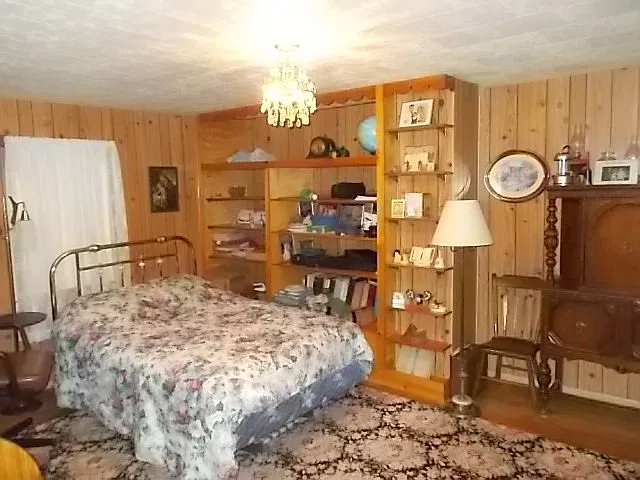
Existing interior rooms may offer opportunities to establish a comfortable home office.
The additional buildings could also accommodate certain creative or practical projects, subject to their condition and applicable requirements.
However, reliable internet connectivity is an essential consideration for remote workers.
Before purchasing, buyers should investigate available internet providers, connection speeds, cellular coverage, and backup connectivity options.
Combining a suitable working environment with the benefits of country living could make this property particularly appealing to individuals seeking a different balance between their professional and personal lives.
An Appealing Countryside Retirement Retreat
For individuals approaching retirement, the idea of moving to a peaceful rural setting can be particularly attractive.
Open landscapes, gardening opportunities, and traditional farmhouse living may offer a welcome alternative to busy residential environments.
This property could appeal to retirees who enjoy outdoor activities, creative projects, maintaining gardens, or spending time in nature.
Nevertheless, rural retirement living requires careful consideration of accessibility and long-term maintenance responsibilities.
The distance to healthcare facilities, grocery stores, pharmacies, emergency services, and other essential amenities should be evaluated.
Buyers should also consider whether the farmhouse’s layout and the demands of maintaining agricultural land align with their future needs.
A well-planned retirement lifestyle should balance the enjoyment of countryside living with practical access to necessary services.
Discovering the Appeal of New Bethlehem, Pennsylvania
New Bethlehem offers the small-community atmosphere associated with western Pennsylvania’s rural towns.
The surrounding region provides a landscape of farmland, wooded areas, rolling hills, and established residential communities.
For individuals who appreciate traditional American small-town living, the area may offer an appealing alternative to larger metropolitan environments.
Prospective homeowners should explore local shopping options, healthcare services, transportation routes, employment opportunities, and recreational activities.
The property’s exact distance from community amenities should be independently confirmed.
Choosing a countryside residence involves finding a suitable balance between privacy and everyday convenience.
For buyers who appreciate natural landscapes and a quieter pace of life, the New Bethlehem area may provide an attractive setting for their next home.
Essential Questions to Ask Before Purchasing This Farmhouse
Before making an offer, prospective buyers should obtain a clear understanding of the property and its associated responsibilities.
Important questions include:
-
What is the exact acreage and surveyed property boundary?
-
What portion of the land is suitable for agriculture or grazing?
-
What is the structural condition of the farmhouse, barn, garage, and outbuildings?
-
Are mineral rights included in the sale?
-
Are the natural gas wells active, inactive, or abandoned?
-
Are there existing gas leases, access agreements, or surface-use restrictions?
-
Does the property currently generate any documented royalty income?
-
What water, wastewater, heating, and electrical systems serve the residence?
-
Are there existing environmental assessments or water quality reports?
-
What are the annual property taxes and anticipated insurance expenses?
-
Are agricultural, commercial, or residential development restrictions applicable?
Obtaining answers to these questions can help prospective homeowners evaluate the property beyond its visual appeal.
Frequently Asked Questions About This Pennsylvania Farmhouse
Is this property suitable for starting a hobby farm?
The combination of open pastures, a large barn, and additional outbuildings may provide opportunities for hobby farming. Suitability depends on acreage, soil conditions, water availability, infrastructure, and applicable regulations.
Can livestock be raised on the property?
Potentially. Buyers should verify available pasture, fencing, water sources, animal shelter, and any restrictions associated with natural gas infrastructure.
Are natural gas rights included with the property?
This has not been confirmed. The presence of natural gas wells does not establish whether mineral rights transfer with the sale.
Does the property generate natural gas royalty income?
No royalty income information has been provided. Buyers should review applicable lease agreements and financial records with qualified professionals.
Can the farmhouse qualify for traditional mortgage financing?
Financing may be available, depending on property condition, acreage, intended use, mineral rights arrangements, and individual lender requirements.
Can the barn be converted into additional living space?
A conversion may be possible, depending on structural condition, zoning, building permits, utility availability, and residential occupancy requirements.
Is rural farmland a good investment?
Farmland can offer distinctive investment opportunities, but returns depend on purchase price, land quality, location, operating expenses, market conditions, and applicable ownership restrictions.
How much does the property cost?
The asking price has not been provided. Interested buyers should consult the original listing or contact the seller for current pricing and availability.
Final Thoughts: An Authentic Pennsylvania Farmhouse With Remarkable Countryside Appeal
This charming farmhouse in New Bethlehem, Pennsylvania, captures many of the qualities that make traditional rural properties so memorable.
Its comfortable farmhouse interiors, spacious kitchen, scenic pastures, large barn, detached garage, and additional outbuildings offer a distinctive combination of residential comfort and agricultural versatility.
The surrounding countryside provides a beautiful backdrop for gardening, outdoor activities, creative projects, and opportunities to explore a more independent lifestyle.
The presence of natural gas wells introduces another interesting aspect of the property, although the associated mineral rights, financial arrangements, and environmental considerations should be thoroughly investigated.
Whether your dream involves raising animals, growing your own food, restoring a traditional farmhouse, enjoying retirement, or simply having more room to appreciate nature, this rural homestead offers numerous possibilities worth exploring.
With appropriate inspections, informed financial planning, and thoughtful property management, future owners could create a personalized country residence that reflects their individual goals.
Some homes offer beautiful interiors. Others provide impressive views or practical outdoor space. This Pennsylvania farmhouse brings those qualities together within an authentic agricultural landscape.
It represents the enduring appeal of country living, where the changing seasons shape everyday experiences and the surrounding land becomes an important part of homeownership.
If you had the opportunity to own this beautiful Pennsylvania farmhouse, would you start a small farm, raise horses, grow your own food, or simply enjoy the peaceful countryside?
Watch Zillow