Affordable Homes
The Iconic Eisenberg Art Deco Lake House in Baltimore, Maryland
The Iconic Eisenberg Art Deco Lake House in Baltimore, Maryland


A Rare Art Deco Gem in Baltimore With Unforgettable Character
Some homes are designed simply to provide a place to live, while others capture an era, a design movement, and a distinctive sense of personality. This remarkable Art Deco residence in Baltimore belongs firmly in the second category. With its curved architectural lines, glass-block details, colorful exterior, and unmistakable vintage character, the property offers an unusual glimpse into an important period of American residential design.
Built in the late 1940s, this Baltimore home combines elements of mid-century architecture with the glamorous visual language associated with Art Deco and Miami-inspired design. The result is a residence that feels dramatically different from the conventional homes found throughout the city.
For buyers who appreciate historic architecture, distinctive homes, and properties with stories to tell, this residence presents an especially intriguing opportunity.
A Home That Immediately Stands Out
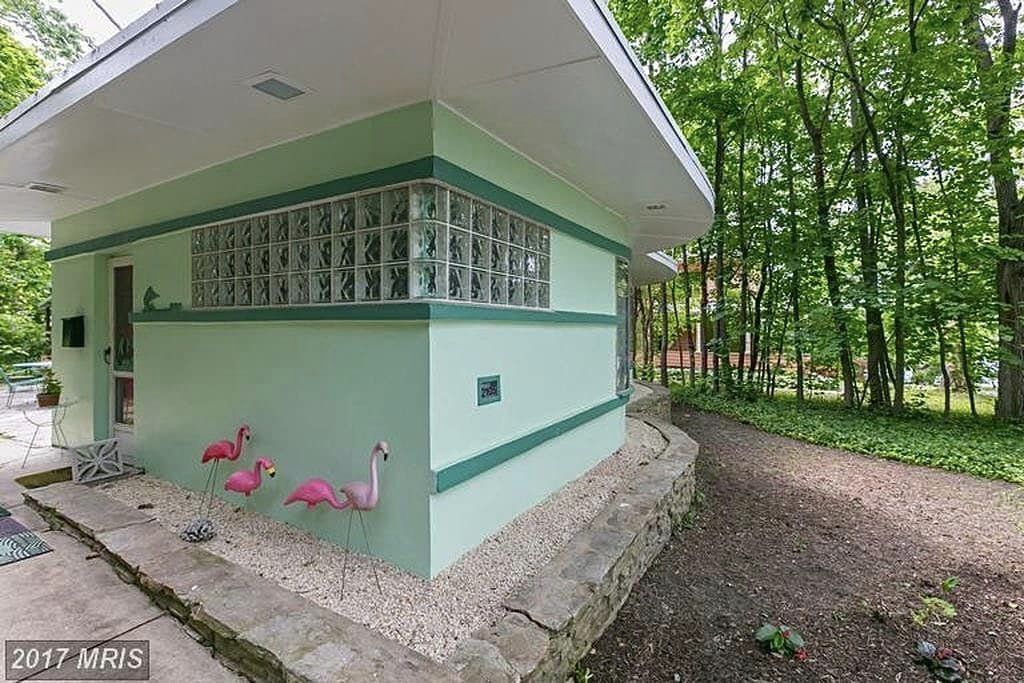
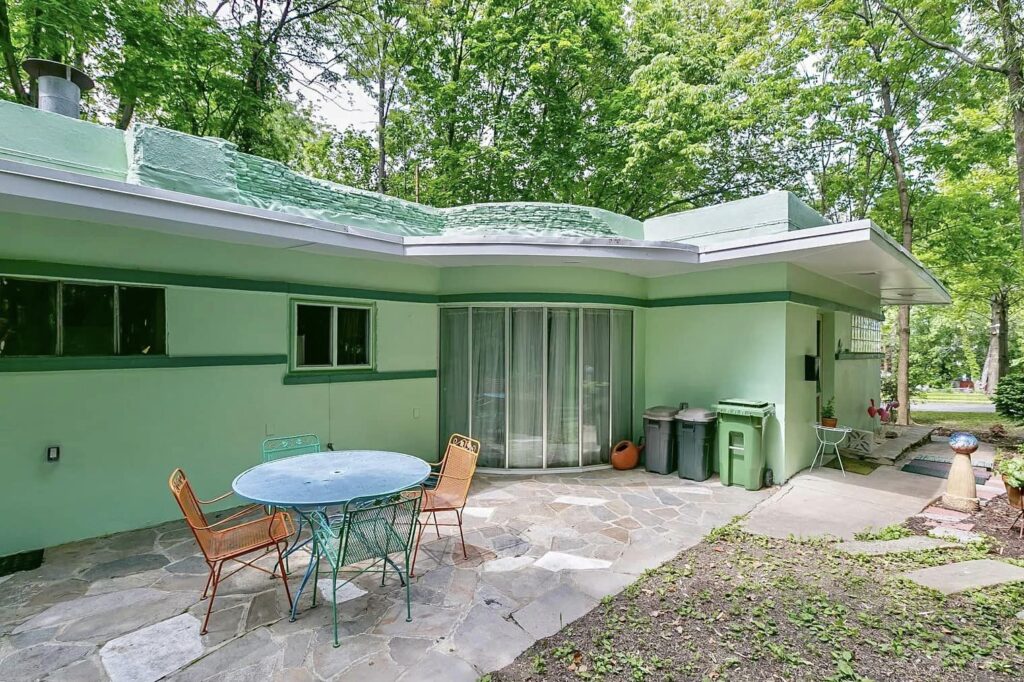
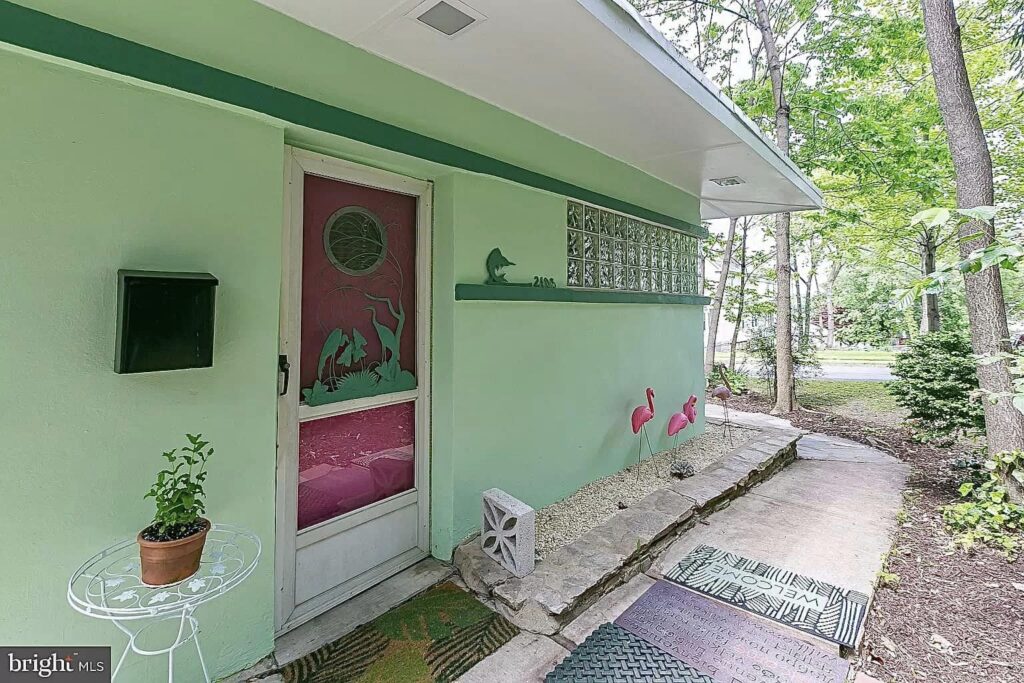
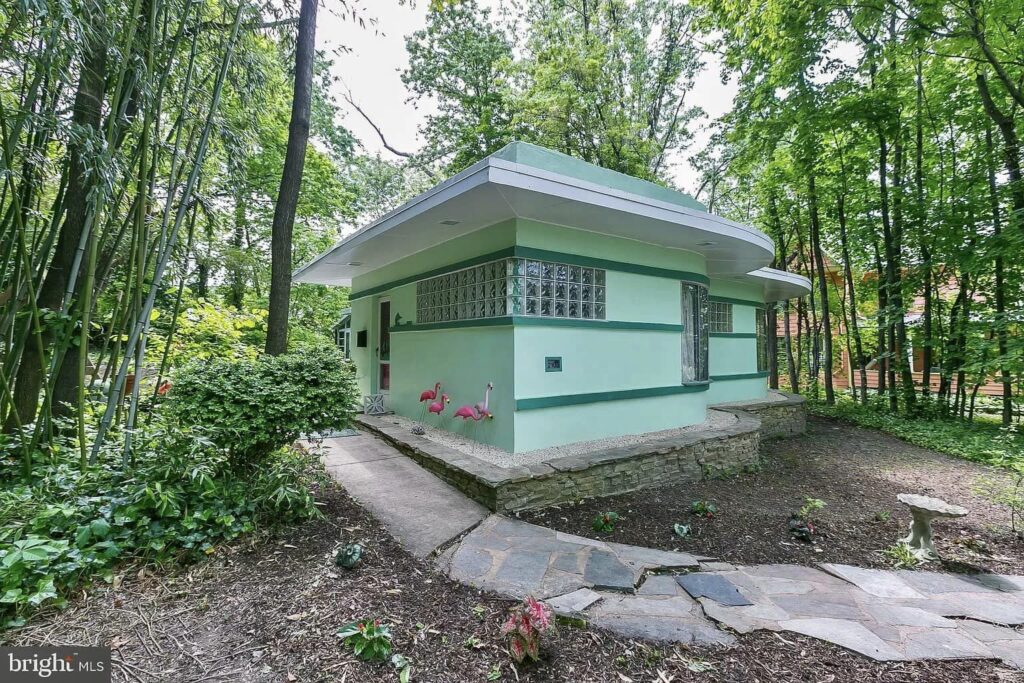
The first thing that makes this property memorable is its exterior appearance. Rather than relying on a traditional rectangular design, the home incorporates rounded forms and curved walls that create a softer, more sculptural profile.
These architectural details give the residence an unmistakable personality. The curves are not merely decorative; they contribute to the overall visual identity of the house and help distinguish it from more conventional Baltimore residences.
The colorful exterior further enhances its character. Combined with large windows and distinctive glass-block elements, the façade creates a visual impression that feels both historic and playful.
It is the type of house that can immediately attract attention from anyone interested in architecture and design.
Art Deco Influence in Baltimore
Art Deco became one of the defining architectural and design movements of the early 20th century. Known for geometric forms, dramatic lines, decorative details, bold materials, and an emphasis on modernity, the style appeared in everything from skyscrapers and theaters to automobiles, furniture, and private residences.
Baltimore has a rich architectural history, but homes featuring unusual Art Deco characteristics are not something buyers encounter every day.
This residence is particularly interesting because its design appears to combine Art Deco influences with the visual character associated with postwar mid-century architecture. The result is a distinctive combination of curves, glass blocks, large windows, and colorful exterior details.
For architectural enthusiasts, that mixture makes the property especially noteworthy.
Curved Walls Create a Distinctive Interior
Inside, the home’s curved architectural elements continue to influence the living spaces. Curved walls can create a completely different feeling from the straight lines typically found in modern residential construction.
Instead of a rigid series of rectangular rooms, the flowing architectural design can create a sense of movement and continuity throughout the home.
This type of layout may appeal particularly to buyers who are tired of generic floor plans and want something with genuine architectural personality.
The unusual geometry also creates opportunities for creative interior design. Furniture, artwork, lighting, and decorative elements can be arranged to emphasize the home’s original curves rather than hide them.
Glass-Block Details Add Vintage Character
One of the most recognizable design features associated with the property is its glass-block detailing.
Glass blocks became particularly popular during the Art Deco and mid-century periods because they could provide privacy while still allowing natural light to enter a room. They also offered a distinctly modern appearance when compared with conventional wall materials.
In this Baltimore residence, the glass-block elements contribute to the home’s vintage atmosphere and reinforce its architectural identity.
When combined with the curved walls and large windows, these details create a visual language that is difficult to reproduce in newer construction.
For someone interested in preserving historic character, original features like these can be among the most appealing aspects of an older property.
Large Windows Bring in Natural Light
Another important feature is the home’s use of large windows.
Natural light can dramatically influence the atmosphere of a home, and large windows can make interior spaces feel brighter and more connected to their surroundings.
In a property with unusual architectural shapes, natural light can also emphasize the curves, textures, and design elements that make the house distinctive.
Throughout the day, changing sunlight can create different visual effects inside the residence, highlighting architectural details that might otherwise go unnoticed.
This combination of natural light and unusual geometry contributes to the home’s overall sense of character.
A Unique Setting Near Lake Montebello
The property also benefits from its location near Lake Montebello.
The lake and surrounding open spaces provide a welcome contrast to the density often associated with urban living. Having access to scenic surroundings can add another dimension to the experience of owning a distinctive city home.
For residents, the nearby environment can provide opportunities to enjoy outdoor walks, fresh air, and views beyond the immediate boundaries of the property.
The setting also adds to the appeal of the residence from a lifestyle perspective. Buyers can enjoy the architectural character of an older city home while remaining close to outdoor spaces and neighborhood amenities.
A Strong Connection to Baltimore’s Architectural History
Baltimore is known for its diverse collection of residential architecture. Rowhouses, Victorian homes, Colonial Revival properties, Craftsman residences, and mid-century designs can all be found throughout the city.
What makes this property particularly interesting is that it does not fit neatly into a single conventional category.
Its late-1940s construction places it in an important transitional period in American residential architecture. The country was emerging from World War II, new technologies and materials were becoming increasingly available, and architectural tastes were changing rapidly.
Homes from this period can reflect a fascinating combination of older design traditions and emerging modern ideas.
This residence appears to capture that transition in a particularly expressive way.
Vintage Details Give the Home Its Personality
Many older houses have been extensively remodeled over the years, sometimes removing the very details that made them distinctive in the first place.
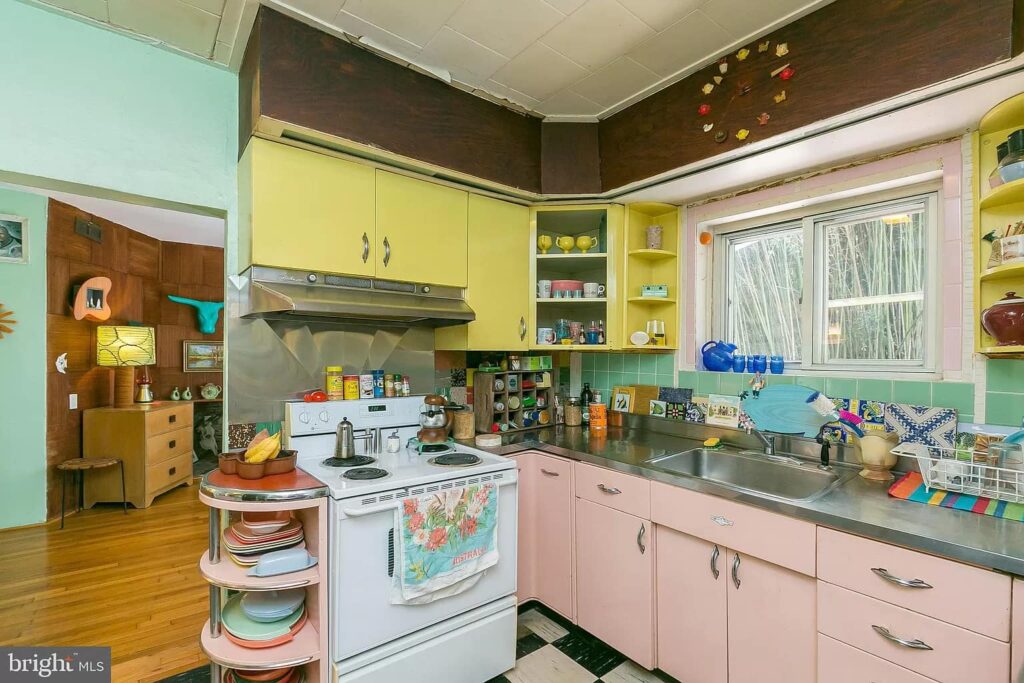
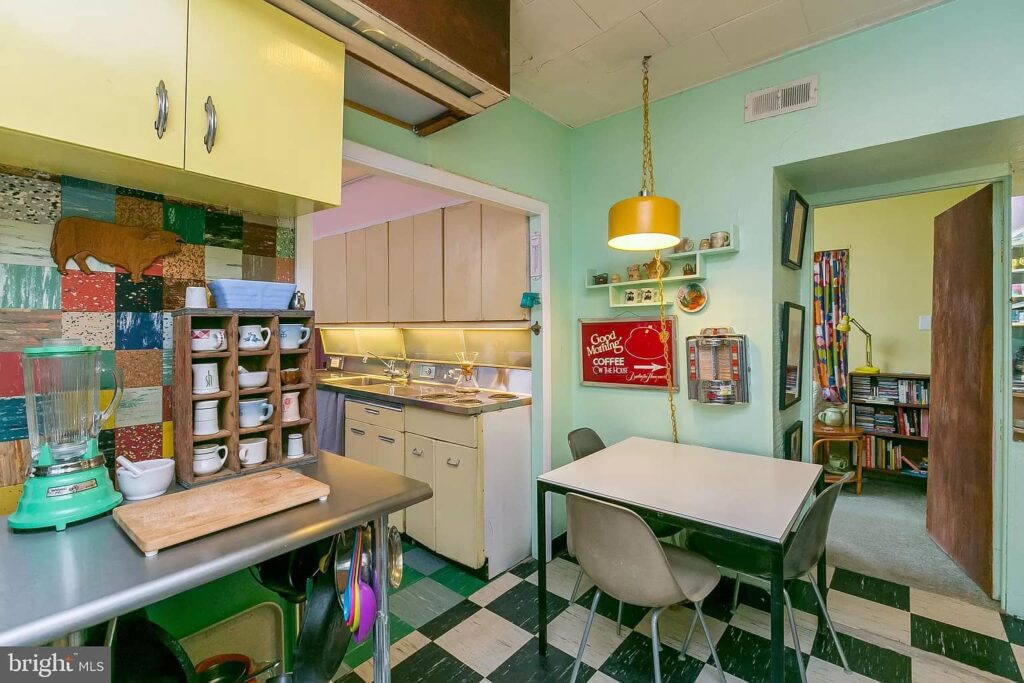
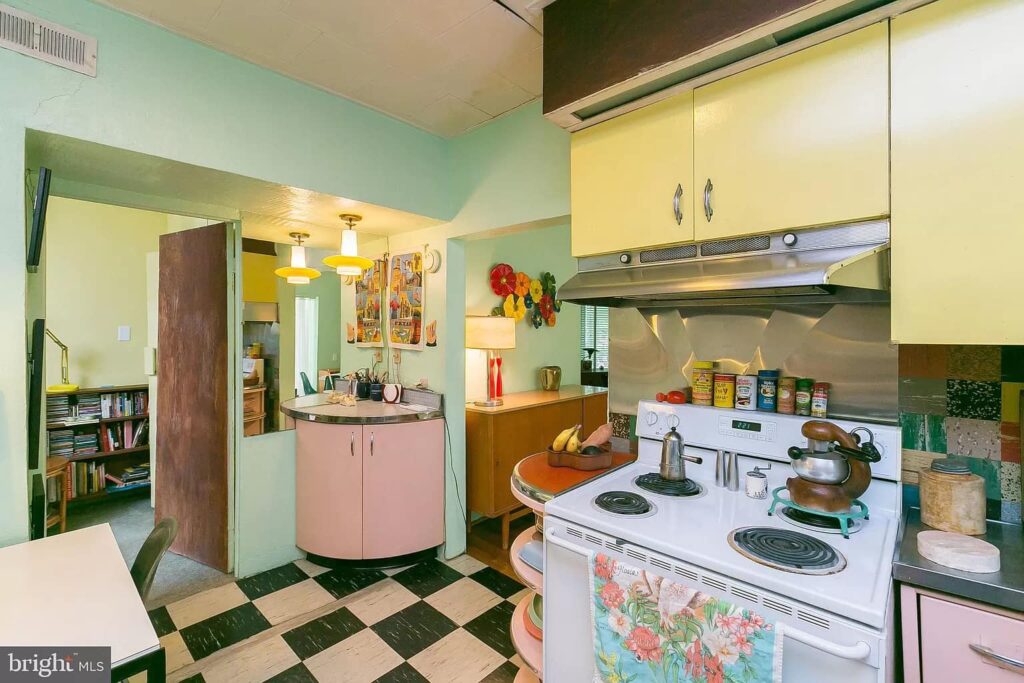
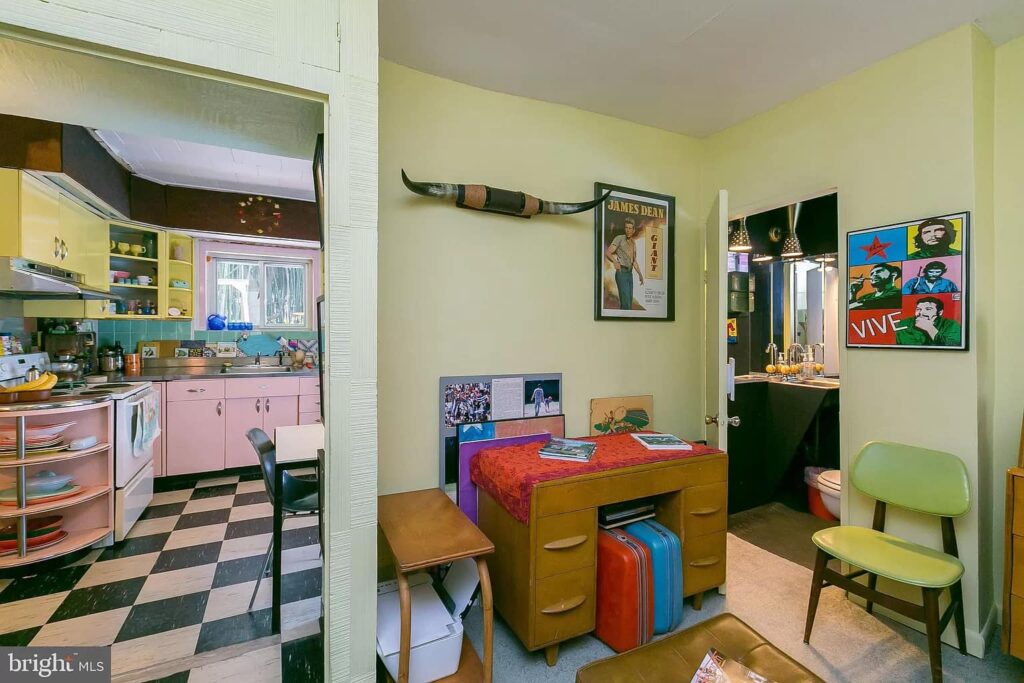
This Baltimore residence retains a strong visual connection to its original design language.
Vintage architectural elements can give a property a sense of authenticity that is difficult to recreate with modern materials. Original shapes, proportions, windows, decorative features, and interior details can tell the story of when and why a house was built.
For buyers who value historic character, these details can be just as important as square footage or the number of bedrooms.
A home like this is not simply a collection of rooms. Its architecture becomes part of the living experience.
A Property for Buyers Who Want Something Different
The conventional real estate market often emphasizes predictable features: open kitchens, neutral interiors, standardized layouts, and recently renovated finishes.
Those characteristics can certainly appeal to many buyers, but they are not for everyone.
Some people are specifically searching for homes that feel different.
They want curved walls instead of straight ones. They appreciate original details rather than completely modernized interiors. They enjoy the idea of living in a house that has a recognizable architectural identity.
For that type of buyer, this Baltimore residence could be particularly compelling.
Its unusual design gives it a personality that cannot easily be duplicated.
Opportunities for Creative Interior Design
A distinctive architectural home also provides opportunities for creative decorating.
Rather than treating the residence like a standard modern house, an owner could embrace its historic character through carefully selected furniture, lighting, artwork, and colors.
Mid-century-inspired furnishings could complement the home’s original design language, while contemporary pieces could create an interesting contrast between old and new.
The glass-block features could become visual focal points, while curved walls could be highlighted with artwork or custom lighting.
The home’s architecture itself provides a starting point for an interior design concept.
Outdoor Spaces Add Another Dimension
The property’s outdoor areas provide additional opportunities to enjoy the setting.
Outdoor spaces can be transformed into comfortable areas for morning coffee, evening relaxation, gardening, entertaining, or simply enjoying the neighborhood.
For a distinctive historic home, landscaping can also play an important role in complementing the architecture.
Carefully planned plants, pathways, seating areas, and exterior lighting could enhance the property’s visual identity while creating more usable space.
The proximity to Lake Montebello further strengthens the outdoor lifestyle appeal of the location.
Why Historic Architecture Continues to Attract Buyers
Historic and architecturally distinctive homes often appeal to buyers for reasons that go beyond conventional real estate considerations.
There is an emotional component to owning a home with a recognizable identity.
A newly constructed house may offer modern conveniences and efficiency, but an older architectural property can provide something different: a sense of history.
Every unusual wall, original window, decorative feature, or carefully preserved detail can become part of the home’s story.
For people who appreciate architecture, that sense of connection can be an important part of the ownership experience.
Preserving the Character of a Unique Home
Owning an architecturally distinctive residence also comes with an opportunity to preserve its character for the future.
Renovations can modernize kitchens, bathrooms, mechanical systems, and other functional areas while still respecting the original architectural concept.
The most successful updates to historic or unusual homes often find a balance between modern comfort and original design.
Instead of removing every unusual feature, homeowners can incorporate contemporary improvements around the existing architecture.
That approach can help maintain the qualities that make the residence special in the first place.
A Conversation Piece in Baltimore
There is no shortage of homes in Baltimore, but relatively few can be described as truly memorable from an architectural perspective.
This property has the potential to become a genuine conversation piece.
Guests may immediately notice the unusual exterior. Inside, the curves, glass blocks, windows, and vintage details can provide natural topics of conversation.
For homeowners who enjoy entertaining, a house with this much architectural personality can provide an experience that feels very different from hosting guests in a standard contemporary residence.
The property itself becomes part of the occasion.
The Appeal of Mid-Century Design
Mid-century architecture has experienced renewed interest in recent years, with buyers and designers increasingly appreciating the simplicity, experimentation, and material innovation associated with the period.
The late 1940s were particularly important because architects were beginning to explore new ways of designing homes for postwar American life.
Residential architecture became increasingly focused on natural light, functional living spaces, indoor-outdoor relationships, and modern materials.
This Baltimore residence reflects some of those ideas while maintaining its own highly distinctive Art Deco-inspired character.
That combination makes it especially interesting to anyone fascinated by the evolution of American home design.
A Rare Opportunity for Architecture Enthusiasts
For an architecture enthusiast, finding a home with this combination of features can be considerably more exciting than finding a conventional property.
The curved walls, colorful exterior, glass-block elements, large windows, and historic atmosphere create a visual identity that is immediately recognizable.
It is easy to imagine an owner carefully restoring and highlighting these features while updating the home for modern life.
The result could be a residence that respects its history without feeling frozen in the past.
Living Near Lake Montebello
The home’s location near Lake Montebello adds another layer to its appeal.
Urban properties with access to natural or recreational spaces can offer a useful balance between city convenience and outdoor enjoyment.
Residents can enjoy the character of a distinctive Baltimore neighborhood while having a nearby destination for outdoor activities.
The lake’s presence also contributes to the sense of openness surrounding the property and provides an appealing backdrop for walks and recreation.
For buyers who want both architectural character and access to outdoor space, this combination can be particularly attractive.
More Than Just a House
Perhaps the best way to understand this property is to recognize that it offers more than a conventional residential experience.
It is a piece of design history.
It is a home with a recognizable personality.
It is an example of how architecture can reflect changing cultural tastes and technological possibilities.
And it is a reminder that some of the most memorable homes are not necessarily the newest or largest ones, but those with features that cannot easily be reproduced.
Final Thoughts
This remarkable Baltimore residence offers a fascinating combination of Art Deco influence, mid-century character, and vintage architectural details.
Its curved walls, glass-block features, colorful exterior, and large windows immediately separate it from ordinary residential properties. The location near Lake Montebello adds scenic and recreational appeal, while the home’s historic design provides an opportunity for an owner to preserve and celebrate a distinctive piece of Baltimore architecture.
For buyers who appreciate unusual homes, architectural history, and properties with genuine personality, this residence offers plenty to explore.
Rather than blending into the neighborhood, this home makes a statement.
It represents a time when residential architecture was becoming more experimental and designers were exploring new materials, shapes, and ways of bringing light into the home. Decades later, those choices give the property a visual identity that remains memorable.
With thoughtful care and an appreciation for its original character, the residence could continue serving as a unique Baltimore home for years to come.
For anyone fascinated by Art Deco, mid-century design, historic residences, or simply homes that are different from the ordinary, this property is a fascinating example of Baltimore’s architectural diversity.


From Zillow