Affordable Homes
Mid-Century Modern Gem with Frank Lloyd Wright Inspiration
Mid-Century Modern Gem with Frank Lloyd Wright Inspiration

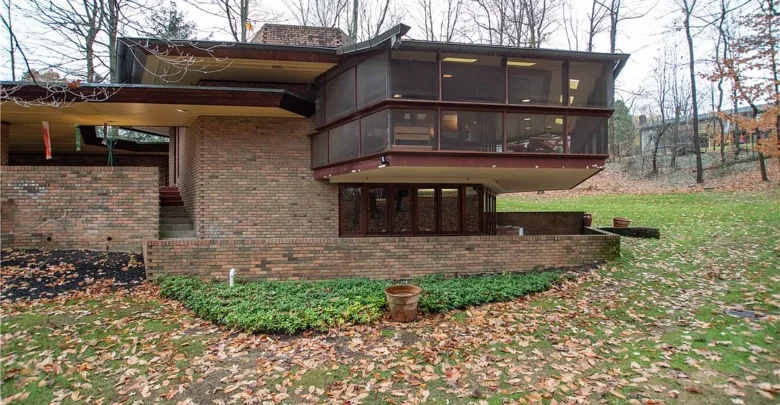
Mid-Century Modern Home in Akron with Soaring Wood Ceilings and a Landscaped Setting
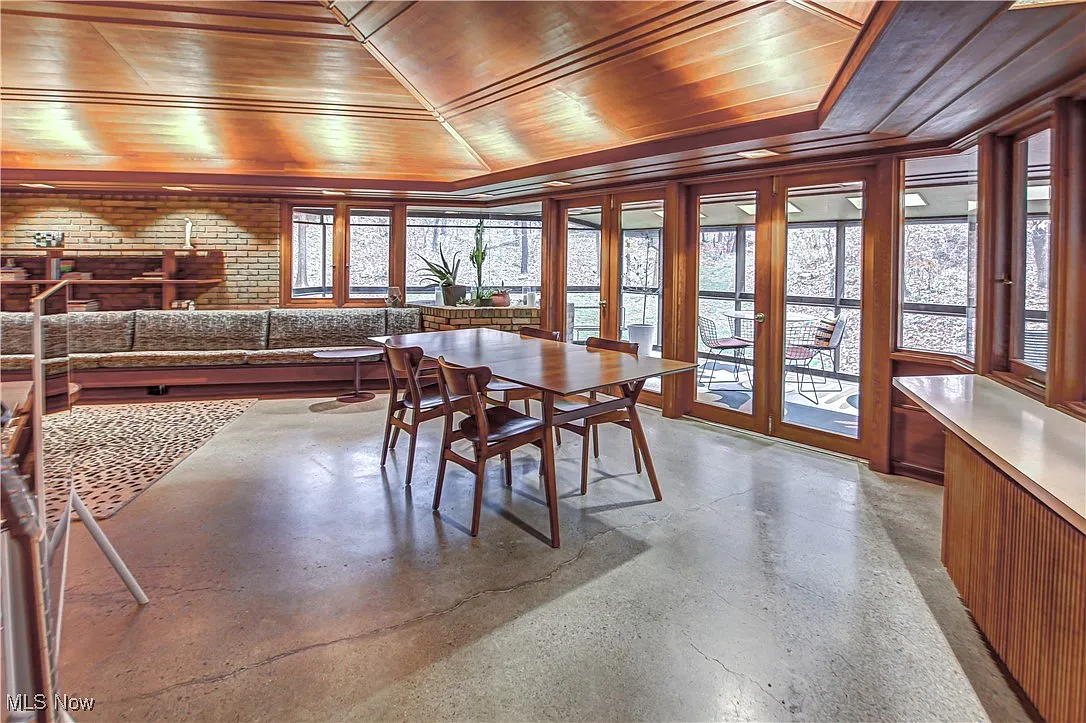
The first thing you notice about this mid-century modern home in Akron is the brick exterior. Its strong horizontal lines give the house a distinct presence, but the character of the property becomes clearer when you step inside. A soaring wood ceiling draws your attention upward, while large windows pull your gaze back toward the landscaped grounds. The room feels open and substantial, with enough warmth in the materials to make it easy to imagine spending an ordinary weekday there.
The contrast between the brick outside and the wood overhead gives the house much of its personality. Polished floors, custom details, and a practical arrangement of rooms support that architecture. The main living areas feel suitable for company, while the bedrooms offer quieter spaces to end the day. For anyone drawn to mid-century homes, this Akron residence is an opportunity to see how a recognizable architectural style can shape the experience of living in a house, from where you sit in the morning to how you spend an evening with friends.
A Brick Exterior with Strong, Clean Lines
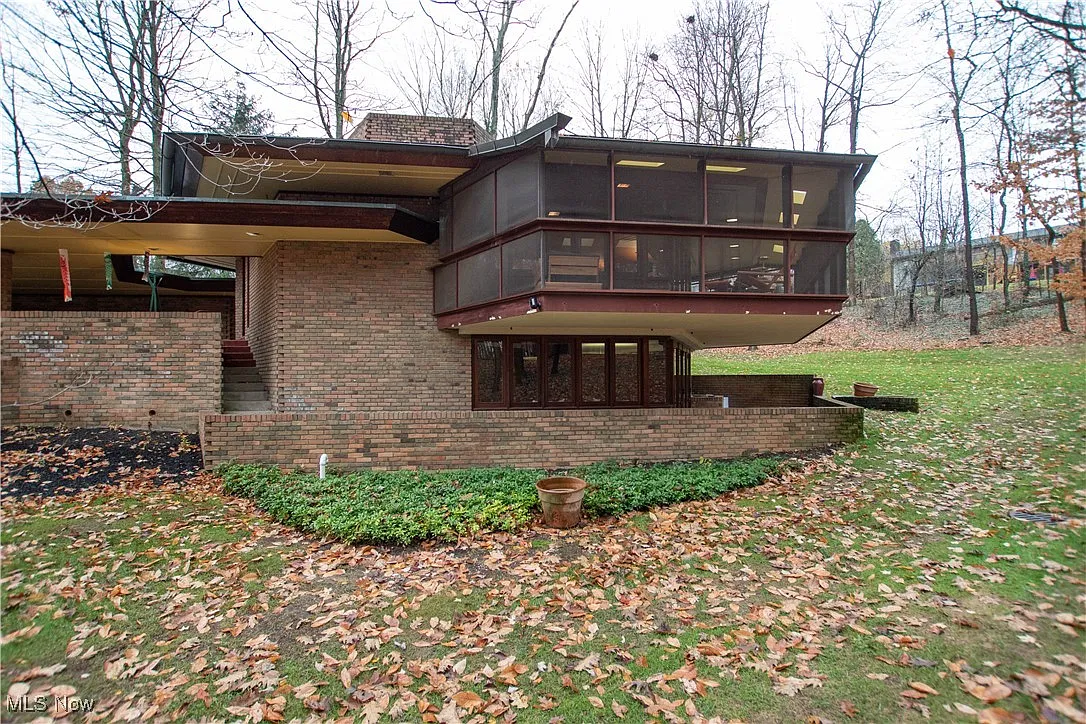
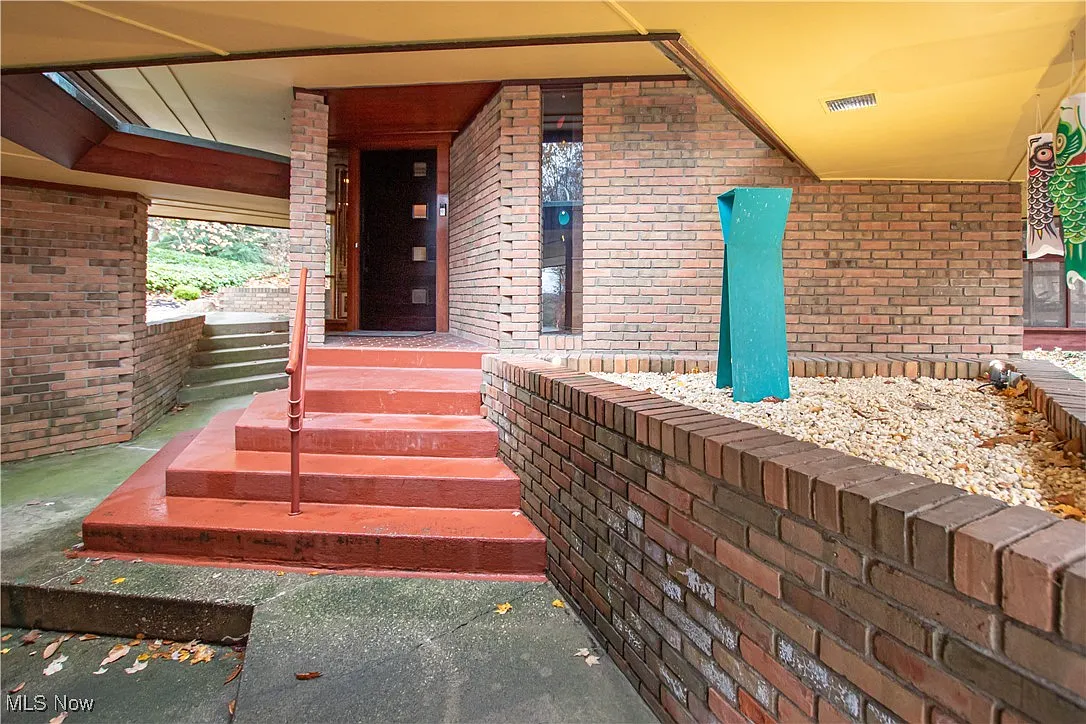
The brickwork gives the exterior texture and a sense of permanence. From a distance, the overall form of the house makes the first impression. Closer up, the individual courses of brick give the elevation a finer rhythm. It’s the sort of exterior that rewards a second look once you’ve had a chance to notice how its lines relate to the surrounding landscape.
This is one of the pleasures of mid-century design. The arrangement of the building and the choice of materials can do much of the visual work. Even with the landscaping in view, the brick remains easy to read, and the house keeps a clear relationship to the ground around it. That clarity carries indoors, where the wood ceiling introduces a softer material and gives the main room a very different mood. Seeing the two together helps explain why the property feels cohesive. The exterior establishes a strong outline, and the interior brings warmth and detail to it.
A Living Room Defined by Its Soaring Wood Ceiling
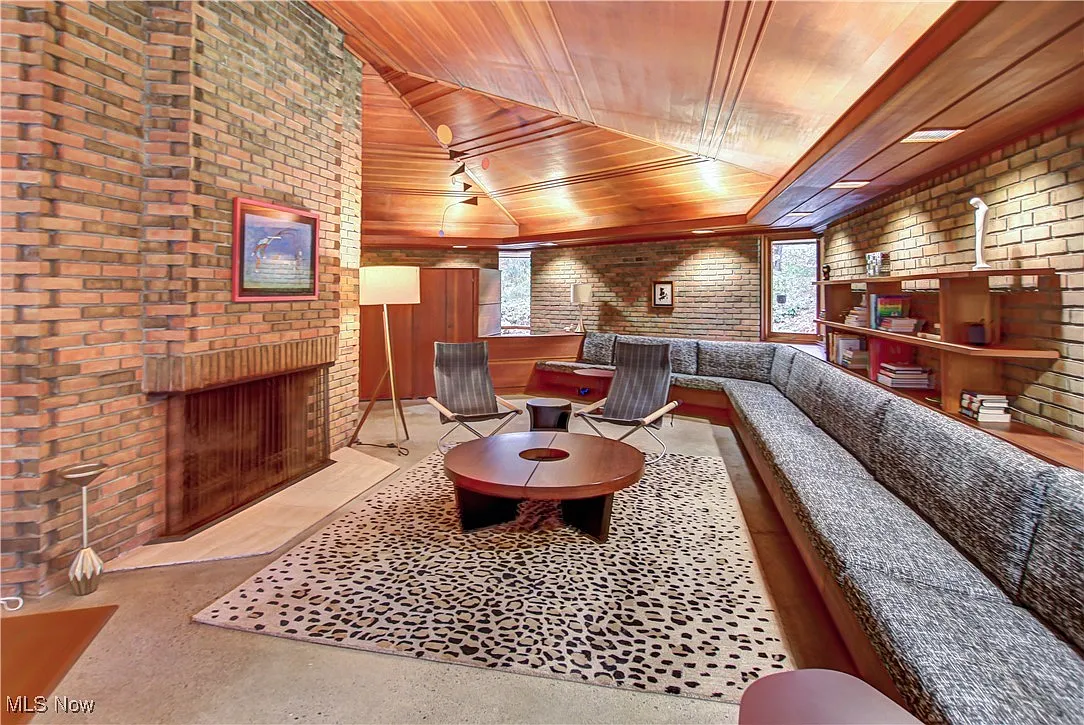
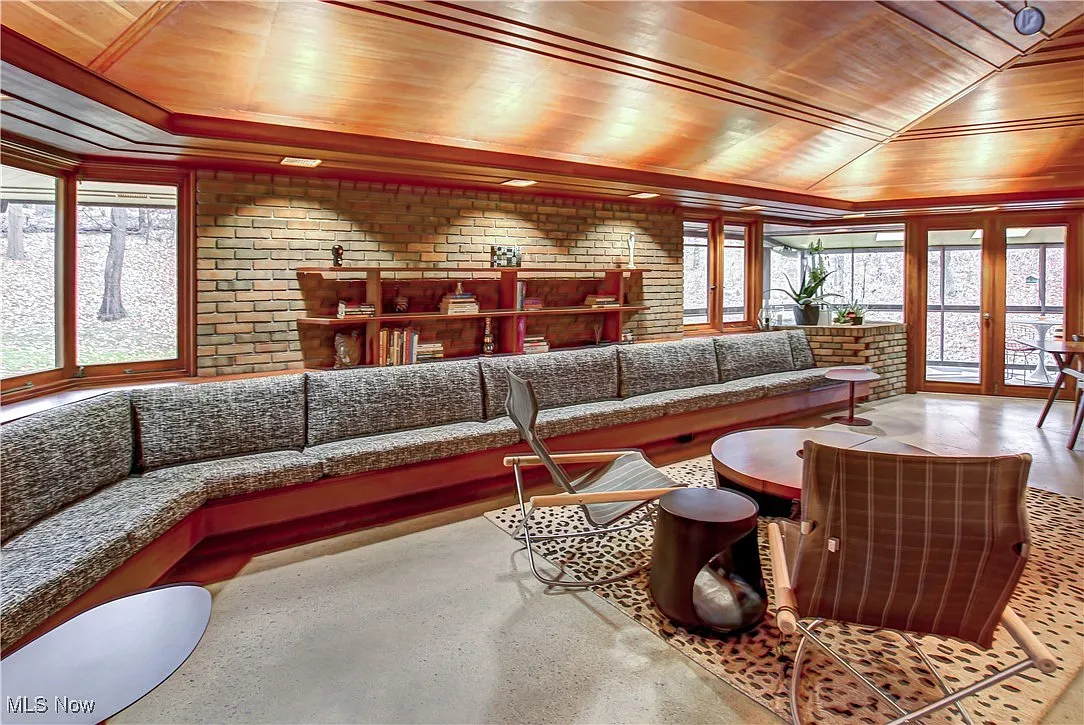
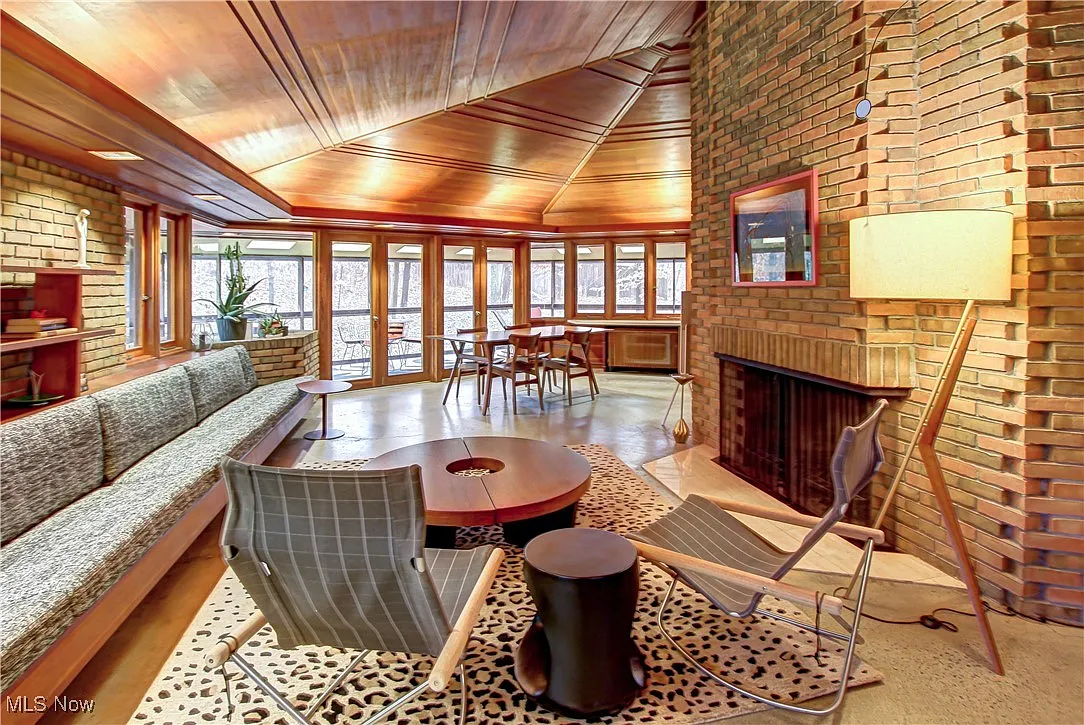
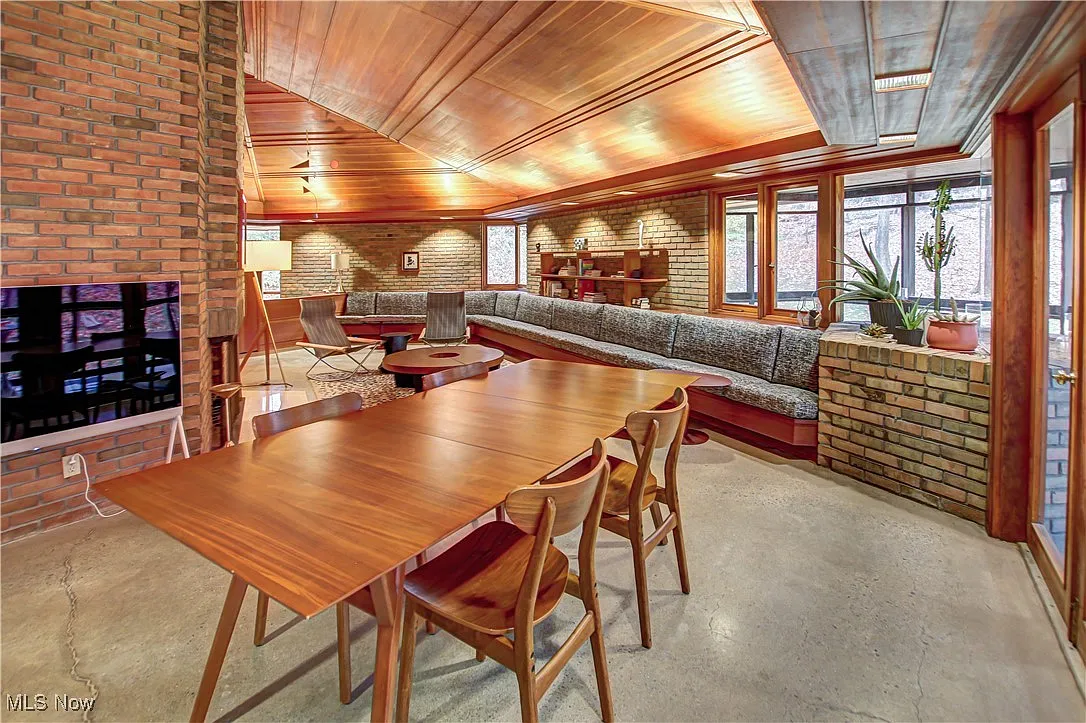
The main living space is the architectural centerpiece. Its wood ceiling gives the room height and carries a warm natural tone overhead. From the entrance to the living area, the eye moves up first, then settles on the windows and the landscape beyond. Sitting down changes the perspective. The ceiling is still visible, but the room becomes more about the daylight, the view, and the people you’re sharing it with.
The scale of the ceiling also gives a future owner room to make thoughtful furnishing choices. A low sofa and a pair of chairs could establish a comfortable conversation area while keeping the room’s proportions visible. A substantial rug could define that area and soften the effect of the polished flooring. At night, a floor lamp near a favorite chair or a table lamp beside the sofa would bring light down to a more intimate level. The room has enough architectural character to support a simple arrangement of furniture, even one built around pieces you already own.
Large Windows Frame the Landscaped Grounds
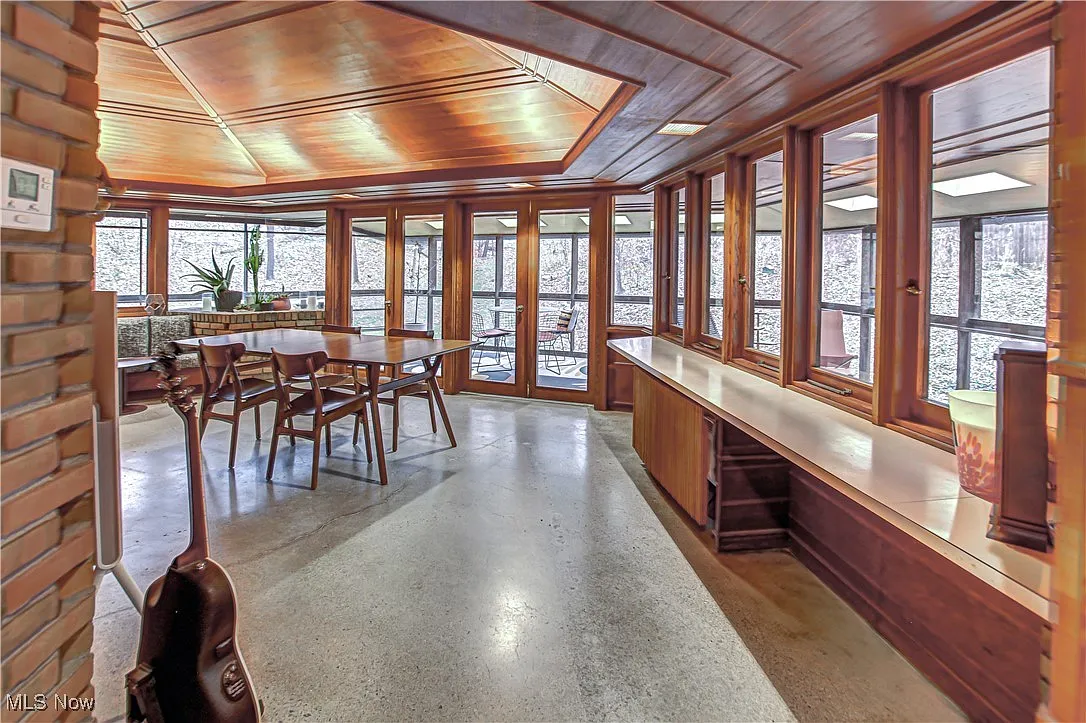
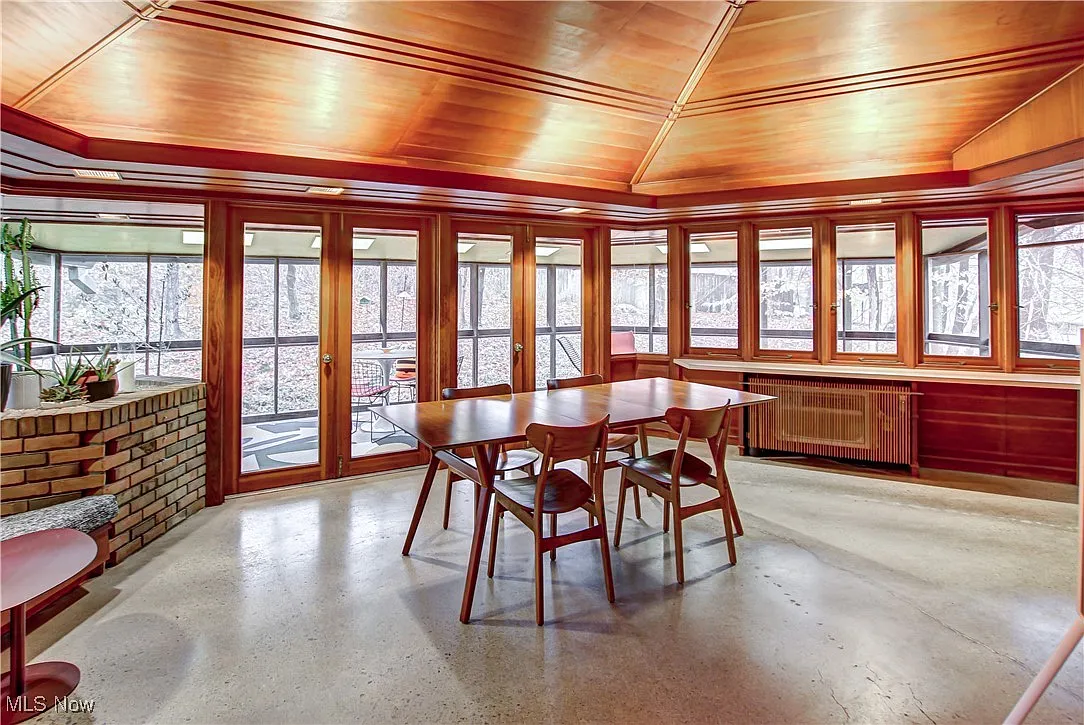
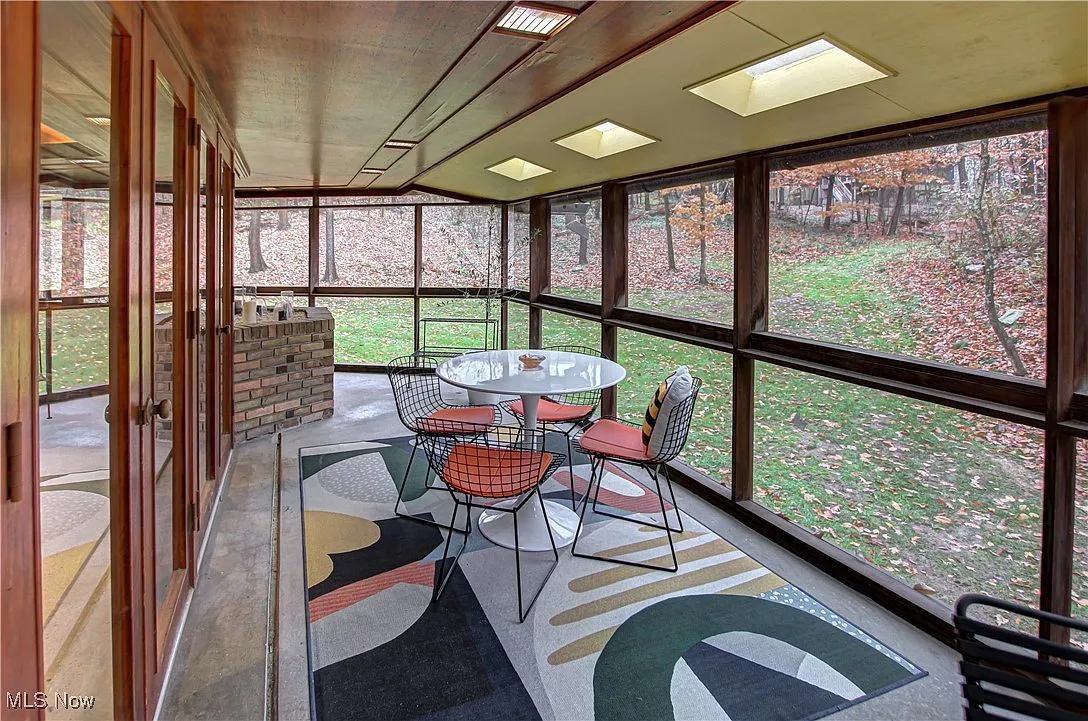
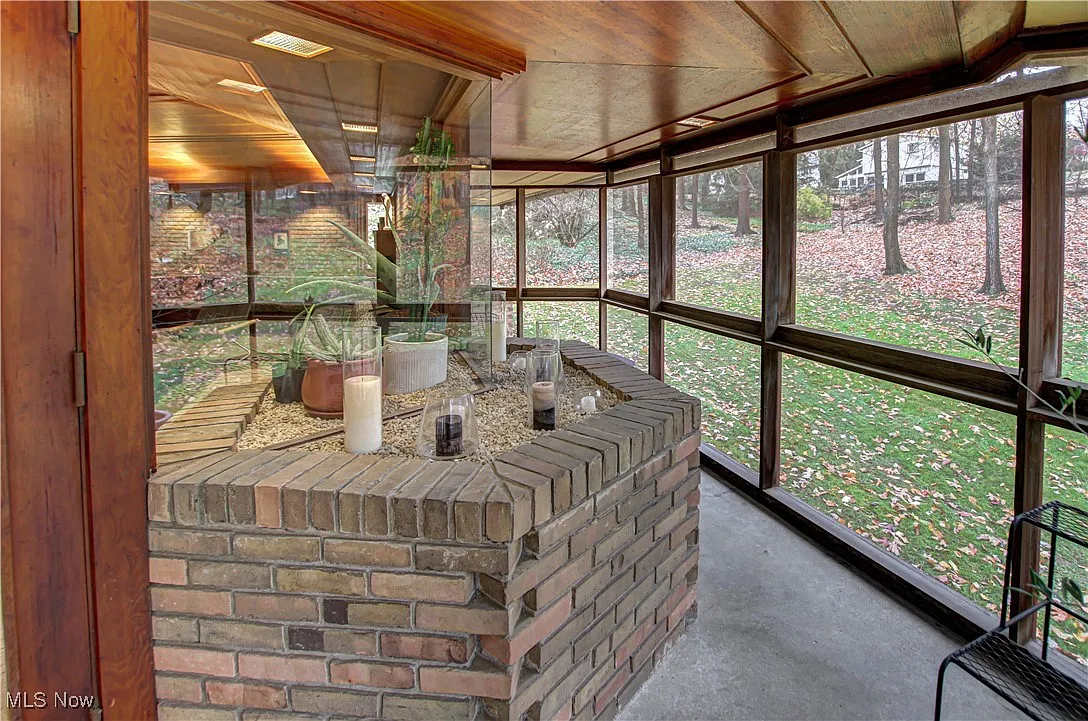
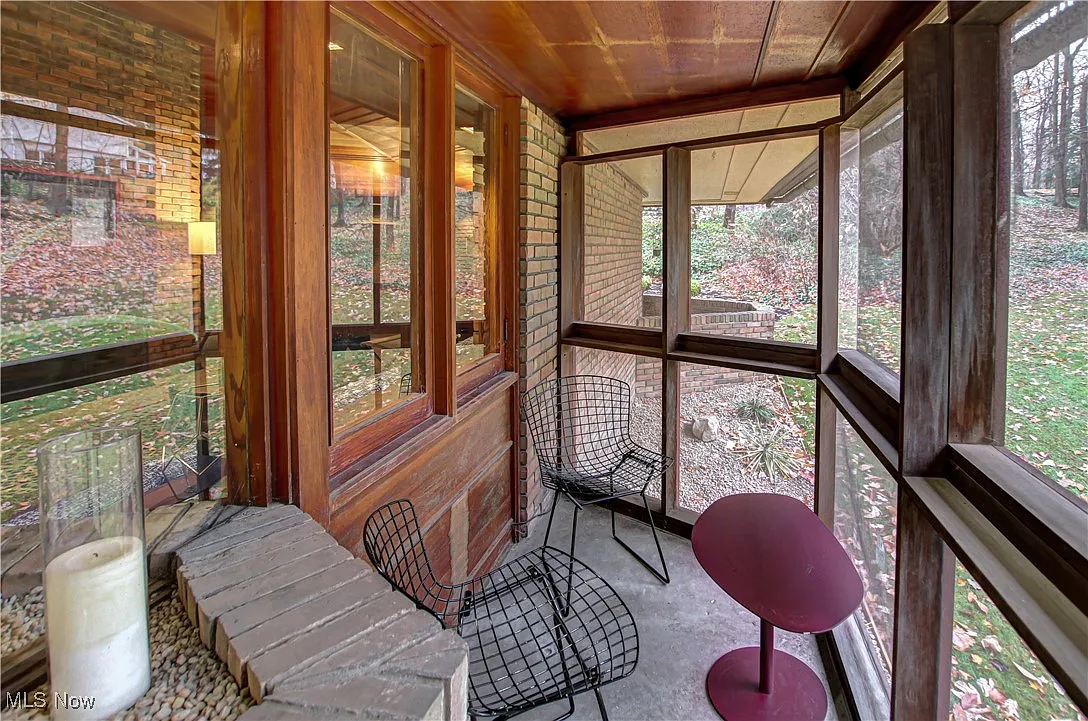
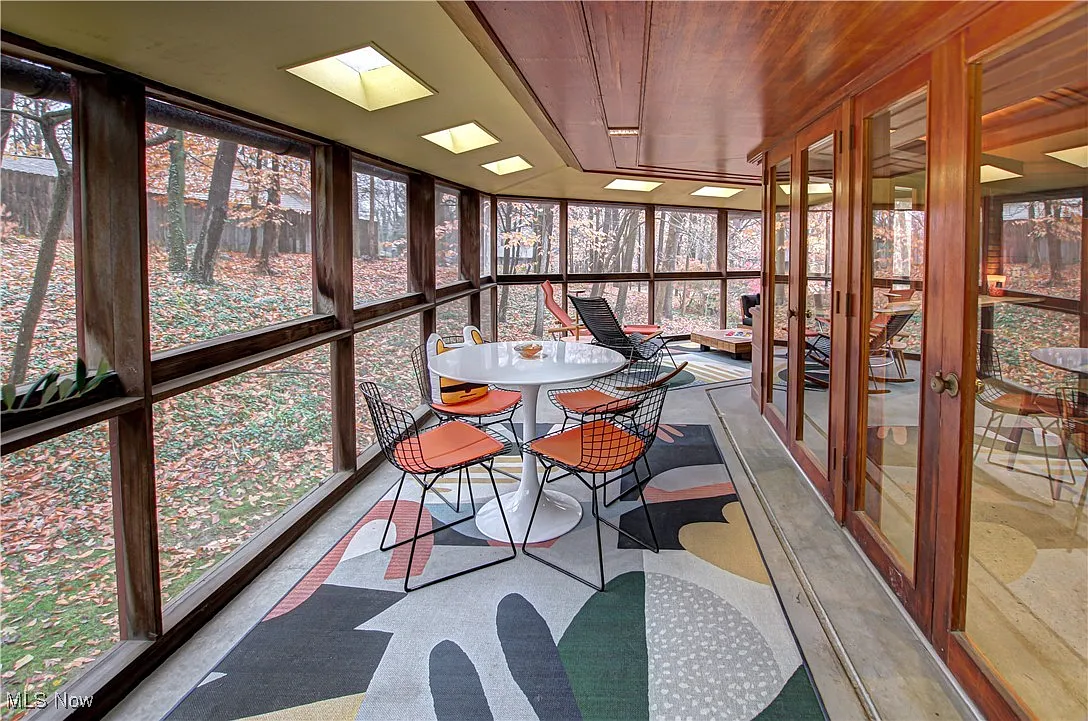
The large windows do two things at once. They bring daylight into the living areas, and they give you something to look at from inside. The landscaped grounds become part of the room’s composition, particularly from a seat that faces the glass. That connection gives the main space depth and makes a quiet moment indoors feel connected to what’s happening outside.
For someone considering this home, it’s worth looking at the windows from several points in the room. Stand near the entrance and then sit where you might place your sofa. A view that catches your eye while you’re walking through may feel quite different from the chair where you’d read every morning. The changing light is also part of the experience. The wood and polished floors take on a different appearance as daylight shifts, and the plants outside offer something new to notice as the seasons change. Those effects are central to the appeal of the house. The windows make the setting a feature you can enjoy on a regular day at home.
Warm Wood, Polished Floors, and Custom Details
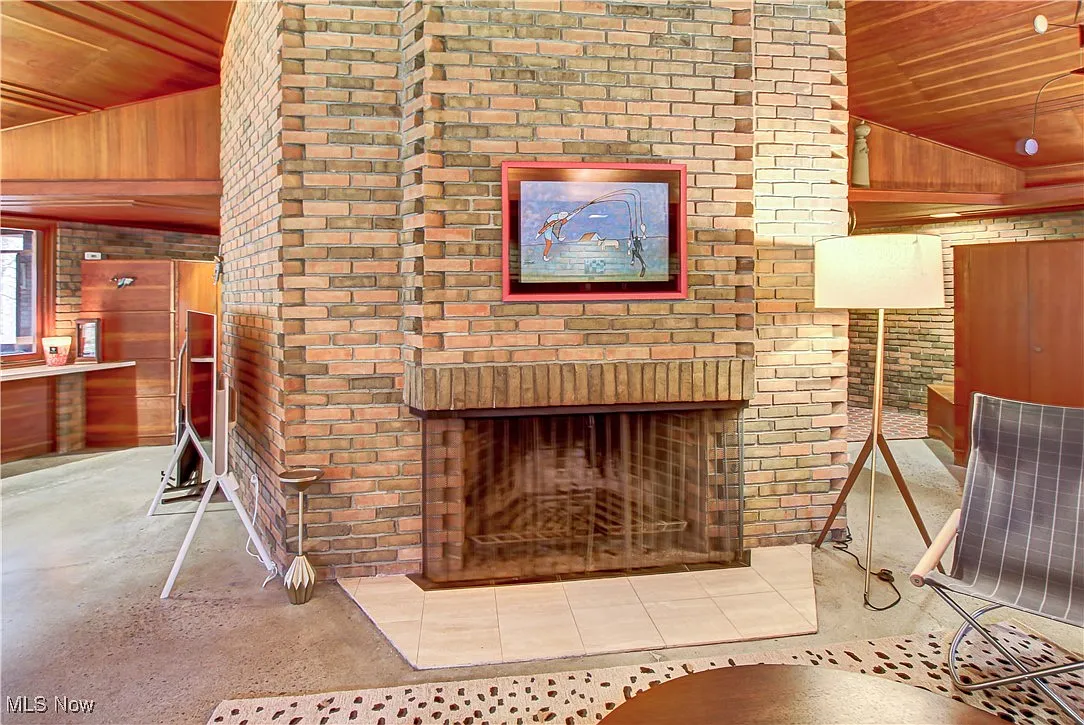
The materials make the strongest impression when you see them together. The brick gives the exterior weight. The wood ceiling adds warmth and detail at eye level and above. Underfoot, the polished floors catch some of the available light and give the living areas a clean visual base. Each material has a different role, and the house gains character from the way they meet.
The custom details are another reason to take your time as you move through the rooms. In a house with a distinctive ceiling and generous windows, it’s easy to spend an entire visit looking at the largest features. Smaller details can tell you just as much about how thoughtfully the interior was put together. Look at the transitions between spaces and where the finishes meet. Think about which details you would want to keep visible when placing furniture, rugs, or artwork. One well-positioned piece can call attention to those features and make the room feel personal without crowding the view.
A Layout for Relaxed Everyday Living
The public and private rooms serve different parts of the day. The main living areas give the household space to gather, and the bedrooms offer a place to retreat when people want quiet. The bathrooms and common areas help the layout work for daily routines. That practical side matters in an architecturally distinctive house. After the initial impression of the ceiling and windows, the way you move between rooms will shape your experience of the property every day.
It helps to imagine a specific routine. Where would you sit with coffee before the rest of the household wakes up? Which part of the living area would you use after work? If one person wanted to read while another had company, could each find a comfortable spot? Those questions bring the layout to life. The flexibility of the main room means you can arrange it for the way you spend your time, whether that involves a few comfortable seats, a quiet corner for books, or a larger grouping for family and guests.
Room to Gather with Family and Friends
When guests arrive, the living room offers an immediate place to settle in. The tall wood ceiling gives a gathering a sense of occasion, and the view beyond the windows provides a natural point of interest. Seating can be arranged to serve both purposes. One group of chairs can face inward for conversation, while a chair closer to the glass offers a place to sit with a drink and look outside.
Think about the gatherings you actually host. If friends tend to stay late talking, comfortable seats and somewhere to put a cup within easy reach will matter more than a formal furniture arrangement. If you like having family over on a weekend afternoon, keeping a clear path through the room can make it easier for people to move around. The room’s scale leaves space for those choices. You can build the arrangement around the occasion and still appreciate the ceiling, floors, and windows from wherever you happen to be sitting.
Bedrooms and Bathrooms for Daily Routines
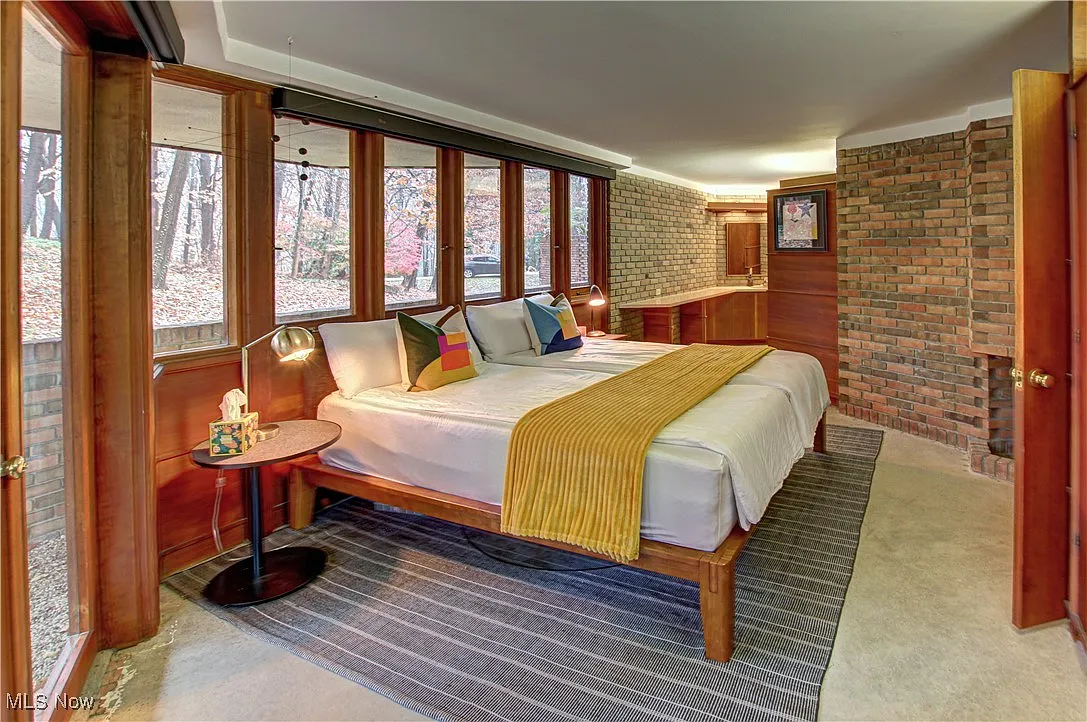
The bedrooms offer a more private experience of the home. After spending time in the main living space, the appeal of these rooms is their quieter purpose. They give each member of the household a place to turn in at night, get ready in the morning, or spend time alone. The furnishings can reflect that. A reading lamp, good window coverings, and a few favorite pieces of furniture may be all you need to make a bedroom feel settled.
The bathrooms are part of the home’s practical appeal, too. Their relationship to the bedrooms and common areas is worth considering in the context of your own routine. A household that starts the day together may use them differently from someone who often has overnight guests. During a walkthrough, imagine getting ready on a busy weekday and putting away the things you use most often. The more easily you can picture those everyday movements, the better sense you’ll have of how well the house suits you.
Landscaped Grounds That Give the House a Quiet Setting
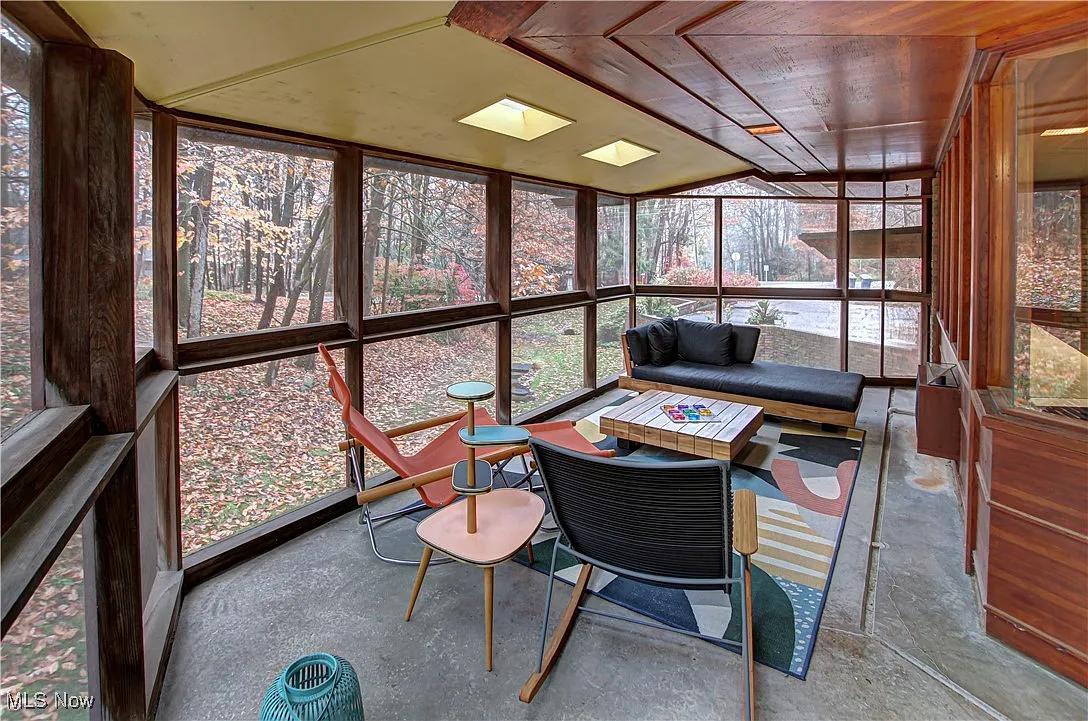
The grounds give the architecture a softer backdrop. Brick and glass are seen alongside natural forms, and the landscaping contributes to the sense of privacy described at the property. From inside, it gives the large windows something to frame. From outside, it offers a way to appreciate the placement of the house and the relationship between the exterior and its surroundings.
An outdoor space can be valuable even on days when you only spend a few minutes there. You might step out with a cup of coffee, walk around to see what’s changing in the garden, or pause at the end of the day before going inside. A longer visit gives you time to notice where you naturally want to stop and look back at the house. Those views may reveal details in the brickwork or exterior lines that you missed when you first arrived. If you enjoy gardening, the existing landscape also gives you a starting point for deciding what you might tend, preserve, or add over time.
How to Furnish the Home Around Its Architecture
Start with the part of the house you respond to most strongly. If it’s the ceiling, keep the main seating low enough that the height remains apparent when you enter. If it’s the landscape, give one or two seats a clear line of sight to the windows. If you’re drawn to the polished floors, choose a rug that defines the seating area while leaving enough of the floor visible around it. Each decision can reinforce a feature you already like.
The brick, wood, and outdoor greenery can also guide your choices about color. Oatmeal, olive, cream, or charcoal would give the room a quiet palette, while a brighter textile or a distinctive work of art could introduce color in a specific place. Familiar pieces can sit comfortably alongside furniture with mid-century lines. What matters most is how the room feels when you use it. Arranging a few pieces you know you’ll enjoy is a good way to see where the room needs more light, another seat, or simply a little open space.
What to Look for During a Walkthrough
Give yourself time to see the living room from more than one position. Notice how much of the wood ceiling you can see from a seated height, and pay attention to which windows frame the views you enjoy most. Walk between the common areas and the bedrooms to see how naturally the rooms connect. If you’re considering a particular piece of furniture, measure the space where you’d put it and check that you can still move comfortably around it.
It’s also worth spending a few minutes outdoors. Walk far enough from the house to see the overall lines of the brick exterior, then look back toward the windows from different parts of the grounds. If you’re seriously considering the property, ask for available information about past work on the windows, roof, heating and cooling, and any changes to the interior. Those details are separate from the visual appeal you can assess on a first visit, and they’ll help you get a fuller picture of what owning the house would involve.
Who Might Feel at Home Here?
This Akron property will appeal to someone who pays attention to materials, proportions, and natural light. A person who enjoys a quiet morning by the window may be drawn to the same room as someone who loves hosting friends, for very different reasons. Anyone interested in mid-century design will have several features to look at closely, from the brickwork outside to the way the wood ceiling changes the scale of the interior.
The house also suits someone who wants to bring their own taste to a home with an established character. You can imagine it furnished with vintage pieces that echo the architecture or with a mix of newer and older furniture collected over time. The main room gives those pieces a distinctive setting, and the landscaped outlook changes what you see from them over the course of the year. If you choose a house based partly on where you’d most enjoy spending an ordinary afternoon, this one offers an inviting place to start.
A Memorable Mid-Century Modern Home in Akron
On a first visit, the wood ceiling may be the feature you remember most. On a second, it might be the view through the living room windows or the way the brick looks from the grounds. Each is worth seeing on its own, but the character of this Akron home comes from how those details work together. The main living space is open enough for company and comfortable enough to use when you’re by yourself. The bedrooms give the household privacy, and the landscape gives the interior a sense of place.
If you visit, take a moment to sit in the main room before you leave. Look up at the wood, then out through the glass. Picture where you’d put a chair, what you’d see from it in the morning, and how that view might change by evening. That simple exercise gives you a better impression of this mid-century home than any list of features.

From Zillow