Affordable Homes
Historic Mississippi Home Full of Character and Restoration Potential
Historic Mississippi Home Full of Character and Restoration Potential

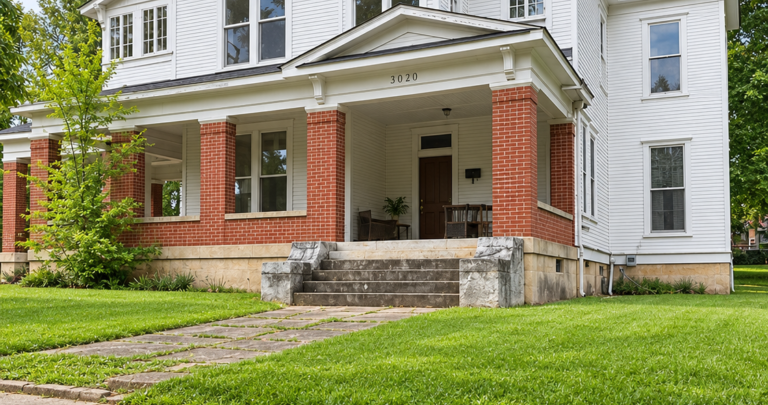
Historic Home in Meridian, Mississippi: A Restoration Opportunity Full of Character and Possibility
There is something compelling about an older home waiting for a new beginning. Its appeal extends beyond the number of rooms or the arrangement of its interior. A historic residence invites buyers to consider the craftsmanship, changing lifestyles, and personal stories that have shaped it over time. For someone with patience and a thoughtful renovation plan, that sense of continuity can become one of the most rewarding aspects of ownership.
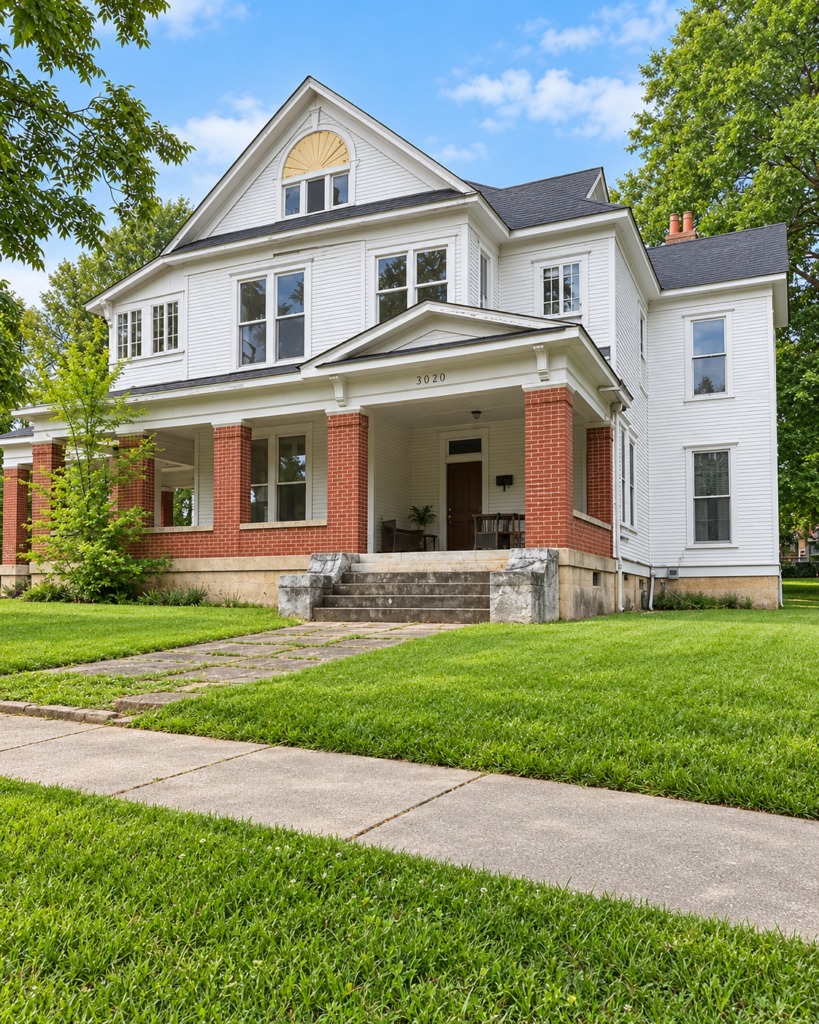
Located in Meridian, Mississippi, this historic home presents an opportunity for buyers interested in restoring an older property. With classic architectural character, a spacious interior, multiple bedrooms and bathrooms, and a decorative fireplace, the residence offers a starting point for a project guided by both practical needs and an appreciation for the past.
The property may appeal to renovation enthusiasts, prospective homeowners, and investors willing to evaluate its condition carefully. Its future will depend on the scope of work required, the available budget, and the vision of its next owner.
Classic Architectural Character with a Story to Continue
One of the strongest reasons to consider a historic home is its architectural identity. Older residences often have a visual presence that reflects the tastes and priorities of another era. Their proportions, room arrangements, and decorative details can create an atmosphere that feels distinctive and personal.
This Meridian property is described as having classic architectural character, making that identity an important consideration in any future renovation. A successful restoration would begin by understanding which existing elements contribute most to the home’s appearance and overall appeal.
Rather than making every decision at once, a buyer could first document the house as it stands. Photographs, measurements, and a room-by-room assessment can help establish a clear picture of what should be preserved, what requires repair, and where thoughtful updates could improve everyday use.
The goal would be to give the residence a comfortable future while allowing its original personality to remain visible.
A Spacious Interior That Invites Thoughtful Planning
A spacious interior offers possibilities, but making good use of that space requires a clear plan. Before selecting finishes or purchasing furnishings, future owners should consider how they want the home to function throughout an ordinary day.
The presence of multiple bedrooms and bathrooms provides a useful foundation for different household needs. Depending on the actual layout, rooms might accommodate sleeping areas, guest space, a home office, or a dedicated place for hobbies and creative work.
These possibilities should be evaluated against the home’s existing dimensions and circulation. A room’s usefulness depends on more than its size. Access, privacy, natural light, storage, and its relationship to nearby rooms all influence how comfortably it can be used.
By studying the interior carefully, a buyer can develop a renovation plan that gives each area a clear purpose. That process can help turn a large older residence into a home that feels organized, welcoming, and practical.
Multiple Bedrooms and Bathrooms Add Flexibility
The home’s multiple bedrooms and bathrooms may be particularly appealing to buyers seeking flexibility over time. Household needs rarely remain exactly the same, and having several rooms can make it easier to adapt without immediately planning an addition.
A bedroom could serve one purpose during the first years of ownership and another later. A guest room might eventually become a workspace, while a room used for storage could be brought into regular use after a later phase of renovation.
Bathrooms deserve equally careful attention. Their placement and condition can have a significant effect on daily convenience and the sequence of renovation work. Before assuming they need only cosmetic improvements, buyers should establish what repairs or updates may be necessary.
The value of this layout lies in the range of possibilities it offers. A measured approach would assess those possibilities individually and connect them to a realistic plan for the entire property.
A Decorative Fireplace with Vintage Appeal
The decorative fireplace provides a natural focal point within the interior. Even when a fireplace is appreciated primarily for its appearance, it can help define a room and strengthen the connection between the house and its earlier character.
A future owner might choose to make this feature the center of a sitting area, arranging furniture and lighting to draw attention to its proportions and detailing. A restrained color palette could allow it to stand out, while carefully selected furnishings could create a comfortable setting around it.
Any cleaning, repair, or refinishing should begin with an understanding of its materials and condition. Preserving an existing feature can require a different approach from replacing a modern decorative element.
Because the fireplace is described as decorative, buyers should not assume that it is suitable for use. Its role in the renovation can remain visual unless a qualified professional establishes otherwise.
Bringing Modern Comfort into an Older Residence
Restoring an older home involves decisions about comfort as well as appearance. Future owners may want updated living spaces while retaining the qualities that made the property appealing in the first place.
The most useful improvements are often those that respond directly to how the house will be occupied. Convenient lighting, well-planned storage, functional bathrooms, and comfortable living areas can all contribute to a more enjoyable home.
Before choosing visible finishes, however, buyers should understand the condition of the systems and building components behind them. The necessary work cannot be determined from a brief property description.
A coordinated plan can help connect practical improvements with the home’s architectural character. Instead of treating preservation and comfort as separate projects, owners can consider how each decision supports both. The result should feel coherent: a residence that acknowledges its age while accommodating the routines of contemporary life.
Understanding the Property Before Beginning Renovation
An appealing description is a starting point for exploration. A purchasing decision requires a much closer understanding of the property itself.
For this home, important information still needs to be established, including its precise age, documented history, current condition, dimensions, and previous alterations. Buyers should also confirm any details about the property that matter to their intended use.
An in-person assessment can reveal how the rooms connect, where repairs are visible, and which questions need professional investigation. Independent inspections can then help clarify the scope of work.
The word “historic” should also be understood accurately. A home may have historical character without having a formal designation. Buyers should verify whether any designation or property-specific requirements apply before planning exterior changes or other major work.
Gathering this information early gives the restoration project a firmer foundation and helps replace assumptions with decisions based on evidence.
Creating a Renovation Plan with Clear Priorities
A clear renovation plan begins with priorities. Some work may be essential to protect the property or make it suitable for occupation, while other improvements can wait until a later stage.
Once the home’s condition has been assessed, buyers can organize the project into a sensible sequence. Addressing the causes of deterioration before installing decorative finishes can help avoid repeating work.
The plan should also distinguish between repairs, replacements, and optional upgrades. Those categories can become blurred when an older home offers many appealing possibilities. Keeping them separate makes it easier to understand where the budget is going and which decisions can be postponed.
Written scopes of work, professional estimates, and realistic scheduling can bring structure to the process. A restoration does not need to happen all at once to be meaningful. It needs to proceed in an order that supports the property’s long-term care and the owner’s actual goals.
Preserving Character Through Careful Design Choices
Design choices can either strengthen an older home’s identity or make its interior feel disconnected. For this Meridian residence, the most effective approach may begin with the features already present.
The decorative fireplace and classic architectural character offer useful points of reference. Colors, lighting, flooring choices, and furnishings can be selected with those elements in mind.
That does not require recreating a specific historical period in every room. A comfortable interior can include contemporary pieces while maintaining a consistent relationship with the house. The key is to consider scale, materials, and visual balance.
Where original details survive, their condition should be assessed before replacement is proposed. Some features may be repairable; others may require a different solution. Making those decisions individually can help preserve what is distinctive without forcing every part of the home into the same treatment.
Thoughtful design gives the finished residence a sense of continuity.
Considering Different Future Living Arrangements
The property’s room count and spacious interior suggest flexibility, but future uses should be explored carefully. A layout that appears adaptable in a description still needs to be evaluated in person.
For a buyer seeking a primary residence, the home might provide room to organize daily life around separate sleeping, working, and gathering areas. Someone planning a gradual restoration might prioritize a smaller set of essential rooms before completing the remaining spaces.
Other living arrangements could require more substantial investigation. Buyers should confirm that their intended use is appropriate for the property and meets any applicable requirements before including it in a renovation plan.
The useful question is how the existing house can support a specific purpose. Starting with that purpose helps guide decisions about room arrangements, privacy, access, and the extent of proposed changes.
Flexibility becomes most valuable when it is connected to a practical, achievable use.
Evaluating the Opportunity from an Investor’s Perspective
For an investor, the property’s character may provide a reason to investigate further, but its financial potential cannot be established from appearance alone.
A careful evaluation would consider the purchase price, verified renovation costs, ongoing ownership expenses, expected project duration, and evidence from comparable local properties. The condition of the home will play a central role in that assessment.
Investors should also define their intended outcome before committing to a scope of work. A property prepared for resale may involve different choices from one intended for long-term ownership. In either case, the proposed improvements should be appropriate to the house and supported by realistic assumptions.
No return is guaranteed. The opportunity lies in determining whether the property’s existing qualities, acquisition terms, and necessary work can support a viable project.
For the right buyer, that investigation may reveal a worthwhile restoration. For another, it may clarify that a different property better suits their resources.
The Personal Rewards of Restoring an Older Home
The appeal of a restoration project is not entirely financial. Some buyers are drawn to the experience of learning about a building, making careful decisions, and watching neglected spaces become useful again.
An older residence can encourage a more deliberate relationship with homeownership. Each repaired feature or completed room becomes part of a larger effort, giving the owner a direct connection to the property’s next chapter.
That experience requires patience. Progress may be uneven, and some decisions will need to change as more becomes known about the house. A flexible mindset can make those adjustments easier to manage.
For renovation enthusiasts, the reward may be a home that reflects sustained attention and personal judgment. The finished spaces carry meaning because the owner understands how they developed.
This Meridian property offers the possibility of that kind of involvement: a chance to shape a residence while respecting the character that already exists.
A New Chapter for a Historic Meridian Home
This historic home in Meridian, Mississippi, brings together classic architectural character, a spacious interior, multiple bedrooms and bathrooms, and a decorative fireplace. Those features create an appealing starting point for buyers interested in restoration and thoughtful improvement.
Its next chapter will depend on understanding the property as fully as possible. Verified information, professional assessments, a clear budget, and a realistic renovation plan are essential to turning an appealing idea into a workable project.
For a future homeowner, the attraction may be the opportunity to create a distinctive place to live. For a renovation enthusiast, it may be the process of preserving character while improving comfort. For an investor, it may be a project worth evaluating through careful research and disciplined planning.
Whatever the intended outcome, the home’s appeal begins with possibility. With informed decisions and sustained care, this older residence could develop into a welcoming property with a renewed purpose and a character all its own.
Watch Via Zillow