Affordable Homes
Classic Chillicothe Home With Great Potential
Classic Chillicothe Home With Great Potential

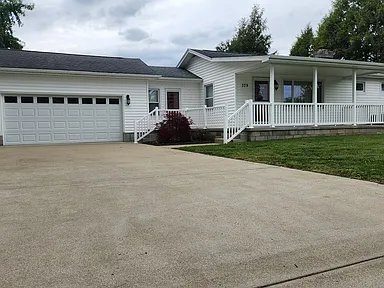
Chillicothe Home With Classic Character, an Attached Garage, and Space to Make Your Own
A Welcoming Property With Everyday Practicality
This Chillicothe home brings together traditional character, useful additional space, and opportunities for personal updates. Its classic exterior gives the property a familiar residential appearance, while the interior offers a flexible starting point for someone ready to make a home reflect their own preferences. For buyers who appreciate a property that can evolve over time, this home presents several features worth exploring.
An attached garage, a basement area, and outdoor yard space contribute to its everyday usefulness. Each serves a different purpose, from keeping household belongings organized to providing room for hobbies or outdoor relaxation. Together, these features offer possibilities that extend beyond the main living areas.
The home may interest a range of buyers, including people purchasing their first property, homeowners seeking a place they can personalize, and investors prepared to assess its condition and improvement needs. Its appeal lies in the combination of an established appearance and the opportunity to shape the spaces around a new owner’s routines.
A Classic Exterior With Room for Personal Expression
The home’s exterior sets a traditional tone that can serve as the foundation for future improvements. Buyers who enjoy classic residential architecture may appreciate having an existing visual identity to work with as they consider paint colors, landscaping, or other cosmetic changes.
Small exterior updates can help an owner express their style without requiring a complete transformation. Depending on the condition of the existing features, possibilities might include refreshing the entry area, adding seasonal planters, improving outdoor lighting, or choosing a more coordinated color palette. These are potential projects for a future owner to evaluate, rather than improvements already completed at the property.
A thoughtful approach would begin with maintenance and move toward decorative changes afterward. Reviewing the exterior surfaces, drainage, and other visible elements can help buyers understand which tasks deserve attention first. From there, the home’s traditional appearance provides a clear starting point for creating a more personal and welcoming arrival experience.
Living Spaces That Can Adapt to Different Routines
Inside, the living spaces offer a simple foundation for everyday life. Their flexibility allows prospective buyers to think about how furniture, lighting, and décor could support their own needs. Some may prefer a relaxed arrangement focused on conversation, while others might prioritize a comfortable place to read, unwind, or enjoy quiet evenings at home.
Planning the interior begins with understanding how each space connects to the next. During a viewing, buyers can consider walking routes, furniture placement, and the relationship between frequently used areas. Measurements are especially helpful for determining whether existing furnishings will work or whether a different arrangement would make better use of the available space.
Personal style can then develop through manageable choices. Wall colors, window treatments, artwork, and storage pieces all influence how a room feels. The opportunity here is to create an interior that fits the next owner’s habits while retaining the home’s traditional character.
An Opportunity to Refresh the Interior Over Time
For someone who enjoys making gradual improvements, this home offers a setting where updates can be approached in stages. A buyer does not need to settle every design decision at once. Living in a space, observing daily routines, and understanding what works can lead to more practical choices about future changes.
An initial phase might focus on cleaning, organizing, and addressing maintenance needs identified during the purchase process. Cosmetic work could follow, such as painting walls or replacing dated decorative fixtures where appropriate. Larger projects would depend on the property’s condition, the owner’s budget, and any professional advice or approvals required.
A coordinated plan can help separate immediate needs from longer-term preferences. For example, an owner might choose a consistent interior color scheme before purchasing furniture or decorative materials. This allows individual projects to contribute to a connected result, even when the work takes place over several months or years.
The Convenience of an Attached Garage
The attached garage is one of the property’s practical features. Depending on its dimensions and configuration, it may provide parking space, household storage, or an area for tools and occasional projects. Buyers should measure the space and review its layout to determine how well it suits their vehicles and belongings.
An attached garage can also support a more organized household. Gardening supplies, outdoor equipment, and items used only during certain seasons may be easier to manage when they have a designated place. With a sensible storage arrangement, the garage could help reduce the amount of equipment kept in the main living areas.
For buyers interested in hands-on hobbies, part of the garage may offer room for a workbench or project supplies, subject to available space and safe use. Evaluating access, lighting, electrical provisions, and the garage door’s condition can help establish what is practical before making plans.
Basement Space for Storage and Other Possibilities
The basement adds another area for buyers to consider when assessing the home’s usefulness. Storage is an obvious potential use, particularly for belongings that do not need to remain close at hand. Seasonal decorations, spare household items, and hobby materials may be easier to organize when there is space beyond the main rooms.
Any plans for basement use should reflect its actual condition. Buyers should review moisture levels, ventilation, ceiling height, access, and the location of mechanical equipment. These details affect how the area can be used and what improvements might be appropriate.
The basement should not automatically be treated as finished living space. A future change in use would require an assessment of suitability, applicable requirements, and potential costs. Even when used primarily for storage and organization, however, an additional area can make a meaningful difference to the way a household manages its belongings.
A Yard With Opportunities for Outdoor Enjoyment
The yard gives the property an outdoor dimension that a new owner can develop around their interests. Some buyers may picture a simple seating area for enjoying fresh air. Others may prefer gardening, seasonal planting, or creating a more defined outdoor space around the home.
A useful first step is to observe the yard before deciding on a design. Sunlight, shade, drainage, and the relationship between the house and outdoor areas will help determine where particular features could work. A garden bed, for example, should be planned around the conditions needed by the plants rather than appearance alone.
Outdoor improvements can also be introduced gradually. A few containers, a modest seating arrangement, or refreshed planting areas may be enough to establish a welcoming atmosphere. Buyers should confirm boundaries and any relevant restrictions before planning fencing, structures, or substantial landscape changes.
Creating a More Organized Everyday Home
One of the property’s useful qualities is the potential to assign different activities and belongings to different areas. The living spaces, garage, basement, and yard each offer a distinct role within the household. A clear plan for using them can help the home function more comfortably.
Frequently used items generally benefit from being kept near the place where they are needed. Outdoor supplies may fit best in the garage, while suitable seasonal belongings could be organized in the basement. Keeping those functions in mind may make the main living areas easier to arrange and maintain.
Organization does not have to depend on extensive construction. Appropriate shelving, labeled containers, and furniture with built-in storage can help establish useful routines. The right approach will depend on the household, but the presence of several functional areas gives a future owner options to explore.
Considerations for First-Time Buyers
First-time buyers may find this home interesting if they are looking for a property they can personalize. The combination of traditional character and potential updates creates an opportunity to learn about homeownership while developing a space that reflects individual needs.
The purchase decision should begin with a clear understanding of condition and total costs. Alongside the purchase price, buyers should consider the findings of an inspection, anticipated maintenance, utilities, insurance, taxes, and any planned work. A home with improvement possibilities is easier to assess when those possibilities are connected to a realistic budget.
It can also help to distinguish essential repairs from decorative preferences. Work affecting safe and reliable use deserves a different priority from paint colors or furnishings. Taking that approach allows buyers to evaluate whether the home fits both their immediate circumstances and the time they can devote to future projects.
A Property for Buyers Who Value Personalization
Some buyers prefer a home where every design choice has already been made. Others enjoy the process of selecting finishes, arranging rooms, and improving details as their preferences develop. This Chillicothe property may be especially relevant to the second group.
Personalization can begin with the parts of the home used most often. A comfortable seating arrangement, well-chosen lighting, and a consistent palette can help establish a sense of ownership before larger changes are considered. Over time, the owner can decide which existing features to retain and which areas would benefit from a fresh approach.
The traditional character provides a reference point for these choices. A future interior could remain classic, move toward a more contemporary style, or combine elements of both. The most successful result will depend on the relationship between appearance, everyday function, and the owner’s available resources.
Points for Investors to Evaluate
Investors may also wish to examine the property as a potential renovation or rental opportunity. Its attached garage, basement, and yard are features worth including in an overall assessment, but their financial contribution cannot be determined from a brief description alone.
A useful evaluation would include the purchase price, documented condition, estimated repair costs, ongoing expenses, and relevant local market evidence. If rental use is being considered, the buyer would also need to confirm applicable requirements and assess likely tenant demand. Any projected return should reflect those findings.
The scope of work is particularly important. Cosmetic improvements and major repairs involve different costs, timelines, and levels of uncertainty. Obtaining appropriate inspections and estimates can help an investor decide whether the property matches their experience, budget, and intended use.
Exploring the Chillicothe Location
The Chillicothe setting is another part of the property’s overall appeal. The description presents a residential environment with everyday conveniences within reach, giving prospective buyers a starting point for considering how the location might fit their routines.
The next step is to review the exact address in relation to the places that matter most to the buyer. Work, shopping, healthcare, recreation, and regular appointments may all influence the decision. Actual travel times and access routes should be checked directly rather than assumed from the city name.
Visiting the surrounding area can also provide useful context. Traffic, nearby activity, and the general atmosphere may vary at different times of day. Understanding those details helps buyers connect the property itself with the broader experience of living there.
Planning Improvements With a Clear Purpose
A practical improvement plan begins with the question of how the home will be used. For an owner planning to stay for several years, comfort and durability may guide decisions. A buyer considering a shorter ownership period may evaluate projects differently, with closer attention to costs and local resale expectations.
In either case, maintenance findings should inform the plan. Addressing necessary work before investing heavily in decorative finishes can help establish a more reliable foundation for later changes. Written estimates and a realistic allowance for unexpected expenses are useful when evaluating any substantial project.
Each proposed improvement should also solve a specific problem or support a clear preference. Better storage, a more convenient furniture arrangement, or a refreshed entry area can all have a defined purpose. This makes it easier to prioritize projects and avoid spending on changes that contribute little to daily use.
Discover the Possibilities of This Chillicothe Home
This Chillicothe home offers classic character alongside several practical features: adaptable living spaces, an attached garage, a basement area, and a yard that can support outdoor enjoyment. Its potential rests in how these elements align with the next owner’s plans.
For a first-time buyer, it may provide a starting point for creating a personal home. For an experienced homeowner, it may offer the satisfaction of improving an existing property over time. For an investor, it presents an opportunity to investigate through careful inspection and market analysis.
A viewing is the best way to move from general possibilities to a clearer understanding of the property. By examining the condition, measuring important spaces, and considering the work involved, buyers can decide whether this home’s character and practical features suit the future they have in mind.


From Zillow