Slide behind the steering wheel of almost any modern automobile, glance down into the footwell, and muscle memory takes over without a second thought. If you drive an automatic, your right foot toggles between the wide brake pad and the slim throttle pedal on the right. If you learned on a manual stick shift, you know the rhythmic dance between the accelerator, the brake, and the clutch on the far left. Two pedals or three—that has been the standard rule of the road for generations of drivers.
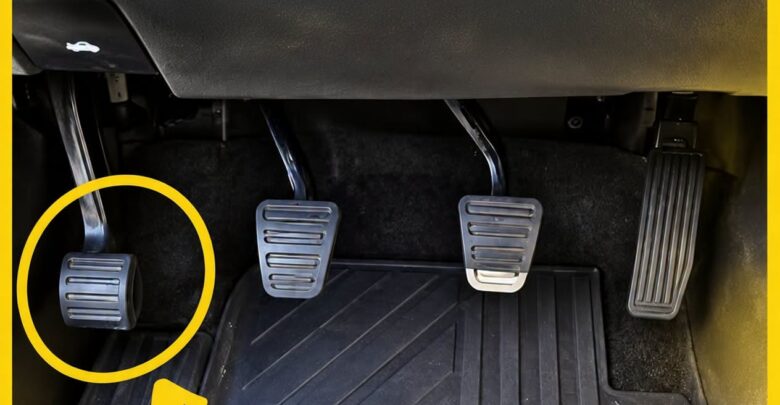
Every so often, a photograph pops up online that stops seasoned commuters and DIY gearheads dead in their tracks. A viral image shows a vehicle equipped with a standard stick-shift setup, yet sitting tucked tightly against the left interior wall is an extra, mysterious foot control. What could an extra pedal possibly do when every basic driving function is already accounted for? If you found yourself stumped trying to identify the mysterious fourth pedal in a car, you are in good company.
The Viral Footwell Puzzle: Counting Pedals Under the Dash
At first glance, the layout feels like a design glitch or a clever digital prank. Most drivers grow up understanding that cars only require two primary feet inputs to accelerate and stop, with manual gearboxes demanding a third to disengage the clutch. Adding another mechanical arm into that tight space sounds like an invitation for tangled shoelaces and missed stops.
When this specific photo started circulating across social forums, the comment sections exploded with wild theories. Some folks joked that it was an ejector seat switch straight out of a spy movie, while others wondered if it belonged to a driving school car fitted with duplicate safety controls. The truth, however, is grounded in clever engineering, vehicle utility, and a bit of automotive heritage.
Before jumping straight to the final answer, it helps to review the strangest foot controls automakers have experimented with over the last century. Automotive history is packed with unusual floor switches that modern drivers have completely forgotten about.
The Wildest Historical Guesses: What Else Lives on Car Floors?
Automobile interiors were not always standardized into the tidy, button-laden dashboards we enjoy today. Engineers frequently placed secondary switches and mechanical linkages on the floorboards where a driver could easily reach them without lifting their hands from the steering wheel. When people try to guess the identity of that extra pedal, several classic mechanisms immediately come to mind.
1. The Classic High-Beam Floor Dimmer Switch
If you ask anyone who drove a car built before the late 1980s, their first guess will almost certainly be the high-beam dimmer switch. For decades, American and European automakers mounted a heavy-duty, round metal button directly to the driver-side kickboard floor.
Whenever an oncoming vehicle approached on a dark country road, you simply tapped that floor button with your left heel to switch from high beams to low beams. It produced a satisfying, heavy mechanical click under your shoe. As steering columns grew more sophisticated, car manufacturers migrated that function up onto the turn signal stalk, leaving newer generations totally unaware that headlights once lived on the floor.
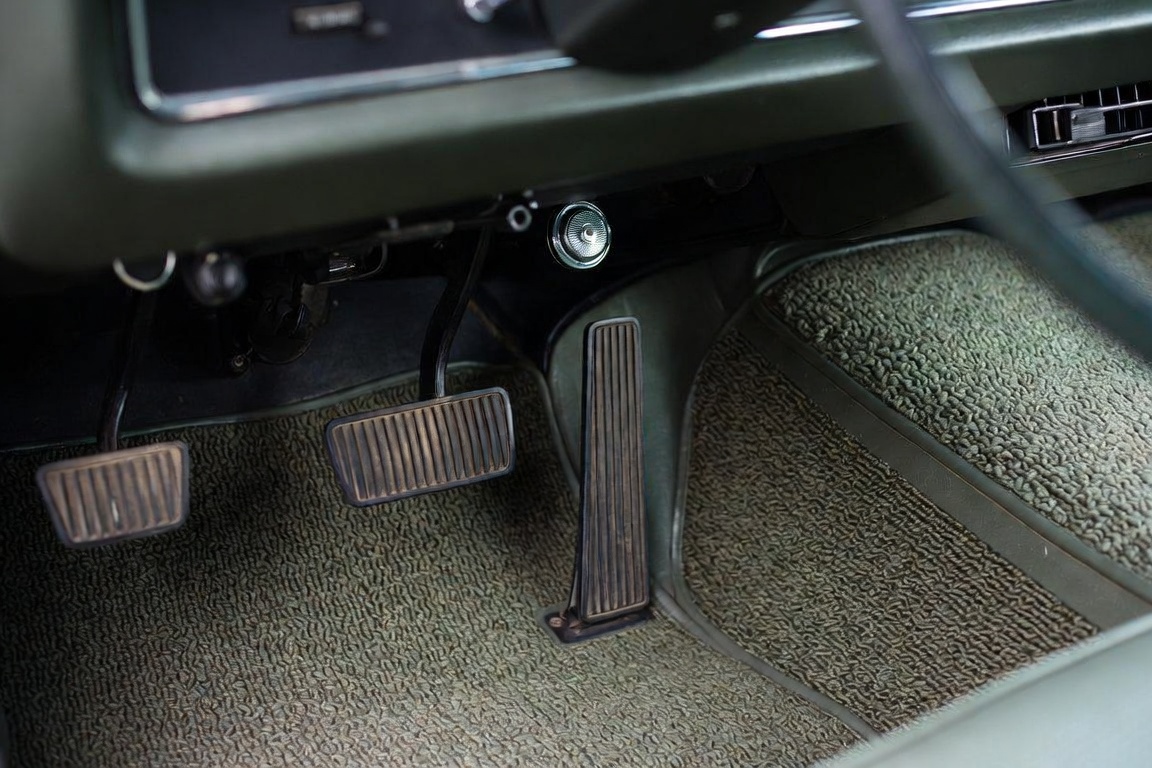
Decades ago, drivers flicked their bright lights on and off with a sturdy floor-mounted switch rather than a lever on the steering wheel.
2. The Vintage Foot-Stomp Starter
Long before push-button start fobs and keyed ignition switches became universal, starting an automobile required a firm push of the foot. Vehicles from the 1930s, 1940s, and early 1950s—including legendary vintage pickup trucks—often featured a small metal starter button positioned near the accelerator or along the floorboard.
To fire up the engine, you turned on the ignition switch on the dashboard, pulled out the manual choke knob, and stomped down hard on the starter pedal. That physical press engaged the starter pinion gear with the engine flywheel while simultaneously completing the electrical circuit. It was tactile, rugged, and completely mechanical.
3. The Mechanical Windshield Washer Pump
Early windshield washer systems did not rely on electric fluid pumps tucked inside plastic reservoirs. Instead, classic cars like vintage air-cooled Volkswagens and domestic workhorses frequently used a rubber foot bulb on the floor. Stomping on the rubber bulb forced a pressurized squirt of blue cleaning fluid directly onto the glass through small brass nozzles on the hood. It was simple, reliable, and completely human-powered.
4. The Stationary Dead Pedal
Another common guess for an extra floor feature is the dead pedal, sometimes called a footrest. Unlike working mechanical pedals that travel on hinges or push hydraulic fluid, a dead pedal is an immovable, angled pad bolted directly to the metal floor pan on the left side of the footwell.
Its job is simple yet remarkably helpful: it provides a stable, braced resting spot for your non-working foot during long highway stretches. By keeping your left ankle supported at a comfortable angle, it reduces lower-back fatigue and stabilizes your body through sharp highway corners. While helpful, a true dead pedal does not swing on a pivot arm like the one in our mystery image.
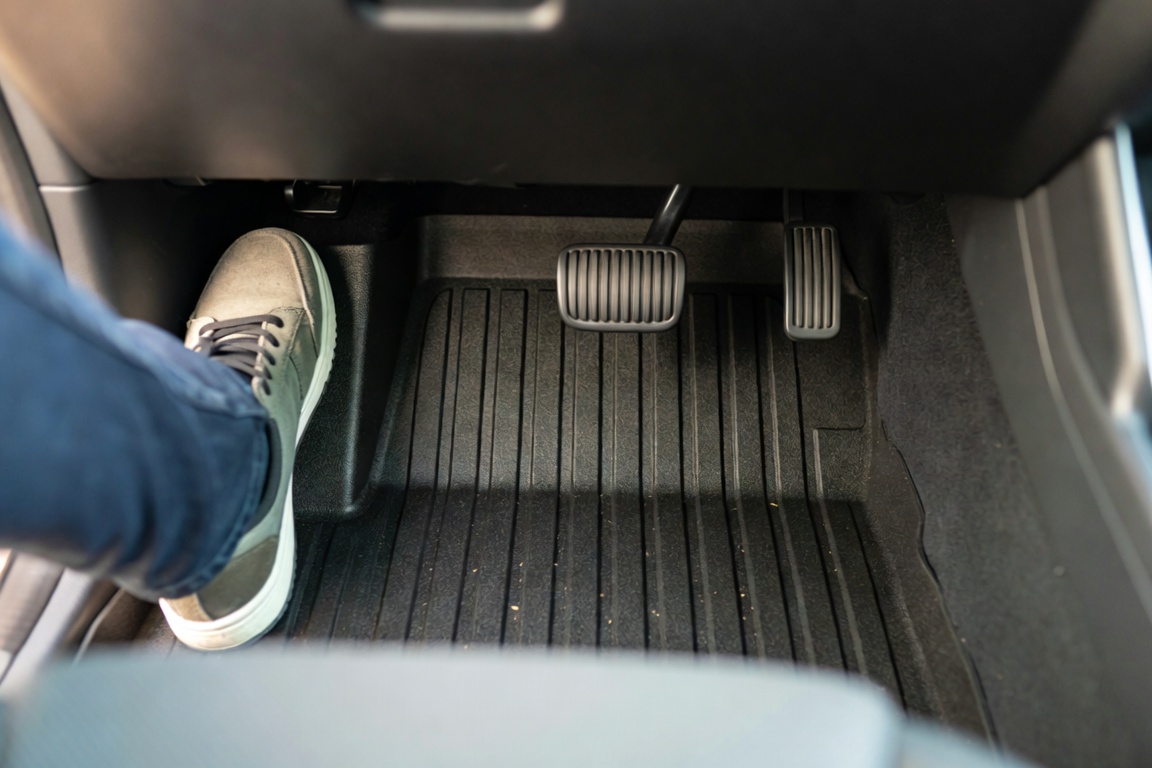
Known as a dead pedal, this stationary angled rest gives your left foot a stable spot to brace during long road trips.
The Reveal: What That Fourth Pedal in a Car Really Does
Now that we have eliminated high-beam dimmers, starter buttons, and footrests, what is that small pedal suspended on a steel arm in the viral photo? The answer is straightforward: it is a foot-operated parking brake, commonly known as an emergency brake.
While that might sound obvious to drivers accustomed to full-size trucks or luxury sedans, what makes this specific image so disorienting is the presence of three other operational pedals. Most drivers who encounter a foot-operated emergency brake are sitting in an automatic vehicle, meaning they see two driving pedals plus the parking brake pedal, totaling three. Seeing four distinct hanging pedals side by side means this vehicle pairs a traditional manual transmission with a foot-applied parking brake.
Automakers like Dodge, Ford, Chevrolet, and Mercedes-Benz frequently utilized this exact setup. In heavy manual pickup trucks and several classic manual European sedans, designers wanted to keep the center console area completely clear for a middle passenger bench seat or clean interior storage. Instead of taking up valuable room with a tall handbrake lever between the front seats, engineers moved the parking brake mechanism down into the footwell.
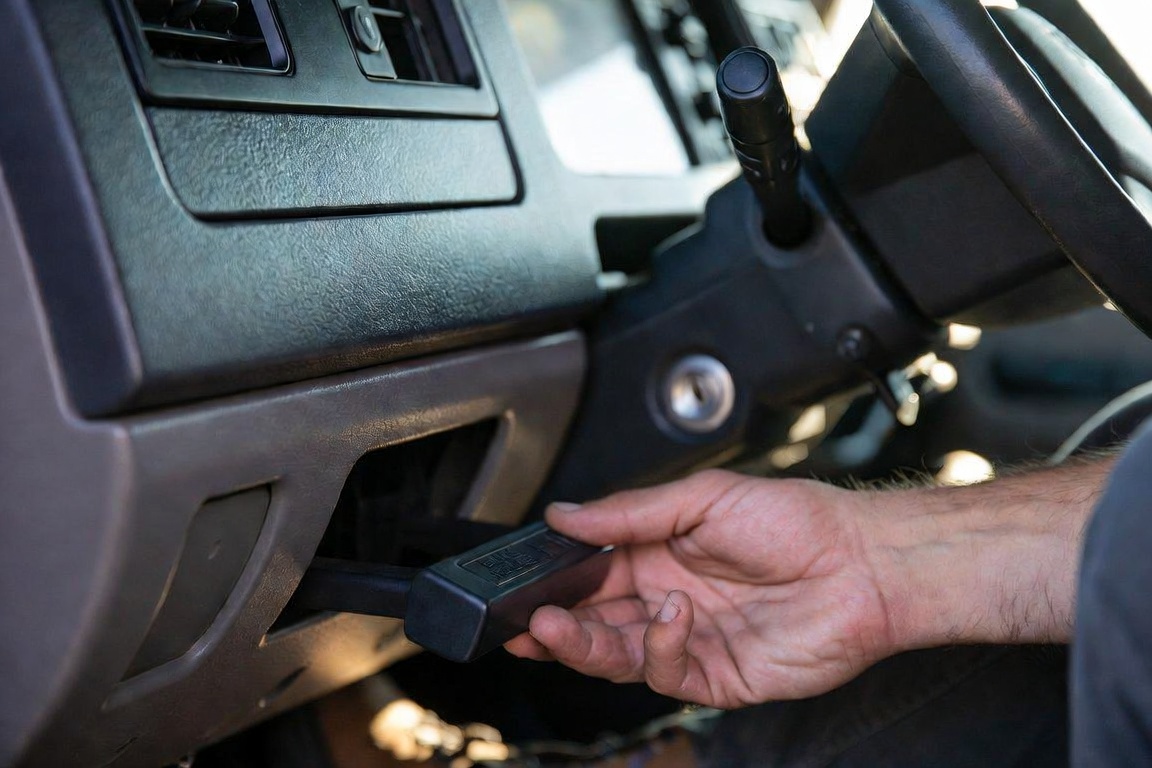
When a vehicle uses a foot-operated emergency brake, releasing it often requires pulling a spring-loaded latch tucked under the dashboard.
How a Foot-Operated Parking Brake Works
Using a foot parking brake is straightforward, though it can feel strange if you have spent years pulling a lever between your front seats or toggling an electronic switch. When you park the vehicle, you depress the clutch, shift into gear, and firmly push the small far-left pedal down toward the floorboard with your left foot.
As the pedal swings forward, you will hear a sharp, ratcheting click. That sound comes from a spring-loaded pawl catching teeth along a steel ratchet quadrant. This mechanical action pulls a heavy-duty steel cable that runs beneath the floorboards, expanding internal brake shoes or clamping the rear brake calipers tight against the brake rotors to keep the vehicle from rolling away.
Releasing the Foot Brake: Two Common Styles
Getting the brake to release depends entirely on the vehicle make and model:
- The Dash Pull Lever: Many domestic trucks and luxury cars place a flat plastic handle on the lower dash trim, directly above the footwell. Pulling this handle trips the ratcheting pawl, causing the pedal to spring back up to its resting height with a sharp mechanical thunk.
- The Push-to-Release Mechanism: Other vehicles do away with the dashboard handle altogether. To release the brake, you simply press the pedal down a fraction of an inch deeper until you feel a soft click, then lift your foot away as the pedal smoothly returns to the top.
Common Troubleshooting Tips for Foot Parking Brakes
Because foot-actuated parking brakes hide away in the shadows of the kick panel, they often get neglected during regular home maintenance. Cold morning frost, road grime, and lack of regular use can lead to a few common headaches that every vehicle owner should know how to spot.
If you release the dash lever but your dashboard brake warning light stays lit, the pedal arm may not have traveled all the way back up to trip the electrical sensor switch. Gently hooking the toe of your shoe beneath the pedal arm and pulling upward often pops it the final half-inch, turning the dashboard light off immediately. If that happens regularly, the pivot hinge likely needs a light spray of dry silicone lubricant.
During freezing winter months, road slush kicked up underneath the vehicle chassis can freeze inside the exposed steel brake cable sheath. If you push the parking brake down on a sub-zero night, the cable can freeze in the locked position, binding your rear wheels when you try to leave for work the next morning. If your car sits outdoors during deep winter freezes, parking on level ground with the transmission securely in gear—or using wheel chocks—can save you from a stubborn frozen brake cable.
Spending a few quiet minutes getting familiar with your car’s controls before pulling out of the driveway keeps every family trip smooth and safe.
Keeping Your Vehicle Footwell Clean and Safe
Whether your daily driver features two pedals, three pedals, or the rare four-pedal setup, keeping that footwell uncluttered is one of the easiest ways to ensure relaxed, confident driving. Thick winter floor mats that slip out of their factory floor retention clips can easily bunch up behind the pedals, preventing the clutch or brake from traveling through its full sweep.
Make it a quick habit during your weekend car cleaning routine to check that your all-weather mats are securely snapped onto their floor anchors. Give the footwell a quick vacuum to remove loose stones and gravel, inspect the rubber pads on your pedal arms for heavy wear, and test your parking brake to verify it bites firmly. Understanding every switch and lever inside your ride transforms driving from a chore into a comfortable, second-nature craft.