News
Something Is Different About This Romantic Candlelight Dinner — Can You Spot It?
Something Is Different About This Romantic Candlelight Dinner — Can You Spot It?

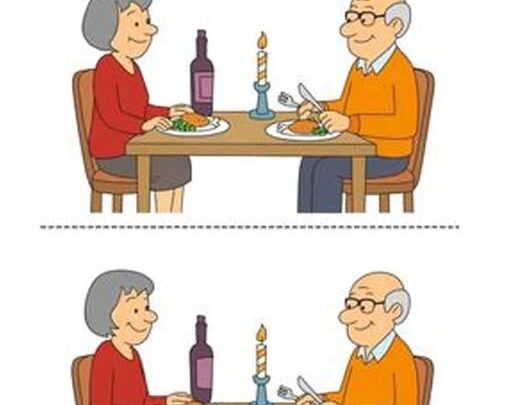
Can You Spot the Difference in This Candlelight Dinner Scene?
At first glance, a candlelight dinner seems like a setting made for quiet conversation rather than a visual challenge. The warm atmosphere encourages you to take in the whole picture and enjoy its inviting appearance.
However, this puzzle asks you to do something different. Instead of admiring the scene as a whole, compare the two pictures and search for the small detail that has changed.
The images may appear identical during your first look. That is part of the fun. A familiar object or tiny feature can sit in plain sight while remaining easy to overlook.
Take your time, settle into the search, and give yourself a chance to discover the difference before asking for help.
Your Challenge: Find the Changed Detail
The task is simple: look at the two candlelight dinner pictures and identify the detail that does not match.
You do not need to calculate anything or solve a hidden word. Everything needed for the challenge should be present in the image pair.
Begin by comparing the overall arrangement. Then move toward the smaller features within the scene.
There is no official time limit in this version, so you can work at a comfortable pace. Finding the answer quickly is only one way to enjoy the puzzle. A slower search can be just as satisfying.
Because the actual picture pair is not included here, the suggestions below offer a search method rather than an answer key. They do not identify a confirmed location for the change.
Start With One Complete Look
Before examining individual details, give both pictures a full look.
Notice how the scene is arranged. Identify the main areas and the objects you can clearly recognize. This first pass helps you decide how to divide the picture into manageable sections.
You do not need to memorize everything. Simply become familiar with the layout.
Next, choose a starting point. The upper-left corner is one option, but any clear position will work.
What matters is keeping the same approach in both pictures. Compare the area you selected with its matching area before moving elsewhere.
That small amount of structure can make the activity feel less scattered. Instead of repeatedly checking whatever catches your attention, you have a route to follow.
Compare One Section at a Time
Imagine dividing each picture into a few matching sections.
You could begin with the upper area, continue across the middle, and finish near the bottom. Alternatively, compare the left half first and then the right half.
Use whichever arrangement feels easiest to follow.
Within each section, look at the same feature in both images. Check its shape, position, and visible details before moving to the next item.
This method gives every area some attention. It also helps you avoid returning to a favorite part of the picture while leaving another section unexplored.
If you lose your place, start again from the last object you remember comparing. There is no penalty for taking a second pass.
Look at Outlines Before Tiny Details
A useful starting point is the outline of each visible object.
Ask whether its shape looks the same in both pictures. Compare the edges, corners, curves, and any parts extending from the main form.
Only then move to the smaller marks inside it.
For example, an object might appear similar overall while one edge has a different shape. Another may have the same outline but contain a changed detail.
These are possibilities to keep in mind, not clues about the specific answer.
Looking at the outline first gives your search a clear order. You move from the larger structure toward finer features instead of trying to inspect everything at once.
That approach can make a busy illustration easier to explore.
Give Small Features Their Own Attention
After comparing the main shapes, return to the details within them.
Look for markings, patterns, or decorative elements that appear in the scene. Compare each one directly rather than relying on what you remember from the other picture.
A small feature may seem unimportant to the dinner setting while still being important to the puzzle.
This is where patience becomes useful. You may need to look closely at an area you initially dismissed as a perfect match.
However, avoid forcing a difference where none is clear. If a possible change depends on guessing what a blurry mark represents, keep it as a candidate and continue searching.
A convincing answer should become easier to explain when you compare the two locations.
Check Colors as Well as Shapes
If the pictures use color, include that in your comparison.
An item can keep the same size and position while one part changes shade or appearance. Likewise, a pattern may look familiar even when a small section differs.
Compare matching areas under the same viewing conditions. If possible, keep both pictures visible on the screen at once.
Be cautious about differences caused by glare or the way your display shows an image. A shadow across one side of your screen is not part of the puzzle.
The goal is to identify a change within the pictures themselves.
When something looks promising, look away briefly and return to that exact area. Then compare it again before deciding that you have found the answer.
Remember the Background
The main dinner setting may attract most of your attention, but the surrounding area also deserves a careful look.
Check any background details that actually appear in the images. These might include lines, shapes, or decorative features around the central arrangement.
Treat the background with the same method you used for the foreground. Compare one section at a time rather than scanning it quickly.
There is no reason to assume that the change must involve the largest or most important object.
At the same time, do not assume it must be hidden at the edge. Search fairly across the whole image.
A balanced approach gives both obvious and less noticeable areas a chance to reveal something.
Try a Fresh Direction
If you have checked the pictures once without finding a clear difference, change the order of your next pass.
Instead of starting at the top, begin at the bottom. If you worked from left to right, try moving in the opposite direction.
This gives you a different route through the same material.
You can also focus on a different feature during each pass. One pass might compare outlines, while another checks patterns or colors.
The purpose is not to introduce a new rule. It is to avoid repeating exactly the same glance and hoping for a different result.
Keep the search relaxed. A short pause is also an option if you would rather return with renewed interest.
Make the Pictures Comfortable to View
A puzzle should be enjoyable to look at.
If the images appear too small, enlarge them enough to see the details clearly. Avoid zooming so far that you lose track of the matching area in the second picture.
Good lighting and a comfortable screen position can also make the activity more pleasant.
If you are using a printed version, place it where you can compare both images without covering part of the page.
You may find it helpful to point beside the section you are checking. That can keep your place without marking over a detail.
Choose the setup that works for you. There is no single correct way to sit, look, or move through a leisure puzzle.
Share the Search Without Spoiling It
Picture puzzles can make a pleasant activity for two people or a small group.
Before starting, decide whether you want to search together or try independently. Both approaches can be enjoyable.
If one person finds the difference first, they can keep the location private until the others want help.
A useful hint should leave something to discover. You might suggest checking a broad section rather than naming the exact object.
However, only offer a hint when you know the answer and the other person wants assistance.
Avoid turning uncertainty into a competition about who is more observant. The shared activity can remain fun even when everyone reaches the answer at a different pace.
Check Your Answer Before Announcing It
Finding a possible change is exciting, but take a moment to verify it.
Look at the exact location in the first picture. Then move to the corresponding position in the second.
Can you describe the difference clearly? Can another person follow your explanation without needing to imagine an unclear detail?
If so, you have a stronger candidate.
If the two areas still seem ambiguous, keep looking rather than treating confidence as proof.
A good reveal should connect directly to something visible. It should show what changed and where the two pictures disagree.
That makes the final answer satisfying because readers can check it for themselves.
Enjoy the Moment of Discovery
The appeal of this candlelight dinner challenge lies in its simplicity.
Two similar pictures invite you to slow down and compare what is actually there. A scene that seems familiar becomes something to explore more carefully.
You can enjoy the search alone, share it with family, or return later if the final detail remains elusive.
There is no need to attach a score or a claim about intelligence to the result. This is a picture puzzle, and its purpose is entertainment.
Once you find the difference, give anyone else playing a chance to enjoy that same moment of recognition.
Did you spot the changed detail on your first look, or are you taking another careful pass? 🕯️👀