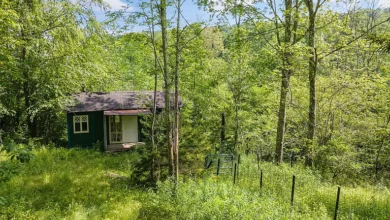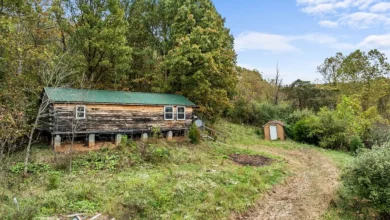
Secluded West Virginia Log Cabin With Mountain Views, a Stocked Pond, and Beautiful Wooded Surroundings
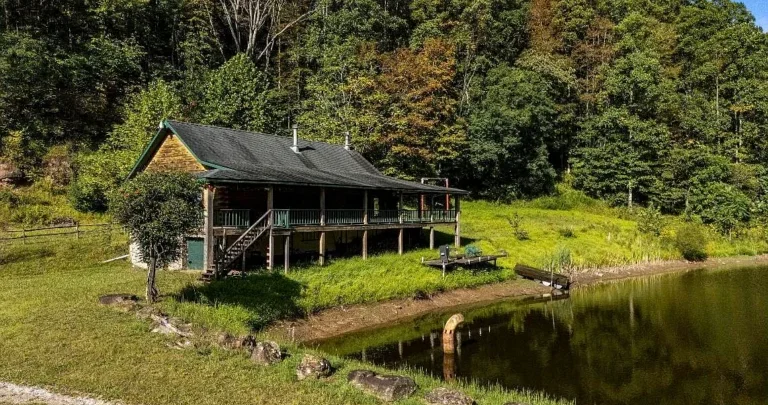
Hidden among the peaceful hills of Smithfield, West Virginia, this beautiful log cabin offers an extraordinary opportunity to experience the natural beauty, privacy, and tranquility of countryside living. Surrounded by wooded landscapes, lush greenery, and breathtaking mountain scenery, the property provides a welcoming escape from the demands of everyday life.
Combining traditional log cabin architecture with modern comfort, this distinctive residence creates an inviting environment for relaxation, outdoor recreation, and memorable experiences with family and friends.
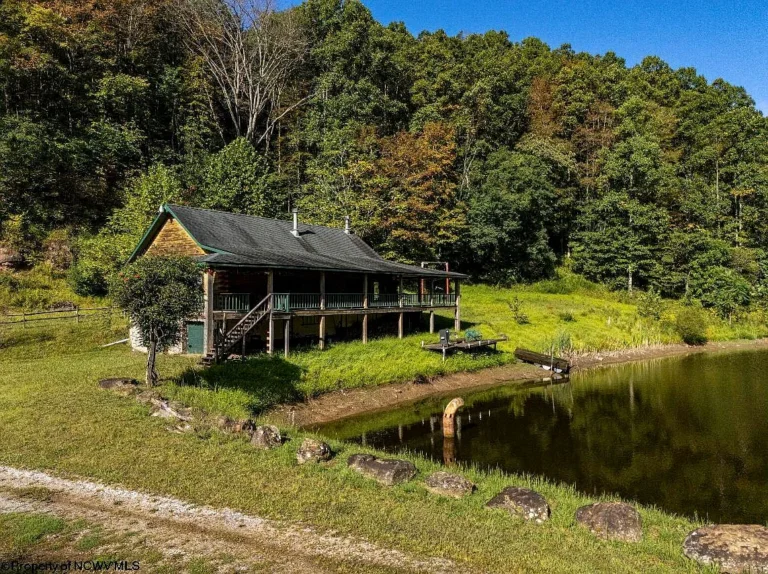
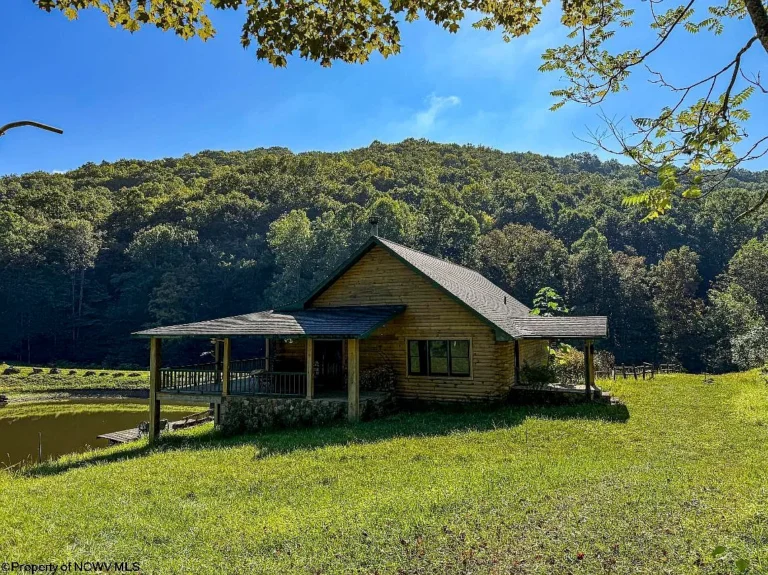
The charming wraparound porch, spacious open floor plan, stocked fishing pond, gated entrance, and surrounding woodland contribute to the property’s remarkable character.
Whether you are searching for a private mountain retreat, exploring recreational real estate investments, considering a vacation home, or dreaming of a peaceful countryside residence, this Smithfield property offers several appealing possibilities.
Its secluded location encourages a slower pace of life, where mornings can begin with fresh mountain air and evenings can end with peaceful views of the surrounding wilderness.
For buyers who appreciate rustic architecture, outdoor adventures, and the independence associated with rural property ownership, this West Virginia log cabin represents an interesting opportunity to embrace a more nature-focused lifestyle.
Discover the Natural Beauty of West Virginia Mountain Living
West Virginia is widely associated with rolling hills, forested landscapes, mountain scenery, and outdoor recreational opportunities. For individuals who appreciate peaceful surroundings, rural properties throughout the state offer an attractive alternative to crowded residential environments.
This beautiful log cabin captures many of the qualities that make countryside living so appealing.
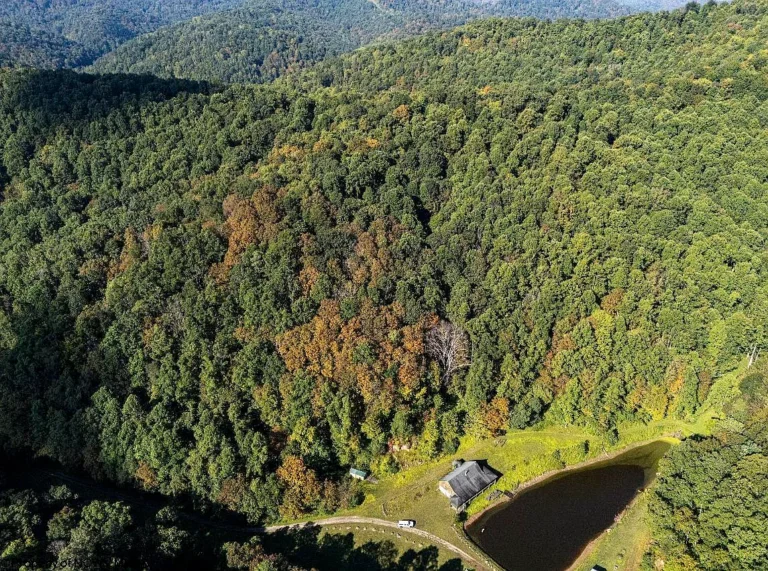
The surrounding woodland creates a natural sense of separation, while the mountain views provide an ever-changing backdrop throughout the seasons.
Instead of waking up to busy streets and urban activity, residents can enjoy the peaceful atmosphere of a secluded rural setting.
Morning sunlight filtering through the trees, fresh country air, and the sounds of local wildlife can become enjoyable parts of everyday life.
During warmer months, the surrounding greenery creates a vibrant natural environment. Autumn introduces colorful foliage, while winter may transform the landscape into a quiet seasonal retreat.
These changing conditions allow homeowners to experience the property’s natural character throughout the year.
For buyers exploring mountain homes and recreational properties, the opportunity to enjoy such surroundings from a private residence may represent one of the most meaningful benefits of ownership.
A Beautiful Log Cabin With Authentic Rustic Character
Traditional log cabins possess a distinctive architectural identity that continues to appeal to buyers who appreciate natural materials and timeless design.
Unlike conventional residential construction, log cabin architecture often creates a stronger visual connection between the home and its surrounding landscape.
This Smithfield residence embraces that rustic character while offering an inviting interior designed for comfortable living.
The natural appearance of the cabin complements its wooded surroundings, creating an environment where the architecture feels closely connected to the land.
For homeowners interested in traditional country design, the property provides an appealing foundation for creating a comfortable and personalized retreat.
Natural wood furnishings, warm textiles, decorative lighting, and comfortable seating could further enhance the interior atmosphere.
The appeal of a log cabin does not depend entirely on luxury finishes or elaborate architectural features.
Often, its greatest strength comes from the combination of simplicity, warmth, natural beauty, and a welcoming sense of home.
With responsible maintenance and thoughtful personal touches, this property could become a cherished destination for many years.
A Charming Wraparound Porch Overlooking the Countryside
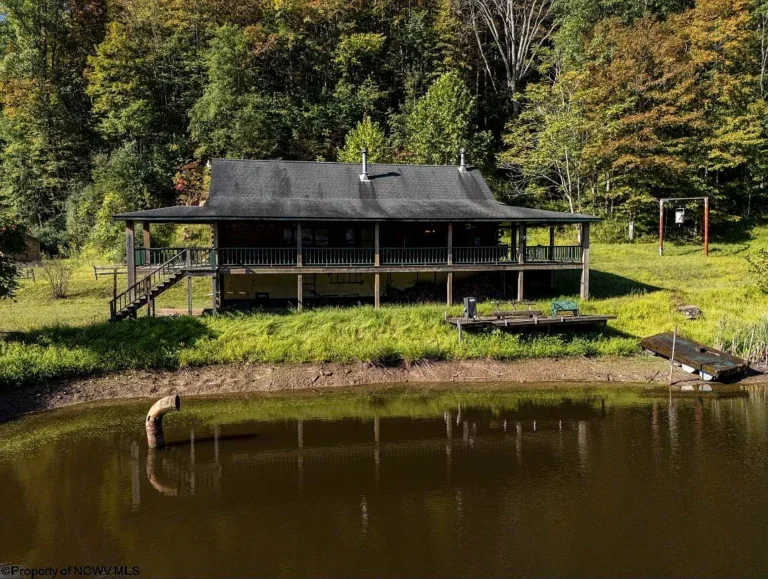
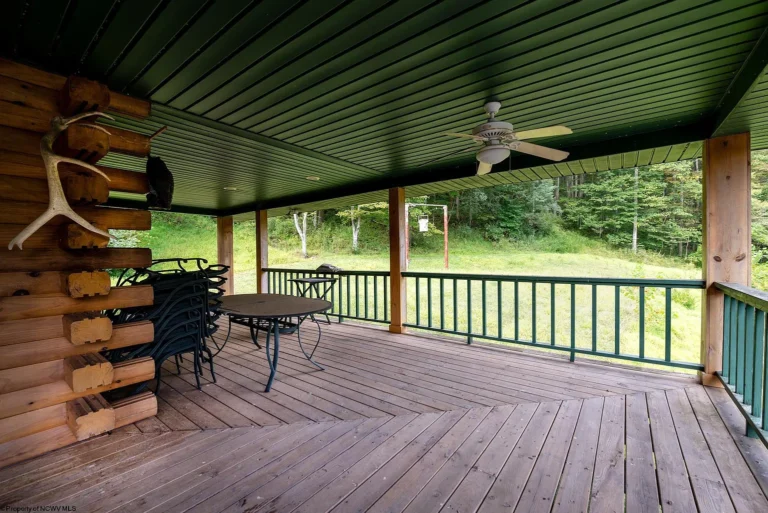
One of the most attractive features of this West Virginia cabin is its charming wraparound porch.
Outdoor living spaces are especially valuable for rural properties because they allow homeowners to appreciate the surrounding environment without leaving the comfort of their residence.
A wraparound porch creates opportunities to enjoy different perspectives of the landscape throughout the day.
Morning coffee can become a peaceful experience accompanied by fresh air and mountain scenery.
Afternoons might include reading, relaxing in comfortable outdoor furniture, or simply observing wildlife in the distance.
During the evening, the porch could become a favorite gathering place for conversations with family and friends.
Homeowners may choose to personalize the space with rocking chairs, weather-resistant furnishings, decorative lighting, and seasonal plants.
A thoughtfully arranged porch can serve as an extension of the cabin’s interior, providing additional opportunities for relaxation and entertainment.
Prospective buyers should also inspect the porch’s structural condition, supporting materials, railings, and protective finishes.
Regular maintenance is important for outdoor wooden structures that experience changing temperatures and weather conditions.
The porch contributes significantly to the property’s lifestyle appeal and provides a wonderful setting for appreciating the beauty of rural West Virginia.
An Inviting Open Floor Plan Designed for Comfortable Living
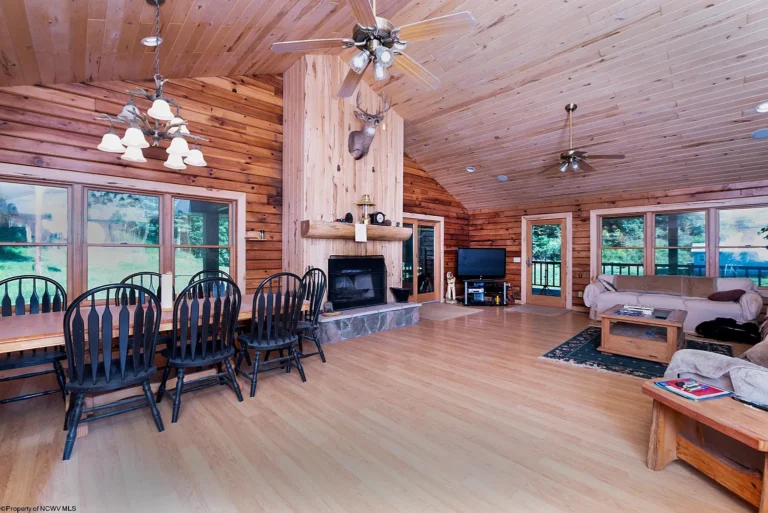
Inside the cabin, the open floor plan combines traditional rustic character with practical modern living.
Open interiors can create a welcoming atmosphere by allowing different living areas to feel connected rather than completely separated.
This arrangement may be particularly appealing to homeowners who enjoy entertaining guests or spending time together during family vacations.
A comfortable living area could become the central gathering place of the residence, offering opportunities for relaxation, conversation, and shared activities.
Thoughtful furniture arrangements can help define different sections of the interior while preserving its open character.
Natural materials, warm colors, and comfortable furnishings could complement the cabin’s architectural identity.
The open layout may also provide flexibility for future decorating projects, allowing homeowners to organize the available space according to their individual preferences.
For seasonal visitors, a welcoming interior becomes especially important after a day spent hiking, fishing, or exploring the surrounding countryside.
The combination of rustic architecture and functional living space contributes to the property’s appeal as both a personal retreat and a potential long-term residence, subject to its facilities and accessibility.
Exceptional Privacy Surrounded by Peaceful Woodland
Privacy is an important consideration for many buyers searching for rural real estate.
Properties surrounded by woodland can provide a different residential experience from traditional neighborhoods where homes are located close together.
This Smithfield cabin offers a secluded setting where the surrounding trees contribute to the peaceful atmosphere.
The woodland creates opportunities to enjoy outdoor activities while maintaining a strong connection to the natural environment.
For individuals who work in demanding professions or live in busy urban areas, having a private destination for relaxation can be particularly appealing.
A countryside retreat allows homeowners to spend time away from constant traffic, crowded public spaces, and the interruptions associated with everyday responsibilities.
However, prospective buyers should independently confirm property boundaries, neighboring land uses, access rights, and any existing easements.
A wooded setting can contribute to privacy, but legal ownership boundaries determine how the surrounding land may be used.
Understanding these details is essential when evaluating recreational land and rural residential properties.
The combination of woodland, mountain views, and seclusion makes this cabin especially interesting for buyers seeking a peaceful personal escape.
A Beautiful Stocked Pond for Recreational Fishing
The stocked pond is another distinctive feature that adds considerable lifestyle appeal to this countryside property.
Private ponds can create opportunities for recreation, relaxation, and appreciation of the surrounding landscape.
For fishing enthusiasts, having access to a pond near their residence can provide a convenient way to enjoy a favorite outdoor activity.
Instead of traveling to a separate recreational destination, homeowners can spend peaceful mornings or afternoons beside the water.
The pond may also become a favorite gathering place for family members who appreciate nature and quiet outdoor experiences.
Its natural appearance contributes to the beauty of the surrounding property and provides another interesting element within the wooded landscape.
Prospective buyers should obtain additional information regarding the pond’s size, depth, fish species, water quality, and maintenance history.
A stocked pond may require ongoing management to maintain suitable environmental conditions and support healthy fish populations.
Owners should also investigate applicable regulations before introducing additional fish or making significant modifications.
With appropriate care, the pond could become one of the most rewarding recreational features of the property.
Understanding Private Pond Ownership and Maintenance
Although a private pond can be an attractive addition to rural real estate, it also introduces specific ownership responsibilities.
Pond conditions can change over time due to rainfall, seasonal temperatures, vegetation growth, drainage patterns, and surrounding land use.
Regular observation can help owners identify potential concerns involving water quality, shoreline erosion, sediment accumulation, or excessive aquatic vegetation.
Depending on the pond’s construction, professional assessments of dams, embankments, drainage structures, and overflow systems may be appropriate.
Buyers should also investigate whether the pond has any documented management requirements or existing environmental restrictions.
Maintaining a private pond does not necessarily require complicated improvements, but responsible care remains important.
Preserving suitable vegetation around the shoreline may help reduce erosion and support local wildlife.
Owners should avoid introducing chemicals or treatments without understanding their potential environmental effects.
Water-based activities should also be evaluated carefully, and a pond described as suitable for fishing should not automatically be assumed safe for swimming.
These considerations can help future owners protect both the natural environment and their long-term investment.
Explore the Surrounding Land Through Hiking and Nature Walks
The wooded surroundings offer attractive opportunities for individuals who enjoy spending time outdoors.
Hiking, nature walks, wildlife observation, and photography could become enjoyable activities within the property, where terrain and access conditions permit.
Exploring forested landscapes provides opportunities to appreciate changing vegetation, seasonal colors, and the natural character of rural West Virginia.
Homeowners may wish to investigate whether established trails already exist or whether appropriate walking paths could be developed.
Any new trail improvements should consider property boundaries, drainage, terrain stability, and environmental protection.
For families, outdoor exploration can become a meaningful way to spend time together.
Children may develop an appreciation for nature through supervised activities, while adults can enjoy opportunities for appropriate physical movement and peaceful recreation.
The surrounding woodland may also provide inspiration for creative interests such as landscape photography, painting, journaling, or nature observation.
The ability to enjoy outdoor experiences close to home is one of the distinctive benefits associated with recreational real estate.
This property offers an appealing foundation for developing a lifestyle centered around outdoor enjoyment.
Recreational Land With Hunting and Outdoor Adventure Potential
The supplied property description identifies hunting as one of the possible recreational activities associated with the surrounding land.
Wooded rural properties can appeal to buyers who participate in lawful outdoor recreation and appreciate natural wildlife habitats.
However, the suitability of any property for hunting depends on its acreage, boundaries, terrain, applicable laws, and surrounding land uses.
Prospective owners should independently verify hunting rights, licensing requirements, seasonal regulations, and any restrictions affecting the property.
They should also confirm whether any existing agreements grant recreational access to other individuals.
Responsible wildlife management and respect for neighboring properties are important aspects of rural land ownership.
For individuals who prefer non-hunting activities, the surrounding landscape offers other possibilities, including birdwatching, photography, hiking, and fishing.
The property’s broader appeal comes from its natural setting and recreational versatility.
Rather than being limited to a single activity, the cabin provides opportunities for future owners to enjoy the countryside according to their personal interests.
A Gated Entrance for Additional Privacy
The property’s gated entrance contributes to its secluded countryside character.
Gated access can help define the entrance to a private residence and provide a clearer separation between the property and surrounding roads.
For rural homeowners, managing access may be important when protecting personal privacy and maintaining recreational land.
The gate can also complement the overall appearance of the property, creating an attractive first impression for arriving guests.
Nevertheless, a gated entrance should not be interpreted as a guarantee of security.
Property owners should continue following appropriate security practices and maintain reliable communication arrangements.
Buyers should investigate whether the entrance and access road are privately owned, shared, or subject to easements.
Road maintenance responsibilities, seasonal accessibility, and emergency vehicle access should also be evaluated.
These details are particularly important for secluded homes where access conditions may change during severe weather.
The gate remains an appealing feature, but understanding the complete access arrangement is essential for responsible ownership.
A Peaceful Vacation Home Away From Everyday Responsibilities
Owning a personal vacation home allows individuals and families to create a familiar destination for relaxation.
Unlike commercial accommodations, a privately owned cabin can be organized according to the owner’s individual preferences.
Favorite furnishings, outdoor equipment, personal belongings, and recreational accessories can become part of a comfortable seasonal retreat.
This West Virginia cabin offers several features that could appeal to vacation home buyers.
Its mountain scenery, woodland surroundings, wraparound porch, and stocked pond create an environment where outdoor enjoyment becomes a natural part of every visit.
Weekends could include peaceful mornings beside the water, afternoons exploring the countryside, and evenings relaxing inside the cabin.
Families may establish traditions around seasonal visits, celebrations, and shared outdoor experiences.
Over time, the property could develop personal significance that extends beyond its financial value.
For individuals searching for a second home that offers privacy rather than crowded resort facilities, this Smithfield property provides an interesting opportunity to explore.
Exploring Vacation Rental Investment Opportunities
Distinctive cabins surrounded by natural scenery may appeal to travelers searching for memorable accommodation experiences.
Mountain retreats, woodland cottages, and secluded vacation homes can offer a different experience from traditional hotels.
This property’s rustic architecture, wraparound porch, stocked pond, and private setting may provide features that distinguish it from more conventional accommodations.
Potential guests could include couples seeking peaceful weekends, families interested in outdoor recreation, or travelers looking for a quiet countryside escape.
However, the financial feasibility of operating a vacation rental must be evaluated carefully.
Prospective investors should verify whether short-term rentals are permitted under applicable local regulations, property agreements, and insurance requirements.
Rental income projections should account for cleaning expenses, property management, maintenance, utilities, advertising costs, booking fees, and vacancy periods.
The pond, surrounding woodland, and rural access arrangements may introduce additional safety and management responsibilities.
Buyers should also assess internet connectivity, emergency access, guest transportation, and the availability of essential services.
A distinctive location may help attract interest, but profitable rental performance cannot be guaranteed.
A detailed business plan based on verified information is essential before purchasing the property primarily for income-producing purposes.
Understanding the Potential of Recreational Real Estate Investment
Recreational real estate includes properties purchased partly for outdoor enjoyment, personal retreats, and activities associated with natural environments.
Such properties can offer a combination of lifestyle benefits and potential long-term ownership value.
This Smithfield cabin may appeal to buyers who appreciate the flexibility of owning a residence alongside wooded surroundings and a private recreational pond.
Unlike conventional investment properties, the personal enjoyment associated with recreational land may become an important consideration in the purchasing decision.
Nevertheless, buyers should evaluate the property using realistic financial assumptions.
Important considerations include purchase price, acreage, access rights, utility infrastructure, building condition, taxes, insurance, maintenance expenses, and comparable property sales.
The resale market for secluded rural properties may differ from that of conventional suburban homes.
Future appreciation depends on market conditions and the characteristics of the individual property.
Professional appraisals and independent inspections can help establish a clearer understanding of the property’s financial position.
For some buyers, the greatest value may come from years of personal enjoyment rather than anticipated investment returns.
Financing a Log Cabin or Rural Mountain Property
Purchasing a rural log cabin can involve financing considerations that differ from those associated with conventional residential properties.
Mortgage lenders may evaluate the construction type, property acreage, accessibility, utility systems, legal classification, condition, and intended use of the residence.
A cabin intended as a primary home may be evaluated differently from a seasonal vacation property or income-producing rental.
Properties with substantial recreational land may also require additional appraisal considerations.
Prospective buyers should discuss the complete property characteristics with qualified lenders before making an offer.
Potential financing options may include conventional mortgages, second-home loans, specialized rural property financing, or other arrangements depending on eligibility.
Interest rates, down payment requirements, closing costs, and loan terms can vary significantly.
Buyers should also account for the expenses associated with maintaining wooded land, private access roads, and recreational features.
Obtaining preliminary financing information can help establish realistic expectations and determine whether the property fits comfortably within a household’s long-term budget.
Homeowners Insurance for Log Cabins and Rural Properties
Appropriate insurance coverage is an important part of protecting a log cabin investment.
Insurance providers may evaluate rural properties differently depending on construction materials, location, access arrangements, heating systems, fire protection, and overall building condition.
Log structures can require specialized repair materials and construction methods, which may influence replacement cost estimates.
The distance from emergency services may also affect coverage availability or premiums.
Prospective owners should obtain insurance quotes before completing a purchase.
They should investigate coverage for the residence, personal belongings, liability, detached structures, and eligible outdoor improvements.
The stocked pond and surrounding recreational land may introduce additional liability considerations.
If the property will be rented to vacation guests, standard homeowners insurance may not provide sufficient protection for every rental-related activity.
Specialized coverage may be necessary depending on the intended use.
Reviewing policy exclusions, deductibles, and replacement cost provisions can help homeowners make informed decisions.
Proper insurance planning contributes to responsible ownership and provides greater financial confidence when enjoying a secluded countryside property.
Important Maintenance Considerations for Traditional Log Homes
Traditional log homes possess attractive architectural character, but their wooden construction may require specific maintenance practices.
Exterior logs should be periodically inspected for moisture damage, deterioration, insect activity, and problems involving protective finishes.
The condition of seals and joints between logs can also influence indoor comfort and energy performance.
Appropriate maintenance may include professional cleaning, protective staining, sealing, and repairs where necessary.
The roof, gutters, drainage systems, and surrounding landscape should be evaluated to ensure that moisture is directed away from vulnerable building materials.
Trees located near the residence may require periodic professional assessment.
The wraparound porch also deserves attention because outdoor wooden surfaces are exposed to changing weather conditions.
Prospective buyers should consider obtaining an inspection from professionals familiar with log home construction.
Understanding the property’s maintenance history can help identify potential future expenses.
A well-organized maintenance plan allows homeowners to preserve the cabin’s traditional appearance while supporting long-term structural performance.
Energy Efficiency and Indoor Comfort in a Mountain Cabin
Energy efficiency can play an important role in the long-term operating costs of a rural residence.
Log homes may offer different thermal characteristics from conventional framed construction, depending on the materials, design, condition, and quality of installation.
Prospective buyers should evaluate insulation, windows, doors, ventilation, heating equipment, and potential air leakage.
West Virginia’s seasonal temperature changes make reliable indoor climate control an important consideration.
An appropriately maintained heating system can contribute to comfortable winter stays, while suitable ventilation and cooling arrangements may improve comfort during warmer months.
Buyers should request previous utility records when available to develop a clearer understanding of operating expenses.
Potential improvements might include efficient lighting, appropriate weatherproofing, updated thermostats, and suitable window coverings.
However, any major energy efficiency project should respect the construction characteristics of the log structure.
Qualified professionals can help identify improvements that support comfort without causing unintended moisture or ventilation problems.
The objective is to maintain the cabin’s rustic appeal while creating a practical and comfortable indoor environment.
Understanding Rural Utilities and Essential Infrastructure
Secluded properties may have utility arrangements that differ from those commonly found in urban residential neighborhoods.
Before purchasing a rural cabin, buyers should determine how electricity, water, wastewater management, heating, and communication services are provided.
The supplied property description does not establish the specific utility systems available at this residence.
Prospective owners should obtain detailed information regarding water sources, electrical service, heating equipment, and any septic system.
If the property relies on a private well, appropriate water quality testing and equipment inspections may be necessary.
Private wastewater systems should also be evaluated according to their condition and permitted capacity.
Internet connectivity and mobile telephone coverage are particularly important for individuals who plan to work remotely or spend extended periods at the cabin.
Understanding utility availability can help buyers estimate operating expenses and determine whether additional improvements are required.
A beautiful rural setting becomes more practical when essential infrastructure reliably supports the owner’s intended lifestyle.
An Inspiring Setting for Remote Work and Creative Projects
The peaceful mountain environment may appeal to individuals searching for an alternative workspace away from busy urban surroundings.
Writers, artists, designers, photographers, and other creative professionals may appreciate opportunities to concentrate in a quiet environment.
The open interior could potentially accommodate a comfortable workspace, depending on the available layout.
Imagine beginning the day by reviewing projects while surrounded by natural scenery, then taking a break on the wraparound porch.
Outdoor walks, quiet moments beside the pond, and changing mountain views could provide enjoyable opportunities for relaxation between professional responsibilities.
However, remote work depends on reliable infrastructure.
Prospective buyers should verify internet speeds, service availability, electrical reliability, and mobile coverage before relying on the property as a professional workspace.
The availability of suitable heating and cooling should also be considered for extended occupancy.
With appropriate facilities, a secluded log cabin could offer an appealing combination of professional independence, creativity, and outdoor enjoyment.
Enjoy the Beauty of Every Season in West Virginia
One of the most rewarding aspects of owning a mountain property is experiencing the changing character of the landscape throughout the year.
Spring Brings Fresh Greenery and New Beginnings
As temperatures become warmer, the surrounding forest can begin developing fresh foliage and new seasonal growth.
Spring may provide opportunities for nature walks, wildlife observation, fishing, and outdoor property maintenance.
It can also become a pleasant time to prepare the porch and surrounding outdoor spaces for summer enjoyment.
Summer Offers Outdoor Adventures and Peaceful Evenings
During warmer months, homeowners can enjoy the cabin’s outdoor setting through activities such as hiking, recreational fishing, photography, and relaxing on the porch.
Longer daylight hours may create additional opportunities for exploring the property and spending time with family.
The stocked pond can become an especially appealing destination for quiet afternoons.
Autumn Transforms the Woodland Into a Colorful Landscape
The arrival of autumn can introduce beautiful seasonal colors throughout the surrounding hills and forested areas.
The changing foliage may offer wonderful opportunities for photography, nature walks, and peaceful weekend visits.
Cooler temperatures can also make the cabin’s rustic interior feel particularly inviting.
Winter Creates a Quiet Mountain Retreat
During colder months, the surrounding landscape may take on a peaceful winter character.
Homeowners who enjoy seasonal scenery may appreciate the quieter atmosphere and opportunities to relax indoors.
However, winter occupancy should depend on verified road accessibility, heating capacity, utility reliability, and appropriate emergency preparation.
Each season offers a different opportunity to appreciate the property’s natural surroundings.
Creating a Welcoming Cabin Interior
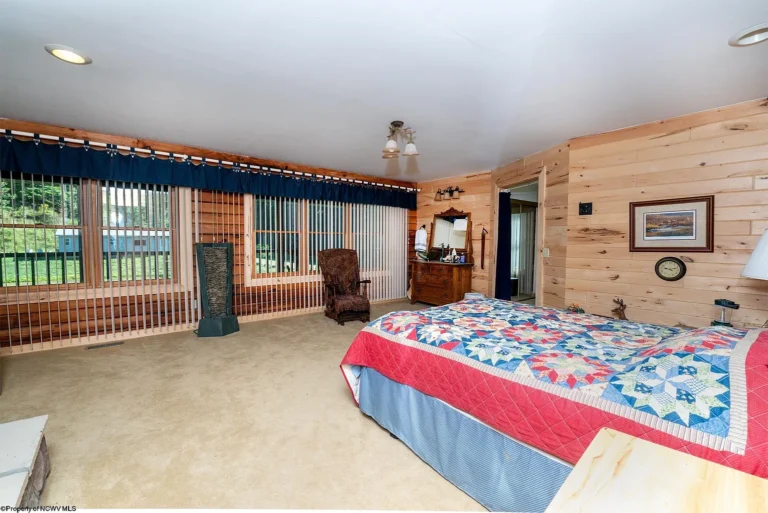
The property’s rustic character provides an attractive foundation for thoughtful interior decorating.
Homeowners may choose to emphasize the traditional log cabin atmosphere through natural materials, earthy colors, comfortable furnishings, and woodland-inspired accessories.
Soft lighting can help create a relaxing evening environment, while appropriately selected furniture can preserve the openness of the floor plan.
Decorative rugs, warm blankets, and comfortable chairs could contribute to a welcoming living area.
For those who prefer a contemporary approach, modern furniture and minimalist accessories can create an interesting contrast with traditional wooden architecture.
The goal should be to enhance functionality while preserving the qualities that make the cabin distinctive.
Gradual decorating improvements may allow future owners to understand how they use the interior before committing to larger projects.
A carefully personalized cabin can become a comfortable retreat that reflects both the surrounding landscape and the owner’s individual style.
Protecting the Natural Environment Through Responsible Land Ownership
The surrounding woodland and stocked pond represent important components of the property’s overall identity.
Responsible land management can help preserve these features for future enjoyment.
Maintaining appropriate vegetation, protecting water quality, and avoiding unnecessary disturbance can contribute to the long-term condition of the natural environment.
Property owners should investigate suitable forestry management practices before undertaking significant tree removal.
Professional guidance may be useful when evaluating tree health, erosion concerns, invasive vegetation, and potential wildfire risks.
The pond should also receive appropriate care to maintain its recreational and environmental qualities.
Buyers considering additional structures, landscaping projects, or trail development should investigate applicable environmental and land-use requirements.
Preserving the natural character of a rural property does not mean avoiding every improvement.
Instead, it involves making thoughtful decisions that balance personal enjoyment with long-term stewardship.
For individuals who appreciate nature, caring for the landscape can become a meaningful part of the ownership experience.
A Potential Retreat for Retirement and Long-Term Country Living
Many individuals approaching retirement begin exploring properties that offer peaceful surroundings, personal independence, and opportunities for recreational activities.
This West Virginia cabin could appeal to buyers who want to spend more time enjoying nature after years of demanding professional responsibilities.
Fishing, gardening where suitable, photography, reading, and relaxing on the porch could become enjoyable parts of a slower daily routine.
However, retirement housing decisions should also consider accessibility, healthcare availability, transportation, property maintenance, and financial obligations.
A secluded rural residence may require more planning than a home located near urban services.
Prospective retirees should evaluate the physical responsibilities associated with maintaining woodland, managing outdoor structures, and preparing for changing seasonal conditions.
The property could also be considered as a secondary retreat for individuals who maintain a primary residence elsewhere.
A successful retirement property should support both present enjoyment and realistic long-term needs.
Careful planning can help determine whether this mountain cabin aligns with those priorities.
Important Questions to Ask Before Purchasing a Rural Log Cabin
Purchasing a countryside property involves several considerations that may differ from buying a conventional residential home.
Before making an offer, prospective buyers should obtain clear answers regarding the property’s legal status, physical condition, and practical infrastructure.
Important areas to investigate include:
-
The property’s exact acreage, boundaries, and land ownership records.
-
Legal access rights and road maintenance responsibilities.
-
The construction date and maintenance history of the log cabin.
-
The condition of the roof, exterior logs, foundation, and wraparound porch.
-
Available water, electricity, wastewater, and heating systems.
-
The stocked pond’s condition, management requirements, and fish population.
-
Potential restrictions involving hunting, recreational activities, or vacation rentals.
-
Internet availability and emergency service accessibility.
-
Property taxes, insurance coverage, and anticipated maintenance expenses.
-
Ownership of mineral, timber, and other relevant property rights.
Independent inspections, professional advice, and accurate documentation can provide a stronger foundation for making an informed purchasing decision.
Understanding these details allows buyers to appreciate the property’s lifestyle benefits while preparing for the responsibilities associated with ownership.
Frequently Asked Questions About This West Virginia Log Cabin
Where is the log cabin located?
According to the supplied property description, the cabin is located in Smithfield, West Virginia, within a peaceful wooded countryside setting.
Does the property include a stocked fishing pond?
Yes. The property description identifies a stocked pond as one of its recreational features. Buyers should independently verify the pond’s condition, fish species, size, and management requirements.
Does the cabin have mountain views?
The property is described as offering beautiful mountain views alongside its wooded surroundings and secluded countryside atmosphere.
Can this cabin be used as a vacation rental?
The property may appeal to vacation rental investors because of its natural scenery and recreational features. However, rental permissions, insurance requirements, and operating costs must be independently evaluated.
Is the surrounding land suitable for hunting?
The supplied description identifies hunting as a possible recreational activity. Actual suitability depends on acreage, legal boundaries, applicable regulations, and property-specific restrictions.
Are log cabins expensive to maintain?
Maintenance costs depend on construction quality, age, environmental exposure, and the condition of the building. Regular inspections and appropriate exterior wood care can help manage long-term maintenance requirements.
Can buyers obtain mortgage financing for a rural cabin?
Financing may be available through qualified lenders. Eligibility depends on the property’s legal classification, condition, accessibility, infrastructure, intended use, and the borrower’s financial circumstances.
Is this property suitable for year-round living?
The supplied information does not confirm year-round occupancy suitability. Buyers should evaluate utility systems, heating, road access, insulation, and applicable residential requirements.
Does the gated entrance provide complete security?
No. A gated entrance can contribute to privacy and access management, but it cannot guarantee complete property security.
Is a rural mountain cabin a good investment?
It may be suitable for certain buyers seeking personal enjoyment and long-term recreational property ownership. Financial performance depends on purchase price, maintenance expenses, market conditions, legal uses, and resale potential.
Final Thoughts: A Remarkable West Virginia Cabin Where Nature Becomes Part of Everyday Life
This beautiful log cabin in Smithfield, West Virginia, offers an appealing combination of rustic architecture, peaceful mountain scenery, wooded privacy, and outdoor recreational opportunities.
The charming wraparound porch provides a welcoming setting for relaxing and appreciating the surrounding countryside.
Inside, the open floor plan combines traditional cabin character with practical living space, creating opportunities for comfortable everyday routines and memorable seasonal visits.
The stocked pond introduces another attractive recreational feature, while the surrounding land offers possibilities for hiking, wildlife observation, lawful hunting, and outdoor exploration.
The gated entrance contributes to the property’s secluded identity and creates a distinctive arrival experience.
Whether you are searching for a vacation home, exploring recreational real estate, considering a permitted cabin rental investment, or dreaming of a peaceful countryside residence, this property offers several interesting possibilities.
With responsible maintenance, careful financial planning, appropriate insurance, and thoughtful environmental stewardship, the cabin could become a cherished destination for years to come.
Some properties stand out because of elaborate architectural designs or luxurious modern amenities.
Others become memorable because they offer something increasingly difficult to find: peaceful surroundings, natural beauty, personal privacy, and the freedom to enjoy life at a more comfortable pace.
This West Virginia mountain retreat captures that distinctive appeal.
It is more than a traditional log cabin. It offers an opportunity to reconnect with nature, create lasting memories, and experience the rewarding simplicity of countryside living.
From Zillow