Historic West Virginia Farmhouse With Free Natural Gas, a Fenced Garden, and Peaceful Country Surroundings
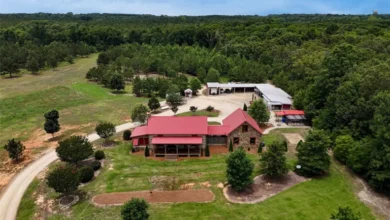
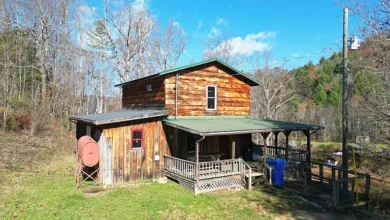
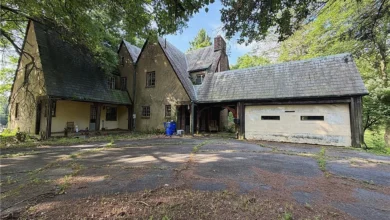
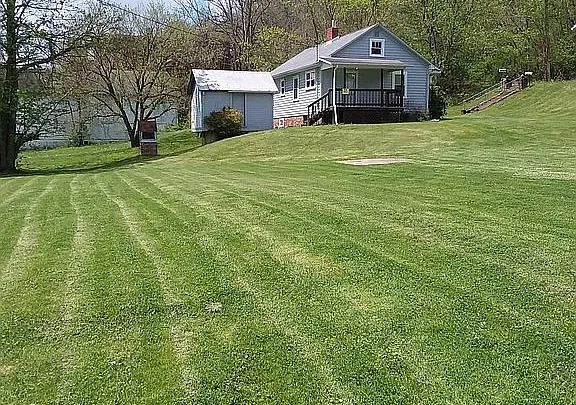
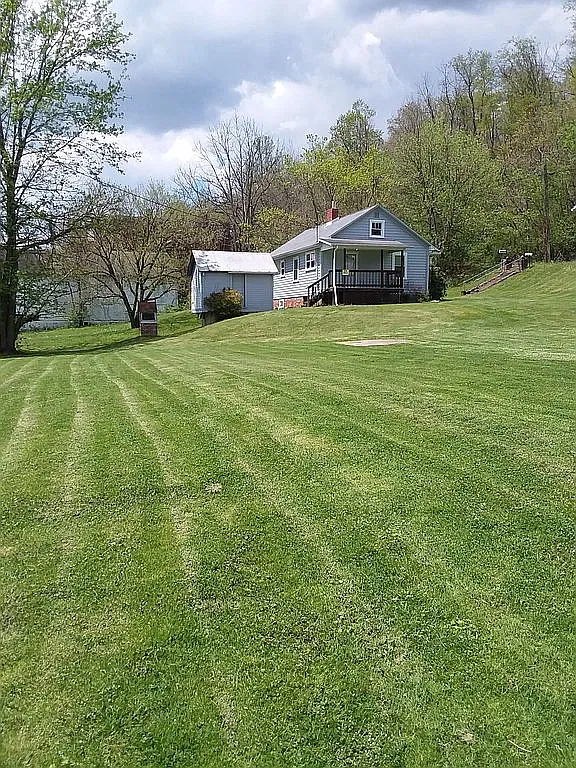
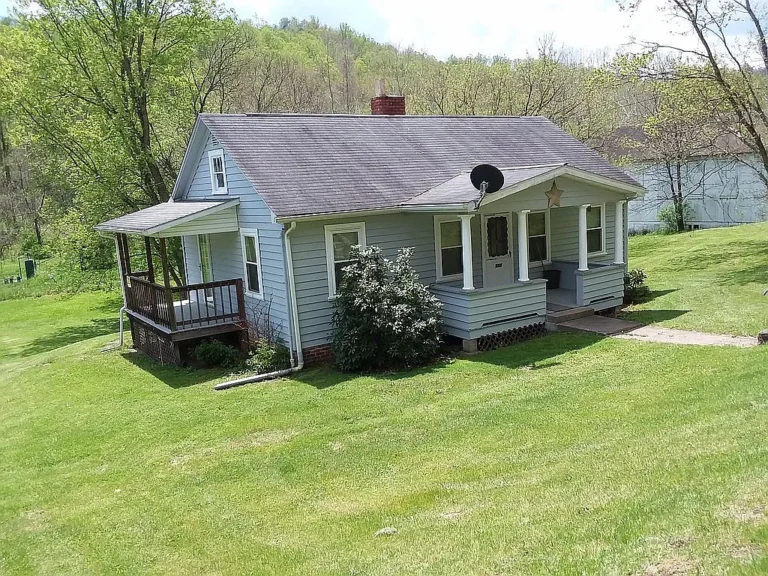
Nestled within the peaceful countryside of Shinnston, West Virginia, this charming historic farmhouse offers a wonderful opportunity to experience traditional rural living while enjoying privacy, natural beauty, and practical property features.
Surrounded by open land and beautiful outdoor spaces, this inviting country home provides a welcoming atmosphere for buyers who appreciate a slower pace of life, traditional architecture, and the freedom to enjoy their surroundings.
One of the property’s most attractive features is the free natural gas mentioned in the property description, which could offer meaningful household utility benefits depending on the terms and availability of the existing arrangement.
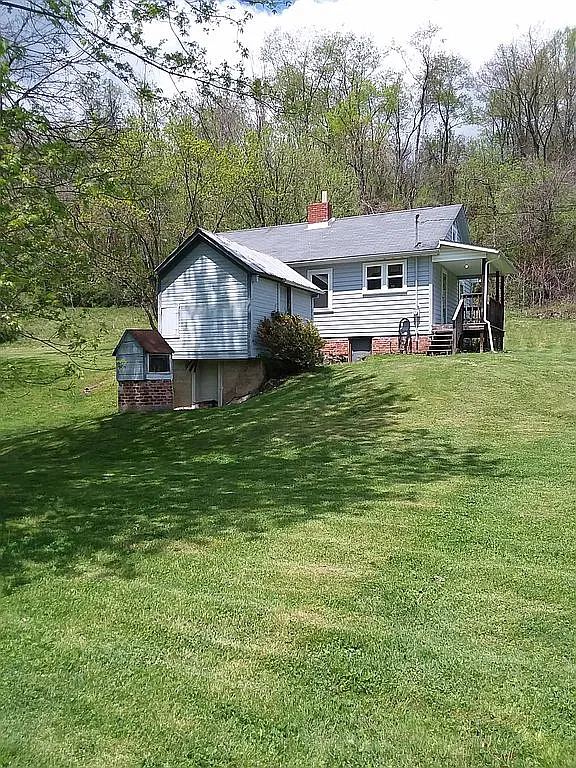
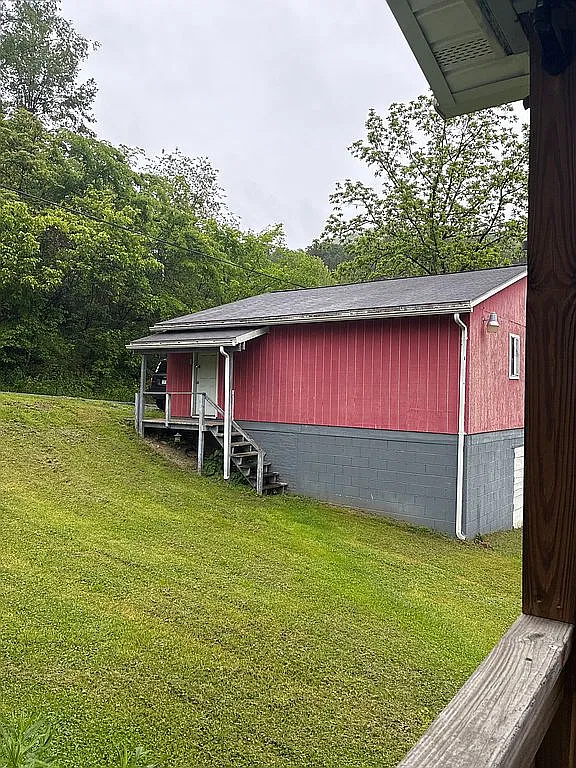
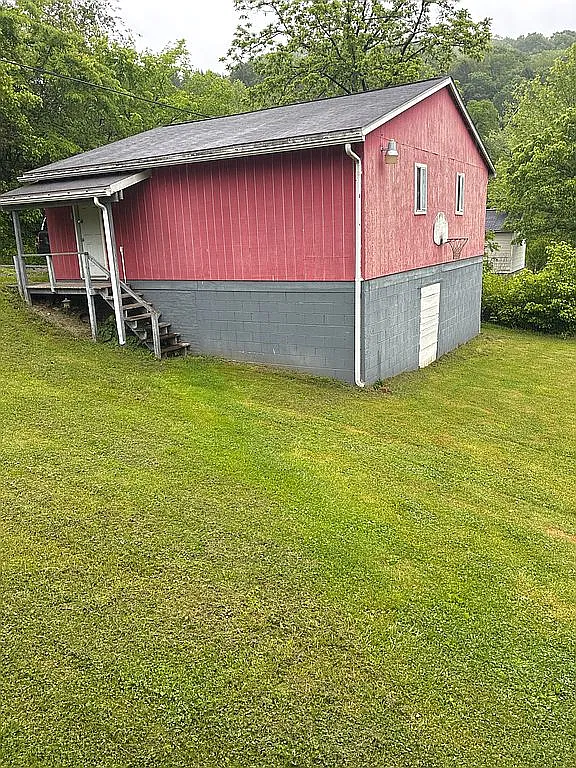
The residence also features a comfortable living area, a full basement, a detached garage, a fenced garden, a chicken coop, and a separate storage building.
These features create an appealing combination of residential comfort and practical rural functionality.
Whether you are searching for a peaceful West Virginia country home, considering a small homestead, exploring retirement properties, or looking for a countryside retreat with potentially manageable living expenses, this Shinnston farmhouse offers several interesting possibilities.
Discover the Timeless Beauty of West Virginia Country Living
West Virginia’s rolling hills, natural landscapes, and established rural communities offer an attractive environment for individuals seeking an alternative to crowded urban neighborhoods.
This charming farmhouse in Shinnston captures many of the qualities that make countryside living appealing.
The peaceful setting provides opportunities to enjoy fresh air, outdoor activities, gardening, and the changing beauty of the surrounding landscape.
Instead of spending mornings surrounded by traffic and busy streets, homeowners could begin their day appreciating the tranquility of their own outdoor space.
The spacious yard offers room for personal interests, while the traditional residence provides a welcoming place to return after spending time outdoors.
Country living can also encourage a more practical and independent approach to everyday life.
Growing vegetables, maintaining outdoor structures, caring for animals, and completing personal home improvement projects can become rewarding parts of the ownership experience.
For buyers who appreciate simplicity and a meaningful connection with nature, this historic farmhouse provides an appealing foundation for developing that lifestyle.
Its traditional character and useful property features make it especially interesting for individuals who value functionality alongside natural beauty.
A Historic Farmhouse Filled With Traditional Character
Older farmhouses often possess an architectural personality that distinguishes them from recently constructed residential properties.
Their layouts, traditional materials, and established surroundings can create an atmosphere that reflects the history and character of rural communities.
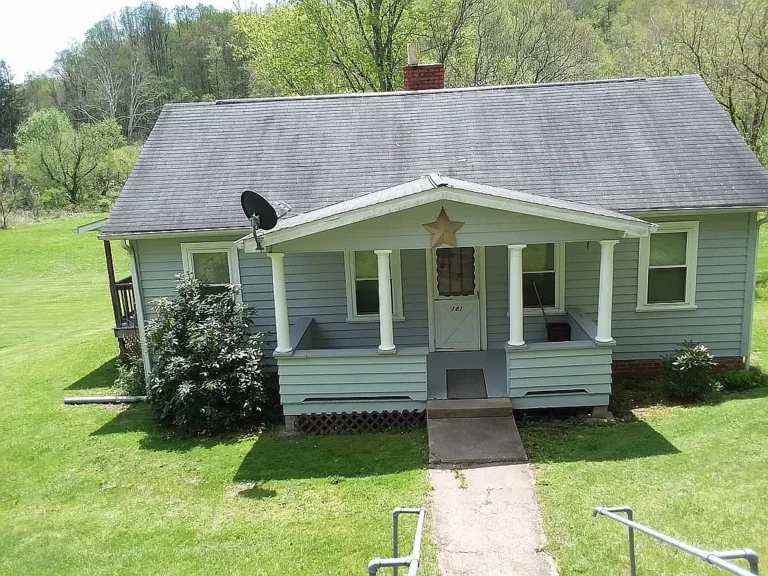
This Shinnston residence offers the welcoming appearance and comfortable living environment associated with traditional country homes.
Rather than emphasizing elaborate luxury features, the property presents an opportunity to appreciate simplicity, practicality, and individuality.
Future owners could choose to preserve the farmhouse’s existing character while introducing carefully planned improvements that support contemporary living.
Comfortable furnishings, warm colors, natural materials, and traditional decorative elements could complement the home’s rural identity.
Depending on its current condition, appropriate renovations may also help improve functionality and indoor comfort.
Although the property is described as historic, its exact construction date and any formal historic designation have not been provided.
Prospective buyers should investigate the home’s history, previous renovations, and structural condition before making significant improvement plans.
Understanding the property’s background can help homeowners preserve meaningful architectural features while preparing for future maintenance responsibilities.
A Comfortable Living Area With a Warm and Welcoming Atmosphere
The home’s comfortable living area provides an inviting foundation for everyday country living.
A well-arranged living room can become the central gathering place of a household, offering opportunities for relaxation, reading, entertainment, and conversations with friends and relatives.
The farmhouse’s traditional atmosphere could be complemented by comfortable seating, decorative rugs, natural wood furnishings, and thoughtfully selected lighting.
Homeowners who appreciate rustic interiors may prefer warm neutral colors and traditional accessories.
Others might choose a contemporary decorating approach that introduces modern functionality while maintaining the property’s original personality.
The flexibility of a traditional living environment allows future owners to create spaces that reflect their individual preferences.
After a morning spent gardening or working on outdoor projects, the living area could provide a comfortable setting for enjoying quieter moments indoors.
The welcoming atmosphere described in the property information represents an appealing starting point for buyers who want to create a personalized home without losing its traditional countryside character.
Free Natural Gas: One of the Property’s Most Interesting Features
Perhaps the most noteworthy feature of this West Virginia farmhouse is the reported availability of free natural gas.
Energy expenses represent an important component of household ownership costs, particularly in regions that experience colder winter temperatures.
For homeowners, access to natural gas under a favorable supply arrangement could potentially reduce certain utility expenses.
However, the phrase “free natural gas” deserves careful investigation before purchasing a property.
The exact arrangement may depend on existing property agreements, gas supply infrastructure, usage limitations, and other contractual conditions.
Prospective buyers should request written documentation explaining how the natural gas supply is provided.
They should establish whether the benefit transfers automatically to a new owner, whether there are usage restrictions, and whether the arrangement has an expiration date or other conditions.
It is also important to confirm whether equipment maintenance, delivery infrastructure, or other associated expenses remain the homeowner’s responsibility.
When properly documented and available under suitable terms, free natural gas could represent an attractive feature for individuals seeking a country home with potentially lower energy expenses.
Nevertheless, actual financial savings cannot be calculated without additional information.
Understanding Free Natural Gas Agreements on Rural Properties
Some rural properties may benefit from natural gas arrangements associated with existing agreements between landowners and energy companies.
These arrangements can vary significantly from one property to another.
In certain circumstances, a residence may receive natural gas without the conventional commodity charges associated with standard residential service.
Other agreements may include usage allowances, equipment responsibilities, supply limitations, or specific conditions governing continued access.
Buyers considering this Shinnston farmhouse should determine the legal and practical basis of the reported free natural gas benefit.
Important documentation may include property deeds, recorded agreements, utility records, gas supply contracts, and relevant correspondence.
An experienced real estate attorney may help clarify whether the arrangement is connected to ownership of the property or another legal agreement.
Prospective homeowners should also investigate what happens if the existing gas supply becomes unavailable.
Understanding whether an alternative heating or energy arrangement would be necessary can help buyers prepare for future expenses.
Free natural gas can be a compelling property feature, but its long-term value depends on the reliability and enforceability of the specific arrangement.
Potential Household Energy Savings and Long-Term Affordability
Managing household energy expenses is an important consideration for buyers evaluating the affordability of a rural residence.
Heating, hot water, cooking, electricity, and other essential services can contribute significantly to monthly living costs.
Depending on the home’s installed equipment and natural gas agreement, the reported free gas availability may provide opportunities to reduce certain expenses.
However, buyers should avoid assuming that every household utility will be free.
Electricity, water, wastewater services, maintenance, and other expenses may remain separate financial responsibilities.
Natural gas appliances also require appropriate inspections, servicing, and eventual replacement.
A realistic household budget should include these ongoing costs.
Previous utility statements and maintenance records, when available, could help prospective owners better understand the property’s historical expenses.
Buyers should also consider the financial implications of potential changes to the natural gas arrangement.
A well-informed purchasing decision should be based on verified ownership costs rather than assumptions about unlimited or permanent energy savings.
The reported gas benefit makes this property interesting, but careful financial planning remains essential.
Natural Gas Safety and Home Heating Considerations
Natural gas systems require appropriate installation, ventilation, inspection, and maintenance.
Before relying on the property’s existing gas supply, prospective homeowners should arrange an assessment by qualified professionals.
The condition of gas lines, connections, regulators, appliances, ventilation systems, and other relevant equipment should be evaluated.
Older residences may contain infrastructure that requires repairs or modernization.
Homeowners should also ensure that appropriate smoke alarms and carbon monoxide detectors are installed and maintained according to applicable requirements and manufacturer instructions.
The availability of free natural gas does not eliminate the need for safe and responsible equipment operation.
If concerns about a possible gas leak arise, occupants should leave the affected area and contact the appropriate emergency or gas service provider from a safe location.
Obtaining professional documentation regarding the home’s gas system can provide buyers with a clearer understanding of its condition and practical suitability.
Responsible maintenance is an essential part of protecting both the property’s value and the well-being of its occupants.
A Spacious Yard With Wonderful Outdoor Living Opportunities
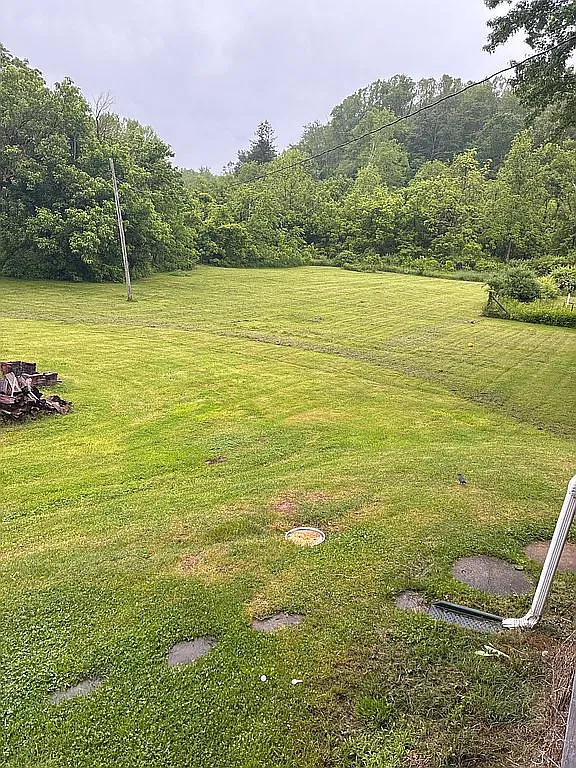
The generous yard surrounding this farmhouse provides another attractive feature for buyers who enjoy spending time outdoors.
A spacious outdoor environment offers opportunities that may be difficult to achieve in properties with smaller residential lots.
Homeowners could potentially develop comfortable seating areas, decorative gardens, outdoor dining spaces, or dedicated recreational areas.
The open surroundings provide an appealing backdrop for peaceful mornings, relaxed afternoons, and gatherings with loved ones.
Garden enthusiasts may wish to introduce seasonal flowers, native plants, or suitable fruit trees.
Individuals who prefer low-maintenance landscaping could focus on maintaining selected areas while preserving the property’s natural appearance.
Before undertaking major landscaping projects, prospective owners should evaluate drainage conditions, underground utilities, property boundaries, and any applicable restrictions.
Thoughtful outdoor improvements can contribute to the overall appearance and functionality of a traditional farmhouse.
The property’s spacious yard creates opportunities to develop an outdoor environment that reflects the future owner’s interests while maintaining its peaceful rural character.
An Existing Fenced Garden for Fresh Produce and Outdoor Enjoyment
One of the most charming practical features of this country property is its fenced garden.
For buyers interested in growing vegetables, herbs, or flowers, having an established garden enclosure may provide a convenient starting point.
Gardening can become a rewarding part of rural living, offering opportunities to spend time outdoors while producing fresh ingredients for household meals.
Depending on soil quality, sunlight exposure, drainage, and water availability, the garden could potentially support a variety of suitable plants.
Homeowners might choose to grow seasonal vegetables, culinary herbs, or decorative flowers.
A fenced enclosure may help manage access to the garden, although its effectiveness in protecting plants from wildlife will depend on its condition and design.
Prospective owners should inspect the existing fencing and determine whether repairs or improvements are necessary.
Soil testing may also be useful before establishing an extensive food garden.
For individuals seeking a more hands-on relationship with their outdoor environment, the fenced garden adds meaningful lifestyle appeal to this West Virginia farmhouse.
Explore the Possibilities of Small-Scale Homestead Living
The combination of a fenced garden, chicken coop, storage buildings, and peaceful outdoor space makes this property particularly interesting for buyers exploring small-scale homesteading.
Homestead living can involve gardening, food preservation, caring for animals, maintaining equipment, and developing practical household skills.
It does not necessarily require complete independence from conventional utilities or commercial services.
Instead, many homeowners gradually introduce activities that reflect their available space, personal interests, and financial resources.
This Shinnston farmhouse provides several existing features that could support such a lifestyle.
Future owners could begin with a modest vegetable garden, organize their gardening equipment, and explore suitable animal-related activities.
However, successful homesteading requires realistic planning.
The property’s exact acreage, agricultural suitability, water availability, and permitted land uses have not been established.
Buyers should investigate these details before assuming that extensive agricultural operations are possible.
Starting with manageable projects can allow homeowners to develop practical experience while avoiding unnecessary financial commitments.
A Chicken Coop Adds Traditional Farmhouse Functionality
The existing chicken coop contributes to the property’s rural character and practical appeal.
For individuals interested in keeping a small backyard flock, an established coop may provide a useful foundation, subject to its condition and applicable requirements.
Keeping chickens can offer opportunities to learn more about animal care, food production, and responsible household management.
However, animal ownership also requires consistent attention and appropriate resources.
Prospective owners should evaluate the coop’s structural condition, ventilation, weather protection, sanitation arrangements, and ability to protect animals from predators.
Suitable food, clean water, veterinary guidance when necessary, and proper waste management are important responsibilities.
Buyers should also investigate whether local regulations or property agreements limit the number or type of animals that may be kept.
The presence of a chicken coop does not automatically establish that animals can be introduced immediately.
Nevertheless, with appropriate preparation, this feature could become a rewarding component of a small-scale countryside lifestyle.
A Detached Garage for Parking, Storage, and Personal Projects
The detached garage provides additional functionality beyond the main residence.
Having a separate garage can be especially useful in rural settings, where homeowners may need space for vehicles, gardening tools, maintenance equipment, and seasonal belongings.
Depending on its size and condition, the garage could potentially accommodate different practical household needs.
Some owners may choose to use it primarily for vehicle parking.
Others might dedicate suitable portions of the structure to organized storage or personal maintenance projects.
Keeping tools and equipment in a separate building can help maintain a more comfortable and uncluttered interior environment.
Before purchasing, buyers should inspect the garage’s roof, structural supports, flooring, doors, electrical service if present, and general weather protection.
Any planned workshop activities should be evaluated according to the building’s suitability and appropriate safety requirements.
The detached garage adds useful flexibility to the property and may appeal to buyers who appreciate having dedicated space for practical activities.
A Separate Storage Building Offers Even More Convenience
In addition to the garage and chicken coop, the property includes a separate storage building.
Extra storage can become particularly valuable when maintaining gardens, outdoor equipment, and seasonal household items.
A dedicated storage structure may help homeowners organize supplies without occupying valuable living space inside the farmhouse.
Depending on its condition, the building could potentially accommodate gardening accessories, outdoor furniture, maintenance tools, or other suitable belongings.
Homeowners might improve the space with organized shelving and appropriate storage containers.
However, buyers should evaluate whether the structure provides adequate protection from moisture, pests, and changing weather conditions.
Items that require controlled temperatures or specialized storage may need a different environment.
The building’s condition should also be considered when obtaining property insurance.
Detached structures may have separate coverage limitations or requirements.
Together with the garage and basement, the storage building contributes to the property’s practical functionality.
A Full Basement Provides Valuable Additional Space
The full basement represents another noteworthy feature of this historic farmhouse.
Basements can offer useful space for household storage, seasonal belongings, maintenance supplies, and other practical needs.
Having a dedicated area below the main living level may allow homeowners to maintain a more organized residential interior.
Depending on its condition, the basement could potentially accommodate shelving, suitable equipment, or organized household storage.
However, the supplied description does not establish whether the basement is finished or suitable for residential occupancy.
Prospective owners should inspect its moisture levels, drainage conditions, ventilation, structural components, and available access.
Older basements may require specialized attention to address water intrusion, foundation deterioration, or other environmental concerns.
Buyers interested in converting basement space into additional living areas should investigate applicable building requirements, including emergency exits and ceiling height.
A professional assessment can help determine which improvements are realistic.
When properly maintained, the basement could become an important part of the farmhouse’s overall functionality.
Preserve the Charm of an Older West Virginia Home
Restoring or improving an older farmhouse can be a personally rewarding experience.
Rather than replacing every traditional feature, homeowners may choose to preserve the elements that contribute to the property’s individuality.
Existing architectural details can often complement carefully selected modern improvements.
Future projects might focus on improving indoor comfort, updating essential systems, refreshing interior finishes, and maintaining outdoor structures.
However, every renovation should begin with a realistic understanding of the building’s condition.
Roofing, foundations, electrical systems, plumbing, heating equipment, and moisture management should receive appropriate attention before major decorative projects are undertaken.
If the farmhouse has any formal historic designation, certain alterations may require additional approval.
The property’s historic status should therefore be independently confirmed.
A thoughtful restoration approach can help homeowners develop a comfortable residence while preserving the traditional qualities that make countryside architecture distinctive.
Interior Design Ideas for Comfortable Farmhouse Living
Farmhouse-inspired interiors often emphasize warmth, functionality, natural materials, and a welcoming atmosphere.
This Shinnston home provides an interesting foundation for buyers who appreciate that style.
Comfortable furniture, neutral wall colors, decorative textiles, traditional lighting, and natural wood accessories could complement its country character.
Homeowners might introduce vintage-inspired furnishings alongside practical contemporary pieces.
A relaxed interior does not require expensive luxury finishes.
Simple arrangements that prioritize comfort and organization can create a welcoming environment for everyday activities.
For individuals who enjoy personal decorating projects, gradually updating the interior may offer opportunities to develop a stronger understanding of the home’s layout and functionality.
Future improvements should reflect the property’s actual condition and the homeowner’s budget.
By combining practical choices with traditional design elements, owners could create a residence that feels personal, comfortable, and connected to the peaceful surroundings.
A Peaceful Retreat for Weekend and Seasonal Living
For some buyers, a countryside farmhouse represents more than a potential permanent residence.
It can also provide a private destination for weekends, holidays, and extended visits away from demanding professional responsibilities.
This property’s peaceful surroundings, garden, traditional living area, and additional storage structures create several characteristics that may appeal to vacation home buyers.
Weekend visits could include gardening, outdoor meals, home improvement projects, nature observation, and quiet evenings indoors.
The property’s existing features may allow owners to develop familiar routines and establish meaningful traditions over time.
However, seasonal ownership requires appropriate preparation.
Heating reliability, water systems, property security, insurance coverage, and maintenance during extended absences should all be evaluated.
If the natural gas arrangement is an important factor in the purchasing decision, buyers should confirm whether it remains available during seasonal occupancy.
With suitable infrastructure and responsible maintenance, this farmhouse could become a comfortable countryside retreat.
Could This Farmhouse Be an Attractive Retirement Property?
Many individuals approaching retirement begin reconsidering their residential priorities.
A peaceful environment, manageable housing expenses, outdoor activities, and opportunities for personal independence can become increasingly important.
This West Virginia farmhouse may appeal to buyers who enjoy gardening, rural scenery, personal projects, and traditional country living.
The fenced garden could provide an enjoyable hobby, while the spacious yard offers opportunities to spend time outdoors.
The detached garage and storage building provide practical spaces for organizing equipment and belongings.
The reported free natural gas arrangement may also be interesting to retirees evaluating future utility expenses.
Nevertheless, retirement property decisions should consider more than the immediate appeal of a quiet setting.
Healthcare accessibility, transportation, physical maintenance responsibilities, emergency services, and long-term financial requirements deserve careful attention.
The home’s accessibility features have not been established.
Prospective retirees should therefore evaluate whether the existing layout can accommodate their present and future mobility needs.
A successful retirement home should support both personal enjoyment and practical long-term living.
Understanding Mortgage Financing for Rural West Virginia Homes
Purchasing a rural farmhouse may involve financing considerations that differ from those associated with newer suburban residences.
Mortgage lenders may evaluate the property’s condition, legal classification, appraisal, utility infrastructure, accessibility, and intended use.
Depending on the borrower’s qualifications and the property’s eligibility, potential financing arrangements may include conventional mortgages, rural housing loans, or other appropriate mortgage products.
If the farmhouse requires substantial repairs, certain lenders may request additional inspections or documentation before approving financing.
The free natural gas arrangement could also require clarification if it is associated with a recorded agreement affecting the property.
Prospective buyers should discuss the complete property information with qualified lenders before making a financial commitment.
Comparing mortgage terms, down payment requirements, interest rates, closing expenses, and repayment obligations can help establish a realistic purchasing strategy.
No specific financing approval or loan eligibility has been verified for this residence.
Responsible mortgage planning remains important even when a property appears to offer potentially favorable utility expenses.
Homeowners Insurance for Historic Farmhouses and Rural Properties
Appropriate insurance coverage is an essential part of protecting a rural property.
Older farmhouses may present different insurance considerations depending on their construction materials, structural condition, roofing, electrical infrastructure, heating systems, and proximity to emergency services.
Prospective homeowners should obtain insurance quotes that accurately reflect the property’s individual characteristics.
The detached garage, storage building, and chicken coop should also be discussed with insurance providers.
Coverage for detached structures may be subject to separate limits, exclusions, or conditions.
If the property is used for agricultural activities, business operations, or rental purposes, additional insurance arrangements may be appropriate.
The natural gas system should be disclosed accurately when obtaining coverage.
Insurance providers may request information about its installation, condition, maintenance, and associated supply arrangements.
Buyers should carefully review policy deductibles, liability protection, replacement cost provisions, and exclusions.
Understanding insurance expenses before purchasing can help homeowners prepare a more dependable long-term budget.
Understanding Mineral Rights and Natural Gas Ownership
The reported free natural gas feature makes it particularly important to investigate the property’s ownership documents and any associated energy agreements.
In some rural real estate transactions, ownership of the land surface may be separate from ownership of underlying mineral resources.
This distinction can influence property rights, existing agreements, and certain future uses of the land.
Prospective buyers should not assume that receiving free natural gas means they will also acquire mineral rights.
Likewise, the presence of natural gas infrastructure does not establish that the homeowner is entitled to receive royalties or other energy-related income.
A qualified real estate attorney or title professional can help review the relevant documents.
Buyers should investigate whether recorded easements, leases, access rights, or maintenance obligations affect the property.
They should also confirm whether any existing benefits transfer to future owners.
Careful title research can help prevent misunderstandings involving valuable property rights.
For this particular farmhouse, understanding the legal basis of the natural gas arrangement is one of the most important steps in the purchasing process.
Important Property Inspection Considerations
A professional inspection can provide valuable information about the condition of an older farmhouse and its associated structures.
Although the property description presents a comfortable rural residence, an independent evaluation remains important before completing a purchase.
The main home should be assessed for structural condition, roof performance, foundation integrity, plumbing, electrical wiring, heating equipment, ventilation, and visible moisture concerns.
The basement deserves particular attention because older below-ground spaces can be affected by drainage problems and humidity.
The natural gas system should receive an appropriate specialist inspection.
The detached garage, storage building, chicken coop, and garden fencing should also be evaluated.
Depending on the home’s construction date, specialized environmental assessments may be appropriate.
Obtaining professional repair estimates can help buyers distinguish immediate maintenance requirements from optional future improvements.
A well-informed purchasing decision should reflect both the property’s attractive features and the practical responsibilities associated with owning an older country home.
Energy Efficiency Improvements for Long-Term Comfort
Even if the reported free natural gas arrangement provides meaningful savings, energy efficiency remains an important consideration.
An older home may benefit from carefully selected improvements that support indoor comfort and reduce unnecessary energy consumption.
Possible areas for evaluation include insulation, windows, doors, air leakage, ventilation, and heating equipment.
Homeowners should consider whether existing systems are appropriately maintained and suitable for the residence.
Improving weather protection can help create a more comfortable indoor environment during changing seasonal temperatures.
However, older homes may have different moisture management and ventilation requirements from modern construction.
Energy efficiency improvements should therefore be planned carefully to avoid unintended problems.
A professional energy assessment may help identify appropriate priorities.
Rather than assuming that free fuel eliminates the need for efficiency, buyers should consider how the entire home performs.
A comfortable residence depends on reliable infrastructure, appropriate maintenance, and responsible energy management.
Exploring Long-Term Rural Real Estate Investment Potential
This Shinnston farmhouse may attract buyers interested in rural real estate investment because of its traditional character, outdoor space, useful structures, and reported natural gas benefit.
Potential investment strategies could include restoring the home for personal use, retaining it as a long-term property asset, or exploring legally permitted rental arrangements.
However, investment outcomes depend on numerous factors.
Purchase price, property condition, maintenance expenses, insurance costs, financing terms, legal restrictions, and future market demand all influence financial performance.
The natural gas arrangement should be evaluated carefully before assigning it a monetary value.
An agreement that does not transfer to future owners may have very different implications from one that provides a documented long-term benefit.
Prospective investors should obtain accurate property information, professional inspections, and relevant comparable sales.
Rental demand and future appreciation have not been independently established.
For many buyers, the property’s greatest value may come from personal enjoyment, gardening opportunities, and peaceful living rather than speculative financial returns.
A Property That Encourages a Simpler Lifestyle
One of the appealing aspects of this farmhouse is the opportunity to create a lifestyle centered around practical activities and personal interests.
Modern life often involves demanding schedules, constant digital communication, and limited opportunities to enjoy natural surroundings.
A countryside residence can offer a different environment.
Gardening may become a regular activity.
Outdoor spaces can provide opportunities for relaxation.
The garage and storage buildings can support personal maintenance projects.
The chicken coop may introduce possibilities for responsible small-scale animal care.
These activities can provide meaningful ways to spend time without requiring expensive entertainment or elaborate residential amenities.
However, a simpler lifestyle does not necessarily mean an effortless one.
Maintaining outdoor spaces, caring for structures, and managing rural infrastructure require attention and resources.
Buyers who appreciate practical responsibilities alongside natural beauty may find this combination particularly rewarding.
Enjoy the Changing Seasons in Shinnston, West Virginia
Country living offers opportunities to appreciate how the surrounding environment changes throughout the year.
Spring: Gardening and Fresh Beginnings
Spring could provide a wonderful opportunity to prepare the fenced garden, introduce suitable plants, and begin outdoor improvement projects.
The warmer weather may encourage homeowners to spend additional time exploring and maintaining the yard.
Summer: Outdoor Activities and Relaxed Country Living
During summer, the spacious outdoor setting could become an enjoyable environment for gardening, outdoor meals, and peaceful evenings.
Maintaining suitable indoor cooling and managing outdoor maintenance would remain important during warmer periods.
Autumn: Seasonal Colors and Harvest Time
Autumn may bring changing foliage, cooler temperatures, and opportunities to harvest suitable garden produce.
It could also become a practical time to organize storage buildings and prepare the residence for winter.
Winter: Comfortable Indoor Living
During colder months, the availability of reliable heating becomes especially important.
The reported natural gas feature may be beneficial, provided the supply arrangement and heating equipment are suitable and dependable.
Each season offers a different opportunity to enjoy the property’s rural character.
Important Questions to Ask Before Purchasing This Farmhouse
Before making an offer, buyers should obtain detailed information about the property, its structures, and the reported natural gas arrangement.
Important questions include:
-
What is the exact purchase price and acreage?
-
When was the farmhouse originally constructed?
-
Is the home currently suitable for year-round occupancy?
-
What documentation confirms the free natural gas agreement?
-
Does the natural gas benefit transfer to a new owner?
-
Are there usage limits, expiration dates, or maintenance charges?
-
Are mineral rights included in the sale?
-
What is the condition of the gas lines and heating equipment?
-
Has the farmhouse received a recent professional inspection?
-
Are the garage and storage buildings structurally sound?
-
What water and wastewater systems serve the residence?
-
Are there restrictions on gardening, chickens, or other animals?
-
What are the annual property taxes and estimated insurance expenses?
-
Is reliable internet service available?
Written answers and professional guidance can help buyers evaluate the property’s true advantages while preparing for possible ownership expenses.
Frequently Asked Questions About This Historic West Virginia Farmhouse
Where is the farmhouse located?
According to the supplied property description, the farmhouse is located in Shinnston, West Virginia, within a peaceful countryside setting.
Does the property really include free natural gas?
The property description specifically mentions free natural gas. However, the agreement, supply conditions, usage limitations, and transferability have not been independently verified.
Could free natural gas reduce monthly living expenses?
Potentially. Depending on the supply arrangement and installed appliances, it may reduce certain energy expenses. Actual savings will depend on verified agreement terms, consumption, and other household costs.
Does the property include a garage?
Yes. A detached garage is identified as one of the property’s existing features, offering potential parking and storage space.
Is there a garden on the property?
Yes. The supplied information describes an existing fenced garden that could appeal to buyers interested in growing vegetables, herbs, or flowers.
Can homeowners keep chickens?
The property includes a chicken coop. However, its condition and applicable animal ownership requirements should be confirmed before introducing chickens.
Does the farmhouse have a basement?
Yes. The residence is described as having a full basement that provides additional space for storage and practical household needs.
Are mineral rights included with the property?
This information has not been provided. Buyers should review the property deed, title records, and relevant energy agreements.
Can the property qualify for a mortgage?
Financing may be available through qualified lenders, depending on property condition, legal classification, appraisal, and borrower eligibility.
Is the farmhouse suitable for retirement living?
Its peaceful location and practical features may appeal to retirement buyers. However, accessibility, healthcare access, maintenance responsibilities, and long-term affordability should be evaluated.
Can this property be used as a vacation rental?
Potential rental use would depend on applicable regulations, property condition, insurance requirements, and market demand. Rental eligibility and profitability have not been established.
Final Thoughts: A Charming West Virginia Farmhouse With Practical Features and Peaceful Surroundings
This historic farmhouse in Shinnston, West Virginia, offers an appealing combination of traditional rural character, peaceful scenery, comfortable residential space, and practical outdoor features.
The reported free natural gas availability represents one of its most interesting characteristics, potentially offering utility benefits if the arrangement is verified and transferable.
The spacious yard creates opportunities for gardening, outdoor relaxation, and personal projects.
An existing fenced garden and chicken coop contribute to the property’s traditional countryside appeal, while the detached garage and separate storage building provide additional functionality.
The full basement offers useful space for practical household needs.
Whether you are searching for a country home, exploring small-scale homestead living, considering a retirement retreat, or looking for a traditional farmhouse with potentially manageable energy expenses, this property presents several possibilities worth investigating.
With careful inspections, responsible financial planning, appropriate insurance, and verification of the natural gas arrangement, future owners could develop a comfortable and rewarding residential lifestyle.
Some homes are memorable because of expensive finishes and elaborate modern designs.
Others stand out because they offer peaceful surroundings, practical features, traditional character, and opportunities to enjoy the simple pleasures of everyday life.
This Shinnston farmhouse captures that distinctive countryside appeal, offering a welcoming place where gardening, outdoor living, personal independence, and natural beauty could become meaningful parts of the ownership experience.
Listed On Zillow