Unique Properties
15 Acres in West Virginia for $69,000 — A Historic Log Cabin, ATV Trails, and a Woodland Retreat Full of Potential
$69,000 15 Acres Lot

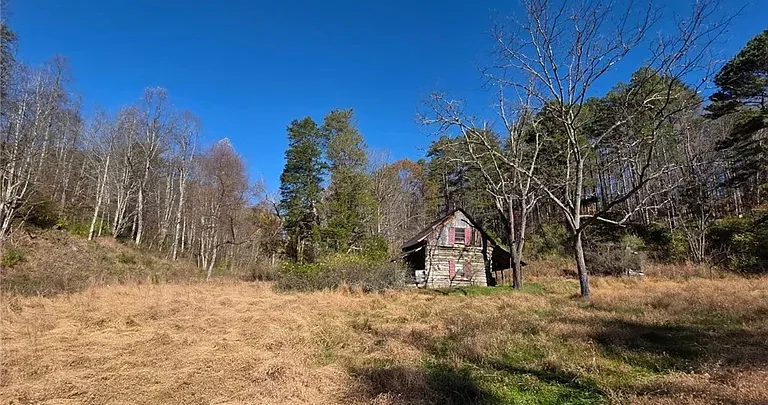
15 Acres in West Virginia for $69,000 — A Historic Log Cabin, ATV Trails, and a Woodland Retreat Full of Potential
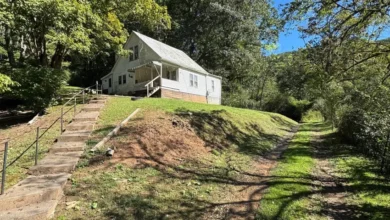
Imagine discovering a secluded piece of West Virginia countryside where the landscape holds both natural beauty and a possible connection to more than 170 years of history. Tucked into 15 acres of rural land is an old log cabin that, according to the seller, may date back to the 1850s.
Long before modern highways, smartphones, or even the creation of West Virginia as a state, structures like this were part of everyday life in the Appalachian countryside.
Today, a property at 1544 Wilson Fork, Elizabeth, West Virginia 26143, offers buyers an opportunity to explore that history while enjoying the appeal of private recreational acreage.
Listed for $69,000 following a recent $20,000 price reduction, the property includes approximately 15 acres, an aging log cabin, ATV trails, an outbuilding, and areas described as having abundant wildlife.
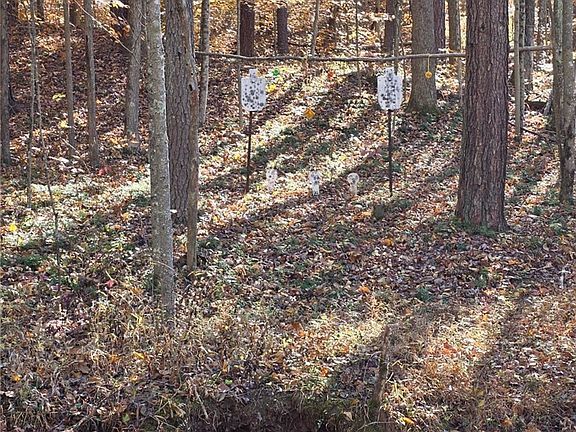
The listing also identifies existing rifle and pistol ranges, features that may interest recreational shooting enthusiasts who are prepared to evaluate their condition and observe applicable safety requirements.
Unlike a traditional move-in-ready home, this property is classified as unimproved land. Its value to a potential buyer lies in the combination of acreage, outdoor recreational opportunities, rustic character, and possible future improvements.
The log cabin requires considerable care, and its precise construction date has not been independently established. Still, the prospect of investigating a structure that may have stood since before West Virginia became a state adds an unusual dimension to the property.
For buyers interested in hunting land, historic structures, rural restoration projects, or a peaceful retreat surrounded by nature, this listing presents several reasons to take a closer look.
Discover 15 Acres of Rural West Virginia Landscape
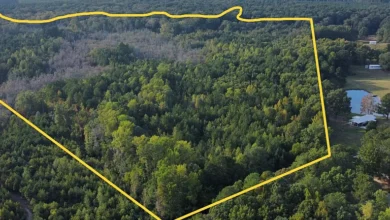
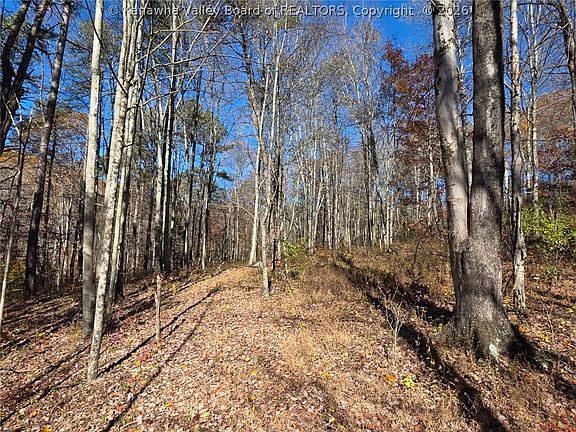
The property’s 15 acres provide a setting that differs considerably from a typical residential lot.
For people who appreciate natural surroundings, acreage can represent room for outdoor interests, land stewardship, and a lifestyle connected more closely to the countryside.
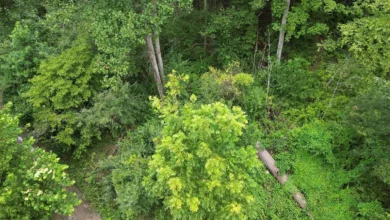
This parcel is described as having abundant wildlife and established ATV trails, suggesting an environment already associated with recreational outdoor use.
The landscape invites visitors to consider how they might spend time exploring the property, appreciating seasonal changes, and learning about its individual features.
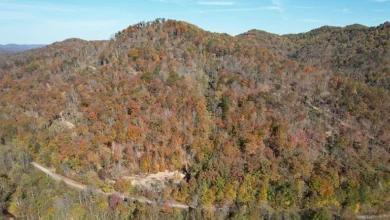
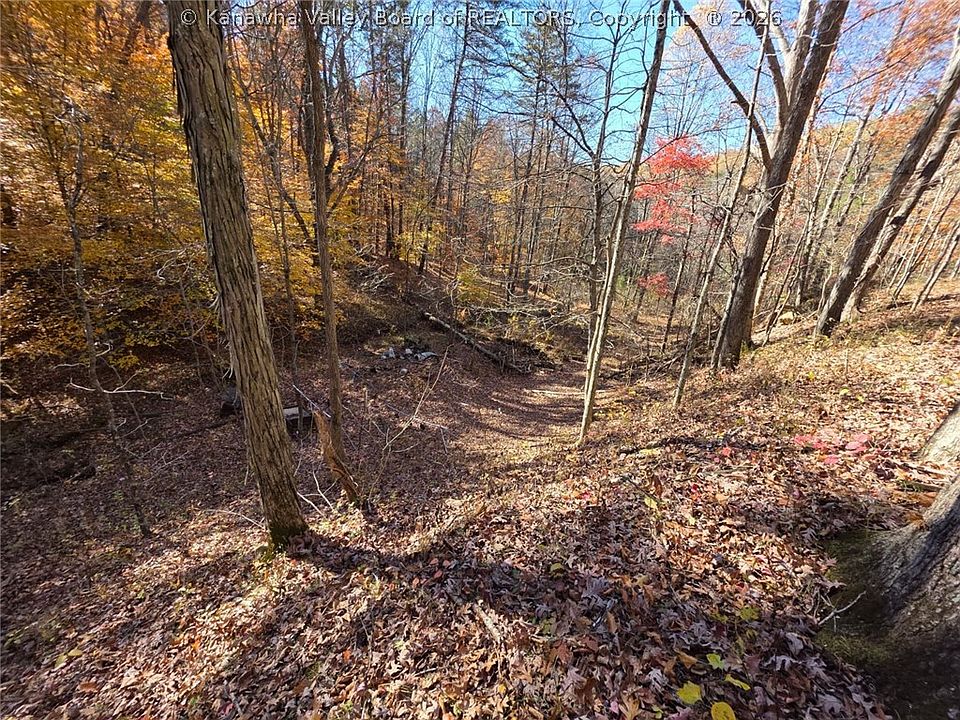
West Virginia’s rural areas are known for wooded hills, valleys, and changing terrain. These characteristics contribute to the distinctive scenery that attracts outdoor enthusiasts to the region.
However, the actual topography, vegetation, and distribution of usable land on this specific parcel should be evaluated through a personal visit.
Fifteen acres can feel very different depending on slope, access, drainage, and the arrangement of existing improvements.
For that reason, prospective buyers should examine the property beyond its advertised acreage.
A detailed understanding of the land can help determine whether it fits the buyer’s recreational goals, maintenance expectations, and possible improvement plans.
An Old Log Cabin With a Fascinating Historical Possibility
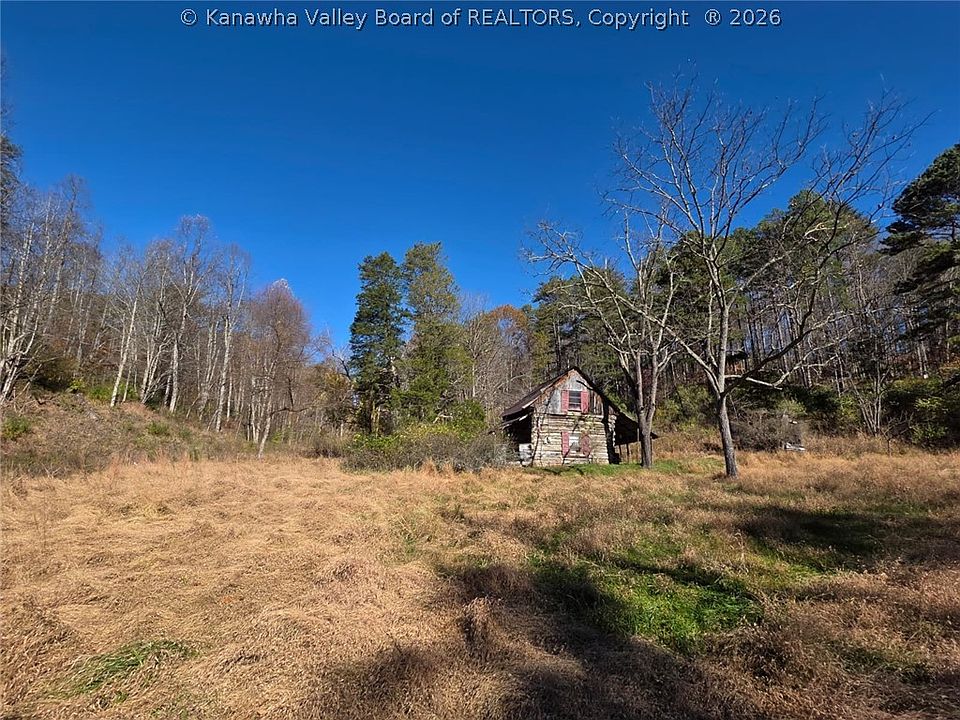
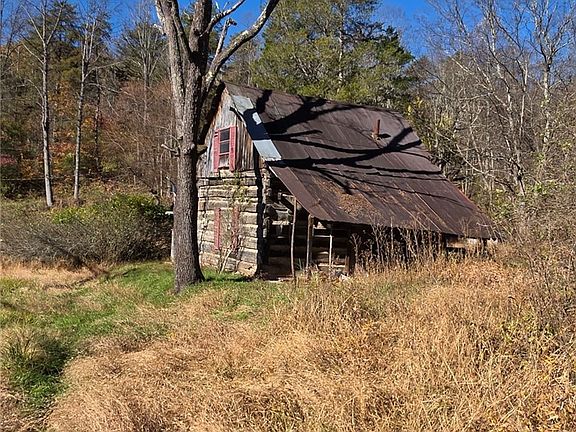
Perhaps the most memorable feature of this listing is the old log cabin.
According to the seller, the structure may date back to the 1850s. If that estimate proves accurate, the building would have originated before West Virginia achieved statehood in 1863.
This possibility gives the property a historical appeal beyond that of ordinary recreational land.
Log cabins occupy an important place in the architectural traditions of rural Appalachia. Their timber construction reflects building methods that were practical in regions where wood was widely available.
Historic log structures often illustrate the resourcefulness of people who worked with local materials and adapted their buildings to the surrounding environment.
Yet no two surviving structures should be assumed to have the same history.
The exact age of this cabin, its original purpose, and any later modifications would need further research.
A professional assessment may help determine whether original materials remain and whether the structure has features consistent with nineteenth-century construction.
For buyers interested in architectural preservation, this uncertainty can become part of the investigative process.
The opportunity is not simply to acquire an old building, but to learn more about its character and decide what form of preservation might be appropriate.
A Cabin That May Predate West Virginia Statehood
The seller’s estimated construction date is especially interesting because of the historical period involved.
West Virginia officially entered the United States as the 35th state on June 20, 1863.
Before that date, the territory belonged to Virginia, although the political circumstances surrounding statehood were complex and closely connected to the Civil War.
A cabin constructed during the 1850s would therefore have existed during a time of significant change in the region.
That possibility can inspire questions about the building’s earliest occupants, the surrounding countryside, and the way rural communities functioned generations ago.
However, it would be inappropriate to invent stories about who lived in the cabin or what historical events occurred there.
No documented account of its original residents has been provided.
A buyer interested in researching the structure might begin with county land records, old maps, property deeds, historical societies, and available architectural documentation.
Such records could reveal useful information about earlier ownership and development.
Until that research is completed, the cabin should be described as believed by the seller to date to the 1850s, not as a verified pre-Civil War residence.
The Appeal of Restoring a Traditional Log Cabin
Restoring an older building can be deeply rewarding for people who appreciate traditional architecture.
A successful restoration may preserve visible character while improving safety and practical usefulness.
For this West Virginia property, the cabin’s rustic appearance and possible historical background create an interesting starting point.
However, the listing makes clear that the structure needs significant attention.
That means any renovation plan should begin with an honest assessment rather than assumptions about easy repairs.
A qualified professional should examine the foundation, logs, roof, framing, drainage, and other structural components.
Older wood buildings may experience deterioration caused by moisture, insects, weather exposure, or previous modifications.
The extent of these issues cannot be determined from the property’s general description.
Some buyers may wish to preserve as many original materials as possible, while others may focus on stabilizing the structure before deciding how it could be used.
The appropriate approach depends on its condition and any relevant legal requirements.
For someone with experience in restoration, the cabin could represent an engaging project. For someone without that experience, professional advice would be especially important.
Why This Is Not a Move-In-Ready Home
Although the listing features a cabin, the property is classified as unimproved land.
That distinction is essential for potential buyers.
The listing does not identify finished residential square footage or an established number of bedrooms. It reports zero bathrooms.
The old log structure should therefore not be treated as a completed residence ready for immediate occupancy.
A buyer considering overnight stays or future residential use would need to evaluate whether the structure can legally and safely support that purpose.
Important considerations include structural integrity, heating, ventilation, water supply, sanitation, electrical systems, and emergency access.
Some improvements may require permits or inspections.
Even if the building appears visually charming, restoration costs could be substantial.
The advertised asking price reflects a land listing, not a guarantee that the cabin can be occupied without additional work.
Understanding this distinction helps buyers set realistic expectations.
The opportunity may be attractive, but its suitability depends on informed planning and careful evaluation.
ATV Trails Add Recreational Appeal
The listing identifies ATV trails as one of the property’s special features.
For buyers who enjoy outdoor vehicle recreation, this may be an important part of its appeal.
A property with existing trails can offer a starting point for exploring the land and assessing how different areas connect.
However, the listing does not specify the number of trails, their total length, width, condition, or suitability for particular vehicles.
Those details should be confirmed during an authorized property visit.
Trail maintenance may involve clearing fallen branches, managing drainage, addressing erosion, and repairing areas affected by heavy use.
Terrain and weather conditions can significantly influence safety.
ATV riders should use appropriate protective equipment and follow relevant laws and operating guidelines.
It is also important to confirm property boundaries before riding near neighboring land.
The presence of trails does not create automatic access rights across other properties.
For recreational buyers, these trails may add convenience and interest, but their practical value depends on their verified condition and layout.
Abundant Wildlife and the Pleasure of Nature Observation
Wildlife is another prominent feature in the advertised description.
For people who enjoy the outdoors, observing animals in their natural surroundings can be one of the most rewarding aspects of rural property ownership.
The listing describes wildlife as abundant, although it does not provide a documented inventory of species.
Potential buyers should therefore avoid assuming that particular animals will always be present.
Wildlife activity varies with habitat conditions, food sources, water availability, weather, and seasonal patterns.
For someone interested in birdwatching, photography, or simply learning about the natural environment, regular visits can reveal different aspects of the property.
An early morning experience may differ considerably from an afternoon visit.
Seasonal changes can also influence animal movement and vegetation.
Responsible observation means respecting habitats and avoiding unnecessary disturbance.
For owners who wish to encourage healthy natural conditions, land management decisions may become an important part of ownership.
The property’s wildlife appeal is best understood as an opportunity to appreciate nature, not as a guarantee of specific sightings.
Hunting Land Potential in Wirt County, West Virginia
The listing markets the acreage as a possible hunting property.
That description may interest buyers searching for rural land where lawful hunting activities could be considered.
Private property can offer a different recreational experience from public hunting areas because owners may have greater control over certain activities on their land.
However, landownership does not eliminate licensing requirements, hunting seasons, safety rules, or other regulations.
West Virginia establishes hunting requirements through the state’s wildlife management authorities.
Buyers should review the rules applicable to their intended activities, particularly if they are unfamiliar with the area.
Before making a purchasing decision, it may also be useful to examine property boundaries, neighboring land uses, and habitat characteristics.
The suitability of a particular parcel for hunting depends on several factors that cannot be established solely from a real estate description.
Fifteen acres may be sufficient for some recreational interests but unsuitable for others, depending on terrain and surrounding conditions.
An informed assessment is essential.
Existing Rifle and Pistol Ranges
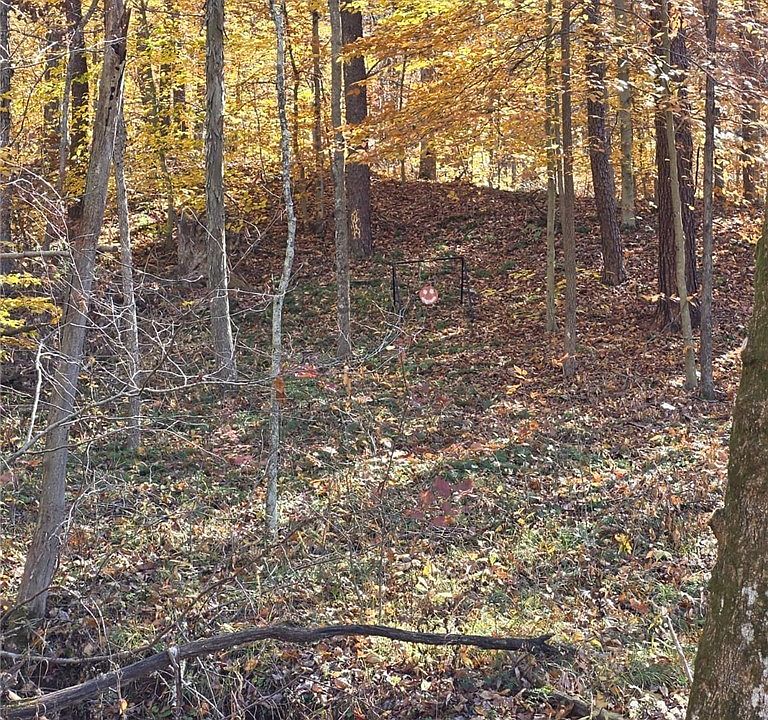
Another distinctive feature advertised for this property is the presence of rifle and pistol ranges.
These are existing recreational features mentioned by the seller, not newly proposed improvements.
Their presence may attract buyers interested in recreational target shooting.
Nevertheless, prospective owners should evaluate the ranges very carefully.
The listing does not establish whether they were professionally designed, inspected, permitted, or compliant with current safety requirements.
Important concerns include surrounding land uses, safe projectile containment, local restrictions, noise considerations, and potential environmental conditions.
A buyer should not assume the ranges are ready for immediate use.
Professional inspection and verification of applicable laws are appropriate before any shooting activity takes place.
Existing range areas can also create questions about historical lead contamination or soil management, depending on past usage.
Those matters may warrant environmental evaluation.
The property’s advertising highlights these ranges as amenities, but their safety and legal status remain matters for independent investigation.
Responsible ownership requires treating such features with particular care.
An Outbuilding Adds Another Practical Feature
In addition to the old cabin, the listing identifies an outbuilding.
An additional structure can be useful on rural property, depending on its condition and configuration.
It may provide potential storage space or support other permitted activities.
However, the listing does not specify the outbuilding’s dimensions, materials, age, or current suitability for use.
Prospective buyers should inspect it separately from the cabin.
Roof condition, structural stability, access, and weather protection can all affect its practical usefulness.
Storage needs are often important when owning recreational land.
Outdoor equipment, maintenance tools, and seasonal supplies require appropriate organization and protection.
Whether this particular structure can meet those needs should be determined through an inspection.
Its presence adds another element to the listing, but it should not be valued as a finished utility building without verification.
For someone interested in restoring the property over time, understanding both structures will be important when developing a realistic budget.
A Well Is Listed as a Water Feature
Water availability is one of the most important practical questions when evaluating undeveloped rural land.
The property’s listing identifies a well and also indicates that water is available.
These details provide a starting point for investigating the property’s water situation.
However, the listing does not establish whether the well is currently functioning, its depth, production capacity, or whether the water is safe for drinking.
A buyer should request available documentation and arrange appropriate testing when necessary.
Water quality and reliable supply are especially important if the owner plans to use the property for extended visits or future residential occupancy.
The existence of a well should not be confused with a complete, functioning household plumbing system.
Pumps, pressure equipment, piping, treatment systems, and electrical connections may also be relevant.
Their presence has not been confirmed.
Understanding the water infrastructure is a necessary part of determining what improvements may be required.
Electricity Available, but Important Utility Questions Remain
The listing states that electricity is available at the property.
This can be an important advantage compared with remote parcels where extending electrical service may be difficult or expensive.
However, the phrase “electricity available” does not necessarily mean that active electrical service is connected to the cabin or outbuilding.
Buyers should contact the relevant utility provider to confirm connection arrangements, capacity, requirements, and estimated costs.
The listing also states that natural gas and sewer service are not available.
Those limitations deserve attention.
A future cabin renovation or new residential project could require alternative arrangements for heating, cooking, or wastewater management.
Any wastewater system would need to satisfy applicable health and permitting requirements.
The feasibility and cost of those arrangements depend on property-specific conditions.
For buyers focused on outdoor recreation rather than full-time living, utility requirements may be different.
Even so, understanding available infrastructure can prevent expensive surprises after purchase.
The Appeal of a Private Weekend Retreat
Some buyers consider rural property primarily as a place to escape the pace of everyday life.
A secluded weekend retreat can provide opportunities to relax, spend time outdoors, and enjoy a different environment from a conventional neighborhood.
This 15-acre parcel may appeal to buyers with that goal.
Its wildlife, trails, and rustic structures create a setting associated with outdoor recreation.
The property’s quiet rural atmosphere can be appreciated without needing elaborate amenities.
However, buyers should not assume that the existing cabin is suitable for overnight stays.
Until its condition and legal occupancy status have been evaluated, any retreat plans should account for possible improvements or alternative permitted arrangements.
A successful weekend property depends on practical access, safety, maintenance, and the owner’s intended activities.
The best rural retreat is not necessarily the one with the largest building.
It is the one whose land, surroundings, and responsibilities match the owner’s expectations.
How the Seasons Shape a West Virginia Property
West Virginia’s changing seasons contribute to the appeal of its rural landscape.
Spring can bring new foliage and a fresh appearance to wooded areas.
Summer often creates dense vegetation, warmer temperatures, and conditions suitable for a variety of outdoor interests.
Autumn introduces changing leaf colors, giving rural scenery a distinctive appearance.
For people who enjoy photography or simply observing nature, this seasonal variation can make repeated visits rewarding.
Winter offers another perspective, revealing more of the landscape’s underlying structure as trees lose their leaves.
However, each season also brings practical maintenance considerations.
Rain and snow may affect access routes.
Fallen branches may require removal from trails.
Vegetation growth may influence visibility and upkeep.
The property’s exact seasonal conditions should be evaluated through visits and local information.
Appreciating the landscape throughout the year is part of rural ownership, but planning for weather and maintenance is equally important.
Elizabeth, West Virginia, and Its Rural Setting
The property is located near Elizabeth, West Virginia, in Wirt County.
Elizabeth is the county seat and provides a local reference point for buyers researching the surrounding community.
The area reflects the small-town and rural character associated with this part of the state.
For people interested in recreational land, the location may offer a setting that feels removed from heavily developed metropolitan areas.
Nevertheless, daily convenience depends on the precise address and the services available along practical travel routes.
Buyers should investigate driving times to groceries, fuel, medical care, and other necessities.
Road conditions are especially relevant for people who intend to visit during different seasons.
Internet and mobile coverage should also be checked if communication access matters.
The property’s location may suit someone seeking a quiet getaway, but the practical experience will depend on individual needs.
Rather than assuming that all nearby services are readily accessible, buyers should confirm the resources relevant to their lifestyle.
Understanding the Recent $20,000 Price Reduction
The advertised asking price is $69,000 following a $20,000 reduction recorded on November 16, 2026.
The earlier listed price was $89,000.
The listing history also indicates an initial asking price of $109,000 when the property entered the market in September 2026.
These changes provide useful context for buyers.
However, a price reduction should not automatically be interpreted as evidence of a bargain.
Asking prices can change for many reasons, including market response, seller priorities, and reassessment of a property’s condition or appeal.
The current price must still be evaluated against comparable land sales, improvements, access, utilities, and possible restoration expenses.
The historical cabin may be attractive, but it could also require significant investment.
Buyers should consider the total cost of ownership rather than focusing only on the listing price.
The reduction makes the property worth examining for budget-conscious recreational land buyers, but it does not establish its market value.
What Does $69,000 Mean for 15 Acres?
At the advertised price of $69,000 for 15 acres, the asking price works out to approximately $4,600 per acre.
This calculation can provide a starting point for comparing rural land listings.
However, price per acre is only one measure of value.
Land with established roads, usable utilities, relatively level ground, and permitted building sites may have different market characteristics from undeveloped wooded acreage.
Existing structures also affect the assessment.
An old cabin could have historical or personal appeal, but its restoration requirements may influence the buyer’s financial calculations.
The outbuilding, well, electricity availability, ATV trails, and recreational features should be evaluated individually.
A buyer may find some of these features valuable while placing less emphasis on others.
Comparable local sales can provide additional context, although no two rural parcels are exactly alike.
The asking-price calculation is therefore helpful as an introductory figure, not as proof of an unusually favorable deal.
Annual Property Taxes and Ownership Expenses
The listing reports annual property taxes of approximately $375.
This amount may be of interest to buyers calculating potential carrying costs.
However, the figure reflects advertised information and should not be assumed to remain unchanged following a sale.
Property taxes can be affected by assessments, classifications, exemptions, and local administrative decisions.
Buyers should verify the current amount with the appropriate county office.
Taxes are also only one part of rural property ownership.
Other costs may include insurance, maintenance, access improvements, trail upkeep, vegetation management, and inspections.
If the cabin or outbuilding requires repairs, expenses may be substantially higher.
Potential utility connections and wastewater arrangements could add further costs.
The absence of a homeowners association, as reported in the listing, may remove one type of recurring fee, but it does not eliminate other obligations.
A realistic ownership budget should account for both routine expenses and possible unexpected work.
Restoring an Old Cabin Without Losing Its Character
For buyers interested in preservation, the challenge of renovating an old cabin involves balancing practical needs with architectural character.
Original timber, historic construction techniques, and weathered materials may contribute to the building’s appeal.
However, preserving these details should not come at the expense of safety.
A professional inspection is the appropriate starting point.
A restoration plan might prioritize stabilizing the structure, addressing water intrusion, repairing damaged components, and determining which original materials can reasonably be retained.
Some work may require specialized knowledge of traditional log construction.
Choosing modern finishes without considering the building’s historical character could change its appearance considerably.
On the other hand, attempting to preserve every element regardless of condition may be impractical.
The best approach depends on the owner’s goals, the structure’s actual condition, and any legal considerations.
Because the seller’s estimated construction date remains unverified, buyers should avoid assuming formal historic designation or eligibility for preservation incentives.
Such matters require separate research.
The Importance of Property Boundaries and Access
Before purchasing rural land, it is essential to understand exactly what is included in the sale.
The listing identifies a 15-acre parcel, but acreage alone does not explain the parcel’s shape or boundary locations.
A survey may help establish the relationship between the cabin, trails, outbuilding, and property lines.
This is especially important when recreational activities occur near neighboring land.
Buyers should also investigate legal and physical access.
The listing provides an address but does not fully describe the condition or ownership status of every access route.
Road maintenance responsibilities and any easements may affect future use.
If additional improvements are planned, access for contractors, equipment, and emergency vehicles should be considered.
These factors can have a major influence on the practicality of recreational land.
A clear understanding of boundaries and access helps buyers avoid relying on assumptions that may later become expensive or difficult to resolve.
Could This Property Support a Future Cabin Project?
The 15-acre setting may inspire ideas for future development.
Some buyers might be interested in restoring the existing log structure, while others may investigate whether a new cabin could be built.
Neither possibility should be treated as automatically approved.
Construction feasibility depends on local requirements, site conditions, access, utilities, and permitting.
The property’s terrain and soil conditions may influence where a building could be located.
Water and wastewater arrangements require particular attention.
The listing states that sewer service is not available, which means any residential plan would need an appropriate alternative if required.
The existing well and electricity availability are useful details to investigate, but their capacity and condition remain unconfirmed.
A buyer considering construction should consult appropriate authorities and qualified professionals before making commitments.
The property offers acreage and possibilities for further exploration, but development plans should be based on verified information.
The Practical Responsibilities of Recreational Acreage
Fifteen acres can provide opportunities for recreation, but the land also requires management.
For a buyer accustomed to a small residential lot, the maintenance demands may be unfamiliar.
ATV trails may require clearing or repairs.
Structures may need protection from weather and deterioration.
Vegetation growth can influence access and visibility.
Existing shooting areas may require specialized evaluation and responsible management.
Seasonal storms can introduce fallen trees or drainage concerns.
The extent of these responsibilities will depend on the property’s actual conditions.
Some owners may choose to preserve much of the land in a natural state, while others may maintain specific recreational areas.
A clear plan can help determine how much time and money should be allocated to upkeep.
The objective is not to transform every acre.
It is to manage the property appropriately for its intended use while respecting safety, environmental conditions, and neighboring land.
Why Historic Rural Properties Attract Interest
Older rural structures can appeal to buyers for reasons that go beyond conventional real estate measurements.
Their materials, construction methods, and appearance may suggest connections to earlier generations.
A cabin believed to have originated in the 1850s naturally encourages curiosity.
Who built it?
How was the surrounding land used?
What changes has the building experienced?
These questions can make property research an engaging part of ownership.
However, historical curiosity should be separated from verified facts.
Without documentation, it is not possible to establish the cabin’s original occupants, exact age, or historical significance.
The listing provides the seller’s estimate, not a complete historical record.
Buyers interested in local history might explore land records, archived maps, regional historical collections, and expert assessments.
Even if the exact date remains uncertain, the structure’s rustic character may still be meaningful to someone who appreciates older buildings.
That appeal is personal and architectural rather than a guarantee of formal historic status.
Evaluating the Property as a Long-Term Investment
Some buyers may consider recreational acreage as part of a long-term ownership plan.
Land can serve personal purposes while also representing a significant financial commitment.
This Elizabeth property offers several characteristics that could justify further investigation: 15 acres, an old cabin, an outbuilding, recreational trails, and listed utility availability.
However, no investment outcome can be guaranteed.
Future property values depend on market conditions, financing, maintenance, demand, and numerous location-specific factors.
The condition of the cabin may be especially important.
Restoration expenses could exceed early expectations, and buyers should obtain qualified assessments before developing a budget.
The same applies to improvements involving utilities, access, or additional construction.
Property taxes and routine maintenance should also be considered.
The asking price may appeal to people comparing affordable rural acreage, but a responsible financial evaluation requires much more than comparing advertised prices.
For buyers who value recreation and preservation, personal enjoyment may be an important part of the property’s appeal.
What Buyers Should Inspect During a Property Tour
A personal visit is essential when evaluating a property with an older structure and recreational features.
The cabin should be inspected carefully, with particular attention to visible deterioration, roof conditions, foundation issues, and signs of moisture damage.
The outbuilding deserves a separate assessment.
Buyers should also examine the trail system to understand its actual condition and layout.
The advertised shooting ranges should not be used until their safety and legal status have been evaluated.
The well and any electrical infrastructure should be reviewed with appropriate professionals.
A tour can also help establish how the 15 acres are distributed and whether the terrain supports the buyer’s intended activities.
Prospective purchasers should arrange access through the authorized listing representative and respect private property boundaries.
A professional survey, property inspection, and title review may provide information that a casual visit cannot.
The more clearly buyers understand the existing conditions, the better prepared they will be to make informed decisions.
Frequently Asked Questions About the Elizabeth, West Virginia Property
Where is the 15-acre property located?
The property is advertised at 1544 Wilson Frk, Elizabeth, West Virginia 26143, in Wirt County.
What is the current asking price?
The verified advertised asking price is $69,000, following a price reduction recorded on November 16, 2026. Listing details may change.
How much land is included?
The listing identifies approximately 15 acres of unimproved land.
Is there a historic cabin?
Yes. The property includes an old log cabin that the seller believes may date to the 1850s. Its exact age has not been independently verified.
Is the cabin ready to live in?
The listing does not establish that the cabin is habitable. It is described as needing significant care, and the property is classified as unimproved land.
Are ATV trails included?
The property is advertised as having ATV trails. Their exact length, condition, and suitability for different vehicles should be confirmed.
Does the property have wildlife?
The listing describes abundant wildlife, but does not provide a verified list of species or guarantee particular sightings.
Are there existing shooting ranges?
The listing mentions rifle and pistol ranges. Their safety, condition, and compliance with applicable regulations require independent evaluation.
Does the property have a water source?
A well is listed, but its current operating condition, capacity, and water quality have not been confirmed.
Is electricity available?
The listing states that electricity is available. Buyers should verify whether service is connected and the cost of any required work.
Is sewer service available?
The listing states that sewer service is not available. Any future residential use would require investigation of appropriate sanitation arrangements.
Is there a homeowners association?
The listing indicates that there is no HOA.
What are the reported annual property taxes?
The advertised annual property tax amount is approximately $375. Buyers should confirm the current assessment and tax obligations.
Who is the listing agent?
The listing identifies Tamlyn Brits of The American Dream Realty, with the brokerage phone number (304) 532-9635.
What is the MLS number?
The property is listed under MLS number 285599 through the Kanawha Valley Board of REALTORS.
Final Thoughts: A Unique West Virginia Retreat With History and Recreational Possibilities
This 15-acre property near Elizabeth, West Virginia, offers an intriguing combination of rural scenery, recreational features, and a potentially historic structure.
Its advertised price of $69,000 may attract buyers who are exploring smaller recreational land purchases or projects involving older rural buildings.
The log cabin is especially interesting because the seller believes it may date to the 1850s, a period before West Virginia became a state.
Although that construction date remains unverified, the structure introduces an architectural and historical dimension that makes the listing different from ordinary undeveloped land.
The ATV trails, wildlife, outbuilding, and existing rifle and pistol ranges add further points of interest.
At the same time, buyers should carefully evaluate the property’s limitations.
The cabin requires attention, residential use has not been confirmed, and important questions remain regarding utilities, safety, access, and potential improvements.
For someone interested in preservation, outdoor recreation, or the experience of owning a peaceful stretch of West Virginia countryside, the property offers an opportunity worth investigating.
Its strongest appeal may be the ability to combine personal interests with the distinctive character of rural land.
This is not simply a finished home waiting for a new owner. It is a property whose potential depends on careful research, realistic expectations, and a thoughtful vision for its future.
For the right buyer, that process may be part of what makes the opportunity meaningful.
Property information note: This article is based on the advertised listing for MLS #285599 and the price update dated November 16, 2026. The cabin’s estimated age is attributed to the seller. Property condition, access, utility availability, permitted uses, pricing, and listing status should be independently confirmed before making a purchase.



From Zillow