Unique Properties
75.88 Acres in West Virginia With a Bank Barn and Private Building Sites — A Unique Online Land Auction
$89,000 75.88 Acres Lot

75.88 Acres in West Virginia With a Bank Barn and Private Building Sites — A Unique Online Land Auction
Imagine discovering a large piece of West Virginia countryside where privacy, open possibilities, and traditional rural character come together in one property. Instead of purchasing a conventional house surrounded by a small yard, buyers have the opportunity to consider an expansive landscape with room for a variety of future plans.
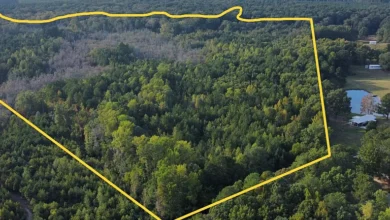
Located at 445 Berry Hollow Road in the Sissonville area near Charleston, West Virginia, this 75.88-acre property offers a combination of surveyed acreage, potential building locations, an existing bank barn, and utility infrastructure.
The property is being offered through an online real estate auction conducted by Joe R. Pyle Complete Auction and Realty Service.
According to the auction organizer, bidding is scheduled to begin closing on Tuesday, December 15, 2026, at 7:00 PM Eastern Time.
The property has appeared on real estate platforms with an estimated value of $89,000. However, prospective buyers should understand that this figure is not the final purchase price, and the auction organizer specifically instructs interested parties to disregard the displayed listing price.
The property will be sold through the auction process, with the final transaction governed by the applicable auction terms.
What makes this offering especially interesting is its combination of substantial acreage and practical rural features.
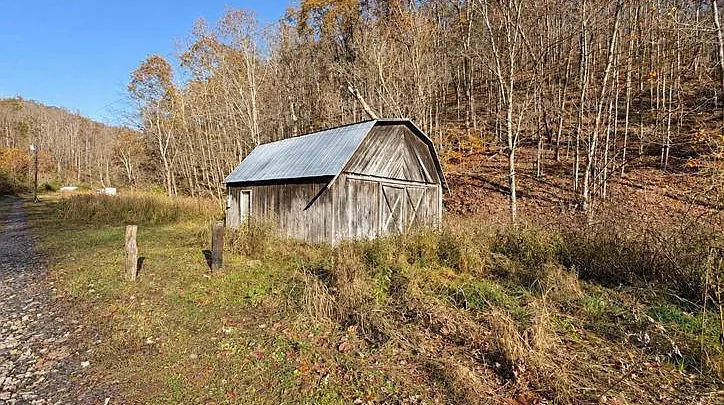
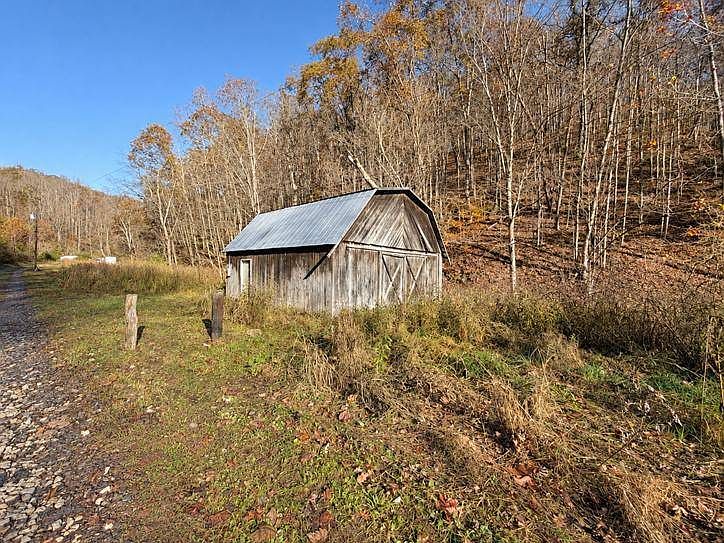
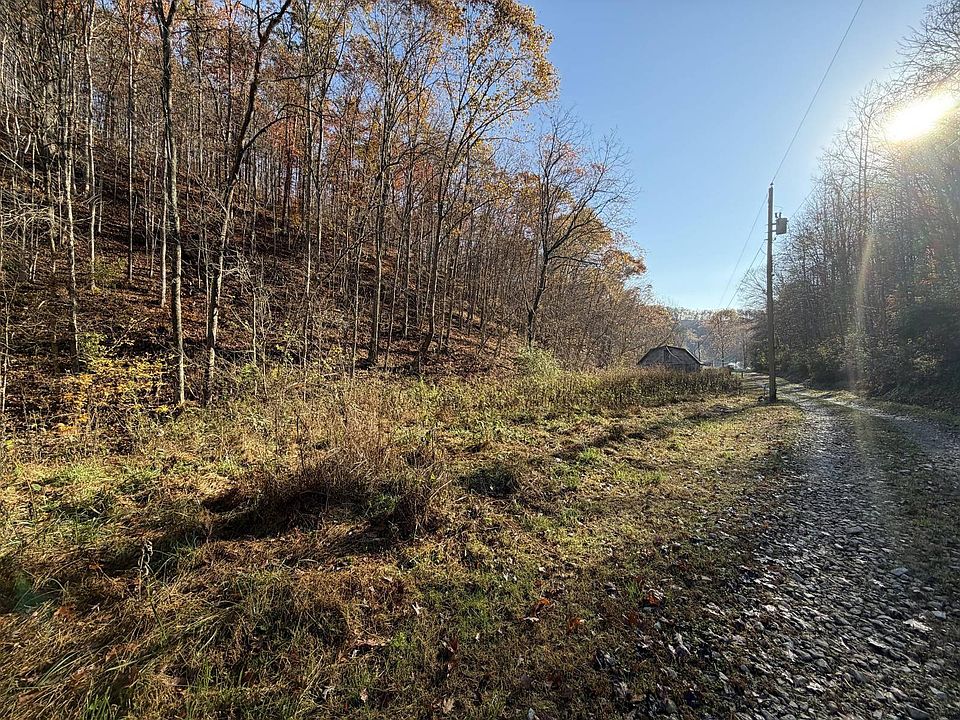
A 24-by-30-foot bank barn stands on the land, adding agricultural character and potential utility. The listing also identifies multiple possible locations for cabins or homes and describes a private setting.
A well and septic system are listed, with gas availability also advertised.
For people interested in recreational acreage, future country living, or a rural property with room for improvements, this auction presents an opportunity worth investigating.
The defining appeal of this West Virginia property is its 75.88 surveyed acres, existing barn, and potential for future use in a private countryside setting.
However, buyers should approach the property with realistic expectations. The listing classifies it as unimproved land, and future construction depends on appropriate inspections, permits, access, and site conditions.
Discover 75.88 Acres of Private West Virginia Countryside
The property’s most significant feature is its size.
At 75.88 surveyed acres, this parcel represents a substantial area of rural land compared with a traditional residential property.
Large acreage can appeal to buyers who appreciate privacy, natural surroundings, and the flexibility to consider different outdoor interests.
The auction organizer describes the setting as private, with multiple potential building sites for cabins or homes.
That combination makes the property interesting to people who would prefer to plan their own rural retreat rather than purchase a completed residential building.
A large tract offers an opportunity to think about the relationship between living areas, outdoor spaces, and existing improvements.
For example, a buyer might be interested in evaluating one area for a future cabin while preserving other portions of the landscape for recreational use.
Others may focus on the appeal of simply owning a substantial piece of land.
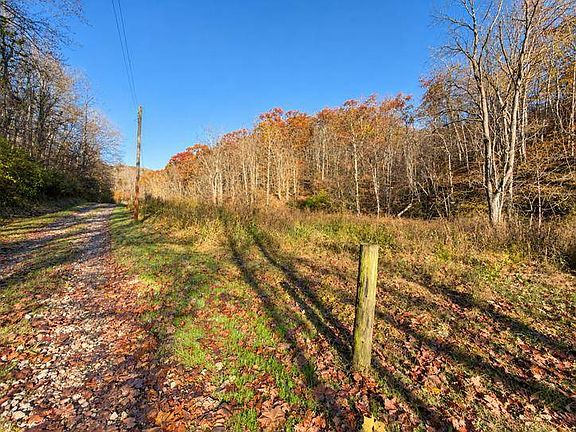
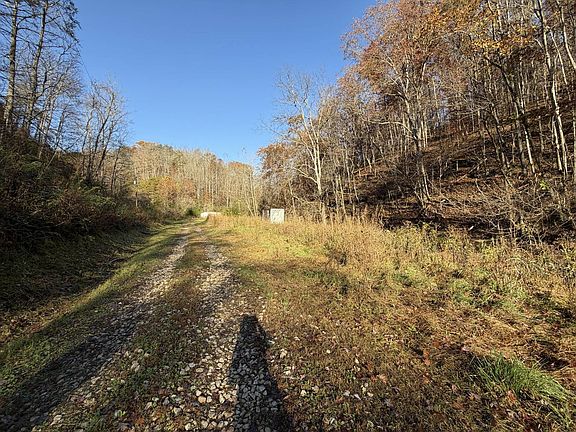
The property’s actual terrain, vegetation, and accessibility should be examined before developing detailed plans.
Not every acre of a large parcel will necessarily offer the same degree of usability.
A personal inspection and review of the survey can help buyers better understand how the land is arranged.
A Rural Property in the Sissonville Area of Kanawha County
The property carries a Charleston, West Virginia, mailing address, but the auction organizer identifies it as being in the Sissonville area.
This distinction is useful for readers researching its geographic setting.
Sissonville is a community in Kanawha County, north of central Charleston.
The surrounding region includes residential neighborhoods, rural roads, and areas of Appalachian countryside.
For people interested in rural real estate, the location offers a different perspective from more densely developed parts of the Charleston area.
The appeal of a private property often comes from its setting, but practical access to nearby communities remains important.
Buyers may want to investigate driving routes, local services, shopping options, medical facilities, and other conveniences relevant to their needs.
Exact travel times should not be assumed without checking the specific routes.
The listing provides the address but does not establish commuting times or guarantee proximity to any particular service.
Anyone considering frequent visits or eventual residential use should evaluate the location in person.
Understanding the relationship between a secluded property and surrounding community services is an important part of responsible rural land purchasing.
Multiple Potential Building Sites for Cabins or Homes
One of the most interesting statements in the auction description is that the property offers multiple possible building locations.
For buyers who dream of constructing a cabin or country home, this feature may deserve special attention.
A large parcel with several potential sites can create opportunities to evaluate different views, orientations, and relationships to the surrounding land.
Some buyers may prefer a setting that emphasizes privacy.
Others may want a future home located nearer existing access or utility infrastructure.
However, advertised building-site potential does not automatically establish that every proposed location is suitable or approved for construction.
Before planning a project, buyers should investigate site conditions, local requirements, setbacks, drainage, utility connections, and other relevant factors.
The terrain may influence foundation design and construction costs.
Soil conditions and wastewater requirements can also affect feasibility.
Professional evaluations may be necessary to determine which areas can reasonably support development.
The listing provides an encouraging starting point for buyers interested in building, but final decisions should be based on verified information.
The Appeal of Creating a Private Cabin Retreat
A cabin retreat offers a different experience from a conventional suburban residence.
For many people, its attraction lies in spending time outdoors and enjoying a quieter environment.
The idea of constructing a cabin on a large rural parcel may involve simple design preferences, practical living spaces, and a strong connection to the surrounding landscape.
This property offers potential locations that buyers can investigate for that purpose.
A modest cabin might be imagined as a weekend destination, while a larger residence could be considered for future living needs.
The appropriate design would depend on local requirements, available infrastructure, budget, and personal preferences.
A buyer interested in a weekend retreat might prioritize ease of maintenance and comfortable indoor space.
Someone considering longer stays may place greater importance on year-round access, heating, water supply, and other utilities.
It is essential to remember that the property is currently classified as unimproved land.
There is no documented completed residence included in the listing.
The opportunity is therefore to investigate future possibilities, rather than move into an existing home.
A 24-by-30-Foot Bank Barn Adds Traditional Character
One of the property’s most distinctive existing improvements is a 24-by-30-foot bank barn.
Bank barns are associated with traditional agricultural architecture and are particularly familiar in parts of the eastern United States.
The term generally refers to a barn design that takes advantage of a slope or embankment to provide access at different levels.
Such structures historically served a variety of agricultural purposes.
The building on this property introduces a recognizable rural element and creates a point of interest beyond the acreage itself.
Its advertised dimensions are 24 feet by 30 feet, giving it a nominal ground footprint of approximately 720 square feet.
That measurement does not establish the amount of usable interior space or the number of functional levels.
Buyers should inspect the barn to understand its actual layout, structural condition, and practical suitability.
Important considerations include the roof, foundation, framing, floors, drainage, and safe access.
Although the barn may offer potential utility, the listing does not guarantee that it is ready for immediate agricultural, storage, or recreational use.
Understanding the Historic Appeal of Bank Barn Architecture
Traditional bank barns are an interesting part of America’s agricultural building heritage.
Their designs often reflect the practical requirements of farming communities and the landscapes in which those communities developed.
Where the land slopes, builders sometimes use the natural elevation difference to create access to upper and lower portions of a structure.
This can be an efficient approach to using terrain.
Bank barns are also valued for their visual character.
Their proportions, materials, and relationship to the landscape can contribute significantly to the appearance of a rural property.
For buyers who appreciate traditional architecture, the presence of such a structure may be especially appealing.
However, this particular barn’s age and original agricultural use have not been established in the supplied listing.
It would be inaccurate to describe it as a verified historic landmark without further documentation.
The most reliable description is that the property includes a bank barn with dimensions of 24 by 30 feet.
Its condition, history, and suitability for future use remain matters for inspection.
Could the Barn Be Used for Storage or Agricultural Activities?
An existing barn may prompt buyers to consider a range of possible uses.
Some people may be interested in equipment storage, while others may want to explore agricultural applications.
The actual options depend on the building’s condition, access, and applicable regulations.
For example, safe storage requires appropriate structural capacity, weather protection, and secure access.
Agricultural use may involve additional considerations concerning ventilation, flooring, sanitation, and equipment requirements.
A buyer should not assume that the barn can accommodate livestock, vehicles, or heavy machinery without inspection.
If renovations are needed, the scope of work should be determined by qualified professionals.
The availability of utilities may also influence what can practically be done.
For buyers interested in restoring traditional rural structures, the barn could become a meaningful part of a broader property improvement plan.
The key is separating potential uses from confirmed existing capabilities.
The barn is an established feature of the land, but its practical value requires further evaluation.
Well Water Is Listed as an Existing Feature
Water supply is one of the most important considerations when evaluating land for possible residential or recreational development.
The listing identifies a well as part of the property’s infrastructure.
For buyers interested in constructing a cabin or home, this is an important detail to investigate.
A well can provide an alternative to municipal water service, but its presence alone does not guarantee a reliable or potable water supply.
Prospective buyers should determine whether the well is operational and request available records concerning its depth, production, equipment, and maintenance history.
Water quality testing is also important.
Depending on the system, pumps, pressure tanks, electrical connections, and treatment equipment may be necessary.
The listing does not provide comprehensive technical specifications.
Therefore, no claim should be made that the property has a fully functioning residential water system ready for immediate use.
The well is a potentially useful feature, but its current condition and capacity should be verified independently.
Septic Infrastructure May Support Future Plans
The auction description also states that a septic system is available.
Private septic infrastructure can be important for properties outside municipal sewer service areas.
However, buyers should distinguish between an advertised septic feature and a verified system approved for their intended use.
A septic system’s suitability depends on its location, condition, capacity, design, and compliance with relevant regulations.
A buyer planning a future home should determine whether the existing system can support the proposed building.
If the system has not been inspected recently, professional evaluation may be advisable.
Records or permits may also provide useful information.
It is possible that modifications or replacement could be required depending on the planned development.
The property’s existing infrastructure may offer advantages, but those advantages should be established through documentation.
For responsible budgeting, buyers should account for possible wastewater-system expenses rather than assuming that no additional work will be needed.
Gas Availability and Utility Planning
The listing indicates that gas is available.
This may be of interest to buyers considering future construction or property improvements.
However, the specific type of gas service, its source, capacity, and connection requirements are not explained in the summary.
It would therefore be premature to assume that a future home could immediately connect to a particular utility provider.
Buyers should contact the auction representative and appropriate service providers to obtain accurate information.
Energy planning can have a substantial impact on rural construction costs.
Heating, cooking, electrical service, and other household systems all require careful consideration.
The presence of a well, septic infrastructure, and advertised gas availability gives buyers several starting points for research.
However, the listing does not establish that the property includes a fully completed package of residential utilities.
Any future project should be planned around verified service availability and realistic cost estimates.
This is particularly important for buyers comparing undeveloped land with properties that already include a finished residence.
Privacy as an Important Part of Rural Living
Privacy is a central feature emphasized in the auction description.
For many buyers, the attraction of a rural property is the opportunity to enjoy surroundings that feel less crowded and more closely connected to nature.
A large parcel can allow different activities to take place within the same ownership area.
Some buyers may appreciate the idea of spending quiet weekends outdoors.
Others may be drawn to the possibility of having room for personal projects, hobbies, or future improvements.
However, the degree of privacy cannot be determined from acreage alone.
Property boundaries, neighboring uses, access routes, and topography all influence the experience.
A buyer should examine the survey and visit the site before assuming complete visual or physical isolation.
The term “private setting” is appealing, but the details matter.
Understanding how the land relates to nearby roads and parcels can help buyers determine whether the property provides the type of retreat they are seeking.
For someone interested in country living, privacy is often about having a setting that supports a preferred pace of life.
Recreational Possibilities Across a Large Rural Parcel
Substantial rural acreage can appeal to people who enjoy outdoor hobbies.
Depending on terrain, vegetation, and access, recreational possibilities might include walking, nature observation, photography, or other low-impact activities.
A buyer may also wish to investigate whether parts of the land are suitable for creating private trails or outdoor gathering areas.
However, the listing does not specifically advertise established hiking trails, ponds, hunting facilities, or recreational infrastructure beyond the barn and identified utility features.
Those amenities should not be assumed.
A personal tour can help reveal how different sections of the land could be used.
Buyers should also review any restrictions, easements, and applicable regulations before planning significant changes.
Recreational use may require ongoing maintenance.
Trails can need clearing, drainage management, and periodic repairs.
Landownership also carries responsibilities for safety and environmental stewardship.
The attraction is the opportunity to explore suitable uses that reflect the buyer’s interests.
The property’s size creates possibilities, but those possibilities need to be grounded in actual site conditions.
Enjoying West Virginia’s Changing Seasons
The Appalachian landscape offers changing scenery throughout the year.
For people who appreciate rural property, the seasonal variation can be a meaningful part of the experience.
Spring brings new growth and gradually warmer weather.
Summer often provides long daylight hours that make outdoor projects and property visits easier to schedule.
Autumn is associated with colorful foliage across many parts of West Virginia.
Winter reveals a quieter landscape and introduces different considerations for access and maintenance.
The specific appearance of this property will depend on its vegetation, terrain, and land cover.
Those details should be evaluated during a visit rather than assumed from general regional characteristics.
Seasonal weather also affects practical property ownership.
Rain can influence drainage and access conditions.
Cold temperatures may affect exposed utility equipment.
Storms can create maintenance needs for buildings and surrounding land.
A prospective owner should consider how the property could be used and maintained throughout the year.
The natural changes of the seasons are an appealing feature of rural living, but they also reinforce the importance of preparation.
Why Surveyed Acreage Matters When Buying Land
The auction organizer describes the parcel as 75.88 surveyed acres.
For buyers, the word “surveyed” is important because a professional survey can help establish boundaries and dimensions.
However, prospective purchasers should still request a copy of the survey and understand what it covers.
Surveys may identify boundary lines, monuments, access routes, or other relevant features.
The available documents should be reviewed alongside the property’s legal description and title information.
Clear boundaries are particularly important for large parcels.
They help buyers understand where ownership begins and ends.
They may also influence decisions about fencing, trails, improvements, and maintenance.
The original real estate summary contains an inconsistency, with one sentence mentioning 5.88 acres despite the property being advertised elsewhere as 75.88 acres.
The auction organizer’s dedicated property page confirms the larger surveyed figure.
Even with that clarification, the final transaction should be based on the actual legal documents.
A survey provides valuable information, but it is only one part of comprehensive land due diligence.
Understanding the Online-Only Real Estate Auction
Unlike a traditional property listing with an ordinary negotiated purchase process, this property is being offered through an online auction.
The auction is organized by Joe R. Pyle Complete Auction and Realty Service.
Bidding is scheduled to begin closing on Tuesday, December 15, 2026, at 7:00 PM Eastern Time.
The online-only format means interested buyers must follow the auction company’s bidding procedures rather than simply submitting a conventional offer based on the displayed real estate platform price.
Participants should review the official auction materials carefully.
Important matters may include registration requirements, bidding increments, deposit terms, buyer premiums, closing deadlines, property disclosures, and conditions of sale.
These terms can vary between auctions.
The basic listing summary does not provide every contractual detail, so buyers should consult the complete documents published by the auctioneer.
It is also important to understand that an auction ending time may operate under specific extension or closing rules.
Participants should rely on the auction platform’s official instructions rather than making assumptions.
A successful auction purchase requires preparation before bidding begins.
Why the Advertised $89,000 Is Not the Final Sale Price
Some real estate platforms display an estimated value of $89,000 for this property.
However, the auction listing explicitly instructs buyers to disregard the displayed price.
That distinction is important for readers.
The $89,000 figure should not be presented as a guaranteed purchase price, a fixed asking price, or the amount the winning bidder will pay.
An auction price depends on bidding activity and the contractual terms.
Additional buyer costs may also apply, depending on the auction rules.
Therefore, it would be misleading to describe this property as available for a guaranteed $89,000 purchase.
Buyers should instead view the figure as a platform display that does not control the auction outcome.
The actual financial commitment should be calculated using the winning bid and all applicable terms.
Those terms should be reviewed before participating.
For anyone comparing rural real estate listings, understanding this difference helps prevent confusion between auction properties and conventional fixed-price sales.
Property Taxes and Financial Considerations
The listing reports annual property taxes of approximately $1,213 and a tax assessed value of $76,700.
These figures provide useful financial context, but they should not be confused with market value or a future tax guarantee.
Tax assessments may be calculated using methods that differ from current market pricing.
Property tax obligations may also change over time.
Prospective buyers should verify the current assessment and tax information through the appropriate Kanawha County records.
Owning a large rural parcel can also involve expenses beyond property taxes.
Potential costs may include insurance, land maintenance, barn repairs, surveying, utility inspections, and access improvements.
If a cabin or home is eventually constructed, development expenses could be substantial.
The presence of advertised utility features does not eliminate the need to budget for inspections and connections.
A buyer considering this auction should evaluate both the purchase process and the long-term financial responsibilities.
A realistic budget is essential to making informed decisions.
The Parcel Identification and Official Records
The property is associated with a parcel identified in the listing as 2024001300110000.
The auction organizer also identifies the land through its district, map, and parcel information.
These identifiers can be helpful when researching ownership, tax assessments, and legal descriptions.
However, an online listing should not replace a title examination or review of official records.
Buyers should confirm the correct parcel boundaries and determine whether any easements, restrictions, or other recorded interests affect the land.
The relationship between the advertised surveyed acreage and historical legal descriptions may also deserve attention.
Recorded acreage and survey measurements can sometimes differ for legitimate reasons.
An experienced title professional or real estate attorney can help explain those differences.
For a property of this size, understanding exactly what is being conveyed is essential.
These steps may not be as exciting as imagining a future cabin, but they are important parts of responsible landownership.
Evaluating Future Residential Construction
The listing suggests that the property has multiple possible building locations.
That may interest buyers searching for land on which to construct a custom home.
However, successful residential development requires more than sufficient acreage.
Terrain, drainage, soils, road access, utilities, and regulatory requirements all influence feasibility.
Before developing plans, buyers should confirm whether the proposed use is permitted.
Professional site evaluations may be needed to determine appropriate building locations.
A future house may require upgrades or connections to utility systems.
A buyer should also investigate the cost of constructing or improving an access driveway.
The presence of the bank barn could influence the overall property layout, depending on where it stands relative to possible homesites.
These considerations are best evaluated as part of an integrated site plan.
The property offers opportunities for exploration, but it should not be described as having completed or fully approved residential building sites without further confirmation.
Could the Property Support a Family Countryside Retreat?
For some buyers, a large rural parcel represents an opportunity to create a place where relatives and friends can gather.
The idea of a countryside retreat may involve outdoor recreation, quiet weekends, and shared experiences away from a busy daily routine.
This property offers space to investigate that kind of plan.
A future cabin could potentially provide a gathering point, while other areas of the land might remain natural or serve recreational purposes.
However, the feasibility of multiple structures or separate residential arrangements would depend on zoning, permits, access, and utility capacity.
Buyers should not assume that the land can automatically be divided into additional residential lots.
The listing advertises possible building sites, not an approved subdivision.
A family retreat can also involve ongoing maintenance responsibilities and practical considerations about travel, security, and seasonal use.
For buyers whose goals align with the property’s characteristics, the setting may be attractive.
The key is creating a realistic plan based on verified land and development information.
Why Rural Land Appeals to Long-Term Buyers
Landownership can appeal to people who value both personal enjoyment and long-term planning.
Some buyers want space for outdoor interests.
Others may prefer the flexibility of improving property gradually instead of purchasing a finished home.
A large tract with an existing barn and identified utility infrastructure can support several lines of investigation.
However, the financial future of rural land is uncertain.
Market values depend on location, demand, access, legal rights, economic conditions, and many other factors.
It is not possible to guarantee appreciation or a profitable resale.
Land may also involve ownership costs that continue even when no major development occurs.
For buyers who prioritize personal recreation or long-term rural use, those expenses may be considered part of the overall lifestyle decision.
For someone approaching the purchase primarily as an investment, detailed market research is essential.
Comparable sales, title conditions, development costs, and auction terms all deserve attention.
The property may fit a variety of goals, but each should be assessed realistically.
What to Inspect Before Participating in the Auction
A personal property inspection can provide information that photographs and written descriptions cannot fully communicate.
Prospective bidders should review the land’s terrain, access, existing barn, and visible utility infrastructure.
The condition of the 24-by-30-foot bank barn is especially important.
An older building may require repairs, and its practical usefulness depends on structural integrity.
The well and septic system should also be evaluated where inspections are permitted.
Buyers should ask whether documentation is available for these systems.
Potential construction areas should be examined in relation to slope, drainage, and access.
The survey and title information should be reviewed before bidding.
It is important to arrange any visit through the authorized auction representative and observe applicable property access rules.
Auction purchases can involve limited opportunities to change terms after bidding.
That makes preparation especially valuable.
A buyer who understands the property and auction conditions will be better equipped to decide whether participation fits their goals.
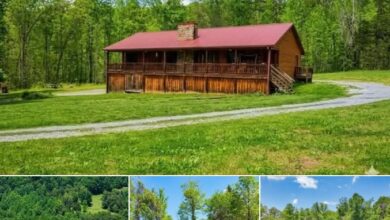
Why AI-Modified Listing Photos Require Extra Attention
The property advertisement contains an unusual but important disclosure: some listing photographs have been virtually staged or manipulated using artificial intelligence.
This is relevant to anyone evaluating the property online.
Virtual staging can help illustrate possible uses or appearances, but it may not represent existing physical conditions.
When AI editing is involved, buyers should take particular care to distinguish actual features from visual enhancements.
A photograph may be useful for inspiration without providing reliable evidence about the property’s current state.
For this reason, the best approach is to request original, unmodified images when available.
A personal viewing can also help clarify questions about buildings, vegetation, access, and terrain.
The auction listing’s disclosure is valuable because it alerts buyers to the possibility of altered visuals.
Anyone writing about or sharing the property should preserve that disclosure rather than presenting enhanced images as unquestionably accurate depictions.
Accurate representation is especially important when discussing real estate.
Frequently Asked Questions About the Berry Hollow Road Auction
Where is the property located?
The property is at 445 Berry Hollow Road, Charleston, West Virginia 25320, in the Sissonville area of Kanawha County.
How much land is included?
The official auction organizer advertises 75.88 surveyed acres. Some syndicated listing descriptions contain an inconsistent reference to 5.88 acres, so buyers should review the official survey and legal documents.
Is the property being sold for $89,000?
No fixed $89,000 sale price has been established. The auction listing instructs interested buyers to disregard the displayed listing price and follow the auction process.
When is the auction scheduled?
Online bidding is scheduled to begin closing on Tuesday, December 15, 2026, at 7:00 PM Eastern Time.
Is there a house on the property?
The listing classifies the property as unimproved land with zero bedrooms, zero bathrooms, and no documented finished residential area.
Does the property include a barn?
Yes. The auction advertises a 24-by-30-foot bank barn. Its exact condition and practical usability should be confirmed through inspection.
Are there possible building sites?
The auction organizer advertises multiple potential locations for cabins or homes. Actual construction feasibility depends on appropriate site evaluations, permits, and applicable requirements.
Does the property have a well?
Yes, a well is identified in the listing. Its condition, capacity, and water quality should be independently verified.
Is there a septic system?
A private septic system is listed. Buyers should determine whether it is functional and suitable for any proposed use.
Is gas available?
The auction description states that gas is available. The type of service and connection requirements should be confirmed.
Is there an HOA?
The listing indicates no HOA fee, although buyers should still review title records and any applicable property restrictions.
What are the reported property taxes?
The listing reports annual property taxes of approximately $1,213. Buyers should verify the current amount with the appropriate county records.
Who is organizing the auction?
Joe R. Pyle Complete Auction and Realty Service is the auction organizer.
Who is the listing contact?
The listed contact is Taylor Ramsey, who can be reached at 304-552-5201.
Where can buyers find official bidding information?
The official auction page is available through Joe R. Pyle Auctions. Prospective bidders should review the full auction documents and registration requirements before participating.
Final Thoughts: A Large West Virginia Property With a Barn and Future Possibilities
The 75.88-acre property at 445 Berry Hollow Road offers an interesting combination of surveyed land, countryside privacy, existing agricultural character, and potential building locations.
For buyers interested in the Sissonville area near Charleston, the parcel provides an opportunity to explore substantial acreage through an online auction.
The 24-by-30-foot bank barn adds a distinctive rural feature.
The advertised well, septic infrastructure, and gas availability provide additional points for investigation when considering future improvements.
Multiple possible locations for cabins or homes may appeal to buyers with long-term plans, although no construction project should proceed without appropriate evaluations and approvals.
The property’s greatest attraction may be the flexibility that substantial acreage offers.
Rather than purchasing an existing residential layout, a buyer can investigate how the land might accommodate personal interests, recreational uses, or future rural living.
At the same time, careful due diligence is essential.
The advertised $89,000 figure is not a fixed purchase price, and the actual transaction will be determined through the auction process.
Buyers should also review the survey, title information, utility conditions, access, barn condition, and official auction terms.
For someone who values private countryside surroundings and the opportunity to plan a rural property around their own needs, this 75.88-acre West Virginia auction offers a noteworthy opportunity to investigate.
The most successful decision will come from balancing the property’s attractive possibilities with a clear understanding of its existing conditions and long-term responsibilities.
Property information note: This article is based on the official Joe R. Pyle Auctions listing and related MLS information available in November 2026. The advertised auction is scheduled for December 15, 2026. The displayed $89,000 figure is not a guaranteed sale price. Acreage, utilities, building-site suitability, auction conditions, and property features should be independently confirmed before bidding. Some original listing photographs have been virtually staged or modified with AI.

\
From Zillow