Affordable Homes
Unique Underground Home in Edgemont, South Dakota
Unique Underground Home in Edgemont, South Dakota

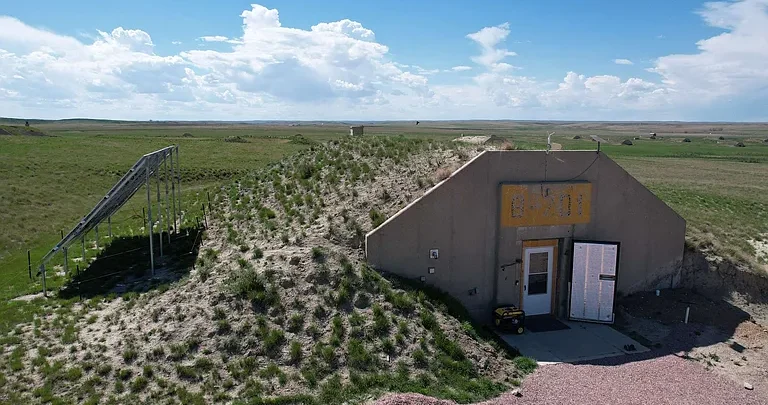
Hidden Beneath South Dakota: A Unique Underground Home Offering Privacy, Comfort, and Independent Living
Hidden beneath the peaceful South Dakota landscape, this remarkable underground home offers an extraordinary opportunity for buyers searching for something beyond traditional residential real estate. Combining practical living spaces, unconventional architecture, and a quiet natural setting, this distinctive property presents an alternative approach to homeownership.
Unlike conventional houses that rise prominently above the surrounding landscape, underground homes embrace the natural environment. Their distinctive construction creates a sense of privacy while offering potential advantages for homeowners interested in energy efficiency, independent living, and long-term sustainability.
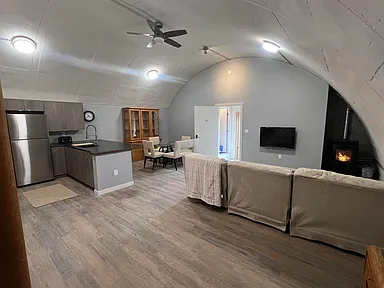
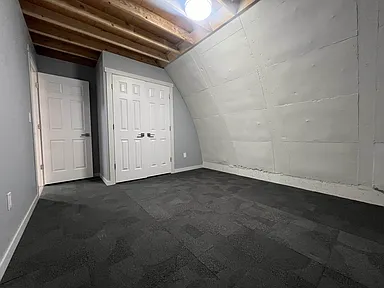
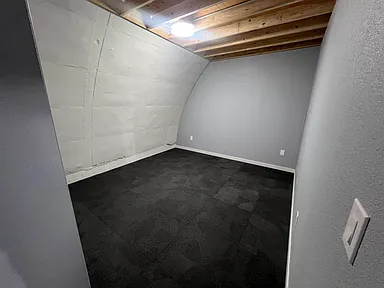
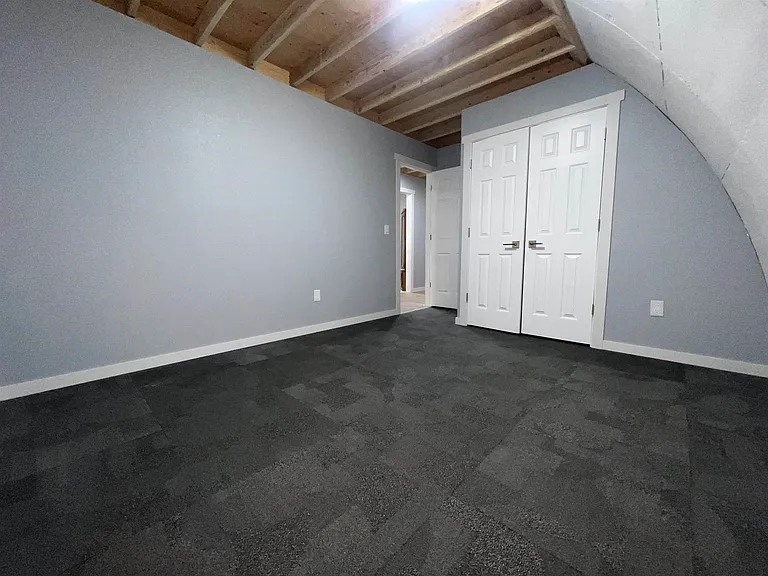
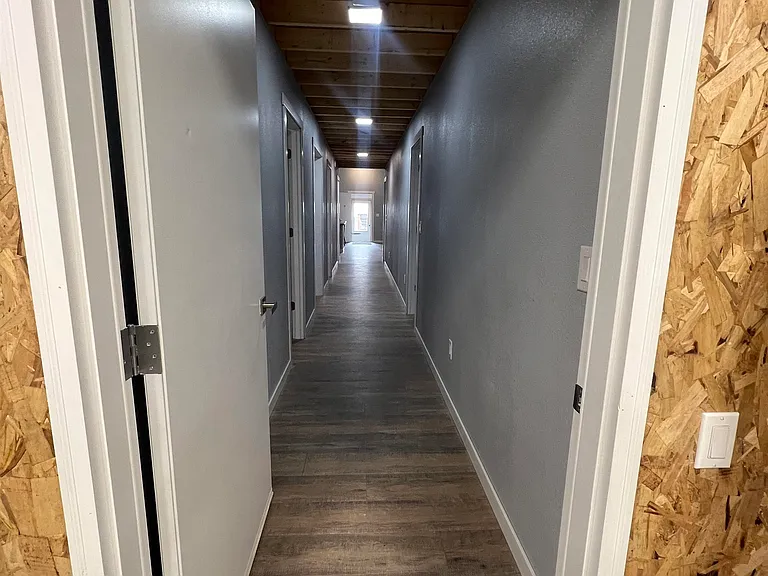
Inside, the property features spacious rooms, a functional kitchen, durable interior finishes, and practical areas designed to support everyday living. Whether you are searching for a permanent residence, a private countryside retreat, or an unusual real estate investment, this underground property provides an interesting opportunity to explore a different lifestyle.
As more prospective homeowners consider alternatives to conventional housing, properties like this one demonstrate how creativity and functionality can come together to create a truly memorable living experience.
A Rare Underground Home in the South Dakota Landscape
South Dakota is known for its expansive landscapes, natural beauty, wide-open spaces, and peaceful rural communities. For people who appreciate privacy and a slower pace of life, the state offers an appealing environment for exploring alternative housing opportunities.
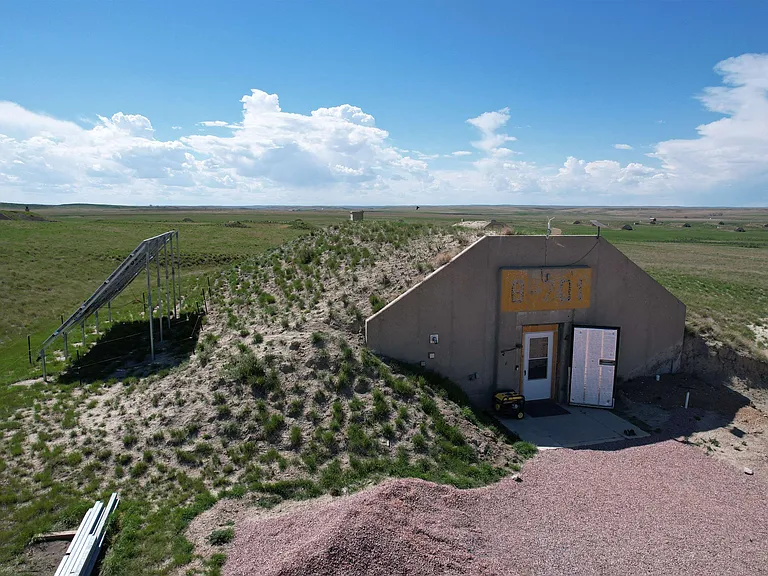
This underground home stands out because of its distinctive relationship with the surrounding landscape. Rather than dominating the scenery, its design allows the residence to blend more naturally into its environment.
The concept of underground living may initially seem unusual, but earth-sheltered homes have been used in different parts of the world for generations. Modern versions of these properties can incorporate comfortable interiors, practical utilities, and contemporary conveniences.
For buyers who prefer individuality over conventional architectural designs, an underground residence can provide a refreshing alternative.
The peaceful setting also offers the opportunity to enjoy everyday life away from crowded neighborhoods, heavy traffic, and the distractions often associated with urban living.
Comfortable Interior Spaces Designed for Everyday Living
One of the most interesting aspects of this underground home is its emphasis on practical interior living.
Although the exterior concept differs from that of a traditional house, the interior is designed to accommodate many of the familiar activities associated with everyday homeownership.
Spacious rooms provide flexibility for different household needs. Depending on the homeowner’s preferences, these areas could be arranged for relaxation, entertainment, family gatherings, remote work, or personal hobbies.
The ability to customize living spaces is particularly valuable for buyers who want a residence that reflects their individual lifestyle.
Instead of purchasing a property solely for its unusual architecture, prospective homeowners can consider how its interior layout might support their daily routines.
Comfortable furniture, warm lighting, thoughtfully selected decorations, and practical storage solutions could help transform the interior into a welcoming and personalized environment.
The underground setting may also appeal to individuals who appreciate a quieter atmosphere and a greater sense of separation from the outside world.
A Functional Kitchen With Practical Storage Solutions
The kitchen is one of the most important features of any home, and this underground residence includes a functional kitchen designed to support everyday meal preparation.
Ample storage space provides room for cookware, kitchen appliances, pantry items, and household supplies. A useful work area offers the practicality needed for preparing meals, organizing groceries, and maintaining a comfortable daily routine.
For individuals interested in independent living, a well-organized kitchen can be especially important.
Homeowners who enjoy cooking from scratch, preserving food, purchasing groceries in larger quantities, or preparing meals for family members may benefit from having sufficient storage and workspace.
Additional improvements could include energy-efficient appliances, modern cabinetry, updated countertops, or customized shelving, depending on the condition of the existing kitchen and the buyer’s budget.
A practical kitchen also contributes to the long-term usability of a property. While unique architecture may attract initial attention, functional spaces often play a greater role in determining how comfortably a homeowner can live in a residence over time.
Spacious Rooms With Flexible Uses
The spacious interior rooms create opportunities for different living arrangements and personal interests.
Families may appreciate the ability to establish separate areas for shared activities and individual relaxation. Buyers who work remotely could explore the possibility of creating a dedicated home office, while hobby enthusiasts might prefer a craft room, reading area, or personal workshop.
Other potential uses for suitable interior spaces include fitness equipment, entertainment systems, additional household storage, or guest accommodations.
The flexibility of these spaces is one of the property’s appealing characteristics.
Modern homebuyers increasingly value residences that can adapt to changing circumstances. A room originally used for storage might later become an office, while a recreational area could eventually serve another household purpose.
This adaptability can help homeowners make better use of their available space without immediately undertaking expensive additions or major construction projects.
However, any conversion involving sleeping areas should be evaluated against applicable ventilation, emergency exit, and residential safety requirements.
Durable Interior Finishes and Long-Term Maintenance
Durable interior finishes contribute to the practicality of this underground residence.
When purchasing real estate, buyers often focus on the initial purchase price while overlooking the ongoing expenses associated with maintaining a home.
Flooring, walls, fixtures, plumbing, electrical systems, and household equipment can all influence long-term ownership costs.
Materials that are relatively easy to clean and maintain may help simplify everyday household responsibilities.
For an underground home, durability is particularly important because earth-sheltered construction introduces maintenance considerations that may differ from those of conventional above-ground residences.
Waterproofing, drainage, ventilation, humidity management, and structural integrity deserve careful attention.
Prospective buyers should consider obtaining a professional home inspection from someone familiar with underground or earth-sheltered construction.
Understanding the property’s current condition before completing a purchase can help buyers establish a realistic maintenance budget and make informed decisions about future improvements.
A Practical Bathroom Designed for Everyday Convenience
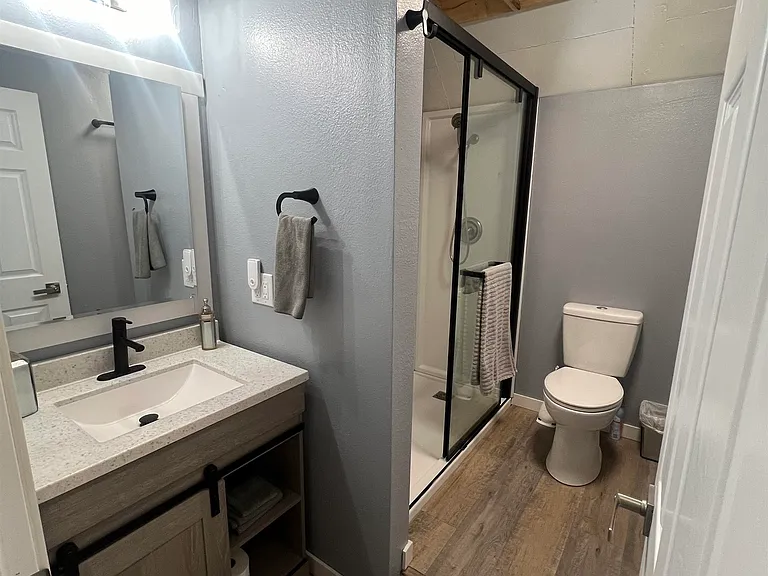
The property includes a bathroom designed with everyday comfort and convenience in mind.
A functional bathroom contributes significantly to the overall livability of a home, regardless of its architectural style.
Practical fixtures, accessible storage, appropriate lighting, and effective ventilation are important considerations for maintaining a clean and comfortable environment.
In underground residences, bathroom ventilation deserves particular attention because activities such as bathing and showering introduce moisture into interior spaces.
A properly functioning ventilation system can help manage humidity and reduce the likelihood of moisture-related problems.
Depending on the existing condition, future homeowners could explore improvements such as water-efficient fixtures, modern lighting, additional storage cabinets, or updated finishes.
These types of upgrades may improve convenience while allowing buyers to personalize the residence according to their preferences and financial resources.
Dedicated Laundry Space Adds Everyday Functionality
The inclusion of a laundry area provides another practical feature that supports everyday living.
Having a dedicated space for washing and drying clothing can improve household organization while reducing the need to travel to external laundry facilities.
This convenience may be especially appealing in a rural setting, where access to certain services can require additional driving.
A well-designed laundry area can also provide storage for cleaning supplies, linens, household tools, and other everyday necessities.
Buyers interested in reducing utility expenses could consider energy-efficient washing machines, suitable drying solutions, and water-saving appliances.
As with other areas of an underground home, moisture control and ventilation should remain important priorities.
The laundry room may not be the most visually impressive part of a property, but its contribution to everyday convenience can make a meaningful difference in the overall homeownership experience.
The Potential Energy Efficiency of Underground Homes
Energy efficiency is one of the most frequently discussed characteristics of earth-sheltered residential construction.
Traditional homes are directly exposed to outdoor temperature fluctuations. During hot summers and cold winters, heating and cooling systems may need to work harder to maintain comfortable indoor conditions.
Underground homes can benefit from the insulating properties and thermal stability of the surrounding earth.
Depending on construction quality, depth, insulation, local climate, ventilation, and building design, the surrounding soil may help moderate indoor temperature fluctuations.
This characteristic can potentially reduce heating and cooling demands compared with some conventional buildings.
However, energy savings are not guaranteed. Actual utility expenses depend on numerous factors, including the property’s condition, mechanical systems, insulation performance, household size, and individual energy consumption habits.
Prospective buyers should request available utility records and consider a professional residential energy assessment.
Understanding the home’s actual energy performance can help buyers evaluate its long-term affordability more accurately.
Potential Benefits of Earth-Sheltered Construction
Earth-sheltered homes may offer several potential advantages when properly designed and maintained:
-
Reduced exposure to rapid outdoor temperature fluctuations.
-
Potential improvements in heating and cooling efficiency.
-
Greater separation from certain external noises.
-
A distinctive architectural appearance.
-
Reduced visual impact on the surrounding landscape.
-
Opportunities for incorporating sustainable energy solutions.
Each benefit depends on the specific design and condition of the property.
Independent Energy Features and Sustainable Living
Another interesting characteristic of this South Dakota underground home is the presence of independent energy features.
These features may provide additional flexibility for homeowners interested in reducing their dependence on conventional utility arrangements.
Independent energy systems have become an important consideration for buyers exploring rural properties, alternative homes, and sustainable lifestyles.
Depending on the property’s existing infrastructure, homeowners may consider opportunities involving solar energy, battery storage, backup power equipment, or other appropriate energy solutions.
Solar panels, for example, can generate electricity from sunlight when installed in a suitable location. Battery storage systems may allow some of that electricity to be used later.
Backup power systems can also provide additional flexibility during certain utility interruptions.
Before investing in any additional equipment, buyers should evaluate the existing electrical infrastructure, energy requirements, installation costs, maintenance obligations, and compatibility of potential upgrades.
The precise equipment included with this property should be confirmed through the seller or listing representative.
Could This Property Support an Off-Grid Lifestyle?
For many people, the idea of off-grid living represents an opportunity to pursue greater independence, simplicity, and personal freedom.
Rural properties with unconventional architecture can be particularly attractive to individuals interested in exploring this lifestyle.
An underground home may offer a useful starting point for buyers who want to incorporate independent energy systems and practical resource management into their daily routines.
However, achieving a fully off-grid lifestyle requires more than simply purchasing a unique property.
Water availability, wastewater treatment, electricity generation, heating systems, internet access, emergency services, and year-round accessibility all need to be evaluated.
Homeowners may also need to consider applicable local regulations and permits.
Some buyers prefer a partially independent lifestyle while remaining connected to conventional utilities. Others may pursue a more comprehensive off-grid arrangement.
The appropriate approach depends on the property’s infrastructure, the homeowner’s financial resources, and their willingness to manage independent systems.
This underground residence offers an interesting setting in which to explore those possibilities, although its existing level of utility independence should be verified.
Privacy and Peaceful Rural Living
Privacy is an important consideration for many prospective homebuyers.
Living in a densely populated neighborhood can involve frequent traffic, nearby construction, limited outdoor space, and reduced separation between neighboring homes.
A peaceful rural property offers a different experience.
The underground design of this home creates a distinctive sense of seclusion, while its South Dakota setting contributes to the property’s appeal for people who appreciate quieter surroundings.
Homeowners may enjoy spending time outdoors, appreciating the natural environment, or simply relaxing in a setting that feels removed from busy commercial areas.
A rural lifestyle can also provide opportunities to develop hobbies that require additional space, subject to the property’s boundaries and local regulations.
Nevertheless, buyers should consider the balance between privacy and convenience.
Access to grocery stores, healthcare facilities, schools, employment opportunities, and emergency services can vary considerably depending on the property’s exact location.
Storage Space and Opportunities for Personal Projects
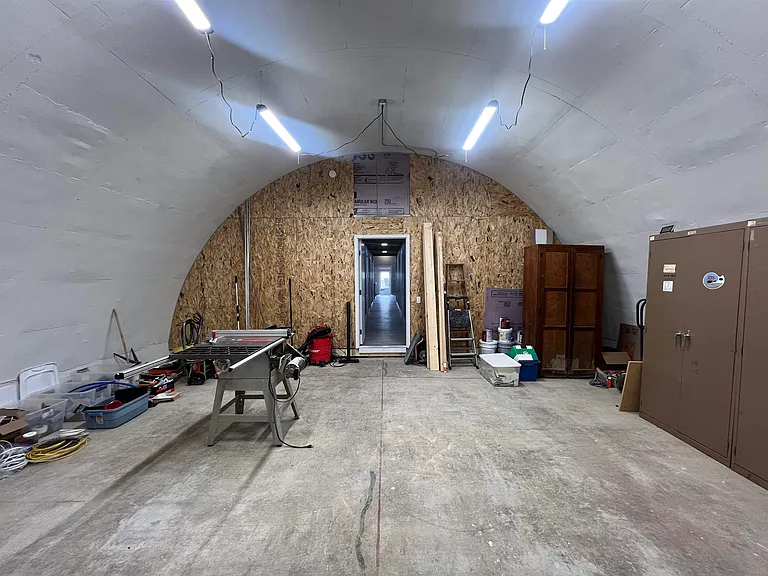
The property also offers useful space for storage, personal projects, and future customization.
Storage is an important feature that can sometimes be overlooked during the homebuying process.
Seasonal equipment, tools, household supplies, recreational gear, and personal belongings can quickly occupy available living areas if a property lacks adequate organization.
Dedicated storage spaces may help homeowners maintain a cleaner and more functional interior.
For individuals interested in DIY projects, additional usable space could potentially support furniture restoration, crafting, equipment maintenance, or other hobbies.
The unusual architectural design may also inspire homeowners to develop creative storage solutions that make better use of the available interior layout.
Any significant alterations should be carefully planned, especially when they involve structural elements, ventilation systems, electrical wiring, or moisture-sensitive areas.
Working with qualified professionals can help ensure that improvements remain safe and appropriate for the building’s construction.
Mortgage Financing for an Underground Home
Purchasing an underground home may involve different financing considerations compared with buying a conventional single-family residence.
Mortgage lenders typically evaluate both the financial qualifications of the borrower and the characteristics of the property being purchased.
Unconventional homes can present additional challenges because lenders may require comparable property sales, professional appraisals, structural assessments, and confirmation that the residence meets applicable lending requirements.
Buyers interested in this type of property may benefit from contacting several mortgage lenders before submitting an offer.
Local banks, credit unions, and lenders experienced in rural or unconventional real estate may be useful starting points.
Important Mortgage Considerations
Prospective homeowners should evaluate their available down payment, credit history, debt-to-income ratio, interest rate options, closing costs, and anticipated monthly mortgage payments.
The property’s appraisal will also play an important role in determining how much a lender may be willing to finance.
Because underground homes are relatively uncommon, establishing an accurate market value can require additional research.
Obtaining mortgage preapproval and discussing the property’s construction type early in the process may help identify potential financing obstacles before they become more complicated.
Homeowners Insurance for Underground Properties
Homeowners insurance is another essential financial consideration when purchasing unconventional real estate.
A standard insurance policy may not automatically address every risk associated with underground or earth-sheltered construction.
Insurers may evaluate structural materials, waterproofing systems, electrical infrastructure, heating equipment, property accessibility, and other characteristics when determining coverage eligibility.
Buyers should consider requesting insurance quotes before completing the purchase.
It is particularly important to understand how a potential policy addresses water damage, flooding, foundation-related issues, personal property, and liability coverage.
Certain types of damage may require separate coverage or may be excluded under a standard homeowners insurance policy.
If the property includes alternative energy equipment, buyers should also ask whether those systems are covered and whether any additional endorsements are necessary.
Comparing insurance providers can help prospective homeowners understand the potential costs and limitations associated with protecting an unconventional residence.
Is an Underground Home a Good Real Estate Investment?
From a real estate investment perspective, an underground home offers both distinctive opportunities and important considerations.
Its unusual architecture may attract buyers who are specifically interested in sustainable homes, independent living, rural retreats, or unconventional residential properties.
This uniqueness could help the property stand out in a crowded real estate market.
However, unconventional construction can also narrow the pool of prospective buyers.
Some individuals may prefer traditional architectural designs, while others may have concerns about financing, natural lighting, maintenance, or resale potential.
An investor should evaluate the property based on realistic financial assumptions rather than relying solely on its distinctive appearance.
Purchase price, property taxes, insurance premiums, maintenance expenses, renovation costs, financing terms, and future resale possibilities should all be considered.
If the owner intends to use the residence as a rental property, local rental regulations, insurance requirements, market demand, and operating expenses would also need to be investigated.
There is no guarantee that an unusual property will appreciate faster than a conventional home.
Potential as a Unique Vacation Retreat
An underground home surrounded by a peaceful landscape may also appeal to individuals looking for a distinctive vacation retreat.
Traditional vacation homes often emphasize scenic surroundings, comfortable living arrangements, and opportunities to escape everyday responsibilities.
This property offers an additional architectural feature that could make spending time there particularly memorable.
Owners could potentially use the residence for weekend trips, extended holidays, creative projects, or personal relaxation.
For those who already live in a busy urban environment, having access to a quieter property may provide a welcome change of pace.
Some buyers may also explore the possibility of short-term vacation rentals.
Unusual properties can attract travelers who enjoy distinctive accommodation experiences, but rental income should never be assumed without proper market research.
Local zoning requirements, occupancy regulations, emergency exits, guest safety, cleaning expenses, and appropriate insurance coverage would need to be addressed before offering the property to paying guests.
Underground Living During South Dakota Winters
South Dakota can experience challenging winter weather, making residential comfort and energy performance important considerations.
Earth-sheltered homes may benefit from the thermal stability of surrounding soil, which can help moderate temperature changes inside a properly constructed building.
Nevertheless, an underground residence still requires appropriate insulation, reliable heating, effective ventilation, and properly maintained utility systems.
Prospective buyers should evaluate how the property performs during extended periods of cold weather.
Heating equipment, water lines, entrances, drainage systems, and access roads should receive particular attention.
Rural homeowners may also need to prepare for snow removal, temporary power interruptions, and changing road conditions.
Requesting information about previous winter utility expenses and maintenance requirements can provide valuable insight into the property’s year-round practicality.
A well-prepared homeowner can make more informed decisions about backup equipment, emergency supplies, and seasonal maintenance.
Important Considerations Before Buying an Underground Home
Although underground properties offer an appealing alternative to traditional residential construction, prospective buyers should approach the purchase with careful preparation.
A comprehensive home inspection is especially important.
Qualified professionals should assess the building’s structural integrity, waterproofing, drainage systems, ventilation equipment, electrical wiring, plumbing, and heating infrastructure.
Indoor air quality should also be evaluated. Radon testing is an important consideration for homes in contact with the ground, including underground residences.
Buyers should confirm the property’s legal boundaries, access rights, zoning classification, building permits, and utility arrangements.
Natural lighting and emergency escape routes deserve attention as well.
These factors can influence everyday comfort, safety, financing eligibility, insurance availability, and future resale value.
Taking the time to understand these details before purchasing can help reduce unexpected expenses and provide greater confidence in the homeownership decision.
Opportunities for Future Renovations and Modern Upgrades
One of the appealing aspects of purchasing an unconventional residence is the opportunity to personalize it.
Future homeowners may choose to update interior finishes, improve lighting, install energy-efficient appliances, or develop more functional storage arrangements.
Modern LED lighting could help create a brighter interior atmosphere while potentially reducing electricity consumption.
Thoughtfully selected furniture, lighter wall colors, and practical decorative elements may also contribute to a comfortable living environment.
Other potential improvements could involve ventilation upgrades, humidity monitoring equipment, modern heating systems, or independent energy technology.
The appropriate renovation strategy will depend on the property’s existing condition and the owner’s financial priorities.
Structural changes to an underground home should always be evaluated by appropriately qualified professionals.
A carefully planned renovation budget can help homeowners prioritize essential improvements before investing in optional cosmetic upgrades.
Who Might Enjoy Living in This Underground Home?
This property may appeal to a wide range of buyers who appreciate distinctive residential architecture.
Individuals interested in sustainable living may be drawn to the potential energy advantages associated with earth-sheltered construction.
Remote workers may appreciate the possibility of establishing a quiet home office, provided that reliable internet access is available.
Outdoor enthusiasts may enjoy the peaceful setting, while hobbyists could appreciate the flexibility of the property’s interior spaces.
Buyers searching for a private retreat may also find the underground design particularly interesting.
The home could appeal to people who prefer individuality and practical functionality over conventional architectural expectations.
Ultimately, the suitability of the property will depend on the buyer’s lifestyle, financial circumstances, location preferences, and comfort with the responsibilities associated with maintaining an unconventional residence.
Frequently Asked Questions About Underground Homes
Are underground homes cheaper to heat and cool?
Earth-sheltered homes can potentially reduce heating and cooling demands because the surrounding soil helps moderate temperature fluctuations. However, actual savings depend on insulation, construction quality, mechanical equipment, climate, and household energy consumption.
Can you get a mortgage for an underground house?
Mortgage financing may be available for underground homes, although unconventional construction can create additional appraisal and underwriting requirements. Buyers should consult lenders experienced with unique residential properties.
Do underground homes require special insurance?
Insurance requirements vary depending on the property and provider. Buyers should discuss waterproofing, structural construction, water damage, alternative energy equipment, and applicable exclusions with prospective insurers.
Can an underground home be used as a permanent residence?
Yes, an underground home can serve as a permanent residence when it meets applicable residential building, occupancy, ventilation, and safety requirements.
Are underground homes completely off-grid?
Not necessarily. Some underground homes use conventional utilities, while others incorporate independent energy and water systems. The level of independence depends on the individual property’s infrastructure.
Do underground homes require special maintenance?
Underground homes may require particular attention to waterproofing, drainage, ventilation, humidity, and structural conditions. Regular professional inspections can help identify developing maintenance issues.
Can underground homes increase in value?
Like other real estate, underground homes may increase or decrease in value depending on market conditions, location, property condition, buyer demand, and financing availability.
Final Thoughts: An Extraordinary Alternative to Traditional Homeownership
This unique underground home in South Dakota represents an interesting opportunity for buyers who want something different from a conventional residential property.
Its spacious interior rooms, functional kitchen, durable finishes, practical bathroom, laundry area, independent energy features, and peaceful setting combine to create a distinctive living environment.
The property may appeal to individuals interested in rural homeownership, sustainable living, greater privacy, or unconventional real estate opportunities.
While underground construction can offer potential advantages, buyers should carefully evaluate financing options, insurance coverage, maintenance requirements, structural conditions, and actual energy performance.
With appropriate planning and thoughtful improvements, an underground residence can offer a comfortable and personalized approach to everyday living.
For those who appreciate unusual architecture and the tranquility of the South Dakota landscape, this property stands out as a fascinating alternative to traditional homeownership.
The opportunity to live beneath the landscape, rather than simply upon it, makes this residence a particularly memorable example of creative residential design.
Would you consider living in an underground home like this, or would you prefer a traditional house?
SEO Settings for WordPress
SEO Title: Unique Underground Home in South Dakota With Independent Energy Features
Alternative Title: Hidden Beneath South Dakota: An Underground Home Unlike Any Other
Focus Keyphrase: Underground Home in South Dakota
URL Slug: unique-underground-home-south-dakota
Meta Description: Discover a unique underground home in South Dakota featuring spacious interiors, independent energy features, practical living spaces, and peaceful surroundings.
Category: Real Estate
Tags: Underground Homes, South Dakota Real Estate, Off-Grid Living, Sustainable Living, Energy Efficient Homes, Rural Properties, Mortgage Financing, Homeowners Insurance, Real Estate Investment, Affordable Housing, Earth Sheltered Homes.
Watch Via Zillow