Affordable Homes
Secluded Riverfront Retreat in Manistique, Michigan
Secluded Riverfront Retreat in Manistique, Michigan

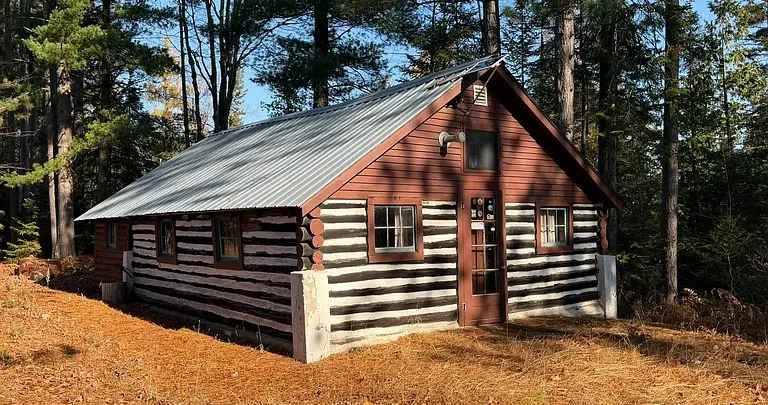
Secluded Riverfront Property in Manistique, Michigan, Features Wooded Land and a Rustic Cabin to Restore
A quiet setting, a stretch of river frontage, and a rustic cabin can offer the beginnings of a deeply personal retreat. This property in the Manistique area of Michigan’s Upper Peninsula brings those elements together, presenting an opportunity for someone who values natural surroundings and is willing to undertake a restoration project.
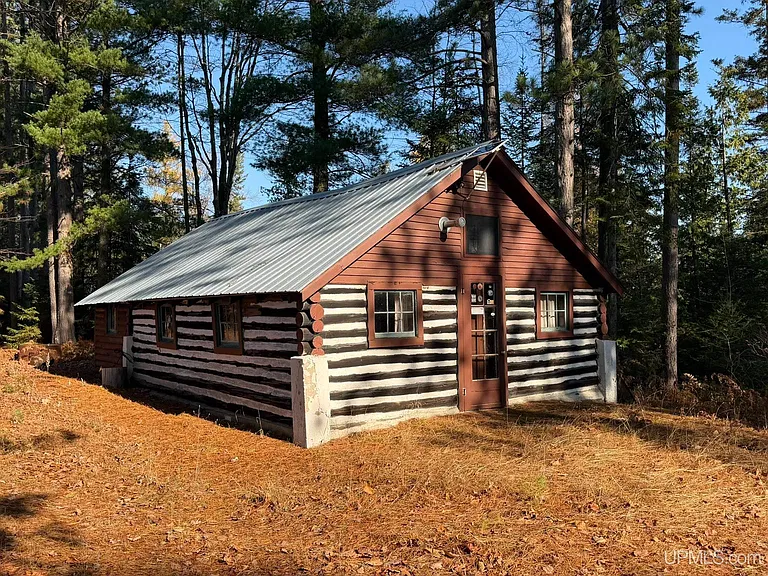
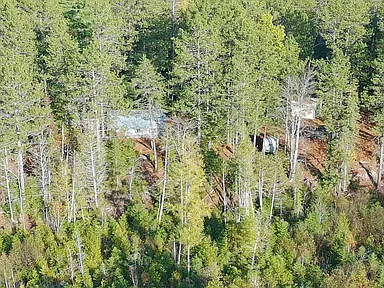
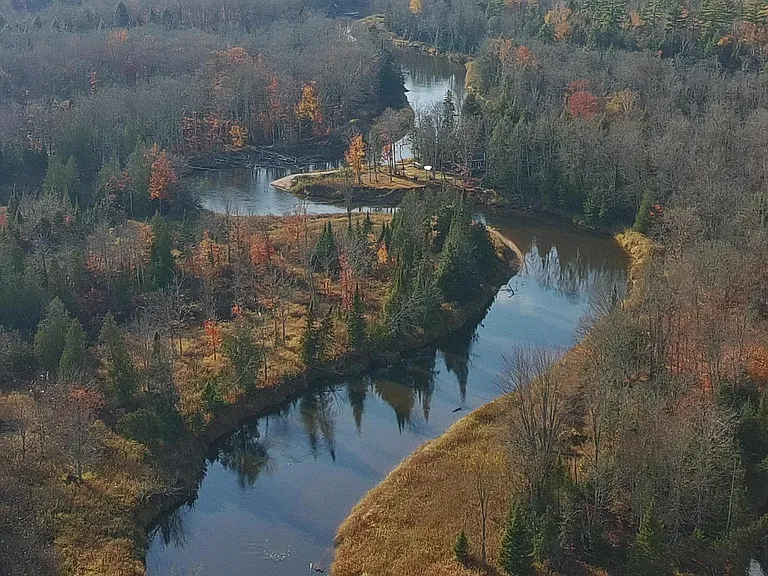
According to the supplied description, the property includes wooded land, open spaces, frontage along the Manistique River, and an existing cabin that needs restoration. Nearby state forest land adds another point of interest, although its exact relationship to the parcel should be verified.
The attraction lies in the combination of landscape and possibility. The cabin provides an existing structure to assess, while the surrounding land creates a setting for outdoor time and a quieter routine.
For a prospective buyer, the next step would be understanding how that appealing description translates into actual conditions, boundaries, access, and achievable plans.
A Natural Setting at the Heart of the Property
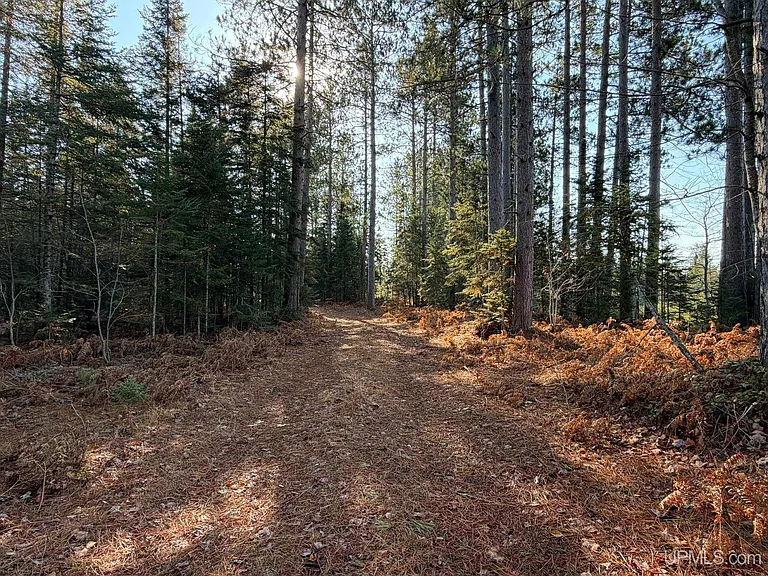
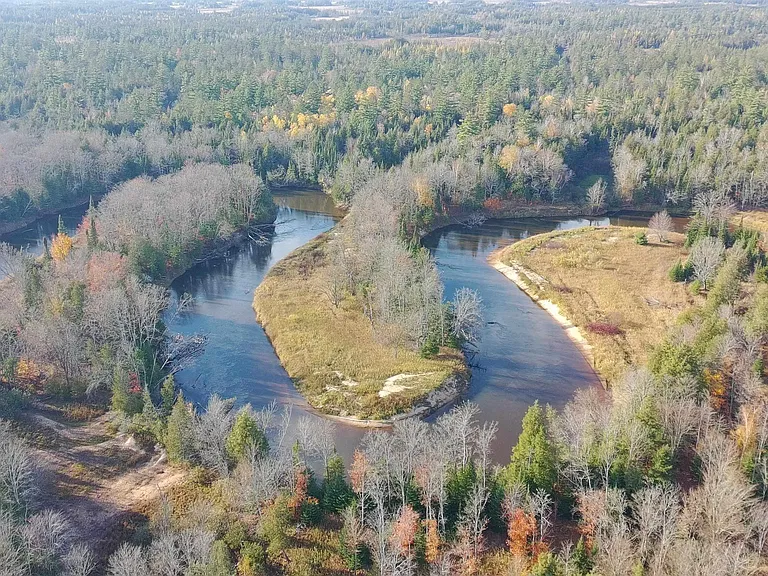
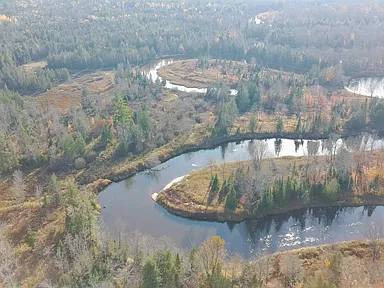
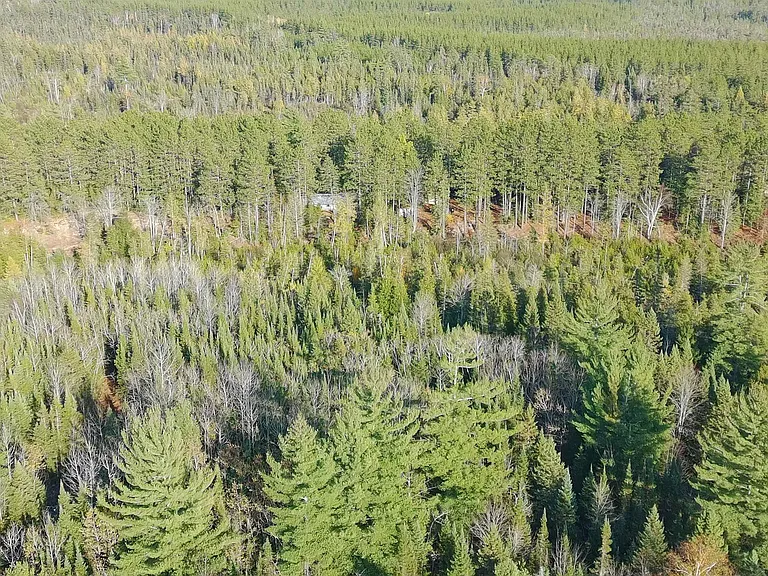
The land is central to this property’s identity. Forested areas and open spaces create a varied setting around the cabin, with the river adding another dimension to the landscape.
Different parts of the parcel may offer different experiences. A clearing could provide a place to sit outside, while wooded sections might offer shade and a stronger sense of enclosure.
The supplied material emphasizes privacy and separation from everyday activity. Those qualities can be important to someone searching for a retreat, but they are best evaluated in person.
Walking the property would help a buyer understand nearby surroundings, terrain, and the relationship between the cabin and the rest of the land. It would also provide a clearer impression of the atmosphere than photographs or general descriptions alone.
Manistique River Frontage Gives the Land Its Character
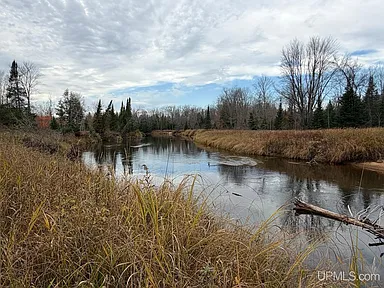
Frontage along the Manistique River is one of the property’s defining features. Moving water can become a focal point for a landscape, providing changing views and a natural place to pause.
For an owner who enjoys spending time outdoors, the river may shape how the property is used. A suitable sitting area could offer a place to read, observe the surroundings, or simply enjoy the outlook.
The exact shoreline arrangement should be established before planning improvements. Buyers need to understand where the property boundaries fall, how the riverbank can be accessed, and what restrictions may apply.
The supplied description does not identify the length of frontage or the condition of the bank. A survey and an on-site assessment would help clarify those details and establish how the waterfront relates to the usable portions of the parcel.
A Rustic Cabin With an Individual Identity
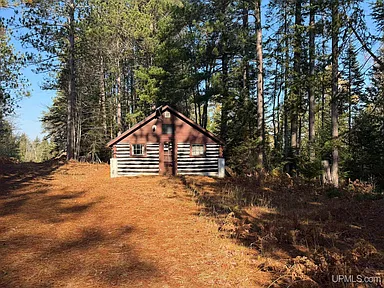
The existing cabin gives the property a starting point beyond the land itself. Its rustic style is described as fitting the wooded surroundings and contributing to the retreat-like atmosphere.
For someone drawn to simple architecture, that character may be part of the appeal. A modest cabin can encourage a focused approach to design, where useful spaces and comfortable furnishings matter more than elaborate additions.
However, the material does not provide room counts, floor area, construction details, or an assessment of habitability. Buyers should therefore avoid assuming that the structure is ready for overnight stays.
Its immediate value to a restoration plan depends on what survives and what condition it is in. A careful inspection would help establish whether the cabin can be repaired as envisioned and what work should take priority.
Understanding the Restoration Opportunity
The cabin is specifically described as needing restoration. This makes the property a project rather than a conventional finished getaway.
A successful plan would begin with an assessment of the structure, including its foundation or supports, framing, roof, exterior surfaces, and openings. Any evidence of moisture, deterioration, or previous alterations should be investigated.
The findings would help define the scope of work. Some features may be suitable for repair, while others could require replacement or more detailed evaluation.
Starting with condition allows a buyer to develop a practical sequence. Protecting the structure and addressing essential defects would generally inform later decisions about interior finishes and furniture. That approach gives the future design a stronger foundation and reduces the risk of completing cosmetic work before underlying problems are resolved.
Preserving the Cabin’s Rustic Appeal
Restoration offers an opportunity to retain the qualities that make the cabin feel connected to its setting. Its proportions, surviving materials, and simple character could guide future choices.
Before removing or replacing features, it would be useful to document the existing building. Photographs and measurements could help identify what is worth preserving and provide a reference during construction.
A comfortable result does not necessarily require an elaborate interior. Appropriately scaled furniture, practical lighting, and well-organized storage may support the cabin’s atmosphere without overwhelming it.
The final choices should also reflect the intended use. An occasional retreat and a regularly occupied residence have different demands. Preserving character works best when it is coordinated with the comfort, services, and maintenance needs of the people who will use the building.
Wooded Areas and Open Spaces to Explore
The mix of woods and clearings gives the property more variety than a single uninterrupted landscape. These areas may support different activities, depending on their size, condition, and accessibility.
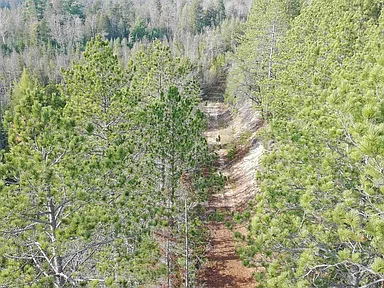
A future owner might identify suitable places for walking, sitting outdoors, or observing the river and trees. Existing routes through the land should be assessed before assuming that maintained trails are present.
Any new paths should be planned with attention to terrain, drainage, and property boundaries. Keeping improvements modest may help preserve the atmosphere that makes the setting attractive.
An early visit with a parcel map would be useful. It could help connect visible landmarks with legal boundaries and reveal which portions of the land are convenient to reach from the cabin.
Opportunities for Quiet Outdoor Enjoyment
The supplied description highlights fishing, paddling, walking, and wildlife watching as potential attractions. Their suitability depends on site conditions, legal access, and applicable rules.
For some buyers, the simplest activities may be the most rewarding. A short walk, time beside the river, or a quiet afternoon outside can become central parts of a visit without requiring extensive facilities.
Those routines can also influence restoration priorities. An owner focused on outdoor enjoyment may prefer practical storage, easy-to-maintain finishes, and a comfortable place to return after spending time outside.
Before relying on any specific recreational use, a buyer should investigate what the property actually supports. River conditions, bank access, and neighboring ownership may affect how an activity can be enjoyed responsibly.
A Landscape That Changes Through the Seasons
A wooded riverfront property can present different conditions and experiences throughout the year. Changing vegetation, weather, and daylight may alter both its appearance and its practical demands.
Someone considering a seasonal retreat should think about when they expect to visit. The services and preparation needed for occasional warm-weather stays may differ from those required for colder periods.
Access routes, drainage, vegetation management, and the cabin’s weather protection all deserve attention. If water systems are present, their maintenance needs should also be understood.
Visiting during more than one season, where practical, could provide valuable context. It would help a buyer assess how the property fits their plans beyond the conditions seen during an initial viewing.
Nearby State Forest Land Adds Context
The supplied material refers to state forest land near the property and also describes it as bordering the parcel. That distinction should be clarified through reliable maps and ownership records.
Nearby public land may be relevant to someone interested in outdoor recreation. However, proximity does not establish direct access, private rights, or a guarantee that surrounding land will remain unchanged.
A buyer should confirm where public boundaries lie and which routes are available. Rules for particular activities must be reviewed separately.
Understanding the relationship between the private parcel and nearby public land would help create realistic expectations. It would also prevent plans from depending on access or uses that have not been established.
Planning for Occasional Visits or Longer Stays
The property may appeal to someone seeking a weekend escape, a seasonal base, or another form of private retreat. Each possibility should be evaluated against the cabin’s condition and approved use.
For occasional visits, practical questions include how the building will be checked between stays, who will maintain the grounds, and how essential services will be managed.
Longer stays introduce additional needs. Water, sanitation, heating, power, storage, and communication services become particularly important when a cabin is used more regularly.
The supplied description does not confirm these facilities. A buyer should establish what exists before deciding how the property will be occupied. A clear statement of intended use would help professionals assess whether the structure and site can support it.
Access and Utilities Need Clear Answers
Legal and physical access are essential considerations for any rural property. Buyers should confirm how the parcel is reached and whether the route is supported by recorded rights where necessary.
Road condition and maintenance responsibilities also matter. They can influence everyday use as well as the ability to bring contractors and materials to the cabin.
Utility details are not established in the supplied material. The presence and condition of electricity, water, wastewater facilities, and communication services should all be investigated.
These findings may have a significant effect on the restoration budget. Understanding services early would help a future owner choose an achievable scope and avoid designing a project around connections that are unavailable or more complicated than expected.
Waterfront Conditions and Site Planning
The riverfront setting deserves its own assessment alongside the cabin inspection. Shoreline condition, drainage, seasonal water levels, and available flood information may influence how the property is maintained and improved.
A buyer should identify whether any part of the cabin, access route, or proposed outdoor area is affected by these conditions. Relevant records and professional advice can help establish the appropriate questions.
Plans for decks, shoreline paths, or other improvements should follow confirmation of applicable requirements. The existence of river frontage does not automatically permit changes at the water’s edge.
A site plan that respects actual conditions could help preserve the landscape while supporting practical use. It would also provide a clearer basis for coordinating building work with outdoor improvements.
Creating a Realistic Project Budget
The total commitment involves more than acquiring the land and cabin. Inspections, surveys, professional advice, repairs, services, and ongoing maintenance should all be considered.
A useful budget would separate essential work from optional improvements. This allows a buyer to understand what is necessary before the cabin can support its intended use and what could be completed later.
Contractor availability and the logistics of reaching the site may also influence estimates. Written scopes would help ensure that quotations address comparable work.
The supplied material does not include an asking price or verified renovation costs. It therefore does not establish affordability, investment performance, or future resale value. Those questions require current information specific to the property and the buyer’s plans.
A Retreat Shaped by the Land and Its Next Owner
This Manistique-area property brings together wooded surroundings, open space, Manistique River frontage, and a rustic cabin awaiting restoration. Its appeal comes from the relationship between those features rather than from a finished collection of residential amenities.
For someone seeking a hands-on project in a natural setting, the opportunity is worth exploring carefully. The most useful starting points are a confirmed survey, a thorough building assessment, and clear information about access, services, and permitted use.
From there, a personal vision can develop around what the property genuinely offers. A modest restoration and thoughtful outdoor planning could allow the landscape to remain central to the experience.
The result would depend on informed decisions and appropriate care: a cabin and parcel shaped to support the owner’s needs while retaining the quiet, rustic character described in the original material.
Disclaimer
This article is provided for entertainment and informational purposes only. We do not sell, list, broker, or participate in real estate transactions. Property descriptions are based on supplied material, and availability, condition, boundaries, access, and permitted uses should be independently verified. Purchase and renovation decisions should be made with assistance from appropriately qualified professionals.