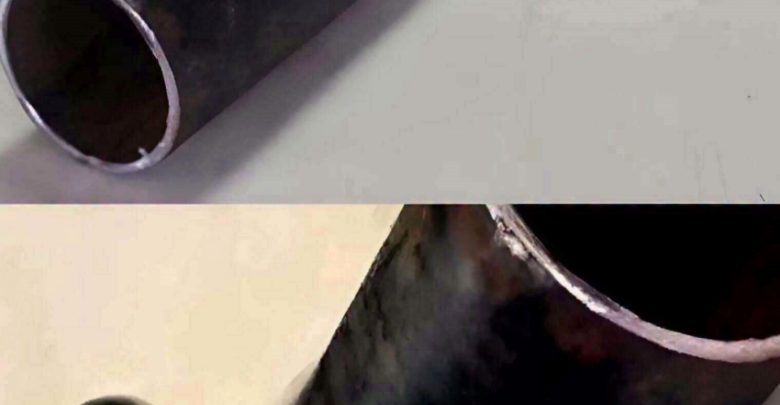
If you have ever cleared out an overgrown garden shed or scrolled past mystery antiques on social media, you have likely spotted it. A thick, dark steel tube with rough weld seams, two sturdy tubular loops running down the flanks, and a closed, heavily weighted cap. At first glance, it looks like an unexploded artillery casing, a piece of industrial plumbing, or some medieval siege weapon unearthed from the clay.
The truth is far friendlier, wonderfully practical, and downright clever. That strange chunk of steel with two welded handles is none other than a manual post driver—and once you discover what it does, your backyard building projects will never be the same. It takes the sweat, cursing, and bruised knuckles out of one of gardening’s most dreaded chores.
For generations, farmers, orchardists, and weekend homesteaders have leaned on this unpretentious heavyweight to set wire fences, anchor berry trellises, and secure raised beds. While gas augers and hydraulic tractor attachments make plenty of noise, this simple steel tube remains the quickest, safest way to sink metal stakes deep into unyielding dirt.
What Is That Mysterious Steel Cylinder? Unpacking the Manual Post Driver
At its core, a manual post driver—often called a fence post pounder, T-post rammer, or star picket driver—is an enclosed kinetic hammer. The tool consists of a hollow steel pipe capped at one end with a solid plug of lead or solid steel. Two rounded handles run parallel along the outside, offering a wide, balanced grip for both hands.
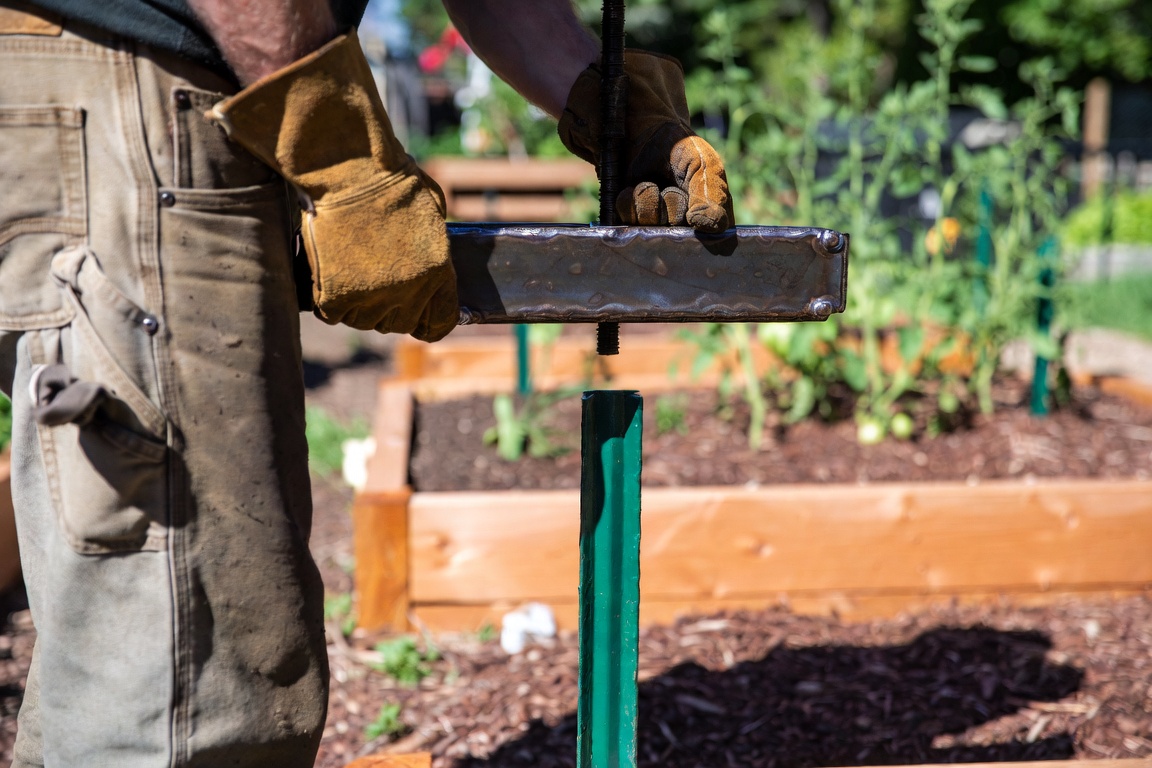
The mechanical genius is in its simplicity. Instead of swinging an external weight through the air toward a tiny target, you slide this heavy tube directly over the top of a metal stake. The pipe diameter gives just enough clearance to glide up and down while keeping the striking weight contained directly above the post crown.
Standard residential drivers weigh between 15 and 25 pounds, though heavy ranch models can push past 35 pounds. When you lift the handles and let the cylinder drop, that solid internal plug slams down onto the post head with tremendous force. The energy drives the metal straight down into the soil without glancing sideways or mushrooming the post tip.
Post Driver vs. Sledgehammer: Why Your Shoulders Will Thank You
Anyone who has attempted to sink a seven-foot metal T-post with an ordinary sledgehammer remembers the experience with dread. You generally start by balancing on an overturned bucket or a shaky stepladder just to get your arms above the top of the stake. Then, with tired forearms and uncertain balance, you swing a heavy iron mallet through the air and pray your aim holds true.
One small slip and the sledgehammer face glances off the metal post edge. Sparks fly, the post twists into a useless zigzag, and shock waves shoot through your elbows all the way up to your neck. In the worst moments, a missed blow can damage your shins or send you tumbling off your perch into the briars.
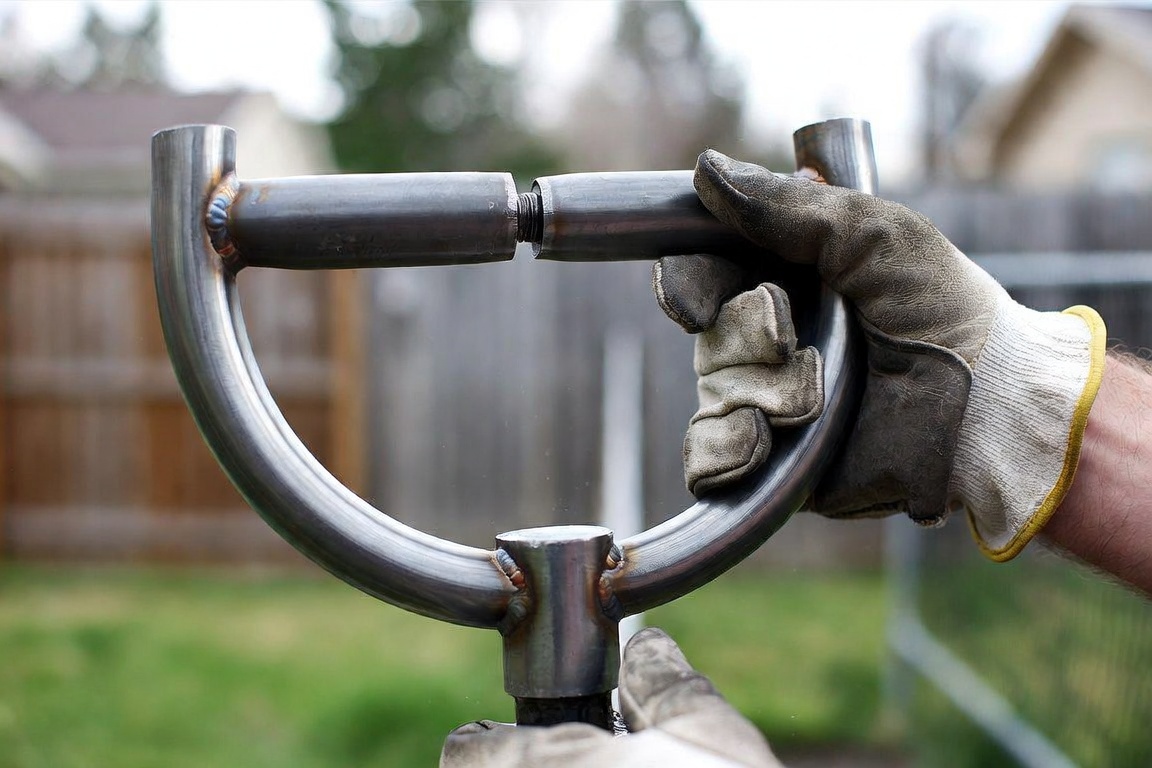
Balanced side handles allow you to control the downward stroke, letting pure gravity do the heavy work.
A post driver erases that entire headache. Because the hollow sleeve wraps entirely around the stake, you never have to guess where the blow will land. The post acts as its own internal guide rail, keeping the weight safely centered through every inch of travel.
You stand firmly on the ground with your feet planted shoulder-width apart. Your spine stays straight, your core stays engaged, and you control the pace with smooth, rhythmic vertical drops rather than exhausting, wild overhead swings.
How to Use a Manual Post Driver: The Pain-Free Technique
Working with a post rammer is an exercise in momentum rather than brute strength. If you try to power every downward stroke with your biceps, you will exhaust yourself after three posts and wake up with aching shoulders. The trick is letting the weight of the steel do the heavy lifting for you.
Before you begin driving stakes, walk your fence line and inspect the ground. Sun-baked summer clay can feel like solid granite underfoot. Soaking your stake locations with a garden hose the evening before softens the crust, making your work significantly smoother. For rocky patches, tapping a length of steel rebar into the ground first creates an easy pilot path.
Follow these practical steps to sink posts cleanly and protect your body:
- Gear up for the work: Wear thick leather work gloves to dampen vibration, put on wrap-around safety glasses, and wear earplugs to muffle that sharp metallic clang that rings with every strike.
- Set your post plumb: Push the bottom spade of the metal post into the turf with your work boot. Hold a magnetic pocket level against the spine to make sure it stands straight before you begin pounding.
- Slide the driver into place: Lift the open end of the cylinder over the top of the post and slide it down until the internal plug rests on the steel post cap.
- Find an easy rhythm: Grip both handles, soften your knees, lift the driver roughly twelve to sixteen inches, and let it fall. Never lift the driver so high that the open bottom clears the top of the post, or you risk bringing the heavy steel down onto your own head.
- Check your depth as you go: Pause every four or five strokes to confirm the stake is still plumb and check whether the anchor plate is seated firmly beneath the sod line.
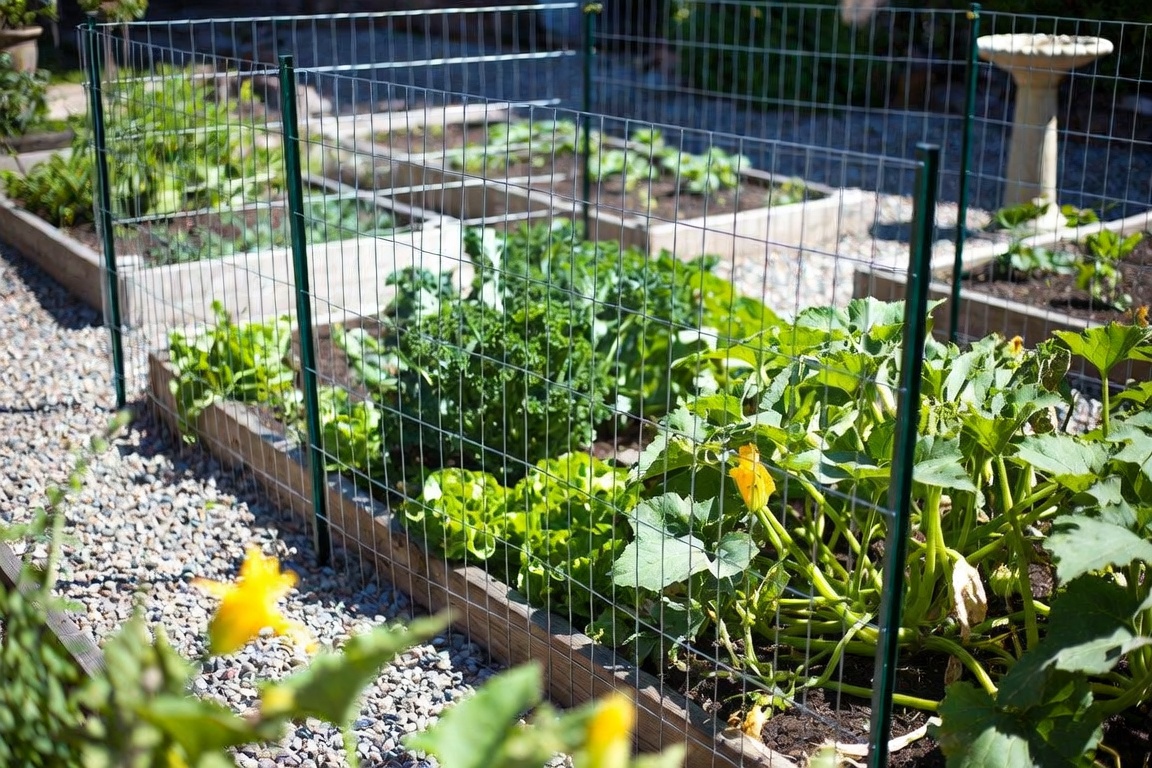
A sturdy fence driven firmly into the earth creates a dependable barrier against hungry neighborhood rabbits and deer.
Practical Backyard Uses for Modern Gardeners and DIYers
You do not need a sprawling horse farm to make good use of this rugged tool. Modern backyards and modest suburban gardens present dozens of weekend projects where a post pounder saves hours of labor. Setting a simple garden perimeter is one of the most rewarding examples.
When hungry rabbits or wandering deer start nibbling your heirloom tomatoes, sugar snap peas, and berry bushes, a quick mesh fence is your best defense. With a driver on hand, you can sink a dozen green metal posts around your vegetable beds in less than an hour, creating a rock-solid frame that stays taut season after season.
These drivers also make quick work of heavy plant supports. Indeterminate tomato vines, sprawling blackberries, and espalier fruit trees quickly bend flimsy wooden garden stakes once midsummer fruit sets in. Driving five-foot steel posts deep into the ground provides an unyielding trellis skeleton that shrugs off heavy summer thunderstorms and high winds.
You can also use this tool to secure temporary chicken wire runs, anchor young fruit trees against winter gales, or mark property corners with clean metal boundaries. It turns what used to be a long afternoon of digging post holes and swinging mallets into a straightforward morning project you can finish before lunch.
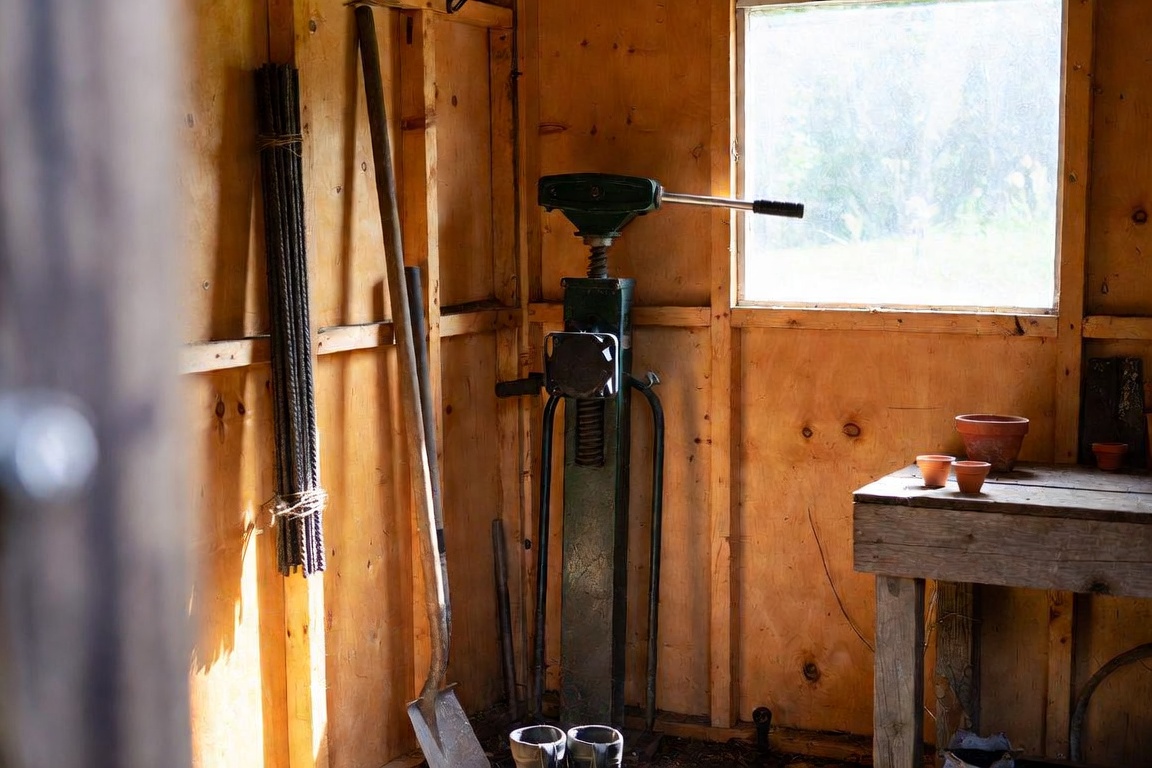
Storing your heavy steel driver clean and lightly oiled keeps it ready for every seasonal backyard project.
Cleaning, Maintenance, and Safe Storage in Your Tool Shed
One of the finest qualities of heavy steel equipment is its resilience. Unlike cordless power tools with batteries that degrade or gas augers with carburetors that clog, a post pounder has no cords, no fragile switches, and no moving parts to service. Give it a tiny bit of care and it will serve your family for decades.
Whenever you wrap up a project, grab a coarse dry rag and wipe away any damp garden soil, clay crumbs, and grit from the inside and outside of the barrel. Steel can develop surface rust when stored damp in a dark shed. Wiping the metal down with a rag treated with a splash of mineral oil creates a water-resistant film that preserves the welds.
Store the driver standing upright in a dedicated corner or flat on a low storage shelf. Because most of the mass sits in the capped head, leaning it loosely against a cluttered workbench makes it prone to tipping over onto unsuspecting boots. Keep it tucked safely on a rubber mat where it stays clean, dry, and ready for your next outdoor build.
The next time you spot an unusual, weathered steel cylinder leaning quietly against a barn wall, you will know exactly what you are looking at. That dependable manual post driver is a reminder that straightforward physics, honest materials, and steady hands are still the best way to get things done around the yard.