Affordable Homes
Secluded Creekside Retreat in Hohenwald, Tennessee
Secluded Creekside Retreat in Hohenwald, Tennessee

Rustic Cabin Retreat With a Year-Round Stream Near Hohenwald, Tennessee
A woodland retreat offers a different kind of appeal from a conventional residential property. Instead of beginning with room counts and finishes, the experience starts with the setting: trees around a cabin, changing ground beneath your feet, and the sound of water moving through the landscape.
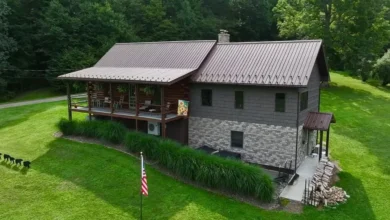
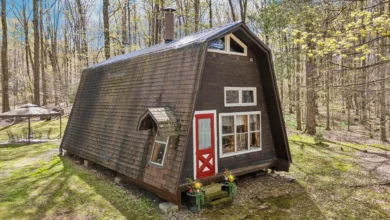
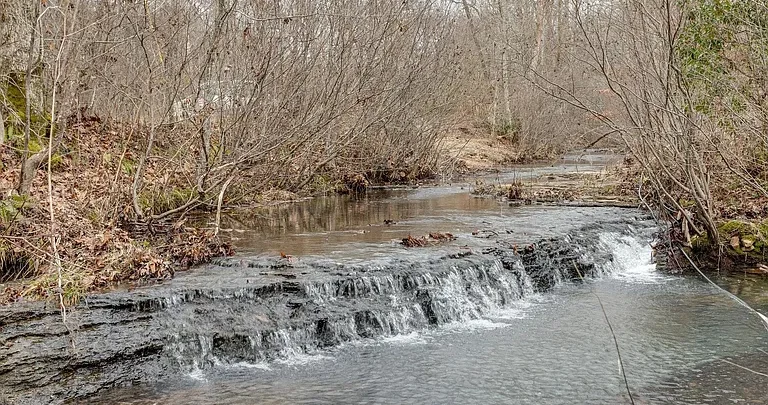
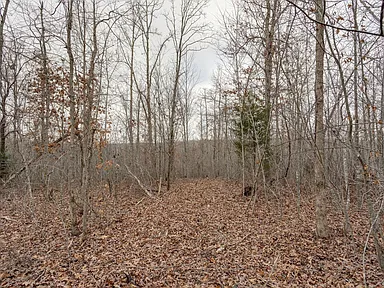
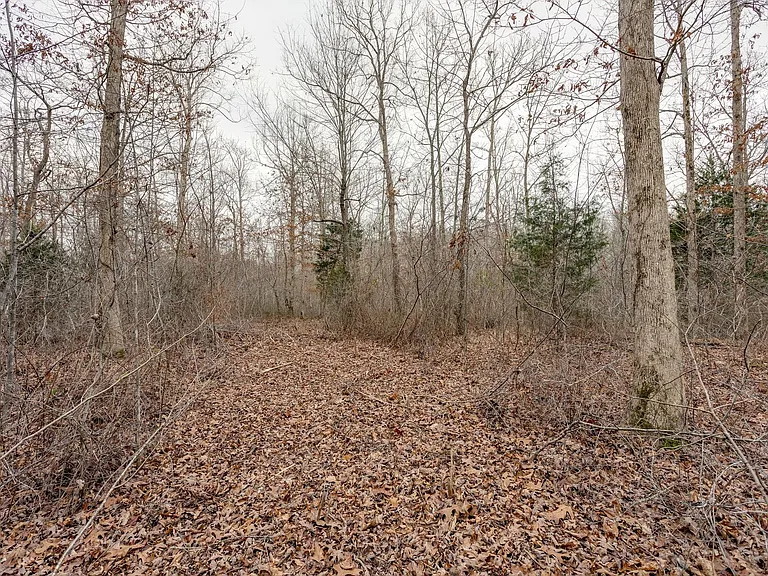
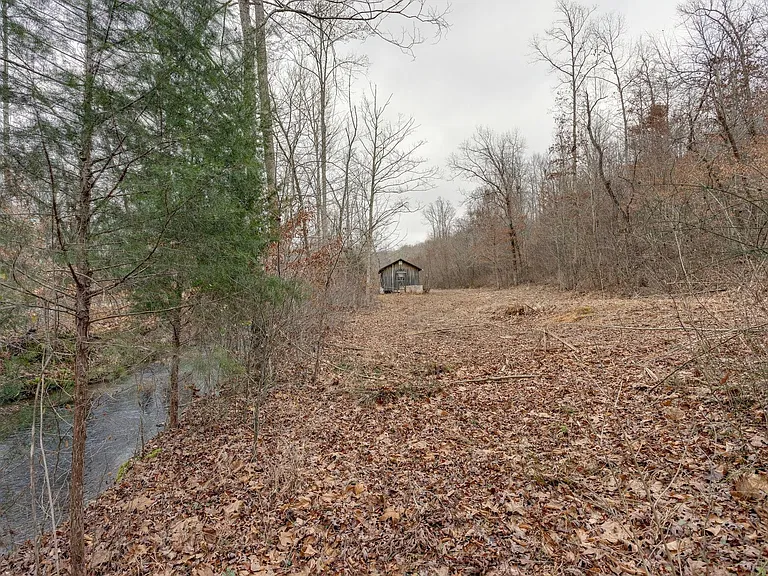
This rural property near Hohenwald, Tennessee, brings those elements together. A rustic cabin sits among the trees, while a year-round stream adds a distinctive natural feature. Wooded hills, open spaces, and countryside views provide different areas to explore and enjoy.
The supplied description presents the land as a potential getaway for camping, outdoor recreation, and time spent observing wildlife. Elevated areas also invite investigation for a possible future home or another cabin.
For someone drawn to a quieter setting, the property offers an appealing starting point. Its next chapter would depend on understanding the land, the existing cabin, and the practical requirements of the buyer’s plans.
A Rural Setting That Encourages a Different Pace
The property’s countryside atmosphere is central to its character.
For someone whose week involves busy roads, indoor work, or a crowded schedule, having a place associated with outdoor time can be appealing. A visit does not need to involve a major activity to feel worthwhile.
It might begin with opening the cabin door, taking a short walk, or choosing somewhere to sit.
That simplicity is part of the attraction of a rural retreat. The landscape becomes something to experience rather than a background glimpsed between appointments.
The supplied description emphasizes peace and seclusion. A personal visit can help a buyer understand those qualities more clearly, including how the property relates to its access route and surrounding land.
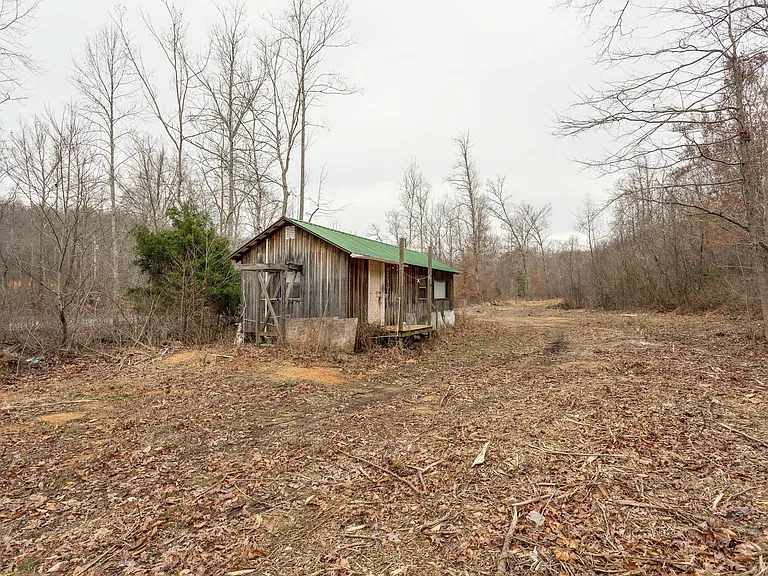
A Rustic Cabin Among the Trees
The existing cabin gives the property a focal point.
Rather than starting with land alone, a buyer can explore a place where a structure already forms part of the setting. Its rustic character may appeal to someone who prefers an informal retreat with a close visual connection to the woods.
The description does not provide the cabin’s size, construction date, interior layout, or condition.
Those details should be established before assuming how it can be used.
A viewing can reveal its relationship to the terrain, the approach, and the nearby outdoor areas. It can also help identify what work, if any, would be needed for the buyer’s intended purpose.
The cabin contributes character immediately. Its practical role requires a closer look.
Understanding the Cabin Before Making Plans
A charming exterior can inspire ideas quickly.
Someone may imagine a reading chair, a table for meals, or a comfortable place to return after spending time outdoors. Those possibilities are worth exploring, but they should follow an understanding of the building itself.
Begin with its actual arrangement and condition.
Look at how the structure sits on the land, how it is accessed, and what information is available about maintenance or previous improvements.
The supplied material does not confirm electrical service, heating, indoor plumbing, or overnight accommodation arrangements.
That does not remove the cabin’s appeal. It simply means a buyer needs more information before deciding whether it suits occasional visits, a renovation project, or another intended use.
A Year-Round Stream Through the Land
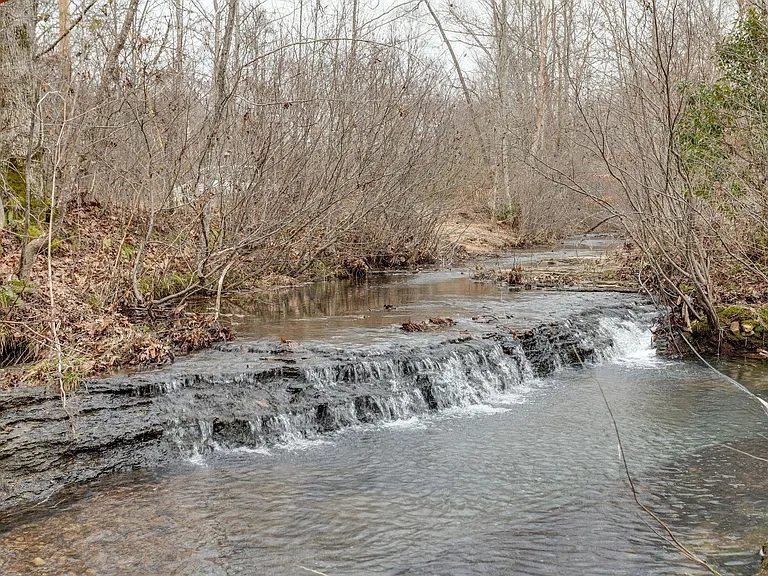
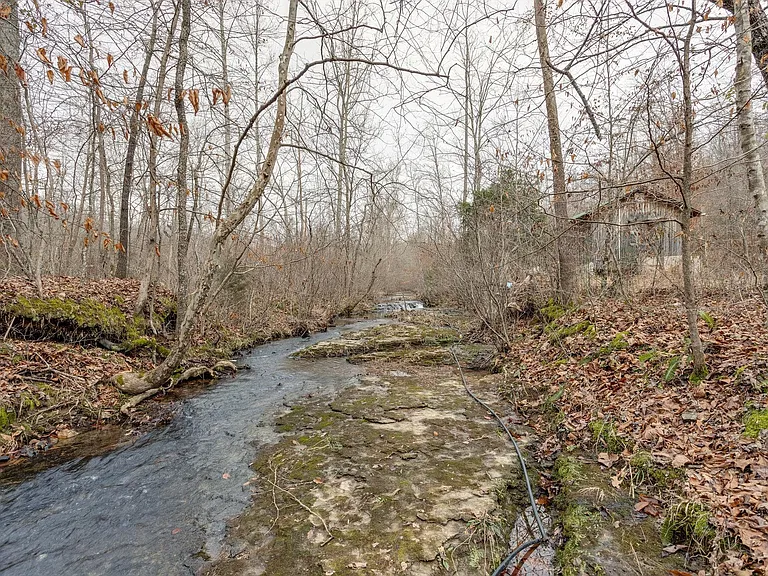
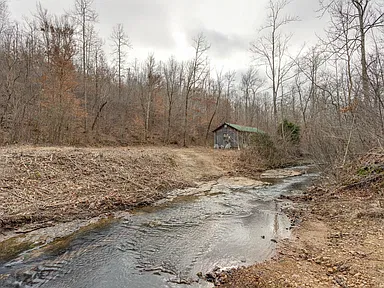
The year-round stream is one of the property’s most memorable features.
Moving water adds another dimension to a wooded landscape. It gives visitors somewhere to pause and introduces a natural feature that can become part of the experience of returning to the property.
A stream may appeal to someone who enjoys photography, quiet observation, or simply spending time outside without a schedule.
However, the description does not provide its width, depth, route, or seasonal variation in flow.
It also does not establish fishing conditions, recreational access, or any right to use the water for household purposes.
The best way to appreciate this feature is to examine it directly and understand how it relates to the wider parcel.
Wooded Hills Bring Variety to the Landscape
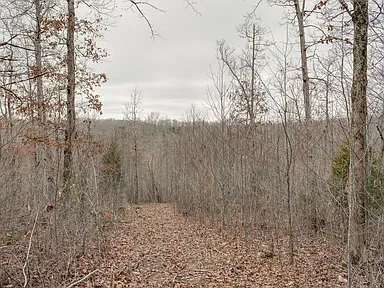
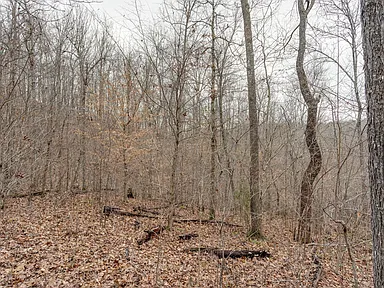
The wooded hills give the property a more varied character than a uniformly level site.
Rising ground can create different perspectives as you move through it. A view from an open section may feel entirely different from the atmosphere beneath the trees.
For someone who enjoys exploring, that variety can make repeated visits interesting. There may always be another area to examine more closely or a familiar route to experience under different conditions.
The practical side matters too.
A buyer should assess how comfortably they can move through the terrain and which sections they expect to use regularly.
Wooded hills can contribute strongly to a property’s beauty without every part needing a building, trail, or defined project.
Open Spaces Offer Room to Consider Different Uses
The description also identifies open areas within the landscape.
These spaces provide a contrast with the wooded ground and may help a buyer picture where outdoor activities could take place.
Depending on their condition and location, they may be worth considering for seating, a gathering area, or another use appropriate to the site.
The supplied information does not state how much ground is open or whether it is level.
Therefore, a buyer should compare the description with the actual terrain rather than assuming there is a large prepared clearing.
During a visit, notice how the open sections connect with the cabin and stream. That relationship may reveal which areas would become the natural center of time spent outdoors.
A Place for Quiet Outdoor Moments
Not every visit to a country property needs to involve work or adventure.
Part of the appeal may be having somewhere to read, share a meal, or spend an afternoon without organizing entertainment.
The combination of a cabin, trees, and flowing water provides a setting for that quieter use.
A future owner could begin simply, learning which part of the property feels most comfortable at different times of day. A modest seating arrangement may prove more useful than an ambitious early plan.
Spending time on the land before changing it can help preserve the qualities that first attracted the buyer.
It also allows decisions to grow from experience rather than from an imagined version of the property.
Opportunities to Observe Wildlife
The supplied description highlights local wildlife as part of the setting.
For nature enthusiasts, the possibility of observing animals can add interest to walks and quiet visits. The enjoyment often comes from paying attention rather than expecting a particular sighting.
A movement among the trees, a bird calling nearby, or a track noticed beside a path can become a reason to look more closely.
The material does not identify specific species or provide a wildlife survey.
Those details should not be invented to make the description more dramatic.
The broader attraction is clear enough: a natural landscape offers opportunities for observation, and familiarity with the property may help a future owner appreciate its changing details over time.
Considering Hunting and Camping Interests
Hunting and camping are mentioned as potential recreational uses.
Buyers interested in either activity should investigate how their plans relate to the actual parcel, its boundaries, and the requirements that apply.
The description does not establish unrestricted use or provide details about existing campsites, trails, or hunting arrangements.
It is useful to define the intended experience before making a decision.
Someone planning occasional quiet stays may prioritize different features from a buyer focused on regular outdoor recreation.
That clarity will guide more useful questions about access, terrain, neighboring land, and the existing cabin.
The property can offer a promising recreational setting while still requiring a careful review of the specific activities a buyer has in mind.
Elevated Areas and a Possible Future Home
The higher sections are described as promising locations for a future home or private cabin.
That potential may be especially appealing to someone who wants to develop a long-term connection with the land.
A higher position could offer an interesting outlook, but a view alone does not establish a suitable building site.
The supplied information does not confirm approvals, a prepared foundation, utility connections, or a wastewater arrangement.
Before selecting a house design, a buyer should understand the terrain and obtain the information relevant to the proposed location.
The goal is to connect the dream with the site.
That approach allows a future project to reflect the property’s actual strengths rather than rely on a general description of possibility.
Access Is Part of the Retreat Experience
A secluded property needs to be understood through the journey as well as the destination.
The supplied description does not identify the road surface, driveway condition, or documented access arrangements.
Those questions deserve attention before planning regular visits or transporting equipment.
During a viewing, consider the full route from the approach road to the cabin and the other areas you expect to use.
Think about the vehicles involved and the practical tasks likely to accompany ownership.
A property visited occasionally may have different requirements from one considered for a future residence.
Clear access information helps a buyer decide whether the setting fits comfortably into the way they intend to spend time there.
Utilities and Essential Property Information
Several basic details remain unspecified in the supplied material.
These include the exact acreage, asking price, cabin measurements, water supply, electrical arrangements, and wastewater facilities.
A year-round stream should not be treated as confirmation of a household water source. Likewise, a rustic cabin should not automatically be described as off-grid or fully serviced.
Buyers should request the available records and clarify what infrastructure exists.
That information will help establish the scope of any future project.
The property’s natural appeal can remain the reason to investigate, while practical facts provide the basis for deciding whether to proceed.
Keeping those two parts together leads to a more complete understanding of the offering.
Developing the Property Gradually
A rural retreat does not have to reach its final form immediately.
Some buyers may prefer to begin by understanding the existing cabin and learning the land. From there, they can decide which improvements genuinely support the experience they want.
Perhaps the priority is maintaining a comfortable place for short visits. Another owner may focus on a longer-term residential plan.
Either approach benefits from a clear sequence.
Assess what exists, identify what matters most, and investigate the work before committing to larger changes.
A gradual plan can also leave room for the property to reveal possibilities that are not obvious during the first viewing.
Ownership becomes a process of familiarity rather than a race to transform every area.
A Woodland Retreat With Its Own Character
This property near Hohenwald, Tennessee, combines a rustic cabin, wooded hills, open spaces, and a year-round stream.
Each feature contributes a different quality. The cabin provides a focal point, the woods offer a more enclosed atmosphere, and the stream adds movement and another place to pause.
For someone seeking a private getaway or exploring the possibility of a future country home, that combination offers an inviting beginning.
The next step is to understand the exact parcel, assess the cabin, and clarify access and services.
With that information, a buyer can decide how to enjoy the setting while preserving the natural character that makes the property appealing in the first place.
From Zillow