Wooded Property on Dean Road in Aragon, Georgia, Offers a Peaceful Rural Setting
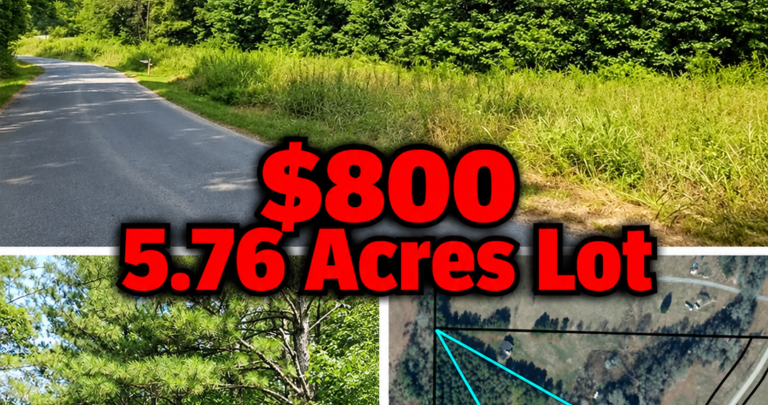
Situated along Dean Road in Aragon, Georgia, this wooded property brings together mature trees, natural surroundings, and a quiet rural atmosphere. For buyers who appreciate green landscapes and time outdoors, the land offers an opportunity to explore a setting shaped by its existing woodland character.
A paved road provides access to the property, while its location offers connections to nearby Rockmart, Rome, and Cedartown. This combination may appeal to those who want a countryside setting without feeling entirely removed from surrounding communities.
The property’s appeal begins with its simplicity. Trees, greenery, and wooded terrain establish the landscape, leaving prospective buyers to consider how the land might fit their interests and any permitted future uses.
Whether the goal is outdoor recreation, caring for a wooded parcel, or exploring a longer-term plan, this Dean Road property deserves a closer look. Understanding its boundaries, physical features, and land-use requirements will help buyers assess its possibilities with confidence.
A Natural Setting in Aragon, Georgia
The property is located in Aragon, where its wooded surroundings contribute to a distinctly rural feel. Instead of a developed residential setting, the focus here is on the landscape and the experience of being among trees.
That environment may appeal to buyers seeking a place to spend time away from busy daily routines. A visit could involve observing the land, enjoying the shade, or simply getting to know the property’s natural features.
However, the value of a rural setting is personal. Some buyers prioritize separation from neighboring activity, while others place greater importance on convenient travel and access to services.
Walking the property and driving through the surrounding area can help establish whether this location offers the right balance. It also gives buyers a chance to experience the setting directly rather than relying only on photographs or a written description.
Mature Trees Define the Landscape
Mature trees are one of the property’s defining features. They give the land visual depth and create a wooded backdrop that distinguishes it from an open field or a cleared parcel.
For someone who enjoys natural landscapes, the existing tree cover may be an important reason to consider the property. Preserving much of that character could become a central part of any ownership plan.
The condition of the trees is also worth understanding. A closer assessment can help identify healthy growth, damaged limbs, or areas that might require attention before regular use.
Buyers interested in woodland care may choose to seek professional guidance before removing trees or making substantial changes. A considered approach can help balance access, maintenance, and the desire to retain the features that first made the land appealing.
A Sense of Privacy Among the Greenery
The wooded terrain creates a sense of privacy and separation from busier surroundings. Depending on the position within the property, tree cover may help screen views and establish a more enclosed outdoor atmosphere.
For some buyers, that feeling of retreat is the main attraction. Being surrounded by greenery can make even a short visit feel different from time spent in a more developed environment.
Still, perceived privacy should be evaluated on-site. Property boundaries, nearby homes, road activity, and seasonal changes in foliage can all affect the experience.
A useful visit includes looking outward from several parts of the land rather than judging privacy only from the roadside. This provides a clearer understanding of how the parcel relates to its surroundings and which areas best match the buyer’s preferences.
Paved Road Access Along Dean Road
Access is an important consideration when evaluating rural land, and this property is situated along a paved road. That feature provides a practical point of connection between the wooded setting and the surrounding road network.
For buyers planning occasional visits, convenient road access can make it easier to include the property in their routine. It may also simplify initial inspections and appointments with professionals assessing the land.
However, paved frontage and an approved entrance are separate matters. Buyers should confirm the location and status of any existing access point, along with requirements that might apply to a new driveway or entrance.
Understanding these details early can help avoid assumptions about vehicle access. It also allows future plans to reflect the property’s actual conditions rather than its appearance from the road alone.
Connections to Rockmart, Rome, and Cedartown
The property’s location offers connectivity to Rockmart, Rome, and Cedartown. These nearby communities provide geographic context for buyers considering how the land would fit into their wider travel patterns.
Someone who already spends time in the area may see the location differently from a buyer planning occasional trips from farther away. In either case, checking actual routes can help make the decision more practical.
Rather than relying on general descriptions of convenience, buyers can map the destinations that matter to them. Those might include their home, workplace, supply stores, or other places they expect to visit regularly.
A rural property is easier to enjoy when the journey suits the owner’s schedule. Exploring the roads around Dean Road will help buyers assess that relationship and decide whether the location works for their intended use.
Outdoor Recreation Starts With Understanding the Land
The wooded setting may appeal to people who enjoy spending time outdoors. Depending on the property’s conditions and permitted uses, ownership could provide opportunities for quiet recreation and nature-focused activities.
Walking, observing the landscape, and photographing seasonal changes are examples of interests that may fit a wooded environment. However, the suitability of particular activities should be assessed rather than assumed.
Before establishing paths or regularly using the land, buyers should understand the terrain and identify any areas that need caution. Uneven ground, dense vegetation, and fallen branches can influence where people can move comfortably.
A measured approach allows the owner to learn the property before making changes. Starting with a clear understanding of boundaries and existing conditions can help shape an outdoor plan that suits both the land and the people using it.
A Landscape That Changes With the Seasons
One of the pleasures of wooded land is watching how its appearance changes throughout the year. Light, foliage, and ground cover can create different views of the same setting over time.
These changes may be especially appealing to buyers who enjoy returning to a familiar place and noticing small differences. The property can offer a backdrop for observing the natural rhythms of a rural landscape.
Seasonal variation also has practical implications. Visibility through the trees may change, and some areas may feel more open at one time of year than another.
For that reason, more than one visit can be useful when circumstances allow. Seeing the property under different conditions helps buyers develop a fuller picture of its atmosphere, maintenance needs, and suitability for their plans.
Exploring Future Uses Without Making Assumptions
The property’s open possibilities are part of its appeal, but any future use needs to be confirmed. A wooded parcel should not automatically be treated as a building site, campsite, business location, or place for unrestricted recreation.
Buyers should begin by identifying their main goal. A plan centered on occasional outdoor visits will raise different questions from one involving construction, overnight stays, or significant land improvements.
Once that goal is clear, the next step is to check zoning, recorded restrictions, access rights, and any relevant local requirements. This helps distinguish realistic options from ideas that may not be permitted.
The same principle applies to clearing and site work. Before investing in changes, buyers should understand what approvals may be needed and how the work could affect the character of the property.
Boundaries and Acreage Deserve Careful Review
A wooded property can be difficult to judge by sight alone. Trees and vegetation may obscure boundary markers, while the apparent extent of the landscape may not match the legal parcel.
Reviewing available survey information and recorded documents is therefore an important part of evaluating the land. Buyers should confirm the acreage and understand where the property begins and ends.
This information matters even when the intended use is simple. Knowing the boundaries helps guide walking routes, maintenance, vegetation management, and any proposed improvements.
If existing information is incomplete or unclear, a qualified surveyor can help establish what additional work is needed. Clear boundaries provide a stronger foundation for ownership and reduce the risk of planning activities in areas outside the parcel.
Utilities and Site Conditions Need Confirmation
The supplied description focuses on the property’s natural setting and road access. It does not establish whether utilities are installed or available at a particular point on the land.
Buyers whose plans depend on electricity, water, wastewater arrangements, or internet service should investigate those needs directly. Availability, connection requirements, and costs can vary from one parcel to another.
Physical conditions deserve similar attention. Soil, slope, drainage, and the location of suitable access areas may influence the practicality of a proposed use.
These questions become especially important if a buyer is considering improvements beyond occasional recreation. Gathering reliable information before committing to a detailed plan can help establish both the scope of the project and a realistic budget for carrying it out.
Caring for a Wooded Property Over Time
Owning wooded land involves more than choosing how to enjoy it. Even a property intended to remain largely natural may require periodic attention.
Maintenance needs will depend on the condition of the parcel and the owner’s goals. Tasks could include checking access areas, removing litter, addressing hazardous branches near regularly used spaces, or monitoring unwanted vegetation.
A modest management plan can help keep these responsibilities manageable. Rather than clearing broadly, an owner may prefer to focus attention on a few areas while leaving much of the woodland undisturbed.
Professional advice can be useful when a task involves tree safety, drainage, or substantial changes to vegetation. Understanding when specialist help is needed can protect both the owner and the qualities of the landscape they want to preserve.
Who Might Appreciate This Dean Road Property?
This property may appeal to a buyer who values a wooded setting and is comfortable investigating land before deciding on its future. Its rural atmosphere could suit someone looking for a place to spend quiet time outdoors.
A nature enthusiast may be drawn to the mature trees and changing landscape. Meanwhile, someone with a long-term landownership goal may appreciate the opportunity to assess a parcel without beginning with an existing home or other stated improvements.
The right fit will depend on expectations. Buyers seeking an immediately developed site will need to establish whether the property can support that goal and what work would be required.
For those who appreciate the land as it stands, the appeal may be more straightforward: greenery, a rural location, and an opportunity to develop a thoughtful relationship with a wooded property.
Making the Most of an On-Site Visit
An on-site visit is the best opportunity to connect the description with the actual land. Arriving with a short list of questions can make that visit more useful.
Start by reviewing the road frontage and identifying any established entrance. Then, with permission and appropriate boundary information, explore the areas that are safely accessible.
Pay attention to the terrain, tree cover, surrounding activity, and how the property feels from different positions. Photographs and notes can help preserve details that may otherwise be difficult to remember later.
It is also helpful to separate personal impressions from unresolved questions. Enjoying the setting is meaningful, but items such as boundaries, utility access, and permitted uses still require confirmation. Together, those observations and checks support a more informed decision.
A Wooded Georgia Property With Room for Thoughtful Plans
The Dean Road property in Aragon offers a combination of mature trees, rural surroundings, and paved road access. Its connection to Rockmart, Rome, and Cedartown adds useful context for buyers considering where they want to own land.
Much of its appeal comes from the existing landscape. The greenery and wooded terrain provide a natural starting point for anyone interested in outdoor time, woodland care, or other permitted uses.
The next step is to match that appeal with clear information. Confirming the property’s dimensions, access arrangements, restrictions, and physical conditions will help buyers understand how it fits their goals.
For someone seeking a peaceful rural setting in Georgia, this parcel offers a reason to explore Dean Road more closely and consider what responsible, well-planned ownership could look like.

Watch Via Zillow