Affordable Homes
Peaceful Wooded Creekside Retreat in Waco, Georgia
Peaceful Wooded Creekside Retreat in Waco, Georgia


Peaceful Wooded Retreat in Waco, Georgia, with Mature Hardwoods and a Flowing Stream
A wooded property offers a particular kind of appeal: the chance to spend time among trees, observe the landscape closely, and imagine a future shaped around the land itself. In the countryside of Waco, Georgia, this inviting parcel combines mature hardwoods, gently sloping terrain, a flowing stream, and a peaceful rural atmosphere.
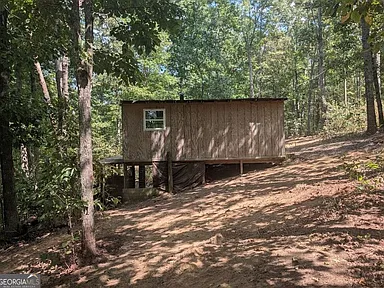
The natural setting is central to the property’s character. Trees provide an established woodland backdrop, while the stream at the rear introduces movement and another point of interest. A storage shed adds practical space for tools and outdoor equipment, and electricity available along the road provides a useful starting point for investigating future connections.
For someone considering a countryside home or a place to enjoy quiet outdoor time, the property presents several possibilities to explore. Its potential is best understood by looking at the natural features together with access, utilities, and the requirements affecting any proposed use.
A Countryside Setting with Natural Character
The property’s surroundings establish a distinctly rural atmosphere. Mature trees and wooded scenery create a setting that encourages attention to the landscape rather than to nearby development.
For prospective owners, that environment may be appealing for several reasons. Some may be looking for land where they can eventually create a home. Others may place greater value on having somewhere to spend time outdoors and become familiar with a natural setting.
A visit can help clarify that personal connection. Walking through the accessible areas, looking toward neighboring land, and observing the relationship between the road and the interior of the parcel will provide a fuller impression.
The appeal begins with tranquility, but the right fit depends on how the setting supports the buyer’s actual plans and expectations.
Mature Hardwood Trees Define the Landscape
The mature hardwood trees are among the property’s most notable features. They give the grounds an established appearance and create a woodland setting with depth and texture.
Unlike a cleared parcel, this land already has a strong natural identity. A future owner can consider how much of that character they wish to retain and how any proposed improvements might work around it.
Thoughtful planning may allow selected areas to be used while preserving much of the surrounding tree cover. The appropriate approach will depend on the trees’ locations, condition, and relationship to access routes or potential improvements.
Before making substantial changes, understanding the woodland is useful. That knowledge can help protect the features that first made the property attractive while identifying areas that may need care.
A Flowing Stream at the Rear of the Property
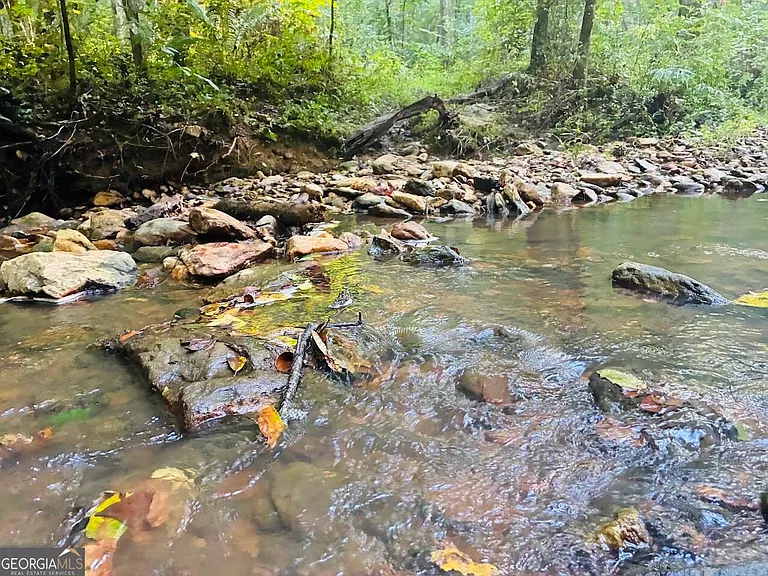
The stream meandering through the back of the land adds a memorable element to the setting. It creates a point of interest beyond the trees and gives the rear portion of the parcel its own character.
For someone who enjoys observing nature, the area around a stream can invite a slower pace. Changes in light, reflections, and the movement of water provide details that may be easy to overlook during a brief visit.
Its position should also be understood in practical terms. Buyers can establish how it relates to the boundaries, terrain, and any areas they might wish to use.
The description presents the stream as clear and flowing, but that appearance does not establish drinking-water quality or conditions throughout the year. Its role in future plans deserves careful, property-specific consideration.
Gently Sloping Terrain Adds Variety
The gently sloping ground gives the property a different appearance from an entirely flat parcel. Changes in elevation can create distinct perspectives and help shape how the land is experienced.
A slope may also influence the location of paths, access routes, and potential improvements. The most attractive area from a visual perspective may not automatically be the most practical place for a particular project.
The listing suggests several possible locations to consider for a future home. Those possibilities should be explored through direct assessment rather than treated as confirmed building sites.
Understanding the contours early allows a buyer to develop ideas that work with the land. That approach can lead to more informed decisions about where to focus attention and which areas are best left largely undisturbed.
Exploring the Possibility of a Country Home
The woodland setting may inspire plans for a home surrounded by greenery. It is easy to imagine a residence positioned to appreciate the trees while maintaining a comfortable relationship with the rest of the property.
Turning that idea into a workable plan begins with gathering information. Access, soil conditions, drainage, utility arrangements, and applicable requirements all affect the feasibility of construction.
A buyer can start by identifying their priorities. The amount of space needed, preferred relationship to the road, and desire to preserve trees will help guide discussions with appropriate professionals.
The opportunity is to investigate a home site thoughtfully. No particular design or location should be assumed suitable until the necessary checks establish how the proposed project would fit the parcel.
Planning Around the Existing Woodland
If a buyer intends to make improvements, the trees can become part of the planning process from the beginning.
Rather than clearing first and deciding later, it may be useful to identify the areas needed for access, construction, and ongoing use. That can help establish where tree retention is practical and where work may be necessary.
A considered approach also makes the landscape easier to understand. Some sections may contribute strongly to privacy, while others may frame an outlook or separate different parts of the land.
The goal does not have to be complete preservation or extensive clearing. It can be a balanced plan that reflects the buyer’s needs while retaining the wooded atmosphere.
Professional input may be useful where proposed work involves significant vegetation changes or trees near future structures.
Electricity Available Along the Road
The availability of electricity along the road is an important practical detail. It gives prospective buyers a clear utility question to investigate as they consider the property.
However, roadside availability is different from having an installed service at a future building location. The connection route, equipment, approvals, and cost will depend on the utility provider and the proposed use.
Buyers can contact the provider with accurate parcel information and discuss where service may be needed. This helps replace a general expectation with more specific guidance.
Other services should be reviewed separately. The supplied description does not establish a water supply, wastewater system, or internet connection.
A complete utility plan will help determine how the land can support the buyer’s goals and what work would be involved.
A Storage Shed Adds Practical Usefulness
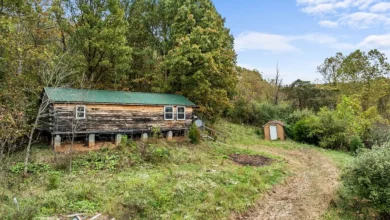
The existing storage shed provides space for tools and outdoor equipment. That is a useful feature for someone who expects to visit the property regularly or undertake suitable maintenance tasks.
Keeping equipment organized can make time on the land more productive. It may reduce the need to transport every item for each visit, depending on the shed’s condition and suitability.
Prospective buyers should review its dimensions, access, construction, and security features before deciding what to store there. The supplied description does not identify electrical service or other equipment within the building.
Its appeal is practical rather than elaborate. A modest structure can still be valuable when it serves a clear purpose and fits naturally into the way the property is used.
Space for Quiet Outdoor Activities
The wooded surroundings offer opportunities to enjoy the outdoors at a comfortable pace. Not every visit needs to involve construction plans or a maintenance project.
Walking through suitable areas, photographing the landscape, or simply pausing to appreciate the trees can make time on the property rewarding. These activities allow an owner to become familiar with the land while enjoying it as it stands.
The suitability of any activity will depend on access, terrain, boundaries, and permitted uses. Buyers should avoid assuming that a general description of outdoor potential means unrestricted recreation.
Starting with a straightforward understanding of the parcel can help shape enjoyable routines. Over time, preferred routes and places to spend time may emerge naturally through repeated visits.
A Landscape to Experience Through the Seasons
Wooded land changes in appearance throughout the year. Foliage, light, and visibility can alter the experience of familiar areas without changing the property’s essential character.
These shifts may be particularly appealing to people who enjoy observing the outdoors. A view that feels enclosed at one time of year may appear more open at another, revealing details that were previously less noticeable.
Seasonal observations can also support practical decisions. They may help an owner understand which areas are most comfortable to visit and how different parts of the property relate to one another.
Where possible, experiencing the land under more than one set of conditions can provide valuable perspective. A single visit introduces the setting, while familiarity reveals more of its qualities.
Privacy with Connections Beyond the Property
The description emphasizes both peaceful seclusion and access to major road connections. That combination may appeal to buyers who want a rural atmosphere while remaining connected to daily necessities.
The value of that balance is personal. Someone planning occasional visits may have different travel priorities from someone considering a future full-time residence.
Rather than relying on general descriptions of convenience, buyers can check the routes that matter to them. Workplaces, shopping, appointments, and supply stores may all play a role in evaluating the location.
The property’s natural atmosphere explains what it may feel like to be there. The surrounding road network helps determine how easily it can become part of everyday life.
Both deserve attention when deciding whether the location is suitable.
Understanding Boundaries and Access
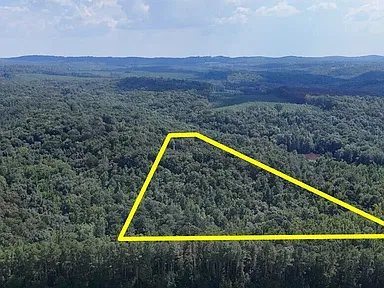
A wooded parcel can be difficult to judge accurately by sight. Trees and vegetation may obscure markers, and the visible landscape may extend beyond the land included in the sale.
Reviewing available survey information and recorded documents helps establish the parcel’s actual extent. That information is useful for simple visits as well as for more ambitious plans.
Access deserves the same clarity. A road nearby or utility lines along the frontage do not explain every detail about entering the property or creating a new driveway.
Buyers should identify any existing entrance and confirm the arrangements affecting its use.
Clear boundaries and access information provide a foundation for planning. They help ensure that ideas relate to the property being purchased rather than to assumptions formed from the roadside.
Caring for the Land Over Time
Even land intended to remain largely natural may require periodic attention. The amount of work depends on its condition and the owner’s goals.
A manageable care plan can focus on the areas used most often. Checking the shed, keeping an established entrance usable, and observing the condition of trees near regular activity areas may be part of that routine.
There is no need to develop every section immediately. Learning the property gradually can reveal where attention is most useful and where leaving the landscape alone best supports the desired atmosphere.
Specialist advice may be appropriate for substantial tree work, drainage concerns, or projects near the stream.
A thoughtful approach allows maintenance to support enjoyment rather than become a series of unplanned tasks.
A Waco Property with Room for Thoughtful Possibilities
This wooded retreat in Waco, Georgia, offers a combination of mature hardwoods, gently sloping ground, a stream, and practical storage.
Its appeal is grounded in the existing landscape. The trees provide character and a sense of privacy, while the water feature adds interest to the rear of the land. Electricity available along the road introduces a useful point for further investigation.
For someone considering a country home, an outdoor retreat, or longer-term landownership, the property offers several possibilities to explore.
The next step is to connect that inspiration with clear information about the parcel. A careful viewing, accurate records, and appropriate advice can help establish how the land fits the buyer’s plans.
For the right owner, its most rewarding quality may be the opportunity to become familiar with a peaceful place and shape its future thoughtfully.
Property boundaries, acreage, access, utility connections, stream-related requirements, building suitability, and permitted uses should be confirmed with the listing representative and relevant authorities.
From Zillow