News
Where to Dispose of Dirty Mop Water: Toilet or Bathtub?
Where to Dispose of Dirty Mop Water: Toilet or Bathtub?

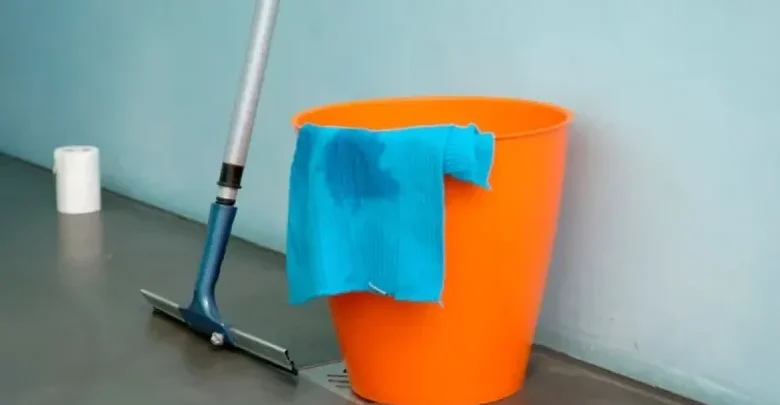
There is a moment, right after the floors are done, when a full mop bucket feels oddly official. The room looks better. The water does not. And you are left standing there, holding a sloshing container of gray water, trying to decide whether it belongs in the toilet, the bathtub, the sink, or somewhere else entirely.
It is a small household question, but it is not a silly one. Dirty mop water can carry grit, hair, crumbs, pet fur, and leftover cleaner. Those things have to go somewhere, and some drains handle them better than others.

The short version is this: if you have a utility sink, laundry sink, or a floor drain meant for cleaning water, use that first. If you are choosing only between the toilet and the bathtub, the toilet is usually the better everyday choice.
The tub can work in a pinch if the water is only lightly dirty and you are willing to rinse and clean it afterward. The kitchen sink, the yard, and a street-side storm drain are poor options, especially when cleaner is in the mix.
Why the Toilet Is Usually Better Than the Tub
A toilet is built to send waste into the sanitary sewer or a septic system. That is the same system that is supposed to carry household wastewater to treatment, or to a septic tank designed for it. A toilet bowl also handles a sudden pour of liquid more readily than a narrow tub drain, and a flush moves the water on instead of leaving it to creep through a pipe that already collects hair and soap scum.

There is a hygiene reason as well. The bathtub is where people bathe, where children may sit, and where someone may wash a pet. Pouring floor water into that space means you have just introduced mop residue into a place that is supposed to be clean for bare skin.
You can rinse and disinfect the tub afterward, and you should if you use it, but that is extra work you can often skip by using the toilet instead.

How to Empty the Bucket Without Creating a New Problem
Water itself is not the main plumbing risk. Solids are. Before you pour, look into the bucket. Hair, leaves, mud clumps, paper, food bits, and anything sharp should be scooped or strained into the trash. A paper towel or a small strainer is enough for an ordinary floor-cleaning bucket.
If you skip this step, you are asking a household drain to swallow things it was never meant to eat.
For the toilet, lift the seat and pour slowly, close to the bowl, rather than from chest height. If the water level rises in a way that looks wrong, stop. A large bucket can be emptied in more than one pour, with a flush in between. When the bucket is empty, rinse it with clean water and send that rinse water the same way. Wipe any splashes on the rim, seat, base, and floor. Mop water can leave a dusty ring if it dries in place.

If your home is on a septic system, be a little more conservative with what goes in the bucket to begin with. A small amount of a mild, properly diluted floor cleaner is a different matter from a load of concentrated bleach, disinfectant, or solvent.
Follow the product label, use the dilution it calls for, and never mix cleaners. Bleach and ammonia, in particular, can produce toxic gas. No freshly mopped floor is worth that.
This is general household information, not a plumbing inspection of your pipes. If a toilet already runs slowly, backs up, or has a mind of its own, dumping a bucket into it may not be wise. A plumber can tell you more about an older line, a fussy fixture, or a septic system that needs attention.
When the Bathtub Is Only a Backup
The bathtub can be a fallback if it is your only practical option, the water is not full of grit, and you will clean the tub when you are done. The drain is usually smaller and already deals with soap and hair.
Adding sand, pet fur, or kitchen-floor crumbs is a good way to test its patience.

If you do use the tub, a drain strainer helps. Pour slowly near the drain, rinse with plenty of water, and wash the tub surface before anyone bathes. Do not dump a thick sludge into the tub and hope a hard blast of water will make the problem disappear. Pipes tend to remember that kind of optimism.
The Best Option, and the Places to Avoid
A utility sink, laundry sink, service sink, or a floor drain tied to the sanitary sewer is the most convenient place to empty cleaning water when you have one.
Those fixtures are meant for messy jobs and awkward buckets. You are not hoisting gray water up to a kitchen counter, and you are not introducing floor dirt into a place where people bathe. Even then, solids still belong in the trash, not in the drain.

Do not pour dirty mop water into a storm drain, a street gutter, or the yard if it contains cleaners or disinfectants. Storm drains often lead toward local waterways without the same treatment that household sewage receives. Many communities post reminders right on the grate for that reason. Outdoor dumping can also leave residue where children, pets, or plants do not need it.

The kitchen sink is a bad habit for a different reason. It may connect to the same sewer system, but it is a food-prep area with a drain that does not need grit from the floors.
If the mop water picked up kitchen grease, that combination is even less welcome in a pipe. Bathroom sinks are also a poor fit: they are small, splash easily, and clog readily.
A Simple Rule Worth Agreeing On
If you are cleaning someone else’s home, or hiring someone to clean yours, a quick preference is better than a guess. Ask, or say, whether mop water should go in the toilet, a utility sink, or another spot. Shared apartments benefit from the same clarity, plus a wipe-down of whatever fixture was used. Nobody wants to discover floor residue at the worst possible moment.
The rule I would actually follow is straightforward. Utility sink first, toilet second, bathtub only if the water is light and the tub will be cleaned immediately. Strain the solids, pour slowly, rinse the bucket, and wipe the splashes.
Keep mop water out of the kitchen sink, and do not send it into a storm drain or a garden if there is cleaner in it.
Local rules can add a little extra detail, especially for buildings with shared plumbing or for waste that contains strong chemicals. If you are unsure, a building manager, a local sanitation department, or a plumber can tell you what applies to your address. For ordinary floor water in a typical home, though, the household rule above will serve most people well.
That is not a glamorous ending to a chore. It is a tidy one, and it keeps the last step of mopping from becoming the first step of a plumbing problem.
Thank you for reading this very practical bucket question all the way through. It is general household information, not professional plumbing or septic advice, and it is no substitute for your local rules or a plumber who can see your pipes.