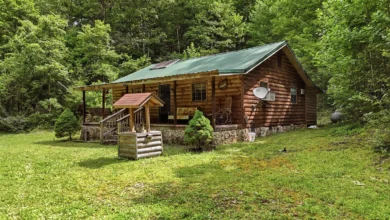
Log Cabins
80 Acres With Three Off-Grid Cabins in Arizona Listed for $133,000
80 Acres With Three Off-Grid Cabins in Arizona Listed for $133,000

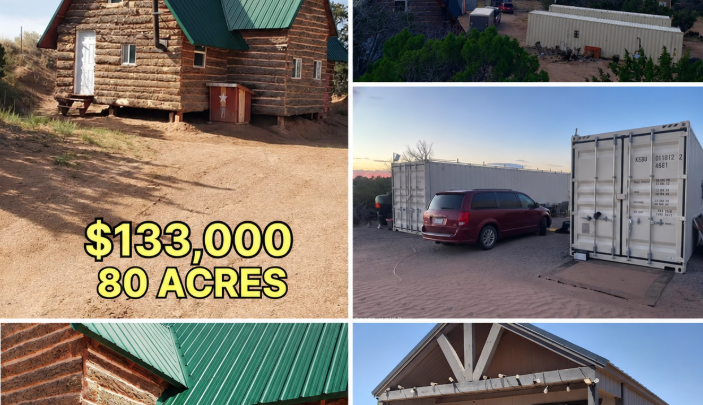
Three Off-Grid Cabins on 80 Unrestricted Acres in Arizona With Starlink Internet for Just $133,000
Imagine owning 80 acres of beautiful Arizona countryside, surrounded by mature juniper trees, panoramic views, abundant wildlife, and the peaceful atmosphere of an off-grid retreat. Located at 2 N7228 St, Saint Johns, Arizona, 85936, this distinctive rural property offers an exciting opportunity for buyers interested in homesteading, sustainable living, recreational land, and long-term real estate investment.
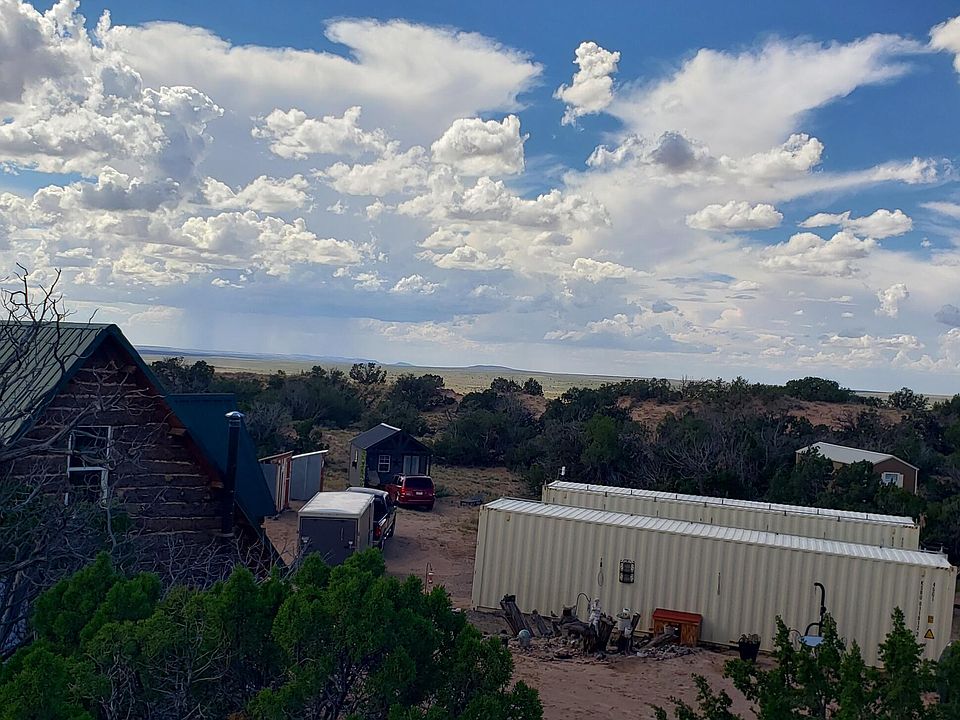
Listed for $133,000 following a recent $6,900 price reduction, the property features three cabins, a two-story main residence with approximately 1,200 square feet of living space, two large shipping containers, Starlink internet equipment, and a 325-gallon water trailer.
Situated at approximately 6,500 feet above sea level, the property occupies a scenic landscape featuring mature juniper trees, elevated terrain, and a seasonal wash flowing through the lower section of the land.
With no listed homeowners association or ranch fees, this expansive property may appeal to buyers seeking greater independence, privacy, and flexibility.
Whether your dream involves establishing an off-grid homestead, creating a private family retreat, developing a recreational property, or purchasing substantial acreage as a long-term investment, this Arizona property offers numerous possibilities worth exploring.
However, several essential infrastructure improvements remain unfinished, making careful financial planning and professional inspections important before purchasing.
Property Overview: 2 N7228 St, Saint Johns, Arizona
This property combines substantial acreage with existing residential structures and infrastructure designed around an off-grid lifestyle.
Unlike completely undeveloped land, the property already includes cabins, storage containers, alternative power infrastructure, satellite internet equipment, and a water transportation system.
| Property Details | Information |
|---|---|
| Asking Price | $133,000 |
| Recent Price Reduction | $6,900 |
| Address | 2 N7228 St, Saint Johns, AZ 85936 |
| County | Apache County |
| Property Type | Single Family Residence |
| Architectural Style | Cabin |
| Year Built | 2010 |
| Main Cabin Size | 1,200 Square Feet |
| Total Acreage | 80 Acres |
| Number of Cabins | 3 |
| Listed Bedrooms | 1 |
| Listed Bathrooms | 1 |
| Stories | 2 |
| Internet | Starlink Equipment Included |
| Water Supply | Hauled Water |
| Water Trailer | 325 Gallons |
| Storage | Two 40-Foot High-Cube Containers |
| Heating | Wood and Solar |
| Cooling | Window Units |
| Roofing | Metal |
| HOA | None Listed |
| Annual Property Taxes | $181 |
| Price Per Square Foot | $111 |
| MLS Number | 262165 |
The asking price represents approximately $1,662.50 per acre, including the existing structures and equipment.
For buyers researching affordable land in Arizona, the combination of 80 acres and existing off-grid improvements creates an interesting alternative to purchasing completely vacant recreational land.
Explore 80 Acres of Arizona’s Natural Beauty
The property’s most impressive feature is its substantial 80-acre parcel.
Owning this amount of land provides opportunities for outdoor recreation, privacy, woodland management, and potential future development that would be difficult to find on a conventional residential lot.
According to the listing, much of the property sits on an elevated plateau covered with mature juniper trees, some reportedly reaching approximately 25 feet in height.
The varied terrain also includes lower valley areas and a seasonal wash.
These natural features contribute to the property’s scenic character and may provide opportunities for carefully planned walking trails, outdoor relaxation areas, wildlife observation, and other recreational activities.
The elevated portions of the property offer panoramic views, allowing owners to appreciate the surrounding landscape.
For individuals who prefer natural surroundings over densely populated neighborhoods, this acreage may provide an attractive environment for a more independent lifestyle.
However, buyers should understand that the total acreage does not necessarily represent 80 acres of buildable or agriculturally productive land.
Topography, soil conditions, water availability, access requirements, and environmental considerations may influence how different sections of the property can be used.
A professional land survey and site assessment could help identify the most suitable locations for future improvements.
A Unique Three-Cabin Off-Grid Compound
One feature that distinguishes this property from many rural land listings is the presence of three separate cabins.
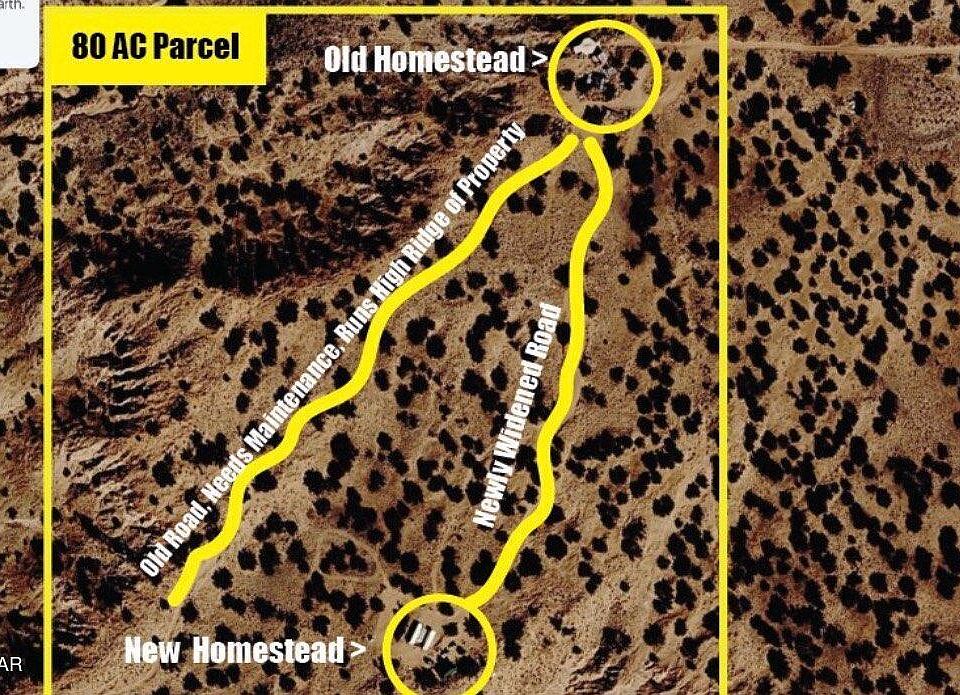
According to the property description, the cabins are located toward the rear of the acreage and arranged around a circular driveway.
Their placement reportedly creates a balance between convenient access and individual privacy.
The main residence provides approximately 1,200 square feet of recorded living space across two stories.
Two additional cabins offer potential flexibility for accommodating visitors, creating personal workspaces, or supporting other permitted uses.
For buyers interested in a multigenerational family retreat, having multiple existing structures may be particularly appealing.
Separate cabins could potentially allow different family members to enjoy their own spaces while sharing the larger property.
The additional buildings might also appeal to artists, writers, remote workers, or individuals who appreciate dedicated spaces for personal projects.
However, the listing does not provide detailed specifications, bedroom counts, bathroom facilities, or utility arrangements for each guest cabin.
Prospective buyers should independently verify the condition, permitted use, habitability, and infrastructure of every structure before relying on them for residential accommodation.
A Two-Story Main Cabin Built in 2010
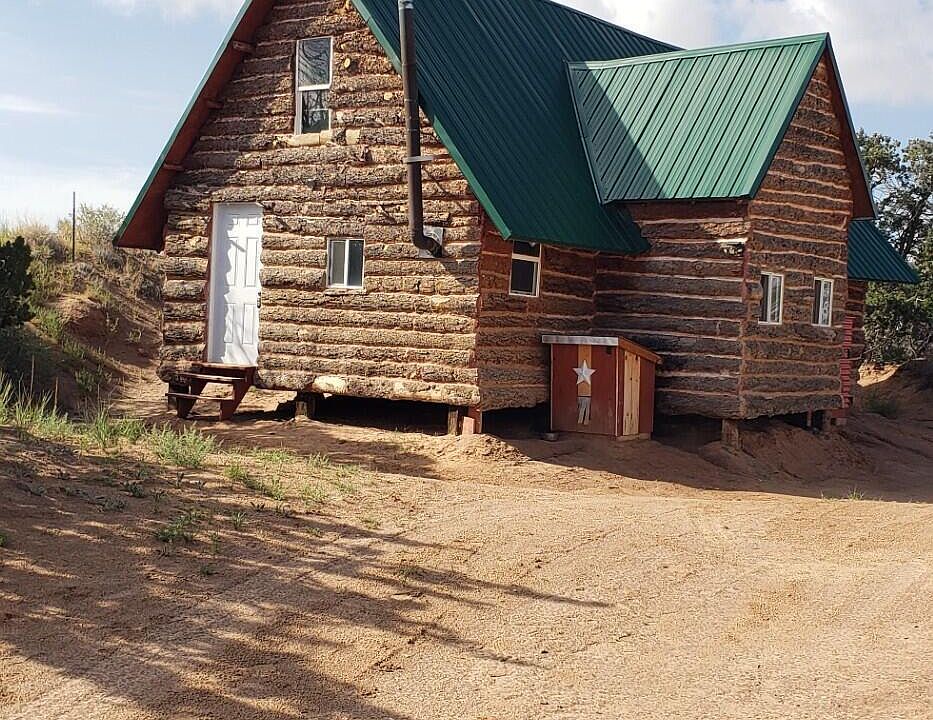
The main cabin was constructed in 2010 and features approximately 1,200 square feet of living space.
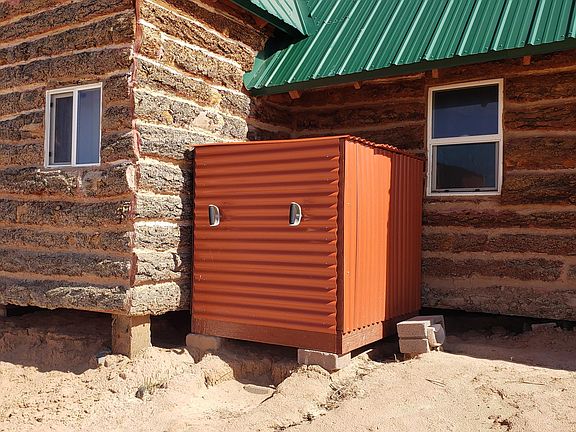
Its architectural design incorporates wood-frame construction, log siding, wood flooring, and a pitched metal roof.
These features contribute to a traditional rustic appearance that complements the surrounding Arizona landscape.
The listing identifies one bedroom and one bathroom, along with combined kitchen, dining, and living spaces.
The two-story configuration may offer opportunities for creating distinct areas for sleeping, relaxation, storage, and everyday activities.
Natural wood finishes can provide a comfortable visual atmosphere, particularly when combined with practical furniture and thoughtfully selected interior decorations.
The property also includes double-pane windows, window coverings, and screens, according to the listing.
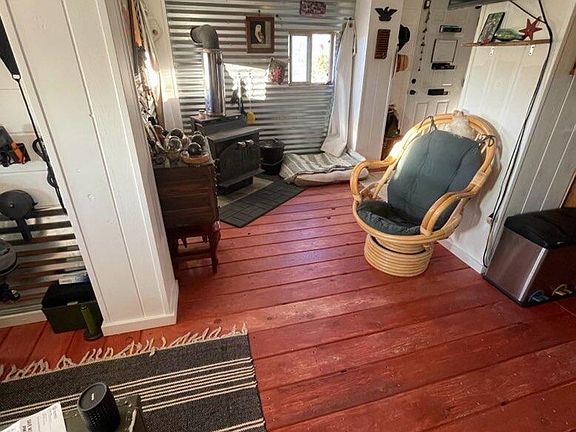
However, important portions of the kitchen and bathroom remain unfinished.
Buyers should not assume that the main residence currently offers fully functional household plumbing or immediate conventional occupancy.
The existing structure should be evaluated carefully to determine what additional work is required to create a comfortable and compliant residence.
Rustic Interiors and Personalization Opportunities
For buyers who appreciate cabin architecture, this property offers an opportunity to create an interior that reflects their personal lifestyle.
Wood flooring and log-style exterior finishes provide a foundation for traditional rustic design.
Future improvements could incorporate natural materials, efficient storage solutions, comfortable furnishings, and energy-conscious appliances.
A compact off-grid residence can benefit from thoughtful space planning, especially when available resources such as electricity and water must be managed carefully.
Multifunctional furniture, practical kitchen layouts, and durable interior finishes may contribute to everyday usability.
Some owners may prefer to preserve the cabin’s original rustic appearance.
Others might introduce modern elements, such as contemporary lighting, updated cabinetry, efficient appliances, and minimalist interior designs.
The appropriate renovation approach would depend on the building’s actual condition, available electrical capacity, intended occupancy, and overall improvement budget.
Professional inspections should take priority over cosmetic projects.
A qualified contractor can evaluate the foundation, structural framing, roof, insulation, windows, and existing mechanical systems before significant renovation expenses are incurred.
An Off-Grid Lifestyle With Greater Independence
Off-grid living has become an appealing concept for individuals who want to explore alternatives to conventional residential infrastructure.
An off-grid property generally relies on independently managed resources rather than complete connections to municipal electricity, water, and wastewater systems.
This can provide greater flexibility, but it also introduces additional responsibilities.
Owners must carefully manage their electricity production, water supply, heating, wastewater disposal, equipment maintenance, and emergency preparedness.
The Saint Johns property is described as having alternative power, hauled water, wood heating, and solar-related infrastructure.
These existing features may provide a starting point for developing a more comprehensive off-grid system.
However, the listing does not establish the precise capacity, age, or operational condition of the alternative power equipment.
Buyers should request detailed information about any solar panels, batteries, inverters, electrical connections, backup power sources, and associated equipment.
Understanding how much energy the property can reliably produce and store is essential when planning year-round occupancy.
A successful off-grid lifestyle depends on realistic resource management rather than simply purchasing land away from conventional utility networks.
Starlink Internet Equipment Included
One particularly attractive feature of this rural Arizona property is the installed Starlink internet equipment.
According to the listing, the equipment is centrally positioned so that internet access can be shared by all three cabins.
The owned hardware is also expected to remain with the property after the sale.
Reliable internet access can be an important consideration for rural property buyers, especially those interested in remote employment, online education, digital businesses, or staying connected with family members.
Satellite internet may provide connectivity in locations where traditional wired broadband infrastructure is limited.
For remote workers, having an existing internet installation could make the property more attractive than completely undeveloped acreage without an established connectivity solution.
Nevertheless, buyers should verify the condition of the equipment, service availability, network coverage between cabins, subscription costs, and account transfer requirements.
Ownership of the hardware does not necessarily include an active service subscription.
Internet speeds and reliability may also vary depending on network conditions, equipment placement, obstructions, and available electrical power.
Prospective owners should confirm that the connection meets their specific requirements before relying on it for employment or business operations.
Potential for Remote Work in a Peaceful Rural Setting
The combination of satellite internet and substantial acreage may appeal to individuals who want to work remotely while living closer to nature.
A separate guest cabin could potentially become a home office, creative studio, or dedicated workspace, provided the structure is suitable and appropriately equipped.
Imagine completing your workday while surrounded by juniper trees and open Arizona landscapes, then stepping outside to enjoy the peaceful environment.
For writers, designers, consultants, and other professionals whose work can be performed online, rural properties may offer lifestyle advantages that differ from traditional urban residences.
However, a successful remote-working arrangement requires more than internet connectivity.
Reliable electricity, comfortable indoor temperatures, suitable lighting, appropriate workspace arrangements, and backup systems are also important.
Because the property remains partially unfinished, buyers should carefully estimate the infrastructure improvements necessary to support consistent professional activities.
Two Large 40-Foot Shipping Containers
The property includes two 40-foot high-cube shipping containers.
According to the listing, each container measures approximately 8 feet wide, 40 feet long, and 9.5 feet high.
Together, they provide approximately 640 square feet of nominal floor area before accounting for wall thickness and interior modifications.
These containers may offer substantial storage capacity for tools, building materials, outdoor equipment, maintenance supplies, and other belongings.
For buyers planning to improve the property gradually, having existing storage structures could be particularly useful.
Shipping containers can help organize equipment and protect certain belongings from outdoor exposure when they are properly maintained and secured.
However, their condition should be independently evaluated.
Roof corrosion, door seals, ventilation, structural modifications, moisture accumulation, and foundation support can influence their long-term suitability.
Depending on the intended use, additional ventilation, insulation, or moisture management may be necessary.
Converting shipping containers into habitable spaces would involve separate structural, building, ventilation, and regulatory considerations.
The listing does not establish that the containers are approved for residential occupancy.
A Planned 20-by-40-Foot Dome Shelter
Another distinctive feature is the proposed dome shelter intended to connect the two shipping containers.
The listing describes a dome measuring approximately 20 feet wide, 40 feet long, and 8 feet high.
Once properly installed, the structure could potentially provide approximately 800 square feet of covered space between the containers.
This area might be useful for equipment storage, vehicle protection, outdoor projects, or other suitable activities.
A covered work area could be particularly valuable for owners planning ongoing homestead improvements.
However, the listing specifically indicates that the dome still needs to be installed.
Buyers should not assume that the covered structure is already completed or operational.
The costs associated with assembly, anchoring, engineering, permits, and weather resistance should be evaluated before purchasing.
Local wind conditions, snow exposure, and the manufacturer’s installation requirements may influence how the shelter must be constructed.
When properly designed and installed, the combination of containers and covered space could become a practical addition to the property’s infrastructure.
A 325-Gallon Water Trailer Included
Water availability is one of the most important considerations when purchasing off-grid land in Arizona.
This property relies on hauled water rather than a conventional municipal water connection or a documented private well.
According to the listing, a standalone 325-gallon water trailer is included with the sale.
The seller indicates that water can be purchased from a filling station in town, reportedly costing approximately $3 per refill at the time of the listing.
That price should be independently confirmed because service charges and availability may change.
The total cost of hauled water also includes transportation fuel, vehicle maintenance, travel time, and equipment servicing.
For buyers considering year-round living, it is important to calculate realistic water consumption based on household size, sanitation needs, cooking, cleaning, and any planned agricultural activities.
A larger stationary water storage system might eventually be worth investigating, depending on site conditions and applicable requirements.
Potable water tanks, appropriate plumbing, filtration, and regular sanitation are essential considerations when developing a dependable household water supply.
Buyers should also establish whether the existing trailer is suitable for transporting drinking water and whether its tank, fittings, and transportation components are in good condition.
Understanding Water Management in Rural Arizona
Water management plays an especially important role in developing an off-grid homestead in a dry environment.
Unlike properties connected to municipal systems, hauled-water residences require owners to actively monitor their supply and arrange refills before storage becomes depleted.
Water-efficient appliances, low-flow fixtures, responsible landscaping, and appropriate household habits may help reduce consumption.
Future owners interested in gardening or raising animals should carefully evaluate the additional water requirements associated with those activities.
A seasonal wash should not be treated as a dependable source of drinking water or agricultural irrigation.
Its flow may vary significantly throughout the year, and natural surface water can present quality, environmental, and regulatory concerns.
Before making substantial investments in agricultural infrastructure, prospective buyers should consult qualified local professionals regarding available water options.
A realistic water management plan is essential to determining whether the property can support the buyer’s intended lifestyle.
Septic Installation Still Required
One of the most important unfinished improvements is the installation of a septic system.
According to the listing, the property was previously used as a dry cabin and requires septic infrastructure before the kitchen and bathroom can be fully completed.
Installing a septic system involves several considerations, including soil conditions, site suitability, system capacity, building locations, and applicable health and environmental requirements.
A qualified septic contractor can help determine what type of system may be appropriate for the property.
Buyers should obtain estimates covering site evaluations, design, excavation, installation, inspections, and any required permits.
Because the property includes three cabins, prospective owners should also investigate whether their intended use would require separate systems or a shared wastewater arrangement.
The presence of one listed bathroom does not establish that all three cabins can be connected to a single residential septic system.
These requirements should be resolved before planning permanent occupancy, additional construction, or rental activities.
The septic installation expense must be considered alongside the advertised purchase price when evaluating the property’s overall affordability.
Kitchen and Bathroom Completion
The main cabin’s kitchen and bathroom require additional finishing work.
The seller specifically mentions the need to install a sink, shower, and toilet once the septic system has been established.
This creates opportunities for buyers to select fixtures and finishes according to their preferences, but it also represents an important additional construction expense.
An off-grid kitchen requires careful planning around water consumption, energy availability, food storage, and cooking equipment.
Similarly, the bathroom should be designed with appropriate wastewater connections, ventilation, plumbing protection, and efficient water fixtures.
Prospective owners should investigate the condition of existing supply lines, drainage connections, electrical wiring, and interior finishes.
A comprehensive renovation estimate should identify which materials are already available and which components still need to be purchased.
Completing these essential facilities would be an important step toward making the property more suitable for regular residential use.
Propane Infrastructure and Heating Options
The property listing identifies propane as a potential gas source but states that propane lines still need to be installed.
Propane can serve various residential functions, depending on the equipment and system design.
Possible applications may include cooking, water heating, and certain space-heating systems.
However, installation requires appropriate equipment, professional planning, safety measures, and compliance with applicable requirements.
Buyers should obtain estimates from qualified propane suppliers and installation professionals.
The property also features a wood-burning stove, which adds to its traditional cabin character.
Wood heating may provide a useful source of warmth during cooler periods, provided that the stove and chimney are properly installed and maintained.
A professional inspection should evaluate the stove, chimney, clearances, ventilation, and associated fire safety considerations.
Although the property is located in Arizona, its elevation means that colder weather and freezing conditions should be taken seriously.
Future owners should develop a dependable heating plan rather than assuming that the regional climate will eliminate the need for winter preparation.
Solar Power and Renewable Energy Potential
The listing references alternative power and solar-related features, making energy infrastructure an important aspect of the property.
A well-designed solar power system can potentially support lighting, communications, household appliances, and other electrical requirements.
However, the appropriate system capacity depends on actual energy consumption, seasonal sunlight, battery storage, equipment efficiency, and backup arrangements.
Prospective buyers should request a complete inventory of the existing solar and electrical equipment.
It is especially important to determine whether the three cabins share a common power system or have independent electrical arrangements.
A professional renewable energy assessment could help establish the improvements necessary to support year-round living.
Potential expenses might include replacement batteries, additional solar panels, inverter upgrades, electrical distribution improvements, or backup power equipment.
Buyers interested in renewable energy financing should compare available options and understand the total installation and maintenance costs.
While off-grid solar power can reduce reliance on conventional utility connections, it does not eliminate the need for infrastructure investment or ongoing equipment maintenance.
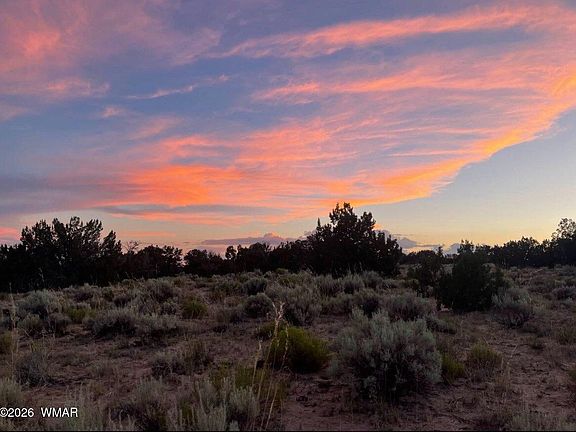
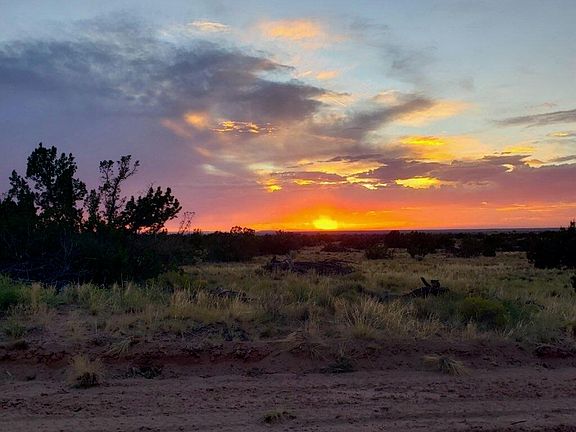
Scenic Views From an Elevated Plateau
According to the listing, the property sits at approximately 6,500 feet above sea level.
Its elevated landscape may provide attractive panoramic views and a distinctive natural environment compared with lower-elevation desert properties.
The mature juniper trees create a woodland atmosphere that may appeal to buyers who appreciate a combination of open scenery and natural vegetation.
Different portions of the property could offer opportunities for enjoying sunsets, observing wildlife, or simply relaxing outdoors.
However, elevation also influences weather patterns, temperature variations, wind exposure, and winter conditions.
Buyers should independently research seasonal temperatures and road accessibility rather than relying on general descriptions of Arizona’s climate.
A properly prepared rural residence should account for both summer heat and potential winter freezing conditions.
Understanding the local environment can help owners choose appropriate building materials, heating equipment, water storage arrangements, and maintenance practices.
A Seasonal Wash and Diverse Natural Terrain
The property includes a seasonal wash running through its lower valley section.
Seasonal washes are natural drainage features that may carry water during rainfall or other wet-weather conditions.
They can contribute to the character and ecological diversity of rural landscapes.
However, they may also present risks involving erosion, rapid runoff, and localized flooding.
Buyers considering future construction should carefully evaluate the location of the wash and understand how water moves across the property.
Building sites, access roads, storage structures, and utility equipment should be planned with appropriate drainage considerations.
A professional topographic assessment and flood hazard review can help identify potential concerns.
The seasonal wash should not be assumed to provide a reliable or legally available household water supply.
Responsible land development can help preserve natural drainage patterns while reducing the risk of damage to future improvements.
A Peaceful Retreat for Nature Lovers
The property’s natural surroundings may be particularly attractive to individuals who enjoy wildlife, photography, hiking, birdwatching, and outdoor relaxation.
The seller describes hummingbirds and other wildlife occurring throughout the area.
With 80 acres of land, future owners could potentially create private walking routes, observation areas, and peaceful outdoor spaces.
The existing cabins may serve as comfortable bases for exploring different portions of the property once their necessary improvements are completed.
For individuals seeking a break from busy urban environments, the combination of open landscapes, woodland scenery, and physical separation from surrounding development may be especially appealing.
However, rural living also requires responsible interaction with wildlife.
Food storage, waste management, property maintenance, and outdoor safety should be considered.
Preserving native vegetation and minimizing unnecessary disturbance can help maintain the natural qualities that make this property attractive.
Gated Access and Existing Driveway
The listing describes gated private access and a circular driveway connecting the three cabins.
It also identifies a shared driveway easement of approximately 200 feet involving Arizona wildlife management land.
These existing access arrangements may be useful, but they should be thoroughly reviewed before completing a purchase.
A recorded easement can establish important legal rights and responsibilities regarding property access.
Buyers should obtain copies of the relevant documents and determine who is responsible for maintaining the shared portion of the driveway.
Road conditions during heavy rain, snow, or other adverse weather should also be investigated.
Reliable access is particularly important for an off-grid property because owners may need to transport water, propane, construction materials, household supplies, and maintenance equipment.
Emergency vehicle access should be considered as part of any plan for permanent occupancy.
A professional land survey and title review can help confirm the relationship between the driveway, neighboring land, and the property’s recorded boundaries.
Convenient Interstate Access and Regional Attractions
Although the property offers a remote countryside atmosphere, the listing describes relatively convenient access to Interstate 40.
According to the seller, the property is approximately:
- 15 to 20 minutes south of the I-40 Navajo Exit.
- 30 minutes from Petrified Forest National Park.
- 45 minutes from Holbrook, Arizona.
- 45 minutes from Gallup, New Mexico.
These travel times are estimates supplied by the listing and should be independently verified.
Proximity to an interstate may be useful for purchasing supplies, arranging contractor visits, accessing regional services, and traveling between communities.
Buyers considering full-time residence should research nearby healthcare facilities, grocery stores, fuel stations, schools, hardware suppliers, and emergency services.
Actual accessibility may vary depending on the condition of local roads and seasonal weather.
Balancing rural privacy with dependable access to essential services is an important consideration when purchasing off-grid real estate.
No Listed HOA or Ranch Fees
The property is described as having no homeowners association and no ranch fees.
The seller also describes the zoning as unrestricted.
For buyers who want greater flexibility when managing rural acreage, the absence of an HOA may be an attractive feature.
It may eliminate certain private community fees and architectural restrictions commonly associated with planned residential developments.
However, unrestricted zoning should not be interpreted as permission to conduct every possible activity.
County requirements, building codes, environmental regulations, wastewater rules, recorded easements, and deed restrictions may still apply.
Buyers considering additional cabins, commercial activities, agricultural projects, or vacation rental operations should verify the applicable requirements before purchasing.
A qualified real estate attorney or local land-use professional can help determine whether specific development plans are legally permissible.
Understanding these issues early can prevent unnecessary expenses and complications.
Potential for Homesteading and Sustainable Living
This property may appeal to individuals interested in establishing a homestead built around practical resource management and independent rural living.
With 80 acres and multiple existing structures, future owners could explore a variety of gradual improvements.
Potential projects might include water storage infrastructure, renewable energy upgrades, gardens, equipment storage areas, workshops, and carefully planned outdoor spaces.
According to the listing, horses can also be raised on the property.
However, the natural terrain and dry climate may present challenges for animal ownership and agricultural development.
Suitable fencing, shelter, feed storage, dependable water supplies, and appropriate veterinary access would need to be established.
Gardening may require soil improvements, efficient irrigation arrangements, and protection from wildlife.
A successful homestead depends on understanding the available resources and developing projects that match the property’s actual capabilities.
Rather than attempting every improvement immediately, owners may benefit from prioritizing essential infrastructure and gradually expanding their activities.
Could the Three Cabins Become a Vacation Rental Investment?
Some buyers may consider whether the property’s multiple cabins could eventually support a small vacation rental operation.
Separate accommodation structures, expansive acreage, scenic surroundings, and satellite internet may be appealing characteristics for travelers interested in nature-based experiences.
The property might potentially attract guests seeking quiet retreats, remote working environments, or accommodation near regional outdoor attractions.
However, the listing does not establish that short-term rentals are currently authorized or that the cabins meet applicable occupancy standards.
Before considering a rental business, prospective investors should investigate local regulations, licensing requirements, wastewater capacity, fire safety, access arrangements, insurance coverage, and water availability.
The unfinished kitchen, bathroom, septic system, and propane infrastructure would also need to be addressed where necessary.
A realistic investment analysis should include renovation expenses, utilities, maintenance, cleaning, property management, marketing, taxes, and periods without bookings.
Potential rental revenue should not be treated as guaranteed income.
For some buyers, using the property as a private family retreat may be more practical than pursuing commercial accommodation activities.
Understanding the $133,000 Asking Price
The property is listed for $133,000 following a reported $6,900 price reduction on November 10, 2026.
For buyers researching affordable rural land, the asking price may appear particularly interesting considering the 80 acres, three cabins, storage containers, internet equipment, and included water trailer.
However, evaluating the property’s financial value requires more than comparing acreage and purchase price.
The cost of completing essential infrastructure may substantially influence the total investment.
Septic installation, plumbing, propane connections, alternative power improvements, water storage, structural repairs, and dome installation should all be considered.
A professional real estate appraisal and analysis of comparable rural property sales can provide additional information about market value.
Buyers should also distinguish between the property’s existing condition and its potential value after improvements.
Future appreciation is not guaranteed, and renovation expenses do not always translate directly into equivalent increases in market value.
Mortgage Financing and Estimated Monthly Payments
The listing displays an estimated monthly payment of $838.
This figure should be treated as an illustrative estimate rather than a guaranteed financing offer.
Actual mortgage payments depend on factors such as the purchase price, down payment, loan amount, interest rate, loan term, insurance premiums, property taxes, and borrower qualifications.
Off-grid homes with unfinished essential infrastructure may face additional financing challenges.
Conventional residential lenders generally evaluate property condition, legal access, utilities, appraisal results, and habitability.
Because the property requires septic installation and bathroom completion, some mortgage products may not be available until specific improvements are completed.
Prospective buyers should discuss the property’s condition with qualified lenders before making an offer.
Depending on individual circumstances, buyers may investigate specialized rural property financing, land loans, renovation loans, or construction financing.
Each financing option carries different eligibility requirements, costs, and financial obligations.
Obtaining prequalification does not guarantee that a particular property will satisfy a lender’s requirements.
Calculating the True Cost of Off-Grid Property Ownership
The advertised purchase price is only the beginning of the financial planning process.
Buyers should consider acquisition expenses, essential infrastructure projects, equipment maintenance, and long-term operating costs.
For this Arizona property, potential budget categories include:
| Expense Category | Items to Evaluate |
|---|---|
| Property Purchase | $133,000 asking price |
| Closing Costs | Title services, legal fees and transaction expenses |
| Septic Infrastructure | Design, permits, excavation and installation |
| Plumbing | Kitchen and bathroom completion |
| Water Supply | Tanks, pumps, filtration and transportation |
| Solar Energy | Equipment inspections, batteries and possible upgrades |
| Propane | Tanks, lines and professional installation |
| Cabin Renovation | Structural, mechanical and cosmetic improvements |
| Dome Shelter | Installation, anchoring and site preparation |
| Property Access | Driveway and road maintenance |
| Insurance | Residential, land and additional structure coverage |
| Emergency Reserve | Unexpected repairs and operating expenses |
Obtaining professional estimates before purchasing can help determine whether the total project remains compatible with the buyer’s financial resources.
Maintaining an emergency reserve is especially important when living independently from conventional utility networks.
Homeowners Insurance for Off-Grid Cabins
Insurance is an essential consideration when purchasing rural property with multiple structures and alternative energy systems.
An off-grid cabin may require a different insurance approach from a conventional suburban residence.
Insurance providers may evaluate construction materials, heating equipment, electrical systems, property access, occupancy status, water supply, and proximity to emergency services.
The property’s wooded environment and wood-burning stove may also influence underwriting requirements.
Buyers should investigate appropriate coverage for the main residence, guest cabins, storage containers, equipment, and personal belongings.
Vacant property coverage, renovation insurance, or specialized rural property policies may be relevant depending on the intended use and condition of the buildings.
If vacation rental activities are planned, standard residential insurance may not provide sufficient coverage.
Obtaining multiple insurance quotes before closing can help buyers understand potential expenses and coverage limitations.
Remarkably Low Listed Annual Property Taxes
According to the supplied listing, the annual property tax amount is just $181.
This figure may appeal to buyers interested in holding rural acreage for an extended period while developing it gradually.
Relatively low recurring property taxes can reduce one component of long-term ownership expenses.
However, the current tax amount should not be assumed to remain unchanged after a sale, reassessment, new construction, or major infrastructure improvements.
Buyers should verify tax information with the appropriate county authorities.
Other ownership expenses may include insurance, internet subscriptions, water transportation, fuel, solar equipment maintenance, road repairs, and general property upkeep.
Evaluating the complete annual budget is more useful than focusing exclusively on the currently listed property taxes.
Real Estate Investment and Long-Term Land Ownership
Purchasing substantial rural acreage may appeal to investors interested in diversifying their real estate holdings.
Land ownership offers different considerations from investing in conventional rental homes or commercial buildings.
Location, access, utility availability, development potential, natural resources, market demand, and carrying costs can influence long-term value.
The existing cabins and storage structures may provide advantages compared with completely undeveloped acreage.
However, unfinished infrastructure can also introduce significant financial responsibilities.
Investors should carefully evaluate comparable land sales, improvement costs, legal access, water availability, and potential resale demand.
A property with extensive acreage does not automatically generate income or appreciate in value.
Long-term success depends on purchasing at an appropriate price, managing expenses responsibly, and selecting improvements that align with realistic market conditions.
Professional financial and real estate guidance can help prospective buyers assess whether the property fits their investment strategy.
Essential Due Diligence Before Purchasing
Buying an off-grid property requires careful investigation of both the land and its existing infrastructure.
A professional land survey can confirm acreage, boundaries, access easements, and the location of existing structures.
Title research can help identify liens, recorded restrictions, ownership issues, and other legal matters.
The main cabin and guest cabins should undergo professional inspections to evaluate structural condition, roofing, foundations, insulation, electrical systems, and potential repairs.
Buyers should also investigate the operational condition of the alternative power equipment, Starlink hardware, water trailer, and shipping containers.
A septic feasibility assessment is particularly important because wastewater infrastructure remains unfinished.
Professional estimates for plumbing, propane installation, and other essential improvements should be obtained before completing the purchase.
Prospective owners should also review regional climate conditions, emergency access, insurance availability, and practical water transportation arrangements.
Thorough due diligence can help determine whether this property represents a manageable improvement project or requires more investment than initially anticipated.
Who Might Be Interested in This 80-Acre Property?
This Saint Johns property may appeal to several types of prospective buyers.
Individuals interested in off-grid living may appreciate the existing alternative infrastructure and substantial acreage.
Homesteading enthusiasts could explore the possibilities of developing a more independent rural lifestyle.
Remote workers may find the included Starlink equipment particularly interesting, provided that dependable power and connectivity can be established.
Outdoor enthusiasts may appreciate the elevated terrain, mature juniper trees, wildlife, and expansive natural surroundings.
Families searching for a private retreat may see potential in the three separate cabins.
Experienced property renovators and land investors could evaluate the unfinished infrastructure as part of a broader improvement strategy.
However, this property is likely better suited to buyers who are comfortable managing infrastructure projects rather than those seeking a fully completed, move-in-ready residence.
Frequently Asked Questions About This Arizona Off-Grid Property
How much does the property cost?
The property is listed for $133,000 following a recent $6,900 price reduction.
How much land is included?
The property includes approximately 80 acres in Apache County, Arizona.
How many cabins are on the property?
There are three cabins, including a two-story main residence with approximately 1,200 square feet of living space.
When was the main cabin built?
According to the listing, the main residence was constructed in 2010.
Is Starlink internet included?
The seller states that the installed Starlink equipment is owned and will remain with the property. Service subscriptions and transfer arrangements should be confirmed.
Does the property have electricity?
The listing identifies alternative power and solar-related features. The precise capacity and operational condition should be independently verified.
Is there a private water well?
The listing identifies hauled water rather than a private well. A 325-gallon water trailer is included.
Is there an installed septic system?
No. According to the listing, septic infrastructure still needs to be installed.
Are the kitchen and bathroom finished?
The listing indicates that additional work is required, including the installation of a sink, shower, and toilet.
Are the shipping containers included?
Yes. The listing identifies two 40-foot high-cube shipping containers.
Is the dome shelter already installed?
No. The listing describes a 20-by-40-foot dome that still requires installation.
Are there any HOA fees?
No homeowners association or ranch fees are identified in the listing.
How much are the annual property taxes?
The supplied listing reports annual property taxes of $181, subject to future changes.
Can horses be raised on the property?
According to the listing, horses are allowed. Buyers should verify applicable requirements and ensure that suitable water, shelter, fencing, and animal care arrangements can be provided.
Can the cabins be used as vacation rentals?
Potential rental use would depend on local regulations, building approvals, infrastructure capacity, insurance, and occupancy requirements.
Is the property move-in ready?
The unfinished septic, plumbing, and propane infrastructure means prospective buyers should carefully evaluate its current habitability before planning permanent occupancy.
Listing Information and Real Estate Contact
Interested buyers should contact the listing agent directly to confirm property availability, request additional photographs, obtain infrastructure details, and arrange a private viewing.
Property Address: 2 N7228 St, Saint Johns, AZ 85936
Asking Price: $133,000
Recent Price Reduction: $6,900
Total Acreage: 80 Acres
Main Cabin Size: 1,200 Square Feet
Total Cabins: 3
Year Built: 2010
Annual Property Taxes: $181
Listing Agent: Wendi L Nelson
Real Estate Brokerage: Mountain Retreat Realty Experts, LLC – Lakeside
Contact Number: 928-358-0653
Listing Source: WMAOR
MLS Number: 262165
Listing Updated: November 10, 2026
Final Thoughts: An Expansive Arizona Retreat With Off-Grid Potential
This 80-acre property in Saint Johns, Arizona, offers an intriguing combination of rural acreage, existing cabins, mature juniper woodland, scenic views, and alternative infrastructure.
With an asking price of $133,000, the property may attract buyers searching for an affordable off-grid homestead, private recreational retreat, or long-term rural land investment.
The three cabins provide potential flexibility, while the two large shipping containers, Starlink equipment, and included water trailer add practical features that are not always available with undeveloped acreage.
Its elevated terrain, seasonal wash, natural vegetation, and reported proximity to Interstate 40 contribute additional dimensions to the property.
The absence of a listed HOA and ranch fees, combined with the currently reported annual property taxes of $181, may also appeal to buyers seeking a rural property with relatively modest recurring fixed expenses.
Nevertheless, prospective owners should approach the opportunity with realistic expectations.
The septic system, kitchen, bathroom, propane infrastructure, and dome shelter require additional work.
The operational capacity of the alternative power system, condition of the cabins, legal access arrangements, and long-term water supply should all be carefully investigated.
For buyers who understand the responsibilities of off-grid ownership and are willing to develop the property gradually, this Arizona acreage could offer a meaningful opportunity to create a personalized rural retreat.
Sometimes, the greatest appeal of a property is not what has already been completed, but the freedom and space it offers to build something meaningful over time.
With thoughtful planning, responsible resource management, and appropriate professional guidance, this 80-acre property could become the foundation for a rewarding new chapter surrounded by Arizona’s natural beauty.
Disclaimer: This article is for informational purposes only and is based on the supplied real estate listing. Property prices, availability, taxes, financing estimates, utility conditions, zoning descriptions, and development possibilities are subject to change. Readers should independently verify all information with the listing agent and qualified professionals before making real estate, financial, construction, insurance, or investment decisions.
 \
From Zillow