Log Cabins
A Secluded Log Cabin With Mountain Views and a Stocked Pond in Smithfield, West Virginia
A Secluded Log Cabin With Mountain Views and a Stocked Pond in Smithfield, West Virginia

A Secluded Log Cabin With Mountain Views and a Stocked Pond in Smithfield, West Virginia
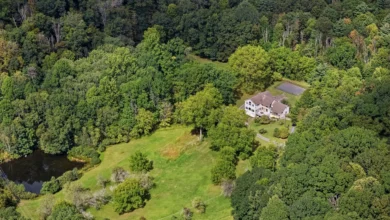
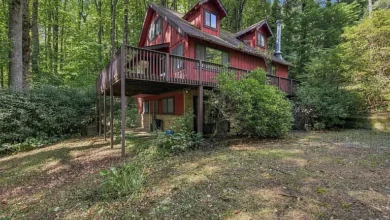
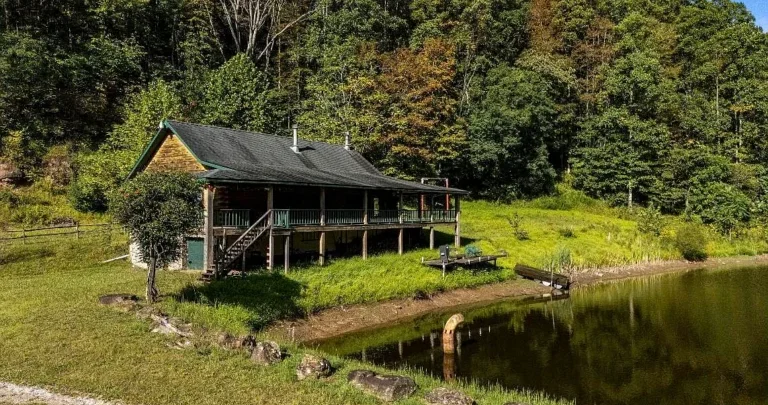
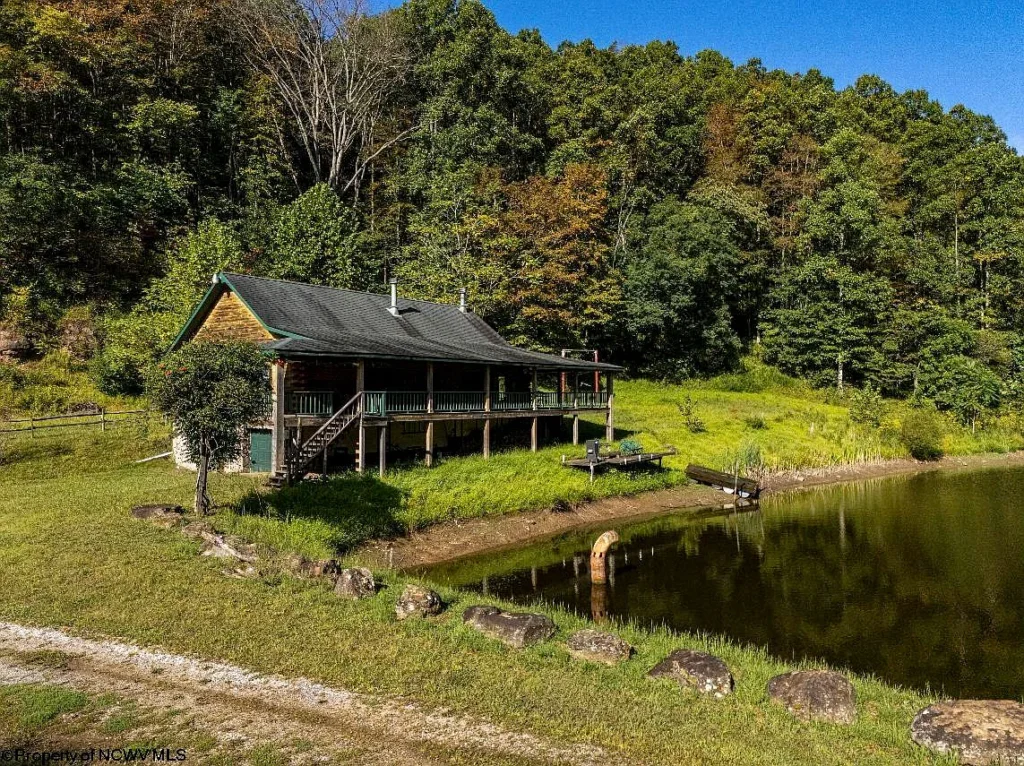
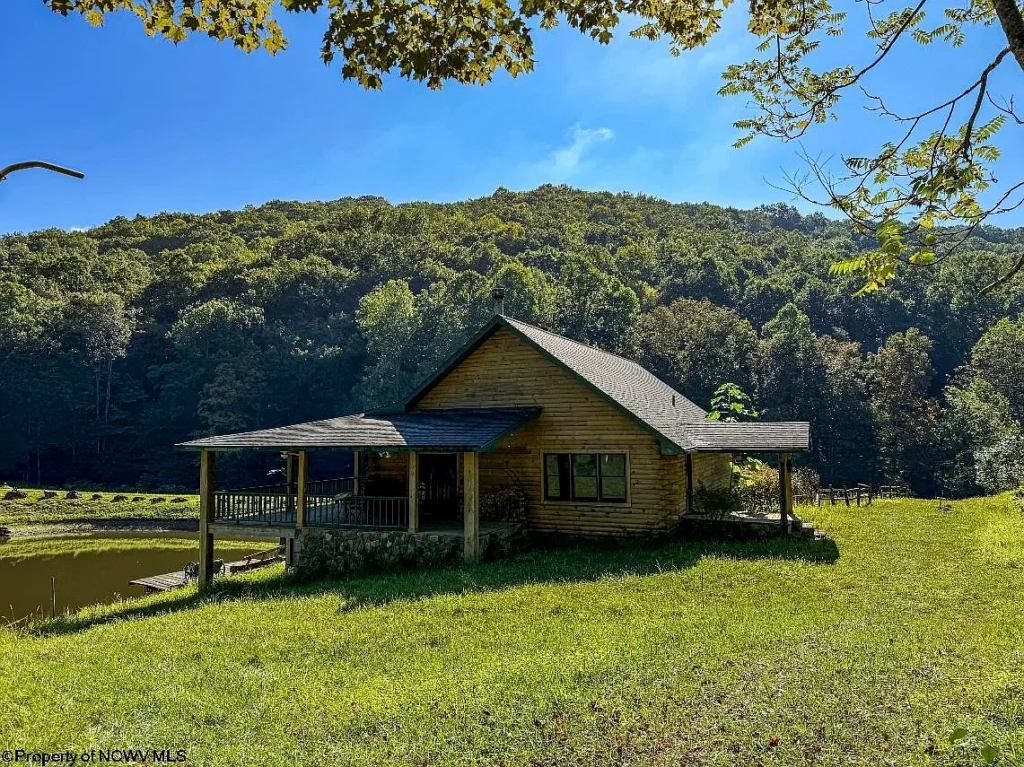
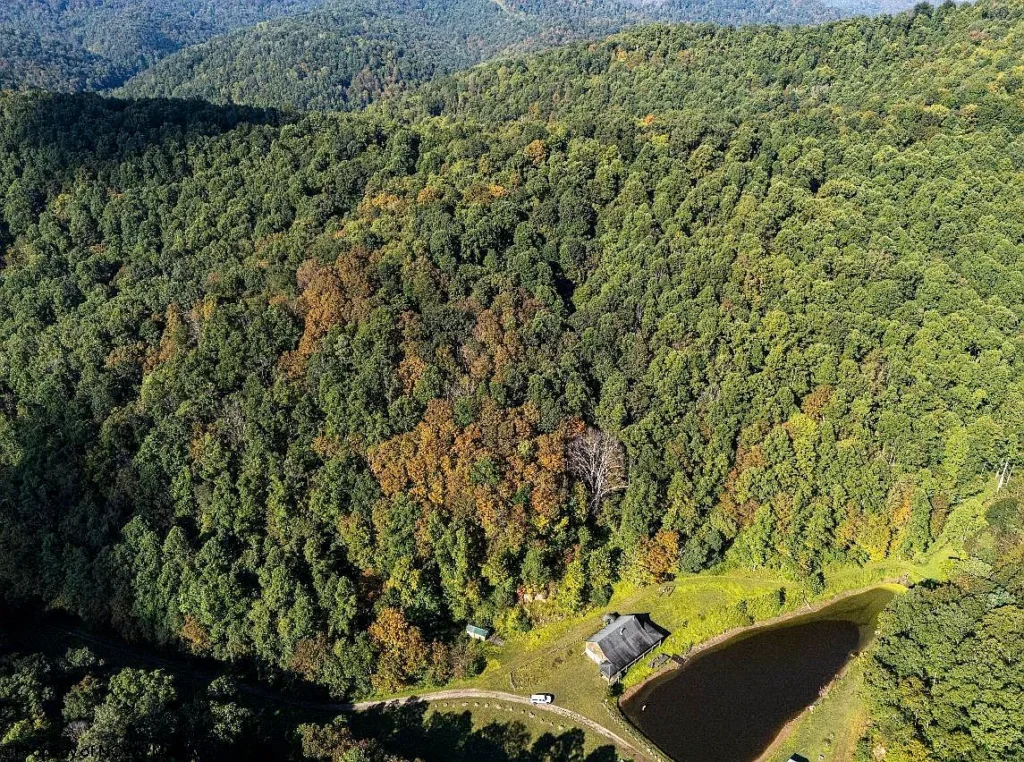
In the wooded hills of Smithfield, West Virginia, a log cabin looks out over a landscape that gives you several reasons to spend the day outdoors. You can start on the wraparound porch, walk through the trees, and spend part of the afternoon fishing at the stocked pond. Back inside, an open floor plan provides a shared space to cook, eat, and unwind. A gated entrance marks the approach to the property and adds to its secluded feel.
The cabin has the rustic character you would expect from a log home, but the setting is what makes it worth exploring on foot. The view from the house tells only part of the story. Down by the pond, the focus shifts to the water and its banks. In the woods, the terrain and tree cover give each walk a different character. If you are looking for a place where you can spend a full weekend without getting back in the car, those are the details to pay attention to on a visit.
Property Highlights at a Glance
| Feature | Property description |
|---|---|
| Location | Smithfield, West Virginia |
| Home style | Log cabin |
| Setting | Wooded hills with mountain views |
| Outdoor living | Wraparound porch |
| Interior layout | Open floor plan |
| Water feature | Stocked pond described as suitable for recreational fishing |
| Access | Gated entrance |
| Recreation | Woodland walks, hiking, wildlife watching, and fishing |
The Wraparound Porch Makes the Most of the Setting
A wraparound porch gives you more ways to use the outside of a cabin. On one side, you might find the best place for a chair and a morning coffee. Farther along, the angle toward the hills or the woods may be different enough to make you stop again. The appeal is in being able to change your view simply by walking a few feet, especially on a property where the surroundings are such a large part of the experience.
During a tour, follow the porch around the cabin and notice which sections feel most comfortable. A spot that catches the morning sun could suit a quiet breakfast, while a more sheltered section might be preferable later in the day. If you like to eat outdoors, look at how easily you could carry food from the kitchen to a table without disrupting foot traffic around the porch.
The porch also deserves a practical look. Check how much room there is between the railing and the cabin wall, especially where you might want to place furniture. Look at the steps, flooring, and rails. On a property meant for weekends outdoors, a porch can become one of the most-used parts of the house.
An Open Floor Plan for Easy, Informal Living
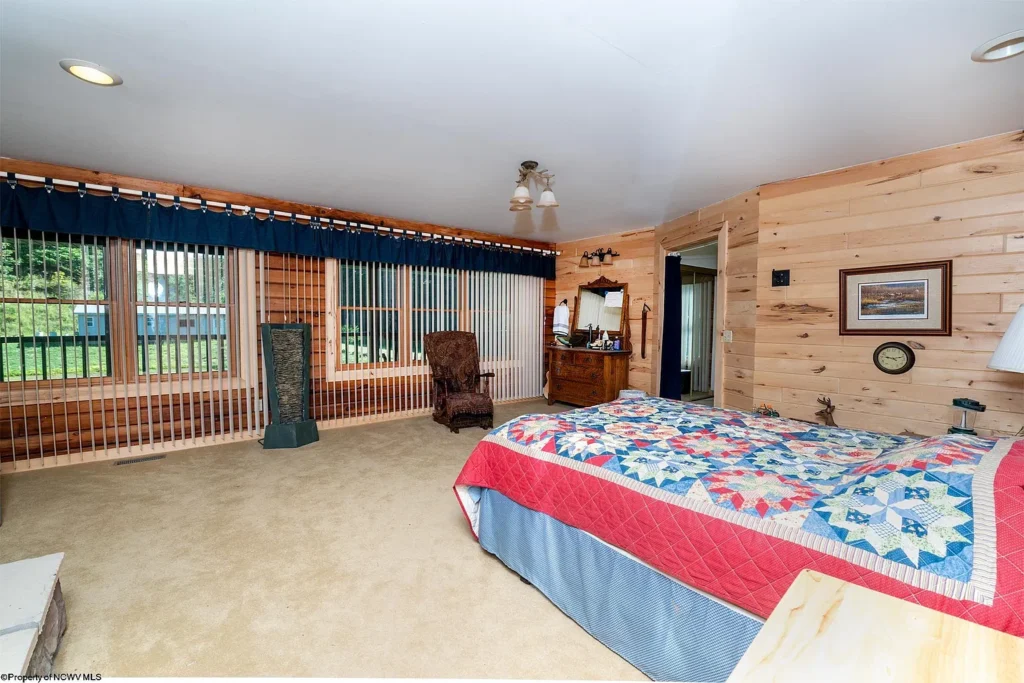
The cabin’s open floor plan suits the way a lot of people spend time at a country retreat. One person can prepare a meal while someone else reads or talks nearby. At the end of a day outside, the group can come together in the same part of the house without squeezing into a single room. The log construction gives that shared area a rustic character of its own.
To see how well the layout works, picture a real evening. Where would you put groceries when you arrive? Could someone walk from the porch to the kitchen while others are sitting down to eat? If you are visiting with friends, is there a comfortable place to sit and talk while dinner is being prepared? These are small questions, but they say more about how a cabin lives than the phrase “open floor plan” on its own.
The connection between the interior and the porch may be especially important here. If you spend a lot of time outside, it helps to have a convenient place near the door for jackets, muddy shoes, or fishing gear. During a visit, look at how that transition might work on a rainy afternoon as well as on a clear day.
Mountain Views That Change With the Light
The property description highlights mountain views, and seeing the setting from several points is worth the time. A view from the porch may take in more of the distant landscape, while a view from a lower part of the grounds can put the trees and contours of the property in the foreground. Notice which views you would naturally see from a chair or from inside the cabin.
Time of day can make a difference. In the morning, some slopes may still be in shadow, while later light can bring out the shape of the ridges. The woods also change with the seasons. Leaf cover can frame a summer view, while bare branches may reveal more of the terrain in winter. One visit gives you a starting point for understanding what you might see throughout the year.
If the view is the reason you are considering the cabin, take a moment to identify what you like about it. You may be drawn to the distant hills, the trees close to the house, or the way both appear from the same spot. That can help you decide where you would spend time and which parts of the setting you would want to preserve.
A Stocked Pond for Fishing and Unhurried Afternoons
The stocked pond is a distinctive part of this Smithfield property. It gives you a destination on the grounds and an activity you can enjoy without planning an outing elsewhere. One person might bring a fishing rod, while another simply wants a place to sit and watch the surface of the water. Either way, it offers a change of pace from the higher views and wooded areas around the cabin.
A visit is a chance to see how easily you can reach the pond. Walk the route from the house and look at the footing near the bank, especially if you would regularly carry chairs or fishing equipment. If the ground drops away or becomes soft near the water, the most convenient place to sit may be somewhere other than the first spot you approach.
The description says the pond is stocked and gives no stocking details. If fishing is an important reason for your interest, ask what species are present and when the pond was last stocked. You can also ask how the pond and its banks have been maintained, and whether the water level changes noticeably through the year. Those answers will help you understand what it might take to care for the pond as well as enjoy it.
Exploring the Woods Around the Cabin
The wooded grounds offer opportunities for hiking and exploring, and a first walk can help you see how much of the land you would use regularly. Start close to the cabin and pay attention to how quickly the terrain changes. An easy walk near the house might become steeper or less defined farther out. That variety can be part of the appeal, particularly if you want both a short everyday walk and somewhere to explore when you have more time.
Take note of any natural routes you discover between the cabin, pond, and wooded areas. A route you can comfortably follow to the water may become more important than a longer walk deeper into the trees. If a parcel map or survey is available, use it to understand how the areas you explore relate to the property lines.
The description also emphasizes wildlife and greenery. You may get a better feel for that side of the property by sitting quietly in one spot than by trying to cover the entire parcel in one outing. The pond and the edge of the woods are two places you can compare. Buyers interested in hunting can also confirm parcel boundaries and the rules that apply to their intended use.
What the Gated Entrance Means for Everyday Access
The gate marks a clear transition from the road into the property. For someone accustomed to arriving at a house directly from a neighborhood street, that approach can be a meaningful part of the retreat. The practical questions are how the entrance works and what the rest of the route to the cabin is like.
During a visit, check the space to pull off the road while opening or closing the gate, the width of the entrance, and the route to wherever you would park. If you plan to bring supplies, host friends, or make frequent winter visits, ask how the approach holds up in wet weather and what maintenance it typically needs. A route that feels straightforward on a dry afternoon may take more care at other times of the year.
It is also worth checking how the sense of privacy changes as you move around. Pause at the porch, near the pond, and in the woods. Notice what you can see and hear from each place. That will give you a better feel for seclusion in the parts of the property you would actually use.
Visiting for a Weekend or Living Here Year-Round
For a weekend retreat, your priorities might be a comfortable porch, an easy walk to the pond, and a shared room where everyone can gather at night. Those are all parts of the property you can judge during a visit. It helps to picture how you would arrive, put away your supplies, and settle in without spending the first few hours moving gear around.
Year-round living brings different questions into focus. You may want to know how heating, water, wastewater, and internet service are handled, as well as how the entrance and drive are maintained in winter. The property description does not give those details. If you are considering the cabin as a primary home, ask for them early and think about which services matter most to your household.
A log cabin also has exterior features worth looking at closely. Walk the perimeter and note the visible condition of the logs and the areas where the porch meets the structure. Look at places exposed to rain and ask what maintenance has been done. A closer inspection can help you understand which tasks would be part of ordinary upkeep and which might need attention sooner.
What to See on a First Tour of the Smithfield Cabin
A useful tour starts at the gate, continues around the porch and through the interior, then leaves enough time to walk to the pond and into the woods. Along the way, check the details that match how you would use the place.
- Wraparound porch. Find the section you would use most and consider the view, exposure, and furniture space.
- Interior layout. Walk from the porch to the kitchen and main gathering area to see how the spaces connect.
- Stocked pond. Ask about fish species, stocking history, and the upkeep of the banks.
- Woodland and boundaries. Walk the areas you expect to use and ask for the acreage and any available parcel map.
- Gated access. Check the entrance, parking approach, and what maintenance the route needs in different seasons.
- Cabin details. Ask for the year built, room counts, interior measurements, and information about utilities.
What Makes This Smithfield Log Cabin Memorable?
The best way to appreciate this property is to spend time in three places. Stand on the porch and look toward the hills. Walk down to the pond and find where you would settle in with a fishing rod or chair. Then head back inside and see how the open living space would feel at the end of the day. Each part of the visit gives you a different answer to what it would be like to stay here.
For someone looking for a log cabin in Smithfield, West Virginia, the appeal is how much there is to do close to the house. The porch is there for mornings when you want to stay put. The woods give you a place to stretch your legs. The pond gives you a reason to take your time. If those are the things you want from a country retreat, the property offers a setting in which all three are part of the same day.



From Zillow