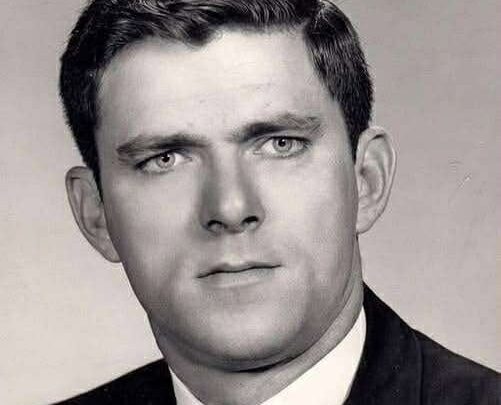
Phil Donahue didn’t just die. A whole way of talking to each other died with him. For half a century, he dragged the hardest truths into daylight and made them sit in the same room as our denial. Now the cameras are dark, the audience chairs are empty, and the nation’s most unlikely therapist has left us alone with our noise. We scroll. We shout. We retreat into feeds that never talk back. But in the quiet after his final sign-off, one brutal question won’t let go: if the man who taught us to really listen is gone, who dares to take the mic nex…
Phil Donahue’s absence feels like losing a town square disguised as a talk show. He turned daytime TV into a place where ordinary people could confront power, trauma, and each other in real time. No filters, no delay, just the raw risk of being changed by what you heard. He didn’t promise safety; he promised honesty and a chance to be seen.
In a culture that now rewards instant outrage over patient listening, his legacy is less nostalgia than assignment. We cannot resurrect his studio, but we can resurrect his ethic: sit in the discomfort, ask the question no one wants, and stay long enough to hear the answer. The mic doesn’t pass to a single successor; it splinters into millions of hands. The real tribute to Donahue is terrifyingly simple: stop performing, start listening, and let the next hard conversation actually hurt.
Donahue’s format made an audience member part of the conversation. A question from the floor could move an interview away from a prepared answer and toward a concern someone had brought into the studio. The host’s movement through the room helped make that exchange visible. Viewers at home could watch another person hesitate, ask a difficult question and listen to a response.
That arrangement carried risks as well as possibilities. People in the same room could disagree, misunderstand one another or ask something the guest did not expect. The conversation could become uncomfortable without being easy to resolve before the program ended. The source’s tribute places value on the willingness to remain present through that discomfort.
The work of listening is often less dramatic than the moment that becomes a clip. It includes deciding whether a question has actually been answered, allowing someone time to finish and noticing when the discussion has shifted away from the person most affected. Those are choices a host makes throughout an interview. They help explain why a talk show can be remembered for its method as much as for a particular guest.
The article asks readers to carry that approach into ordinary conversations. That might mean giving a difficult answer time to settle before replying or asking a follow-up that seeks information. It is a modest practice, but it connects directly to the public setting Donahue helped make familiar: people hearing one another’s experiences in the same room.
His influence can therefore be considered through the form of the program as well as its subjects. The audience, the microphone and the host’s attention gave viewers a model for participating in a conversation. Returning to that form offers a concrete way to understand the tribute’s appeal to keep listening.