News
Peanuts in Coke: The Southern Snack That Still Surprises First-Time Tasters
Peanuts in Coke: The Southern Snack That Still Surprises First-Time Tasters

Peanuts in Coke: The Southern Snack That Still Surprises First-Time Tasters
A bottle of cola and a bag of salted peanuts seem like an ordinary snack until someone pours the peanuts directly into the drink. For a person seeing it for the first time, the combination can look like a joke. For someone who remembers a parent or grandparent enjoying it, the same bottle may bring back an entire afternoon.
Known as peanuts in Coke, this pairing combines a familiar soft drink with shelled, salted peanuts. It is associated with Southern food culture, where it has been described and remembered long before short videos introduced it to another audience. Food publication Atlas Obscura documents the combination as a traditional Southern pairing, while noting uncertainty about its precise beginnings. atlasobscura.com
Its appeal is easy to describe, even if the experience takes some getting used to: sweetness, salt, roasted flavor, and changing texture in the same container.
There is no need to turn it into a challenge. It is a food preference, an interesting tradition, and, for some families, a small piece of personal history.
What Exactly Are Peanuts in Coke?
The basic combination is straightforward: cold cola with shelled, roasted, salted peanuts added to it.
The peanuts remain visible in the drink rather than dissolving into a smooth mixture. As they sit, they become coated with cola and gradually lose some of their dry crunch. The drink takes on some of the salt and roasted flavor from the nuts.
That makes the experience different from eating peanuts while drinking soda separately. Each ingredient begins to affect the other.
Coca-Cola is the brand named in the familiar expression, although someone experimenting at home can use another cola. A different drink may produce a different flavor, but there is no reason to treat personal preference as a test of authenticity.
The central idea is simply the combination of sweet cola and savory peanuts. Elaborate ingredients, special equipment, and complicated preparation are unnecessary.
What Is Known About Its History?
The precise origin is uncertain.
Atlas Obscura describes a proposed connection to the 1920s and to workers who wanted to enjoy peanuts without handling individual nuts while working. Importantly, it presents that explanation as speculation rather than a conclusively documented invention story. atlasobscura.com
That distinction matters. An explanation can sound practical and believable without establishing who first tried the combination, exactly where it happened, or why it spread.
There is a temptation to give every traditional food a neat beginning: one person, one store, one memorable afternoon. Everyday eating habits do not always leave that kind of record.
The responsible account preserves the uncertainty. Peanuts in cola is a recognized regional pairing, but assigning it a single inventor would require evidence beyond the familiar stories attached to it.
Its history remains interesting without pretending that every detail is settled.
Why the Sweet-and-Salty Combination Appeals
The ingredients provide a contrast that is familiar in other snacks.
Cola brings sweetness, carbonation, and a distinctive flavor of its own. Salted peanuts contribute roasted notes, salt, and a texture that changes after contact with the liquid.
Someone who likes chocolate with pretzels or caramel with salted nuts may understand the basic attraction. Sweetness and salt can share the same bite without either one disappearing.
Still, understanding the idea does not mean enjoying the result.
Some people prefer their peanuts crisp and their soda free of floating ingredients. Others appreciate the way the combination becomes less like two separate snacks and more like a single experience.
Neither response needs defending. A regional tradition does not require universal approval, and an unfamiliar food does not become unpleasant simply because its appearance is unexpected.
The most useful description leaves room for both curiosity and preference.
Texture Is a Big Part of the Experience
Flavor receives most of the attention, but texture may determine whether someone likes this snack.
Freshly added peanuts still have much of their familiar bite. After sitting in cola, their exterior becomes wet, and the eating experience changes.
For someone expecting a completely smooth drink, that contrast can be distracting. For someone who already enjoys foods with mixed textures, it may be part of the attraction.
This is also why a photograph cannot communicate the whole experience. The picture shows peanuts floating in dark soda, but it cannot show how much time has passed or how the person plans to eat them.
There is no requirement to enjoy the peanuts and cola simultaneously. Using an open glass and a spoon makes it possible to taste each component at a comfortable pace.
Keeping the foods separate is equally reasonable.
Which Peanuts Make the Most Sense?
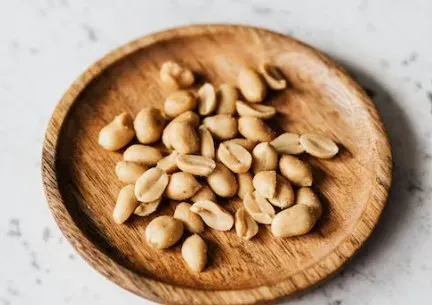
Shelled, roasted, salted peanuts are the straightforward choice for someone exploring the pairing described here.
The shells do not belong in the drink. The aim is to combine edible peanuts with cola, not to recreate the experience of cracking nuts at a ballgame.
Salted peanuts also provide the contrast that gives the combination its identity. Unsalted peanuts would produce a different result, while honey-roasted, spicy, or heavily flavored varieties introduce additional ingredients.
Those variations are not forbidden. They simply make it harder to understand the basic combination on a first attempt.
A small amount is enough to explore the idea. There is no benefit in buying a large quantity or filling a container with so many nuts that the drink becomes difficult to manage.
Starting simply keeps the focus on whether the flavor and texture appeal to you.
Does the Container Have to Be a Glass Bottle?
The glass bottle is part of the imagery surrounding peanuts in Coke, but a container does not determine whether someone is allowed to enjoy the ingredients.
A clear drinking glass offers a practical alternative. It lets you see the mixture, control the amount, and use a spoon for the peanuts.
A narrow bottle opening can make it less convenient to add or retrieve the nuts. That is a good reason to choose a glass rather than force a particular presentation.
The point is to enjoy a snack, not to reproduce a photograph exactly.
If the bottle is meaningful because it reminds someone of a relative or an earlier experience, that personal association is worth appreciating. It does not need to become a rule for everyone else.
Convenience and comfort are sensible reasons to adapt a food tradition.
A Simple Way to Explore the Flavor
For an adult who can safely eat peanuts and wants to understand the combination, a small serving is sufficient.
Use a clean drinking glass, chilled cola, a few shelled salted peanuts, and a spoon. Pour a modest amount of cola into the glass, leaving room for the nuts.
Add a few peanuts gently. There is no need to shake the mixture or treat the preparation as a performance.
Taste the cola and use the spoon to try a peanut separately. This makes it easier to notice what has changed without attempting to swallow solids with the drink.
If the texture does not appeal to you, stop there. You can still enjoy the remaining peanuts and cola separately.
Food curiosity should leave room for an ordinary answer: interesting to learn about, but perhaps not something you want again.
Peanut Allergies Must Be Taken Seriously
This combination is unsuitable for anyone who needs to avoid peanuts.
The U.S. Food and Drug Administration identifies peanuts as a major food allergen and explains that food-allergic reactions can range from mild symptoms to severe, life-threatening reactions. FDA
That means peanuts should never be added to someone’s drink as a surprise. The ingredients need to be clear before anything is served.
If preparing snacks for other people, ask about allergies rather than assuming a familiar ingredient is safe for everyone. Someone declining the combination does not owe an explanation.
Reading packaging is also important for people managing food allergies. The FDA advises checking labels each time a product is purchased because ingredients can change. FDA
The cultural interest of a snack never outweighs an individual’s need to avoid an allergen.
Whole Peanuts Are Not Appropriate for Young Children
This is also not a snack to recreate as a tasting game for young children.
The Centers for Disease Control and Prevention includes whole or chopped nuts among potential choking hazards for young children. CDC
A discussion of the tradition should therefore avoid encouraging children to tip peanuts into their mouths from a bottle.
For adults, too, there is no reason to turn the experience into rapid drinking or an attempt to swallow peanuts whole. Using a spoon keeps eating and drinking separate and makes the texture easier to manage.
Someone with difficulty chewing or swallowing should choose foods and drinks appropriate to their individual needs rather than experiment with solids floating in soda.
These practical considerations belong alongside the appealing photographs and nostalgic stories.
Why Familiar Foods Can Look So Strange Online
A short video can make an ordinary habit look surprising by removing its context.
A viewer sees someone pour peanuts into cola. Without an explanation, the action resembles an improvised experiment. Someone who recognizes the pairing sees something familiar instead.
That difference creates an easy conversation: one person asks why anyone would do it, while another wonders how anyone has never heard of it.
The most interesting response lies between those reactions. An unfamiliar snack can become a way to learn about another person’s background without ranking one set of preferences above another.
The same applies to many family foods. What seems unusual from the outside may be connected to a particular place, relative, or routine.
A useful article explains that context rather than relying entirely on shock.
The Difference Between Memory and Evidence
Personal memories and historical claims serve different purposes.
Someone can accurately remember a grandparent adding peanuts to cola without knowing where the practice began. That recollection is meaningful even when it cannot establish a national timeline.
Similarly, an older family habit does not prove that everyone in a region shared it. Neighbors can grow up with different foods, and members of the same household can disagree about a favorite snack.
Keeping those distinctions clear makes food writing more trustworthy.
There is room to say, “This reminds me of my grandfather,” without adding, “This is how everyone used to eat.”
Readers can appreciate a personal connection while recognizing its limits. The story becomes more human when it stays specific rather than claiming to represent an entire population.
Frequently Asked Questions
Can I use a cola other than Coca-Cola?
Yes. The familiar name refers to Coke, but another cola can be used according to personal preference. The taste may differ.
Do the peanuts need to be salted?
Salted peanuts provide the sweet-and-salty contrast discussed here. Unsalted peanuts produce a different version.
Should the shells go into the drink?
No. This combination uses shelled peanuts.
Do I have to eat the peanuts directly from the bottle?
No. An open glass and a spoon offer a simpler way to taste the mixture. Eating peanuts and drinking cola separately is also perfectly fine.
Is it a health drink?
This article makes no health claim for the combination. Combining two ingredients does not automatically create a wellness benefit.
Is the snack’s exact origin established?
The sources discussed here do not establish a single inventor or a definitive first occasion. Proposed origin stories should be described as such.
A Small Tradition With a Lasting Appeal
Peanuts in Coke is easy to describe and surprisingly effective at starting a conversation.
For some people, the interest is flavor. For others, it is the memory of watching someone they loved prepare the same snack. A first-time taster may enjoy it, dislike it, or decide that learning about it was enough.
All of those responses fit.
The pairing does not need a dramatic origin story or an exaggerated promise to be worth discussing. Its appeal lies in ordinary ingredients, personal associations, and the discovery that another person’s familiar food can still surprise us.
Food-history note: The precise origin of peanuts in cola is uncertain. This article distinguishes the recognized pairing from proposed explanations of how it began.