News
How to Clean Toilet Stains the Right Way (Easy Method That Works)
How to Clean Toilet Stains the Right Way (Easy Method That Works)

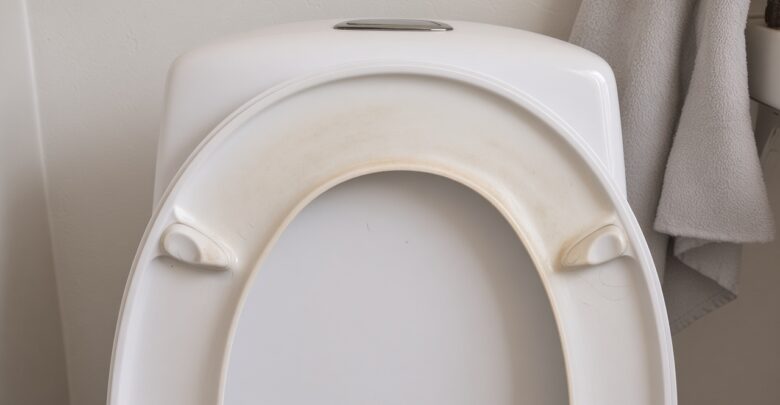
How to Clean Toilet Stains Without Damaging the Seat or Bowl
You cleaned the bathroom recently, but a yellow mark has already appeared on the toilet seat. Inside the bowl, a stubborn ring refuses to budge.
Toilet stains are frustrating, but scrubbing harder isn’t always the answer. The right approach depends on what caused the stain—and which surface you’re cleaning.
Here’s how to clean toilet stains, freshen up the surrounding area, and keep buildup under control.
What Causes Toilet Stains?
Not every stain comes from the same source. Common causes include:
- Hard water: Mineral deposits can leave rings, chalky buildup, or rusty streaks inside the bowl.
- Dried splashes: Residue left on the seat or around the base can become harder to remove over time.
- Everyday grime: Dust, body oils, and cleaning-product residue can collect around hinges and edges.
- Moisture: Damp conditions can encourage mold and mildew.
- Aging materials: Some yellowing comes from deterioration or damage to the seat’s finish rather than surface dirt.
Color alone won’t always tell you what caused a mark. Start gently and check the manufacturer’s care instructions before trying a stronger treatment.
What You’ll Need
Keep your supplies simple:
- Rubber gloves
- Mild dish soap
- Warm water
- Soft microfiber cloths
- A soft toothbrush reserved for cleaning
- A toilet brush
- A toilet bowl cleaner suitable for your toilet
- A compatible limescale or rust remover, if needed
- A floor cleaner suitable for your flooring
Open a window or turn on the bathroom fan. Use one cleaning product at a time, and follow its label.
Never mix bleach with vinegar, ammonia, toilet bowl cleaner, or any other cleaning product.
How to Clean a Stained Toilet Seat
Start With Mild Soap and Water
Mix a little mild dish soap with warm water. Dampen a soft cloth and wipe the lid, the top and underside of the seat, and the edges.
For dried residue, hold the damp cloth against the area briefly to soften it, then wipe gently.
Finish with a separate cloth dampened with clean water and dry the seat thoroughly.
Pay Attention to the Hinges
Grime often collects around the hinges and mounting points. Use a soft toothbrush with soapy water to reach small gaps, taking care around metal fittings.
If your seat has a quick-release mechanism, follow its instructions for removal and cleaning. Avoid soaking hinges or electrical components.
Be Careful With Stubborn Yellow Marks
Before trying peroxide, bleach, a melamine sponge, or an abrasive paste, check whether the seat manufacturer allows it. These treatments can scratch, dull, or discolor certain finishes.
If the seat remains yellow after gentle cleaning, the discoloration may be permanent. A worn, cracked, or peeling seat is usually better replaced than repeatedly scrubbed.
How to Clean Toilet Bowl Stains
Remove Everyday Buildup
Apply a suitable toilet bowl cleaner as directed on the label, including beneath the rim where instructed.
Allow the recommended contact time, scrub with a toilet brush, and flush. Keep splashes away from the seat, hinges, and nearby surfaces.
Treat Hard Water Rings and Rust
If a ring remains after ordinary cleaning, choose a product specifically labeled for limescale or rust and approved for your toilet’s surface.
Follow the application and rinsing instructions carefully. Don’t add a second cleaner to the bowl while the first is still present, and never use an acidic descaler with bleach.
Use Caution With Pumice Stones
A pumice stone can scratch some surfaces, especially coated or specialty finishes. Use one only if the toilet manufacturer permits it.
If approved, keep both the stone and surface wet and apply very light pressure. Never use pumice on a toilet seat, plastic fittings, or metal hardware.
Clean the Outside From Top to Bottom
Work from the cleaner areas toward the dirtier ones:
- Wipe the tank and flush handle.
- Clean the lid, seat, and hinges.
- Wipe the outside of the bowl.
- Finish with the pedestal and base.
Apply a compatible cleaner to your cloth where practical to reduce overspray. Use separate cloths for the toilet and other bathroom surfaces.
If disinfection is needed, clean first, then use a disinfectant approved for the surface. Keep it wet for the contact time stated on the label.
Don’t Forget the Floor
Remove hair and dust with a paper towel or a cleaning tool reserved for the bathroom. Then wipe or mop around the base with a cleaner suitable for your floor.
Pay attention to corners and the area behind the toilet.
If water keeps appearing around the base, investigate a possible leak rather than treating it as another cleaning problem.
Keep Your Toilet Brush Clean
After use, rinse the brush during a clean-water flush, avoiding splashes, and let it dry before storing it.
Clean the holder separately and allow it to dry too. Don’t leave a pool of bleach or another cleaner in the holder, where it could contact residue from a different product.
Quick Cleaning Guide
- Dirty seat: Mild soap, warm water, and a soft cloth.
- Grimy hinges: A soft toothbrush and careful wiping.
- Ordinary bowl stains: A suitable toilet bowl cleaner.
- Mineral rings or rust: A compatible product designed for those deposits.
- Permanent seat discoloration: Consider replacing the seat.
- Floor around the base: A separate cloth or mop and a suitable floor cleaner.
The Habit That Makes Cleaning Easier
Wipe up fresh splashes promptly and give the toilet a regular clean—about once a week, or more often when needed.
Small, frequent cleanups help prevent residue from becoming stubborn buildup. Start with the gentlest suitable method, follow product instructions, and give cleaners time to work instead of scrubbing harder.