Affordable Homes
$45,000 Property in Indianapolis, Indiana: A 0.39-Acre Land Investment Opportunity at 2915 Villa Ave
$45,000 3 beds 1 baths 1,135 sqft

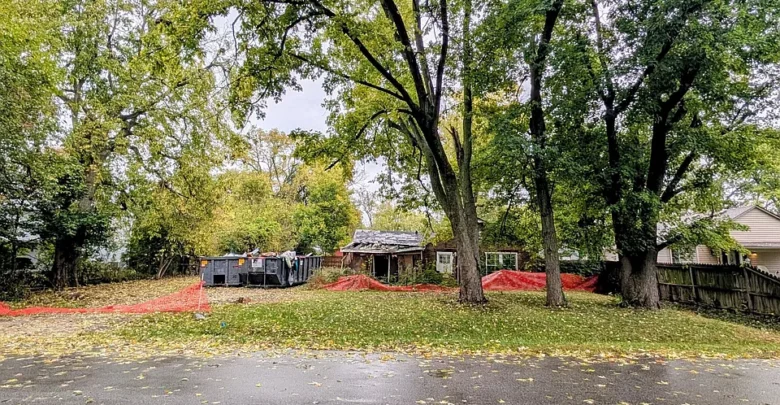
$45,000 Property in Indianapolis, Indiana: A 0.39-Acre Land Investment Opportunity at 2915 Villa Ave
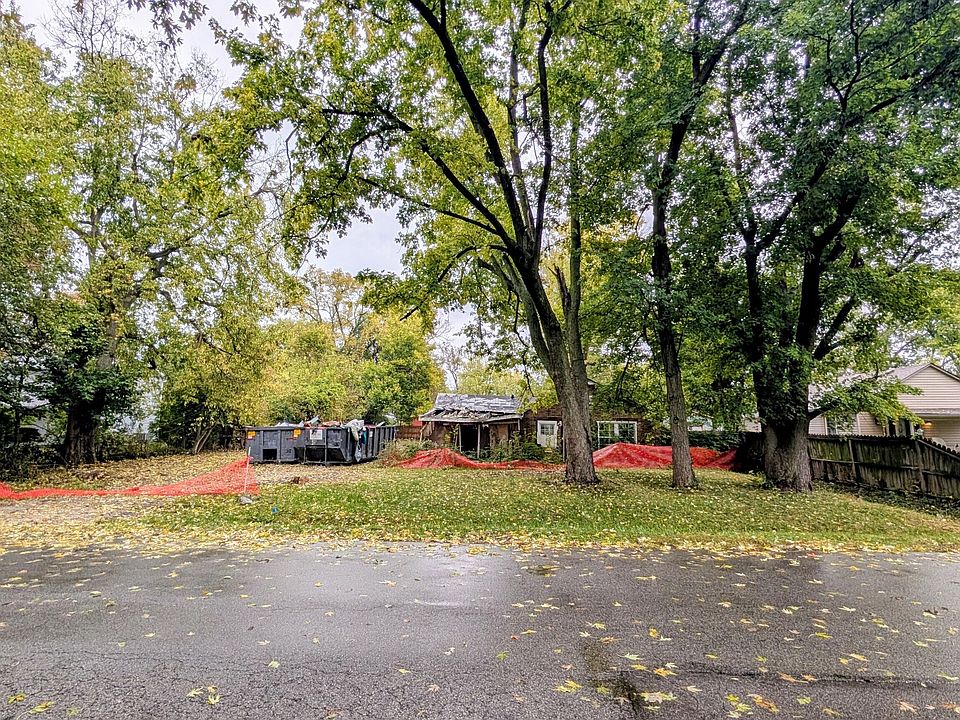
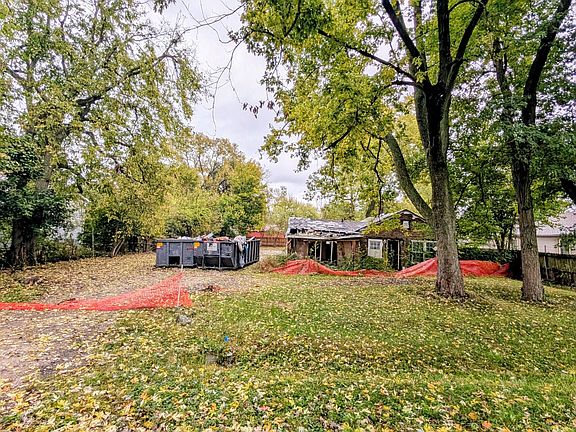
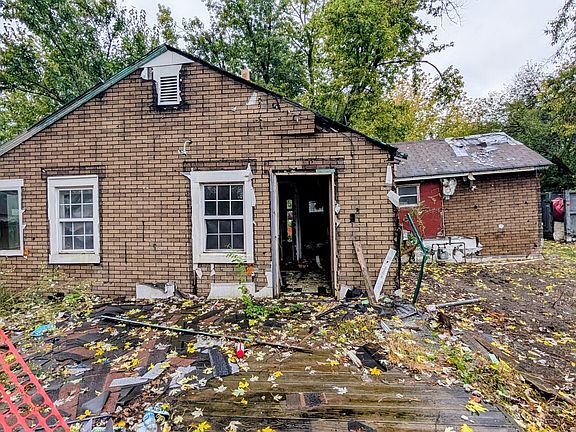
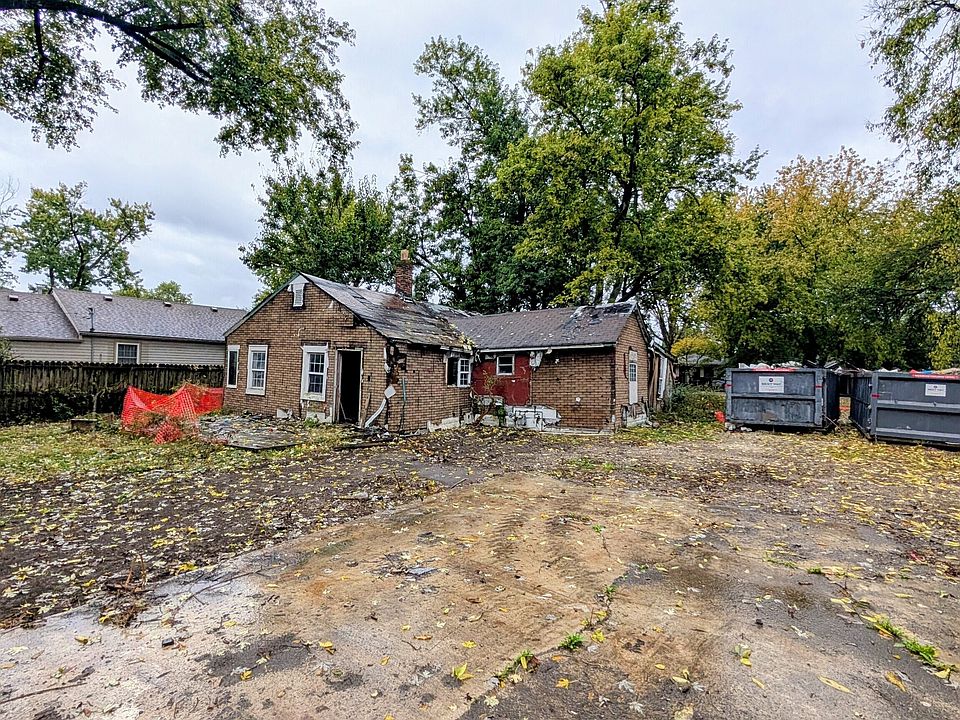
Looking for an affordable real estate investment in Indianapolis, Indiana? A property listed for $45,000 at 2915 Villa Ave offers investors, builders, and developers an opportunity to explore a land-focused investment in an established urban area. The property includes a 0.39-acre lot, generous frontage and depth, and an existing single-family structure that is reportedly severely damaged by fire, roof problems, and structural issues.
Rather than treating this listing as a traditional home purchase, potential buyers should evaluate it primarily as a possible land acquisition and redevelopment project. With a relatively low asking price, an existing connection to public utilities, and a lot that may offer future development flexibility, the property could attract buyers interested in new construction, infill housing, or a long-term real estate strategy.
However, the opportunity comes with important risks. The existing structure is described as unsafe and potentially suitable for demolition rather than renovation. Any future construction, subdivision, or redevelopment will depend on zoning regulations, site conditions, permitting requirements, demolition costs, and the buyer’s financial resources.
This guide examines the property’s listed features, potential investment strategies, redevelopment considerations, costs to investigate, and the due diligence buyers should complete before making an offer.
Property Overview: 2915 Villa Ave, Indianapolis, IN 46203
The property is located at 2915 Villa Ave in Indianapolis, Indiana, ZIP code 46203. According to the listing information, it is being offered for $45,000 and includes an existing single-family residence built in 1937.
Although the house has three bedrooms and one bathroom, its reported condition makes the land the primary focus of the investment opportunity.
Key Property Details
- Asking price: $45,000
- Property address: 2915 Villa Ave, Indianapolis, IN 46203
- Property type: Single-family residential property
- Lot size: 0.39 acres
- Existing structure: 1,135 square feet
- Bedrooms: 3
- Bathrooms: 1 full bathroom
- Year built: 1937
- Architectural style: Ranch
- Foundation: Crawl space
- Exterior material: Vinyl siding
- Water: Public water connection reported
- Sewer: Sewer connection reported
- Electricity: Electrical connection reported
- Heating and cooling: None listed
- Basement: No
- Homeowners association: No HOA reported
- Property condition: Severe damage; sold as-is
- Annual property taxes: Approximately $3,616, according to the listing
- Subdivision: Somerset
- Parcel number: 491019146004000101
These details are based on the supplied listing information and should be independently verified with the seller, local authorities, and relevant utility providers.
Why Is This Property Listed for Only $45,000?
The asking price is one of the most noticeable features of this listing. At $45,000, the property may appear affordable compared with a conventional house in which the buyer can immediately live or rent out.
However, the price needs to be evaluated in the context of the property’s condition.
The listing describes significant fire damage, roof problems, and structural deterioration. It also warns prospective buyers not to enter the building because it is unsafe. These conditions can make renovation expensive, complicated, or impractical.
Consequently, the property should not be evaluated solely by comparing its price with the cost of other three-bedroom homes in Indianapolis. The more relevant question is whether the land, after accounting for demolition, site preparation, permitting, and other expenses, offers a viable basis for redevelopment.
A low purchase price does not automatically mean a profitable investment. Buyers must calculate the total project cost and compare it with realistic resale values, potential rental income, or the value of a completed development.
A Large 0.39-Acre Lot in an Urban Location
One of the property’s strongest advertised features is its 0.39-acre lot.
An acre contains 43,560 square feet, which means a 0.39-acre parcel represents approximately 16,988 square feet of land.
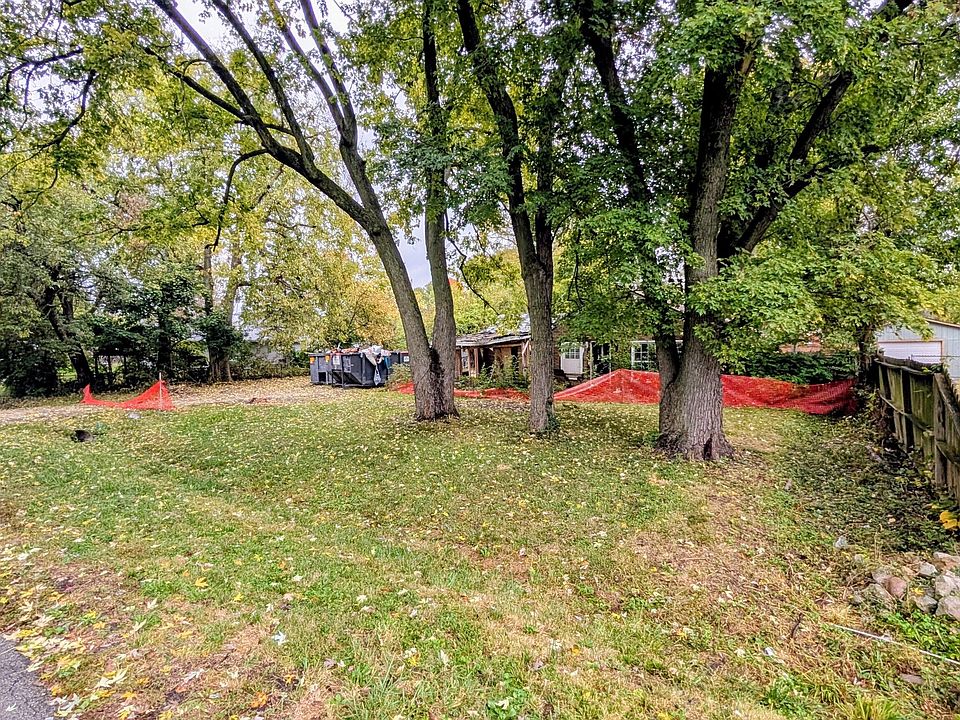
That is a substantial amount of land for a residential property within Indianapolis city limits. The listing describes the parcel as relatively flat, with generous frontage and depth, and notes that much of the lot has already been cleared.
Mature trees along the perimeter may provide some privacy and help define the property’s boundaries. Nevertheless, buyers should determine whether the trees, drainage patterns, and existing site conditions affect future building plans.
The available land area could make the property worth investigating for several reasons:
- Construction of a new single-family residence.
- Development of a custom-built home for resale.
- Construction of a rental property for long-term ownership.
- Potential subdivision into separate residential parcels.
- A possible multi-dwelling development, if permitted.
- Acquisition and resale of the land after completing appropriate due diligence.
These are potential strategies, not guaranteed development rights. The actual possibilities depend on zoning, lot dimensions, setbacks, access, utility capacity, easements, drainage, and other local requirements.
Could the Property Be Divided Into Two Lots?
The listing specifically highlights the possibility that the parcel could potentially be divided into two lots or accommodate two separate dwellings.
For investors, this is an important question because two legally buildable parcels may offer more flexibility than a single lot.
However, a 0.39-acre property cannot automatically be divided simply because it appears large enough. Indianapolis zoning and subdivision requirements may impose minimum lot widths, minimum lot areas, frontage standards, access requirements, setbacks, and other restrictions.
The shape and dimensions of the parcel are particularly important. Two proposed lots may have sufficient total area but still fail to meet minimum frontage requirements or other development standards.
Before relying on a two-lot strategy, buyers should:
- Confirm the property’s current zoning classification.
- Ask the appropriate City of Indianapolis planning office whether subdivision is permitted.
- Verify minimum lot dimensions and frontage requirements.
- Check whether both proposed lots could have legal street access.
- Confirm the availability and cost of separate utility connections.
- Review recorded easements, property boundaries, and title restrictions.
- Obtain a professional survey showing exact dimensions.
- Determine whether formal subdivision approval is required.
A written assessment from a qualified local professional or the relevant municipal authority can help establish whether the proposed concept is realistic.
Important: Do not calculate an investment’s expected profit on the assumption that the lot can be divided until that possibility has been verified.
Is Demolition the Best Option?
The listing states that the existing home has significant fire, roof, and structural damage and is better suited for demolition than renovation.
If demolition is necessary, the buyer will need to consider the cost of removing the structure and preparing the property for future use.
Demolition expenses vary significantly depending on the building’s condition, size, materials, accessibility, disposal requirements, and local permitting rules. A structure damaged by fire may also require additional investigation before work begins.
Potential costs include:
- Building demolition and debris removal.
- Demolition permits and required inspections.
- Disconnection or protection of utility services.
- Testing for asbestos or other hazardous materials when appropriate.
- Specialized handling and disposal of regulated materials.
- Removal of damaged foundations or crawl-space components.
- Grading, erosion control, and site preparation.
- Temporary fencing and safety measures.
The house is approximately 1,135 square feet, but its age and reported damage mean that its size alone is insufficient to estimate demolition expenses accurately.
Buyers should obtain written estimates from licensed and appropriately insured demolition contractors. They should also confirm whether any hazardous-material assessment is required before demolition.
Because the listing expressly warns that the structure is unsafe, prospective buyers should inspect only the lot as permitted by the seller and should not enter the building.
Renovation Versus New Construction
A buyer might wonder whether restoring the existing three-bedroom home could be cheaper than demolishing it and building a replacement.
In some properties, renovation can preserve value and reduce certain construction expenses. In this case, however, the reported fire and structural damage make a detailed professional assessment essential.
A renovation feasibility study should examine the roof, framing, foundation, electrical system, plumbing, insulation, and any fire-related damage. It should also determine whether the existing structure can comply with applicable building codes after repairs.
The buyer should compare two complete budgets:
Option A: Renovation
Purchase price, structural repairs, roof replacement, electrical and plumbing work, interior reconstruction, code compliance, permits, contingency funds, and financing costs.
Option B: Demolition and new construction
Purchase price, demolition, hazardous-material handling if necessary, site preparation, architectural and engineering fees, permits, utility work, construction, landscaping, financing costs, and contingency funds.
The less expensive option will depend on actual contractor estimates and the intended end use. A damaged structure should not be assumed to have positive value merely because it already exists.
Estimating the True Investment Cost
The purchase price is only the starting point for a land-development project.
An investor should prepare a complete budget before making a purchase decision. The following example illustrates the calculation without assuming unverified contractor prices.
| Expense category | Amount |
|---|---|
| Property purchase | $45,000 |
| Demolition | Obtain quote |
| Permits and inspections | Obtain estimates |
| Survey and due diligence | Obtain quotes |
| Site preparation | Obtain quote |
| Utility work | Verify with providers |
| New construction | Based on project plans |
| Financing and carrying costs | Based on loan terms |
| Contingency reserve | Based on project risks |
The total investment should include every expense required to reach the intended outcome.
For example, an investor planning to build a house for resale needs to include construction, selling costs, taxes, financing, insurance, and an allowance for unexpected delays.
A buyer planning to hold the property for rental income must instead evaluate achievable rents, ongoing maintenance, property taxes, insurance, management expenses, and long-term capital requirements.
No reliable profit estimate can be made from the $45,000 asking price alone.
Understanding the Property Taxes
The supplied listing reports annual property taxes of approximately $3,616 and a tax-assessed value of $91,400.
These figures deserve careful verification before purchase.
The assessed value is not necessarily the property’s current market value, and it does not establish what the land will be worth after redevelopment. Similarly, the existing tax bill may change after a transfer, reassessment, demolition, or new construction.
The reported tax amount is also significant relative to a $45,000 asking price. If it remains applicable, $3,616 represents approximately 8% of the asking price annually.
That comparison is useful as an initial warning, but it should not be treated as a definitive future tax rate. The buyer should obtain the actual tax history, confirm whether any unpaid taxes or assessments exist, and ask the relevant county authorities how future changes might affect the parcel.
For a long-term land investment, carrying costs can materially reduce returns while the property remains undeveloped.
Location and Infill Development Potential
The property is situated in Indianapolis, Indiana, within ZIP code 46203 and the Somerset subdivision, according to the listing.
Urban infill development generally involves building on vacant, underused, or redevelopment-ready parcels within an existing community rather than developing entirely new areas on the outskirts of a city.
Such projects may appeal to builders who want to create housing in established neighborhoods, subject to local market demand and development regulations.
The property’s reported connections to public water, sewer, and electricity may be useful. However, the presence of utility connections does not guarantee that they are operational, appropriately sized, or sufficient for a new building or multiple dwellings.
Before purchasing, buyers should confirm:
- The condition and location of existing service lines.
- Whether utility connections must be disconnected for demolition.
- Whether new service connections or upgrades will be required.
- Whether additional fees apply to new construction.
- Whether the site has drainage or stormwater-management requirements.
- Whether the proposed building will have adequate vehicle and pedestrian access.
Investors should also examine comparable land sales and recent new-construction sales in the immediate area. Broad Indianapolis market averages are less useful than transactions involving properties with similar zoning, dimensions, and development potential.
Investment Strategy 1: Build a New Single-Family Home
One possible strategy is to acquire the parcel, remove the damaged house, and build a new single-family residence.
This approach may be suitable for a builder who understands local construction costs and can identify buyers seeking newly constructed housing in the area.
The project would require a feasibility study covering the proposed home size, architectural plans, construction budget, zoning compliance, utility requirements, and expected resale value.
Before committing to construction, the investor should compare the expected completed sale price with the full project cost.
A successful development depends not only on purchasing land at an attractive price but also on delivering a home that local buyers are willing to purchase at a sufficient margin.
Investment Strategy 2: Build and Hold for Rental Income
Another possibility is to construct a new rental property and retain it as a long-term investment.
This strategy shifts the focus from immediate resale profit to sustainable rental income and long-term property value.
The investor should research comparable rental homes in the surrounding area, estimate realistic monthly rent, and account for vacancy, repairs, property management, insurance, taxes, and financing.
If a new building is constructed, the investor must also consider the time required to obtain approvals, complete construction, and find a tenant.
The rental strategy is only attractive if the expected net operating income and long-term return justify the total capital invested.
Investment Strategy 3: Explore a Two-Dwelling Development
If local regulations and the physical characteristics of the lot permit it, two dwellings could provide an alternative development strategy.
Depending on the applicable rules, this might involve two separate homes or another legally permitted residential configuration.
The feasibility of this option depends on more than total lot size. Building placement, setbacks, parking, access, fire-safety requirements, drainage, utilities, and subdivision rules can all affect what is possible.
A qualified local architect, surveyor, or land-use professional can help determine whether the site can accommodate the proposed layout.
The investor should also compare the total cost of two smaller dwellings with the expected combined resale value or rental income. Two units may generate more gross revenue, but they may also involve higher construction, permitting, utility, and management costs.
Important Risks Buyers Must Consider
Despite the low asking price, this property carries several risks that should not be overlooked.
1. Structural and Fire Damage
The listing describes severe damage and warns that entering the house is unsafe. Renovation costs could be substantial, and demolition may be necessary.
2. Zoning and Subdivision Uncertainty
The possibility of creating two lots or two dwellings remains unverified. A buyer should not rely on this potential without confirmation from the relevant authorities.
3. Demolition and Environmental Costs
Older buildings can require additional investigation and specialized removal procedures. Fire damage may create further complications.
4. Property Taxes and Carrying Costs
The listing reports annual taxes of $3,616. Taxes, insurance, security, and maintenance can accumulate while the property is held.
5. Construction and Financing Risk
Construction costs, interest rates, permitting delays, and contractor availability may affect project profitability.
6. Resale and Market Risk
The final property may sell for less than anticipated, or it may take longer to sell than expected. Investors should use realistic comparable sales rather than optimistic projections.
7. As-Is Purchase Conditions
The property is advertised as being sold strictly as-is. Buyers should understand the purchase agreement, inspection limitations, title conditions, and any applicable contingencies before closing.
Due Diligence Checklist Before Making an Offer
Before proceeding, investors should complete the following checks.
-
Verify ownership and obtain a preliminary title review.
-
Confirm the parcel boundaries and order a professional survey.
-
Verify current zoning and permitted residential uses.
-
Obtain written guidance on subdivision or multiple-dwelling feasibility.
-
Request a demolition estimate from a qualified contractor.
-
Determine whether environmental or hazardous-material testing is needed.
-
Verify the condition and availability of public utilities.
-
Review tax records and identify outstanding liens or assessments.
-
Research comparable land sales and nearby new-construction prices.
-
Obtain construction estimates from experienced local builders.
-
Calculate the full project budget and maintain a contingency reserve.
-
Review the purchase agreement and consult appropriate legal or real estate professionals.
Completing these steps can help buyers distinguish a genuine development opportunity from a property whose hidden costs outweigh its potential benefits.
Is 2915 Villa Ave Worth Considering?
At an asking price of $45,000, 2915 Villa Ave may be worth investigating for buyers specifically interested in land acquisition and residential redevelopment in Indianapolis.
Its 0.39-acre parcel, reported public utility connections, and potential flexibility in future site planning are notable features. The property could be relevant to experienced builders, land investors, and buyers seeking a site for a custom home.
Nevertheless, the damaged structure, reported annual property taxes, demolition requirements, and unconfirmed development possibilities make this a property that requires careful analysis.
The most important step is to determine what can legally and economically be built on the land. Buyers should then calculate the total acquisition and development cost and compare it with realistic resale values or rental income.
The bottom line: This is not a conventional move-in-ready home purchase. It is a potential land-development investment that should be evaluated through zoning research, professional cost estimates, and thorough due diligence.
For a buyer with the right experience, budget, and development plan, the property may offer an opportunity to explore residential infill construction in Indianapolis. However, no subdivision approval, construction outcome, or investment return should be assumed until the relevant facts have been verified.
Frequently Asked Questions
What is the asking price of 2915 Villa Ave?
The supplied listing advertises the property for $45,000.
How much land comes with the property?
The listing reports a 0.39-acre lot, equivalent to approximately 16,988 square feet.
How many bedrooms and bathrooms does the existing house have?
The existing structure is listed as having three bedrooms and one full bathroom, with approximately 1,135 square feet of interior area.
Is the house ready to live in?
No. The listing reports significant fire, roof, and structural damage and warns buyers not to enter the building because it is unsafe.
Can the lot be divided into two parcels?
Possibly, but this has not been confirmed. Buyers must verify zoning, minimum lot dimensions, frontage, access, utility requirements, and subdivision approval with the appropriate local authorities.
Are utilities available?
The listing reports connections to public water, sewer, and electricity. Buyers should verify the condition, capacity, and availability of each service directly with the relevant providers.
What are the reported annual property taxes?
The listing reports approximately $3,616 annually. Buyers should confirm the current tax bill and investigate potential future reassessment.
Who should consider this property?
The property may be most relevant to experienced real estate investors, builders, developers, and buyers seeking land for a new residential project. It is not presented as a move-in-ready residence.
Is the property sold as-is?
Yes. The listing states that the property is sold strictly as-is. Buyers should review the actual contract and understand the implications before proceeding.
What should buyers do first?
Start by verifying zoning and development possibilities, reviewing title and tax records, obtaining a survey, and requesting demolition and site-preparation estimates. These steps provide a stronger basis for evaluating the investment than the asking price alone.
Property details are based on the listing information provided for 2915 Villa Ave, Indianapolis, IN 46203. Listing information, availability, pricing, taxes, property condition, and development potential should be independently verified before any purchase decision. This article is for informational purposes only and does not constitute legal, tax, financial, or investment advice.

From Zillow