Affordable Homes
9.75 Acres of Wooded Land in Shirley, Arkansas, Listed for $12,000
9.75 Acres of Wooded Land in Shirley, Arkansas, Listed for $12,000

9.75 Acres of Wooded Land in Shirley, Arkansas, Listed for $12,000
For buyers who dream of owning a quiet piece of the countryside, this wooded property in Shirley, Arkansas, offers an opportunity to explore. Listed at $12,000, the 9.75-acre tract at 0 Chimney Rock, Shirley, AR 72153, combines rural surroundings, mature timber, and room to imagine a future retreat.
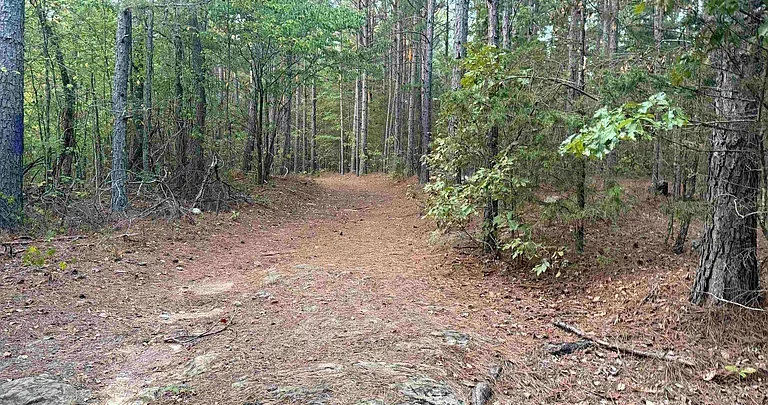
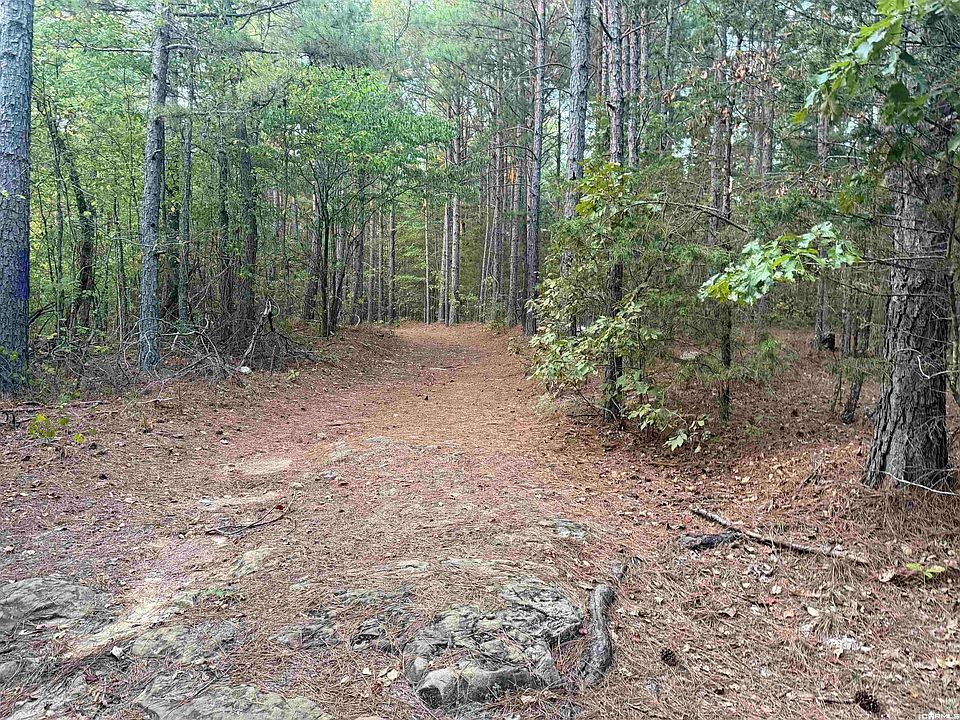
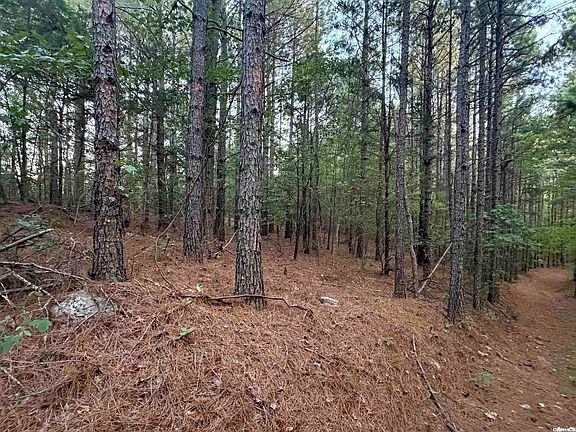
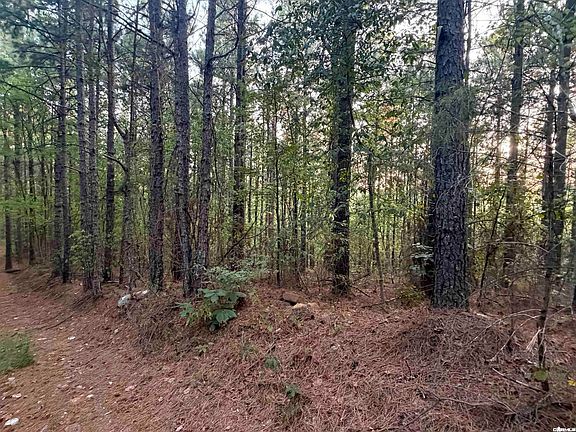
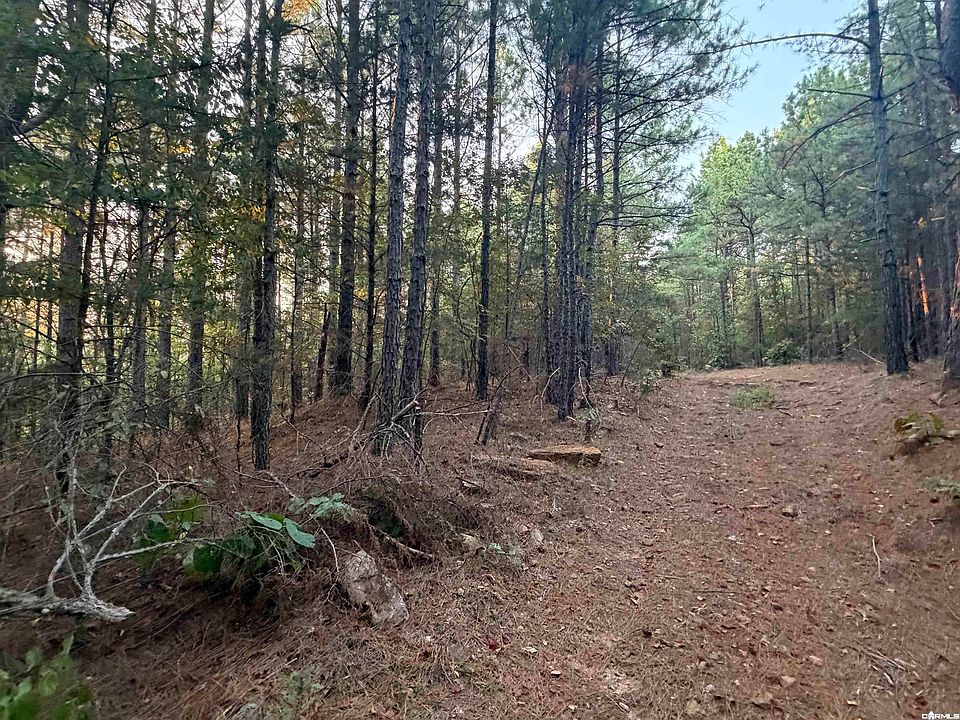
According to the supplied listing, the property is mostly wooded and filled with natural beauty, with wildlife adding to its appeal. It is presented as a potential location for a private homesite, weekend getaway, hunting retreat, or long-term land ownership.
The property is also described as being near Greers Ferry Lake and the Little Red River, placing those outdoor destinations within the broader appeal of the location. Whether your interest begins with recreation or the possibility of building in the future, this Arkansas acreage deserves a closer look.
A Rural Setting With Room to Explore
One of the strongest attractions of this property is its setting outside the city. The listing identifies it as rural, wooded, and unimproved, offering buyers a different experience from purchasing a developed residential lot.
With 9.75 acres, there is space to become familiar with the landscape over time. A first visit may reveal the general character of the woods, while later visits could help an owner understand seasonal changes, natural features, and the areas best suited to their plans.
The land offers a starting point rather than a finished residential setup. That distinction may appeal to someone who enjoys planning carefully and shaping a property around a specific purpose.
Mostly Wooded Acreage With Natural Character
The listing emphasizes that the tract is mostly wooded, with mature timber contributing to its appearance. For buyers seeking a place that already feels connected to nature, those trees may be a central part of the attraction.
A wooded property can provide visual interest throughout the year. Branches, foliage, filtered sunlight, and changing weather give the same landscape different qualities from one visit to the next.
Preserving that character may become an important part of a future owner’s plans. Before clearing trees or opening trails, it makes sense to understand the terrain, property boundaries, and intended use.
A thoughtful approach can help buyers retain the features that first drew them to the land while identifying where improvements might be appropriate.
What the $12,000 Asking Price Includes
The supplied listing gives an asking price of $12,000 for 9.75 acres. That works out to approximately $1,231 per acre, based on the advertised figures.
The purchase should be evaluated as an opportunity to acquire unimproved land. No existing home, cabin, bathroom, or finished residential infrastructure is identified in the details provided.
This matters when comparing the property with other listings. A lower initial purchase price does not establish the total cost of preparing land for a particular use.
Buyers should consider potential expenses associated with surveys, access improvements, site preparation, water, wastewater arrangements, and utility connections. Those costs will depend on the property’s actual conditions and the buyer’s plans.
Imagine a Private Homesite Among the Trees
The listing presents the acreage as a possible private homesite. For someone interested in a rural home, the wooded surroundings offer an appealing starting point for imagining how a residence might fit into the landscape.
A carefully selected location could influence everyday comfort, outdoor views, access, and the amount of clearing required. Rather than choosing a house design immediately, buyers may benefit from first understanding the land.
The ability to build should be confirmed through appropriate research. Site conditions, legal access, applicable requirements, and water and wastewater feasibility all need attention.
Once those questions have clear answers, a buyer can make more informed decisions about whether the property supports the home they have in mind.
The Possibility of a Weekend Retreat
Not every land purchase begins with plans for a full-time residence. Some buyers may be searching for a place to visit occasionally, spend time outdoors, and enjoy a change from their regular routine.
This property’s rural atmosphere could be appealing for that purpose. A retreat might center on quiet walks, photography, observing nature, or simply spending time in a wooded setting.
Any proposed cabin, campsite, or other improvement should be evaluated before assuming it is allowed or practical. The description of the land does not establish approval for a particular structure or overnight use.
Defining the intended experience early can help buyers ask the right questions and avoid spending money on plans that do not suit the site.
Wildlife Adds to the Outdoor Appeal
Abundant wildlife is one of the features highlighted in the listing. For buyers who enjoy observing animals and spending time quietly outdoors, that description may be especially appealing.
Wildlife watching can be a simple way to appreciate a property. It encourages patience, attention to seasonal changes, and familiarity with the landscape.
However, the listing does not identify particular species or guarantee sightings. Buyers should treat the description as a reason to investigate the habitat rather than a promise of specific encounters.
A walk through the property may help reveal signs of animal activity and provide a better sense of the setting. Over time, an owner may develop a deeper understanding of how wildlife uses the land.
Consider Its Potential as a Hunting Getaway
The seller also presents the property as a potential hunting getaway. For interested buyers, the wooded acreage may justify a closer examination of whether it fits their preferred activities.
Acreage alone does not determine hunting suitability. Property shape, neighboring land uses, access, terrain, and applicable rules all matter.
Before purchasing for this purpose, buyers should confirm boundaries and investigate the requirements relevant to the activity they intend to pursue. Permission to use neighboring parcels should never be assumed.
The most useful approach is to evaluate the property directly and ask specific questions. A recreational goal becomes easier to assess when it is connected to verified facts about the land.
Nearby Greers Ferry Lake and the Little Red River
The listing identifies proximity to Greers Ferry Lake and the Little Red River as part of the location’s appeal. For buyers interested in outdoor recreation, these destinations may add another reason to explore the surrounding area.
The property itself is not described as waterfront. The supplied information also does not establish private water access, lake frontage, river frontage, or a particular driving distance.
Buyers should identify the destinations they would actually use and check the routes from the parcel. Access points, available activities, and travel times may differ.
Doing that research helps turn a general statement about nearby recreation into a clearer picture of how the location would fit a weekend or longer visit.
Understand the Property’s Shape and Boundaries
The lot dimensions are listed as approximately 330 by 1,300 feet. These figures suggest an elongated tract, making boundary verification particularly useful when considering access and future improvements.
The shape of a parcel can affect how different areas connect and where a buyer might consider placing a driveway, structure, or trail. It can also influence how close those improvements would be to neighboring property.
The supplied parcel number is 0000048390100. Buyers and their representatives can use that identifier when checking that records refer to the correct tract.
Listed dimensions should not replace a current survey. Confirming the legal boundaries is an important step before making decisions about clearing, fencing, or construction.
Unimproved Land Requires Practical Planning
The property is described as unimproved, meaning buyers should approach it without assuming that residential infrastructure is ready for use.
This can provide flexibility in planning, but it also creates questions that a developed property may already have answered. Where would access be located? What work would the site require? How would water and electricity be supplied?
The answers should come from inspections, records, service providers, and qualified professionals as appropriate.
A useful first step is to separate essential needs from optional improvements. Knowing what is necessary for the intended use can help buyers estimate costs and determine whether the property fits their budget beyond the purchase price.
No Existing Drilled Well Is Identified
The water information states “Well-Not Drilled.” Buyers should therefore understand that the supplied listing does not identify an existing drilled well serving the property.
Anyone considering a home or another use requiring water should investigate how a suitable supply could be established. Feasibility, installation requirements, water quality, and cost all deserve attention.
It is also important to evaluate wastewater arrangements separately. A potential water source does not establish that a proposed residential use has a workable sanitation solution.
These are practical questions to address before committing to a building plan. Obtaining property-specific information can help prevent a promising idea from depending on assumptions about essential services.
Utilities Are Not Listed as Connected on the Property
The utility description states “Some Util Avl-Not on Prop.” This indicates that some utilities may be available, but the supplied information does not confirm which services could be connected or what connection would involve.
Buyers should contact the relevant providers to verify availability, distance, capacity, and installation costs for their intended use.
A service located somewhere nearby may still require additional work before it can serve a particular site. The placement of a future building can also influence the planning involved.
Clarifying utility arrangements early provides a more realistic understanding of the property. It also helps buyers compare different potential uses based on the services each would require.
Dirt-Road Access and Visiting the Property
The road surface is listed as dirt. For a rural tract, understanding the access route is an important part of evaluating the overall experience.
Buyers should confirm legal access, road maintenance arrangements, and the condition of the route under different weather conditions. A road that appears straightforward during one visit may warrant additional questions about year-round use.
The listing’s directions mention turning left at tall stacked rocks shown in the photographs and continuing down the road. Those visual directions may assist with a visit, but they do not replace confirmation of the correct parcel and lawful access.
Arrange a showing with the listing representative and establish where the boundaries begin before exploring.
What “Unrestricted” Means for Your Plans
The seller describes the acreage as unrestricted. That wording may appeal to buyers seeking flexibility, but the exact meaning should be confirmed through a review of the relevant documents and local requirements.
It should not be treated as automatic approval for every building type, business activity, subdivision, or recreational use.
The listing also categorizes the property as Agriculture and identifies the subdivision field as Metes & Bounds. Neither entry, by itself, answers every question about what a buyer can do with the land.
The practical approach is to explain the intended use clearly and verify it before purchasing. Specific questions are more useful than relying on a broad description.
Taxes and the Cost of Holding the Land
The supplied listing reports an annual tax amount of $11. Because that figure is unusually low, buyers should confirm it against current records and determine whether any additional assessments or charges apply.
Future taxes may also be affected by changes in ownership, assessment, classification, or improvements. The advertised figure should therefore be treated as a detail to verify rather than a permanent ownership cost.
For buyers considering holding the land for future use, carrying costs are worth reviewing alongside the asking price. Maintenance, access work, insurance options, and other expenses may depend on the circumstances.
Land ownership can support long-term plans, but appreciation or a profitable resale should not be assumed.
Explore Whether This Arkansas Acreage Fits Your Vision
The property at 0 Chimney Rock, Shirley, Arkansas, combines 9.75 acres, mostly wooded surroundings, mature timber, and a rural location. At the supplied asking price of $12,000, it may attract buyers interested in a recreational escape, a possible future homesite, or simply owning land in the Ozarks.
Its strongest appeal lies in the natural setting and the opportunity to consider different uses. Its practical limitations are equally important: the land is unimproved, no drilled well is identified, and utility connections require investigation.
A careful visit and a review of the property’s records can help connect the possibilities with a realistic plan. For

From Zillow