55.28-Acre Recreational Property in Monroe County, West Virginia With Rustic Log Cabin and ATV Trails
For buyers searching for a private recreational property in West Virginia, opportunities that combine substantial acreage, established trails, woodland, open ground, wildlife habitat, and an existing cabin can be particularly appealing. This 55.28+/- acre recreational tract in Monroe County, West Virginia, near the Wolf Creek area, offers a combination of seclusion and accessibility that gives the property a wide range of potential uses.
A gated entrance provides access from Route 7, offering direct frontage along a state-maintained road while maintaining a private and controlled entry point. Once inside, the property takes on a distinctly rural character, with varied terrain, hardwood timber, open areas, ridge tops, hollows, internal ATV and UTV trails, and natural habitat supporting wildlife.
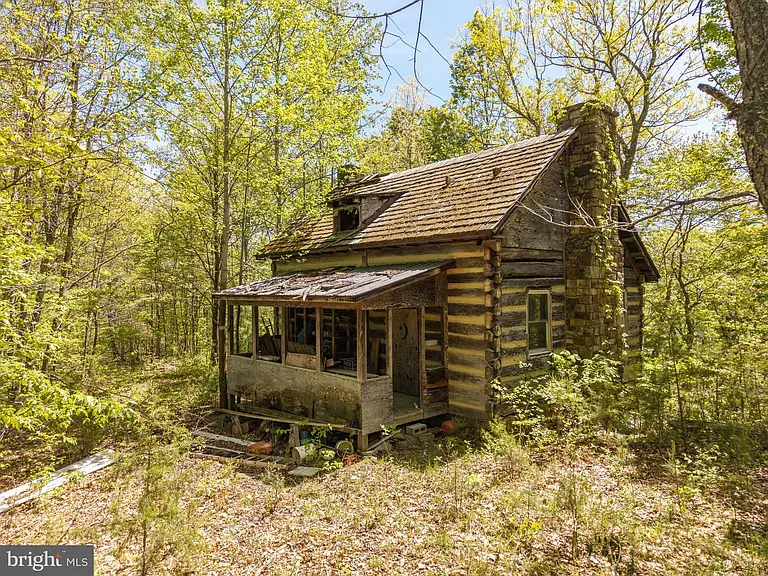
Adding to the property’s appeal is a 1,300+/- square foot rustic log cabin. The cabin currently needs repairs and updates, but its presence gives a future owner an existing structure that could potentially be restored into a seasonal retreat, hunting cabin, recreational base camp, or extended-stay getaway, subject to the necessary improvements and local requirements.
The property also has a well already in place, while electric service is available on the property but is not currently connected to the cabin. There is no septic system currently listed, so any future residential or extended-stay plans should include an evaluation of wastewater options and applicable regulations.
For outdoor enthusiasts, the property’s combination of terrain and established trails may be one of its most significant advantages. The network of ATV and UTV trails provides access throughout much of the acreage and can make recreation, hunting, maintenance, and property exploration considerably more convenient.
A Large Recreational Tract With Privacy and Variety
With approximately 55.28 acres, this property offers considerably more land than a typical residential parcel.
Large tracts can provide a different kind of ownership experience. Instead of having a small yard surrounding a house, the buyer has access to a much broader landscape that can include timber, open ground, ridge tops, hollows, trails, and natural habitat.
The property is located in the Monroe County region near Wolf Creek and offers a secluded setting.
That seclusion may appeal to buyers who want to spend weekends outdoors, explore wooded terrain, ride ATVs and UTVs, hunt, observe wildlife, or simply enjoy the quiet of a rural property.
At the same time, the property is not completely isolated from road access. A gated entrance off Route 7 provides an established point of entry and direct frontage along a state-maintained road.
This combination of road access and privacy is one of the property’s notable characteristics.
Gated Access From Route 7
Access is a major consideration when purchasing recreational land.
This property benefits from a gated entrance off Route 7, providing controlled access to the acreage.
For a recreational property, a gate can be particularly useful because it allows the owner to manage vehicle entry while helping preserve the private character of the tract.
The frontage along a state-maintained road also provides a clear connection between the property and the public road network.
However, buyers should independently verify the exact access rights, gate arrangements, easements, road frontage, and any restrictions affecting the property.
When purchasing larger rural acreage, confirming legal and physical access should always be an important part of due diligence.
Rustic Log Cabin Offers a Starting Point
One of the property’s most interesting features is the existing 1,300+/- square foot rustic log cabin.
The cabin is in need of repairs and updates, so buyers should approach it as a renovation project rather than a finished residence.
For the right buyer, however, that condition may create an opportunity.
Instead of starting from an empty tract of land, the property already has an established cabin structure that could potentially be restored.
A renovated cabin could become a comfortable base for weekend visits, hunting trips, trail-riding adventures, seasonal stays, or simply enjoying the surrounding landscape.
The exact renovation potential will depend on the structural condition of the cabin, foundation, roof, windows, doors, electrical system, plumbing, heating, insulation, interior finishes, and other components.
A professional inspection should be completed before making major renovation decisions.
Potential Uses for the Cabin
The cabin could potentially serve several different purposes depending on the buyer’s goals and applicable regulations.
Hunting Base Camp
For someone interested in hunting, the cabin could provide a convenient place to store equipment and establish a base before heading into the woods.
Weekend Retreat
A restored cabin could offer a private destination for weekends away from the demands of everyday life.
Trail-Riding Base
With ATV and UTV trails already established across portions of the property, the cabin could potentially serve as a central gathering point for outdoor recreation.
Seasonal Getaway
The structure may have potential as a seasonal retreat after appropriate repairs and utility improvements.
Long-Term Personal Project
For someone who enjoys restoration, the cabin itself could become part of the property’s appeal.
Any use involving overnight occupancy, utilities, rental activity, or conversion should be evaluated under applicable county and state requirements.
Well Already in Place
The property has a well already installed.
For rural recreational properties, an existing water source can be an important infrastructure feature.
However, buyers should not assume that an existing well automatically means the cabin has a fully functional residential water system.
The listing indicates that electric service is available on the property but is not currently connected to the cabin. Buyers should therefore evaluate how the well operates, where the water lines run, the condition of pumps and related equipment, and whether the system meets the requirements for the buyer’s intended use.
A well inspection and water-quality testing can provide useful information before a purchase is finalized.
Electric Service Available on the Property
Electric service is reportedly available on the property, although it is not currently connected to the cabin.
This distinction is important.
Future buyers planning to renovate the cabin should determine the exact location of the electrical service, the process and cost of connecting the cabin, and whether existing electrical infrastructure is adequate for the intended improvements.
A cabin renovation may require electrical upgrades, new wiring, a service panel, lighting, outlets, appliances, heating equipment, and other improvements.
Understanding those costs early can make it easier to develop a realistic renovation budget.
No Septic System Currently Listed
The property does not currently have a septic system according to the supplied facts.
This is one of the most important considerations for buyers planning to restore the cabin for extended or regular occupancy.
A septic system may be required depending on the intended use, occupancy, and local regulations.
Before assuming that the cabin can immediately function as a residential retreat, buyers should investigate wastewater requirements with the appropriate local authorities and qualified professionals.
The feasibility and cost of installing a septic system can depend on soil conditions, site characteristics, available space, regulations, and other factors.
Hardwood Timber and Open Ground
The acreage includes a mixture of hardwood timber and open ground.
This combination creates visual variety while also supporting different types of wildlife habitat.
Wooded sections can provide cover and natural corridors, while open ground can provide different vegetation and habitat conditions.
For recreational landowners, having both forest and open areas can make a property more interesting than a tract consisting entirely of one landscape type.
The timber also contributes to the property’s rural character.
Buyers interested in forestry or timber value should obtain an appropriate professional assessment rather than assuming a particular monetary value based solely on the presence of hardwood trees.
Ridge Tops and Hollows Create Diverse Terrain
The topography is another defining characteristic of this Monroe County property.
The land includes long, relatively flat ridge tops, along with lower hollows that create natural travel corridors.
For wildlife enthusiasts, this variety can be significant.
Animals often move through landscapes using natural features such as ridges, hollows, wooded corridors, cover, and water sources.
The combination of different elevations and habitat types can therefore create multiple areas of interest for wildlife observation and hunting.
For recreational users, the terrain also creates opportunities to explore different parts of the property.
Established ATV and UTV Trail Network
One of the strongest recreational features is the established ATV and UTV trail network.
Having existing trails can save future owners considerable effort compared with purchasing raw acreage that requires access routes to be created from scratch.
The trails reportedly provide access throughout much of the property.
They can potentially be used for:
- ATV recreation
- UTV riding
- Hunting access
- Property maintenance
- Wildlife observation
- Exploring timber areas
- Reaching remote portions of the tract
- Moving equipment
Trail use should always be conducted responsibly, particularly in areas with steep terrain, wet conditions, sensitive vegetation, or erosion concerns.
Wildlife Habitat and Whitetail Deer Activity
The property has reportedly shown a notable presence of whitetail deer activity.
Signs observed on the property include:
- Bedding areas
- Rubs
- Droppings
- Travel corridors
These signs suggest that deer are actively using portions of the tract.
The property’s mixture of hardwood timber, open ground, terrain variation, cover, and natural water sources can contribute to a diverse habitat environment.
For hunters, identifying bedding areas, travel routes, feeding areas, and other wildlife patterns can be an important part of understanding a recreational property.
Of course, wildlife activity can change seasonally and from year to year, and prospective buyers should conduct their own evaluation before making assumptions about hunting opportunities.
Natural Mountain Spring
An intermittent mountain spring runs through portions of the property.
Although intermittent water flow can vary depending on rainfall and seasonal conditions, natural water features can still contribute to the property’s overall habitat diversity.
Water can also be an important component of wildlife movement and habitat.
Combined with the existing well, the spring adds another water-related feature to the landscape.
However, buyers should understand that an intermittent spring should not automatically be treated as a dependable water source for residential use or livestock.
Its flow and characteristics should be professionally evaluated if the buyer has a specific intended use.
A Potential Hunting Property in West Virginia
The property may be particularly attractive to buyers searching for hunting land in West Virginia.
The acreage provides multiple habitat types, and the presence of whitetail deer activity is specifically noted in the listing information.
The ridge tops and hollows may create multiple locations where a hunter could potentially observe wildlife movement.
The existing ATV and UTV trail network could also provide practical access to various portions of the property.
For anyone considering hunting use, however, all applicable hunting laws, seasons, licensing requirements, landowner responsibilities, firearm regulations, and local restrictions should be independently verified.
The property should be evaluated on its own characteristics rather than relying solely on generalized expectations about hunting in the region.
Recreational Trail Riding Potential
Trail riding is another obvious attraction.
The existing ATV and UTV network means recreational access is already established across much of the acreage.
For outdoor enthusiasts, owning a property with private riding opportunities can provide a level of convenience that public trail systems cannot always offer.
The owner could potentially use the trails for casual rides, property exploration, wildlife observation, or accessing remote sections of the tract.
Trail maintenance would become part of the responsibilities of ownership.
Drainage, erosion, fallen trees, vegetation growth, and weather conditions can all affect trail conditions.
A Private Base for Outdoor Adventures
Large recreational properties often become more than just pieces of land.
They can serve as places where families and friends gather, where outdoor hobbies become part of a regular routine, or where owners escape from urban environments.
This property has several characteristics that could support that kind of lifestyle.
The gated entry creates a sense of privacy.
The acreage provides room to explore.
The trails offer recreational access.
The cabin provides a potential base camp.
The well provides an existing water source.
The combination of wooded areas, open ground, ridges, hollows, and natural water features gives the landscape variety.
For an outdoor-oriented buyer, these elements can create a compelling recreational package.
Agricultural Zoning
The property is listed with AG zoning.
That designation is important for anyone considering future improvements or land uses.
Agricultural zoning can allow certain uses while restricting others, but the exact regulations depend on the applicable local jurisdiction.
Buyers should confirm what AG zoning permits on this particular property.
Potential questions include whether the cabin can be renovated for residential use, whether additional structures can be constructed, whether agricultural activities are permitted, and what rules apply to recreational or commercial uses.
Zoning should always be verified through official sources before purchasing with a specific development plan in mind.
No HOA Provides Additional Flexibility
The property is listed as having no homeowners association.
For many rural land buyers, this can be an attractive characteristic.
Without an HOA, there may be fewer private-community restrictions affecting the property.
However, the absence of an HOA does not eliminate government regulations.
Zoning, environmental rules, building codes, access restrictions, easements, deed restrictions, and other legal requirements may still apply.
A title review and property-record investigation are therefore recommended.
Fee Simple Ownership
The property is listed as fee simple ownership.
Fee simple is a common form of property ownership and generally represents broad ownership rights, subject to applicable laws, restrictions, easements, liens, taxes, and other encumbrances.
Prospective buyers should still complete a title search and review all relevant documents before closing.
The property also indicates additional parcels, so buyers should carefully confirm which parcels are included in the transaction.
55.28 Acres Offers Long-Term Potential
Owning more than 55 acres can provide opportunities that smaller properties simply cannot offer.
There is enough land for different areas to serve different purposes.
One section could be used primarily for recreation.
Another could provide wildlife habitat.
Another could contain open ground.
The ridge tops may serve as observation areas.
The hollows can provide natural corridors.
The existing trails connect many portions of the property.
The cabin can provide a central point from which to explore the land.
This type of diversity is one of the main reasons large recreational tracts can attract buyers even when the property requires improvements.
Restoration Could Transform the Cabin
The cabin’s current condition should be viewed realistically.
It needs repairs and updates, and buyers should budget accordingly.
Yet the structure also represents an opportunity.
A restoration project could potentially turn the existing cabin into a rustic retreat while preserving its character.
A thoughtful renovation might focus on structural integrity first, followed by utilities, insulation, heating, plumbing, electrical work, windows, doors, flooring, kitchen facilities, bathroom facilities, and interior finishes.
The goal would not necessarily be to make the cabin look brand new.
For many buyers, the appeal of a log cabin comes from its rustic character.
Preserving that character while introducing modern functionality could create a particularly attractive result.
Due Diligence Is Especially Important
A recreational property of this size deserves comprehensive due diligence.
Potential buyers should investigate:
- Property boundaries
- Legal access
- Road frontage
- Easements
- Parcel configuration
- Zoning
- Cabin condition
- Well condition
- Water quality
- Electrical service
- Septic feasibility
- Timber conditions
- Topography
- Drainage
- Trail access
- Mineral rights where applicable
- Property taxes
- Insurance availability
- Restrictions or covenants
A professional land survey may also be appropriate, particularly if the buyer intends to construct improvements or establish boundaries.
Financial Information for Prospective Buyers
The supplied listing information reports a tax-assessed value of $62,280 and annual property taxes of approximately $1,334.
The property was placed on the market on May 6, 2026, and the listing is identified as an exclusive-right-to-sell agreement.
These numbers provide useful reference points but should not be interpreted as a guarantee of market value, investment performance, or future appreciation.
Rural recreational land can be influenced by many factors, including acreage, access, timber, terrain, wildlife, water, improvements, road frontage, development potential, and local demand.
Buyers should obtain current tax information and conduct their own valuation analysis.
Who Might Be Interested in This Property?
This Monroe County tract could potentially appeal to several categories of buyers.
Outdoor Enthusiasts
The existing ATV and UTV trails, wooded acreage, open ground, and varied terrain make the property interesting for recreational users.
Hunters
The reported deer activity and varied habitat may attract buyers looking for private hunting land.
Cabin Buyers
Someone searching for a rustic West Virginia cabin project could appreciate the existing structure and surrounding acreage.
Land Investors
Buyers interested in owning substantial rural acreage may consider the property as a long-term landholding, subject to their own investment analysis.
Trail Riders
The existing trail network could be a major advantage for ATV and UTV enthusiasts.
Weekend Retreat Seekers
The property’s privacy and remote character could make it appealing as a future seasonal getaway.
The Balance Between Accessibility and Seclusion
Perhaps the property’s most interesting quality is the balance between accessibility and privacy.
The gated entrance and Route 7 frontage make the tract identifiable and accessible, while the interior landscape provides the secluded experience many recreational-land buyers are seeking.
This balance can be valuable.
Extremely remote land may provide privacy but can be difficult to reach.
Highly accessible land may be convenient but lack the quiet atmosphere associated with recreational ownership.
Here, the property offers a combination of a public-road connection and an interior landscape that feels significantly more private.
A Property With Multiple Paths Forward
There is no single way to use this property.
A buyer could focus primarily on hunting.
Another could make trail riding the central attraction.
Someone else could restore the cabin and create a seasonal retreat.
A landowner could simply enjoy the acreage as a private recreational property.
An investor might evaluate the cabin, land, timber, access, and long-term potential as components of a broader investment strategy.
The flexibility is one of the property’s defining characteristics.
Of course, each strategy comes with its own costs, regulations, maintenance requirements, and risks.
Final Thoughts
This 55.28+/- acre recreational property in Monroe County, West Virginia, offers a distinctive combination of land, privacy, wildlife habitat, recreational trails, road access, and an existing rustic log cabin.
The property includes approximately 55.28 acres, AG zoning, fee simple ownership, no HOA, a gated entrance from Route 7, state-maintained road frontage, hardwood timber, open ground, ridge tops, hollows, an intermittent mountain spring, established ATV and UTV trails, and observed signs of whitetail deer activity.
The approximately 1,300+/- square foot log cabin requires repairs and updates, but it provides an existing structure that could potentially become a hunting cabin, recreational base camp, weekend retreat, or seasonal getaway.
The existing well is another useful infrastructure component, while electric service is available on the property but is not currently connected to the cabin. Because there is no septic system listed, buyers planning extended stays or residential use should investigate wastewater requirements and installation feasibility before proceeding.
For outdoor enthusiasts, the established trail network may be one of the property’s greatest advantages. The combination of ridge tops, hollows, timber, open ground, and natural water features also creates a diverse landscape with potential recreational and wildlife applications.
At the same time, this is not a turnkey recreational estate. The cabin requires work, utilities require evaluation, and rural land ownership requires careful attention to access, boundaries, zoning, infrastructure, maintenance, and environmental conditions.
That is precisely why the property may appeal to a buyer who wants a project with possibilities rather than a finished product.
With thoughtful planning and appropriate due diligence, this Monroe County tract could become a highly personalized outdoor retreat—a place for hunting, trail riding, exploring, relaxing, or simply enjoying the privacy of more than 55 acres in the West Virginia countryside.
Prospective buyers should independently verify acreage, parcel boundaries, access rights, zoning, cabin condition, well functionality, electric service, septic feasibility, taxes, title information, and all other material property details before making a purchase decision.
For the right buyer, this is more than 55 acres of land. It is a recreational canvas with an existing cabin, established trails, natural habitat, and the opportunity to create a private West Virginia retreat tailored to a completely different lifestyle.
From Zillow