Affordable Homes
158.8 Acres With a Hunting Cabin in Minnesota Listed for $174,000
158.8 Acres With a Hunting Cabin in Minnesota Listed for $174,000

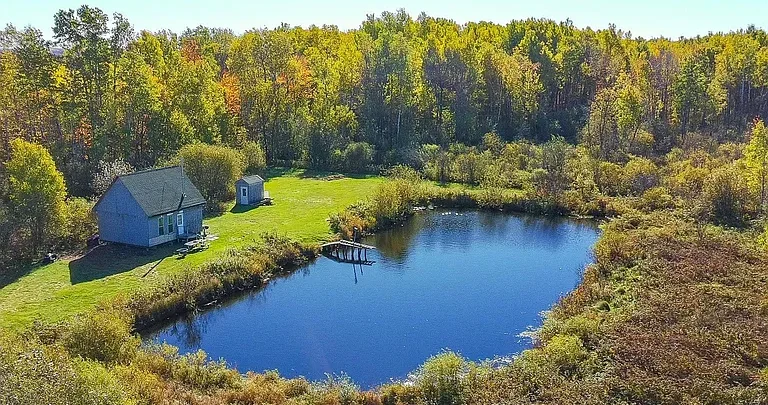
$174,000 for 158.8 Acres in Palisade, Minnesota: A Hunting Cabin, Woodland, and Soo Line Trail Proximity
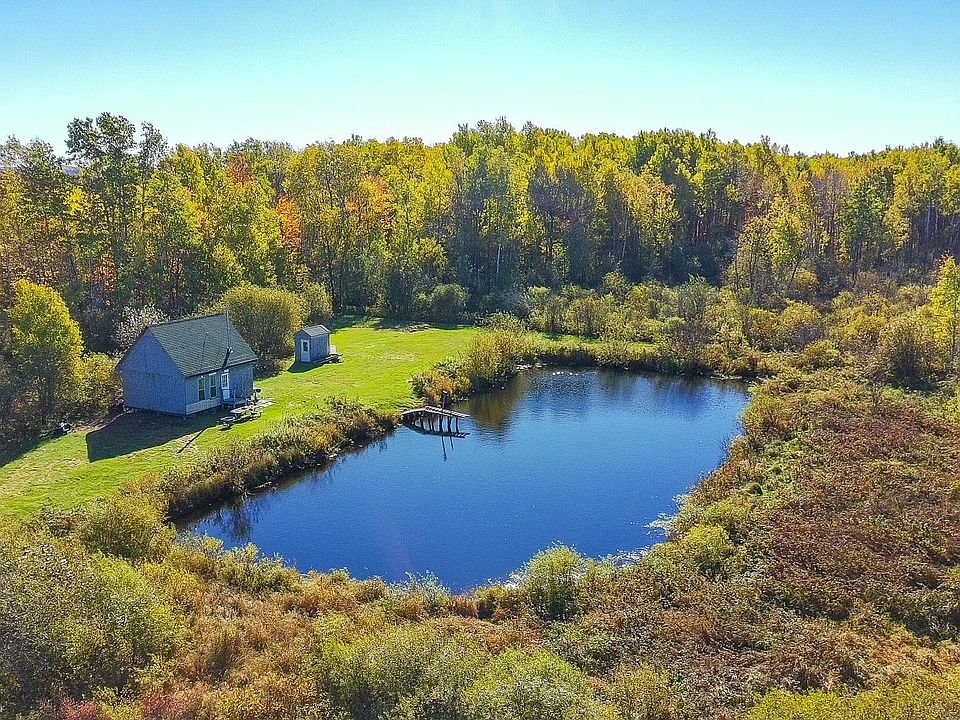
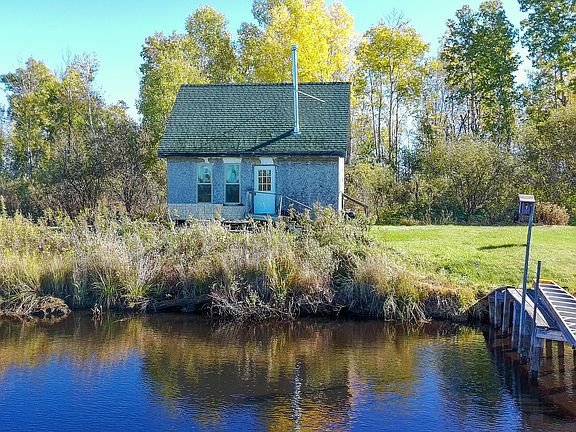
For buyers who picture their ideal getaway as a quiet cabin surrounded by open space, this rural Minnesota property offers an interesting starting point. Located at 28532 460th Lane, Palisade, Minnesota 56469, the property is advertised at $174,000 and includes approximately 158.8 acres, a two-level hunting cabin, and an additional outbuilding with basic facilities.
The setting is a major part of the appeal. The supplied listing describes an end-of-road location, wooded and low-lying terrain, and a northeastern boundary adjoining the Soo Line ATV and snowmobile trail. It also indicates that the parcel adjoins public land, although the exact boundaries and access arrangements require confirmation.
This property is best explored as a recreational land offering with existing structures. The listing classifies it as unimproved land, and no utility services are listed as available or connected. Those details are important when considering how the property might fit a buyer’s plans.
Property Overview: The Essential Details
The supplied property information reports the following features:
| Property Feature | Reported Details |
|---|---|
| Asking price | $174,000 |
| Address | 28532 460th Lane, Palisade, MN 56469 |
| Land area | Approximately 158.8 acres |
| Property classification | Unimproved land |
| Existing cabin | Two levels |
| Bedrooms | Three described in the cabin |
| Bathrooms | Not specified |
| Heating feature | Freestanding wood-burning fireplace |
| Additional structure | Shed with an outhouse and separate shower room |
| Terrain | Level areas, low land, and woodland |
| Utilities | None listed as available or connected |
| Trail proximity | Borders the Soo Line trail at the northeast corner |
| Public-land adjacency | Reported in the supplied listing |
| HOA | No association reported |
| Property taxes | $474 for 2025 |
| MLS reference | 7165445 |
These facts provide an overview, while a visit and review of property records can clarify how the land and structures function together.
Nearly 159 Acres of Rural Space
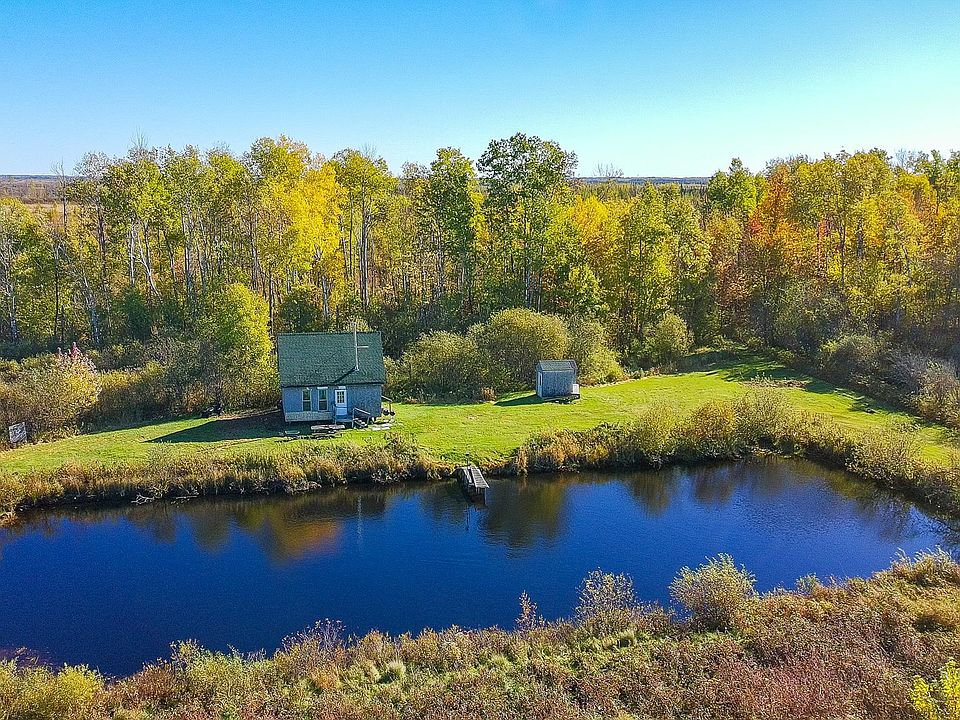
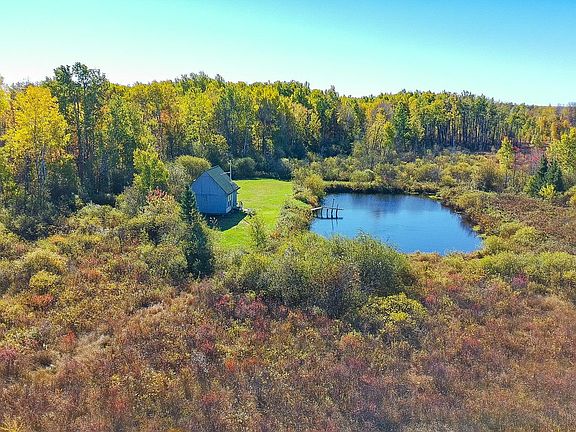
The approximately 158.8-acre size is the property’s most significant feature. For someone seeking recreational land, a parcel of this scale creates room to explore different parts of the landscape and consider activities beyond the immediate cabin area.
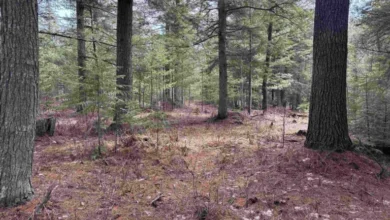
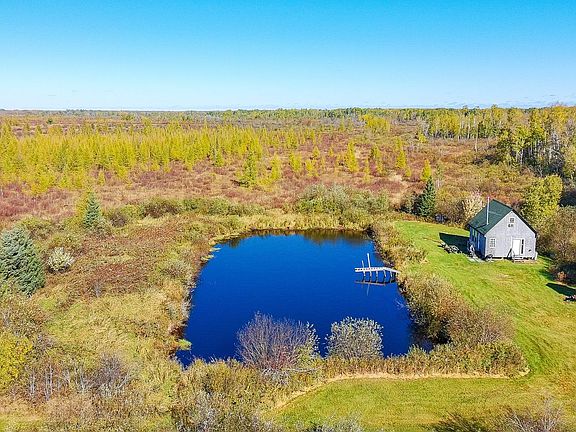
The supplied material describes a combination of wooded sections, level ground, and low land. This variety gives buyers several site characteristics to examine rather than a single uniform setting.
However, total acreage and usable acreage are different measures. The boundaries, seasonal ground conditions, and accessibility of individual areas will influence how the land can be enjoyed. Walking the property and reviewing maps can help buyers understand what lies beyond the listing’s headline number.
A Two-Level Hunting Cabin
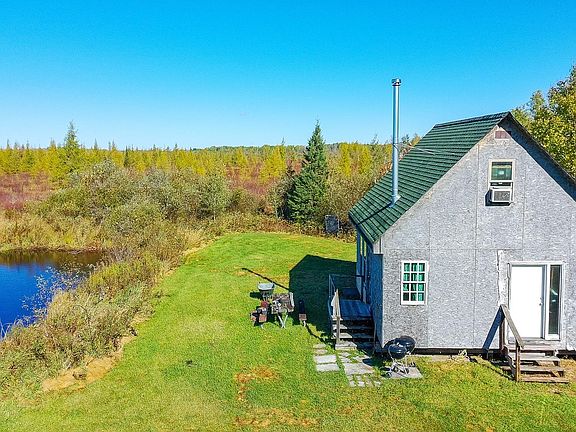
The existing two-level cabin gives the property a central gathering place to investigate. According to the supplied description, it contains three bedrooms and a freestanding wood-burning fireplace.
For buyers interested in hunting trips or occasional outdoor getaways, having a structure already on the land may be appealing. It offers a place around which to organize visits, store suitable equipment, and plan recreational activities, subject to its condition and permitted use.
The material does not provide the cabin’s dimensions, construction date, or a detailed floor plan. A showing should therefore include a close look at both levels, the roof, structural components, windows, doors, and interior surfaces.
Three Bedrooms Described in the Listing
The cabin’s reported three bedrooms may interest buyers who expect to visit with companions. Separate sleeping spaces could be useful during recreational trips, depending on the actual room arrangement and condition.
Still, the description does not establish bedroom measurements, emergency escape provisions, or approval as a conventional three-bedroom residence. Those questions matter because the overall property is listed as unimproved land.
A measured floor plan would help clarify how the rooms connect and what furniture they can accommodate. Buyers should also ask how the cabin has been used and whether documentation is available for its construction and occupancy status.
A Freestanding Wood-Burning Fireplace
The freestanding wood-burning fireplace is another feature identified in the cabin description. It may contribute to the atmosphere of a rustic retreat, particularly for buyers who enjoy spending time indoors after outdoor activities.
Its presence does not establish that it is ready to operate or capable of heating the entire cabin. The supplied material does not describe its age, condition, venting arrangement, or maintenance history.
Before use, the appliance and its associated venting should be professionally evaluated. Buyers should also consider the cabin’s insulation, ventilation, and overall enclosure when assessing comfort during colder visits. A heating feature is one part of that assessment.
A Separate Shed With Basic Facilities
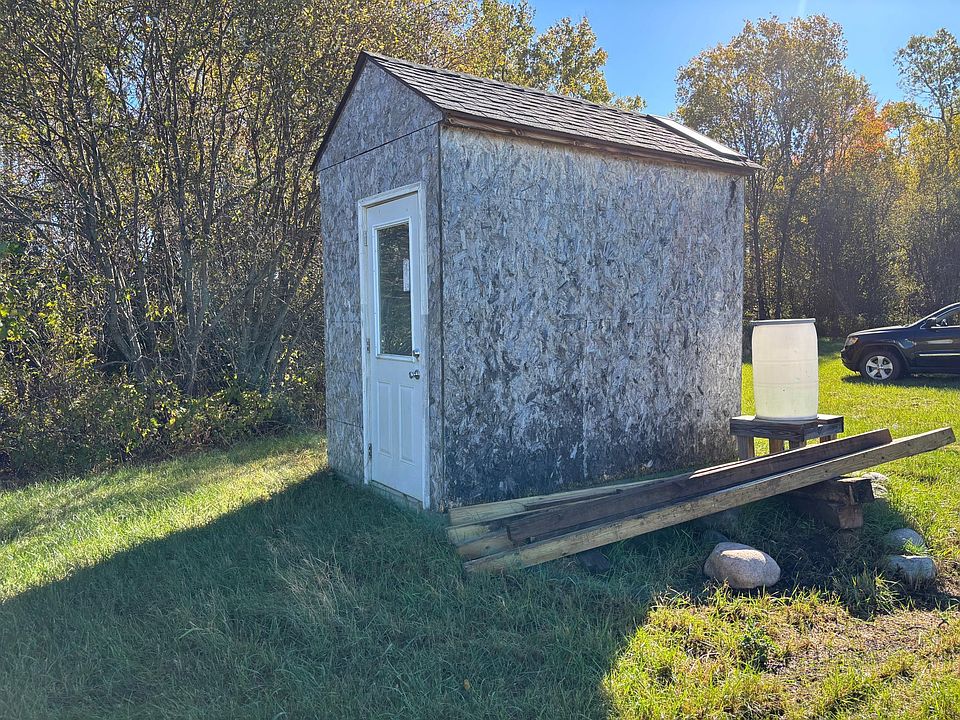
An additional shed reportedly contains an outhouse and a separate shower room. These facilities are a distinctive part of the property and may offer more convenience than entirely vacant recreational acreage.
Their practical usefulness depends on details that are not established in the supplied material. The shower’s water source, method of heating water, drainage arrangement, and seasonal functionality all need clarification.
The outhouse also requires a review of its condition and compliance with applicable requirements. Buyers should inspect the outbuilding as carefully as the cabin and ask which equipment or fixtures are included in the sale. Existing facilities should be understood as specific installations requiring verification.
Understanding the Unimproved Land Classification
The property’s classification as unimproved land deserves attention because the marketing description also identifies a cabin and outbuilding. Both details appear in the supplied information, and buyers should clarify how they relate.
The classification may affect how the property is recorded and evaluated. It should not be interpreted as confirmation of residential approval, building condition, or the availability of ordinary home financing.
A buyer can begin by requesting relevant property records and asking local authorities about the structures’ recognized status. The goal is to establish what exists legally and physically, rather than relying on the cabin description alone when planning future use.
Woodland and Natural Character
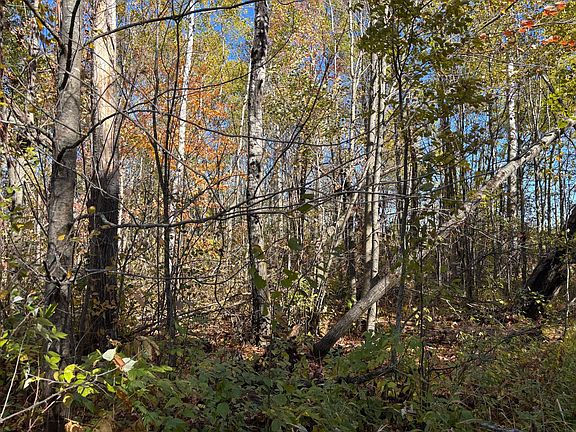
The supplied description identifies wooded areas and also refers to light tree coverage. The distribution and density of those trees should be confirmed through an on-site visit and current mapping.
For someone who enjoys a natural setting, the woodland may provide an appealing backdrop to cabin visits. Trees, openings, and changes in vegetation can create different experiences across a large property.
The listing does not provide a timber inventory or establish commercial timber value. Buyers interested in woodland management should seek a site-specific assessment. For recreational owners, understanding tree condition and maintenance needs can also help guide decisions about paths, gathering areas, and access.
Low-Lying Ground Is Part of the Offering
Some of the terrain is described as low land. That feature is important to understand before assuming that every acre can support construction, vehicle travel, or other planned activities.
The supplied material does not establish which sections remain wet, whether wetlands are present, or how conditions change throughout the year. Seasonal visits may reveal differences that a single inspection cannot capture.
Reviewing topography, drainage, and relevant mapping can help identify areas requiring closer examination. Buyers should base plans for clearing, access improvements, or new structures on verified site conditions. The objective is to understand the landscape and work within its practical limitations.
The Soo Line ATV and Snowmobile Trail
A notable feature is the property’s reported boundary with the Soo Line ATV and snowmobile trail at the northeastern corner. For buyers interested in motorized recreation, that proximity may be a meaningful reason to investigate the parcel.
It is important to establish exactly where the trail lies and whether there is a lawful connection from the property. A shared boundary does not, by itself, confirm unrestricted entry.
Buyers should also check permitted activities, seasonal operation, and any current restrictions with the appropriate trail authority. Understanding these details can help determine how the trail fits into the property’s recreational appeal and day-to-day experience.
Reported Adjacency to Public Land
The supplied listing indicates that the property adjoins public land. That may interest buyers who appreciate being near additional outdoor space, but the material does not identify the specific parcel or managing agency.
The first step is to confirm the adjoining boundary on a reliable map. Buyers can then investigate ownership, lawful access points, and the activities permitted on that land.
Public ownership does not establish that every activity is allowed. Hunting, camping, walking, and motorized travel may be subject to different rules. Clear information about the neighboring land can help buyers understand its relevance without treating it as an extension of the private acreage.
End-of-Road Location and Privacy
The reported end-of-road location may appeal to someone seeking a quieter base for outdoor visits. A setting away from through traffic can contribute to the feeling of being removed from a busy routine.
The actual experience will depend on nearby properties, access arrangements, and recreational activity around the trail. Buyers should visit at different times if privacy and quiet are major priorities.
Access deserves equal attention. The supplied material does not establish whether the road is publicly or privately maintained. Road condition, maintenance responsibilities, and seasonal accessibility should be clarified before assuming that reaching the cabin will be straightforward throughout the year.
No Confirmed Utility Services
The property information lists no utilities as available or connected. This is a central consideration for buyers who want more than occasional rustic use.
The description does not confirm an operating electrical service, potable-water supply, or approved septic installation. The shower room and outhouse should not be interpreted as evidence of complete residential infrastructure.
Buyers can investigate suitable options once they have defined their intended use. That might involve asking about electrical availability, water supply, wastewater arrangements, and permitted installations. Any proposed upgrades should be assessed for feasibility before being included in a plan for longer stays or year-round occupancy.
Planning for Recreational Visits
A rural cabin can support a different rhythm from an ordinary residential property. Visits may revolve around spending time outside, preparing equipment, sharing meals, and returning to a simple indoor base at the end of the day.
To understand whether this property supports that experience, buyers should consider practical needs alongside the landscape. Water, sanitation, safe heating, access, and communication arrangements all affect how comfortably the site can be used.
The supplied listing does not establish mobile coverage or emergency access conditions. Those details are worth checking during a visit, especially for anyone planning frequent stays or trips during challenging weather.
Hunting and Other Outdoor Activities
The acreage and hunting-cabin description may attract buyers interested in a recreational camp. A large parcel can provide space to examine possible observation locations, walking routes, and areas for outdoor use.
However, the material does not establish wildlife abundance, hunting success, or suitability for particular game. Those matters require local knowledge and direct assessment.
Property boundaries and applicable rules should guide any activity. Buyers who prefer quieter recreation may be equally interested in photography, nature observation, or exploring the landscape on foot. The land’s appeal will depend on how its actual conditions align with the activities a future owner values.
Asking Price and Reported Listing History
The supplied history shows an earlier asking price of $195,000, followed by $185,000, and a later advertised price of $174,000.
The difference between $195,000 and $174,000 is $21,000, approximately 10.8%. These figures describe the supplied marketing history; they do not establish the reason for the changes or the property’s market value.
At $174,000, the asking price divided by 158.8 acres is approximately $1,096 per acre. That calculation includes the property as offered, with its structures and limitations. Meaningful comparisons would need to account for terrain, access, utilities, and condition.
Property Taxes and Ongoing Responsibilities
The supplied information reports 2025 property taxes of $474 and an assessed value of $82,910. These are historical figures that buyers should confirm with the appropriate office.
Owning recreational acreage also involves responsibilities beyond the initial purchase. Depending on actual conditions and use, these may include cabin repairs, vegetation management, access maintenance, and care of the outbuilding.
A buyer considering improvements should first identify what needs attention and obtain property-specific estimates. That process helps distinguish necessary work from optional changes and provides a clearer understanding of what maintaining the retreat may involve over time.
Questions to Resolve Before Purchasing
A thorough review should begin with boundaries, legal access, and the condition of the structures. Buyers should ask for available surveys, building records, disclosures, and information about road maintenance.
The next priorities are the cabin’s recognized use, the functionality of the outbuilding facilities, and the absence of confirmed utilities. Terrain and drainage conditions should also be examined before planning construction or extensive access improvements.
Finally, the reported trail boundary and public-land adjacency should be verified independently. Resolving these questions can turn a broad impression of the property into a concrete understanding of what is included and how it can be used.
Explore This Palisade, Minnesota, Recreational Property
At an advertised $174,000, the property at 28532 460th Lane combines approximately 158.8 acres, a two-level hunting cabin, and an outbuilding with basic facilities. Its end-of-road setting and reported proximity to the Soo Line trail add to its outdoor appeal.
The most useful next step is to see the land and structures in person. The visit should focus on usable terrain, access, cabin condition, and the practical requirements of the intended use.
For a buyer seeking substantial recreational acreage and prepared to investigate its limitations, this property may deserve a closer look. Refer to MLS #7165445 when requesting current availability and additional information.
This description is based on the supplied property material. Buyers should independently verify price, availability, acreage, structure status, utility conditions, taxes, access rights, and permitted uses.
From Zillow