Affordable Homes
$149,000 Historic Maine Waterfront Camp – Two Log Cabins, 370 Feet of Lakefront, and an Off-Grid Wilderness Retreat
$149,000 Historic Maine Waterfront Camp – Two Log Cabins, 370 Feet of Lakefront, and an Off-Grid Wilderness Retreat

$149,000 Historic Maine Waterfront Camp – Two Log Cabins, 370 Feet of Lakefront, and an Off-Grid Wilderness Retreat
Discover a Secluded Waterfront Camp in Magalloway Plantation, Maine
Imagine escaping the noise of everyday life and arriving at a quiet lakeside retreat surrounded by forest, mountain scenery, and the natural beauty of northern Maine.
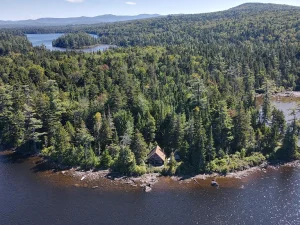
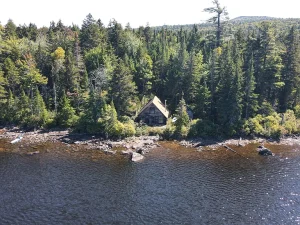
Located at 000 Little Beaver Pond, Magalloway Plantation, ME 03579, this historic recreational property offers a distinctive wilderness experience for buyers interested in remote cabins, waterfront camps, fishing retreats, and traditional off-grid living.
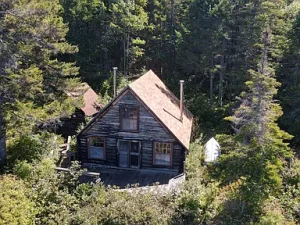
Advertised for $149,000, the property includes two original log cabins dating back to approximately 1900.
The listing reports approximately 512 square feet of interior living space, one bedroom, and about 370 feet of waterfront frontage along Little Beaver Pond.
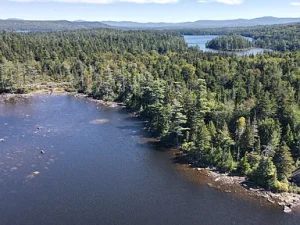
The camp is associated with approximately 1.3 acres of wooded land and views toward Azicohos Mountain.
However, there are two essential details every potential buyer should understand.
First, the property is located on leased land. The advertised purchase price should not be interpreted as including ownership of the underlying acreage.
Second, the cabins are reportedly accessible only by boat or snowmobile.
These characteristics make the property very different from a conventional lake house.
For buyers seeking paved-road access, municipal utilities, and modern residential conveniences, the arrangement may be challenging.
For outdoor enthusiasts who appreciate traditional Maine sporting camps, however, the property’s isolation and historic character may be central to its appeal.
Property Overview – 000 Little Beaver Pond, Maine
| Feature | Reported Details |
|---|---|
| Asking Price | $149,000 |
| Address | 000 Little Beaver Pond, Magalloway Plt, ME 03579 |
| Property Type | Historic Recreational Camp |
| Cabins | 2 Log Cabins |
| Year Built | 1900 |
| Bedrooms | 1 Reported |
| Bathrooms | Not Reported |
| Living Area | 512 Sq. Ft. |
| Advertised Land Area | 1.3 Acres |
| Land Ownership | Leased Land |
| Waterfront | Little Beaver Pond |
| Waterfront Frontage | Approximately 370 Feet |
| Views | Mountains and Natural Scenery |
| Heating | Woodstove |
| Cooling | None Reported |
| Electricity | Generator Hookup |
| Water | Lake-Drawn |
| Sewer | None Reported |
| Sanitation | Outhouse / Privy |
| Access | Boat or Snowmobile |
| Furnished | Yes |
| Zoning | LUPC |
| Annual Property Taxes | $3,008 |
| MLS Number | 1682420 |
The information above reflects the supplied listing. Buyers should independently verify current availability, lease rights, utility systems, taxes, and property conditions.
A Piece of Maine Sporting Camp History
Maine has a long tradition of recreational sporting camps associated with fishing, hunting, canoeing, and outdoor exploration.
These camps were often built in remote settings where visitors could spend time close to nature.
Rather than offering the conveniences of a modern suburban home, traditional sporting camps emphasized practical shelter, warmth, cooking facilities, and access to wilderness activities.
The Little Beaver Pond property reflects that heritage.
Its two original log cabins date to approximately 1900, making them part of an architectural tradition associated with Maine’s outdoor recreation history.
The separate cooking and living structures create a layout that differs from a conventional vacation cabin.
For buyers who appreciate historic buildings and rustic design, preserving this arrangement may be rewarding.
However, older structures can also require specialized maintenance.
Professional inspections are important for evaluating the cabins’ condition and understanding the costs of continued ownership.
Two Original Log Cabins With Distinct Purposes
One of the property’s most unusual features is the presence of two separate log cabins.
The first is described as a traditional cooking camp.
The second provides living accommodations and a loft sleeping area.
This separation can create a classic wilderness-camp atmosphere.
Meals may be prepared in one structure while the other serves as a place to relax and sleep.
However, the listing does not clearly identify how the reported 512 square feet is distributed between the buildings.
Buyers should confirm the measurements of both structures.
They should also determine which improvements are included in the sale and whether all buildings are recognized under the applicable land lease.
The Traditional Cooking Cabin
The cooking cabin is one of the property’s distinctive historical elements.
Separate cooking buildings were sometimes used in recreational camps to organize meal preparation away from sleeping quarters.
The listing identifies a gas range and refrigerator among the reported appliances.
These may support basic meal preparation during recreational stays.
However, their condition and operating requirements have not been established.
Because the camp is off-grid, buyers should verify how the refrigerator is powered and what fuel is required for cooking.
They should also inspect ventilation, fuel connections, and fire-safety equipment.
Any fuel-burning appliances should be evaluated by qualified professionals.
The Main Living Cabin
The second cabin is described as providing living space and a loft sleeping area.
Its traditional log construction and wood flooring contribute to the rustic atmosphere.
For someone seeking a compact wilderness retreat, the cabin may offer a place to relax after fishing, paddling, or exploring the surrounding area.
However, buyers should not assume that the structure meets modern residential standards.
The listing does not provide detailed room dimensions, insulation specifications, or a complete floor plan.
An inspection should address the roof, walls, floors, windows, doors, and structural supports.
One Reported Bedroom and Loft Sleeping Space
The listing identifies one bedroom and a loft sleeping area.
Lofts are common in smaller recreational cabins because they make use of vertical space.
However, the exact configuration is not specified.
Buyers should inspect the sleeping area for safe access, ceiling clearance, ventilation, and emergency exits.
The presence of a loft does not automatically establish that it qualifies as a legal bedroom under current building standards.
The property should be evaluated according to its actual condition and permitted use.
Approximately 512 Square Feet of Interior Space
The camp is advertised with approximately 512 square feet of interior living area.
This is considerably smaller than a typical modern single-family residence.
However, a recreational camp is often valued for its location and outdoor experience rather than interior square footage alone.
The separate cooking cabin may contribute additional practical space.
Nevertheless, buyers should verify the total usable area and whether the advertised figure includes both cabins.
The asking price works out to approximately $291 per reported square foot.
That calculation should not be used as a direct comparison with conventional waterfront homes because the underlying land is leased and the property has unusual access and utility arrangements.
Historic Log Construction and Maintenance
The cabins feature log and log-siding construction.
Natural wood materials can provide warmth and visual character.
However, log buildings require appropriate maintenance.
Moisture intrusion, deteriorating joints, insect activity, and weather exposure can affect older wooden structures.
Buyers should inspect the logs, particularly near the foundation, windows, roofline, and areas where water may collect.
Any repairs should be planned with consideration for the buildings’ historic character.
Because the camp is remote, transporting specialized materials and workers may increase the difficulty of maintenance projects.
Pier, Post, or Pillar Foundation
The property is reported to have a pillar, post, or pier foundation.
Such foundations may elevate a building above the surrounding ground.
However, the listing does not describe the exact foundation materials or condition.
Buyers should investigate settlement, movement, damaged supports, and moisture-related deterioration.
A qualified structural professional may be needed to determine whether repairs are necessary.
Foundation work can be especially complicated when equipment must be transported by boat or snowmobile.
Shingle Roofing and Northern Maine Weather
The cabins are reported to have shingle roofs.
Roof condition is particularly important in Maine, where buildings may experience snow, ice, wind, and seasonal moisture.
The listing does not specify the age or remaining service life of the roofing materials.
Buyers should arrange an inspection to identify leaks, missing shingles, damaged flashing, or other concerns.
Even routine roof repairs can require additional logistical planning at a remote property.
Woodstove Heating for Rustic Living
The camp uses a woodstove for heating.
Woodstoves are closely associated with traditional wilderness cabins and can provide warmth without conventional electric heating.
However, safe operation requires proper installation, ventilation, chimney maintenance, and suitable clearances.
Buyers should have the woodstove and venting system professionally inspected.
The listing does not establish whether the cabins are insulated or suitable for extended winter occupancy.
A woodstove alone does not guarantee comfortable or safe winter use.
A True Off-Grid Maine Cabin Experience
One of the most significant features of this property is its off-grid infrastructure.
Conventional electrical service is not reported.
Instead, the camp includes a generator hookup.
This arrangement may appeal to buyers who want a simpler recreational experience away from conventional utility networks.
However, off-grid ownership requires planning.
Electricity may depend on generator equipment, fuel availability, wiring condition, and maintenance.
Buyers should verify which electrical components are included in the sale.
They should also determine whether the system can safely support the appliances and equipment they intend to use.
Generator Hookup and Electrical Planning
A generator hookup may provide power for selected equipment.
However, the listing does not specify the generator’s capacity or confirm that a working generator is included.
A qualified electrician should inspect the electrical system.
Buyers should also plan for fuel storage, maintenance, and safe operation.
Generators must never be operated inside cabins or enclosed spaces because of the risk of carbon monoxide poisoning.
Any proposed upgrades, including solar panels or battery systems, should be evaluated for technical feasibility and required approvals.
Lake-Drawn Water Supply
The property reportedly draws water from the lake.
This differs significantly from having a private drilled well or municipal water service.
Untreated lake water should not be assumed safe for drinking.
Buyers should investigate the existing collection equipment, pumps, storage arrangements, and any treatment systems.
Water quality testing and appropriate treatment may be necessary.
They should also verify whether the existing arrangement is permitted.
Seasonal freezing and changing lake conditions may affect water availability.
No Conventional Sewer System Reported
The listing does not identify a conventional sewer or septic system.
Instead, an outhouse or privy is reported among the property’s improvements.
This is an important distinction for anyone accustomed to modern indoor bathrooms.
The listing does not provide a conventional bathroom count.
Buyers should inspect the existing sanitation arrangement and confirm its legal status.
Any plans to install additional plumbing or wastewater facilities may require approval from the landowner and relevant regulatory authorities.
Waterfront environmental protections can further affect what improvements are allowed.
Approximately 370 Feet of Waterfront on Little Beaver Pond
One of the property’s most attractive features is its reported 370 feet of waterfront frontage.
The shoreline may provide opportunities to enjoy scenic views, observe wildlife, and spend time near the water.
However, buyers should understand that the waterfront is associated with leased land.
The legal right to use the shoreline must be determined from the lease and other applicable documents.
The advertised frontage does not necessarily establish unrestricted shoreline ownership or exclusive use.
Buyers should verify access rights, boundaries, and any limitations on docks, boats, shoreline alterations, or other activities.
Beautiful Views Toward Azicohos Mountain
The listing highlights views toward Azicohos Mountain.
The combination of water, forest, and surrounding mountain scenery may be particularly appealing to outdoor enthusiasts.
For photographers, nature lovers, and people seeking quiet surroundings, the landscape could be a major attraction.
However, the exact views should be confirmed during a property visit.
Visibility may vary with weather, season, and vegetation.
Scenic views should not be assumed to be legally protected from future changes.
Privacy and Seclusion in the Maine Wilderness
The property is described as offering an unusually private setting.
According to the supplied listing, no other camp is visible on the pond from this location.
This may appeal to buyers seeking a peaceful retreat.
However, the absence of visible neighboring buildings does not mean the pond is privately owned or that other people cannot lawfully access the surrounding area.
Buyers should investigate neighboring ownership, public access, and recreational use.
Privacy can also vary throughout the year.
A visit to the property can help establish whether the setting matches the buyer’s expectations.
Boat or Snowmobile Access Only
Perhaps the most important practical consideration is access.
The listing states that the camp is reachable only by boat or snowmobile.
There is no reported conventional driveway leading directly to the cabins.
This arrangement can create an appealing sense of isolation.
However, it also affects almost every aspect of ownership.
Groceries, luggage, fuel, maintenance supplies, and building materials may need to be transported over water or snow.
Weather conditions can make travel difficult or temporarily unsafe.
Buyers should investigate legal access rights, transportation arrangements, and seasonal limitations before purchasing.
Seasonal Access Challenges
Remote access may be particularly complicated during transitions between seasons.
For example, conditions may be unsuitable for boating while also being unsuitable for safe snowmobile travel.
The listing does not establish year-round access.
Buyers should investigate how owners reach the camp during spring thaw, autumn weather changes, and periods of unstable ice.
They should also consider emergency transportation.
Anyone planning extended stays should understand these limitations before making a purchase.
Parking and Boat Storage Arrangements
The supplied description mentions a parking area where owners can leave a vehicle.
It also refers to space along the shore for a boat.
However, the exact location and legal status of these arrangements are not specified.
Buyers should determine whether parking and boat-storage rights are included in the lease.
They should also verify any fees, restrictions, or seasonal conditions.
The cost of owning and maintaining suitable transportation equipment should be included in the ownership budget.
Fishing Opportunities on Little Beaver Pond
The camp’s historical identity is closely associated with fishing.
Its location on Little Beaver Pond may appeal to anglers seeking a quiet recreational experience.
However, the listing does not identify fish species, stocking information, or current fishing conditions.
Buyers should consult official Maine fishing regulations before planning activities.
Fishing licenses, seasonal restrictions, and other rules may apply.
The camp’s historical association with fishing does not guarantee successful catches.
Hunting, Paddling, and Outdoor Recreation
The surrounding wilderness may also interest buyers who enjoy hunting, paddling, snowmobiling, and nature exploration.
However, each activity depends on applicable regulations and access rights.
The presence of nearby forest does not automatically grant permission to hunt or travel across privately owned land.
Buyers should verify property boundaries and the rules governing adjacent areas.
Outdoor activities in remote locations also require appropriate safety equipment and emergency planning.
Approximately 1.3 Acres of Leased Land
The property is associated with approximately 1.3 acres.
However, the land is leased rather than owned outright.
This distinction is essential.
A buyer may acquire rights to the cabins and their use while another party retains ownership of the underlying land.
The exact rights depend on the lease agreement.
Buyers should not assume that the advertised acreage transfers through a conventional fee-simple land purchase.
A complete review of the lease is necessary to understand what is actually being acquired.
Understanding the Risks and Responsibilities of Leased Land
Leased-land properties can involve obligations that differ from conventional real estate ownership.
Important considerations include lease duration, annual rent, renewal rights, transfer restrictions, and permitted improvements.
Buyers should also determine what happens to the cabins if the lease expires or is terminated.
The listing does not provide the complete lease terms.
Therefore, the long-term rights associated with the property cannot be established from the advertised description alone.
A qualified Maine real estate attorney can help explain the agreement.
Lease Payments and Renewal Rights
The listing does not specify the annual land lease payment.
This means the full cost of ownership cannot be calculated from the asking price and property taxes alone.
Buyers should request written confirmation of the current rent.
They should also investigate whether payments can increase and whether renewal is guaranteed, conditional, or discretionary.
Lease duration and transferability may affect financing, insurance, resale, and long-term property value.
These issues should be resolved before purchasing.
LUPC Zoning and Waterfront Regulations
The property is identified as being subject to LUPC zoning.
Maine’s Land Use Planning Commission regulates certain land-use activities in the state’s unorganized territories.
However, the supplied listing does not identify the specific zoning subdistrict.
Buyers should confirm what activities and improvements are permitted.
Repairs, additions, new structures, wastewater systems, and shoreline alterations may require approvals.
The cabins’ age does not automatically establish that every existing or proposed use is permitted.
Any improvement plans should be reviewed with the appropriate authorities and the landowner.
Nearby Conservation Land
The listing indicates that the property abuts conservation land.
This may contribute to its natural setting.
However, buyers should verify the boundaries and ownership of surrounding land.
Conservation land does not necessarily provide public access or unrestricted recreational rights.
Different areas may have rules affecting hunting, motorized travel, camping, or other activities.
Understanding those restrictions is important for anyone who plans to explore beyond the camp.
Annual Property Taxes of Approximately $3,008
The listing reports annual property taxes of $3,008.
That equals approximately $250.67 per month when divided across twelve months.
However, this figure should not be interpreted as the property’s complete monthly ownership cost.
Land lease payments, insurance, maintenance, fuel, and transportation expenses may apply separately.
Because the land is leased, buyers should also confirm what the tax assessment covers.
Current taxes and any outstanding obligations should be verified through official records.
The True Cost of Owning a Remote Waterfront Camp
The advertised asking price is $149,000.
However, ownership costs may extend far beyond the initial purchase.
Potential expenses include:
- Land lease payments and possible transfer fees
- Property taxes and insurance
- Boat or snowmobile purchase and maintenance
- Generator fuel and electrical maintenance
- Woodstove maintenance and heating fuel
- Water treatment and sanitation
- Roof, log, and foundation repairs
- Transportation of contractors and materials
- Emergency communication equipment
The supplied listing does not provide enough information to calculate a reliable annual ownership budget.
Prospective buyers should investigate each category before purchasing.
Financing a Cabin on Leased Land
Financing may be more complicated than for a conventional residence.
The land is leased, the cabins are off-grid, and access is limited.
These factors can influence lender eligibility.
Some lenders may require particular lease terms, property conditions, or access arrangements.
The listing includes an estimated monthly payment, but such estimates should not be treated as guaranteed loan offers.
Buyers should speak with lenders experienced in recreational or nontraditional real estate.
Financing approval depends on the buyer’s qualifications and the property’s specific circumstances.
Insurance Considerations
Insurance is another important part of ownership.
Remote cabins may present risks associated with fire, weather, seasonal vacancy, and limited emergency access.
The leased-land arrangement may also affect policy requirements.
Buyers should obtain insurance quotes before making a financial commitment.
They should verify whether coverage can include both cabins, personal belongings, liability, and other relevant risks.
The land lease may require particular coverage levels.
Maintaining Historic Cabins in a Remote Location
The age of the buildings makes inspection especially important.
Potential maintenance needs may involve roofing, logs, structural supports, doors, windows, and heating equipment.
However, the listing does not provide a detailed condition report.
Buyers should not assume that extensive repairs are necessary or unnecessary without professional evaluation.
Remote access can make even ordinary projects more complicated.
Materials may need to be transported by boat or snowmobile, and contractors may face seasonal scheduling limitations.
A realistic maintenance budget should reflect these logistical challenges.
Could This Property Be Used as a Vacation Rental?
Some buyers may consider renting the cabins to visitors.
However, the supplied listing does not establish that short-term rental activity is permitted.
The land lease, LUPC regulations, insurance requirements, and other rules may restrict commercial use.
Remote access also creates operational challenges.
Guests would need clear instructions about transportation, sanitation, water, electricity, and emergency procedures.
Buyers should not assume rental income or business eligibility without independent verification.
Investment and Long-Term Resale Considerations
The property may appeal to buyers interested in historic recreational real estate.
However, its value should be evaluated differently from a conventional waterfront home with owned land.
The lease terms may have a substantial effect on resale potential.
Other considerations include the cabins’ condition, financing availability, transportation requirements, and market demand.
The asking price does not establish future appreciation.
Buyers should obtain appropriate professional advice and avoid relying on unverified income or resale projections.
Emergency Preparedness for Off-Grid Ownership
Remote recreational properties require careful emergency planning.
Buyers should investigate mobile phone reception and alternative communication methods.
They should also understand how emergency services could reach the site.
Weather, water conditions, and seasonal access limitations may affect response times.
Appropriate first-aid supplies, navigation equipment, and emergency communication devices may be useful.
Anyone considering winter visits should evaluate cold-weather safety and travel conditions.
Important Questions to Ask Before Buying
Before purchasing this Little Beaver Pond camp, buyers should investigate the following:
- Who owns the underlying land?
- What is the current annual lease payment?
- How many years remain on the lease?
- Can the lease be transferred to a new owner?
- What renewal rights are available?
- What happens to the cabins when the lease ends?
- Are both cabins legally recognized?
- Does the 512-square-foot figure include both buildings?
- What is the current condition of the log structures?
- What are the exact legal access rights?
- Are parking and boat-storage rights included?
- Is a functioning generator included?
- Is the woodstove safe and operational?
- What water treatment is necessary?
- Is the outhouse approved and usable?
- What restrictions apply under LUPC zoning?
- Are repairs and improvements subject to landowner approval?
- What are the current taxes, insurance costs, and lease fees?
- Is financing available for this particular transaction?
- What transportation arrangements are required during different seasons?
These questions are essential for understanding the actual rights, costs, and responsibilities associated with the property.
Who Might Enjoy This Maine Wilderness Camp?
The property may appeal to buyers who enjoy fishing, paddling, nature photography, and remote outdoor experiences.
Historic-cabin enthusiasts may appreciate the original log structures and traditional sporting-camp layout.
People seeking solitude may find the isolated setting attractive.
However, the camp may not suit buyers who require road access, conventional utilities, modern plumbing, or ownership of the underlying land.
Its suitability depends on individual expectations, financial resources, and willingness to manage remote property responsibilities.
Final Thoughts – Is This $149,000 Maine Waterfront Camp Worth Exploring?
Located on Little Beaver Pond in Magalloway Plantation, Maine, this historic recreational property offers a distinctive combination of waterfront scenery, traditional log construction, and wilderness isolation.
Advertised for $149,000, the camp includes two original log cabins dating to approximately 1900.
The listing reports one bedroom, approximately 512 square feet of interior living area, and around 370 feet of waterfront frontage.
Views toward Azicohos Mountain and the surrounding natural landscape contribute to the property’s appeal.
However, the most important considerations are the leased-land arrangement, off-grid infrastructure, and limited access.
Buyers should not assume they are purchasing the underlying 1.3-acre parcel.
They should also understand that reaching the cabins reportedly requires a boat or snowmobile.
For buyers who appreciate the traditional Maine sporting-camp lifestyle, the property may offer an unusual recreational opportunity.
For others, the practical and legal limitations may outweigh the benefits.
The best approach is to verify the lease, inspect both cabins, investigate access rights, and prepare a realistic ownership budget.
With careful due diligence, prospective buyers can determine whether this historic waterfront retreat fits their plans.
Listing Information and Real Estate Contact
Property Address: 000 Little Beaver Pond, Magalloway Plt, ME 03579
Advertised Asking Price: $149,000
Property Type: Historic Recreational Camp / Single-Family Residence
Architectural Style: Camp
Number of Cabins: 2
Bedrooms: 1 Reported
Bathrooms: Not Reported
Interior Living Area: 512 Square Feet
Year Built: 1900
Advertised Land Area: Approximately 1.3 Acres
Land Ownership: Leased Land
Waterfront: Little Beaver Pond
Reported Waterfront Frontage: 370 Feet
Views: Mountains and Scenic Surroundings
Construction: Log and Log Siding
Foundation: Pillar, Post, or Pier
Roof: Shingle
Heating: Woodstove
Cooling: None Reported
Electricity: Generator Hookup / Off-Grid
Water Supply: Lake-Drawn
Sewer: None Reported
Additional Structure: Outhouse / Privy
Basement: None
Furnished: Yes
Access: Boat or Snowmobile
Zoning: LUPC
Annual Property Taxes: Approximately $3,008
Listing Terms: Lease Purchase
Listing Brokerage: Morton & Furbish Agency
MLS Number: 1682420
Original Listing Date: September 29, 2026
Listing Last Updated: September 30, 2026
Disclaimer: This article is based on the supplied property listing and is intended for informational purposes. Buyers should independently verify the current asking price, availability, lease terms, access rights, waterfront privileges, building conditions, utilities, zoning, taxes, and all other material details. The underlying land is leased and should not be assumed to transfer with the cabins as fee-simple ownership. No financing approval, rental income, appreciation, or investment return is guaranteed.
Listed on Zillow
Listed on Zillow